

Free Kutch Travel Guide & Mobile App
Explore Kutch with free travel guides. Discover regional history, expert tips, proposed trips, and audio guides on web or mobile app.


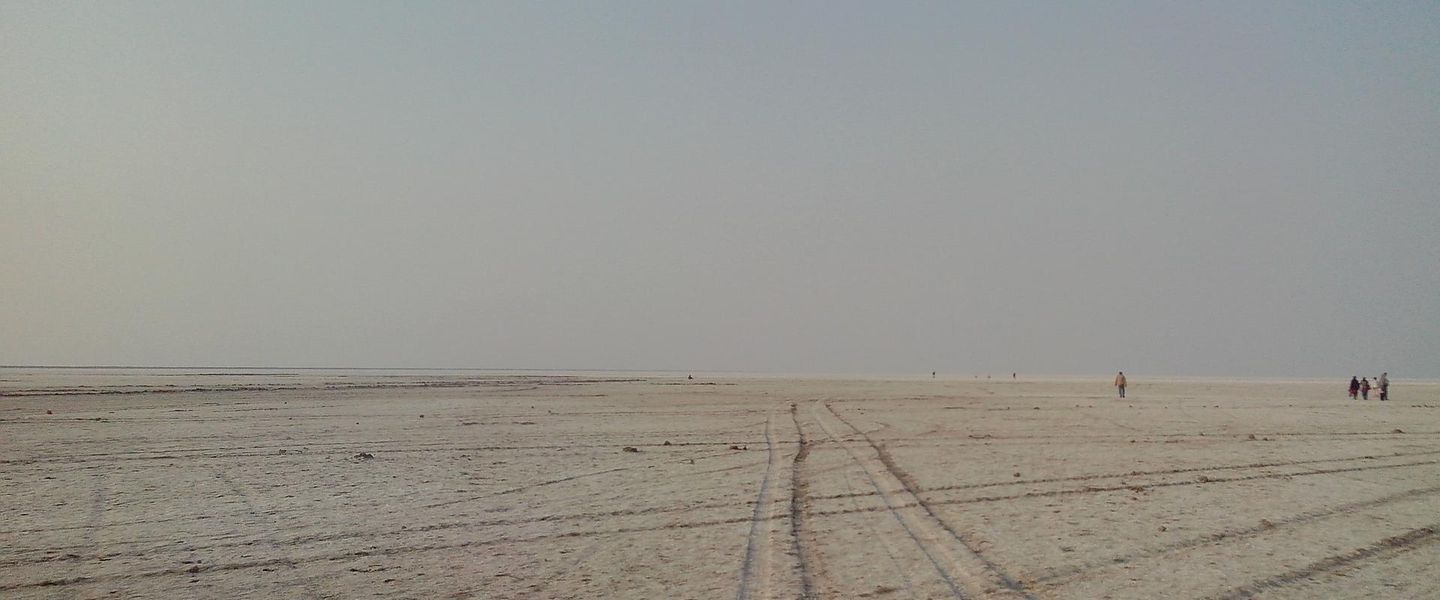


Explore Kutch in Gujarat for salt deserts, Indus Valley history, coastal towns, wildlife and remarkable textile traditions.
Read more about Kutch
When is the best time to visit Kutch?
Best: December–February · 24–27°C| Month | High (°C) | Rainfall (mm) |
|---|---|---|
| January (best) | 24 | 2 |
| February (best) | 27 | 2 |
| March | 33 | 3 |
| April | 37 | 2 |
| May | 41 | 3 |
| June | 38 | 45 |
| July | 34 | 150 |
| August | 33 | 130 |
| September | 35 | 75 |
| October | 34 | 15 |
| November | 30 | 5 |
| December (best) | 26 | 2 |
Getting to and around Kutch
How to get there
Transportation
Top city travel guides in Kutch
The cities of Kutch, and the easiest places to base yourself.

Swipe for more cities
Destinations in Kutch
Resorts, valleys and scenic spots worth a trip of their own.

Swipe for more destinations
Best attractions in Kutch
Kutch’s attractions range from archaeological ruins and palaces to salt flats, grasslands, beaches and craft villages. In Bhuj, the Kutch Museum, Aina Mahal and Prag Mahal introduce the region’s courtly, artistic and social history, while nearby Bhujodi is associated with weaving and textile production. The Great Rann and the Banni grasslands offer expansive landscapes, birdwatching and encounters with pastoral settlements, with access and seasonal conditions varying across the year. Dholavira on Khadir Bet is the region’s outstanding archaeological destination, revealing the planning and water engineering of an Indus Valley city. The Kutch Desert Wildlife Sanctuary adds stark salt-marsh scenery and seasonal wetlands. Mandvi combines a beach, boatbuilding traditions and a historic coastal setting, while Narayan Sarovar and Koteshwar provide a more remote western journey of pilgrimage, desert and sea. Craft-focused visits to villages such as Nirona, Hodka and Dhordo can be rewarding when arranged respectfully through local workshops or guides. Because the district is enormous, these experiences are best grouped geographically rather than attempted from Bhuj in a single series of day trips.
-
Hindu temple
Shree Swaminarayan Temple Bhuj (Bhuj Mandir)
Discover the serene beauty and spiritual essence of Shree Swaminarayan Temple in Bhuj, a stunning example of Hindu architecture and devotion.
-
Tourist attraction
Kutch’s white desert
Experience the enchanting beauty of Kutch's white desert, a unique salt marsh in Gujarat offering stunning landscapes and rich cultural experiences.
-
Tourist attraction
Rann Utsav - The Tent City
Discover the magic of Rann Utsav at the Tent City in Gujarat, where vibrant culture, stunning landscapes, and unforgettable experiences await every traveler.
-
History museum
Vande Mataram Memorial
Explore the Vande Mataram Memorial in Gujarat, a serene tribute featuring stunning sculptures and lush gardens celebrating India's rich cultural heritage.


Best landmarks in Kutch
Dholavira is Kutch’s most consequential landmark: its massive walls, reservoirs, gateways and carefully planned urban remains document an advanced Indus Valley settlement on Khadir Bet. In Bhuj, Prag Mahal is recognised for its nineteenth-century Gothic and Italianate architectural vocabulary, while the adjoining Aina Mahal represents the refined interiors and court culture of the former Kutch state. Bhuj’s old fortifications and surviving historic buildings also recall the city’s role as a capital, although the 2001 earthquake altered much of the historic fabric. At the coast, Mandvi’s Vijay Vilas Palace lies near the beach and represents the later royal architecture of Kutch; the town’s wooden shipbuilding yards provide a living marker of its maritime history. Kalo Dungar, or Black Hill, is the highest point in Kutch and gives broad views towards the Rann. Further west, the temple at Koteshwar stands at a remote coastal extremity, where pilgrimage, flat salt country and the Arabian Sea meet. The Great Rann itself is a geographical landmark whose appearance changes with water, salt and light.
-
Tourist attraction
White Desert Of Kutch
Experience the breathtaking beauty of the White Desert of Kutch, a stunning natural wonder in Gujarat, India, celebrated for its unique landscapes and vibrant culture.
-
Tourist attraction
Vijay Villas Palace
Discover the architectural splendor and rich history of Vijay Villas Palace in Mandvi, Gujarat, a royal heritage site surrounded by breathtaking nature.
-
Tourist attraction
Rann Utsav - The Tent City
Discover the enchanting Rann Utsav - The Tent City in Gujarat, where vibrant culture meets stunning landscapes and unforgettable experiences.
-
Tourist attraction
Aaina Mahal
Discover the grandeur of Aaina Mahal, a splendid heritage site in Bhuj, showcasing the royal history and architectural brilliance of Kutch.


Explore Kutch on the map
Plan your trip on one map. See where the top cities, national parks and sights are, and book hotels and experiences in a few clicks.
Best hotels in Kutch
Best restaurants in Kutch
Kutch’s food reflects Gujarati vegetarian traditions alongside Sindhi, Kutchi, pastoral and coastal influences. In Bhuj and the larger towns, visitors will find thali meals, millet-based breads, lentils, vegetables, dairy, snacks and sweets, with menus often changing according to season and household style. Bajra rotla served with vegetables, pulses or dairy is closely associated with the foodways of arid Gujarat, while dal pakwan and other Sindhi-influenced dishes appear in communities with those cultural connections. Mandvi and other coastal settlements add seafood to the regional choice, although availability varies. Roadside stalls, modest family restaurants, cafés and hotel dining rooms provide most of the practical options; remote craft villages may offer meals only by prior arrangement. Look for local dairy products, pickles, savoury snacks and seasonal produce in Bhuj markets, and treat packaged products as easier gifts than delicate prepared foods. Dining is generally straightforward rather than formal, with vegetarian cooking especially prominent across the district.
-
Gujarati
Umiyaji Dining Hall
Experience authentic Gujarati flavors at Umiyaji Dining Hall in Bhuj – where every meal tells a story of tradition and taste.
-
Indian
Shree chamunda krupa restaurant(arvind maraj-1994)
Experience the rich tapestry of Indian flavors at Shree Chamunda Krupa Restaurant in Samakhiali – a culinary delight for every traveler.
-
Punjabi
Shaan-E-Punjab Dhaba
Experience authentic Punjabi vegetarian cuisine at Shaan-E-Punjab Dhaba in Bhuj – where every meal tells a delicious story.
-
Punjabi
SARDAR RESTAURANT
Experience authentic Punjabi vegetarian cuisine at Sardar Restaurant in Bhuj - where every meal is a celebration of flavor.


Best bars in Kutch
Kutch does not have a major nightclub scene, and evening life is concentrated in restaurants, hotel courtyards, tea stalls, cultural programmes and traditional social spaces rather than late-night entertainment districts. Bhuj offers the broadest selection of cafés and hotel bars, subject to local licensing rules and individual property policies, while Gandhidham has a more commercial urban evening atmosphere. In Mandvi, the waterfront and accommodation areas can be pleasant for an early evening meal, but nightlife remains relatively restrained. Around Dhordo and other Rann visitor areas, evening entertainment may include organised cultural performances during the winter tourism season, though formats and schedules change. In rural Kutch, a quiet meal, conversation, folk performance or an early start for the desert is usually more realistic than clubbing. Visitors should observe local customs around alcohol, particularly near religious sites and in communities where drinking is not part of public life.
-
Tourist attraction
Rann Utsav - The Tent City
Immerse yourself in the vibrant culture of Gujarat at Rann Utsav - The Tent City, where tradition and hospitality unite in a stunning desert setting.
-
Tourist attraction
Aaina Mahal
Discover the architectural splendor and royal history of Aaina Mahal, a jewel of Kutch's heritage in Bhuj, Gujarat.
-
 Resort hotel
Pride Rock Resort & Restaurant
Discover the elegance of Pride Rock Resort & Restaurant – a luxurious haven for gourmet dining and relaxation in the heart of Gujarat.
-
Hotel
Rann Resort Dholavira
Discover the serene beauty and rich heritage of Gujarat at Rann Resort Dholavira, your perfect desert getaway.


Best nightclubs in Kutch
Kutch does not have a major nightclub scene, and evening life is concentrated in restaurants, hotel courtyards, tea stalls, cultural programmes and traditional social spaces rather than late-night entertainment districts. Bhuj offers the broadest selection of cafés and hotel bars, subject to local licensing rules and individual property policies, while Gandhidham has a more commercial urban evening atmosphere. In Mandvi, the waterfront and accommodation areas can be pleasant for an early evening meal, but nightlife remains relatively restrained. Around Dhordo and other Rann visitor areas, evening entertainment may include organised cultural performances during the winter tourism season, though formats and schedules change. In rural Kutch, a quiet meal, conversation, folk performance or an early start for the desert is usually more realistic than clubbing. Visitors should observe local customs around alcohol, particularly near religious sites and in communities where drinking is not part of public life.
-
Tourist attraction
Rann Utsav - The Tent City
Explore the enchanting Rann Utsav - The Tent City, where Gujarat's vibrant culture comes alive amidst breathtaking landscapes and luxurious accommodations.
-
Hotel
Time Square Club Resort & Spa
Experience luxury and tranquility at Time Square Club Resort & Spa, your perfect getaway in the heart of Bhuj, Gujarat.
-
Social club
Lions Club of Gandhidham
Discover the lively atmosphere of the Lions Club of Gandhidham, a vibrant social hub blending community engagement and nightlife.
-
Club
Nexus Club
Experience the vibrant nightlife at Nexus Club in Gandhidham, a perfect blend of music, dance, and entertainment.


Best shops in Kutch
Bhuj is the main shopping centre for Kutch crafts, with textile shops, artisan outlets, galleries and markets offering embroidered garments, woven shawls, ajrakh prints, bandhani textiles, leather goods, lacquerware, woodwork and metal objects. Bhujodi, on the city’s outskirts, is particularly associated with handloom weaving, while villages such as Nirona are known for specialised craft traditions; buying directly from workshops can provide better context than purchasing anonymous souvenirs. Craft styles are community-specific, so ask about materials, production methods and care before buying, especially for older-looking textiles whose age and provenance may be difficult to establish. Mandvi and other towns offer local food products, household goods and practical market shopping rather than extensive designer retail. Small market areas are useful for spices, snacks, embroidered accessories and packaged regional produce, but opening days and individual stalls vary. Carry cash for village purchases, compare quality rather than bargaining aggressively, and leave archaeological objects, wildlife products and undocumented antiquities where they belong.
-
Sweet shop
Farsani Duniya, Tha. Mangalji Lalji and sons
Experience the authentic flavors of Gujarat at Farsani Duniya – a must-visit sweet shop in Bhuj for all food enthusiasts.
-
Craft store
Bhoomi Handicrafts
Discover the essence of Indian craftsmanship at Bhoomi Handicrafts in Bhuj, where every piece is a testament to traditional artistry.
-
Clothing store
Kachchh Art Emporium (Daudbhai Khatri)
Explore Kachchh Art Emporium for authentic clothing and crafts reflecting the rich heritage of Gujarat, a must-visit for every traveler.
-
Handicraft
Sohil khatri bhujodi kachchh
Explore the exquisite craftsmanship of Gujarat at Sohil Khatri Bhujodi Kachchh, where vibrant sarees and unique clothing await every traveler.


Get your free copy of our complete guide to Kutch, delivered straight to you.
Everything on this page, from attractions and restaurants to essentials and local phrases, in one PDF you can read offline, print or share.
Already have an account? Sign in
Your Kutch guide is ready.
We'll send it to · Not you? Sign out

Getting your guide ready…
We are putting together a fresh copy of the Kutch guide. This can take up to a minute.
This can take a few moments. If your browser asks, choose Allow so the download can start. You'll find the guide in your Downloads folder.
Nothing happened? Download it again
Sorry, the guide is taking longer than usual. Please try again in a minute, or get it by email instead.
Kutch essentials
Currency and Payment
Safety
Emergency Situations
Do's and Don'ts
Local Tips
From Eve
Local phrases worth knowing
You don't need to get them perfect. A few words go a long way, and locals appreciate the effort.
Basics
| English | Local | Say it |
|---|---|---|
| Hello | नमस्ते | [Namaste] |
| Goodbye | अलविदा | [Alvida] |
| Yes | हाँ | [Haan] |
| No | नहीं | [Nahin] |
| Please/You're welcome | कृपया | [Kripya] |
| Thank you | धन्यवाद | [Dhanyavad] |
| Excuse me/Sorry | माफ़ करें | [Maaf karen] |
| How are you? | आप कैसे हैं? | [Aap kaise hain?] |
| Fine. And you? | अच्छा। और आप? | [Accha. Aur aap?] |
| Do you speak English? | क्या आप अंग्रेजी बोलते हैं? | [Kya aap Angrezi bolte hain?] |
| I don't understand | मुझे समझ में नहीं आता | [Mujhe samajh mein nahin aata] |
Eating & Drinking
| English | Local | Say it |
|---|---|---|
| I'd like to see the menu, please | क्या मैं मेनू देख सकता हूँ? | [Kya main menu dekh sakta hoon?] |
| I don't eat meat | मैं मांस नहीं खाता | [Main maans nahin khata] |
| Cheers! | सुप्रभात! | [Suprabhat!] |
| I would like to pay, please | मैं भुगतान करना चाहता हूँ | [Main bhugtaan karna chahta hoon] |
Emergencies
| English | Local | Say it |
|---|---|---|
| Help! | मदद करें! | [Madad karen!] |
| Go away! | जाओ यहाँ से! | [Jaao yahaan se!] |
| Call the Police! | पुलिस को बुलाओ! | [Police ko bulaao!] |
| Call a doctor! | डॉक्टर को बुलाओ! | [Doctor ko bulaao!] |
| I'm lost | मैं खो गया हूँ | [Main kho gaya hoon] |
| I'm ill | मैं बीमार हूँ | [Main beemaar hoon] |
Shopping
| English | Local | Say it |
|---|---|---|
| I'd like to buy... | मैं खरीदना चाहता हूँ... | [Main kharidna chahta hoon...] |
| I'm just looking | मैं सिर्फ देख रहा हूँ | [Main sirf dekh raha hoon] |
| How much is it? | यह कितने का है? | [Yah kitne ka hai?] |
| That's too expensive | यह बहुत महंगा है | [Yah bahut mehnga hai] |
| Can you lower the price? | क्या आप कीमत कम कर सकते हैं? | [Kya aap keemat kam kar sakte hain?] |
Time & Numbers
| English | Local | Say it |
|---|---|---|
| What time is it? | समय क्या है? | [Samay kya hai?] |
| It's one o'clock | यह एक बजे है | [Yah ek baje hai] |
| Half past (10) | साढ़े (10) | [Saade (10)] |
| Morning | सुबह | [Subah] |
| Afternoon | दोपहर | [Dopahar] |
| Evening | शाम | [Shaam] |
| Yesterday | कल | [Kal] |
| Today | आज | [Aaj] |
| Tomorrow | कल | [Kal] |
| 1 | 1 | [1] |
| 2 | 2 | [2] |
| 3 | 3 | [3] |
| 4 | 4 | [4] |
| 5 | 5 | [5] |
| 6 | 6 | [6] |
| 7 | 7 | [7] |
| 8 | 8 | [8] |
| 9 | 9 | [9] |
| 10 | 10 | [10] |
Transport & Directions
| English | Local | Say it |
|---|---|---|
| Where's a/the...? | एक/दूसरा कहाँ है? | [Ek/Dusra kahaan hai?] |
| What's the address? | पता क्या है? | [Pata kya hai?] |
| Can you show me (on the map)? | क्या आप मुझे दिखा सकते हैं (नक्शे पर)? | [Kya aap mujhe dikha sakte hain (nakshe par)?] |
| When's the next (bus)? | अगली (बस) कब है? | [Agli (bus) kab hai?] |
| A ticket (to ....) | एक टिकट (.... के लिए) | [Ek ticket (.... ke liye)] |
History of Kutch
The Indus Valley City of Dholavira
Dholavira, on Khadir Bet in the Great Rann, was a major urban settlement of the Indus Valley Civilisation, occupied for many centuries during the third and second millennia BCE. Its carefully planned streets, defensive walls, reservoirs, ceremonial spaces and sophisticated water-management systems reveal how an urban society adapted to an environmentally demanding landscape. The site’s position linked inland communities with wider networks reaching towards the Arabian Sea. Archaeological remains at Dholavira are among Kutch’s most important historical inheritances and demonstrate that the region was connected to long-distance trade and urban culture thousands of years ago.
Kutch in Ancient and Medieval Trade
Kutch’s position between the Arabian Sea, Sindh and the Gujarati mainland made it a meeting place for traders, pastoralists and seafarers. Coastal settlements and inland routes connected the peninsula with ports around the Indian Ocean, while political influence shifted among regional powers over time. The arid environment encouraged mobile pastoralism, salt production and specialised craft work alongside agriculture in better-watered areas. Religious traditions also left a varied imprint, including Hindu, Jain and Muslim institutions. Much of Kutch’s later cultural character grew from these overlapping connections rather than from isolation.
The Jadeja Rulers and the Rise of Bhuj
The Jadeja Rajput dynasty established a durable political centre in Kutch, and Bhuj developed as its capital from the sixteenth century. Fortifications, palaces, temples and administrative buildings reflected the authority of the court, while merchants and craftspeople helped the city prosper. Aina Mahal and Prag Mahal, both in Bhuj, belong to the later architectural history of this ruling tradition, although they represent different periods and styles. The court also supported artistic production, including textiles, metalwork and decorative crafts that remain associated with Kutch’s cultural identity.
Earthquakes, Ports and Changing Power
Kutch has repeatedly been shaped by seismic activity and changing maritime conditions. The major earthquake of 1819 altered the landscape around the Rann and created the raised feature known as the Allah Bund, while later earthquakes also affected towns and infrastructure. During the nineteenth century, British influence expanded through changing political arrangements and the development of ports and administrative links. Kandla, near the eastern edge of the district, became an important modern port after independence, adding industrial and commercial dimensions to a region long associated with caravan routes, coastal trade and pastoral economies.
Craft Communities and Regional Identity
Kutch’s textile traditions developed through the work of numerous communities, with techniques including embroidery, weaving, bandhani, block printing, ajrakh printing, leatherwork, woodwork and lacquer. These practices were shaped by local materials, community identity, trade and changing demand rather than by a single uniform style. In the twentieth and early twenty-first centuries, cooperatives, designers and development organisations helped bring Kutch crafts to wider markets, while artisans continued to adapt motifs and products. Craft remains both an economic activity and an important expression of the region’s social and cultural diversity.
The 2001 Bhuj Earthquake and Reconstruction
On 26 January 2001, a devastating earthquake centred near Bhuj caused extensive loss of life and widespread destruction across Kutch. Bhuj, Bhachau, Anjar and many villages were severely affected, as were historic buildings and homes. Reconstruction transformed roads, public facilities and parts of the urban landscape, while conservation efforts sought to retain important surviving structures. The disaster also brought renewed attention to seismic planning, local building practices and the vulnerability of rural communities. Contemporary Kutch cannot be understood without recognising the earthquake’s lasting effect on its towns, families and development.
Kutch in Contemporary Gujarat
Modern Kutch combines pastoral settlements, agriculture, handicrafts, tourism, ports, manufacturing and energy infrastructure. Improved roads and the growth of Bhuj as a visitor base have made remote landscapes more accessible, while Dholavira and the Rann have strengthened the region’s national and international profile. At the same time, the district faces familiar pressures of water scarcity, fragile salt-marsh ecology, industrial expansion and the commercial standardisation of cultural products. Its present identity therefore rests on a continuing negotiation between environmental limits, economic opportunity and the preservation of distinctive local traditions.
Kutch in Photos
Browse through our photo collection highlighting the charm and character of the destination.
Neighbouring regions of Kutch
The closest regions to Kutch, if you have time for more than one.
-

-

-

-

-


Swipe for more regions
Explore more

Explore more of India
Discover the magic of India, where diverse landscapes, rich heritage, and vibrant culture come together to create an unforgettable travel experience.
Explore India