

Free Gujarat Travel Guide & Mobile App
Explore Gujarat with free travel guides. Discover regional history, expert tips, proposed trips, and audio guides on web or mobile app.


Explore Gujarat for Indus sites, Jain temples, Asiatic lions, salt deserts, historic cities, craft villages and distinctive vegetarian cuisine.
Read more about Gujarat
When is the best time to visit Gujarat?
Best: December–February · 25–29°C| Month | High (°C) | Rainfall (mm) |
|---|---|---|
| January (best) | 25 | 1 |
| February (best) | 29 | 2 |
| March | 34 | 1 |
| April | 37 | 1 |
| May | 38 | 7 |
| June | 35 | 112 |
| July | 32 | 281 |
| August | 31 | 227 |
| September | 31 | 125 |
| October | 31 | 22 |
| November | 29 | 14 |
| December (best) | 27 | 2 |
Getting to and around Gujarat
How to get there
Transportation
Top city travel guides in Gujarat
The cities of Gujarat, and the easiest places to base yourself.
-

-

-

-

-

-


Swipe for more cities
Destinations in Gujarat
Resorts, valleys and scenic spots worth a trip of their own.

Swipe for more destinations
Best attractions in Gujarat
Gujarat's attractions range from Bronze Age archaeology to wildlife reserves and living craft traditions. The archaeological sites of Lothal and Dholavira reveal planned urban settlements of the Indus civilisation, while Ahmedabad's historic pols, the stepwell of Rani ki Vav at Patan, Modhera Sun Temple and the mixed religious architecture of Champaner-Pavagadh illustrate later architectural achievements. Pilgrimage routes lead to the temples of Dwarka and Somnath, the Jain hilltop complex at Palitana and the shrines of Girnar near Junagadh. Nature-focused travel includes Asiatic lion safaris in Gir National Park, Indian wild ass sightings in the Little Rann of Kutch, grassland wildlife at Blackbuck National Park and marine habitats in the Gulf of Kutch. Kutch adds salt-desert scenery, village-based embroidery, weaving, pottery and leatherwork, while Vadodara contributes palaces, museums and cultural institutions. The attraction landscape is best approached through several regional circuits rather than a single linear tour, with seasonal heat, monsoon access and long road distances shaping the itinerary.
-
Tourist attraction
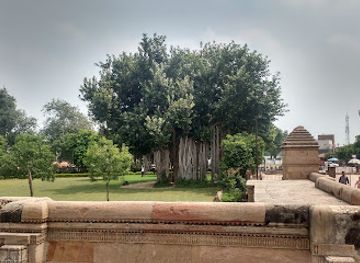
Adalaj Stepwell
Discover the architectural marvel of Adalaj Stepwell, a historical gem showcasing intricate carvings and Indo-Islamic design near Ahmedabad, Gujarat.
-
Historical landmark
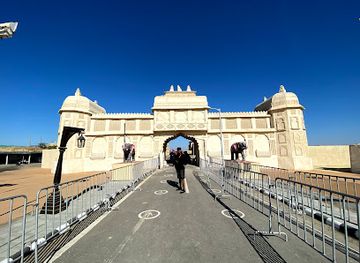
Rani Ki Vav, Patan - World Heritage Site
Explore Rani Ki Vav, Patan's magnificent stepwell: a UNESCO site showcasing ancient Indian architecture, intricate carvings & water management.
-
Hindu temple
Shree Mahakali Mataji Temple, Pavagadh
Discover the enchanting Shree Mahakali Mataji Temple in Pavagadh, a sacred site perched on a hill, offering breathtaking views and rich cultural experiences.
-
Tourist attraction
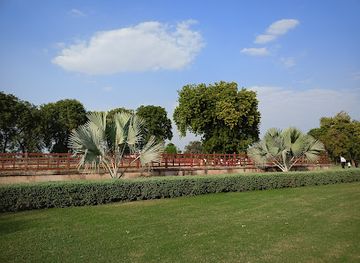
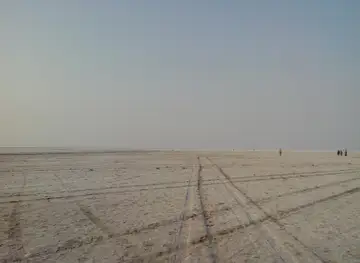
Kutch’s white desert
Experience the surreal beauty of the White Desert of Kutch, a vast salt marsh offering a unique landscape and vibrant cultural experiences.

Best landmarks in Gujarat
Ahmedabad's historic walled city, with its pol neighbourhoods, carved timber houses, mosques, gates and community spaces, is one of Gujarat's most distinctive urban landmarks. The Sabarmati Ashram has national significance as a place associated with Gandhi and the independence movement. At Patan, Rani ki Vav descends through elaborately carved levels, while the Sun Temple at Modhera is a major example of Solanki-era architecture. Champaner-Pavagadh preserves a remarkable concentration of mosques, tombs, temples, fortifications and civic structures across a historic landscape. Dholavira's reservoirs and fortified urban remains mark the depth of Gujarat's ancient past. In the natural realm, the white salt expanses of the Great Rann, the volcanic hill of Pavagadh and the protected landscapes of Gir and the Little Rann are powerful geographical symbols. The temples of Dwarka, Somnath and Palitana remain important religious landmarks as well as architectural destinations, and should be visited with respect for their active devotional functions.
-
Heritage building
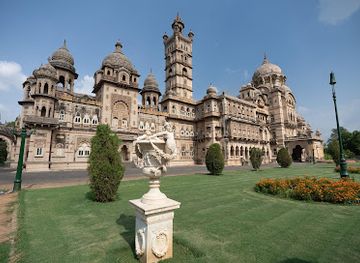
Laxmi Vilas Palace
Explore the grandeur of Laxmi Vilas Palace in Vadodara, a magnificent heritage site showcasing Indo-Saracenic architecture and royal history.
-
Tourist attraction
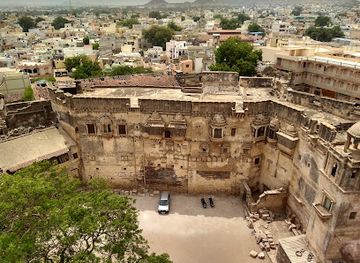
Aaina Mahal
Discover the splendor of Aaina Mahal in Bhuj, Gujarat, a historical palace showcasing exquisite art and a rich heritage of the Kutch region.
-
Historical landmark
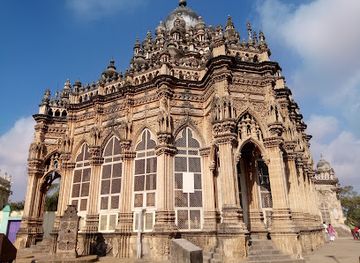
Mahabat Maqbara Palace
Explore the captivating Mahabat Maqbara Palace, a stunning historical landmark showcasing India's rich architectural heritage in Junagadh, Gujarat.
-
Tourist attraction
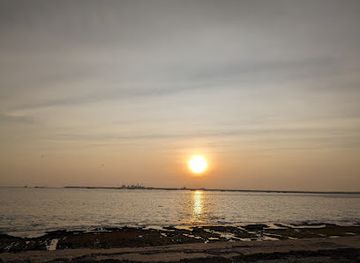
Porbandar Beach
Explore the serene beauty and historical significance of Porbandar Beach, a coastal gem in Gujarat perfect for relaxation and adventure.
Explore Gujarat on the map
Plan your trip on one map. See where the top cities, national parks and sights are, and book hotels and experiences in a few clicks.
Best hotels in Gujarat
Best restaurants in Gujarat
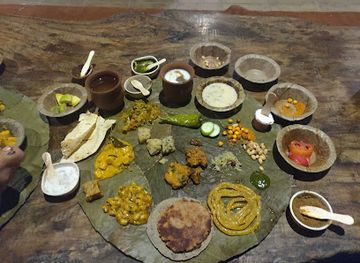
Gujarati dining is best known for vegetarian thali, in which small servings of vegetables, pulses, breads, rice, pickles and sweets create a carefully balanced meal. Ahmedabad, Vadodara and Surat offer everything from traditional thali restaurants and snack counters to contemporary kitchens, cafés and hotel dining rooms. Dhokla, khandvi, fafda, jalebi, thepla and handvo are widely encountered, while Surat has a particularly strong street-food culture and distinctive local snacks. Kutch and Saurashtra contribute robust home-style dishes, millet breads and regional pickles, and dairy products are important in many meals. Markets and early-morning food stalls are useful places to explore everyday tastes, although hygiene standards vary and visitors should choose busy outlets with good food turnover. Menus may be fully vegetarian, and alcohol is restricted under Gujarat's prohibition laws, so dining and drinks arrangements differ from those in many other Indian states.
-
Gujarati
Rajwadu
Discover authentic Gujarati and Rajasthani cuisine at Rajwadu in Ahmedabad - where every meal tells a story.
-
Indian
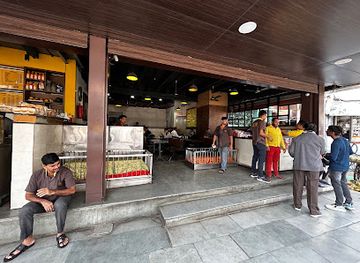
Lucky Restaurant
Discover the vibrant flavors of Indian vegetarian cuisine at Lucky Restaurant in Ahmedabad - a must-visit culinary destination.
-
Vegetarian
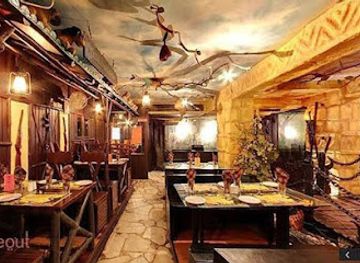
Jungle Bhookh Restaurant
Discover exceptional vegetarian cuisine at Jungle Bhookh Restaurant in Ahmedabad – where traditional flavors meet innovative dining.
-
Gujarati
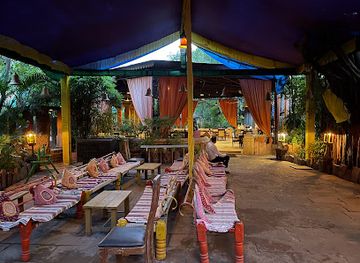
Vishalla restaurant
Discover the essence of Gujarat at Vishalla: A unique restaurant offering authentic vegetarian dishes in a culturally rich atmosphere.
Best bars in Gujarat
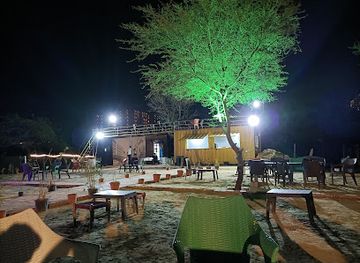
Gujarat does not have a conventional bar and nightclub culture because alcohol is subject to strict state prohibition, with limited legal arrangements for eligible visitors and residents. Evening life instead centres on restaurants, tea stalls, dessert shops, food streets, cinemas, cultural venues and family-oriented public spaces. Ahmedabad and Vadodara have the broadest selection of late dining, live performances and contemporary cafés, while Surat is known for energetic evening food culture. In smaller towns, pilgrimage centres and rural districts, evenings are generally quieter and may revolve around temples, community events, hotel restaurants or traditional gatherings rather than clubs. Visitors should not bring alcohol into public places or assume that a hotel can serve it; confirm the current legal position and any required permissions through official or hotel channels.
-
Restaurant
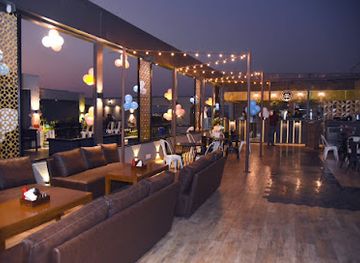
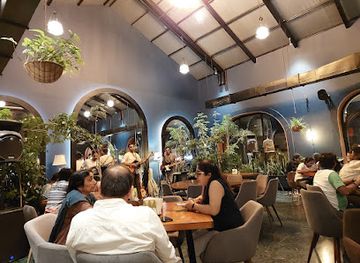
Makeba The Lounge Cafe
Experience the vibrant culinary scene at Makeba The Lounge Cafe, where diverse flavors and stunning views create unforgettable moments in Ahmedabad.
-
Brewpub
The Brewery.
Experience the finest craft beer and gourmet dining at The Brewery in Vadodara, where every meal is a celebration of flavor and craftsmanship.
-
Lounge
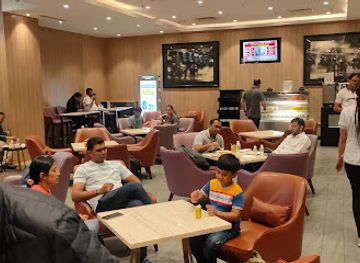
Plaza Premium Lounge
Experience luxury and tranquility at Plaza Premium Lounge in Ahmedabad Airport, where comfort meets convenience for all travelers.
-
Lounge
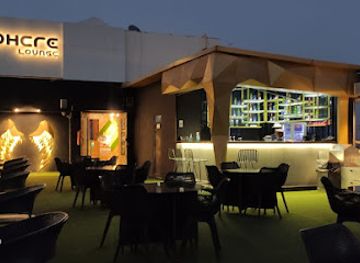
Sphere Lounge
Experience luxury dining at Sphere Lounge in Ahmedabad – where ambiance meets culinary excellence for an unforgettable evening.
Best nightclubs in Gujarat
Gujarat does not have a conventional bar and nightclub culture because alcohol is subject to strict state prohibition, with limited legal arrangements for eligible visitors and residents. Evening life instead centres on restaurants, tea stalls, dessert shops, food streets, cinemas, cultural venues and family-oriented public spaces. Ahmedabad and Vadodara have the broadest selection of late dining, live performances and contemporary cafés, while Surat is known for energetic evening food culture. In smaller towns, pilgrimage centres and rural districts, evenings are generally quieter and may revolve around temples, community events, hotel restaurants or traditional gatherings rather than clubs. Visitors should not bring alcohol into public places or assume that a hotel can serve it; confirm the current legal position and any required permissions through official or hotel channels.
-
Night club
Encore Club
Immerse yourself in the vibrant nightlife of Ahmedabad at Encore Club, where great music and unforgettable experiences await.
-
Night club
LITTEL BITES CAFE. (NIGHT CAFE)
Discover the vibrant nightlife and delectable cuisine at Littell Bites Cafe, Ahmedabad's premier night club experience.
-
Night club
Midnight Club
Discover the electrifying nightlife at Midnight Club in Ahmedabad, where great music and vibrant atmosphere await party enthusiasts.
-
 Night club
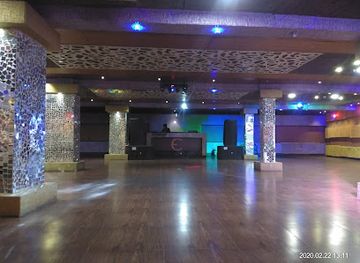
Kintech Official Monitering
Experience the pulsating nightlife at Kintech Official Monitoring, Bhatel's top night club for an unforgettable evening of music and dance.

Best shops in Gujarat
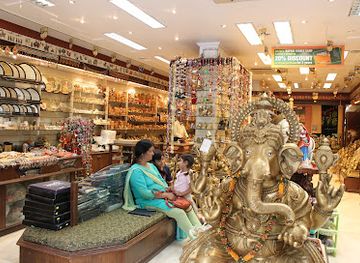
Shopping in Gujarat is closely connected with craft, textiles and food rather than concentrated luxury retail. Ahmedabad's markets and specialist textile outlets are useful for embroidered fabrics, block-printed textiles, bandhani tie-dye and traditional garments, while Vadodara combines established urban shopping with galleries and craft-oriented stores. Bhuj and the villages of Kutch are particularly important for embroidery, weaving, ajrakh printing, pottery, leatherwork and patchwork, although designs and techniques vary by community. Patan is associated with the highly skilled patola weaving tradition, and regional food shops sell spices, pickles, snacks, sweets and packaged Gujarati specialities. Surat is a major commercial centre for textiles and synthetic fabrics. Bargaining may be customary in informal markets but is less appropriate in fixed-price shops and cooperative outlets; examine workmanship carefully, ask about provenance and allow room in luggage for textiles, which are generally more practical souvenirs than fragile decorative objects.
-
Shopping mall
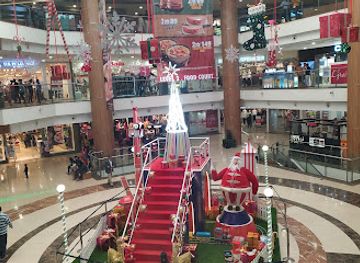
Inorbit Mall Vadodara
Explore the vibrant shopping and dining experiences at Inorbit Mall Vadodara, the ultimate destination for every traveler.
-
Market
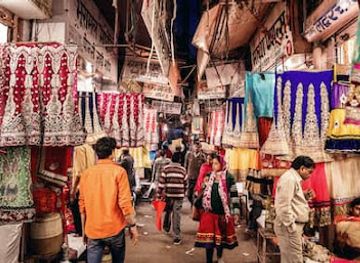
Dhalgarwad Market
Experience the vibrant colors and authentic styles at Dhalgarwad Market, Ahmedabad's premier shopping destination for clothing and crafts.
-
Designer Clothing Store
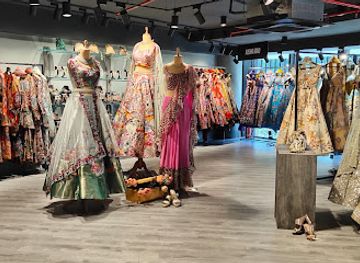
Pernia's Pop-Up Studio, Ahmedabad
Discover the essence of luxury fashion at Pernia's Pop-Up Studio in Ahmedabad, a premier destination for designer clothing and bridal wear.
-
Gift shop
Kapasi Handicrafts Emporium
Discover unique handcrafted gifts and exquisite Indian artistry at Kapasi Handicrafts Emporium in Ahmedabad, a must-visit destination for every traveler.
Get your free copy of our complete guide to Gujarat, delivered straight to you.
Everything on this page, from attractions and restaurants to essentials and local phrases, in one PDF you can read offline, print or share.
Already have an account? Sign in
Your Gujarat guide is ready.
We'll send it to · Not you? Sign out

Getting your guide ready…
We are putting together a fresh copy of the Gujarat guide. This can take up to a minute.
This can take a few moments. If your browser asks, choose Allow so the download can start. You'll find the guide in your Downloads folder.
Nothing happened? Download it again
Sorry, the guide is taking longer than usual. Please try again in a minute, or get it by email instead.
Gujarat essentials
Currency and Payment
Safety
Emergency Situations
Do's and Don'ts
Local Tips
From Eve
Local phrases worth knowing
You don't need to get them perfect. A few words go a long way, and locals appreciate the effort.
Basics
| English | Local | Say it |
|---|---|---|
| Hello | નમસ્તે | [Namaste] |
| Goodbye | આવજો | [Aavjo] |
| Yes | હા | [Ha] |
| No | ના | [Na] |
| Please/You're welcome | કૃપા કરીને / સ્વાગત છે | [Krupa karine / Swagat chhe] |
| Thank you | ધન્યવાદ | [Dhanyavad] |
| Excuse me/Sorry | માફ કરશો | [Maaf karsho] |
| How are you? | તમે કેવી રીતે છો? | [Tame kevi rite cho?] |
| Fine. And you? | બરાબર. અને તમે? | [Barabar. Ane tame?] |
| Do you speak English? | શું તમે અંગ્રેજી બોલો છો? | [Shu tame Angreji bolo cho?] |
| I don't understand | હું સમજી શકતો નથી | [Hu samji sakto nathi] |
Eating & Drinking
| English | Local | Say it |
|---|---|---|
| I'd like to see the menu, please | હું મેન્યૂ જોવા માગું છું, કૃપા કરીને | [Hu menu jova magu chu, krupa karine] |
| I don't eat meat | હું માંસ નથી ખાતું | [Hu maans nathi khatu] |
| Cheers! | જમણાવું! | [Jamanavu!] |
| I would like to pay, please | હું ચુકવણી કરવી છે, કૃપા કરીને | [Hu chukavani karvi chhe, krupa karine] |
Emergencies
| English | Local | Say it |
|---|---|---|
| Help! | મદદરુપ! | [Madarup!] |
| Go away! | દૂર જાઓ! | [Door jao!] |
| Call the Police! | પોલીસને બોલાવો! | [Police ne bolaavo!] |
| Call a doctor! | ડોક્ટરને બોલાવો! | [Doctor ne bolaavo!] |
| I'm lost | હું ખોવાઈ ગયો છું | [Hu khovai gayo chu] |
| I'm ill | હું બીમાર છું | [Hu bimaar chu] |
Shopping
| English | Local | Say it |
|---|---|---|
| I'd like to buy... | હું ખરીદવા માંગું છું... | [Hu kharidva magu chu...] |
| I'm just looking | હું ફક્ત જોઈ રહ્યો છું | [Hu fakta joi rahyo chu] |
| How much is it? | આ કેટલુ છે? | [Aa ketlu chhe?] |
| That's too expensive | આ ખૂબ જ મોંઘું છે | [Aa khub j monghu chhe] |
| Can you lower the price? | શું તમે કિંમતે ઘટાડો કરી શકો છો? | [Shu tame kimat e ghatado kari shako cho?] |
Time & Numbers
| English | Local | Say it |
|---|---|---|
| What time is it? | આજે કેટલુ વાગ્યું છે? | [Aaje ketlu vaagyu chhe?] |
| It's one o'clock | આજે એક વાગ્યું છે | [Aaje ek vaagyu chhe] |
| Half past (10) | દોઢ (10) | [Dodh (10)] |
| Morning | સવાર | [Savaar] |
| Afternoon | બપોર | [Bapor] |
| Evening | સાંજ | [Saanj] |
| Yesterday | ગણો | [Gano] |
| Today | આજે | [Aaje] |
| Tomorrow | કાલે | [Kaale] |
| 1 | ૧ | [1] |
| 2 | ૨ | [2] |
| 3 | ૩ | [3] |
| 4 | ૪ | [4] |
| 5 | ૫ | [5] |
| 6 | ૬ | [6] |
| 7 | ૭ | [7] |
| 8 | ૮ | [8] |
| 9 | ૯ | [9] |
| 10 | ૧૦ | [10] |
Transport & Directions
| English | Local | Say it |
|---|---|---|
| Where's a/the...? | ક્યાં છે ...? | [Kyaan chhe ...?] |
| What's the address? | સરનામું શું છે? | [Sarnamu shu chhe?] |
| Can you show me (on the map)? | શું તમે મને બતાવી શકો છો (નકશા પર)? | [Shu tame mane bataavi shako cho (Nakasha par)?] |
| When's the next (bus)? | આગળની (બસ) ક્યારે છે? | [Aagalni (bus) kyare chhe?] |
| A ticket (to ....) | એક ટિકિટ (.... માટે) | [Ek ticket (.... maate)] |
History of Gujarat
Indus Civilisation at Lothal and Dholavira
Gujarat contains two of the most important archaeological sites associated with the Indus civilisation. Lothal, near the former course of the Sabarmati system, is noted for its carefully planned settlement, drainage, craft production and maritime connections. Dholavira, on Khadir island in the Great Rann of Kutch, developed a sophisticated urban layout with reservoirs, fortified areas and monumental spaces. Together, the sites demonstrate that the region participated in long-distance trade and complex urban culture more than four thousand years ago.
Mauryan, Indo-Greek and Early Historic Gujarat
After the decline of the Indus cities, Gujarat remained connected to wider political and commercial networks. Mauryan authority reached the peninsula, and Ashokan inscriptions at Girnar near Junagadh provide important evidence of imperial communication and Buddhist-era political culture. Later rulers, including the Western Kshatrapas, strengthened links with ports and inland market centres. Trade across the Arabian Sea brought contacts with the Roman world and other Indian Ocean societies, laying foundations for the maritime importance that continued through later centuries.
Solanki Gujarat and the Growth of Sacred Architecture
Between roughly the eleventh and thirteenth centuries, the Chaulukya or Solanki rulers presided over a prosperous phase in northern and central Gujarat. Temple building, water architecture and urban development flourished, visible in the Sun Temple at Modhera, the stepwell of Rani ki Vav at Patan and the temple traditions of Mount Abu's wider cultural region. Merchant communities and religious institutions supported elaborate Jain and Hindu monuments. The period established architectural forms for which Gujarat remains internationally recognised.
Sultanate Ahmedabad and the Gujarat Sultanate
Ahmed Shah I founded Ahmedabad in 1411, establishing a new political and commercial centre on the Sabarmati. Under the Gujarat Sultanate, the city and other settlements developed mosques, tombs, gateways, reservoirs and fortified institutions that blended Islamic, Persianate and local architectural traditions. Champaner also became a major capital under Sultan Mahmud Begada. The surviving monuments, including Ahmedabad's historic pols and Champaner's ceremonial and religious buildings, testify to a period when trade, court culture and urban craftsmanship expanded across the region.
European Trade and the Port Cities
Gujarat's ports were already active in the medieval Indian Ocean, but European maritime powers altered the balance of trade from the sixteenth century onwards. Surat became a major Mughal port, handling textiles, spices, precious goods and pilgrim traffic to the Red Sea. Portuguese influence was strong along parts of the western coast, while later English and other European commercial interests established durable connections. The port economy encouraged textile production, banking and merchant networks that linked Gujarat with the Middle East, Africa and Southeast Asia.
Princely States, Colonial Rule and Baroda Reform
During British rule, Gujarat was divided between directly administered districts and numerous princely states. The Gaekwads of Baroda created one of the most influential princely administrations, particularly under Maharaja Sayajirao Gaekwad III, whose reforms supported education, libraries, public institutions and the arts. Kathiawar and Kutch retained their own courts and political traditions until independence. Palaces, civic buildings, educational institutions and urban plans across Vadodara and the peninsula reflect this layered period of regional modernisation.
Gandhi, Independence and the Formation of Gujarat
Gujarat played a major role in India's independence movement. Mahatma Gandhi was born at Porbandar and developed the Sabarmati Ashram in Ahmedabad as a centre for social reform, non-violence and political organisation. The Dandi March of 1930 began at the ashram and ended on the coast of present-day Gujarat, challenging the colonial salt laws. After independence, the state was formed in 1960 following the division of Bombay State along linguistic lines. Since then, Gujarat has combined industrial expansion with enduring agricultural, religious and craft traditions.
Gujarat in Photos
Browse through our photo collection highlighting the charm and character of the destination.
Neighbouring regions of Gujarat
The closest regions to Gujarat, if you have time for more than one.
-
-

-

-

-


Swipe for more regions
Explore more

Explore more of India
Discover the magic of India, where diverse landscapes, rich heritage, and vibrant culture come together to create an unforgettable travel experience.
Explore India