

Free West India Travel Guide & Mobile App
Explore West India with free travel guides. Discover regional history, expert tips, proposed trips, and audio guides on web or mobile app.


Explore West India for Rajasthan's forts, Gujarat's crafts, Maharashtra's caves and Goa's coast, linked by distinctive food and layered history.
Read more about West India
When is the best time to visit West India?
Best: December–February · 25–26°C| Month | High (°C) | Rainfall (mm) |
|---|---|---|
| January (best) | 25 | 1 |
| February (best) | 26 | 2 |
| March | 31 | 3 |
| April | 34 | 3 |
| May | 36 | 10 |
| June | 34 | 100 |
| July | 32 | 300 |
| August | 30 | 250 |
| September | 31 | 150 |
| October | 30 | 50 |
| November | 28 | 10 |
| December (best) | 26 | 3 |
Getting to and around West India
How to get there
Transportation
Top city travel guides in West India
The cities of West India, and the easiest places to base yourself.
-

-

-

-

-

-


Swipe for more cities
Destinations in West India
Resorts, valleys and scenic spots worth a trip of their own.
-

-

-

-

-

-


Swipe for more destinations
Best attractions in West India
West India's attractions range from monumental forts and palace complexes to rock-cut sanctuaries, wildlife habitats, beaches and living craft traditions. Rajasthan is the region's strongest concentration of fortified heritage, with the hilltop walls of Chittorgarh and Kumbhalgarh, the desert setting of Jaisalmer and the urban palaces of Jaipur, Jodhpur and Udaipur. Gujarat adds the archaeological sites of Dholavira and Lothal, Ahmedabad's historic neighbourhoods, the salt landscapes of the Rann of Kutch and wildlife experiences in the Gir region. Maharashtra offers the Buddhist murals of Ajanta, the multi-faith monuments of Ellora, Deccan hill forts, Mumbai's museums and architecture, and trekking landscapes in the Western Ghats. Goa combines beaches with churches, village lanes, paddy fields and inland spice plantations. The attraction landscape is therefore not simply a collection of monuments: it connects trade, religion, courtly power, geology, wildlife and contemporary urban life. Allow time for heat, monsoon weather and long road journeys, especially when combining desert districts with the coast or hill country.
-
Hindu temple
Trimbakeshwar Jyotirling Mandir
Discover the spiritual wonder of Trimbakeshwar Jyotirling Mandir, a revered Hindu temple nestled in the stunning Sahyadri mountains of Maharashtra.
-
Historical landmark
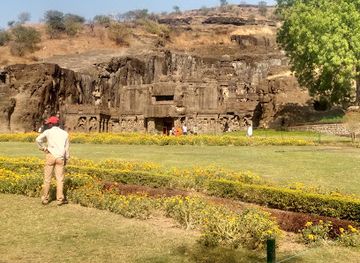
Ellora Caves
Explore the Ellora Caves, a UNESCO World Heritage Site in Maharashtra, showcasing breathtaking rock-cut temples and ancient artistry of India.
-
Park
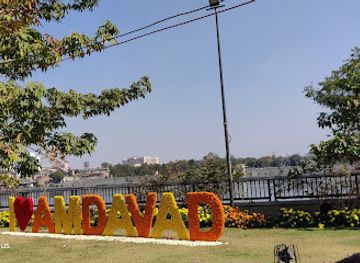
Riverfront Flower Park
Discover the beauty of Riverfront Flower Park in Ahmedabad, a serene escape filled with vibrant flowers, scenic views, and tranquil pathways.
-
Zoo
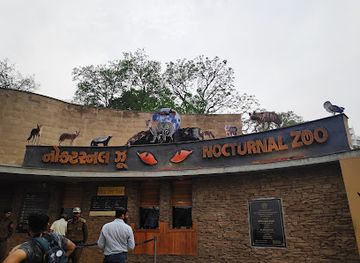
Kamla Nehru Zoological Garden
Explore the diverse wildlife and lush landscapes of Kamla Nehru Zoological Garden, a must-visit attraction in Ahmedabad for families and nature lovers.

Best landmarks in West India
West India's most recognisable landmarks express the region's varied political, religious and geographical history. Mehrangarh Fort rises above Jodhpur's old city, while the honey-coloured bastions of Jaisalmer Fort remain part of a living urban settlement rather than a detached monument. Jaipur's Hawa Mahal and City Palace represent the planned courtly city of the eighteenth century, and Udaipur's City Palace overlooks the lakes associated with Mewar's royal capital. In Gujarat, Ahmedabad's Sidi Saiyyed Mosque, pol houses and historic gates convey the city's mercantile and architectural heritage, while Dholavira's reservoirs and foundations mark a much earlier urban achievement. Maharashtra's Ajanta and Ellora caves are landmarks of religious art carved into basalt escarpments, and Raigad and Sinhagad evoke Maratha military history. Old Goa's Basilica of Bom Jesus and Sé Cathedral reflect the former Portuguese capital, while Mumbai's Chhatrapati Shivaji Maharaj Terminus and Art Deco streetscapes represent colonial and early modern urban transformation. Together these places show how desert, coast, plateau, commerce and empire shaped western India.
-
Historical landmark
Gateway Of India Mumbai
Explore the Gateway of India, a stunning monument symbolizing Mumbai's rich history and vibrant culture, overlooking the beautiful Arabian Sea.
-
Monument
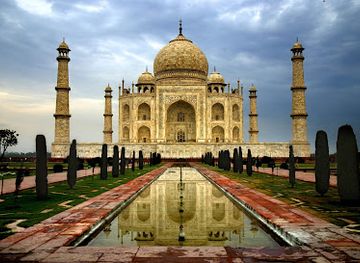
Taj Mahal
Explore the Taj Mahal, a UNESCO World Heritage site and a symbol of eternal love, showcasing the pinnacle of Mughal architecture in Agra, India.
-
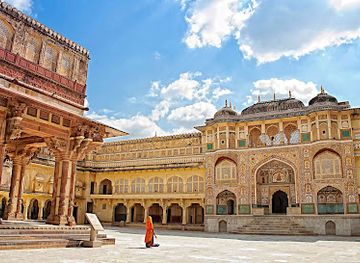
Castle
Amber Palace
Discover the enchanting Amber Palace, a magnificent fortress in Jaipur, blending history, art, and stunning architecture in the heart of Rajasthan.
-
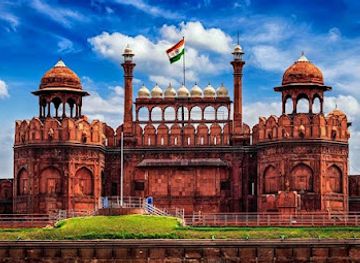
Fortress
Red Fort
Discover the grandeur of the Red Fort in New Delhi, a UNESCO World Heritage Site and a symbol of India's rich Mughal heritage, artistic legacy, and vibrant culture.

Explore West India on the map
Plan your trip on one map. See where the top cities, national parks and sights are, and book hotels and experiences in a few clicks.
Best hotels in West India
Best restaurants in West India
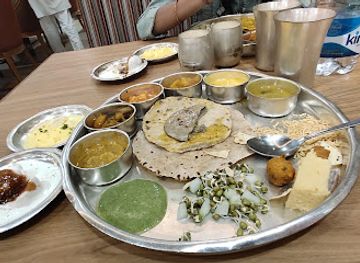
West India's food reflects its dry interiors, fertile river plains, long coastline and diverse religious communities. Rajasthan is known for robust vegetarian cooking, including dal baati churma, gatte preparations and ker sangri, while desert towns also offer distinctive spice blends and breads. Gujarat's cuisine includes thali meals, farsan such as dhokla and khandvi, millet-based dishes and a wide range of vegetarian snacks, with strong regional variation. Maharashtra moves from Mumbai street foods such as vada pav and pav bhaji to seafood and rice dishes along the Konkan coast, and to more substantial inland cooking. Goa is associated with coconut, vinegar, seafood and pork dishes shaped by both Konkan and Portuguese influences. Markets, traditional sweet shops, neighbourhood cafés, hotel restaurants, coastal shacks and rural eateries provide different ways to eat. Dietary customs can be important, so visitors should state requirements clearly and never assume that a restaurant prepares vegetarian, Jain, halal or other food in the same way as another establishment.
-
Family-friendly
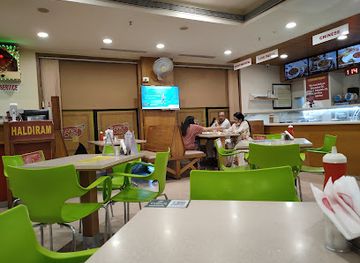
Haldiram's Thaat Baat Restaurant
Experience the essence of Indian cuisine at Haldiram's Thaat Baat Restaurant in Nagpur - a family-friendly haven for food lovers.
-
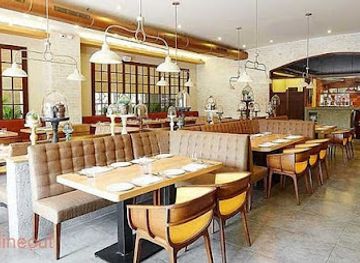
Indian
Mirchi & Mime
Discover the vibrant flavors of India at Mirchi & Mime - where tradition meets innovation in every bite.
-
Family-friendly
Haldiram's
Discover the rich flavors of India at Haldiram's in Nagpur – a delightful family-friendly restaurant renowned for its sweets and savory dishes.
-
Indian
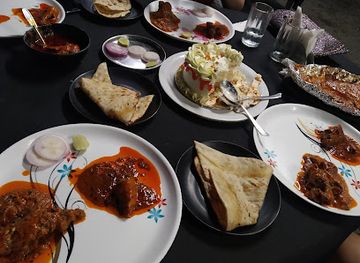
Farmhouse Kitchen Restaurant
Discover authentic Indian flavors at Farmhouse Kitchen Restaurant in Nagpur – where family dining meets culinary excellence.
Best bars in West India
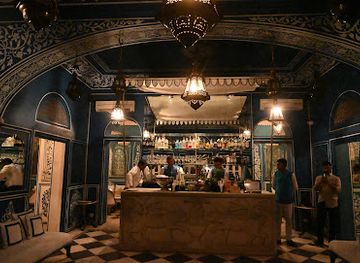
Nightlife varies sharply across West India. Mumbai has the broadest range, from hotel bars and contemporary cocktail rooms to live music, comedy, theatre-linked evenings and late restaurants, although licensing and closing arrangements can change. Pune has a substantial student and cultural scene, while Ahmedabad and Jaipur offer more restrained but expanding choices in restaurants, lounges and hotel bars. In Rajasthan and Gujarat, traditional cafés, rooftop restaurants and heritage properties often provide a more significant evening experience than nightclubs, with local rules affecting alcohol availability. Goa has the region's most established leisure nightlife, particularly around its northern and central coastal areas, combining beach venues, music events, bars and seasonal entertainment; quieter areas focus on restaurants and small local bars. Craft breweries and wine-centred venues are more common around urban Maharashtra than in rural districts. Visitors should respect local regulations, use licensed premises and arrange reliable transport rather than drinking and driving.
-
Lounge
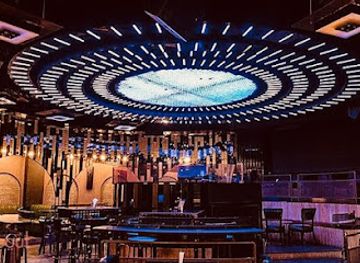
Bombay Cocktail Bar
Discover the vibrant nightlife at Bombay Cocktail Bar in Mumbai, where innovative cocktails and a lively atmosphere await.
-
Grill
Whisky Samba
Experience a harmonious blend of Asian and Italian cuisines at Whisky Samba, Gurugram's top destination for culinary excellence.
-
Tapas Bar
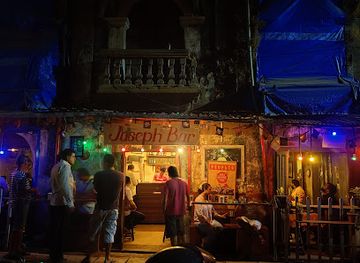
Joseph Bar
Discover the vibrant culinary scene of Goa at Joseph Bar, where local flavors meet international tapas in a lively setting.
-
Bar
Bar Palladio Jaipur
Experience the perfect fusion of Italian cuisine and Rajasthani charm at Bar Palladio Jaipur, where elegance meets culinary delight.

Best nightclubs in West India
Nightlife varies sharply across West India. Mumbai has the broadest range, from hotel bars and contemporary cocktail rooms to live music, comedy, theatre-linked evenings and late restaurants, although licensing and closing arrangements can change. Pune has a substantial student and cultural scene, while Ahmedabad and Jaipur offer more restrained but expanding choices in restaurants, lounges and hotel bars. In Rajasthan and Gujarat, traditional cafés, rooftop restaurants and heritage properties often provide a more significant evening experience than nightclubs, with local rules affecting alcohol availability. Goa has the region's most established leisure nightlife, particularly around its northern and central coastal areas, combining beach venues, music events, bars and seasonal entertainment; quieter areas focus on restaurants and small local bars. Craft breweries and wine-centred venues are more common around urban Maharashtra than in rural districts. Visitors should respect local regulations, use licensed premises and arrange reliable transport rather than drinking and driving.
-
Disco club
Sinq Night Club
Sinq Night Club in Goa: A vibrant nightlife hub with electrifying music, stylish ambiance, and unforgettable parties.
-
Club
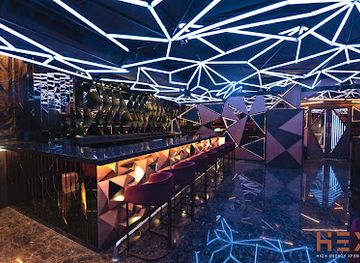
Club - HEX - High Energy Xperience - Andheri
Dive into the pulsating nightlife at Club HEX, Andheri - where music, dance, and unforgettable memories await!
-
Disco club
Playgue Club & Lounge
Discover the heart of New Delhi's nightlife at Playgue Club & Lounge – a vibrant fusion of music, dance, and delectable cuisine.
-
Night club
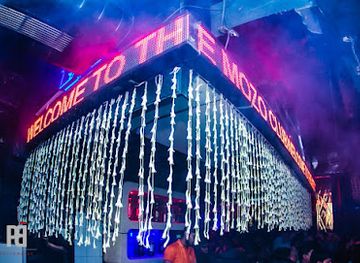
The Mozo Night Club
Discover the vibrant nightlife at The Mozo Night Club in Gurugram, where music, dance, and unforgettable memories await you.


Best shops in West India
Shopping in West India is closely connected to craft, textiles, food and regional identity. Rajasthan's bazaars are known for block-printed fabrics, bandhani tie-dye, blue pottery, leatherwork, jewellery and miniature painting, with Jaipur particularly associated with gemstones and handicrafts. Gujarat offers embroidered textiles, ajrakh printing, woven work, beadwork and leather goods, while Kutch villages and craft cooperatives provide a more direct connection with makers; quality, provenance and fair pricing should be considered carefully. Maharashtra has urban shopping in Mumbai and Pune, along with Paithani textiles, Kolhapuri leather footwear and regional sweets and produce. Goa's markets and independent shops sell clothing, crafts, ceramics, books, spices and food products, though the character varies between coastal resort areas and inland towns. Ahmedabad, Jaipur, Mumbai, Panaji and major district centres have the broadest selection, while rural markets are more useful for everyday goods and locally made products. Bargaining may be normal in informal markets but is less appropriate in fixed-price shops, galleries and established craft organisations.
-
Shopping mall
The Great India Place
Discover a vibrant shopping experience at The Great India Place, Noida's premier shopping destination with diverse brands, dining, and entertainment.
-
Clothing store
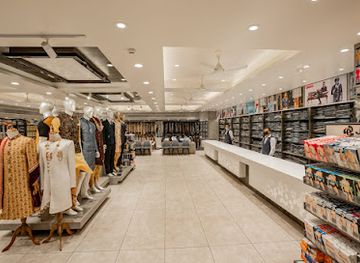
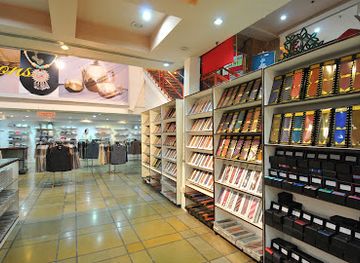
Satyam Mall
Discover the ultimate shopping experience at Satyam Mall in Nagpur, where fashion meets fun for all ages.
-
Craft store
Central Cottage Industries Emporium
Explore Central Cottage Industries Emporium for exquisite handicrafts, unique souvenirs, and a taste of India's rich artisanal culture.
-
Shopping mall
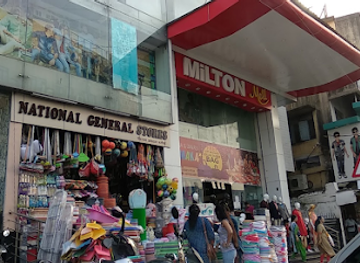
Milton Mall
Discover a shopping haven at Milton Mall in Nagpur, offering diverse stores, delightful dining, and a vibrant family-friendly atmosphere.

Get your free copy of our complete guide to West India, delivered straight to you.
Everything on this page, from attractions and restaurants to essentials and local phrases, in one PDF you can read offline, print or share.
Already have an account? Sign in
Your West India guide is ready.
We'll send it to · Not you? Sign out

Getting your guide ready…
We are putting together a fresh copy of the West India guide. This can take up to a minute.
This can take a few moments. If your browser asks, choose Allow so the download can start. You'll find the guide in your Downloads folder.
Nothing happened? Download it again
Sorry, the guide is taking longer than usual. Please try again in a minute, or get it by email instead.
West India essentials
Currency and Payment
Safety
Emergency Situations
Do's and Don'ts
Local Tips
From Eve
Local phrases worth knowing
You don't need to get them perfect. A few words go a long way, and locals appreciate the effort.
Basics
| English | Local | Say it |
|---|---|---|
| Hello | नमस्ते | [Namaste] |
| Goodbye | अलविदा | [Alvida] |
| Yes | हाँ | [Haan] |
| No | नहीं | [Nahin] |
| Please/You're welcome | कृपया/स्वागत है | [Kripya/Swaagat hai] |
| Thank you | धन्यवाद | [Dhanyavaad] |
| Excuse me/Sorry | माफ कीजिए/क्षमा करें | [Maaf kijiye/Kshama karein] |
| How are you? | आप कैसे हैं? | [Aap kaise hain?] |
| Fine. And you? | अच्छा। और आप? | [Achha. Aur aap?] |
| Do you speak English? | क्या आप अंग्रेजी बोलते हैं? | [Kya aap angrezi bolte hain?] |
| I don't understand | मुझे समझ में नहीं आता | [Mujhe samajh mein nahin aata] |
Eating & Drinking
| English | Local | Say it |
|---|---|---|
| I'd like to see the menu, please | कृपया मेनू दिखाइए | [Kripya menu dikhaiye] |
| I don't eat meat | मैं मांस नहीं खाता | [Main maans nahin khata] |
| Cheers! | स salud! | [S salud!] |
| I would like to pay, please | कृपया मुझे भुगतान करना है | [Kripya mujhe bhugtaan karna hai] |
Emergencies
| English | Local | Say it |
|---|---|---|
| Help! | मदद करें! | [Madad karein!] |
| Go away! | दूर हो जाओ! | [Door ho jao!] |
| Call the Police! | पुलिस को बुलाओ! | [Police ko bulao!] |
| Call a doctor! | डॉक्टर को बुलाओ! | [Doctor ko bulao!] |
| I'm lost | मैं खो गया हूँ | [Main kho gaya hoon] |
| I'm ill | मैं बीमार हूँ | [Main bimaar hoon] |
Shopping
| English | Local | Say it |
|---|---|---|
| I'd like to buy... | मैं खरीदना चाहता हूँ... | [Main kharidna chahta hoon...] |
| I'm just looking | मैं बस देख रहा हूँ | [Main bas dekh raha hoon] |
| How much is it? | यह कितने का है? | [Yeh kitne ka hai?] |
| That's too expensive | यह बहुत महंगा है | [Yeh bahut mehanga hai] |
| Can you lower the price? | क्या आप कीमत घटा सकते हैं? | [Kya aap keemat ghata sakte hain?] |
Time & Numbers
| English | Local | Say it |
|---|---|---|
| What time is it? | कितने बजे हैं? | [Kitne baje hain?] |
| It's one o'clock | यह एक बजे हैं | [Yeh ek baje hain] |
| Half past (10) | साढ़े (10) | [Saade (10)] |
| Morning | सुबह | [Subah] |
| Afternoon | दोपहर | [Dopahar] |
| Evening | शाम | [Shaam] |
| Yesterday | कल | [Kal] |
| Today | आज | [Aaj] |
| Tomorrow | कल | [Kal] |
| 1 | १ | [1] |
| 2 | २ | [2] |
| 3 | ३ | [3] |
| 4 | ४ | [4] |
| 5 | ५ | [5] |
| 6 | ६ | [6] |
| 7 | ७ | [7] |
| 8 | ८ | [8] |
| 9 | ९ | [9] |
| 10 | १० | [10] |
Transport & Directions
| English | Local | Say it |
|---|---|---|
| Where's a/the...? | कहाँ है...? | [Kahan hai...?] |
| What's the address? | पता क्या है? | [Pata kya hai?] |
| Can you show me (on the map)? | क्या आप मुझे (नक्शे पर) दिखा सकते हैं? | [Kya aap mujhe (nakshae par) dikha sakte hain?] |
| When's the next (bus)? | अगली (बस) कब है? | [Agli (bus) kab hai?] |
| A ticket (to ....) | एक टिकट (.... के लिए) | [Ek ticket (.... ke liye)] |
History of West India
Indus Civilisation and Early Maritime Exchange
Parts of present-day Gujarat preserve major evidence of the Indus or Harappan civilisation, which flourished in the third and early second millennia BCE. Dholavira on Khadir island in the Rann of Kutch reveals sophisticated reservoirs, urban planning and long-distance links, while Lothal near the Gulf of Khambhat provides evidence of craft production and maritime commerce. These settlements demonstrate that western India was connected to wider networks long before the emergence of its later kingdoms and port cities.
Buddhist Caves and Deccan Trade
From the early centuries BCE into the first millennium CE, trade routes through the Deccan supported Buddhist monastic centres and rock-cut architecture. The Ajanta caves, in present-day Maharashtra, contain monasteries and murals associated with different phases of Buddhist patronage, while nearby Ellora later brought Buddhist, Hindu and Jain monuments together. These sites reflect the movement of merchants, religious communities and artistic techniques across the western Deccan.
Rajput Kingdoms and Fortified Landscapes
Medieval Rajasthan developed through the power of Rajput dynasties, whose capitals and strongholds controlled routes across the Aravalli region and the desert frontier. Chittorgarh, Kumbhalgarh, Jodhpur, Jaipur and Jaisalmer represent different stages of political and architectural development, from hill fortresses to planned courts and mercantile towns. Warfare, alliance-building and competition with larger imperial powers shaped the region, while courtly arts, temple patronage and trade left a visible legacy.
Sultanates, Mughal Influence and Regional Courts
Western India was shaped by interaction between regional sultanates, Mughal authority, Rajput courts, Deccan powers and maritime states. Ahmedabad flourished under the Gujarat Sultanate and retains important mosques, gates and urban traditions. Mughal influence altered political relationships and artistic styles in Rajasthan, while the Deccan witnessed competition between sultanates before the rise of the Marathas. The resulting architecture and cultural practices cannot be explained by a single dynasty or religious tradition.
Maratha Power and the Western Coast
From the seventeenth century, the Maratha movement expanded across much of Maharashtra and the wider Deccan. Hill forts such as Raigad, Pratapgad and Sinhagad are associated with the military and political history of the period, when control of mountain passes and coastal routes was central to state-building. Maratha power later confronted the British East India Company, whose expansion transformed administration, trade and patterns of landholding across western India.
Portuguese Goa and Indian Ocean Connections
Portuguese rule began in Goa in 1510 and made the territory a major base of the Estado da Índia. Old Goa developed churches, convents and administrative institutions linked to the Portuguese maritime empire, while local communities continued to shape language, agriculture, music and food. The legacy is visible in architecture and religious culture but also belongs to a longer history of Konkan trade and interaction across the Arabian Sea. Goa became part of India in 1961.
Colonial Cities, Railways and Industrial Growth
British rule accelerated the expansion of Bombay, now Mumbai, as a port, cotton-trading centre and industrial city. Railways connected the coast with the interior, encouraging migration, commercial agriculture and the growth of textile production. Colonial institutions, Art Deco and Victorian buildings, docklands and railway infrastructure remain prominent in Mumbai, while similar economic changes affected Ahmedabad and other western cities. These developments helped establish West India's continuing importance in finance, manufacturing, media and international trade.
Independence, States and Contemporary Transformation
After independence in 1947, western India underwent major political and economic reorganisation. Gujarat and Maharashtra became separate states in 1960 after the Samyukta Maharashtra movement, while Rajasthan consolidated a collection of princely territories into a modern state. Goa joined the Indian Union in 1961 and became a state in 1987. Since then, urbanisation, tourism, industrialisation, conservation and migration have reshaped the region, creating strong contrasts between global cities, heritage centres, agricultural districts and coastal communities.
West India in Photos
Browse through our photo collection highlighting the charm and character of the destination.
Neighbouring regions of West India
The closest regions to West India, if you have time for more than one.
-

-

-

-

-


Swipe for more regions
Explore more

Explore more of India
Discover the magic of India, where diverse landscapes, rich heritage, and vibrant culture come together to create an unforgettable travel experience.
Explore India