

Free Western India Travel Guide & Mobile App
Explore Western India with free travel guides. Discover regional history, expert tips, proposed trips, and audio guides on web or mobile app.


Explore Western India for Rajasthan's forts, Gujarat's crafts, Mumbai's energy, Goa's heritage and the varied landscapes of the Arabian Sea.
Read more about Western India
When is the best time to visit Western India?
Best: December–February · 25–28°C| Month | High (°C) | Rainfall (mm) |
|---|---|---|
| January (best) | 25 | 2 |
| February (best) | 28 | 2 |
| March | 32 | 3 |
| April | 36 | 5 |
| May | 39 | 10 |
| June | 35 | 150 |
| July | 32 | 300 |
| August | 32 | 250 |
| September | 31 | 150 |
| October | 31 | 50 |
| November | 29 | 10 |
| December (best) | 26 | 3 |
Getting to and around Western India
How to get there
Transportation
Top city travel guides in Western India
The cities of Western India, and the easiest places to base yourself.
-

-

-

-

-

-


Swipe for more cities
Destinations in Western India
Resorts, valleys and scenic spots worth a trip of their own.
-

-

-

-

-

-


Swipe for more destinations
Best attractions in Western India
Western India's attractions range from monumental forts and palace complexes to archaeological sites, living religious centres and expansive natural landscapes. Rajasthan's hill forts and walled cities provide the clearest expression of its royal history, while Gujarat combines Harappan archaeology at Dholavira and Lothal with the salt landscapes of the Rann of Kutch, Ahmedabad's historic architecture and wildlife at Gir National Park. Maharashtra contributes the Buddhist paintings of Ajanta, the rock-cut architecture of Ellora, hill forts, vineyards and the densely layered urban culture of Mumbai. Goa offers churches, temples, village landscapes and beaches, with the greatest visitor activity concentrated along the coast. Outdoor possibilities include desert excursions, birdwatching, wildlife safaris, monsoon walks in the Western Ghats, cycling through rural areas and water-based activities where conditions permit. The region's attraction landscape is defined less by one unified style than by the contrast between arid interiors, historic cities, plateau scenery and the Arabian Sea coast.
-
Historical place
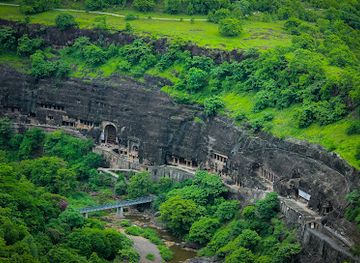
Ajanta Caves
Discover the Ajanta Caves, a UNESCO World Heritage site in Maharashtra, where ancient rock art, history, and spirituality converge.
-
Memorial park
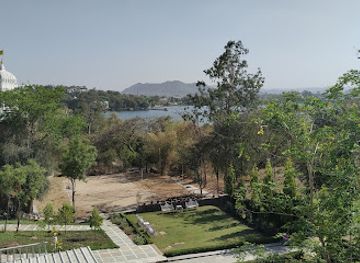
Maharana Pratap Smarak
Explore Maharana Pratap Smarak in Udaipur, a serene memorial park celebrating the valor of Rajasthan's legendary warrior against a backdrop of stunning landscapes.
-
Historical landmark
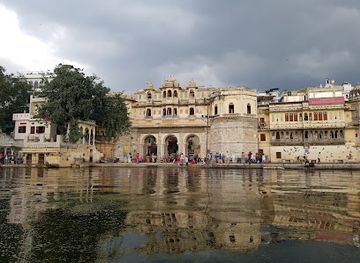
Gangaur Ghat
Discover the enchanting beauty and rich heritage of Gangaur Ghat, a scenic landmark by Lake Pichola in Udaipur, Rajasthan.
-
Tourist attraction
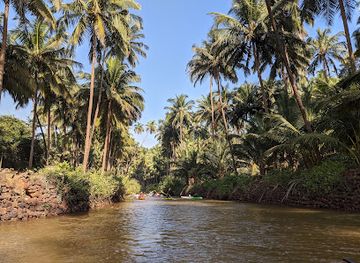
Cola Beach
Escape to Cola Beach, Goa - A serene paradise with pristine sands, crystal-clear waters, and breathtaking sunsets. Experience the true essence of Goa's beauty.
Best landmarks in Western India
Western India's most recognisable landmarks express the power of courts, faith, trade and landscape. The yellow sandstone fort of Jaisalmer rises directly from the Thar Desert and remains unusually integrated with a living city, while Chittorgarh and Kumbhalgarh represent the defensive scale of Rajasthan's Rajput strongholds. Ahmedabad's historic pols and the stepwell of Adalaj near the city show Gujarat's architectural responses to urban life and water management. In Maharashtra, the rock-cut monuments of Ajanta and Ellora are landmarks of world importance, combining religious art with the geology of the Deccan plateau; Raigad and other hill forts recall the Maratha military landscape. Mumbai's Chhatrapati Shivaji Maharaj Terminus is a major example of late nineteenth-century railway architecture, while Goa's Basilica of Bom Jesus and the churches of Old Goa record the region's Portuguese colonial history. The Rann of Kutch and the laterite and coconut landscapes of Goa provide natural landmarks that are as visually distinctive as the built heritage.
-
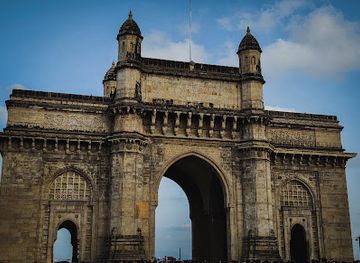
Historical landmark
Gateway Of India Mumbai
Explore the Gateway of India, a stunning historical landmark in Mumbai that offers breathtaking views and a glimpse into the city's rich cultural heritage.
-
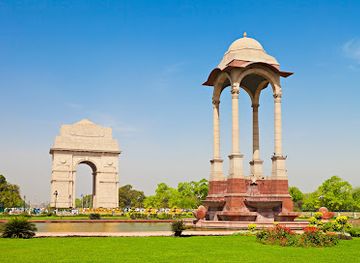
Monument
India Gate
Explore the iconic India Gate, a symbol of sacrifice and pride nestled in the heart of New Delhi's vibrant landscape.
-
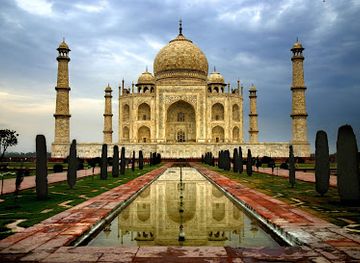
Monument
Taj Mahal
Discover the timeless beauty of the Taj Mahal, a UNESCO World Heritage Site and symbol of love, nestled in the heart of Agra, India.
-
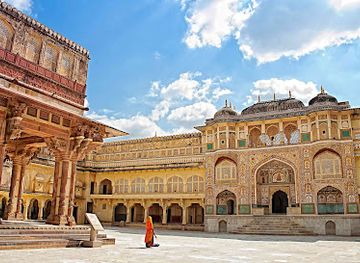
Castle
Amber Palace
Explore the majestic Amber Palace, a historic fort in Jaipur, showcasing stunning architecture, rich culture, and breathtaking views of Rajasthan.
Explore Western India on the map
Plan your trip on one map. See where the top cities, national parks and sights are, and book hotels and experiences in a few clicks.
Best hotels in Western India
Best restaurants in Western India
Dining in Western India reflects its varied climates, communities and trading histories. Gujarati food is strongly associated with elaborate vegetarian thalis, farsan snacks, pulses, vegetables and sweet-savoury flavours, while Rajasthan's cuisine includes dishes developed for arid conditions, such as lentil, gram-flour and millet-based preparations. Maharashtra offers Mumbai street food, coastal seafood, rice dishes and specialities using coconut, peanuts and spices; inland areas have their own millet and farm-based traditions. Goa is known for seafood, rice, coconut and vinegar, with Catholic and Hindu culinary customs revealing different historical influences. Mumbai, Ahmedabad, Pune, Jaipur and Panaji provide the widest choice of restaurants, cafés and contemporary dining, while rural inns, market stalls and family-run eateries often provide a more direct connection with local food. Farmers' markets and regional sweet shops are useful places to explore produce, snacks and packaged specialities.
-
Family-friendly
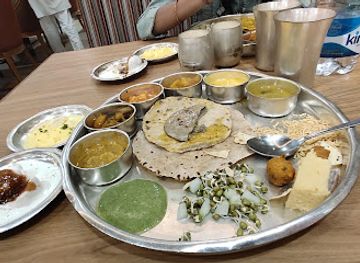
Haldiram's Thaat Baat Restaurant
Experience authentic Indian flavors at Haldiram's Thaat Baat Restaurant – where tradition meets taste in every thali.
-
Indian
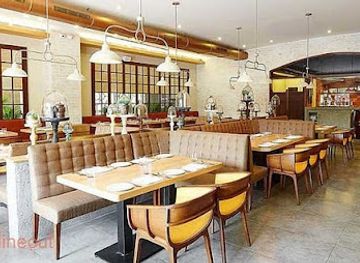
Mirchi & Mime
Discover the vibrant flavors of modern Indian cuisine at Mirchi & Mime in Powai – where tradition meets innovation.
-
Family-friendly
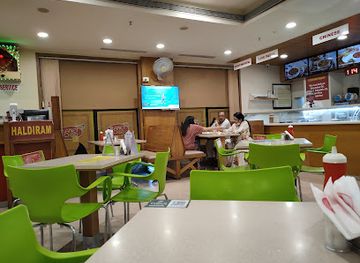
Haldiram's
Experience the essence of Indian cuisine at Haldiram's in Nagpur - where tradition meets taste in every delightful bite.
-
Indian
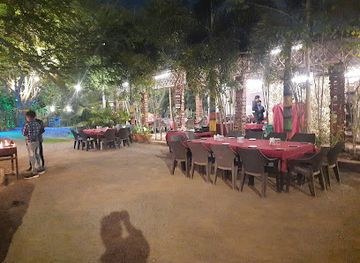
Farmhouse Kitchen Restaurant
Discover the vibrant flavors of India at Farmhouse Kitchen Restaurant in Nagpur - a family-friendly dining experience awaits!
Best bars in Western India
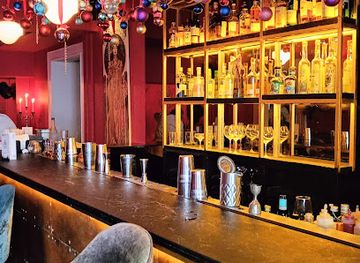
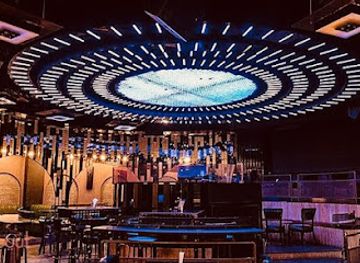
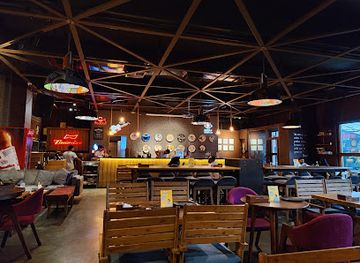
Evening life varies sharply across Western India. Mumbai has the region's broadest choice of cocktail bars, live-music venues, restaurants and late-night entertainment, particularly in central and southern districts, although opening arrangements can change. Pune has a substantial student and cultural scene, while Jaipur, Ahmedabad and Udaipur combine hotel bars, restaurants, traditional performance and a smaller selection of contemporary venues. Goa is the region's most prominent leisure and nightlife destination, with beachside venues, music events and bars concentrated in particular coastal areas; the atmosphere and operating patterns are seasonal. In Rajasthan and Gujarat, social evenings are more often centred on restaurants, hotel terraces, cafés and traditional or cultural performances, and alcohol availability varies by state law and venue. Rural areas generally offer quiet evenings in local eateries or guesthouse courtyards rather than a club scene.
-
Bar
Slink & Bardot
Discover Slink & Bardot, Mumbai's sophisticated bar and cocktail lounge, where exquisite drinks and vibrant nightlife await in a chic setting.
-
Lounge
Bombay Cocktail Bar
Discover the vibrant nightlife at Bombay Cocktail Bar, where innovative cocktails meet a chic ambiance in the heart of Mumbai.
-
Lounge
Pablo - The Art Cafe' & Lounge
Discover a unique dining experience at Pablo - The Art Cafe' & Lounge, blending art, culture, and exquisite cuisine in Nagpur.
-
 Bar
BarOnly Bar Restaurant
Experience the fusion of contemporary Indian cuisine and vibrant bar culture at Only Bar Restaurant in Nehru Place, New Delhi.
Best nightclubs in Western India
Evening life varies sharply across Western India. Mumbai has the region's broadest choice of cocktail bars, live-music venues, restaurants and late-night entertainment, particularly in central and southern districts, although opening arrangements can change. Pune has a substantial student and cultural scene, while Jaipur, Ahmedabad and Udaipur combine hotel bars, restaurants, traditional performance and a smaller selection of contemporary venues. Goa is the region's most prominent leisure and nightlife destination, with beachside venues, music events and bars concentrated in particular coastal areas; the atmosphere and operating patterns are seasonal. In Rajasthan and Gujarat, social evenings are more often centred on restaurants, hotel terraces, cafés and traditional or cultural performances, and alcohol availability varies by state law and venue. Rural areas generally offer quiet evenings in local eateries or guesthouse courtyards rather than a club scene.
-
Disco club
Sinq Night Club
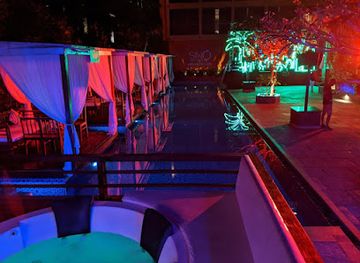
Dive into the vibrant nightlife of Goa at Sinq Night Club, where electrifying music, stylish ambiance, and unforgettable moments await you.
-
Night club
LPK Waterfront Club
Experience the vibrant nightlife of Goa at LPK Waterfront Club, where stunning views and electrifying music create unforgettable memories.
-
Night club
Kitty Su Mumbai
Discover the electrifying nightlife at Kitty Su Mumbai, where premium cocktails, top DJs, and a vibrant atmosphere await you.
-
Club
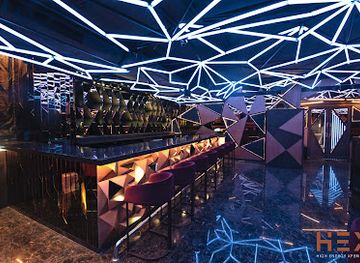
Club - HEX - High Energy Xperience - Andheri
Immerse yourself in the electrifying nightlife at Club HEX, Andheri's premier destination for music and dancing in Mumbai.


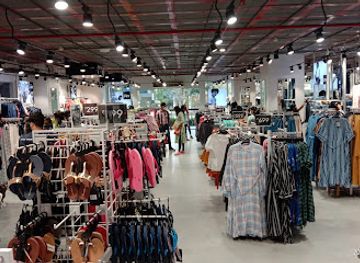
Best shops in Western India
Shopping in Western India is best understood through its regional crafts, food products and market cultures rather than a single retail style. Rajasthan is known for textiles, block printing, embroidery, jewellery, leather goods, blue pottery and decorative crafts, with different traditions associated with cities and smaller producing communities. Gujarat offers bandhani tie-dye, woven textiles, embroidery, woodwork and handicrafts, while Ahmedabad combines traditional markets with modern retail. Mumbai and Pune provide the widest range of contemporary fashion, books, design goods and specialist food shops, alongside long-established markets and street bazaars. Goa is a useful place to look for locally produced foods, crafts, artwork and clothing, though seasonal markets and individual traders change over time. In rural areas, buy directly and respectfully where possible, check materials and prices before committing, and remember that protected historical objects and antiquities should not be exported without the proper documentation.
-
Clothing store
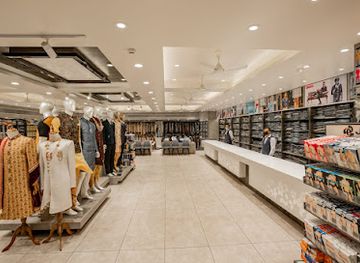
Satyam Mall
Explore Satyam Mall in Nagpur for an unforgettable shopping experience with clothing for all ages and occasions.
-
Craft store
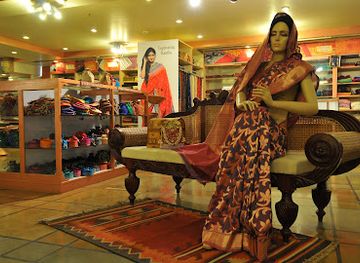
Central Cottage Industries Emporium
Explore the essence of India through handcrafted treasures at Central Cottage Industries Emporium, a vibrant craft store in New Delhi.
-
Men's clothing store
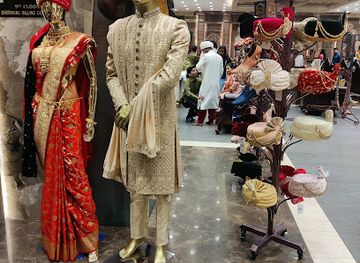
Alishan
Discover Alishan, Nagpur's premier destination for men's ethnic clothing, where tradition meets modern fashion in a vibrant shopping experience.
-
Clothing store
ZUDIO - Nagpur, VIPL
Explore ZUDIO in Nagpur for trendy apparel and unique styles that redefine fashion for all ages.
Get your free copy of our complete guide to Western India, delivered straight to you.
Everything on this page, from attractions and restaurants to essentials and local phrases, in one PDF you can read offline, print or share.
Already have an account? Sign in
Your Western India guide is ready.
We'll send it to · Not you? Sign out

Getting your guide ready…
We are putting together a fresh copy of the Western India guide. This can take up to a minute.
This can take a few moments. If your browser asks, choose Allow so the download can start. You'll find the guide in your Downloads folder.
Nothing happened? Download it again
Sorry, the guide is taking longer than usual. Please try again in a minute, or get it by email instead.
Western India essentials
Currency and Payment
Safety
Emergency Situations
Do's and Don'ts
Local Tips
From Eve
Local phrases worth knowing
You don't need to get them perfect. A few words go a long way, and locals appreciate the effort.
Basics
| English | Local | Say it |
|---|---|---|
| Hello | नमस्ते | [Namaste] |
| Goodbye | अलविदा | [Alvida] |
| Yes | हाँ | [Haan] |
| No | नहीं | [Nahin] |
| Please/You're welcome | कृपया/स्वागत है | [Kripya/Swaagat hai] |
| Thank you | धन्यवाद | [Dhanyavaad] |
| Excuse me/Sorry | माफ करें | [Maaf karein] |
| How are you? | आप कैसे हैं? | [Aap kaise hain?] |
| Fine. And you? | ठीक हूँ। और आप? | [Theek hoon. Aur aap?] |
| Do you speak English? | क्या आप अंग्रेजी बोलते हैं? | [Kya aap Angrezi bolte hain?] |
| I don't understand | मुझे समझ नहीं आता | [Mujhe samajh nahin aata] |
Eating & Drinking
| English | Local | Say it |
|---|---|---|
| I'd like to see the menu, please | कृपया, मुझे मेनू दिखाइए | [Kripya, mujhe menu dikhaiye] |
| I don't eat meat | मैं मांस नहीं खाता | [Main maans nahin khata] |
| Cheers! | चियर्स! | [Cheers!] |
| I would like to pay, please | कृपया, मुझे भुगतान करना है | [Kripya, mujhe bhugtaan karna hai] |
Emergencies
| English | Local | Say it |
|---|---|---|
| Help! | मदद! | [Madad!] |
| Go away! | दूर जाओ! | [Door jao!] |
| Call the Police! | पुलिस को बुलाओ! | [Police ko bulao!] |
| Call a doctor! | डॉक्टर को बुलाओ! | [Doctor ko bulao!] |
| I'm lost | मैं खो गया हूँ | [Main kho gaya hoon] |
| I'm ill | मैं बीमार हूँ | [Main bimaar hoon] |
Shopping
| English | Local | Say it |
|---|---|---|
| I'd like to buy... | मैं खरीदना चाहता हूँ... | [Main kharidna chahta hoon...] |
| I'm just looking | मैं सिर्फ देख रहा हूँ | [Main sirf dekh raha hoon] |
| How much is it? | यह कितना है? | [Yah kitna hai?] |
| That's too expensive | यह बहुत महंगा है | [Yah bahut mehnga hai] |
| Can you lower the price? | क्या आप कीमत कम कर सकते हैं? | [Kya aap keemat kam kar sakte hain?] |
Time & Numbers
| English | Local | Say it |
|---|---|---|
| What time is it? | क्या समय हुआ है? | [Kya samay hua hai?] |
| It's one o'clock | यह एक बजे है | [Yah ek baje hai] |
| Half past (10) | सवा (10) | [Sawa (10)] |
| Morning | सुबह | [Subah] |
| Afternoon | दोपहर | [Dopahar] |
| Evening | शाम | [Shaam] |
| Yesterday | कल | [Kal] |
| Today | आज | [Aaj] |
| Tomorrow | कल | [Kal] |
| 1 | 1 | [1] |
| 2 | 2 | [2] |
| 3 | 3 | [3] |
| 4 | 4 | [4] |
| 5 | 5 | [5] |
| 6 | 6 | [6] |
| 7 | 7 | [7] |
| 8 | 8 | [8] |
| 9 | 9 | [9] |
| 10 | 10 | [10] |
Transport & Directions
| English | Local | Say it |
|---|---|---|
| Where's a/the...? | कहाँ है...? | [Kahan hai...?] |
| What's the address? | पता क्या है? | [Pata kya hai?] |
| Can you show me (on the map)? | क्या आप मुझे (नक्शे पर) दिखा सकते हैं? | [Kya aap mujhe (naksha par) dikha sakte hain?] |
| When's the next (bus)? | अगली (बस) कब है? | [Agli (bus) kab hai?] |
| A ticket (to ....) | एक टिकट (.... के लिए) | [Ek ticket (.... ke liye)] |
History of Western India
Indus Civilisation and Early Western Trade
Western India contains some of South Asia's most important archaeological evidence from the Indus or Harappan civilisation. Dholavira, on Khadir island in Gujarat's Rann of Kutch, reveals sophisticated water management, urban planning and long-distance exchange during the third and second millennia BCE. Lothal, farther east in Gujarat, is associated with craft production and maritime commerce. These sites demonstrate that western India was connected to trading networks across the Arabian Sea long before the emergence of the historic kingdoms whose forts and temples dominate modern itineraries.
Ports, Kingdoms and Rock-Cut Buddhism
From the early historic period, ports on Gujarat's coast and the western Deccan linked inland kingdoms with merchants travelling towards Arabia, East Africa and the wider Indian Ocean. Buddhist patronage left remarkable monuments in the basalt landscapes of Maharashtra, including the cave complexes at Ajanta and Ellora. Their monasteries, sculptures and paintings reflect religious, artistic and commercial networks active over many centuries. Hindu and Jain traditions also developed major centres across the region, producing temples, pilgrimage routes and artistic schools that remain important today.
Rajput States and Medieval Sultanates
Between the medieval period and the early modern era, western India was shaped by Rajput courts, regional Hindu kingdoms and Islamic sultanates. Fortified centres such as Chittorgarh, Kumbhalgarh, Jodhpur and Jaisalmer expressed the political power of Rajasthan's ruling houses, while Ahmedabad grew under the Gujarat Sultanate into a major centre of trade, architecture and craft. Religious communities, merchants and artisans moved across these territories, helping to create the region's distinctive blend of courtly, devotional and commercial traditions.
Mughal Influence and the Maratha Confederacy
Mughal authority expanded across parts of western India from the sixteenth century, though it was repeatedly negotiated with local rulers and regional powers. In the seventeenth century, the Maratha kingdom founded by Shivaji developed a network of hill forts across Maharashtra and challenged Mughal control. The later Maratha Confederacy became a major force in eighteenth-century Indian politics, with Pune as an important political centre. Forts, palace compounds and military landscapes across Maharashtra preserve the memory of this period.
European Maritime Powers and Portuguese Goa
European involvement altered western India's coastal trade from the late fifteenth century, after Portuguese navigators entered the Indian Ocean and established commercial and military bases. Goa became the centre of Portuguese power in Asia, and its churches, convents and civic architecture record centuries of colonial rule. Portuguese influence also affected language, music, agriculture and cuisine, while Goa's Hindu communities and Konkani traditions continued to develop alongside it. Other coastal ports, including those of Gujarat and Maharashtra, remained important to Indian and international commerce.
British Rule, Princely States and Industrial Growth
During British rule, Bombay, now Mumbai, became a major port and industrial city, benefiting from cotton, finance, shipbuilding and railway connections into the Deccan. Ahmedabad developed a large textile industry, while princely states in Rajasthan retained varying degrees of internal authority under British paramountcy. Railways reshaped trade and travel across the region, linking ports with agricultural and manufacturing hinterlands. Colonial civic buildings, mill districts, cantonments and railway architecture remain visible markers of this transformation.
Independence and the Making of Modern Western India
The end of British rule in 1947 brought the integration of princely states and the reorganisation of India's political map. Bombay State was divided in 1960 into Maharashtra and Gujarat, while Goa became part of India in 1961 and achieved statehood in 1987. Mumbai grew into India's financial and entertainment capital; Gujarat became known for manufacturing, trade and entrepreneurship; Rajasthan developed extensive heritage and desert tourism; and Goa combined tourism with a strong regional culture. These modern identities coexist with older linguistic, religious and commercial traditions.
Western India in Photos
Browse through our photo collection highlighting the charm and character of the destination.
Neighbouring regions of Western India
The closest regions to Western India, if you have time for more than one.
-

-

-

-

-


Swipe for more regions
Explore more

Explore more of India
Discover the magic of India, where diverse landscapes, rich heritage, and vibrant culture come together to create an unforgettable travel experience.
Explore India