

Thar Desert, India Travel Guide
Explore the enchanting sands of the Thar Desert, a captivating blend of golden dunes, rich culture, and historic splendor in the heart of India.
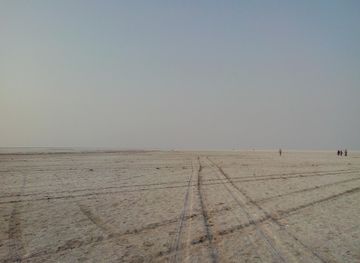
The Thar Desert, also known as the Great Indian Desert, is a vast arid region in the northwestern part of India. Stretching across the states of Rajasthan, Gujarat, Punjab, and Haryana, it offers a unique blend of culture, history, and natural beauty. The endless dunes and vibrant sunsets make it a photographer's paradise, while the rich cultural heritage of the region provides a fascinating glimpse into India's past. One of the highlights of visiting the Thar Desert is the opportunity to embark on a camel safari. These safaris allow tourists to traverse the golden sands, visit remote villages, and experience the traditional lifestyle of the desert inhabitants. Along the way, one can witness folk dances, music performances, and local craftsmanship, all of which reflect the rich cultural tapestry of the region. The desert is also home to several historic forts and palaces, such as the Jaisalmer Fort, also known as the 'Golden Fort'. This UNESCO World Heritage site, with its intricate carvings and stunning architecture, is a testament to the grandeur of Rajasthan's royal history. Nearby, the Sam Sand Dunes offer the perfect spot for a breathtaking sunset view, making it a must-visit for anyone traveling to the Thar Desert.

Know before you go
Hi, I'm Eve. Here are a few practical things to know before exploring Thar Desert.
- Best time to visit is from October to March when the weather is cooler.
- Carry plenty of water and sun protection due to the harsh sun.
- Book camel safaris in advance to ensure availability.
- Try local Rajasthani cuisine for an authentic culinary experience.
- Respect local customs and traditions when visiting villages.
Top City Travel Guides in Thar Desert
The cities of Thar Desert, and the easiest places to base yourself.

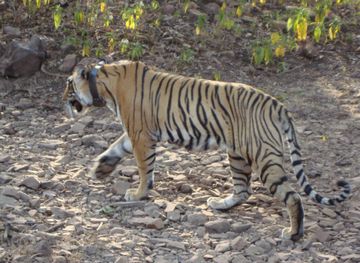


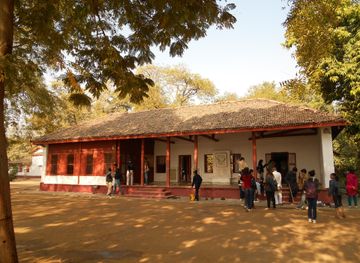
Destinations in Thar Desert
Resorts, valleys and scenic spots worth a trip of their own.
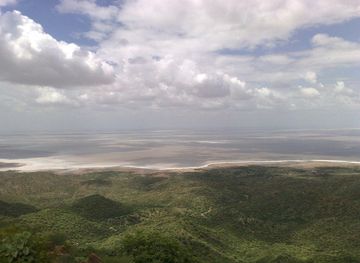
Explore Thar Desert: Things to Do, Places to Eat, Hotels & More
Handpicked recommendations for top attractions, local dining, accommodations, and more

Top Attractions & Sightseeing in Thar Desert
Top-rated picks
Best Attractions

Sam Sand Dunes Camp Jaisalmer
Discover the magic of the Thar Desert at Sam Sand Dunes Camp, where adventure meets traditional Rajasthani culture under a starlit sky.
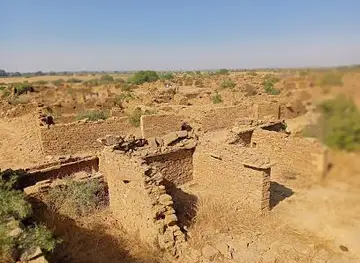
Kuldhara Heritage Village
Explore Kuldhara Heritage Village, a mystical site that reveals the rich history and architectural beauty of Rajasthan's past amidst the stunning Thar Desert.

Barna Desert Camp Khuri Jaisalmer
Discover the enchanting Barna Desert Camp in Khuri village, Jaisalmer – your serene escape into the heart of the Thar Desert.

Khuri Resort
Experience the magic of Rajasthan at Khuri Resort, where traditional charm meets modern luxury amidst the enchanting Thar Desert.

Best landmarks in Thar Desert
Top-rated picks
Best Landmarks

Desert National Park Guide
Explore the magnificent Desert National Park in Rajasthan, where vast dunes, unique wildlife, and breathtaking sunsets await every traveler.

Thar Desert Rajasthan
Discover the breathtaking beauty and adventure of the Thar Desert in Rajasthan, where golden sands and vibrant culture await every traveler.

The Great Indian Desert Lines
Discover the Great Indian Desert Lines, a historical landmark in Rajasthan that embodies the rich history and stunning architecture of the Indian desert region.

RM6G+4VR Khaba Fort
Discover the enchanting Khaba Fort in Rajasthan, a hidden gem offering breathtaking views and a deep dive into the region's rich history and culture.

Best restaurants in Thar Desert
Top-rated picks
Best Restaurants

NK Desert Camp & Resort
Golden dunes, camel safaris, Rajasthani feasts, and starlit cultural nights define an authentic Thar Desert adventure at NK Desert Camp & Resort.
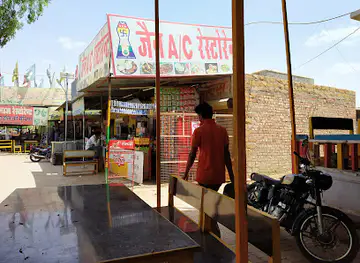
Murli Restaurant
Experience authentic vegetarian cuisine at Murli Restaurant in Ramgarh, Rajasthan—where every dish tells a story of local tradition.
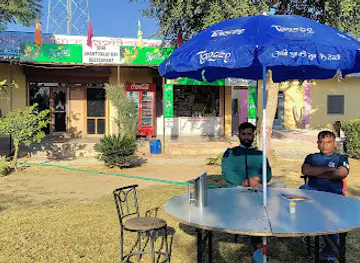
Shri Ghantiyali Rai Restaurant
Experience authentic Indian cuisine at Shri Ghantiyali Rai Restaurant in Joga – a culinary treasure trove in Rajasthan.

Musa's Desert Nest
Discover authentic Rajasthani flavors at Musa's Desert Nest—your perfect dining escape amidst stunning desert landscapes.

Best bars in Thar Desert
Top-rated picks
Best Bars
Sam Sand Dunes Camp Jaisalmer
Discover the enchanting allure of Sam Sand Dunes Camp Jaisalmer, where adventure meets tranquility in the heart of the Thar Desert.
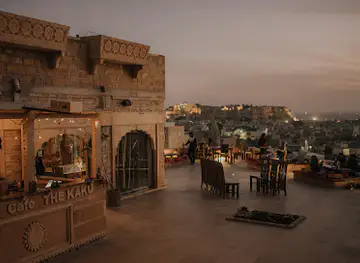
Café The Kaku Jaisalmer
Experience the vibrant fusion of Indian and Continental cuisine at Café The Kaku, a must-visit culinary gem in Jaisalmer, Rajasthan.

The Goodhall Restaurant - Best Restaurant in Barmer | Resort and Water Park in Barmer
Experience the essence of Rajasthani cuisine at The Goodhall Restaurant, where tradition meets taste in a vibrant resort setting.

Tathastu Jaisalmer - A Café By Lake
Experience the perfect blend of flavors at Tathastu Jaisalmer, where lakeside dining meets Indian, Italian, and Rajasthani cuisine.

Best nightclubs in Thar Desert
Top-rated picks
Best Nightclubs

Sand World Desert Camp
Discover the beauty of Rajasthan at Sand World Desert Camp, where adventure meets luxury in the heart of the desert.

Jaisal Club
Discover the lively nightlife of Jaisalmer at Jaisal Club, where entertainment meets cultural charm in a vibrant setting.

Registhan Deserts Safari Camps
Discover the enchanting beauty of Rajasthan at Registhan Deserts Safari Camps, a perfect blend of luxury and adventure in the heart of the desert.

Dunes Bar
Dunes Bar at Jaisalmer Marriott: Where Culinary Excellence Meets Desert Elegance.

Best shops in Thar Desert
Top-rated picks
Best Shops

Camp e Khas - Luxury camps desert resort. AC luxury camps with heater
Discover luxury camping at Camp e Khas in Sam Sand Dunes, Rajasthan - where adventure meets comfort in the heart of the desert.

Star Desert Camp Jaisalmer - A Luxury Stay In Desert
Experience luxury and adventure at Star Desert Camp, nestled in the breathtaking Sam Sand Dunes of Jaisalmer, Rajasthan.

Dhanraj Ranmal Bhatia || Best Sweet, Namkeen Shop, Famous Ghotua Laddu Shop, Famous Chaat Shop
Indulge in the authentic flavors of Rajasthan at Dhanraj Ranmal Bhatia, a must-visit sweet and snack shop in Jaisalmer.

The Jaigarh Palace Jaisalmer
Experience royal hospitality at The Jaigarh Palace Jaisalmer, where heritage meets luxury in the heart of Rajasthan.

Explore Thar Desert on the Map
A handpicked selection of must-see spots in Thar Desert, mapped for you.
Thar Desert Essentials
-
The Thar Desert, also known as the Great Indian Desert, spans the states of Rajasthan, Gujarat, Punjab, and Haryana. The closest major airport is Jodhpur Airport, located in Rajasthan. From Jodhpur, you can take a taxi or a bus to Jaisalmer, one of the primary gateways to the Thar Desert. The journey by road takes approximately 5 to 6 hours. Alternatively, there are direct trains from major cities like Delhi and Jaipur to Jaisalmer.
-
Within the Thar Desert, the most common modes of transportation are jeeps, camels, and buses. Jeeps are ideal for exploring the desert terrain and can be hired with a driver from Jaisalmer. Camel safaris are a popular way to experience the desert and often include overnight stays in desert camps. Public buses connect major towns, but they may not be the most comfortable option. Renting a car is also possible, but driving in the desert requires experience and caution.
-
The official currency in India is the Indian Rupee (INR). Credit and debit cards are accepted in most hotels, restaurants, and shops in larger towns like Jaisalmer and Jodhpur. However, it is advisable to carry sufficient cash, especially when traveling to remote desert areas where card facilities may not be available. ATMs are available in larger towns, but it is wise to withdraw cash before heading into the desert.
-
The Thar Desert is generally safe for tourists, but it is important to take standard precautions. Avoid isolated areas and do not travel alone at night. Always keep an eye on your belongings, especially in crowded places. There are no specific high-crime areas targeting tourists, but staying vigilant is recommended. It is also advisable to stay hydrated and protect yourself from the sun to avoid heat-related issues.
-
In case of emergency, dial 112 for immediate assistance, which connects to police, medical, and fire services. Major towns like Jaisalmer and Jodhpur have hospitals and medical facilities. It is recommended to have travel insurance that covers medical emergencies and potential evacuation. For minor health issues, there are pharmacies in larger towns where you can purchase over-the-counter medications.
-
Fashion: Do dress modestly, especially when visiting religious sites. Lightweight, breathable clothing is recommended. Avoid wearing revealing or tight clothing. Religion: Do respect local customs and traditions. Always remove your shoes before entering temples. Public Transport: Do be respectful and give up your seat to elderly passengers. Don't eat or drink on public transport. Greetings: Do greet people with a 'Namaste' (hands pressed together) or a handshake. Eating & Drinking: Do try local delicacies and accept food offerings graciously. Don't refuse hospitality, as it is considered impolite.
-
To experience the Thar Desert like a local, visit the local markets in Jaisalmer to buy traditional Rajasthani crafts and textiles. Engage with locals, who are often friendly and willing to share stories about their culture and way of life. Don’t miss visiting the Jaisalmer Fort, a UNESCO World Heritage Site, and experiencing a camel safari to witness the stunning desert sunset. For an authentic experience, consider staying in a desert camp and enjoying traditional Rajasthani music and dance performances.
When is the best time to visit Thar Desert?
Useful Local Phrases for Thar Desert
You don't need to speak the language perfectly. Even learning a few simple words can make conversations warmer—and locals usually appreciate the effort.
— Eve

Here are the phrases I use most often in Thar Desert. Try a few—you'll be surprised how far they go! 😊
❤️
-
- Helloनमस्ते
[Namaste] - Goodbyeअलविदा
[Alvida] - Yesहाँ
[Haan] - Noनहीं
[Nahin] - Please/You're welcomeकृपया
[Kripya] - Thank youधन्यवाद
[Dhanyavaad] - Excuse me/Sorryमाफ कीजिए
[Maaf Kijiye] - How are you?आप कैसे हैं?
[Aap Kaise Hain?] - Fine. And you?ठीक हूँ। और आप?
[Theek Hoon. Aur Aap?] - Do you speak English?क्या आप अंग्रेज़ी बोलते हैं?
[Kya Aap Angrezi Bolte Hain?] - I don't understandमुझे समझ नहीं आता
[Mujhe Samajh Nahin Aata]
- Helloनमस्ते
-
- I'd like to see the menu, pleaseकृपया मेनू दिखाइए
[Kripya Menu Dikhaiye] - I don't eat meatमैं मांस नहीं खाता
[Main Maans Nahin Khata] - Cheers!जश्न मनाएं!
[Jashn Manaye!] - I would like to pay, pleaseकृपया मुझे बिल देना है
[Kripya Mujhe Bill Dena Hai]
- I'd like to see the menu, pleaseकृपया मेनू दिखाइए
-
- Help!मदद करो!
[Madad Karo!] - Go away!दूर जाओ!
[Door Jaao!] - Call the Police!पुलिस को बुलाओ!
[Police Ko Bulao!] - Call a doctor!डॉक्टर को बुलाओ!
[Doctor Ko Bulao!] - I'm lostमैं खो गया हूँ
[Main Kho Gaya Hoon] - I'm illमैं बीमार हूँ
[Main Beemar Hoon]
- Help!मदद करो!
-
- I'd like to buy...मैं खरीदना चाहता हूँ...
[Main Kharidna Chahta Hoon...] - I'm just lookingमैं बस देख रहा हूँ
[Main Bas Deekh Raha Hoon] - How much is it?यह कितने का है?
[Yah Kitne Ka Hai?] - That's too expensiveयह बहुत महंगा है
[Yah Bahut Mehenga Hai] - Can you lower the price?क्या आप कीमत कम कर सकते हैं?
[Kya Aap Keemat Kam Kar Sakte Hain?]
- I'd like to buy...मैं खरीदना चाहता हूँ...
-
- What time is it?कितने बजे हैं?
[Kitne Baje Hain?] - It's one o'clockयह एक बजे हैं
[Yah Ek Baje Hain] - Half past (10)साढ़े (10)
[Saade (10)] - Morningसुबह
[Subah] - Afternoonदोपहर
[Dopahar] - Eveningशाम
[Shaam] - Yesterdayकल
[Kal] - Todayआज
[Aaj] - Tomorrowकल
[Kal] - 11
[1] - 22
[2] - 33
[3] - 44
[4] - 55
[5] - 66
[6] - 77
[7] - 88
[8] - 99
[9] - 1010
[10]
- What time is it?कितने बजे हैं?
-
- Where's a/the...?एक/दूसरे का...कहाँ है?
[Ek/Dusre Ka...Kahaan Hai?] - What's the address?पता क्या है?
[Pata Kya Hai?] - Can you show me (on the map)?क्या आप मुझे (मानचित्र पर) दिखा सकते हैं?
[Kya Aap Mujhe (Manchitra Par) Dikha Sakte Hain?] - When's the next (bus)?अगली (बस) कब है?
[Agli (Bus) Kab Hai?] - A ticket (to ....)एक टिकट (.... के लिए)
[Ek Ticket (.... Ke Liye)]
- Where's a/the...?एक/दूसरे का...कहाँ है?
History of Thar Desert
-
The Thar Desert, also known as the Great Indian Desert, has been a crucial part of ancient trade routes. Caravans laden with goods such as spices, textiles, and precious stones traversed this arid landscape, connecting the Indian subcontinent with Central Asia, the Middle East, and beyond. These trade routes fostered cultural exchanges, making the Thar Desert a melting pot of various traditions and customs.
-
The Thar Desert was once home to part of the Indus Valley Civilization, one of the world's oldest urban societies. Excavations at sites like Kalibangan, Lothal, and Rakhigarhi reveal a sophisticated urban culture with advanced architecture, drainage systems, and trade practices. The remnants of this ancient civilization offer a glimpse into the early human settlements that once thrived in this now-arid region.
-
During the medieval period, the Thar Desert region was dominated by various Rajput kingdoms. The Rajputs, known for their valor and chivalry, built magnificent forts and palaces that still stand today as symbols of their legacy. The cities of Jaisalmer and Bikaner, with their golden sandstone architecture, serve as living testimonies to the architectural prowess and cultural richness of the Rajput era.
-
The Thar Desert was influenced by the Silk Road, one of the most significant trade networks in history. Although not a primary route, the fringes of the Thar Desert saw the movement of traders and travelers who brought with them goods, ideas, and cultural influences from distant lands. This interaction enriched the local culture, evident in the region's art, cuisine, and traditions.
-
During the British colonial period, the Thar Desert region saw significant changes. The British established military outposts and administrative centers to control the strategic trade routes and maintain order. The construction of railways and roads during this period facilitated easier movement and trade, forever altering the socio-economic landscape of the region.
-
The Partition of India in 1947 had a profound impact on the Thar Desert region. The newly drawn borders between India and Pakistan divided the desert, displacing many communities and altering traditional trade routes. The geopolitical significance of the region increased, leading to military installations and border security measures that continue to shape the area's socio-political dynamics.
-
The Thar Desert is renowned for its vibrant cultural heritage, which is celebrated through various festivals and fairs. The most famous of these is the Pushkar Camel Fair, where traders and visitors from across the region gather to buy and sell livestock, participate in cultural performances, and celebrate the local traditions. The Desert Festival in Jaisalmer showcases the rich folk music, dance, and crafts of the region, attracting tourists from around the world.
Neighbouring Regions of Thar Desert
The closest regions to Thar Desert, if you have time for more than one.



Your all‑in‑one travel companion app
Explore expert travel guides, compare and book tours, experiences, hotels, and more—all from the palm of your hand. Download now for seamless trip planning wherever your wanderlust takes you.


Explore More of India

Looking beyond Thar Desert? Discover India for broader travel guides, local hot-spots, and regional highlights.
Explore IndiaThar Desert in Photos
Browse through our photo collection highlighting the charm and character of the destination.


Enchanting Sands of the Thar Desert
The Thar Desert, also known as the Great Indian Desert, is a vast arid region in the northwestern part of India. Stretching across the states of Rajasthan, Gujarat, Punjab, and Haryana, it offers a unique blend of culture, history, and natural beauty. The endless dunes and vibrant sunsets make it a photographer's paradise, while the rich cultural heritage of the region provides a fascinating glimpse into India's past. One of the highlights of visiting the Thar Desert is the opportunity to embark on a camel safari. These safaris allow tourists to traverse the golden sands, visit remote villages, and experience the traditional lifestyle of the desert inhabitants. Along the way, one can witness folk dances, music performances, and local craftsmanship, all of which reflect the rich cultural tapestry of the region. The desert is also home to several historic forts and palaces, such as the Jaisalmer Fort, also known as the 'Golden Fort'. This UNESCO World Heritage site, with its intricate carvings and stunning architecture, is a testament to the grandeur of Rajasthan's royal history. Nearby, the Sam Sand Dunes offer the perfect spot for a breathtaking sunset view, making it a must-visit for anyone traveling to the Thar Desert.