

Nagaland, India Travel Guide
Explore the enchanting landscapes and vibrant tribal culture of Nagaland, India's hidden gem in the Northeast, known for its rich heritage, festivals, and natural beauty.
Nestled in the lush hills of Northeast India, Nagaland is a land of pristine beauty and rich cultural heritage. Known for its vibrant festivals, traditional crafts, and warm hospitality, this region offers a unique blend of natural wonders and cultural experiences. As you traverse through its verdant landscapes, you will encounter picturesque villages, dense forests, and scenic valleys, making it a perfect escape for nature lovers and adventure seekers alike. One of the highlights of Nagaland is the Hornbill Festival, held every December in the capital city of Kohima. This festival is a grand celebration of the state's diverse tribal cultures, featuring traditional music, dance, and crafts. Visitors can witness the colorful attire of different tribes, taste local delicacies, and explore the rich history and traditions that have been preserved for generations. Nagaland's allure extends beyond its festivals. The state is also home to several wildlife sanctuaries and national parks, such as the Intanki National Park, which offers opportunities for wildlife spotting and trekking. The serene landscapes of places like Dzükou Valley and Japfu Peak provide breathtaking views and are ideal for hiking enthusiasts. Whether you are exploring the bustling markets of Dimapur or soaking in the tranquility of rural hamlets, Nagaland promises an unforgettable journey into the heart of India's untouched beauty.

Know before you go
Hi, I'm Eve. Here are a few practical things to know before exploring Nagaland.
- Visit during the Hornbill Festival in December to experience the best of Nagaland's cultural celebrations.
- Carry warm clothing if visiting in winter, as temperatures can drop significantly, especially in the hills.
- Try the local cuisine, including dishes made with bamboo shoots and smoked meats, for an authentic taste of Nagaland.
- Hire a local guide when trekking in remote areas to ensure safety and to gain insights into the region's flora and fauna.
- Respect local customs and traditions, especially in tribal villages. Always ask for permission before taking photographs of people.
Top City Travel Guides in Nagaland
The cities of Nagaland, and the easiest places to base yourself.
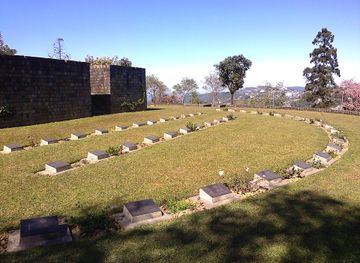
Destinations in Nagaland
Resorts, valleys and scenic spots worth a trip of their own.

Explore Nagaland: Things to Do, Places to Eat, Hotels & More
Handpicked recommendations for top attractions, local dining, accommodations, and more

Top Attractions & Sightseeing in Nagaland
Top-rated picks
Best Attractions

Indira Gandhi Park
Explore the serene beauty of Indira Gandhi Park, a lush green oasis in Itanagar, perfect for relaxation and family outings amidst nature.

Kakochang Waterfall
Explore the beauty of Kakochang Waterfall in Assam, a stunning natural attraction perfect for adventure seekers and nature lovers alike.

Gompa Buddhist Temple - Itanagar, Arunachal Pradesh, India
Experience the spiritual beauty and cultural richness of the Gompa Buddhist Temple in Itanagar, Arunachal Pradesh - a serene must-visit for every traveler.

Nagaland Zoological Park
Explore the enchanting Nagaland Zoological Park, where wildlife meets nature in a breathtaking setting. Discover native species and enjoy a day of adventure.

Best landmarks in Nagaland
Top-rated picks
Best Landmarks

Kakochang Waterfall
Discover the stunning Kakochang Waterfall, a hidden gem near Kaziranga National Park, where nature's beauty and adventure await.

Kisama Heritage Village
Discover the vibrant culture and history of Nagaland at the picturesque Kisama Heritage Village, a must-visit for every traveler.

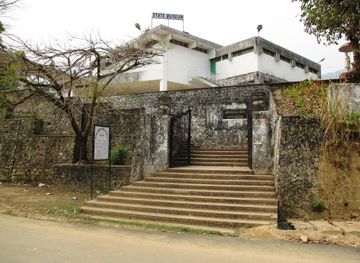
Nagaland State Museum
Explore the cultural richness of Nagaland at the State Museum, showcasing the vibrant heritage of Naga tribes through fascinating artifacts and exhibits.

Hollongapar Gibbon Sanctuary
Experience the enchanting biodiversity of Hollongapar Gibbon Sanctuary, home to the rare hoolock gibbons and a rich variety of wildlife in Assam.

Best restaurants in Nagaland
Top-rated picks
Best Restaurants

Tesco Resort, Kaziranga
Discover tranquility at Tesco Resort in Kaziranga - your gateway to wildlife adventures and serene landscapes in Assam.

weKe Restaurant
Experience authentic Naga cuisine at weKe Restaurant in Dimapur - where tradition meets taste in every bite.
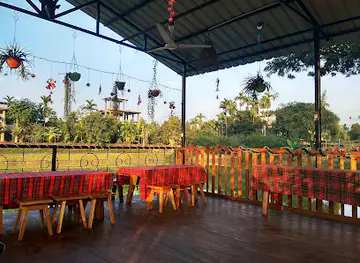
ILI-AH
Experience authentic Indian flavors at ILI-AH in Dimapur - where culinary tradition meets modern dining.
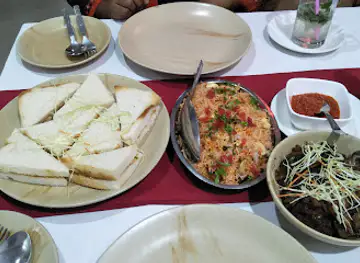
Breeze Restaurant
Experience authentic Indian cuisine at Breeze Restaurant in Dimapur—your go-to spot for delightful breakfasts and rich flavors.

Best bars in Nagaland
Top-rated picks
Best Bars

FUNKY BUDDHA
Discover Funky Buddha in Dimapur, Nagaland - a vibrant restaurant offering a unique blend of fast food and coffee culture for the ultimate culinary experience.

Escape Lounge
Experience the perfect blend of relaxation and culinary delights at Escape Lounge in the heart of Dimapur.

Nichey
Experience the vibrant culinary scene of Dimapur at Nichey, where local flavors meet global favorites in a lively bar and restaurant setting.

Big Boss Restro
Experience the vibrant flavors of Nagaland at Big Boss Restro, a culinary haven in Dimapur for food enthusiasts and travelers.

Best nightclubs in Nagaland
Top-rated picks
Best Nightclubs
Kaziranga Golf Resort
Discover tranquility and adventure at Kaziranga Golf Resort, your gateway to Assam's natural beauty and wildlife.

Escape Lounge
Experience the essence of Dimapur at Escape Lounge, where delicious cuisine and a relaxing atmosphere await every visitor.

Club KC
Discover the vibrant nightlife of Itanagar at Club KC, a premier night club offering music, dancing, and unforgettable experiences.

Mega Star Youth Club
Experience the vibrant youth culture at Mega Star Youth Club in Dimapur, Nagaland, a hub of creativity, social activities, and local traditions.

Best shops in Nagaland
Top-rated picks
Best Shops

Firstcry.com Store Dimapur 5th Mile
Explore the Firstcry.com Store in Dimapur for a wide range of high-quality baby products and a delightful shopping experience for families.

Firstcry.com Store Dimapur Midland
Explore the Firstcry.com Store in Dimapur for the best in baby products, ensuring your little ones have everything they need.

Sparkle shop
Explore local fashion and unique souvenirs at Sparkle Shop in Dimapur, a vibrant shopping destination in Nagaland.

NewU
Explore NewU in Dimapur for an unparalleled selection of cosmetics, perfumes, and health products that cater to all your beauty needs.

Explore Nagaland on the Map
A handpicked selection of must-see spots in Nagaland, mapped for you.
Nagaland Essentials
-
Nagaland is located in the northeastern part of India. The nearest international airport is Lokpriya Gopinath Bordoloi International Airport in Guwahati, Assam. From Guwahati, you can take a domestic flight to Dimapur Airport, which is the only airport in Nagaland. Alternatively, you can take a train or bus from Guwahati to Dimapur or Kohima. The journey by road or rail offers scenic views of the northeastern landscape and typically takes around 6 to 8 hours.
-
Within Nagaland, local transportation includes buses, taxis, and auto-rickshaws. State-run and private buses connect major towns and villages. Shared taxis are a popular and economical option for traveling between towns. For local travel within towns, auto-rickshaws are readily available. Renting a car is also an option, though the hilly terrain and narrow roads can make driving challenging for those unfamiliar with the area.
-
The official currency in Nagaland is the Indian Rupee (INR). Credit and debit cards are accepted in most hotels, restaurants, and larger shops in major towns like Dimapur and Kohima. However, it is advisable to carry cash, especially when traveling to rural areas where card facilities may not be available. ATMs are available in major towns but may be scarce in remote areas.
-
Nagaland is generally safe for tourists, but it is essential to take standard precautions. Avoid traveling alone at night, especially in unfamiliar areas. Some areas near the border may have restricted access due to security reasons; always check for travel advisories. While crime rates are relatively low, remain vigilant about your belongings in crowded places. Petty theft and pickpocketing can occur, particularly in busy markets.
-
In case of emergency, dial 100 for police assistance and 102 for medical emergencies. Major towns like Dimapur and Kohima have hospitals and medical clinics equipped to handle various health issues. Ensure you have comprehensive travel insurance that covers medical emergencies. Pharmacies are available in towns for over-the-counter medications. For lost documents or severe emergencies, contact your country's embassy or consulate in India.
-
Fashion: Do dress modestly, especially when visiting religious sites. Avoid wearing revealing clothing. Religion: Do respect local customs and traditions. Remove your shoes before entering churches and traditional Naga homes. Public Transport: Do be polite and considerate to fellow passengers. Avoid eating or drinking on public transport. Greetings: Do greet people with a nod or a handshake. Using 'Ayo' (hello) in local dialects is appreciated. Eating & Drinking: Do try local cuisines and accept food offerings graciously. Avoid wasting food, as it is considered disrespectful.
-
To experience Nagaland like a local, visit the weekly markets where you can buy fresh produce and traditional Naga items. Engage with locals; Naga people are known for their hospitality and are often willing to share stories about their culture and history. Attend local festivals like the Hornbill Festival to immerse yourself in the rich cultural heritage. Try traditional Naga dishes like smoked pork and bamboo shoot curry for an authentic culinary experience.
When is the best time to visit Nagaland?
Useful Local Phrases for Nagaland
You don't need to speak the language perfectly. Even learning a few simple words can make conversations warmer—and locals usually appreciate the effort.
— Eve

Here are the phrases I use most often in Nagaland. Try a few—you'll be surprised how far they go! 😊
❤️
-
- HelloKuknalim
[Kook-nah-leem] - GoodbyeAho
[Ah-ho] - YesAye
[Eye] - NoOtu
[Oh-too] - Please/You're welcomeNangin
[Nahn-geen] - Thank youNang cheu
[Nahn cheh-oo] - Excuse me/SorryChoto
[Cho-tow] - How are you?Nang kene?
[Nahn keh-neh] - Fine. And you?Nang chuk. Nangin?
[Nahn chook. Nahn-geen?] - Do you speak English?Nang English katha?
[Nahn English kah-thah?] - I don't understandNangin ang chuo
[Nahn-geen ahng choo-oh]
- HelloKuknalim
-
- I'd like to see the menu, pleaseNangin menu katha, nangin
[Nahn-geen meh-noo kah-thah, nahn-geen] - I don't eat meatNangin ang zoot chuo
[Nahn-geen ahng zoot choo-oh] - Cheers!Khukhi!
[Khoo-khee] - I would like to pay, pleaseNangin paise katha, nangin
[Nahn-geen pie-say kah-thah, nahn-geen]
- I'd like to see the menu, pleaseNangin menu katha, nangin
-
- Help!Chak!
[Chahk] - Go away!Otu chhuo!
[Oh-too choo-oh!] - Call the Police!Police katha!
[Poh-lees kah-thah!] - Call a doctor!Doctor katha!
[Dohk-tor kah-thah!] - I'm lostNangin ang ziro
[Nahn-geen ahng zee-roh] - I'm illNangin ang zoh
[Nahn-geen ahng zoh]
- Help!Chak!
-
- I'd like to buy...Nangin ... katha
[Nahn-geen ... kah-thah] - I'm just lookingNangin chiru
[Nahn-geen chee-roo] - How much is it?Nangin kethi katha?
[Nahn-geen keh-thee kah-thah?] - That's too expensiveHei ziri kethi
[Hey zee-ree keh-thee] - Can you lower the price?Nangin kethi oikhai?
[Nahn-geen keh-thee oh-ee-khai?]
- I'd like to buy...Nangin ... katha
-
- What time is it?Kethi kethi?
[Keh-thee keh-thee?] - It's one o'clockNangin ang chuk kethi
[Nahn-geen ahng chook keh-thee] - Half past (10)Nangin chuk sa kethi
[Nahn-geen chook sah keh-thee] - MorningNangin
[Nahn-geen] - AfternoonChiru
[Chee-roo] - EveningAkhum
[Ah-khoom] - YesterdayNangin ziri
[Nahn-geen zee-ree] - TodayNangin chuk
[Nahn-geen chook] - TomorrowNangin chuk ziri
[Nahn-geen chook zee-ree] - 1Chuk
[Chook] - 2Nang
[Nahn-g] - 3Chiru
[Chee-roo] - 4Ziri
[Zee-ree] - 5Ziri chuk
[Zee-ree chook] - 6Nang ziri
[Nahn zee-ree] - 7Nang chuk
[Nahn chook] - 8Nang chuk ziri
[Nahn chook zee-ree] - 9Nang ziri chuk
[Nahn zee-ree chook] - 10Nang ziri chuk
[Nahn zee-ree chook]
- What time is it?Kethi kethi?
-
- Where's a/the...?Kethi ... kethi?
[Keh-thee ... keh-thee?] - What's the address?Kethi khapan?
[Keh-thee khah-pan?] - Can you show me (on the map)?Nangin map katha?
[Nahn-geen map kah-thah?] - When's the next (bus)?Kethi bus kethi?
[Keh-thee bus keh-thee?] - A ticket (to ....)Nangin ... katha ticket
[Nahn-geen ... kah-thah ticket]
- Where's a/the...?Kethi ... kethi?
History of Nagaland
-
Nagaland, a land of vibrant cultures and rich histories, is believed to have been inhabited by various Naga tribes for centuries. The region's origins trace back to ancient times when the tribes migrated from Southeast Asia, bringing with them unique customs, languages, and traditions. These tribes, including the Ao, Angami, Sumi, and others, settled in the hilly terrains, developing distinct identities and ways of life.
-
The British colonial era in Nagaland began in the early 19th century when the British East India Company sought to expand its control over the northeastern frontier. The region witnessed several confrontations between the Naga tribes and the British forces. The Battle of Khonoma in 1879 was a significant event where the Angami Naga warriors fiercely resisted British incursions. However, by the end of the 19th century, the British had established their dominance, incorporating Nagaland into British India.
-
Post-independence India saw significant movements for the recognition of Naga identity and autonomy. The Naga National Council (NNC) played a pivotal role in advocating for a separate Naga state. After years of negotiation and conflict, the state of Nagaland was officially created on December 1, 1963. It became the 16th state of India, with Kohima designated as its capital. This marked a crucial moment in the political and cultural consolidation of the Nagas.
-
The mid-20th century witnessed the rise of the Naga insurgency, primarily led by the Naga National Council (NNC) and later the National Socialist Council of Nagaland (NSCN). These groups sought greater autonomy and even independence from India. The insurgency led to decades of conflict, impacting the socio-political landscape of the region. Despite several peace agreements and negotiations, the struggle for Naga identity and rights continues to be a significant issue.
-
The Hornbill Festival, also known as the 'Festival of Festivals,' is a vibrant celebration of Naga culture and heritage. Held annually in the first week of December in Kisama near Kohima, the festival showcases the rich traditions of the Naga tribes through music, dance, crafts, and cuisine. Named after the revered hornbill bird, the festival is a testament to the unity and diversity of the Naga people, attracting visitors from all over the world.
-
Traditional Naga village life is characterized by a strong sense of community and adherence to age-old customs. The villages are usually located on hilltops, with houses made from bamboo and thatch. Each village has its own governing body, with elders playing a crucial role in decision-making. Agriculture, particularly terrace farming, is the mainstay of the Naga economy. Festivals and rituals, often linked to agricultural cycles, are integral to village life, reflecting the deep connection between the Nagas and their land.
-
Naga handicrafts and weaving are renowned for their intricate designs and vibrant colors. Each tribe has its own unique patterns and techniques, often passed down through generations. The traditional Naga shawls, with their distinctive geometric patterns, are particularly famous. Basketry, pottery, beadwork, and wood carving are other significant crafts that showcase the artistic prowess of the Naga people. These crafts are not just utilitarian but also hold cultural and symbolic meanings.
-
Christianity has played a transformative role in the social and cultural landscape of Nagaland. Introduced by American Baptist missionaries in the 19th century, it spread rapidly among the Naga tribes. Today, the majority of Nagaland's population identifies as Christian, with Baptist being the predominant denomination. The adoption of Christianity brought about significant changes in Naga society, influencing education, healthcare, and social norms. Churches are central to community life, and Christian festivals are widely celebrated.
Neighbouring Regions of Nagaland
The closest regions to Nagaland, if you have time for more than one.



Your all‑in‑one travel companion app
Explore expert travel guides, compare and book tours, experiences, hotels, and more—all from the palm of your hand. Download now for seamless trip planning wherever your wanderlust takes you.


Explore More of India

Looking beyond Nagaland? Discover India for broader travel guides, local hot-spots, and regional highlights.
Explore IndiaNagaland in Photos
Browse through our photo collection highlighting the charm and character of the destination.


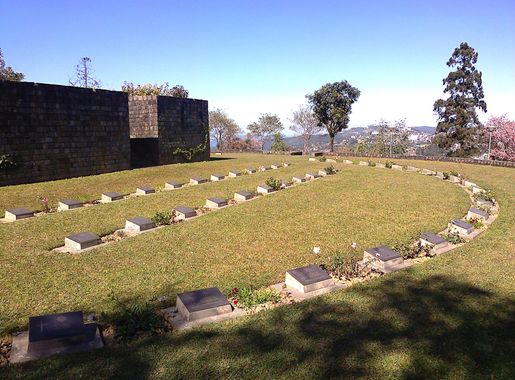
Nagaland: The Jewel of India's Northeast
Nestled in the lush hills of Northeast India, Nagaland is a land of pristine beauty and rich cultural heritage. Known for its vibrant festivals, traditional crafts, and warm hospitality, this region offers a unique blend of natural wonders and cultural experiences. As you traverse through its verdant landscapes, you will encounter picturesque villages, dense forests, and scenic valleys, making it a perfect escape for nature lovers and adventure seekers alike. One of the highlights of Nagaland is the Hornbill Festival, held every December in the capital city of Kohima. This festival is a grand celebration of the state's diverse tribal cultures, featuring traditional music, dance, and crafts. Visitors can witness the colorful attire of different tribes, taste local delicacies, and explore the rich history and traditions that have been preserved for generations. Nagaland's allure extends beyond its festivals. The state is also home to several wildlife sanctuaries and national parks, such as the Intanki National Park, which offers opportunities for wildlife spotting and trekking. The serene landscapes of places like Dzükou Valley and Japfu Peak provide breathtaking views and are ideal for hiking enthusiasts. Whether you are exploring the bustling markets of Dimapur or soaking in the tranquility of rural hamlets, Nagaland promises an unforgettable journey into the heart of India's untouched beauty.