

Free Assam Travel Guide & Mobile App
Explore Assam with free travel guides. Discover regional history, expert tips, proposed trips, and audio guides on web or mobile app.


Explore Assam for Brahmaputra landscapes, tea gardens, wildlife sanctuaries, river-island culture and the historic towns of India’s Northeast.
Read more about Assam
When is the best time to visit Assam?
Best: December–February · 24–27°C| Month | High (°C) | Rainfall (mm) |
|---|---|---|
| January (best) | 24 | 10 |
| February (best) | 27 | 20 |
| March | 33 | 40 |
| April | 35 | 100 |
| May | 35 | 200 |
| June | 33 | 300 |
| July | 32 | 350 |
| August | 32 | 300 |
| September | 31 | 250 |
| October | 30 | 100 |
| November | 27 | 20 |
| December (best) | 24 | 10 |
Getting to and around Assam
How to get there
Transportation
Top city travel guides in Assam
The cities of Assam, and the easiest places to base yourself.
-

-

-

-

-

-


Swipe for more cities
Destinations in Assam
Resorts, valleys and scenic spots worth a trip of their own.
-

-


Swipe for more destinations
Best attractions in Assam
Assam’s attractions are defined by the interaction of river, forest, faith and agriculture. Kaziranga National Park is the state’s best-known wildlife destination, combining floodplain grasslands, wetlands and woodland with opportunities to see the Indian one-horned rhinoceros and other large mammals. Manas National Park offers a different setting beside the Himalayan foothills, while Pobitora Wildlife Sanctuary is a compact alternative near Guwahati. Birdwatchers can explore Deepor Beel and other wetlands, although water levels and access vary seasonally. Guwahati provides major religious and cultural visits, including Kamakhya Temple, museums and river excursions. Around Sivasagar, Ahom monuments illuminate the history of the former kingdom; Majuli offers satras, mask-making and island landscapes; and Upper Assam’s tea districts reveal the agricultural and industrial heritage behind the state’s most famous crop. Museums, weaving centres, village visits and river journeys add cultural depth, while hiking and nature experiences are concentrated around forested foothill areas rather than the densely settled valley floor.
-
Water park
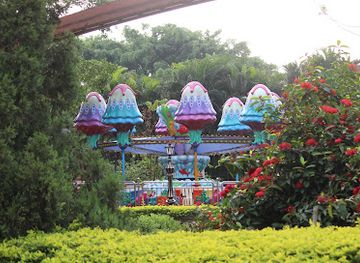
Accoland
Experience thrilling rides and water fun at Accoland, Northeast India's largest amusement park, near Guwahati, Assam. A perfect family getaway!
-
Museum
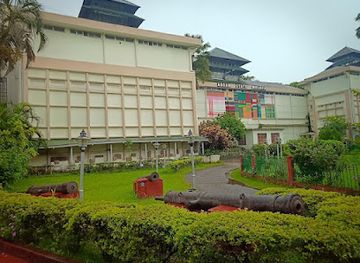
Assam State Museum
Explore Assam's rich history and culture at the Assam State Museum, home to a diverse collection of artifacts and historical treasures.
-
Park
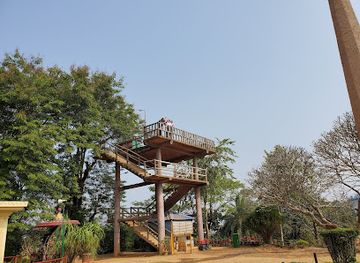
Agnigarh
Discover the legendary love story of Usha and Aniruddha at Agnigarh, a scenic hillock offering panoramic views of Tezpur and the Brahmaputra River.
-
Wildlife park
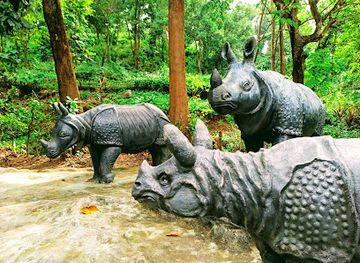
Pobitora Wildlife Sanctuary
Discover Pobitora Wildlife Sanctuary: A compact Assam refuge with the world's densest population of Indian one-horned rhinoceroses.

Best landmarks in Assam
The Brahmaputra itself is Assam’s defining natural landmark, a vast shifting river whose sandbars, wetlands and banks influence settlement, farming and transport. Guwahati’s Kamakhya Temple, on Nilachal Hill, is one of the most important Shakta pilgrimage sites in India, while the small Umananda Temple occupies Peacock Island in the river. Sivasagar preserves the most concentrated group of Ahom royal landmarks, including the monumental Sivadol temple, the royal tanks and the remains associated with Rang Ghar and Talatal Ghar. The domed Rang Ghar is particularly distinctive as a ceremonial pavilion linked to Ahom court culture. In eastern Assam, the broad tea landscapes around Jorhat and Dibrugarh form a living industrial landmark, where planted rows, factory buildings and workers’ settlements reveal the scale of the nineteenth-century plantation economy. Majuli’s satras are less monumental in form but highly significant as institutions of Assamese Vaishnavite culture.
-
Park
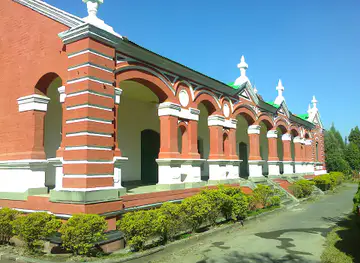
Chitralekha Udyan
Discover tranquility at Chitralekha Udyan, a hidden gem in Tezpur offering lush landscapes and serene beauty for all nature lovers.
-
Park
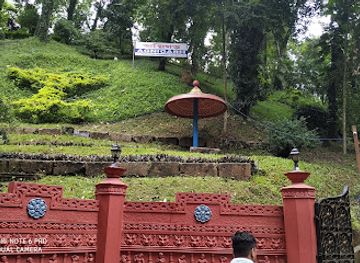
Agnigarh
Explore Agnigarh Park in Tezpur, where history and nature intertwine amidst lush landscapes and captivating legends.
-
Park
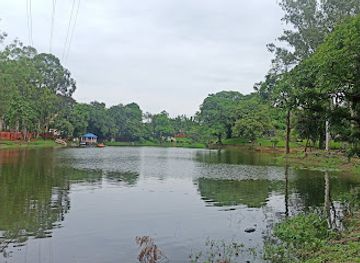
Nizora Park & Waterfall
Experience tranquility and natural beauty at Nizora Park & Waterfall in Jagiroad, Assam, a perfect getaway for nature lovers and families.
-
National park
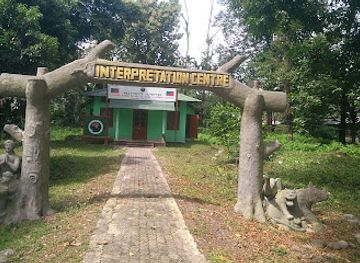
Nameri National Park And Forest Reserve
Discover the wild charm of Nameri National Park, a serene escape in Assam where adventure meets tranquility amidst stunning landscapes.
Explore Assam on the map
Plan your trip on one map. See where the top cities, national parks and sights are, and book hotels and experiences in a few clicks.
Best hotels in Assam
Best restaurants in Assam
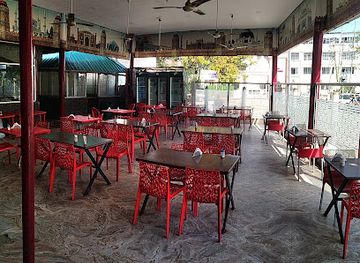
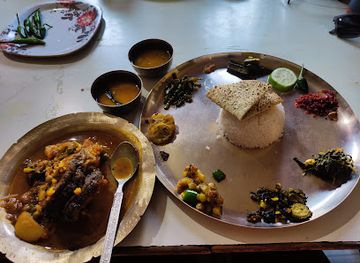
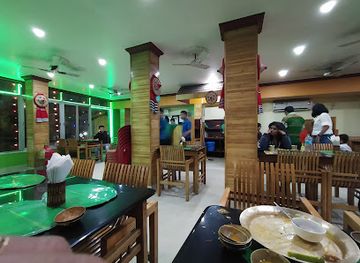
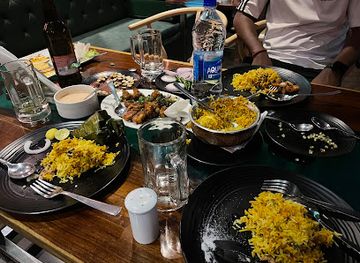
Assamese cooking is centred on rice and makes notable use of freshwater fish, duck, chicken, pork, leafy greens, herbs, citrus, bamboo shoot and fermented ingredients. Meals may be lightly spiced compared with some Indian regional cuisines, with flavour often coming from fresh aromatics and carefully selected local produce. Khar, a preparation associated with Assamese food traditions, and tenga, a sour fish style, are widely encountered, while pitha rice cakes and other snacks are especially associated with Bihu and seasonal hospitality. Guwahati offers the broadest choice of Assamese, Indian and international dining, whereas smaller towns and tea districts are better for simple thalis, cafés, roadside food and family-run restaurants. In rural areas, menus can be limited and meal times less flexible. Markets provide seasonal fruit, greens and snacks, while tea is central to daily life and is best appreciated in the producing districts as well as in city teahouses.
-
Mughlai
Mughal Garden
Experience authentic Mughlai cuisine at Mughal Garden in Guwahati - a family-friendly restaurant nestled in scenic Sarania Hills.
-
Assamese restaurant
Anuraag Dhaba
Discover authentic Assamese flavors at Anuraag Dhaba - a family-friendly restaurant offering delicious meals from breakfast to dinner.
-
Assamese restaurant
Mising Kitchen
Experience authentic Assamese cuisine at Mising Kitchen, where tradition meets modern dining in Guwahati's vibrant atmosphere.
-
Korean
Kalita Spectrum
Experience the best of Korean, Indian, and Continental cuisine at Kalita Spectrum in Guwahati - where flavor meets culture.
Best bars in Assam
Assam’s evening culture is concentrated in Guwahati and the larger towns rather than spread evenly across the state. Guwahati has the widest selection of hotel bars, contemporary lounges, breweries, restaurants with evening service and live-music venues, while Jorhat and Dibrugarh provide a smaller urban scene shaped by students, professionals and tea-country visitors. Elsewhere, the traditional pub equivalent is more likely to be a local restaurant, hotel bar or informal gathering place than a dedicated nightlife district. Kaziranga, Majuli and rural tea areas generally become quiet after dinner, with evenings focused on conversation, cultural programmes or the stillness of the surrounding landscape. Check local rules and venue policies, and do not assume that alcohol is available near religious sites, wildlife reserves or smaller settlements.
-
Bar
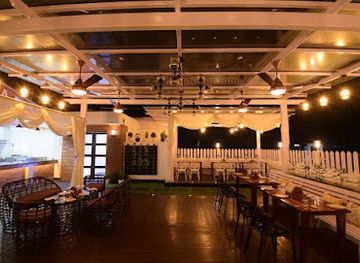
Olive Garden Rooftop Restro Cum Bar
Experience a culinary journey at Olive Garden Rooftop Restro Cum Bar, where exquisite flavors meet stunning city views in Guwahati.
-
Bar
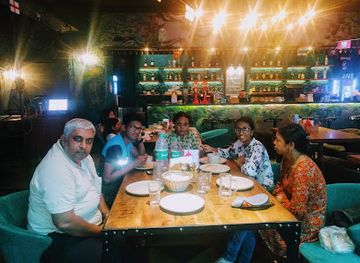
Terra Mayaa
Experience the vibrant nightlife of Guwahati at Terra Mayaa, where delicious cocktails and Indian cuisine await in a lively atmosphere.
-
Pub
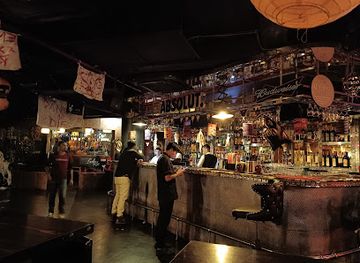
DUNKIN OZA
Experience the vibrant nightlife at Dunkin Oza in Guwahati, where exquisite cocktails and a lively atmosphere await you.
-
Pub
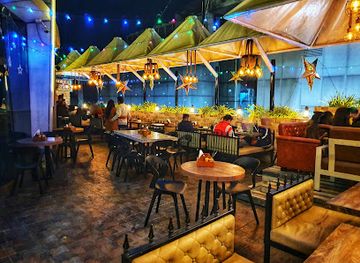
EXORO The Rooftop Pub
Experience the vibrant nightlife of Guwahati at EXORO The Rooftop Pub, where stunning views meet great food and drinks.
Best nightclubs in Assam
Assam’s evening culture is concentrated in Guwahati and the larger towns rather than spread evenly across the state. Guwahati has the widest selection of hotel bars, contemporary lounges, breweries, restaurants with evening service and live-music venues, while Jorhat and Dibrugarh provide a smaller urban scene shaped by students, professionals and tea-country visitors. Elsewhere, the traditional pub equivalent is more likely to be a local restaurant, hotel bar or informal gathering place than a dedicated nightlife district. Kaziranga, Majuli and rural tea areas generally become quiet after dinner, with evenings focused on conversation, cultural programmes or the stillness of the surrounding landscape. Check local rules and venue policies, and do not assume that alcohol is available near religious sites, wildlife reserves or smaller settlements.
-
Pub
DUNKIN OZA
Experience the vibrant nightlife at Dunkin Oza, Guwahati's premier pub and cocktail bar, where great drinks and live music meet.
-
Pub
Crystal Discotheque
Experience the vibrant nightlife at Crystal Discotheque, Guwahati's premier pub and night club offering electrifying music and a lively atmosphere.
-
Night club
RETRO TOWN
Discover the vibrant nightlife at Retro Town in Guwahati, where music, dance, and delightful cuisine create an unforgettable evening experience.
-
Night club
THE ECHO Pub & Grill
Explore the lively nightlife at The Echo Pub & Grill in Guwahati, where vibrant ambiance meets delicious cuisine and unforgettable experiences.




Best shops in Assam
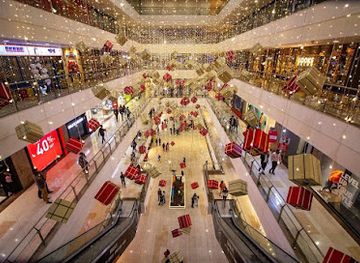
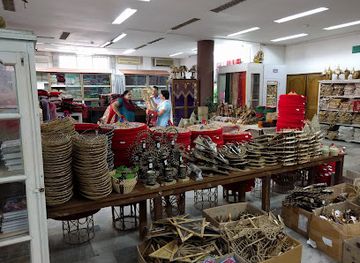
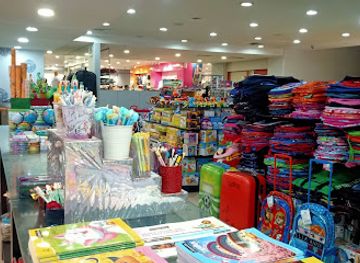
Guwahati has Assam’s broadest retail choice, from central markets and modern commercial areas to shops selling textiles, tea, crafts and religious goods. Paltan Bazaar and Fancy Bazaar are long-established commercial areas, though visitors should expect busy streets and a practical rather than curated shopping experience. Jorhat, Sivasagar, Dibrugarh and Silchar offer smaller high streets and market districts where local produce, clothing and household goods are mixed with tourist purchases. Assam silk, including muga and eri varieties, is a significant regional product; look for clearly described provenance and reliable sellers when buying woven mekhela chadors, scarves or fabric. Tea is the most straightforward souvenir, with packaged leaves available in towns, estates and specialist shops. Bamboo and cane work, bell-metal objects, masks and handmade textiles can be found through craft centres and local markets, while seasonal produce and snacks make appealing additions to a market visit.
-
Shopping mall
City Center
Discover the ultimate shopping experience at City Center, Guwahati's leading mall with top brands, diverse dining, and family-friendly entertainment.
-
Shopping mall
ROODRAKSH MALL
Experience shopping and entertainment like never before at Roodraksh Mall, the premier shopping destination in Guwahati, Assam.
-
Scrapbooking store
Pragjyotika - Assam Emporium
Discover the rich culture and craftsmanship of Assam at Pragjyotika - Assam Emporium, the ultimate shopping destination for unique handicrafts and textiles.
-
Shopping mall
Sohum Shoppe
Discover the essence of Assamese culture and contemporary fashion at Sohum Shoppe, the premier shopping destination in Guwahati.

Get your free copy of our complete guide to Assam, delivered straight to you.
Everything on this page, from attractions and restaurants to essentials and local phrases, in one PDF you can read offline, print or share.
Already have an account? Sign in
Your Assam guide is ready.
We'll send it to · Not you? Sign out

Getting your guide ready…
We are putting together a fresh copy of the Assam guide. This can take up to a minute.
This can take a few moments. If your browser asks, choose Allow so the download can start. You'll find the guide in your Downloads folder.
Nothing happened? Download it again
Sorry, the guide is taking longer than usual. Please try again in a minute, or get it by email instead.
Assam essentials
Currency and Payment
Safety
Emergency Situations
Do's and Don'ts
Local Tips
From Eve
Local phrases worth knowing
You don't need to get them perfect. A few words go a long way, and locals appreciate the effort.
Basics
| English | Local | Say it |
|---|---|---|
| Hello | নমস্কাৰ | [Namoskar] |
| Goodbye | বিদায় | [Bidai] |
| Yes | হয় | [Hoi] |
| No | নাই | [Nai] |
| Please/You’re welcome | অনুগ্ৰহ কৰি/স্বাগতম | [Anugrah kori/Swagatam] |
| Thank you | ধন্যবাদ | [Dhanyabad] |
| Excuse me/Sorry | মাফ কৰক/দয়া কৰি | [Maf korok/Doya kori] |
| How are you? | আপুনি কেনে আছেন? | [Apuni kene aachen?] |
| Fine. And you? | ভাল। আৰু আপুনি? | [Bhal. Aaru apuni?] |
| Do you speak English? | আপুনি ইংৰাজী ক'ব পাৰে নেকি? | [Apuni Ingraji kob pare neki?] |
| I don't understand | মই বুজি নাপাঁও | [Moi buji napao] |
Eating & Drinking
| English | Local | Say it |
|---|---|---|
| I’d like to see the menu, please | মই মেনু চাব খুজিছোঁ, দয়া কৰি | [Moi menu chab khujichu, doya kori] |
| I don't eat meat | মই মাংস খাওঁ নোৱাৰোঁ | [Moi mangso khao nuwaro] |
| Cheers! | চিয়াৰ! | [Chiar!] |
| I would like to pay, please | মই পইছা দিব খুজিছোঁ, দয়া কৰি | [Moi poisa dib khujichu, doya kori] |
Emergencies
| English | Local | Say it |
|---|---|---|
| Help! | সহায়! | [Sohay!] |
| Go away! | দূৰ যাও! | [Dur jao!] |
| Call the Police! | পুলিচক ফোন কৰক! | [Pulichok phon korok!] |
| Call a doctor! | এজন ডাক্তৰক ফোন কৰক! | [Ejon daktork phon korok!] |
| I’m lost | মই হেৰাই গ'লোঁ | [Moi herai golo] |
| I’m ill | মই অসুস্থ | [Moi asustho] |
Shopping
| English | Local | Say it |
|---|---|---|
| I’d like to buy... | মই কिन्नা বিচাৰোঁ... | [Moi kinna bicharu...] |
| I’m just looking | মই মাত্ৰ চাওঁ | [Moi matra chao] |
| How much is it? | এইটো কিমান দাম? | [Eitu kiman dam?] |
| That’s too expensive | সেয়া অতিপ্ৰাথমিক | [Seya atiprathamik] |
| Can you lower the price? | আপুনি দাম কমাব পাৰে নেকি? | [Apuni dam komab pare neki?] |
Time & Numbers
| English | Local | Say it |
|---|---|---|
| What time is it? | এতিয়া কিমান বজাত? | [Etiya kiman bajat?] |
| It's one o'clock | এতিয়া এটা বাজে | [Etiya eta baze] |
| Half past (10) | আধা (১০) | [Adha (10)] |
| Morning | পুৱা | [Puwa] |
| Afternoon | মধ্যাহ্ন | [Madhyahn] |
| Evening | বিকেল | [Bikel] |
| Yesterday | গতকাল | [Gotokal] |
| Today | আজ | [Aaj] |
| Tomorrow | কালি | [Kali] |
| 1 | ১ | [1] |
| 2 | ২ | [2] |
| 3 | ৩ | [3] |
| 4 | ৪ | [4] |
| 5 | ৫ | [5] |
| 6 | ৬ | [6] |
| 7 | ৭ | [7] |
| 8 | ৮ | [8] |
| 9 | ৯ | [9] |
| 10 | ১০ | [10] |
Transport & Directions
| English | Local | Say it |
|---|---|---|
| Where's a/the...? | একটা...ক'ত? | [Ekta...kot?] |
| What's the address? | ঠিকনাটো কি? | [Thikanato ki?] |
| Can you show me (on the map)? | আপুনি মোক দেখুৱাব (মানচিত্ৰত)? | [Apuni mok dekhuwab (manchitrat)?] |
| When's the next (bus)? | পাছৰ (বাস) কেতিয়া? | [Pachor (bas) ketiya?] |
| A ticket (to ....) | এজন টিকট (লৈ....) | [Ejon tiket (loi....)] |
History of Assam
Early Kingdoms and Archaeological Assam
Ancient Assam was known in historical sources as Pragjyotisha and later Kamarupa, a kingdom whose influence extended across parts of the Brahmaputra Valley. Rulers patronised Hindu and Buddhist traditions, while archaeological remains, inscriptions and temple sites record long-established political and religious networks. The stone sculptures and ruins at Madan Kamdev, near Baihata Chariali, offer evidence of a medieval sacred complex, while the Kamakhya hill has remained an important centre of Shakta worship for centuries. These legacies help explain why Assam’s history cannot be reduced to its later colonial tea industry.
The Vaishnavite Movement of Srimanta Sankardeva
During the fifteenth and sixteenth centuries, the saint-scholar Srimanta Sankardeva and his disciple Madhavdeva developed the Ekasarana tradition, a form of Vaishnavite devotion that became deeply influential in Assam. Its institutions, known as satras, combined worship with music, dance, theatre, manuscript culture and community life. Majuli became one of the best-known centres of this tradition, although satras also exist elsewhere in the state. Ankiya Naat and Sattriya dance preserve aspects of this intellectual and artistic movement, which remains central to Assamese cultural identity.
The Ahom Kingdom, 1228–1826
The Ahoms, originating from present-day mainland Southeast Asia, established a kingdom in the Brahmaputra Valley in 1228. Over the following centuries they built a durable state, adapted to local conditions and incorporated elements of Assamese society. Their capital areas around Sivasagar retain major monuments, including the royal tanks and the temples and palaces associated with the later Ahom rulers. The kingdom resisted Mughal expansion in the region, most famously at the Battle of Saraighat in 1671, and its administrative and cultural legacy remains especially visible in Upper Assam.
British Annexation and the Treaty of Yandabo
The First Anglo-Burmese War ended with the Treaty of Yandabo in 1826, after which the British East India Company extended control over Assam. Colonial administration reorganised the valley, introduced new revenue systems and connected the region more closely to the expanding economy of British India. British rule also altered patterns of landholding, labour and migration, with consequences that remain part of Assam’s complex social history. Guwahati, Dibrugarh and other settlements developed new administrative and commercial importance during this period.
Tea Plantations and Colonial Industry
The discovery and commercial cultivation of indigenous Assam tea transformed the economy of the Brahmaputra Valley from the nineteenth century onwards. Large estates were established particularly in Upper Assam, supported by factories, transport links and a substantial migrant labour force recruited from other parts of India. Tea became one of the region’s defining exports and continues to shape landscapes around Jorhat, Dibrugarh, Tinsukia and neighbouring districts. The industry brought investment and infrastructure but also involved harsh labour conditions and enduring inequalities, which are important to understanding plantation society today.
Partition, Independence and the Creation of a Northeast Indian State
At Indian independence in 1947, Assam was a much larger administrative territory than the present state, encompassing areas that later followed different political paths. Partition disrupted trade, movement and established connections across the eastern border. Over subsequent decades, new states were formed from Assam’s former hill districts, while language, land, migration and political representation became major public issues. The reorganisation of the Northeast changed Assam’s boundaries and its role within India, leaving a region whose contemporary identity reflects both Assamese history and its diverse neighbouring communities.
Modern Assam and Cultural Renewal
Since independence, Assam has combined expanding urban centres and industries with a continuing dependence on agriculture, tea, oil, river transport and forest resources. Guwahati has grown into the principal commercial and educational centre of the Northeast, while concerns about flood management, erosion, conservation and sustainable development remain prominent. Bihu, weaving, Sattriya dance, theatre and contemporary music have gained wider platforms without losing their local importance. Modern Assam is therefore shaped by both environmental pressure and active cultural renewal rather than by heritage alone.
Assam in Photos
Browse through our photo collection highlighting the charm and character of the destination.
Neighbouring regions of Assam
The closest regions to Assam, if you have time for more than one.
-

-

-

-

-


Swipe for more regions
Explore more

Explore more of India
Discover the magic of India, where diverse landscapes, rich heritage, and vibrant culture come together to create an unforgettable travel experience.
Explore India