

Free Northeast India Travel Guide & Mobile App
Explore Northeast India with free travel guides. Discover regional history, expert tips, proposed trips, and audio guides on web or mobile app.


Explore Northeast India for Himalayan landscapes, tea country, wildlife, living-root bridges, monasteries and richly varied regional cuisines.
Read more about Northeast India
When is the best time to visit Northeast India?
Best: January–March · 18–24°C| Month | High (°C) | Rainfall (mm) |
|---|---|---|
| January (best) | 18 | 30 |
| February (best) | 20 | 40 |
| March (best) | 24 | 60 |
| April | 29 | 100 |
| May | 31 | 150 |
| June | 30 | 200 |
| July | 29 | 250 |
| August | 29 | 250 |
| September | 28 | 200 |
| October | 25 | 150 |
| November | 21 | 100 |
| December | 18 | 50 |
Getting to and around Northeast India
How to get there
Transportation
Top city travel guides in Northeast India
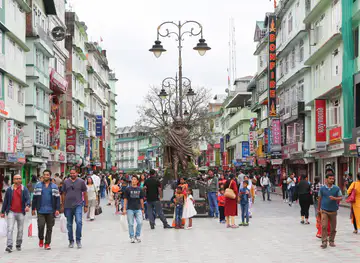
The cities of Northeast India, and the easiest places to base yourself.
-

-

-
-

-

-


Swipe for more cities
Destinations in Northeast India
Resorts, valleys and scenic spots worth a trip of their own.
-

-


Swipe for more destinations
Best attractions in Northeast India
Northeast India’s attractions range from Assam’s riverine plains to high Himalayan valleys. In Assam, Kaziranga National Park is known for its grassland wildlife, while Manas National Park combines forest, river and Himalayan foothill habitats; both require responsible, organised visits. Sivasagar offers Ahom-era monuments, and Majuli, an island in the Brahmaputra, is associated with Vaishnavite monasteries and cultural traditions, although its landscape and ferry access change with the river. Meghalaya brings limestone caves, waterfalls, forest walks and living-root bridges around the Khasi and Jaintia hills. Arunachal Pradesh offers mountain scenery, monasteries and long road journeys towards Tawang and other highland districts. Sikkim adds monasteries, alpine landscapes and botanical diversity, while Nagaland, Mizoram, Manipur and Tripura provide distinctive town, village, craft and heritage experiences. The attraction landscape is less about a single cluster of sights than about moving through contrasting ecological zones and meeting different regional traditions. Some experiences require permits, local guides, advance transport planning or considerable walking, so visitors should treat access as part of the itinerary rather than assume that every site is close to a large town.
-
Tourist attraction
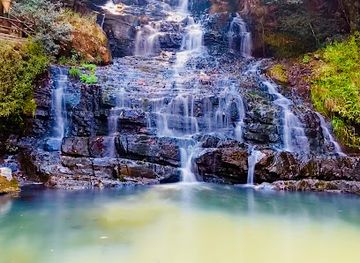
Elephant Falls, Shillong
Experience the serene beauty and cascading charm of Elephant Falls, Shillong - a breathtaking natural gem in Meghalaya's lush landscape.
-
Tourist attraction
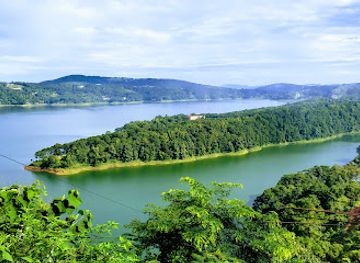
Umiam Lake Viewpoint
Experience the serene beauty of Umiam Lake Viewpoint, where lush hills meet tranquil waters in the heart of Meghalaya.
-
National park
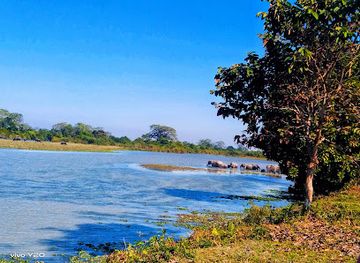
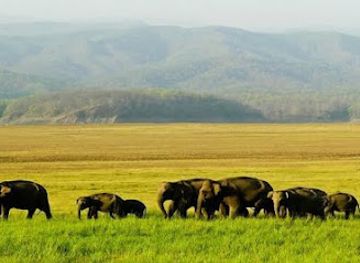
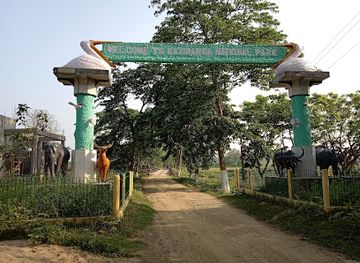
Kaziranga National Park
Explore the captivating biodiversity of Kaziranga National Park, home to the majestic one-horned rhinoceros and a variety of wildlife in Assam, India.
-
Orchid farm
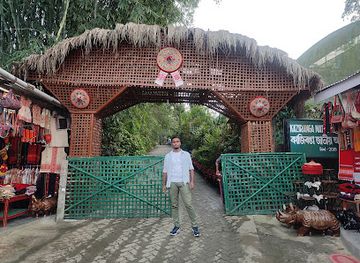
Kaziranga National Orchid and Biodiversity Park
Discover the vibrant beauty of Kaziranga National Orchid and Biodiversity Park, home to over 500 species of orchids and a haven for biodiversity enthusiasts.
Best landmarks in Northeast India
The Brahmaputra is Northeast India’s defining natural landmark, shaping Assam’s settlement, agriculture, transport and seasonal rhythms. In Sivasagar, the Ahom-era Sivadol, Vishnudol and Devidol temples, together with the historic tanks and palace remains nearby, form one of the region’s most significant architectural groups. Guwahati’s Kamakhya Temple on Nilachal Hill is a major Hindu pilgrimage site whose importance extends well beyond its city setting. Meghalaya’s living-root bridges, created by guiding the roots of rubber fig trees across streams, are practical structures as well as powerful expressions of local environmental knowledge. Tawang Monastery in Arunachal Pradesh is one of the great Buddhist landmarks of the eastern Himalaya, while Rumtek Monastery near Gangtok is an important centre of Tibetan Buddhist tradition in Sikkim. Tripura’s Neermahal, built in the middle of Rudrasagar Lake as a royal summer residence, has an unusual lakeside setting. Loktak Lake in Manipur, marked by floating phumdis or vegetation masses, is both a natural landmark and a vital part of local livelihoods. These places carry religious, political, ecological or cultural significance and deserve more than a brief photograph stop.
-
Cultural center
Srimanta Sankaradeva Kalakshetra
Explore Assam's vibrant culture and heritage at Srimanta Sankaradeva Kalakshetra, a premier cultural center in Guwahati.
-
National park
Manas National Park
Explore the breathtaking landscapes and rich wildlife of Manas National Park, a UNESCO World Heritage Site in Assam, India, perfect for nature lovers and adventure seekers.
-
National park
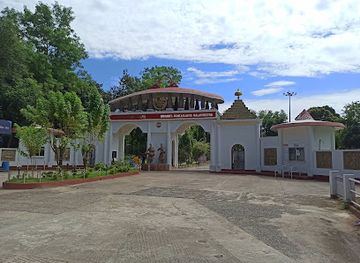
Kaziranga National Park
Explore Kaziranga National Park, home to the majestic one-horned rhinoceros, vibrant wildlife, and breathtaking landscapes in Assam, India.
-
Historical landmark
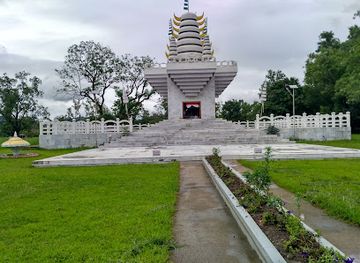
Kangla Fort
Explore the historic Kangla Fort in Imphal, a cultural landmark that embodies the rich heritage and royal history of Manipur.
Explore Northeast India on the map
Plan your trip on one map. See where the top cities, national parks and sights are, and book hotels and experiences in a few clicks.
Best hotels in Northeast India
Best restaurants in Northeast India
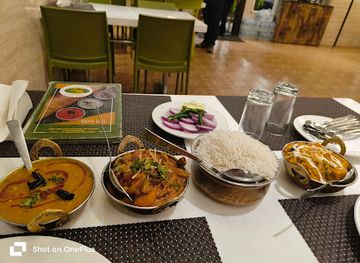
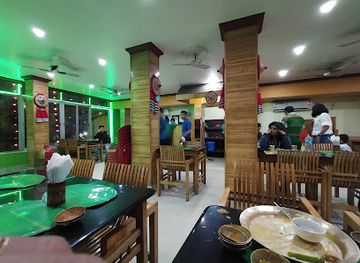
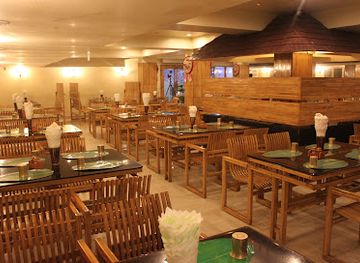
Dining across Northeast India is highly regional rather than uniform. Assamese cooking often centres on rice, freshwater fish, greens, pulses and seasonal vegetables, with khar, a distinctive alkaline preparation made with ingredients such as banana stem or ash extract, appearing in traditional meals. Tea is central to Assam’s agricultural identity, while village and town markets offer pitha rice cakes, sesame preparations and local snacks. In Nagaland, Manipur, Mizoram and parts of Arunachal Pradesh, smoked meats, pork, bamboo shoot, fermented vegetables and aromatic herbs are common, though recipes vary considerably between communities. Meghalaya is known for pork dishes, rice and local produce, while Sikkim reflects Tibetan and Himalayan influences through momos, thukpa, fermented foods and noodles. Tripura has its own rice- and fish-based traditions, including dishes influenced by Kokborok-speaking communities. Guwahati, Shillong, Gangtok, Imphal and other state capitals provide the widest choice of restaurants, cafés and familiar Indian cuisines; in rural areas, ask hosts or trusted local guides where food is prepared safely and explain dietary restrictions clearly.
-
Vegetarian
Jiva Veg
Discover Jiva Veg: Your go-to vegetarian restaurant in Meghalaya offering diverse cuisines from breakfast to dinner.
-
Assamese restaurant
Mising Kitchen
Experience authentic Assamese cuisine at Mising Kitchen in Guwahati—where tradition meets modern taste.
-
Indian
Gam's Delicacy Restaurant
Discover authentic Assamese flavors at Gam's Delicacy Restaurant in Guwahati - a delightful stop for food enthusiasts.
-
Restaurant
Terra Mayaa
Discover the vibrant flavors of India at Terra Mayaa - Guwahati's top restaurant and cocktail bar offering exquisite dining experiences.
Best bars in Northeast India
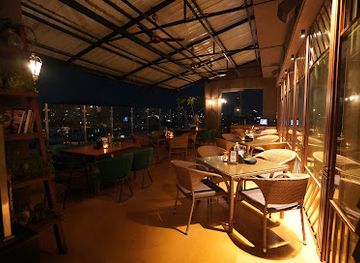
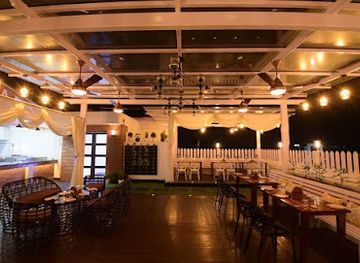
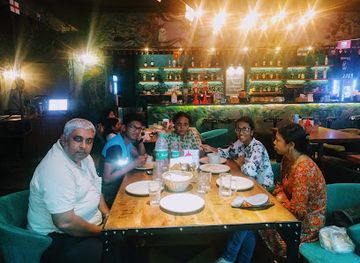
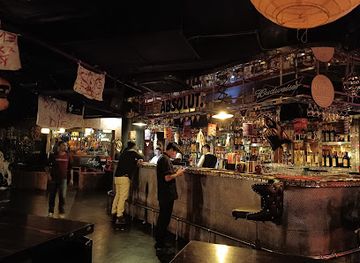
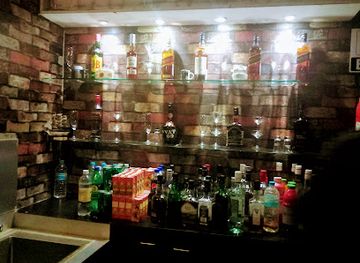
Nightlife in Northeast India is concentrated in state capitals and larger towns rather than spread evenly across the countryside. Guwahati has the broadest urban choice, including restaurants, hotels, live-music venues and contemporary bars, while Shillong is known for music-oriented evenings, cafés and pubs. Gangtok, Kohima and Aizawl have smaller scenes centred on restaurants, lounges and local social venues, with activity varying by season and local regulations. In villages and remote hill districts, evenings are more likely to involve family gatherings, community events or an early meal than nightclubs. Alcohol licensing and customary attitudes differ between states, so visitors should check local rules rather than assume that drinks are available everywhere. Live music has a particularly visible role in several hill cities, but respectful behaviour remains important in venues serving mixed-age audiences and in communities where local religious practice influences evening life.
-
Bar
Olive Garden Rooftop Restro Cum Bar
Experience the best of Indian, Italian, and Mexican cuisines at Olive Garden Rooftop Restro Cum Bar, offering stunning views and a vibrant atmosphere.
-
Bar
Terra Mayaa
Experience the vibrant nightlife and exquisite flavors of Guwahati at Terra Mayaa, a premier bar and restaurant.
-
Pub
DUNKIN OZA
Discover the vibrant nightlife at Dunkin Oza in Guwahati, where cocktails and craft beers meet a lively atmosphere.
-
Pub
Café Hendrix
Experience Guwahati's vibrant dining scene at Café Hendrix, where culinary delights meet live music in a cozy atmosphere.
Best nightclubs in Northeast India
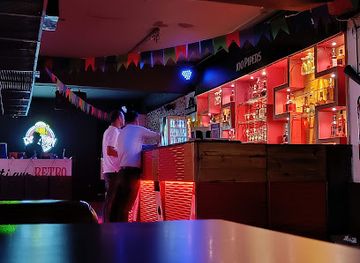
Nightlife in Northeast India is concentrated in state capitals and larger towns rather than spread evenly across the countryside. Guwahati has the broadest urban choice, including restaurants, hotels, live-music venues and contemporary bars, while Shillong is known for music-oriented evenings, cafés and pubs. Gangtok, Kohima and Aizawl have smaller scenes centred on restaurants, lounges and local social venues, with activity varying by season and local regulations. In villages and remote hill districts, evenings are more likely to involve family gatherings, community events or an early meal than nightclubs. Alcohol licensing and customary attitudes differ between states, so visitors should check local rules rather than assume that drinks are available everywhere. Live music has a particularly visible role in several hill cities, but respectful behaviour remains important in venues serving mixed-age audiences and in communities where local religious practice influences evening life.
-
Pub
Crystal Discotheque
Discover the vibrant nightlife of Guwahati at Crystal Discotheque, a premier pub and night club offering electrifying music and an unforgettable atmosphere.
-
Bar
The Evening Club
Experience Shillong's vibrant nightlife at The Evening Club, where good music, great drinks, and a lively atmosphere await every visitor.
-
Night club
RETRO TOWN
Discover the vibrant nightlife, delectable cuisine, and energetic atmosphere at Retro Town, the ultimate night club experience in Guwahati.
-
Night club
THE ECHO Pub & Grill
Experience the vibrant nightlife of Guwahati at The Echo Pub & Grill, where delicious food and great music await you.



Best shops in Northeast India
Shopping in Northeast India is strongest in markets, craft centres and independent shops rather than large luxury districts. Guwahati provides the widest selection of Assamese textiles, traditional garments, bamboo and cane work, tea, indigenous food products and contemporary handicrafts. Sivasagar, Jorhat and other Assam towns are useful for tea and locally made textiles, while Shillong’s markets and boutiques offer woven goods, music-related culture and crafts from Meghalaya, though designs and authenticity vary. Nagaland, Manipur, Mizoram and Arunachal Pradesh are associated with distinctive shawls, baskets, beadwork, woodwork and contemporary interpretations of community textiles; buy from reputable cooperatives or makers and ask about materials and cultural significance. Gangtok and other Sikkim towns sell woollens, Buddhist-inspired crafts, spices, teas and regional foods. Tripura is noted for bamboo and cane products and handloom traditions. Visitors should avoid purchasing antiquities, wildlife products or objects that may have been taken from sacred or protected contexts, and should pack fragile textiles and food products in accordance with transport and customs rules.
-
Sporting goods store
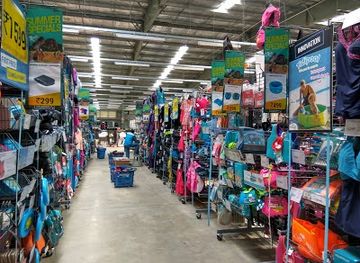
Decathlon Azara, Guwahati
Discover your athletic potential at Decathlon Azara in Guwahati, where quality sporting goods meet exceptional value and community engagement.
-
Shopping mall
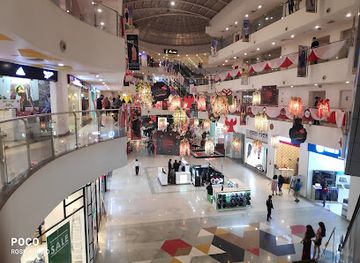
ROODRAKSH MALL
Explore Roodraksh Mall in Guwahati for a blend of shopping, dining, and entertainment, showcasing the best of Assam's vibrant culture.
-
Department store
Shoppers Stop
Explore Shoppers Stop in Guwahati for the latest trends in fashion, accessories, and lifestyle products, all in one stylish department store.
-
Shopping mall
Sohum Shoppe
Experience the vibrant shopping culture at Sohum Shoppe, Guwahati’s premier destination for fashion and local crafts.
Get your free copy of our complete guide to Northeast India, delivered straight to you.
Everything on this page, from attractions and restaurants to essentials and local phrases, in one PDF you can read offline, print or share.
Already have an account? Sign in
Your Northeast India guide is ready.
We'll send it to · Not you? Sign out

Getting your guide ready…
We are putting together a fresh copy of the Northeast India guide. This can take up to a minute.
This can take a few moments. If your browser asks, choose Allow so the download can start. You'll find the guide in your Downloads folder.
Nothing happened? Download it again
Sorry, the guide is taking longer than usual. Please try again in a minute, or get it by email instead.
Northeast India essentials
Currency and Payment
Safety
Emergency Situations
Do's and Don'ts
Local Tips
From Eve
Local phrases worth knowing
You don't need to get them perfect. A few words go a long way, and locals appreciate the effort.
Basics
| English | Local | Say it |
|---|---|---|
| Hello | নমস্কাৰ | [Nomoskar] |
| Goodbye | বিদায় | [Bidai] |
| Yes | হয় | [Hoy] |
| No | নহয় | [Nohoy] |
| Please/You're welcome | অনুগ্ৰহ কৰি | [Onugroho kori] |
| Thank you | ধন্যবাদ | [Dhonyobad] |
| Excuse me/Sorry | মাফ কৰক | [Maf korok] |
| How are you? | আপুনি কেনে আছেন? | [Apuni kene asen?] |
| Fine. And you? | ভাল। আৰু আপোনি? | [Bhal. Aar apuni?] |
| Do you speak English? | আপুনি ইংৰাজী কথা কৈছে নেকি? | [Apuni Ingraji kotha koise neki?] |
| I don't understand | মই বুজি নাপাওঁ | [Moi buji napao] |
Eating & Drinking
| English | Local | Say it |
|---|---|---|
| I'd like to see the menu, please | মই মেনু চাব বিচাৰোঁ, অনুগ্ৰহ কৰি | [Moi menu chab bicharom, onugroho kori] |
| I don't eat meat | মই মাংস খাওঁ নে | [Moi mangsho khaon ne] |
| Cheers! | চিয়াৰ্ছ! | [Cheers!] |
| I would like to pay, please | মই পইছা দিব বিচাৰোঁ, অনুগ্ৰহ কৰি | [Moi poisha dib bicharom, onugroho kori] |
Emergencies
| English | Local | Say it |
|---|---|---|
| Help! | সহায়! | [Sohai!] |
| Go away! | চল যাও! | [Chol jao!] |
| Call the Police! | পুলিশক ফোন কৰক! | [Polishok phone korok!] |
| Call a doctor! | এখন ডাক্তৰক ফোন কৰক! | [Ekhan doktorok phone korok!] |
| I'm lost | মই হেৰাই গ'লোঁ | [Moi herai golo] |
| I'm ill | মই অসুস্থ | [Moi osustho] |
Shopping
| English | Local | Say it |
|---|---|---|
| I'd like to buy... | মই ... কিনিব বিচাৰোঁ | [Moi ... kinib bicharom] |
| I'm just looking | মই কেৱল চাওঁ | [Moi kewal chaon] |
| How much is it? | এইটো কিমান মূল্য? | [Eito kiman mullo?] |
| That's too expensive | এইটো অতি দামী | [Eito oti dami] |
| Can you lower the price? | আপুনি মূল্য কম কৰিব পাৰেনে? | [Apuni mullo kom korib parene?] |
Time & Numbers
| English | Local | Say it |
|---|---|---|
| What time is it? | এতিয়া কিমান বজাত? | [Etiya kiman bajat?] |
| It's one o'clock | এটি বজাত | [Eti bajat] |
| Half past (10) | দহটাৰ আধা | [Dohotar adha] |
| Morning | পুৱা | [Puwa] |
| Afternoon | অপৰাহ্ন | [Aporahno] |
| Evening | সন্ধিয়া | [Sondhya] |
| Yesterday | গতকাল | [Gotokal] |
| Today | আজ | [Aaj] |
| Tomorrow | কালি | [Kali] |
| 1 | ১ | [1] |
| 2 | ২ | [2] |
| 3 | ৩ | [3] |
| 4 | ৪ | [4] |
| 5 | ৫ | [5] |
| 6 | ৬ | [6] |
| 7 | ৭ | [7] |
| 8 | ৮ | [8] |
| 9 | ৯ | [9] |
| 10 | ১০ | [10] |
Transport & Directions
| English | Local | Say it |
|---|---|---|
| Where's a/the...? | এটা ... ক'ত? | [Eta ... kot?] |
| What's the address? | ঠিকনাটো কি? | [Thiknato ki?] |
| Can you show me (on the map)? | আপুনি মোক দেখুৱাব পাৰেনে (মানচিত্ৰত)? | [Apuni mok dekhiyab parene (manchitrat)?] |
| When's the next (bus)? | পাছৰ (বাস) কেতিয়া? | [Pasor (bas) ketiya?] |
| A ticket (to ....) | এখন টিকট (....লৈ) | [Ekhan tiket (....loi)] |
History of Northeast India
Early Kingdoms and Archaeological Landscapes
Northeast India has an ancient and varied archaeological record, including Neolithic remains, early settlements and long-established cultural links across the eastern Himalaya and Southeast Asia. In the Brahmaputra valley, the ancient kingdom of Pragjyotisha and its successor traditions became associated with the region later known as Kamarupa. The archaeological complex at Madan Kamdev in Assam, with temple remains generally dated between the ninth and twelfth centuries, illustrates the area’s medieval religious and artistic networks. Sites across Tripura, Manipur and the hill states likewise reflect changing patterns of settlement, agriculture, worship and exchange rather than a single regional civilisation.
Kamarupa and the Growth of Regional States
From the early centuries of the first millennium, Kamarupa developed as a major power in the Brahmaputra valley, maintaining connections with northern India while absorbing influences from surrounding uplands. Later political centres and dynasties shaped the territories that became Assam, including the Pala rulers of Kamarupa and the Khen and Koch kingdoms in western areas. In the hills and valleys to the east, local polities followed their own trajectories. This political plurality is important to understanding why Northeast India retains such a broad range of languages, customary institutions, religious practices and royal traditions.
The Ahom Kingdom in Assam, 1228–1826
The Tai-Ahom kingdom was established in the Brahmaputra valley in 1228 and eventually ruled much of present-day Assam for almost six centuries. Its capital shifted to centres including Sivasagar, where temples, tanks and palace remains form an important heritage landscape. The Ahom state integrated Tai-Ahom traditions with existing Assamese society and resisted Mughal expansion in the seventeenth century, notably at the Battle of Saraighat in 1671. Although the kingdom declined after internal conflict and Burmese invasions, its political and cultural legacy remains central to Assamese historical identity.
British Expansion, Tea and Colonial Frontiers
The Treaty of Yandabo in 1826 brought Assam into the sphere of British colonial rule after the First Anglo-Burmese War. The colonial economy expanded tea cultivation in Assam, especially in the Upper Assam districts, using land, labour and transport systems that profoundly altered the region. The British also reorganised frontier administration in the hills, often governing communities through indirect and restrictive policies. Coal, oil, timber and river transport added to the economic transformation. Many contemporary landscapes, including tea estates, colonial-era towns and railway corridors, are legacies of this period, alongside difficult histories of labour migration and dispossession.
Christian Missions and New Education in the Hills
From the nineteenth century onwards, Christian missions, schools and printing presses became influential in parts of the Naga, Mizo, Khasi, Garo and other hill societies. Conversion was neither uniform nor identical across communities, but education and the spread of written languages helped create new forms of political organisation and cultural expression. Mission schooling also interacted with local institutions and oral traditions rather than simply replacing them. The predominantly Christian character of several northeastern states today is therefore connected to colonial-era change, postcolonial political movements and the creative adaptation of Christianity within distinct local communities.
Partition, State Formation and Borderlands after 1947
Indian independence and the Partition of 1947 transformed Northeast India’s geography. The region became connected to the rest of India through the Siliguri Corridor, while former commercial and cultural routes towards what became East Pakistan, now Bangladesh, were disrupted. The post-independence period brought new administrative arrangements and the creation of states including Nagaland in 1963, Meghalaya in 1972, Mizoram and Arunachal Pradesh in 1987, and Tripura’s full statehood within the Indian Union. Political movements, migration, border management and negotiations over autonomy have continued to shape the region’s contemporary life.
Modern Conservation and Cultural Renewal
In recent decades, conservation, indigenous cultural revitalisation and improved regional connectivity have become important parts of Northeast India’s public identity. Assam’s Kaziranga and Manas landscapes are internationally significant wildlife areas, while community-led conservation initiatives in several hill regions have helped protect forests and biodiversity. Festivals, museums, craft centres, literature and music have also brought local histories to wider audiences. These developments coexist with pressures from infrastructure construction, urban growth, flooding, climate change and habitat loss, making the region’s future a continuing negotiation between development, ecological stewardship and cultural self-representation.
Northeast India in Photos
Browse through our photo collection highlighting the charm and character of the destination.
Neighbouring regions of Northeast India
The closest regions to Northeast India, if you have time for more than one.
-

-

-

-

-


Swipe for more regions
Explore more

Explore more of India
Discover the magic of India, where diverse landscapes, rich heritage, and vibrant culture come together to create an unforgettable travel experience.
Explore India