
Manipur, India Travel Guide
Discover Manipur's pristine beauty, rich cultural heritage, and vibrant traditions in India's enchanting northeastern state.
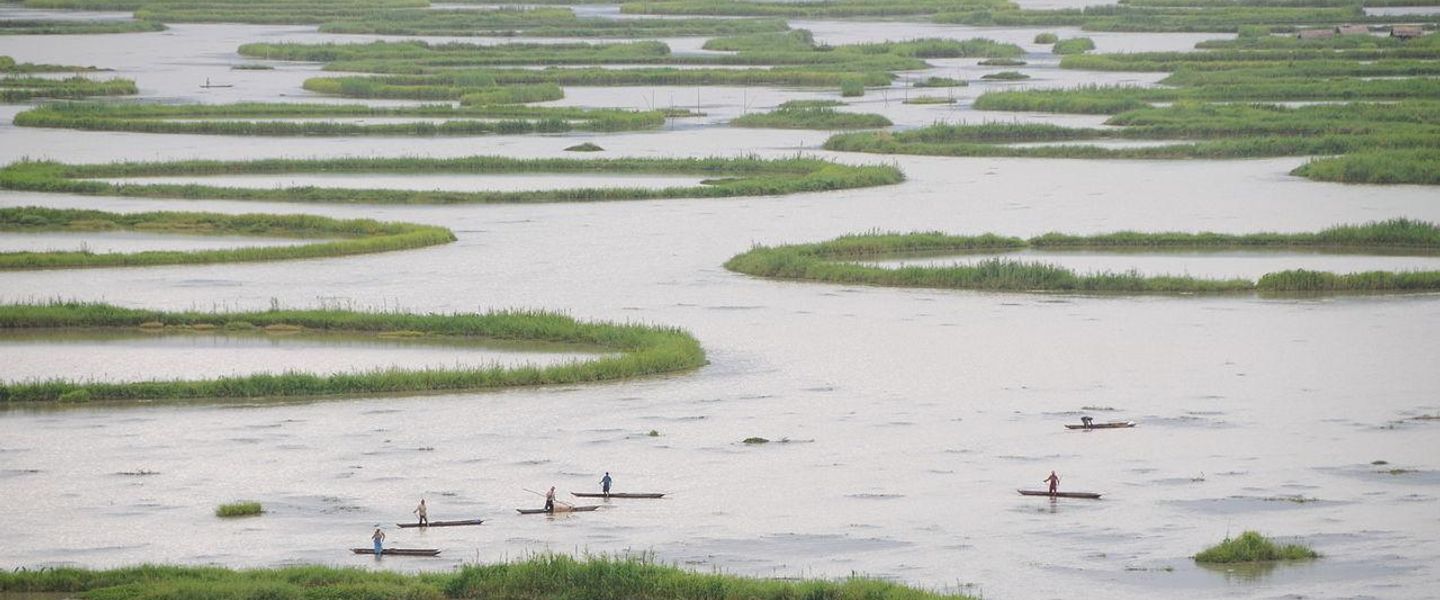
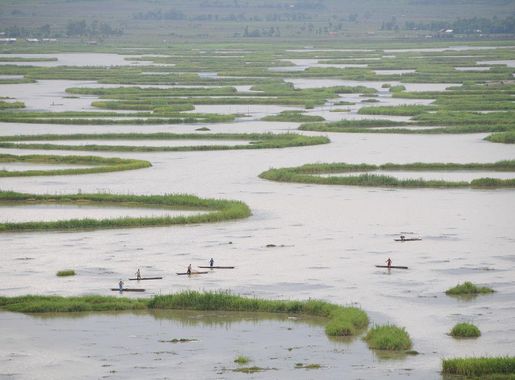
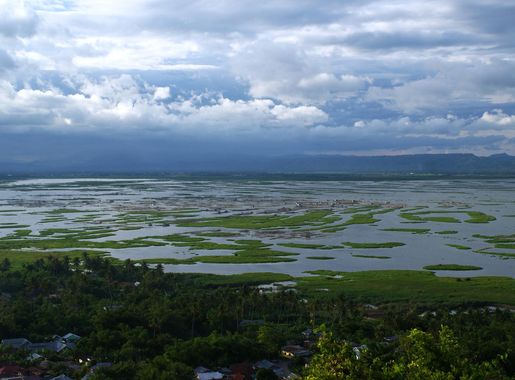
Manipur, nestled in the northeastern part of India, is a hidden gem known for its breathtaking landscapes and rich cultural heritage. The state is often referred to as the 'Jewel of India' due to its pristine beauty and diverse flora and fauna. From the serene Loktak Lake, the largest freshwater lake in northeastern India, to the lush green hills and valleys, Manipur offers a serene escape from the hustle and bustle of city life. The capital city, Imphal, is home to several historical sites and vibrant markets. The Kangla Fort, a symbol of Manipur's royal past, and the bustling Ima Keithel, Asia's largest women-run market, are must-visit attractions. The state also boasts a rich tradition of performing arts, with classical dance forms like Manipuri Raas Leela captivating visitors with their grace and elegance. Manipur's cultural tapestry is woven with various festivals and traditions that reflect the state's indigenous heritage. The Sangai Festival, named after the endangered Sangai deer, showcases the best of Manipur's culture, crafts, and cuisine. Adventure enthusiasts can explore the state's numerous trekking trails, while nature lovers can visit the Keibul Lamjao National Park, the world's only floating park, and home to the rare Sangai deer.

Know before you go
Hi, I'm Eve. Here are a few practical things to know before exploring Manipur.
- Visit during the Sangai Festival in November to experience the best of Manipur's culture and traditions.
- Wear comfortable walking shoes when exploring markets like Ima Keithel as the area can get crowded.
- Try local delicacies such as Eromba and Singju for an authentic Manipuri culinary experience.
- Carry cash, as many rural areas and markets may not accept credit or debit cards.
Top City Travel Guides in Manipur
The cities of Manipur, and the easiest places to base yourself.

Explore Manipur: Things to Do, Places to Eat, Hotels & More
Handpicked recommendations for top attractions, local dining, accommodations, and more

Top Attractions & Sightseeing in Manipur
Top-rated picks
Best Attractions

Kangla Fort
Explore Kangla Fort, a historic landmark in Imphal, where rich traditions and stunning landscapes come together in a timeless journey through Manipur's past.

Keibul Lamjao National Park
Explore the breathtaking Keibul Lamjao National Park, the world's only floating national park, rich in biodiversity and local culture.

Sangaithel Park & Resort
Explore the lush landscapes and serene atmosphere of Sangaithel Park & Resort, a perfect haven for relaxation and family fun in Khoken, Manipur.

Awunching Park
Discover the lush landscapes and serene beauty of Awunching Park, a tranquil escape in the heart of Manipur, perfect for relaxation and exploration.

Best landmarks in Manipur
Top-rated picks
Best Landmarks
Kangla Fort
Discover the captivating history and architectural beauty of Kangla Fort, a must-visit landmark in Imphal, Manipur.

Keibul Lamjao National Park
Discover the enchanting beauty of Keibul Lamjao National Park, a unique floating national park in Manipur, home to diverse wildlife and stunning landscapes.

INA Museum Moirang
Discover the profound history of India's independence at the INA Museum Moirang, a pivotal site for understanding the Indian National Army's legacy.

Hiyangthang Lairembi Temple
Explore the enchanting Hiyangthang Lairembi Temple, a serene Hindu temple in Manipur, where spirituality meets rich cultural heritage.

Best restaurants in Manipur
Top-rated picks
Best Restaurants
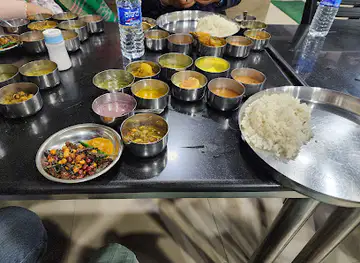
Luxmi Kitchen
Experience the authentic flavors of India at Luxmi Kitchen, where delicious seafood meets affordable prices in Imphal.

The House by Route 39
Experience exquisite Asian cuisine at The House by Route 39 in Imphal - where every meal is a celebration of flavor.

New Blue Moon
Experience the flavors of India at New Blue Moon - where every meal is a celebration of taste in the heart of Imphal.

Asian Bowl
Discover the flavors of Asia at Asian Bowl in Imphal - your go-to spot for delicious and affordable culinary delights.

Best bars in Manipur
Top-rated picks
Best Bars

The House by Route 39
Experience the rich culinary heritage of Manipur at The House by Route 39, a cozy restaurant in Imphal offering local flavors and warm hospitality.

XL Restaurant
Discover the authentic flavors of Manipuri cuisine at XL Restaurant, where tradition meets hospitality in Imphal.

Halley's Bistro
Experience the flavors of Manipur at Halley's Bistro, where local cuisine meets a welcoming atmosphere in the heart of Imphal.

TIMBER CAFE IMPHAL
Discover the charm of Timber Cafe Imphal, where delicious cuisine meets a cozy, timber-themed ambiance in the heart of Manipur.

Best nightclubs in Manipur
Top-rated picks
Best Nightclubs

Rendezvous Restaurant
Experience vibrant nightlife and delightful local cuisine at Rendezvous Restaurant in Ghari, Manipur.

USA club
Discover the lively nightlife at USA Club in Imphal, where music, dance, and vibrant atmosphere create unforgettable experiences.

The Young United Club
Experience the vibrant nightlife and youthful spirit at The Young United Club in Imphal, where dancing and socializing come alive.

Moon Shadow cottage
Experience the electrifying nightlife at Moon Shadow Cottage in Imphal, where music, dancing, and vibrant ambiance await.

Best shops in Manipur
Top-rated picks
Best Shops

Mamcy Mall
Discover Mamcy Mall in Imphal: A vibrant shopping haven featuring global brands, local crafts, and delicious dining options.

Miniso Imphal
Discover the perfect blend of trendy fashion and home essentials at Miniso Imphal, a unique shopping mall in the heart of Manipur.

Dove
Explore the essence of Imphal at Dove, a vibrant department store offering local crafts, clothing, and unique souvenirs.

Alibaba's Store
Discover the convenience of Alibaba's Store in Imphal, your one-stop shop for local snacks and essentials during your travels in Manipur.

Explore Manipur on the Map
A handpicked selection of must-see spots in Manipur, mapped for you.
Manipur Essentials
-
Manipur is well-connected by air, rail, and road. The nearest airport is Imphal International Airport, which has flights from major cities like Delhi, Kolkata, and Guwahati. By rail, the closest railway station is at Dimapur in Nagaland, about 215 kilometers from Imphal. From Dimapur, you can take a bus or taxi to reach Manipur. National Highway 2 also connects Manipur to the rest of India, making road travel a viable option.
-
Within Manipur, transportation options include local buses, auto-rickshaws, and taxis. Shared taxis and auto-rickshaws are commonly used for short distances and are cost-effective. Renting a car is also an option for those who prefer more flexibility. For longer distances within the state, state-run and private buses are available.
-
The official currency in Manipur is the Indian Rupee (INR). Credit and debit cards are accepted in most hotels, restaurants, and larger shops in Imphal, the capital city. However, in rural areas, cash is often the only accepted form of payment. ATMs are available in major towns, but it's advisable to carry sufficient cash when traveling to remote areas.
-
Manipur is generally safe for tourists, but it is advisable to take standard precautions. Avoid isolated areas after dark and be cautious of your belongings in crowded places. Some areas near the India-Myanmar border can be sensitive, so check travel advisories and avoid these regions if advised. Always stay updated on local news and follow any government advisories.
-
In case of emergency, dial 100 for police, 101 for fire, and 102 for medical assistance. Imphal has hospitals and clinics equipped to handle emergencies, but for specialized care, you may need to travel to larger cities. It's recommended to have travel insurance that covers medical emergencies. Pharmacies are available in towns and cities for minor health issues.
-
Fashion: Do dress modestly, especially in rural areas and religious sites. Avoid wearing revealing clothing. Religion: Do respect local customs and traditions. Always remove your shoes when entering temples and religious sites. Public Transport: Do be respectful and give up your seat to elderly passengers. Don’t eat or drink on public transport. Greetings: Do greet people with a polite 'Namaste' or a simple nod. Handshakes are becoming more common but are generally reserved for formal occasions. Eating & Drinking: Do try local delicacies and accept food offerings graciously. Don’t refuse hospitality, as it is considered impolite.
-
To experience Manipur like a local, visit the Ima Keithel (Mother's Market) in Imphal, the largest all-women's market in Asia. Engage with locals, as they are often friendly and willing to share stories about their culture and traditions. Don’t miss the Sangai Festival, which showcases the rich cultural heritage of Manipur. For a unique experience, take a boat ride on Loktak Lake, the largest freshwater lake in northeastern India.
When is the best time to visit Manipur?
Useful Local Phrases for Manipur
You don't need to speak the language perfectly. Even learning a few simple words can make conversations warmer—and locals usually appreciate the effort.
— Eve

Here are the phrases I use most often in Manipur. Try a few—you'll be surprised how far they go! 😊
❤️
-
- Helloনাৱা
[nawa] - Goodbyeগুডবাই
[goodbye] - Yesহয়
[hoy] - Noনাহ
[nah] - Please/You’re welcomeঅনুগ্ৰহ কৰি
[onugroho kori] - Thank youধন্যবাদ
[dhanyabad] - Excuse me/Sorryমাফ কৰক
[maf korok] - How are you?আপুনি কিদৰে আছে?
[apuni kidore ase?] - Fine. And you?ভাল। আৰু আপুনি?
[bhal. aru apuni?] - Do you speak English?আপুনি ইংৰাজী বুলে?
[apuni ingraji bule?] - I don’t understandমই বুজি নাপালো
[moi buji napalo]
- Helloনাৱা
-
- I’d like to see the menu, pleaseমই মেনু চাব বিচাৰো, অনুগ্ৰহ কৰি
[moi menu chab bicharo, onugroho kori] - I don’t eat meatমই মাংস খাঁও নে
[moi maans khan na] - Cheers!চিয়াৰ!
[chiar!] - I would like to pay, pleaseমই পেমেন্ট কৰিব বিচাৰো, অনুগ্ৰহ কৰি
[moi payment korib bicharo, onugroho kori]
- I’d like to see the menu, pleaseমই মেনু চাব বিচাৰো, অনুগ্ৰহ কৰি
-
- Help!সহায়!
[sahai!] - Go away!যোৱা!
[juwa!] - Call the Police!পুলিশক ফোন কৰক!
[policek phone korok!] - Call a doctor!ডাক্তৰক ফোন কৰক!
[daktarok phone korok!] - I’m lostমই হাঁহিছোঁ
[moi hahichu] - I’m illমই অসুস্থ
[moi asustho]
- Help!সহায়!
-
- I’d like to buy...মই কিনিবলৈ বিচাৰো...
[moi kiniboloi bicharo...] - I’m just lookingমই মাথোঁ চাইছো
[moi matho chaicho] - How much is it?এইটো কিমান দাম?
[eito kiman dam?] - That’s too expensiveসেয়া অতি মূল্যবান
[seya oti mullyoban] - Can you lower the price?আপুনি দাম কমাব পাৰে নেকি?
[apuni dam komab pare neki?]
- I’d like to buy...মই কিনিবলৈ বিচাৰো...
-
- What time is it?এতিয়া কিমান বজাত?
[etia kiman bajat?] - It’s one o'clockএটা বজাত
[eta bajat] - Half past (10)দহৰ আধা
[dohor adha] - Morningপুৱা
[puwa] - Afternoonবিকাল
[bikal] - Eveningৰাতি
[rati] - Yesterdayকালি
[kali] - Todayআজিৰ দিন
[ajir din] - Tomorrowকালি
[kali] - 1১
[1] - 2২
[2] - 3৩
[3] - 4৪
[4] - 5৫
[5] - 6৬
[6] - 7৭
[7] - 8৮
[8] - 9৯
[9] - 10১০
[10]
- What time is it?এতিয়া কিমান বজাত?
-
- Where's a/the...?এটা... ক'ত?
[eta... kot?] - What's the address?ঠিকনা কি?
[thikona ki?] - Can you show me (on the map)?আপুনি মোক দেখুৱাব পাৰে (মানচিত্ৰত)?
[apuni mok dekhuwab pare (manchitrat)?] - When's the next (bus)?পাছ চাৰা (বাস) কেতিয়া?
[pach sara (bas) ketiya?] - A ticket (to ....)এটা টিকেট (....লৈ)
[eta ticket (....loi)]
- Where's a/the...?এটা... ক'ত?
History of Manipur
-
Manipur's history dates back to ancient times when it was known as Kangleipak. The kingdom was established by King Nongda Lairen Pakhangba in 33 AD. The Meitei people, the primary ethnic group, have a rich cultural heritage that includes traditional dance forms like the Manipuri dance and martial arts known as Thang Ta.
-
In the 18th century, Hinduism began to make significant inroads into Manipur. King Pamheiba, also known as Garib Niwaj, converted to Vaishnavism in 1709, leading to a mass conversion of the Meitei population. This period saw the construction of numerous temples and the integration of Hindu customs and rituals into the local culture.
-
The Anglo-Manipur War was a significant conflict between the British Empire and the Kingdom of Manipur. The war culminated in the Battle of Khongjom on April 23, 1891. Despite fierce resistance, the Manipuri forces were defeated, leading to the annexation of Manipur into British India. The event is commemorated every year as Khongjom Day.
-
During World War II, Manipur was a critical battleground in the eastern theatre. The Battle of Imphal, fought between March and July 1944, was a turning point in the Burma Campaign. Allied forces, primarily British and Indian troops, successfully repelled the Japanese invasion, marking a significant victory. The war left an indelible mark on the region, with several war cemeteries and memorials now standing as reminders of the conflict.
-
Following India's independence in 1947, Manipur became a part of the Indian Union. Initially, it was a princely state, but it was later merged into the Indian state of Assam in 1949. In 1972, Manipur achieved full statehood, becoming the 19th state of India. This period also saw the development of modern infrastructure and educational institutions in the region.
-
Manipur is a melting pot of cultures, with over 30 different ethnic groups residing in the state. The Meitei, Naga, Kuki, and Pangal communities each contribute to the rich tapestry of traditions, festivals, and cuisines. Festivals like Yaoshang (Holi), Ningol Chakouba, and Lai Haraoba showcase the vibrant cultural life of Manipur.
-
Manipur is renowned for its traditional arts and crafts, including handloom weaving, pottery, and bamboo crafts. The Manipuri dance, with its classical and folk forms, is a significant cultural export. The state's craftsmen are also known for their intricate jewelry designs and unique style of black pottery, particularly from the village of Longpi.
-
The Sangai Festival, named after the state animal, the Sangai deer, is an annual cultural extravaganza held in November. The festival showcases Manipur's rich cultural heritage, including traditional dances, music, sports, and cuisine. It also promotes tourism by highlighting the state's scenic beauty and unique attractions.
Neighbouring Regions of Manipur
The closest regions to Manipur, if you have time for more than one.


Your all‑in‑one travel companion app
Explore expert travel guides, compare and book tours, experiences, hotels, and more—all from the palm of your hand. Download now for seamless trip planning wherever your wanderlust takes you.


Explore More of India

Looking beyond Manipur? Discover India for broader travel guides, local hot-spots, and regional highlights.
Explore IndiaManipur in Photos
Browse through our photo collection highlighting the charm and character of the destination.



Manipur: The Jewel of India's Northeast
Manipur, nestled in the northeastern part of India, is a hidden gem known for its breathtaking landscapes and rich cultural heritage. The state is often referred to as the 'Jewel of India' due to its pristine beauty and diverse flora and fauna. From the serene Loktak Lake, the largest freshwater lake in northeastern India, to the lush green hills and valleys, Manipur offers a serene escape from the hustle and bustle of city life. The capital city, Imphal, is home to several historical sites and vibrant markets. The Kangla Fort, a symbol of Manipur's royal past, and the bustling Ima Keithel, Asia's largest women-run market, are must-visit attractions. The state also boasts a rich tradition of performing arts, with classical dance forms like Manipuri Raas Leela captivating visitors with their grace and elegance. Manipur's cultural tapestry is woven with various festivals and traditions that reflect the state's indigenous heritage. The Sangai Festival, named after the endangered Sangai deer, showcases the best of Manipur's culture, crafts, and cuisine. Adventure enthusiasts can explore the state's numerous trekking trails, while nature lovers can visit the Keibul Lamjao National Park, the world's only floating park, and home to the rare Sangai deer.