

Free Meghalaya Travel Guide & Mobile App
Explore Meghalaya with free travel guides. Discover regional history, expert tips, proposed trips, and audio guides on web or mobile app.


Explore Meghalaya’s cloud-covered hills, living root bridges, limestone caves, waterfalls, forests and distinctive Khasi, Jaintia and Garo cultures.
Read more about Meghalaya
When is the best time to visit Meghalaya?
Best: March–April, November · 21–24°C| Month | High (°C) | Rainfall (mm) |
|---|---|---|
| January | 16 | 20 |
| February | 18 | 40 |
| March (best) | 21 | 60 |
| April (best) | 24 | 100 |
| May | 27 | 140 |
| June | 29 | 180 |
| July | 30 | 220 |
| August | 30 | 200 |
| September | 29 | 180 |
| October | 25 | 120 |
| November (best) | 21 | 60 |
| December | 17 | 40 |
Getting to and around Meghalaya
How to get there
Transportation
Top city travel guides in Meghalaya
The cities of Meghalaya, and the easiest places to base yourself.
-

-


Swipe for more cities
Best attractions in Meghalaya
Meghalaya’s attractions are shaped more by terrain and living culture than by a concentration of monumental architecture. Around Shillong, visitors can explore the city’s museums, churches, markets and music scene before heading to nearby forests and viewpoints. The southern Khasi Hills provide the state’s most famous excursions: Sohra’s waterfalls and limestone caves, the descent to Nongriat’s living root bridges, and the protected forest of Mawphlang, where customary rules have helped preserve a sacred grove. In the east, Jowai and the Jaintia Hills offer rivers, caves and historic sites, while Dawki is associated with the Umngot River and the border landscape. The Garo Hills require longer journeys but reward travellers with forest, wildlife and cave experiences connected with Nokrek and Balpakram. Outdoor activities range from guided cave visits and village walks to trekking, river excursions and birdwatching. Conditions are strongly seasonal, and many attractions are best approached with local guides or community-run services.
-
Tourist attraction
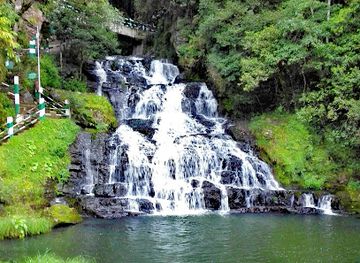
Elephant Falls, Shillong
Experience the enchanting beauty of Elephant Falls in Shillong, where nature's splendor awaits at every turn amidst cascading waters and lush greenery.
-
Tourist attraction
Mawsmai Cave
Discover the mesmerizing Mawsmai Cave in Cherrapunji, Meghalaya, a stunning limestone marvel offering adventure and breathtaking natural beauty.
-
Tourist attraction
Umiam Lake Viewpoint
Experience the serene beauty of Umiam Lake Viewpoint in Meghalaya, where stunning landscapes and tranquility await every traveler.
-
Tourist attraction
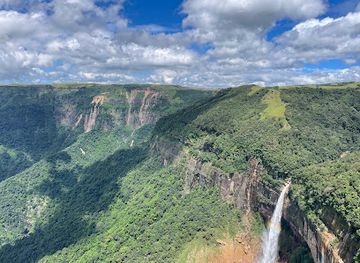
Nohkalikai Falls View point
Experience the breathtaking beauty of Nohkalikai Falls Viewpoint in Cherrapunji, Meghalaya, and immerse yourself in nature's stunning masterpiece.

Best landmarks in Meghalaya
Shillong’s most recognisable urban landmarks include the hilltop Shillong Peak area, the colonial-era ambience of parts of the city and prominent churches such as the Cathedral of Mary Help of Christians. In the Khasi Hills, the Nohkalikai waterfall near Sohra is an emblematic natural landmark, dropping from the plateau into a forested gorge, while the limestone cliffs and cascades around the same area define Meghalaya’s southern escarpment. The living root bridges near Nongriat are landmarks created through long-term cooperation between people and trees rather than through conventional construction. Mawphlang’s sacred grove represents an enduring customary approach to forest protection. In the Jaintia Hills, the monoliths and historic religious associations of Nartiang preserve evidence of the region’s older political culture. The forests and dramatic formations of Balpakram and the highland landscapes of Nokrek carry importance both as natural landmarks and as places connected with Garo cultural traditions.
-
Tourist attraction
Laitlum Canyon
Discover the enchanting beauty of Laitlum Canyon, a serene hiking paradise in Meghalaya, where breathtaking views await every traveler.
-
Tourist attraction
Mawkdok Dympep Valley View Point
Experience the stunning landscapes of Mawkdok Dympep Valley View Point, a breathtaking tourist attraction in Meghalaya, India.
-
Tourist attraction
Umiam Lake
Discover the breathtaking beauty and tranquility of Umiam Lake, a stunning reservoir surrounded by lush hills in Meghalaya, India.
-
Historical landmark
Mawphlang Sacred Forest
Discover the enchanting Mawphlang Sacred Forest, a lush sanctuary of biodiversity and cultural heritage in Meghalaya, India.
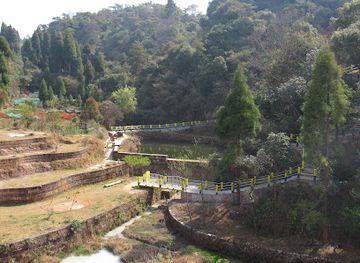
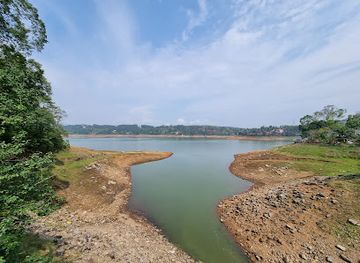
Explore Meghalaya on the map
Plan your trip on one map. See where the top cities, national parks and sights are, and book hotels and experiences in a few clicks.
Best hotels in Meghalaya
Best restaurants in Meghalaya
Meghalaya’s food reflects the traditions of Khasi, Jaintia and Garo communities as well as the wider culinary influences of north-east India. Rice is central, accompanied by pork, chicken, freshwater fish, seasonal greens, bamboo shoots and preparations that may be smoked, fermented or lightly spiced rather than dominated by chilli. Shillong offers the broadest choice, from simple local eateries and market food to cafés and restaurants serving Indian, Chinese and international dishes. In smaller towns and villages, menus are more limited but can provide a closer connection to local ingredients and household cooking. Look for dishes built around doh-nei-iiong, a Khasi pork preparation with black sesame, as well as jadoh, a rice-and-meat dish associated with Khasi cuisine; recipes vary between cooks and communities. Tea, locally produced snacks and seasonal fruit are easy to find, while rural dining often requires cash and patience rather than a fixed timetable.
-
Vegetarian
Jiva Veg
Experience exquisite vegetarian cuisine at Jiva Veg in Meghalaya - where health meets flavor in every delightful dish.
-
South Indian
Madras Cafe
Experience authentic South Indian vegetarian cuisine at Madras Cafe in Shillong's lively Police Bazar.
-
Indian
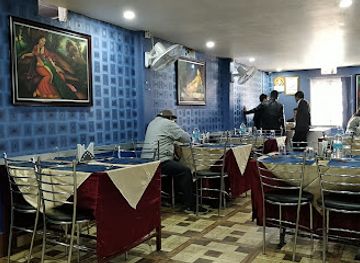
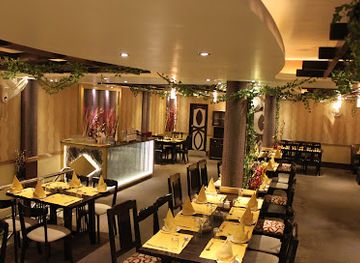
Qzine Restaurant
Discover the flavors of India and China at Qzine Restaurant in Shillong's Police Bazar—perfect for families and food lovers alike.
-
Indian
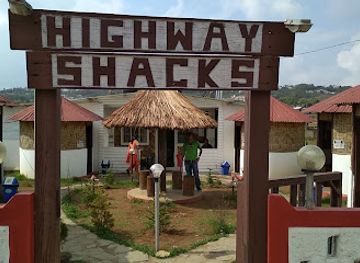
Highway Shacks
Discover the flavors of India at Highway Shacks in Upper Shillong - where culinary traditions meet breathtaking views.
Best bars in Meghalaya
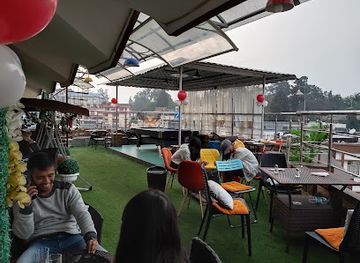
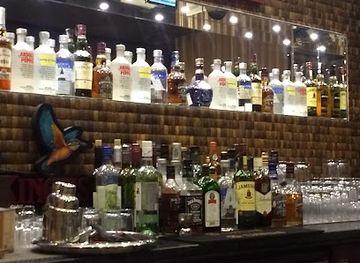
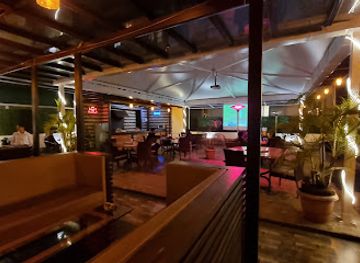
Shillong has Meghalaya’s most developed evening scene, with cafés, pubs, live-music venues and restaurants concentrated around the city’s commercial districts. Music is a major part of Shillong’s contemporary identity, and performances may range from local bands to popular Indian and international repertoires. The social atmosphere is generally more substantial than the nightclub offering in rural districts, where evenings centre on family restaurants, small bars, hotels or community events. Sohra and other hill destinations become quiet after dark, with accommodation-based dining more common than late-night entertainment. Breweries, cocktail-led venues and clubs may change frequently, so current local advice is more reliable than assuming a venue remains open. Alcohol is not necessary for enjoying Meghalaya’s evening culture, and visitors should respect local religious and community settings when choosing where and how to socialise.
-
Grill
Kitchen Xpress
Discover the ultimate grill experience at Kitchen Xpress in Shillong, where flavors come alive in a vibrant and welcoming setting.
-
Cafe
The Loft - Cafe & Restaurant
Experience the perfect blend of local and international cuisine at The Loft - Cafe & Restaurant in Shillong, a must-visit for every traveler.
-
Bar
Tango RestoBar & Lounge
Experience the lively atmosphere and exquisite cuisine at Tango RestoBar & Lounge, Shillong's premier spot for nightlife and dining.
-
Bar
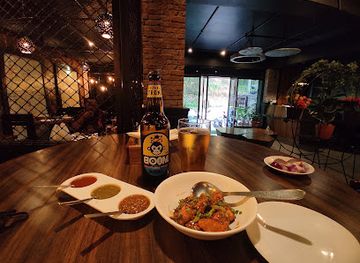
Glass House - Grill & Bar
Discover Shillong's hidden gem at Glass House - Grill & Bar, where local flavors and a vibrant atmosphere await every visitor.
Best nightclubs in Meghalaya
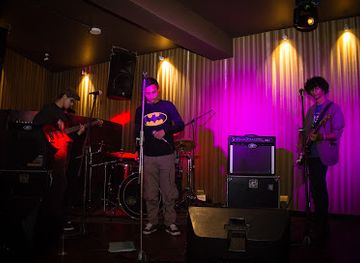
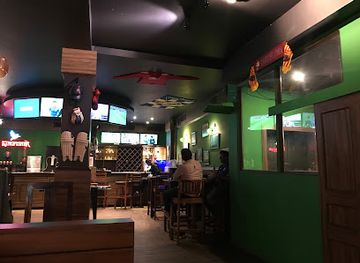
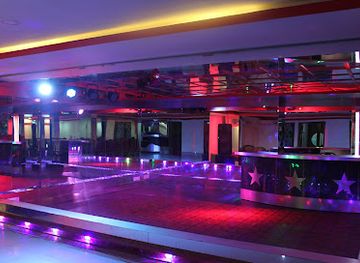
Shillong has Meghalaya’s most developed evening scene, with cafés, pubs, live-music venues and restaurants concentrated around the city’s commercial districts. Music is a major part of Shillong’s contemporary identity, and performances may range from local bands to popular Indian and international repertoires. The social atmosphere is generally more substantial than the nightclub offering in rural districts, where evenings centre on family restaurants, small bars, hotels or community events. Sohra and other hill destinations become quiet after dark, with accommodation-based dining more common than late-night entertainment. Breweries, cocktail-led venues and clubs may change frequently, so current local advice is more reliable than assuming a venue remains open. Alcohol is not necessary for enjoying Meghalaya’s evening culture, and visitors should respect local religious and community settings when choosing where and how to socialise.
-
Bar
Tango RestoBar & Lounge
Experience the vibrant nightlife of Shillong at Tango RestoBar & Lounge, where delicious cuisine meets lively entertainment in a chic atmosphere.
-
Bar
The Evening Club
Discover Shillong's nightlife at The Evening Club, where great music and delicious drinks create unforgettable evenings in Meghalaya's charming capital.
-
Night club
Irish Pub
Discover the lively Irish Pub in Shillong for a taste of local nightlife, delicious cuisine, and a vibrant atmosphere that guarantees a memorable experience.
-
Night club
Night Life Disco
Discover the heart of Shillong's nightlife at Night Life Disco, where music, dance, and vibrant energy come together for an unforgettable experience.

Best shops in Meghalaya
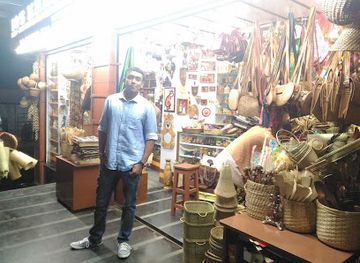
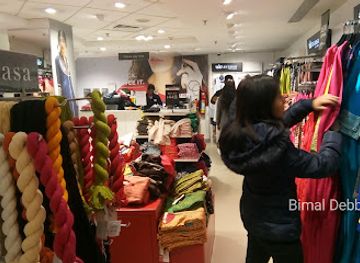
Shillong has Meghalaya’s widest range of shops, markets and craft outlets, with locally made textiles, woven baskets, bamboo goods, shawls, jewellery, woodwork and regional food products available alongside ordinary Indian retail. Bara Bazaar is a busy commercial market where produce, household goods and local ingredients give a stronger sense of everyday trade than souvenir-focused shopping. In other towns, small markets are useful for seasonal fruit, spices, smoked foods and practical supplies, although selection and opening patterns vary. Visitors may find handwoven garments and accessories associated with Khasi, Jaintia and Garo craft traditions, but quality and provenance differ, so buying directly from cooperatives or established community producers is preferable when possible. Packaged tea, honey, bamboo products and regional snacks travel more easily than fresh foods. Bargaining may be expected in some informal markets but is less appropriate in fixed-price shops, and rural sellers may accept cash only.
-
Clothing store
Pantaloons (Jowai Road, Shillong)
Explore the fashion hub of Pantaloons in Shillong, where style meets affordability across clothing for all ages.
-
Shopping mall
OB Shopping Mall
Explore Shillong's vibrant shopping scene at OB Shopping Mall, where local crafts meet global brands in a lively atmosphere.
-
Shopping mall
MarBa Hub
Explore MarBa Hub in Shillong for a vibrant shopping experience featuring local crafts, fashion, and delicious cuisine in the heart of Meghalaya.
-
Clothing store
Jockey Exclusive Store
Discover stylish clothing for the whole family at Jockey Exclusive Store in Shillong, blending comfort and fashion in the heart of Meghalaya.


Get your free copy of our complete guide to Meghalaya, delivered straight to you.
Everything on this page, from attractions and restaurants to essentials and local phrases, in one PDF you can read offline, print or share.
Already have an account? Sign in
Your Meghalaya guide is ready.
We'll send it to · Not you? Sign out

Getting your guide ready…
We are putting together a fresh copy of the Meghalaya guide. This can take up to a minute.
This can take a few moments. If your browser asks, choose Allow so the download can start. You'll find the guide in your Downloads folder.
Nothing happened? Download it again
Sorry, the guide is taking longer than usual. Please try again in a minute, or get it by email instead.
Meghalaya essentials
Currency and Payment
Safety
Emergency Situations
Do's and Don'ts
Local Tips
From Eve
Local phrases worth knowing
You don't need to get them perfect. A few words go a long way, and locals appreciate the effort.
Basics
| English | Local | Say it |
|---|---|---|
| Hello | Kumno | [koo-mno] |
| Goodbye | Noh | [noh] |
| Yes | Ae | [a-eh] |
| No | Maha | [ma-ha] |
| Please/You're welcome | Khublei | [khub-lei] |
| Thank you | Khublei Shibun | [khub-lei shi-bun] |
| Excuse me/Sorry | Ngi aiu | [ngi ai-u] |
| How are you? | Kumno phi? | [koo-mno fee] |
| Fine. And you? | Khasi. Bad phi? | [kha-si. bad fee] |
| Do you speak English? | Phi lah ban phah English? | [fee lah ban pha-eh in-glish] |
| I don't understand | Ngi em sngap | [ngi em sng-ap] |
Eating & Drinking
| English | Local | Say it |
|---|---|---|
| I'd like to see the menu, please | Ngi kwah ban peit ka menu, khublei | [ngi kwa-h ban payt ka menu, khub-lei] |
| I don't eat meat | Ngi em chiang khaw | [ngi em chi-ang khaw] |
| Cheers! | Khublei! | [khub-lei] |
| I would like to pay, please | Ngi kwah ban shna, khublei | [ngi kwa-h ban shna, khub-lei] |
Emergencies
| English | Local | Say it |
|---|---|---|
| Help! | Thang! | [thang] |
| Go away! | Noh shaneng! | [noh sha-ning] |
| Call the Police! | Call ka Police! | [call ka po-lees] |
| Call a doctor! | Call ka doctor! | [call ka doc-tor] |
| I'm lost | Ngi dang sngap | [ngi dang sng-ap] |
| I'm ill | Ngi don ka khia | [ngi don ka khi-a] |
Shopping
| English | Local | Say it |
|---|---|---|
| I'd like to buy... | Ngi kwah ban pher... | [ngi kwa-h ban per...] |
| I'm just looking | Ngi dang peit | [ngi dang payt] |
| How much is it? | Teng shibun? | [teng shi-bun] |
| That's too expensive | Koh kham bha | [koh kham bha] |
| Can you lower the price? | Phi lah ban pynkhreh ka shilling? | [fee lah ban pin-khreh ka shilling] |
Time & Numbers
| English | Local | Say it |
|---|---|---|
| What time is it? | Kumno ka por? | [koo-mno ka por] |
| It's one o'clock | Ka por ar | [ka por ar] |
| Half past (10) | Kharum (10) | [kha-rum (10)] |
| Morning | Kyndong | [kyn-dong] |
| Afternoon | Kylliang | [kyll-iang] |
| Evening | Kylli | [kyll-i] |
| Yesterday | Ioh mynni | [ioh myn-ni] |
| Today | Ioh ka sngi | [ioh ka sng-i] |
| Tomorrow | Ka sngi ban wan | [ka sng-i ban wan] |
| 1 | Ar | [ar] |
| 2 | Arphra | [ar-phra] |
| 3 | Kynthei | [kyn-thei] |
| 4 | Sa | [sa] |
| 5 | Shita | [shi-ta] |
| 6 | Shisoi | [shi-soi] |
| 7 | Shiteng | [shi-teng] |
| 8 | Shihni | [shi-hni] |
| 9 | Shiteng | [shi-teng] |
| 10 | Shihphra | [shi-phra] |
Transport & Directions
| English | Local | Say it |
|---|---|---|
| Where's a/the...? | Kumno ka ...? | [koo-mno ka ...?] |
| What's the address? | Kumno ka address? | [koo-mno ka ad-dress] |
| Can you show me (on the map)? | Phi lah ban shna ia ngi (ha ka map)? | [fee lah ban shna ia ngi (ha ka map)] |
| When's the next (bus)? | Kumno ka por ban wan (bus)? | [koo-mno ka por ban wan (bus)] |
| A ticket (to ....) | Ka ticket (sha ....) | [ka ti-ket (sha ....)] |
History of Meghalaya
Early Khasi, Jaintia and Garo societies
The hills of present-day Meghalaya have long been home to Khasi, Jaintia and Garo communities, whose histories were preserved through oral traditions as well as material remains. Communities developed distinctive systems of land use, village governance, customary law and religious practice suited to a mountainous environment. Sacred groves, megalithic monuments and traditional settlements provide visible reminders of older relationships between people, forests and ancestral places. The region was not a single historical kingdom: the Khasi territories consisted of numerous traditional states, while the Jaintia and Garo areas followed their own political and cultural trajectories.
The Jaintia Kingdom and regional trade
The Jaintia Kingdom, centred in the Jaintia Hills and historically linked with the plains around present-day Jaintiapur, influenced trade and political relations across the hill–plain frontier. Its power was eventually weakened by external pressures and the expansion of British authority in the nineteenth century. The wider region’s passes and markets connected upland communities with the Surma and Brahmaputra valleys, allowing the exchange of agricultural products, forest goods and manufactured items. Remains associated with Jaintia history, including sites around Nartiang, reflect the area’s precolonial political and religious importance.
British expansion and the hill stations
British influence expanded into the Khasi Hills during the nineteenth century after conflict and negotiation with local chiefs. Shillong developed as a hill station and later became the capital of the Assam province, benefiting from its cooler climate and elevated setting. Missionary activity introduced new forms of education and Christianity, which became especially influential among several Khasi, Jaintia and Garo communities, while customary institutions and local identities continued to shape everyday life. Roads and administrative links tied the hills more closely to the colonial economy and the surrounding plains.
Mission education, print culture and social change
From the nineteenth century onwards, schools, churches and printing initiatives helped create new networks of literacy and public debate in the hill districts. Khasi and other local languages gained written forms and developed modern literary traditions, while English became important in education and administration. Shillong acquired a reputation as a centre of learning, music and public life. These changes did not erase older institutions: village councils, customary land relationships, clan identities and community obligations remained influential, producing a layered society in which Christian practice, local custom and modern education developed alongside one another.
Meghalaya within Assam after Indian independence
After independence in 1947, the Khasi, Jaintia and Garo hill areas formed part of Assam, but demands for greater political autonomy grew as communities sought stronger control over land, culture and administration. The Autonomous District Councils created under India’s constitutional framework provided a measure of self-government in tribal areas. Meghalaya became an autonomous state within Assam in 1970 and achieved full statehood on 21 January 1972. Shillong became the capital of the new state, giving the region a distinct political identity within the Indian Union.
Coal, limestone and environmental debate
Mining has shaped parts of Meghalaya’s modern economy, particularly through coal and limestone extraction. Small-scale coal mining expanded in several areas, often outside the formal framework of regulated industrial operations, while limestone supported cement production and related industries. These activities brought income but also raised serious concerns about water pollution, land degradation, forest loss and the effects on rivers and agricultural communities. Court interventions and changing regulation have altered the mining landscape, although the relationship between economic development, customary land ownership and environmental protection remains an important contemporary issue.
Contemporary cultural and ecological tourism
Since statehood, Meghalaya has promoted its landscapes, music, living root bridges, caves and community traditions as foundations for tourism. Shillong’s festivals and music venues have strengthened its reputation as a major cultural centre in north-east India, while village-led experiences have brought attention to sacred groves and traditional ecological knowledge. Tourism has also exposed fragile trails, waterways and waste-management systems to greater pressure. The region’s current challenge is to expand visitor opportunities without reducing living communities and forests to scenery or placing unsustainable demands on sensitive sites.
Meghalaya in Photos
Browse through our photo collection highlighting the charm and character of the destination.
Neighbouring regions of Meghalaya
The closest regions to Meghalaya, if you have time for more than one.
-

-

-

-

-


Swipe for more regions
Explore more

Explore more of India
Discover the magic of India, where diverse landscapes, rich heritage, and vibrant culture come together to create an unforgettable travel experience.
Explore India