

Free Punjab Travel Guide & Mobile App
Explore Punjab with free travel guides. Discover regional history, expert tips, proposed trips, and audio guides on web or mobile app.


Discover Punjab: A land of golden temples, vibrant festivals, and lush green fields, offering a perfect blend of culture, history, and natural beauty.
Read more about Punjab
When is the best time to visit Punjab?
Best: February–March, November · 23–28°C| Month | High (°C) | Rainfall (mm) |
|---|---|---|
| January | 20 | 6 |
| February (best) | 23 | 8 |
| March (best) | 28 | 9 |
| April | 35 | 7 |
| May | 39 | 4 |
| June | 42 | 12 |
| July | 39 | 17 |
| August | 38 | 14 |
| September | 36 | 9 |
| October | 32 | 3 |
| November (best) | 25 | 2 |
| December | 20 | 4 |
Getting to and around Punjab
How to get there
Transportation
Top city travel guides in Punjab
The cities of Punjab, and the easiest places to base yourself.
-

-

-

-


Swipe for more cities
Destinations in Punjab
Resorts, valleys and scenic spots worth a trip of their own.

Swipe for more destinations
Best attractions in Punjab
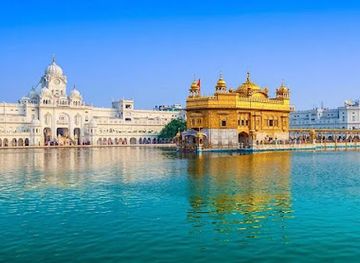
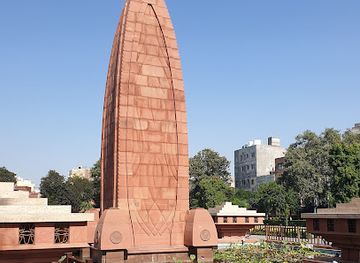
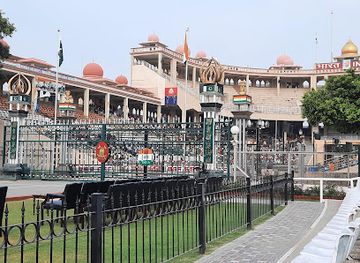
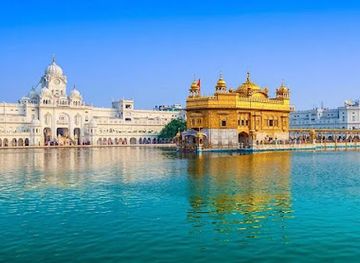
Punjab, the vibrant land of five rivers, offers an enticing blend of history, culture, and natural beauty, perfect for any traveler. Marvel at the awe-inspiring Golden Temple in Amritsar, a beacon of spirituality and architectural brilliance, while immersing yourself in the poignant history at the Jallianwala Bagh. Experience the lively Wagah Border ceremony, where patriotism reaches its zenith. Wander through the lush, serene gardens of Pinjore and the palatial charm of Qila Mubarak in Patiala. The ancient forts of Bathinda and the fascinating Rock Garden in Chandigarh, with its whimsical sculptures, provide a glimpse into Punjab's artistic soul. Don't miss the vibrant bazaars, where the colors, crafts, and flavors of Punjab come alive, offering a sensory overload of spices, textiles, and traditional handicrafts.
-
Tourist attraction
Sri Harmandir Sahib
Discover the spiritual heart of Sikhism at Sri Harmandir Sahib, a stunning temple that offers peace, community, and architectural splendor in Amritsar.
-
Tourist attraction
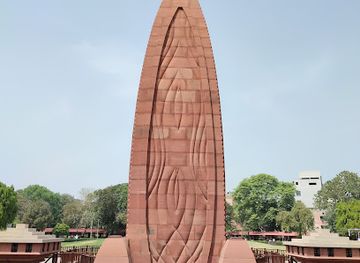
Jallianwala Bagh
Discover the poignant history of Jallianwala Bagh, a memorial park in Amritsar that honors the sacrifices made for India's freedom.
-
Tourist attraction
Attari - Wagah Border
Visit Attari - Wagah Border for an unforgettable experience of cultural heritage and patriotic spirit in Punjab, India.
-
Tourist attraction
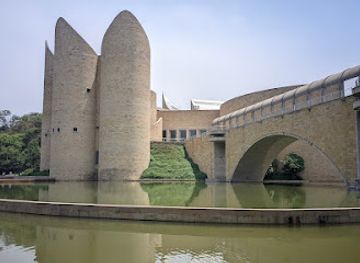
Virasat-e-Khalsa
Explore the rich tapestry of Sikh history and culture at Virasat-e-Khalsa, a unique heritage museum in Anandpur Sahib, Punjab.
Best landmarks in Punjab
Punjab, a vibrant tapestry of history and culture, offers visitors an awe-inspiring journey through time with landmarks like the Golden Temple in Amritsar, a shimmering vision of spirituality and peace; the majestic Qila Mubarak in Patiala, a symbol of regal opulence; and the serene Wagah Border, where the daily flag-lowering ceremony is a display of patriotic fervor. Wander through the lush, historical gardens of Pinjore and explore the ancient ruins of Bathinda Fort, a testament to the region's storied past. The vibrant bazaars of Ludhiana and the tranquil Bhakra Nangal Dam showcase Punjab's blend of tradition and modernity, while the Jallianwala Bagh memorial stands as a poignant reminder of India's struggle for independence. Each landmark in Punjab weaves a unique narrative, offering an unforgettable experience steeped in culture, history, and vibrant local life.
-
Gurudwara
Sri Harmandir Sahib
Explore the majestic Sri Harmandir Sahib, a sacred Sikh Gurudwara in Amritsar, where spirituality meets stunning architecture and cultural heritage.
-
Memorial park
Jallianwala Bagh
Explore Jallianwala Bagh, a historic park in Amritsar that commemorates India's fight for independence with tranquil gardens and powerful memorials.
-
 Historical landmark
Lahore Fort
Discover Lahore Fort, a UNESCO World Heritage Site showcasing Mughal architecture and rich history in the vibrant Walled City of Lahore.
-
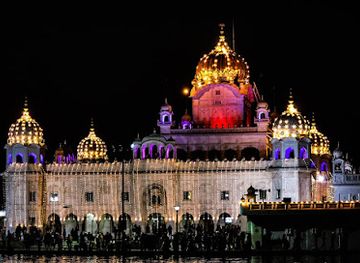
Gurudwara
Gurudwara Shri Dukhniwaran Sahib, Patiala
Explore the serene beauty and spiritual essence of Gurudwara Shri Dukhniwaran Sahib in Patiala, a significant Sikh temple rich in history and cultural heritage.
Explore Punjab on the map
Plan your trip on one map. See where the top cities, national parks and sights are, and book hotels and experiences in a few clicks.
Best hotels in Punjab
Best restaurants in Punjab
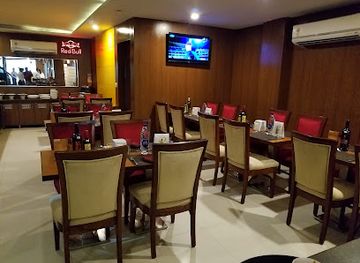
Punjab's dining scene is a vibrant tapestry of flavors and experiences that beckon food enthusiasts from around the globe. Expect to be greeted with the enticing aroma of spices as you dive into traditional Punjabi cuisine, featuring iconic dishes like buttery, creamy butter chicken, robust and hearty sarson da saag served with makki di roti, and the beloved street food, chole bhature. The state's dhabas, rustic roadside eateries, offer a genuine taste of local fare, where you can savor tandoori roti fresh from a clay oven or indulge in a plate of spicy, tangy golgappas. Urban food scenes in cities like Amritsar, Chandigarh, and Ludhiana boast an eclectic mix of high-end restaurants, chic cafes, and bustling food markets, allowing you to savor everything from sumptuous vegetarian thalis to innovative fusion dishes. The sweet tooth will not be disappointed either, with an array of delectable desserts like creamy phirni, syrupy jalebis, and the rich, nutty pinni. A visit to Punjab is not just a culinary journey; it's an immersive experience into the heart and soul of local culture, where food is celebrated with passion and warmth.
-
Restaurant
Haveli
Experience authentic Punjabi cuisine at Haveli - where tradition meets taste in the heart of Amritsar.
-
North Indian
The Yellow Chilli
Experience the finest North Indian cuisine at The Yellow Chilli in Amritsar—where tradition meets innovation in every dish.
-
Punjabi
Rangla Punjab
Discover authentic Punjabi cuisine at Rangla Punjab—where every dish tells a story of rich tradition and vibrant flavors.
-
Punjabi
Punjab Dhaba /Best Dhaba in Amritsar /Best Punjabi Dhaba Near Golden Temple
Experience authentic Punjabi flavors at Punjab Dhaba near the Golden Temple – a must-visit culinary destination in Amritsar.


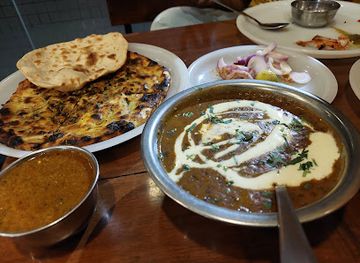
Best bars in Punjab
The nightlife in Punjab is a vibrant blend of cultural richness and modern excitement, offering visitors an array of experiences from lively Punjabi music at bustling dhabas to chic lounges and nightclubs in cities like Chandigarh and Amritsar. As the night falls, the streets come alive with the beats of Bhangra and Gidda performances, while local bars and clubs serve up a fusion of traditional Punjabi cuisine and contemporary cocktails. Whether you're looking to dance the night away to the latest Bollywood hits, enjoy a serene evening with live Sufi music, or simply savor a glass of Patiala peg, Punjab’s nightlife promises an unforgettable journey into the heart of its spirited culture.
-
Brewpub
The Brew Estate
Discover the vibrant flavors of Punjab at The Brew Estate, a premier brewpub in Patiala offering craft beers and authentic cuisine.
-
Brewpub
The Brew Estate Ludhiana
Experience the vibrant craft beer culture at The Brew Estate Ludhiana, where delicious brews meet a lively atmosphere and delightful cuisine.
-
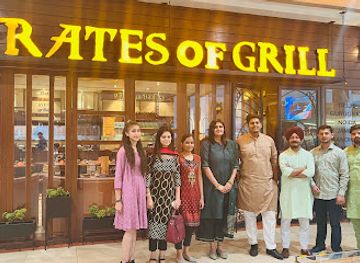
Grill
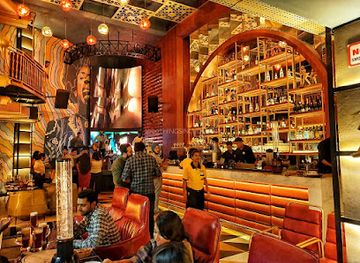
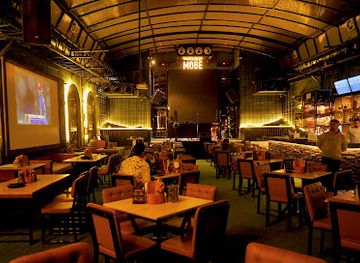
Ministry of Bar Exchange - Lounge Bar in Elante, Chandigarh
Discover the electric nightlife of Chandigarh at the Ministry of Bar Exchange, a grill and lounge bar with live music and vibrant atmosphere.
-
Bar
Ministry Of Bar Exchange - Lounge Bar in Chandigarh
Discover the unique blend of vibrant nightlife, delicious cuisine, and innovative cocktails at the Ministry Of Bar Exchange in Chandigarh.


Best nightclubs in Punjab
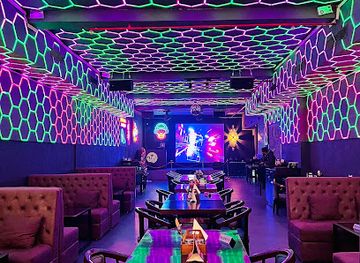
The nightlife in Punjab is a vibrant blend of cultural richness and modern excitement, offering visitors an array of experiences from lively Punjabi music at bustling dhabas to chic lounges and nightclubs in cities like Chandigarh and Amritsar. As the night falls, the streets come alive with the beats of Bhangra and Gidda performances, while local bars and clubs serve up a fusion of traditional Punjabi cuisine and contemporary cocktails. Whether you're looking to dance the night away to the latest Bollywood hits, enjoy a serene evening with live Sufi music, or simply savor a glass of Patiala peg, Punjab’s nightlife promises an unforgettable journey into the heart of its spirited culture.
-
Bar
Lumsden Club
Discover the vibrant nightlife of Amritsar at Lumsden Club, where traditional flavors meet modern entertainment in a lively atmosphere.
-
Pub
The Liquid Room- Best Pub, Club/Bar In Amritsar
Experience the buzz of Amritsar's nightlife at The Liquid Room, where delicious food, great drinks, and unforgettable music await.
-
Night club
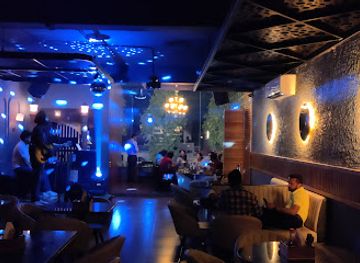
LA CLUB Live Music Sky Lounge & Bar.
Discover the pulse of Patiala's nightlife at LA CLUB Live Music Sky Lounge & Bar, where live music meets stunning rooftop views.
-
Club
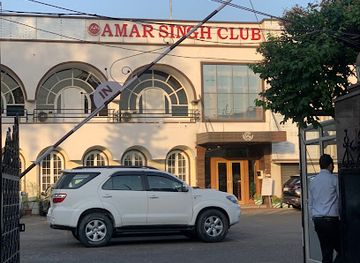
Amar Singh Club Jammu
Discover the elegance and vibrant culture of Jammu at Amar Singh Club, a premier destination for leisure and social gatherings.
Best shops in Punjab
Punjab's shopping scene is a vibrant tapestry of colors, sounds, and scents that captivate the senses, offering an eclectic mix of traditional and contemporary goods. Wander through the bustling bazaars of Amritsar, where the Golden Temple's spiritual ambiance seeps into the nearby markets, brimming with exquisite Phulkari embroidery, intricate Jutti footwear, and shimmering jewelry that narrate tales of the region's rich history. In Patiala, indulge in the regal elegance of traditional Patiala salwars and handcrafted jewelry, while Ludhiana’s markets beckon with luxurious woolen shawls and garments, reflecting the city’s status as India's knitwear capital. For a more modern shopping experience, head to Chandigarh’s upscale boutiques and malls, where chic fashion and cutting-edge designs coexist with artisanal crafts, ensuring that every visitor finds a unique piece of Punjab to take home.
-
Shopping mall
VR Punjab
Explore VR Punjab, the ultimate shopping destination in Chandigarh, with top-notch stores, delicious dining, and family-friendly entertainment all in one place.
-
Shopping mall
Mall of Lahore
Discover the vibrant shopping experience at the Mall of Lahore, offering local and international brands, dining, and entertainment in a modern setting.
-
Shopping mall
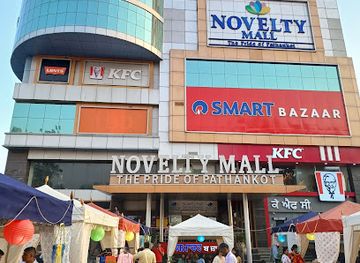
Novelty Mall
Explore the bustling Novelty Mall in Pathankot, where shopping, dining, and entertainment come together for an unforgettable experience.
-
Shopping mall
Reliance Mall
Explore a diverse shopping experience at Reliance Mall, Jalandhar, featuring clothing, groceries, electronics, and dining options for every taste.

Get your free copy of our complete guide to Punjab, delivered straight to you.
Everything on this page, from attractions and restaurants to essentials and local phrases, in one PDF you can read offline, print or share.
Already have an account? Sign in
Your Punjab guide is ready.
We'll send it to · Not you? Sign out

Getting your guide ready…
We are putting together a fresh copy of the Punjab guide. This can take up to a minute.
This can take a few moments. If your browser asks, choose Allow so the download can start. You'll find the guide in your Downloads folder.
Nothing happened? Download it again
Sorry, the guide is taking longer than usual. Please try again in a minute, or get it by email instead.
Punjab essentials
Currency and Payment
Safety
Emergency Situations
Do's and Don'ts
Local Tips
From Eve
Local phrases worth knowing
You don't need to get them perfect. A few words go a long way, and locals appreciate the effort.
Basics
| English | Local | Say it |
|---|---|---|
| Hello | ਸਤ ਸ੍ਰੀ ਅਕਾਲ | [Sat Sri Akal] |
| Goodbye | ਅਲਵਿਦਾ | [Alvida] |
| Yes | ਹਾਂ | [Haan] |
| No | ਨਹੀਂ | [Nahin] |
| Please/You're welcome | ਕਿਰਪਾ ਕਰਕੇ/ਤੁਹਾਡਾ ਸੁਆਗਤ ਹੈ | [Kirpa karke/Tuhada Swagat Hai] |
| Thank you | ਧੰਨਵਾਦ | [Dhannvaad] |
| Excuse me/Sorry | ਮਾਫ ਕਰਨਾ/ਮਾਫ ਕਰਦੇ ਹੋ | [Maaf karna/Maaf karde ho] |
| How are you? | ਤੁਸੀਂ ਕਿਵੇਂ ਹੋ? | [Tusi kiven ho?] |
| Fine. And you? | ਠੀਕ ਹਾਂ। ਤੇ ਤੁਸੀਂ? | [Theek haan. Te tusi?] |
| Do you speak English? | ਕੀ ਤੁਸੀਂ ਅੰਗਰੇਜ਼ੀ ਬੋਲਦੇ ਹੋ? | [Ki tusi Angrezi bolde ho?] |
| I don't understand | ਮੈਨੂੰ ਸਮਝ ਨਹੀਂ ਆਉਂਦੀ | [Mainu samajh nahin aundi] |
Eating & Drinking
| English | Local | Say it |
|---|---|---|
| I'd like to see the menu, please | ਮੈਨੂੰ ਮੈਨੂ ਦੇਖਣਾ ਹੈ, ਕਿਰਪਾ ਕਰਕੇ | [Mainu menu dekhna hai, kirpa karke] |
| I don't eat meat | ਮੈਂ ਮਾਂਸ ਨਹੀਂ ਖਾਂਦਾ | [Main maans nahin khanda] |
| Cheers! | ਚੀਅਰਜ਼! | [Cheers!] |
| I would like to pay, please | ਮੈਂ ਭੁਗਤਾਨ ਕਰਨਾ ਚਾਹੁੰਦਾ ਹਾਂ, ਕਿਰਪਾ ਕਰਕੇ | [Main bhugtaan karna chahunda haan, kirpa karke] |
Emergencies
| English | Local | Say it |
|---|---|---|
| Help! | ਮਦਦ ਕਰੋ! | [Madad karo!] |
| Go away! | ਦੂਰ ਜਾਓ! | [Door jao!] |
| Call the Police! | ਪੁਲਿਸ ਨੂੰ ਬੁਲਾਓ! | [Police nu bulao!] |
| Call a doctor! | ਡਾਕਟਰ ਨੂੰ ਬੁਲਾਓ! | [Doctor nu bulao!] |
| I'm lost | ਮੈਂ ਗੁੰਮ ਹੋ ਗਿਆ ਹਾਂ | [Main gumm ho gaya haan] |
| I'm ill | ਮੈਂ ਬਿਮਾਰ ਹਾਂ | [Main bimaar haan] |
Shopping
| English | Local | Say it |
|---|---|---|
| I'd like to buy... | ਮੈਨੂੰ ਖਰੀਦਣਾ ਹੈ... | [Mainu kharidna hai...] |
| I'm just looking | ਮੈਂ ਸਿਰਫ ਦੇਖ ਰਿਹਾ ਹਾਂ | [Main sirf dekh riha haan] |
| How much is it? | ਇਹ ਕਿੰਨਾ ਹੈ? | [Eh kinna hai?] |
| That's too expensive | ਇਹ ਬਹੁਤ ਮਹਿੰਗਾ ਹੈ | [Eh bahut mehnga hai] |
| Can you lower the price? | ਕੀ ਤੁਸੀਂ ਕੀਮਤ ਘਟਾ ਸਕਦੇ ਹੋ? | [Ki tusi keemat ghata sakde ho?] |
Time & Numbers
| English | Local | Say it |
|---|---|---|
| What time is it? | ਇਹ ਕੀ ਸਮਾਂ ਹੈ? | [Eh ki samaan hai?] |
| It's one o'clock | ਇਹ ਇੱਕ ਵਜੇ ਦਾ ਹੈ | [Eh ik vaje da hai] |
| Half past (10) | ਸਾਢੇ (10) ਵਜੇ | [Sadhe (10) vaje] |
| Morning | ਸਵੇਰ | [Saver] |
| Afternoon | ਦੁਪਿਹਰ | [Dupahar] |
| Evening | ਸ਼ਾਮ | [Shaam] |
| Yesterday | ਕੱਲ੍ਹ | [Kal] |
| Today | ਅੱਜ | [Ajj] |
| Tomorrow | ਕਲ | [Kal] |
| 1 | 1 | [1] |
| 2 | 2 | [2] |
| 3 | 3 | [3] |
| 4 | 4 | [4] |
| 5 | 5 | [5] |
| 6 | 6 | [6] |
| 7 | 7 | [7] |
| 8 | 8 | [8] |
| 9 | 9 | [9] |
| 10 | 10 | [10] |
Transport & Directions
| English | Local | Say it |
|---|---|---|
| Where's a/the...? | ਕਿੱਥੇ ਹੈ ...? | [Kitthe hai ...?] |
| What's the address? | ਪਤਾ ਕੀ ਹੈ? | [Pata ki hai?] |
| Can you show me (on the map)? | ਕੀ ਤੁਸੀਂ ਮੈਨੂੰ ਦਿਖਾ ਸਕਦੇ ਹੋ (ਨਕਸ਼ੇ 'ਤੇ)? | [Ki tusi mainu dikha sakde ho (Nakshe 'te)?] |
| When's the next (bus)? | ਅਗਲੀ (ਬੱਸ) ਕਦੋਂ ਆਉਂਦੀ ਹੈ? | [Agli (bus) kadon aundi hai?] |
| A ticket (to ....) | ਇੱਕ ਟਿਕਟ (.... ਲਈ) | [Ik ticket (.... lai)] |
History of Punjab
The Ancient Indus Valley Civilization
The region of Punjab has been a cradle of civilization since ancient times. The Indus Valley Civilization, one of the world's earliest urban cultures, flourished in parts of modern-day Punjab around 3300–1300 BCE. Notable sites such as Harappa, located in present-day Punjab, Pakistan, offer glimpses into sophisticated urban planning, advanced trade networks, and rich cultural traditions that influenced future civilizations.
The Vedic Period and Aryan Invasion
During the Vedic period (circa 1500–500 BCE), the Aryans migrated to the Punjab region, bringing with them the Sanskrit language and Vedic traditions. The Rigveda, one of the oldest Hindu scriptures, mentions the region extensively. This era saw the emergence of early Hinduism and the codification of social and religious practices that continue to influence the culture of Punjab.
The Mauryan Empire
Under the reign of Emperor Chandragupta Maurya (circa 322–297 BCE) and his grandson Ashoka (circa 268–232 BCE), Punjab became an integral part of the vast Mauryan Empire. The region benefited from Ashoka's policies of governance, Buddhism's spread, and infrastructural development, including roads and trade routes that facilitated economic prosperity.
The Gupta Empire and Golden Age
During the Gupta Empire (circa 320–550 CE), often referred to as the Golden Age of India, Punjab experienced significant advancements in arts, sciences, and literature. The Gupta period was marked by the flourishing of classical Indian culture, which left an indelible mark on Punjab's cultural heritage.
The Arrival of Islam
The arrival of Islam in Punjab began with the invasions of Mahmud of Ghazni in the early 11th century. This period saw the establishment of Muslim rule and the introduction of Islamic culture, architecture, and traditions. The Delhi Sultanate and later the Mughal Empire incorporated Punjab into their realms, leading to a fusion of Indo-Islamic culture that is evident in the region's heritage sites.
The Sikh Gurus and the Birth of Sikhism
The 15th and 16th centuries marked the emergence of Sikhism, founded by Guru Nanak Dev Ji in Punjab. The successive Sikh Gurus played pivotal roles in shaping the religious, social, and cultural fabric of Punjab. The construction of the Golden Temple in Amritsar by Guru Arjan Dev Ji and the establishment of the Khalsa by Guru Gobind Singh Ji are significant milestones in Sikh history.
The Rise of the Sikh Empire
In the early 19th century, Maharaja Ranjit Singh established the Sikh Empire, unifying various warring factions and creating a powerful and prosperous state. His reign is known for its secular governance, military prowess, and patronage of arts and culture. The legacy of the Sikh Empire continues to influence Punjab's identity and heritage.
The British Colonial Period
Punjab came under British control after the Second Anglo-Sikh War in 1849. The British colonial period brought significant changes in administration, infrastructure, and agriculture. However, it was also a time of political struggle and resistance, with Punjab playing a crucial role in India's freedom movement. The Jallianwala Bagh massacre of 1919 in Amritsar stands as a stark reminder of the sacrifices made for India's independence.
Partition of India (1947)
The partition of India in 1947 was a traumatic event for Punjab, resulting in massive population displacement, communal violence, and the division of the region into East Punjab (India) and West Punjab (Pakistan). The aftermath of partition reshaped the demographic and cultural landscape of Indian Punjab, leading to significant socio-economic transformations and the resilience of its people.
Punjab in Photos
Browse through our photo collection highlighting the charm and character of the destination.
Neighbouring regions of Punjab
The closest regions to Punjab, if you have time for more than one.
-

-
-

-
-


Swipe for more regions
Explore more

Explore more of India
Discover the magic of India, where diverse landscapes, rich heritage, and vibrant culture come together to create an unforgettable travel experience.
Explore India