

Free Haryana Travel Guide & Mobile App
Explore Haryana with free travel guides. Discover regional history, expert tips, proposed trips, and audio guides on web or mobile app.


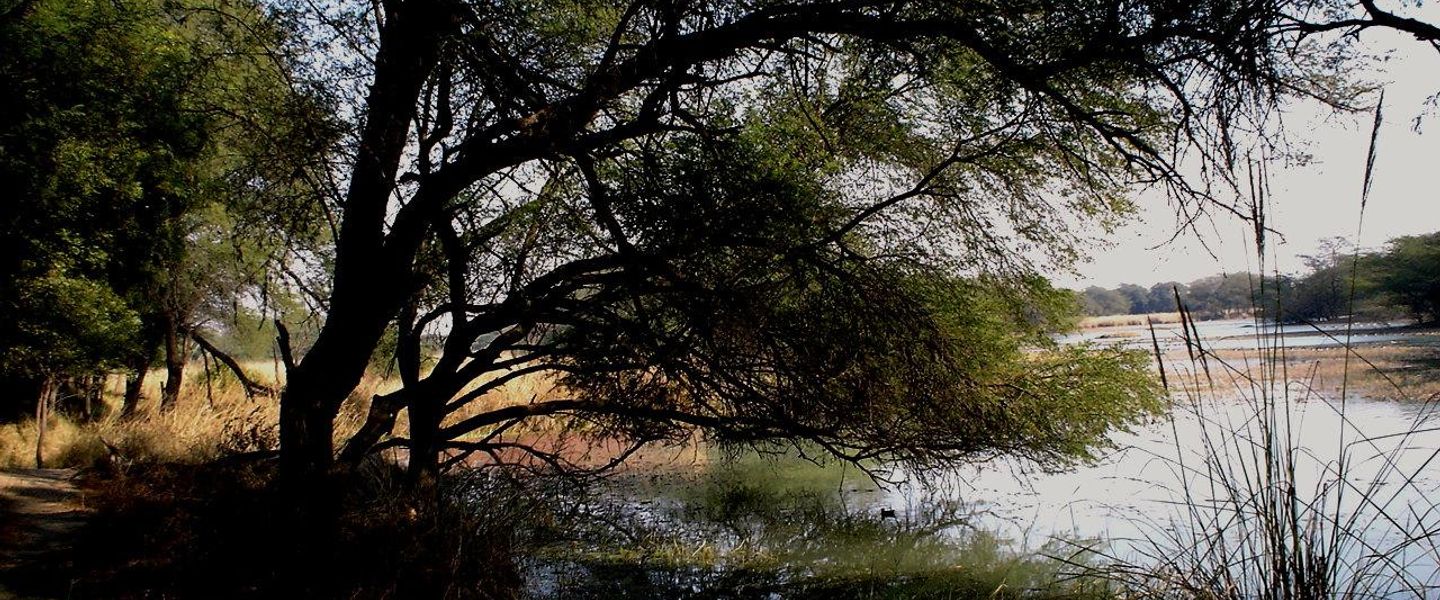


Explore Haryana’s ancient sites, sacred Kurukshetra, Panipat battlefields, bird-filled wetlands, Shivalik hills and fast-changing cities near Delhi.
Read more about Haryana
When is the best time to visit Haryana?
Best: February–March, November · 23–29°C| Month | High (°C) | Rainfall (mm) |
|---|---|---|
| January | 19 | 16 |
| February (best) | 23 | 20 |
| March (best) | 29 | 25 |
| April | 35 | 20 |
| May | 40 | 25 |
| June | 40 | 80 |
| July | 37 | 200 |
| August | 35 | 190 |
| September | 33 | 120 |
| October | 31 | 30 |
| November (best) | 24 | 20 |
| December | 19 | 10 |
Getting to and around Haryana
How to get there
Transportation
Top city travel guides in Haryana
The cities of Haryana, and the easiest places to base yourself.
-

-

-


Swipe for more cities
Best attractions in Haryana
Haryana’s attractions range from sacred and archaeological sites to wetlands, gardens and modern urban districts. Kurukshetra offers a religious and cultural circuit centred on Brahma Sarovar, Jyotisar and museums interpreting the Mahabharata tradition and the Bhagavad Gita. Panipat is the principal destination for understanding the three battles fought on the northern plains, while Rakhigarhi in Hisar district introduces visitors to the urban world of the Indus Valley Civilisation. Pinjore’s terraced gardens provide a more formal historic experience in the Shivalik foothills, and Surajkund near Faridabad combines a historic reservoir with a long-standing craft association. Sultanpur National Park is Haryana’s best-known wetland destination, particularly valuable during the migratory bird season. The Morni Hills offer forest, reservoirs and modest walking routes, contrasting with the flat agricultural landscape. Gurugram supplies contemporary attractions, dining and cultural venues, although its high-rise commercial districts represent the state’s present-day economy rather than its traditional rural character.
-
National park
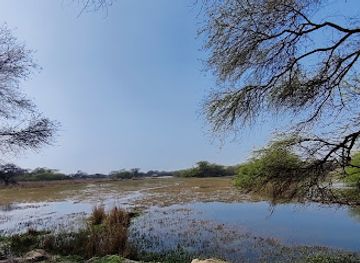
Sultanpur National Park
A haven for birdwatchers near Delhi, Sultanpur National Park is home to over 250 bird species, best visited during the winter migration.
-
Historical landmark
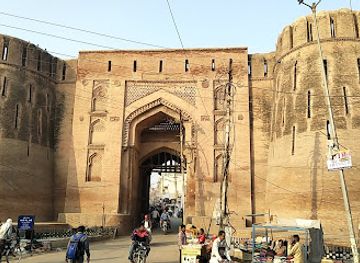
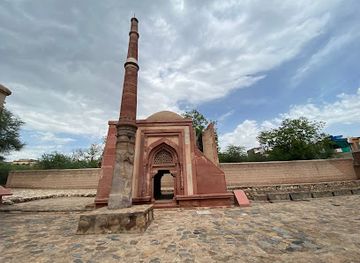
Barsi Gate
Explore the historic Barsi Gate in Hansi, a magnificent example of Sultanate architecture and a window into Haryana's rich past.
-
Heritage museum
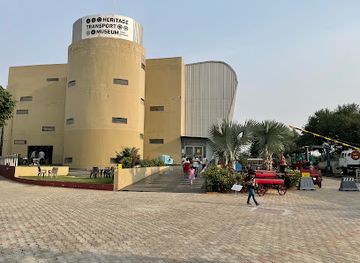
Heritage Transport Museum
Explore India's transportation history at the Heritage Transport Museum, a unique and engaging experience for all ages near Gurgaon, Haryana.
-
Tourist attraction
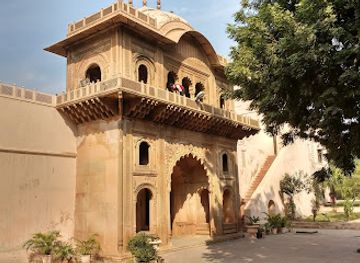
Raja Nahar Singh Palace ballabhgarh
Explore the historical Raja Nahar Singh Palace in Faridabad, a heritage site showcasing 18th-century architecture and Haryana's rich history.
Best landmarks in Haryana
Kurukshetra’s Brahma Sarovar is one of Haryana’s most recognisable religious landmarks, a large sacred water tank whose surrounding ghats become especially atmospheric during major observances. Jyotisar, associated with the revelation of the Bhagavad Gita in Hindu tradition, is another important pilgrimage site, although its significance is primarily religious and literary. Panipat’s battlefield memorials and museums mark the open plain where three contests for control of northern India were fought. In Thanesar, the Sheikh Chilli Tomb complex is notable for its pale stone architecture, domes and association with a Sufi figure and scholarly tradition. Pinjore Gardens are a landmark of Mughal-inspired landscape design, using terraces, pavilions and channels to respond to the foothills. Rakhigarhi’s archaeological mounds are less monumental visually but carry exceptional historical importance as remains of a major Indus Valley settlement. The wooded ridge and reservoirs of Morni provide Haryana’s most distinctive natural landmark setting, standing apart from the level agricultural plains.
-
Fortress
Asigarh Fort
Explore the majestic Asigarh Fort in Haryana, a historical landmark that showcases India’s rich heritage and breathtaking architecture amidst picturesque landscapes.
Explore Haryana on the map
Plan your trip on one map. See where the top cities, national parks and sights are, and book hotels and experiences in a few clicks.
Best hotels in Haryana
Best restaurants in Haryana
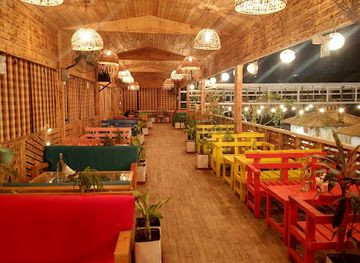
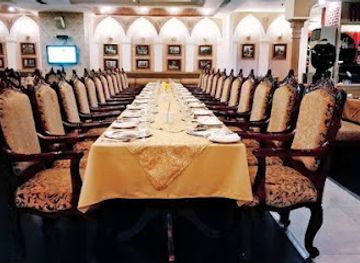
Haryana’s food culture is closely linked to wheat farming, dairy production and the substantial meals of north Indian agricultural communities. Rotis and parathas are commonly served with seasonal vegetables, pulses, pickles, yoghurt and fresh or clarified-butter-based dairy products. Bajra, or pearl millet, is especially associated with winter cooking in the broader north-western plains, while lassi, chaach and other dairy drinks are widely available. Rural eateries and roadside stops often focus on filling vegetarian fare, with meat dishes more prominent in urban restaurants and some Muslim culinary traditions. Gurugram and Faridabad offer the state’s broadest choice of regional Indian and international dining, while Kurukshetra and Panipat cater to pilgrims, travellers and local families. Markets and established sweet shops are useful places to sample jalebi, peda and other north Indian confections, but visitors should choose busy premises with good food turnover and clean preparation areas.
-
Family-friendly
Bikanervala
Explore the culinary heritage at Bikanervala - where Indian flavors meet family-friendly dining in Gurugram.
-
Buffet
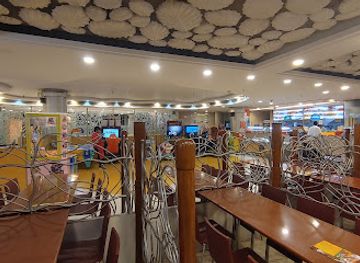
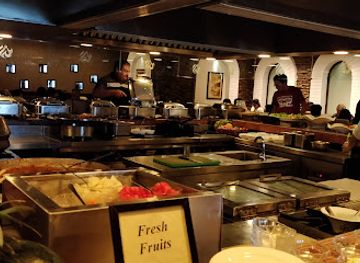
Indian Grill Room
Experience authentic North Indian flavors at Indian Grill Room's lavish buffet in Gurugram - a must-visit culinary destination.
-
North Indian
The Forestta
Discover the enchanting dining experience at The Forestta in Gurugram with diverse cuisines including North Indian, Chinese, Italian, and Mughlai delights.
-
Fine Dining
21 Gun Salute
Indulge in royal Mughlai flavors and exquisite continental dishes at Gurugram's premier fine dining destination.
Best bars in Haryana
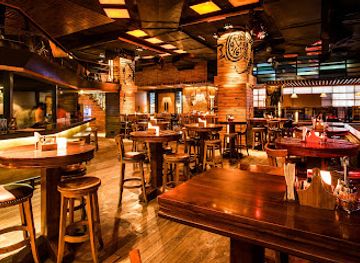
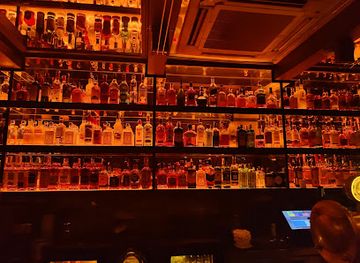
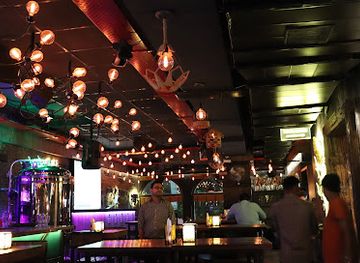
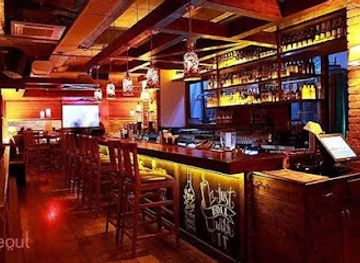
Haryana’s evening character varies sharply between the corporate districts around Gurugram and the smaller cities and rural areas. Gurugram has the state’s largest concentration of contemporary restaurants, breweries, cocktail bars, lounges and live entertainment, particularly in its major commercial and hospitality zones. Faridabad also has restaurants and bars, though its nightlife is generally less concentrated. In Panipat, Karnal, Hisar and Kurukshetra, evenings tend to centre on family restaurants, cafés, sweet shops and traditional tea stops rather than an extensive club scene. Rural Haryana is quieter after dark, with social life often organised around homes, community spaces and roadside eateries. Alcohol regulations and licensing arrangements can differ by venue and may change, so visitors should follow local rules and carry identification when required.
-
Brewpub
Manhattan Bar & Brewery
Discover the lively Manhattan Bar & Brewery in Gurugram, where craft beer meets North Indian cuisine in a vibrant atmosphere.
-
Brewery
Downtown Diner & Fresh Beer Cafe
Experience the vibrant flavors of Gurugram at Downtown Diner & Fresh Beer Cafe, a top destination for craft beer and delicious cuisine.
-
Pub
Walking Street
Discover the electrifying nightlife at Walking Street in Gurugram, where vibrant bars, live music, and delicious cuisine await your arrival.
-
Brewpub
Open Tap
Experience the vibrant craft beer scene at Open Tap, a premier brewpub in Gurugram offering artisanal brews and a lively atmosphere.
Best nightclubs in Haryana
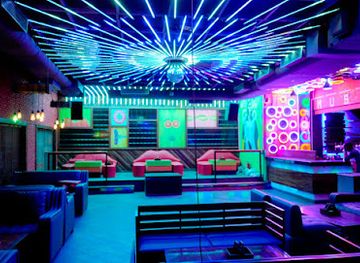
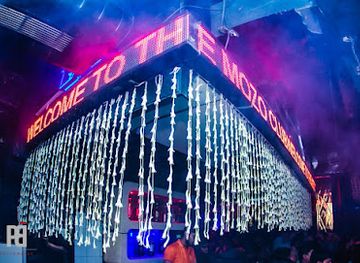
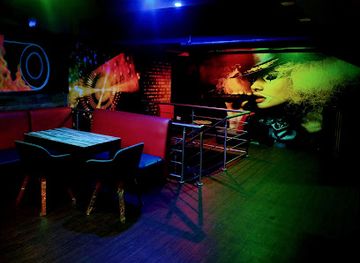
Haryana’s evening character varies sharply between the corporate districts around Gurugram and the smaller cities and rural areas. Gurugram has the state’s largest concentration of contemporary restaurants, breweries, cocktail bars, lounges and live entertainment, particularly in its major commercial and hospitality zones. Faridabad also has restaurants and bars, though its nightlife is generally less concentrated. In Panipat, Karnal, Hisar and Kurukshetra, evenings tend to centre on family restaurants, cafés, sweet shops and traditional tea stops rather than an extensive club scene. Rural Haryana is quieter after dark, with social life often organised around homes, community spaces and roadside eateries. Alcohol regulations and licensing arrangements can differ by venue and may change, so visitors should follow local rules and carry identification when required.
-
Disco club
4U Club
Experience the electrifying nightlife at 4U Club, a premier disco club in Gurugram, offering vibrant music, refreshing drinks, and unforgettable moments.
-
Night club
The Mozo Night Club
Discover the electrifying atmosphere of The Mozo Night Club in Gurugram, where music, dance, and vibrant nightlife await you.
-
Disco club
Club 18 The Best Disco
Club 18: Gurugram's ultimate disco experience, where vibrant nightlife meets unforgettable memories.
-
Disco club
The Midnight Club - Night Club in Gurgaon - Club in Gurgaon - Best Night Club in Gurgaon
Discover the electrifying nightlife at The Midnight Club in Gurugram, where dance, music, and unforgettable memories await every visitor.

Best shops in Haryana
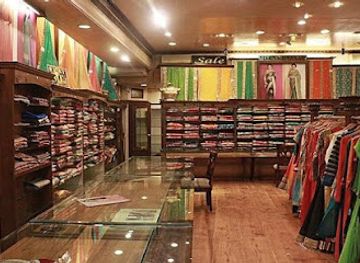
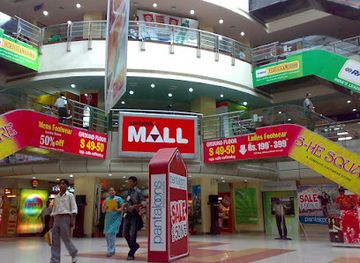
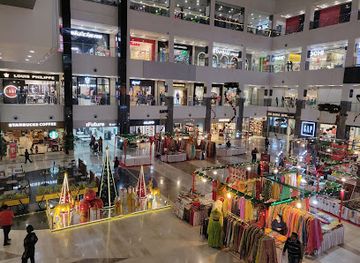
Shopping in Haryana is strongest in its market towns, urban commercial centres and craft-oriented destinations rather than in a single state-wide retail district. Gurugram provides large modern shopping complexes, international brands, independent cafés and contemporary lifestyle stores, while Faridabad combines established markets with newer retail development. Panipat is widely associated with textiles, including handloom and home-furnishing products, making it a practical place to look for rugs, blankets and fabric goods, though quality and provenance should be checked carefully. Kurukshetra’s shops cater to pilgrims with religious images, books, devotional items and local sweets. Around Surajkund, craft traditions from Haryana and other Indian states are represented in seasonal cultural programming, but exact event arrangements change. Across the state, market towns are useful for spices, dairy sweets, pottery, bangles and practical household goods; bargaining may be expected in informal markets but is less appropriate in fixed-price shops and established stores.
-
Shopping mall
AMBIENCE MALL, GURUGRAM
Explore Ambience Mall in Gurugram for a unique blend of shopping, dining, and entertainment, perfect for every tourist's itinerary.
-
Shopping mall
Crown Interiorz Mall
Discover shopping, dining, and entertainment at Crown Interiorz Mall, the ultimate destination for tourists in Faridabad.
-
Shopping mall
Sahara Mall
Sahara Mall: Your Ultimate Shopping and Entertainment Destination in Gurugram, Haryana, Offering a Unique Blend of Retail and Culinary Experiences.
-
Shopping mall
Ardee Mall
Experience the exciting blend of shopping, dining, and entertainment at Ardee Mall, Gurugram's ultimate retail destination.

Get your free copy of our complete guide to Haryana, delivered straight to you.
Everything on this page, from attractions and restaurants to essentials and local phrases, in one PDF you can read offline, print or share.
Already have an account? Sign in
Your Haryana guide is ready.
We'll send it to · Not you? Sign out

Getting your guide ready…
We are putting together a fresh copy of the Haryana guide. This can take up to a minute.
This can take a few moments. If your browser asks, choose Allow so the download can start. You'll find the guide in your Downloads folder.
Nothing happened? Download it again
Sorry, the guide is taking longer than usual. Please try again in a minute, or get it by email instead.
Haryana essentials
Currency and Payment
Safety
Emergency Situations
Do's and Don'ts
Local Tips
From Eve
Local phrases worth knowing
You don't need to get them perfect. A few words go a long way, and locals appreciate the effort.
Basics
| English | Local | Say it |
|---|---|---|
| Hello | नमस्ते | [Namaste] |
| Goodbye | अलविदा | [Alvida] |
| Yes | हाँ | [Haan] |
| No | नहीं | [Nahin] |
| Please/You're welcome | कृपया / आपका स्वागत है | [Kripya / Aapka Swagat Hai] |
| Thank you | धन्यवाद | [Dhanyavaad] |
| Excuse me/Sorry | माफ कीजिए | [Maaf Kijiye] |
| How are you? | आप कैसे हैं? | [Aap Kaise Hain?] |
| Fine. And you? | ठीक है। और आप? | [Theek Hai. Aur Aap?] |
| Do you speak English? | क्या आप अंग्रेज़ी बोलते हैं? | [Kya Aap Angrezi Bolte Hain?] |
| I don't understand | मुझे समझ में नहीं आता | [Mujhe Samajh Mein Nahin Aata] |
Eating & Drinking
| English | Local | Say it |
|---|---|---|
| I'd like to see the menu, please | कृपया मेनू दिखाइए | [Kripya Menu Dikhaiye] |
| I don't eat meat | मैं मांस नहीं खाता | [Main Maas Nahin Khata] |
| Cheers! | चियर्स! | [Cheers!] |
| I would like to pay, please | कृपया मुझे बिल दें | [Kripya Mujhe Bill Dain] |
Emergencies
| English | Local | Say it |
|---|---|---|
| Help! | मदद करें! | [Madad Karen!] |
| Go away! | जाओ यहाँ से! | [Jaao Yahaan Se!] |
| Call the Police! | पुलिस को बुलाओ! | [Police Ko Bulao!] |
| Call a doctor! | डॉक्टर को बुलाओ! | [Doctor Ko Bulao!] |
| I'm lost | मैं खो गया हूँ | [Main Kho Gaya Hoon] |
| I'm ill | मैं बीमार हूँ | [Main Bimar Hoon] |
Shopping
| English | Local | Say it |
|---|---|---|
| I'd like to buy... | मैं ... खरीदना चाहता हूँ | [Main ... Kharidna Chahta Hoon] |
| I'm just looking | मैं बस देख रहा हूँ | [Main Bas Dekh Raha Hoon] |
| How much is it? | यह कितना है? | [Yeh Kitna Hai?] |
| That's too expensive | यह बहुत महंगा है | [Yeh Bahut Mehnga Hai] |
| Can you lower the price? | क्या आप कीमत कम कर सकते हैं? | [Kya Aap Keemat Kam Kar Sakte Hain?] |
Time & Numbers
| English | Local | Say it |
|---|---|---|
| What time is it? | क्या समय है? | [Kya Samay Hai?] |
| It's one o'clock | यह एक बजे है | [Yeh Ek Baje Hai] |
| Half past (10) | साढ़े (10) | [Saade (10)] |
| Morning | सुबह | [Subah] |
| Afternoon | दोपहर | [Dopahar] |
| Evening | शाम | [Shaam] |
| Yesterday | कल | [Kal] |
| Today | आज | [Aaj] |
| Tomorrow | कल | [Kal] |
| 1 | 1 | [1] |
| 2 | 2 | [2] |
| 3 | 3 | [3] |
| 4 | 4 | [4] |
| 5 | 5 | [5] |
| 6 | 6 | [6] |
| 7 | 7 | [7] |
| 8 | 8 | [8] |
| 9 | 9 | [9] |
| 10 | 10 | [10] |
Transport & Directions
| English | Local | Say it |
|---|---|---|
| Where's a/the...? | कहाँ है ...? | [Kahan Hai ...?] |
| What's the address? | पता क्या है? | [Pata Kya Hai?] |
| Can you show me (on the map)? | क्या आप मुझे दिखा सकते हैं (नक्शे पर)? | [Kya Aap Mujhe Dikha Sakte Hain (Nakshae Par)?] |
| When's the next (bus)? | अगली (बस) कब है? | [Agli (Bus) Kab Hai?] |
| A ticket (to ....) | एक टिकट (.... के लिए) | [Ek Ticket (.... Ke Liye)] |
History of Haryana
Indus Valley Civilisation at Rakhigarhi
Rakhigarhi, in Hisar district, is one of the largest known settlements associated with the Indus Valley Civilisation, which flourished across parts of north-western South Asia during the third millennium BCE. Excavated remains indicate planned habitation, craft production and long-distance cultural connections. The site places Haryana within a major Bronze Age network rather than at the margins of early urban history. Archaeological work has also drawn attention to burial practices, ceramics and the organisation of settlement life. Visitors should regard Rakhigarhi as an archaeological landscape whose interpretation continues to develop, not simply as a collection of isolated ruins.
Kurukshetra and the Sacred Landscape
Kurukshetra became one of northern India’s most important sacred landscapes through its association with the Mahabharata and the Bhagavad Gita. The traditions attached to the region are religious and literary rather than straightforward archaeological proof of every episode, but they have shaped pilgrimage for centuries. Tanks, temples, shrines and monasteries developed around places such as Brahma Sarovar and Jyotisar. The area’s importance was reinforced by its position in the broad cultural corridor of the upper Ganges and Yamuna plains. Today, Kurukshetra combines pilgrimage, museum interpretation and public commemoration of India’s epic heritage.
Medieval Kingdoms and the Grand Trunk Corridor
Haryana’s location between Delhi and the north-western approaches made it strategically important during the medieval period. Roads crossing the plains carried armies, merchants, pilgrims and administrators, while towns such as Thanesar and Panipat gained importance from their position on major routes. The region experienced the influence of the Delhi Sultanate, later Mughal rule and the shifting powers that competed for control of northern India. Monuments in and around Thanesar, including the complex associated with Sheikh Chilli, reflect the area’s religious, scholarly and architectural connections during this period.
The Three Battles of Panipat
Panipat witnessed three decisive battles: in 1526, Babur defeated Ibrahim Lodi and established Mughal power in northern India; in 1556, Akbar’s forces defeated Hemu in the struggle that consolidated the Mughal succession; and in 1761, Ahmad Shah Abdali defeated the Marathas in a conflict with far-reaching consequences for the politics of the subcontinent. The battles occurred because Panipat controlled the approach to Delhi across open plains and lay beside an important north-western route. Museums, memorials and surviving battlefield landscapes help explain the city’s strategic importance.
Mughal Gardens and Regional Courts
The Pinjore Gardens, also known as Yadavindra Gardens, represent the movement of Mughal garden design into the Shivalik foothills. Developed in the seventeenth century under the patronage of Fidai Khan, an official associated with the Mughal court, the gardens use terraces, water channels, pavilions and axial planning to adapt formal design to sloping terrain. Their later association with the rulers of the former princely state of Patiala added another layer to their history. The gardens remain one of Haryana’s clearest examples of how imperial aesthetic traditions were reshaped by regional courts and landscapes.
Colonial Roads, Canals and Agricultural Change
Under British rule, Haryana’s plains were increasingly connected through roads, railways and canal irrigation, while administrative settlements and market towns grew around these networks. Agricultural production expanded as water management changed the possibilities of cultivation, although the benefits and burdens of colonial policy were unevenly distributed. The Grand Trunk Road and railway corridors strengthened Panipat, Ambala and other commercial centres. These developments laid foundations for the region’s later agricultural economy, but they also tied local production more closely to external markets and imperial administration.
Formation of Haryana and Post-Independence Transformation
Haryana was created as a separate state from the larger Punjab state in 1966, following linguistic and administrative demands. Chandigarh became the shared capital of Haryana and Punjab while remaining a Union Territory. In the decades after independence, irrigation, agricultural research, improved seeds and rural infrastructure helped Haryana become one of India’s important food-producing states. Later, the Delhi metropolitan region encouraged rapid growth around Gurugram and Faridabad, bringing offices, universities, manufacturing and large residential developments. The state today reflects the coexistence of intensive agriculture, historic pilgrimage centres and a highly urbanised southern corridor.
Haryana in Photos
Browse through our photo collection highlighting the charm and character of the destination.
Neighbouring regions of Haryana
The closest regions to Haryana, if you have time for more than one.
-

-

-

-

-


Swipe for more regions
Explore more

Explore more of India
Discover the magic of India, where diverse landscapes, rich heritage, and vibrant culture come together to create an unforgettable travel experience.
Explore India