

Free North India Travel Guide & Mobile App
Explore North India with free travel guides. Discover regional history, expert tips, proposed trips, and audio guides on web or mobile app.


Explore North India for Mughal monuments, Rajput forts, Sikh heritage, sacred rivers, Himalayan landscapes and richly varied regional cuisine.
Read more about North India
When is the best time to visit North India?
Best: February–March, November · 22–28°C| Month | High (°C) | Rainfall (mm) |
|---|---|---|
| January | 18 | 25 |
| February (best) | 22 | 20 |
| March (best) | 28 | 15 |
| April | 34 | 10 |
| May | 40 | 5 |
| June | 38 | 70 |
| July | 35 | 120 |
| August | 34 | 110 |
| September | 33 | 80 |
| October | 30 | 25 |
| November (best) | 24 | 10 |
| December | 19 | 15 |
Getting to and around North India
How to get there
Transportation
Top city travel guides in North India
The cities of North India, and the easiest places to base yourself.
-

-

-

-

-

-


Swipe for more cities
Destinations in North India
Resorts, valleys and scenic spots worth a trip of their own.
-

-

-

-

-

-


Swipe for more destinations
Best attractions in North India
North India's attractions range from imperial monuments and archaeological sites to pilgrimage centres, wildlife areas and high mountain landscapes. Delhi provides an extensive introduction through the Red Fort, Humayun's Tomb, Qutb Minar complex and museums, while nearby Agra adds the Taj Mahal and Agra Fort, and Fatehpur Sikri offers a remarkable planned Mughal city. Rajasthan is defined by the forts and palace districts of Jaipur, Jodhpur, Udaipur, Jaisalmer and Chittorgarh, alongside stepwells, havelis and desert-edge settlements. Amritsar's Golden Temple is both a major religious destination and a living centre of Sikh service and community. Varanasi, Haridwar and Mathura reveal different aspects of sacred river and pilgrimage culture. In the north, visitors can walk, trek, ski or observe wildlife in the Himalayan states, with destinations ranging from the valleys of Himachal Pradesh and Uttarakhand to the high-altitude monasteries and stark landscapes of Ladakh. The variety is considerable, but journeys between these environments require realistic planning.
-
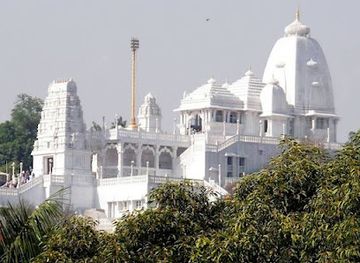
Hindu temple
Birla Mandir
Explore the stunning Birla Mandir, a serene Hindu temple in Hyderabad known for its exquisite white marble architecture and breathtaking city views.
-
Hindu temple
Maa Mansa Devi Temple, Niranjani Akhada Haridwar
Explore the enchanting Maa Mansa Devi Temple in Haridwar, a sacred site offering breathtaking views, rich traditions, and a serene atmosphere.
-
Tourist attraction
Kempty Falls
Discover the enchanting Kempty Falls in Mussoorie, where nature's beauty meets adventure in a breathtaking setting.
-
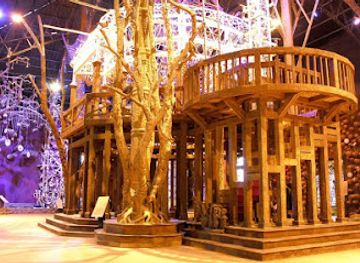
Heritage museum
Madhya Pradesh Tribal Museum
Immerse yourself in the vibrant culture of India's tribal communities at the Madhya Pradesh Tribal Museum in Bhopal, a captivating heritage experience.


Best landmarks in North India
North India's most recognisable landmarks express the region's layered political, religious and geographical history. The Taj Mahal in Agra is the celebrated Mughal mausoleum commissioned by Shah Jahan, while Agra Fort and Delhi's Red Fort reveal the defensive and ceremonial power of the empire. The Qutb Minar complex in Delhi marks the early Sultanate period, and New Delhi's government district represents the planned architecture of British rule. Rajasthan's hill forts, including Chittorgarh, Kumbhalgarh, Amer and Mehrangarh, dominate their surrounding landscapes and embody the ambitions of Rajput states; Jaisalmer Fort remains distinctive as a historic inhabited citadel. The Golden Temple in Amritsar is a major Sikh landmark whose pool, gilded sanctum and communal institutions form a living religious complex. Along the Ganges, the ghats of Varanasi and Haridwar are ceremonial riverfront landscapes rather than single monuments. In the Himalayas, high-altitude monasteries, passes and valleys provide a different kind of landmark, shaped by Buddhist traditions, dramatic terrain and difficult access.
-
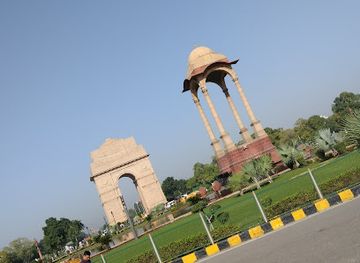
Monument
India Gate
Explore India Gate, a stunning war memorial in New Delhi that honors fallen soldiers and offers a vibrant cultural experience amidst lush surroundings.
-
Observatory
George Everest House
Explore the George Everest House in Mussoorie, a historical landmark with stunning views and rich heritage nestled in the majestic Himalayas.
-
Buddhist temple
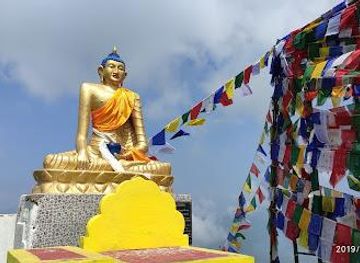
Dalai Hill
Discover serenity at Dalai Hill, a tranquil Buddhist temple in Mussoorie, offering stunning views and spiritual solace amidst nature.
-
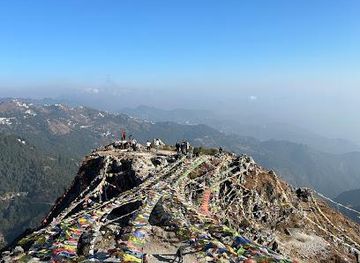
Hill Station
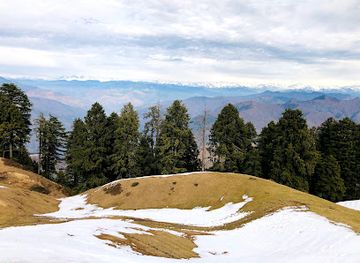
Moila Top
Experience the breathtaking beauty and tranquility of Moila Top, a serene hill station in Uttarakhand, perfect for nature lovers and adventure seekers alike.
Explore North India on the map
Plan your trip on one map. See where the top cities, national parks and sights are, and book hotels and experiences in a few clicks.
Best hotels in North India
Best restaurants in North India
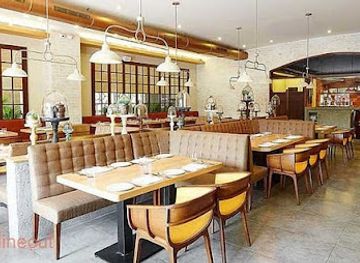
North Indian dining is best understood as a collection of regional cuisines rather than a single style. Delhi and Punjab are strong places to encounter tandoor cooking, stuffed breads, kebabs, pulses and dairy-rich dishes, while Lucknow is associated with refined Awadhi preparations, slow-cooked meats and delicate kebabs. Rajasthan's food reflects a dry climate through dishes based on grains, lentils, beans, clarified butter and preserved ingredients, with regional specialities varying between cities and communities. Uttar Pradesh contributes a wide range of vegetarian food, sweets, chaats and pilgrimage-town snacks, while the Himalayan states offer breads, noodles, dairy products and warming broths influenced by local environments and neighbouring cultures. Look for traditional restaurants, family dining rooms, cafés, hotel kitchens, roadside eateries and market stalls, choosing busy establishments with good food turnover. Markets and farmers' stalls are useful for seasonal fruit, spices, pickles, sweets and regional snacks, although visitors should take sensible care with untreated water and raw food.
-
Indian
Mirchi & Mime
Experience authentic Indian cuisine at Mirchi & Mime – where tradition meets innovation in Powai's vibrant dining scene.
-
Indian
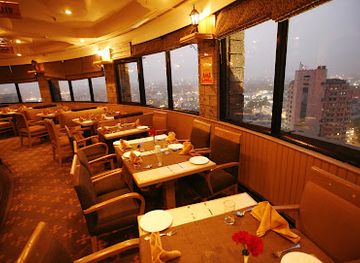
Parikrama The Revolving Restaurant
Indulge in exquisite cuisine while enjoying breathtaking 360-degree views of New Delhi at Parikrama The Revolving Restaurant.
-
Indian
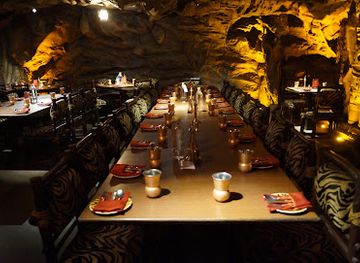
Gufha Restaurant, Jayanagar
Experience the enchanting flavors of Indian and Afghan cuisine at Gufha Restaurant in Jayanagar, Bengaluru - a must-visit culinary haven.
-
Indian
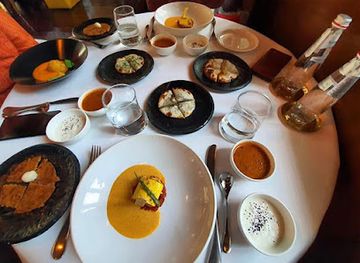
Indian Accent
Discover exquisite flavors at Indian Accent, where traditional Indian cuisine meets contemporary fine dining in New Delhi's vibrant culinary scene.
Best bars in North India
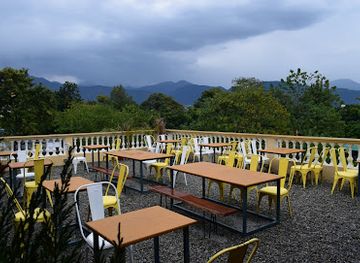
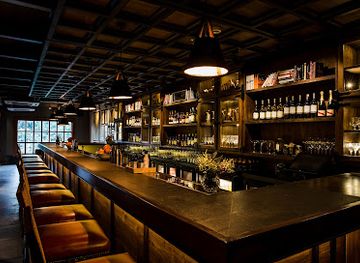
Evening life varies sharply across North India. Delhi has the region's broadest choice of cocktail bars, craft-beverage rooms, live-music venues, hotel lounges and late-night entertainment, while Jaipur, Chandigarh, Lucknow and major tourist centres offer more concentrated selections. In Amritsar, Varanasi, Haridwar and other pilgrimage destinations, religious activity and early-morning rituals often matter more than nightlife, with evenings centred on restaurants, tea stalls, cultural performances or riverfront ceremonies rather than clubs. Rajasthan's heritage hotels and urban districts provide bars and lounges, although licensing and opening arrangements differ. In mountain towns, nightlife generally revolves around cafés, small bars, live music and guesthouse gatherings, with quieter evenings outside peak seasons. Drink responsibly, check local rules and dress expectations, and do not assume that alcohol is available in every town, particularly near religious centres or in more remote areas.
-
Brewpub
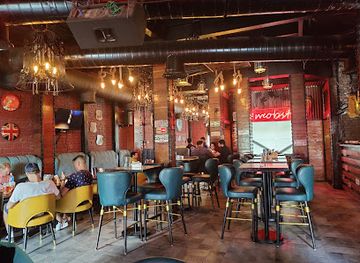
Ministry of Beer CP
Experience the perfect blend of craft beer and fusion cuisine at Ministry of Beer CP, the heart of New Delhi's vibrant nightlife.
-
Grill
Whisky Samba
Discover the vibrant culinary fusion of Asian and Italian cuisines at Whisky Samba, a must-visit grill restaurant in Gurugram.
-
Gastropub
House of TGIP
Discover House of TGIP in Dehradun, where exquisite dining meets a lively atmosphere in a premier gastropub setting.
-
Bar
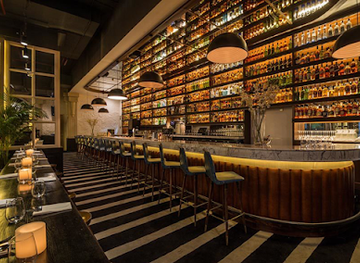
SIDECAR
Discover the vibrant cocktail culture and diverse cuisine at SIDECAR in New Delhi's Greater Kailash, a must-visit for food and nightlife lovers.
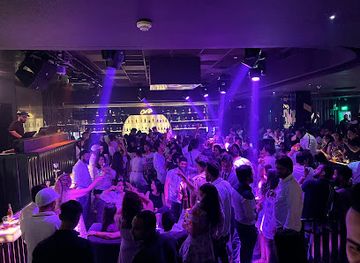
Best nightclubs in North India
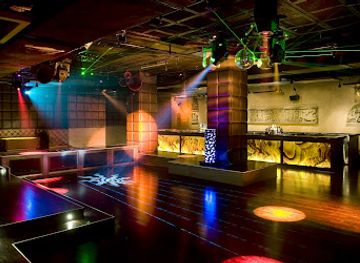
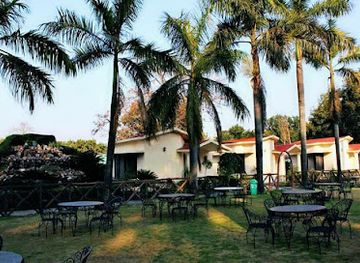
Evening life varies sharply across North India. Delhi has the region's broadest choice of cocktail bars, craft-beverage rooms, live-music venues, hotel lounges and late-night entertainment, while Jaipur, Chandigarh, Lucknow and major tourist centres offer more concentrated selections. In Amritsar, Varanasi, Haridwar and other pilgrimage destinations, religious activity and early-morning rituals often matter more than nightlife, with evenings centred on restaurants, tea stalls, cultural performances or riverfront ceremonies rather than clubs. Rajasthan's heritage hotels and urban districts provide bars and lounges, although licensing and opening arrangements differ. In mountain towns, nightlife generally revolves around cafés, small bars, live music and guesthouse gatherings, with quieter evenings outside peak seasons. Drink responsibly, check local rules and dress expectations, and do not assume that alcohol is available in every town, particularly near religious centres or in more remote areas.
-
Night club
Kitty Su New Delhi
Experience the vibrant nightlife of New Delhi at Kitty Su, where luxury meets exhilarating music for an unforgettable evening.
-
Resort hotel
Midway Resort Lounge & Bar
Discover the perfect blend of relaxation and nightlife at Midway Resort Lounge & Bar in Rishikesh, Uttarakhand.
-
Night club
Club BW
Discover the energetic nightlife at Club BW, a premier night club in New Delhi with top DJs and an unforgettable atmosphere.
-
Night club
The Mozo Night Club
Discover the ultimate party destination at The Mozo Night Club in Gurugram, where the nightlife is electrifying and memories are made.

Best shops in North India
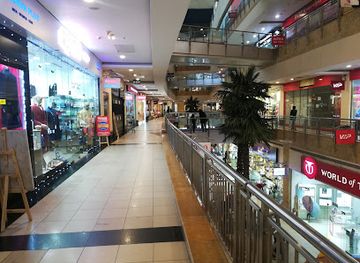
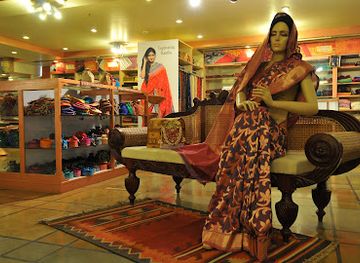
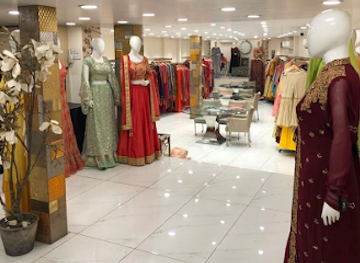
Shopping in North India ranges from dense urban bazaars and modern centres to craft villages, pilgrimage markets and historic high streets. Delhi is the broadest regional hub, with markets and specialist districts associated with textiles, books, jewellery, spices, handicrafts and contemporary design. Jaipur is noted for gemstones, block printing, blue pottery, textiles and traditional craft workshops, while Jodhpur, Udaipur and Jaisalmer offer carved objects, leather goods, fabrics and decorative arts, with quality and provenance varying considerably. Amritsar is a useful place to look for Punjabi textiles, food products and religious items, and Lucknow is associated with chikankari embroidery and other regional handicrafts. Himalayan towns sell woollens, shawls, carved items, teas and locally produced foods, though authenticity should not be assumed simply because an item is presented as local. Farmers' markets, sweet shops, spice sellers and cooperative emporia are often better choices for portable regional products than generic souvenir stalls.
-
Shopping mall
The Great India Place
Discover The Great India Place: Noida's ultimate shopping and entertainment destination with diverse stores and exquisite dining.
-
Clothing store
Satyam Mall
Discover fashion, fun, and food at Satyam Mall, a vibrant shopping haven in Nagpur catering to all your clothing needs.
-
Craft store
Central Cottage Industries Emporium
Explore the Central Cottage Industries Emporium, a vibrant hub of Indian craftsmanship, showcasing exquisite handicrafts and textiles in the heart of New Delhi.
-
Bridal shop
Kanchan Fashion - Clothing & Bridal Store
Discover the essence of Indian bridal fashion at Kanchan Fashion, Chandni Chowk – home to exquisite wedding attire and personalized service.

Get your free copy of our complete guide to North India, delivered straight to you.
Everything on this page, from attractions and restaurants to essentials and local phrases, in one PDF you can read offline, print or share.
Already have an account? Sign in
Your North India guide is ready.
We'll send it to · Not you? Sign out

Getting your guide ready…
We are putting together a fresh copy of the North India guide. This can take up to a minute.
This can take a few moments. If your browser asks, choose Allow so the download can start. You'll find the guide in your Downloads folder.
Nothing happened? Download it again
Sorry, the guide is taking longer than usual. Please try again in a minute, or get it by email instead.
North India essentials
Currency and Payment
Safety
Emergency Situations
Do's and Don'ts
Local Tips
From Eve
Local phrases worth knowing
You don't need to get them perfect. A few words go a long way, and locals appreciate the effort.
Basics
| English | Local | Say it |
|---|---|---|
| Hello | नमस्ते | [Namaste] |
| Goodbye | अलविदा | [Alvida] |
| Yes | हाँ | [Haan] |
| No | नहीं | [Nahin] |
| Please/You're welcome | कृपया/आपका स्वागत है | [Kripya/Aapka Swagat Hai] |
| Thank you | धन्यवाद | [Dhanyavaad] |
| Excuse me/Sorry | माफ कीजिए/सॉरी | [Maaf Kijiye/Sorry] |
| How are you? | आप कैसे हैं? | [Aap Kaise Hain?] |
| Fine. And you? | मैं ठीक हूँ। और आप? | [Main Theek Hoon. Aur Aap?] |
| Do you speak English? | क्या आप अंग्रेज़ी बोलते हैं? | [Kya Aap Angrezi Bolte Hain?] |
| I don't understand | मुझे समझ नहीं आता | [Mujhe Samajh Nahi Aata] |
Eating & Drinking
| English | Local | Say it |
|---|---|---|
| I'd like to see the menu, please | कृपया मुझे मेनू दिखाइए | [Kripya Mujhe Menu Dikhaiye] |
| I don't eat meat | मैं मांस नहीं खाता/खाती | [Main Maans Nahi Khata/Khati] |
| Cheers! | स salud! | [Saalud!] |
| I would like to pay, please | कृपया मुझे बिल दे दीजिए | [Kripya Mujhe Bill De Dijiye] |
Emergencies
| English | Local | Say it |
|---|---|---|
| Help! | मदद! | [Madad!] |
| Go away! | चले जाओ! | [Chale Jao!] |
| Call the Police! | पुलिस को बुलाओ! | [Police Ko Bulao!] |
| Call a doctor! | डॉक्टर को बुलाओ! | [Doctor Ko Bulao!] |
| I'm lost | मैं खो गया/गई हूँ | [Main Kho Gaya/Gayi Hoon] |
| I'm ill | मैं बीमार हूँ | [Main Beemar Hoon] |
Shopping
| English | Local | Say it |
|---|---|---|
| I'd like to buy... | मैं ... खरीदना चाहता/चाहती हूँ | [Main ... Kharidna Chahta/Chahti Hoon] |
| I'm just looking | मैं बस देख रहा/रही हूँ | [Main Bas Dekh Raha/Rahi Hoon] |
| How much is it? | यह कितना है? | [Yah Kitna Hai?] |
| That's too expensive | यह बहुत महंगा है | [Yah Bahut Mehenga Hai] |
| Can you lower the price? | क्या आप कीमत कम कर सकते हैं? | [Kya Aap Keemat Kam Kar Sakte Hain?] |
Time & Numbers
| English | Local | Say it |
|---|---|---|
| What time is it? | क्या समय हुआ है? | [Kya Samay Hua Hai?] |
| It's one o'clock | यह एक बजा है | [Yah Ek Baja Hai] |
| Half past (10) | साढ़े (10) | [Saade (10)] |
| Morning | सुबह | [Subah] |
| Afternoon | दोपहर | [Dopahar] |
| Evening | शाम | [Shaam] |
| Yesterday | कल | [Kal] |
| Today | आज | [Aaj] |
| Tomorrow | कल | [Kal] |
| 1 | 1 | [1] |
| 2 | 2 | [2] |
| 3 | 3 | [3] |
| 4 | 4 | [4] |
| 5 | 5 | [5] |
| 6 | 6 | [6] |
| 7 | 7 | [7] |
| 8 | 8 | [8] |
| 9 | 9 | [9] |
| 10 | 10 | [10] |
Transport & Directions
| English | Local | Say it |
|---|---|---|
| Where's a/the...? | कहाँ है ...? | [Kahan Hai ...?] |
| What's the address? | पता क्या है? | [Pata Kya Hai?] |
| Can you show me (on the map)? | क्या आप मुझे (नक्शे पर) दिखा सकते हैं? | [Kya Aap Mujhe (Nakshe Par) Dikha Sakte Hain?] |
| When's the next (bus)? | अगली (बस) कब है? | [Agli (Bus) Kab Hai?] |
| A ticket (to ....) | एक टिकट (.... के लिए) | [Ek Ticket (... Ke Liye)] |
History of North India
Early Civilisations and the Indus Tradition
North India's historical foundations reach back to the Indus civilisation, represented in the region by sites including Rakhigarhi in Haryana, one of the largest known settlements of that civilisation. Later Vedic communities developed across the north-western and Gangetic plains, while the emergence of towns, kingdoms and trade routes transformed the landscape during the first millennium BCE. These early periods established patterns of agriculture, urban settlement, religious thought and long-distance exchange that continued to shape the subcontinent. Archaeological remains, ancient literary traditions and the locations of later sacred cities all reflect the depth of this early history.
Buddhist and Mauryan North India
The rise of the Mahajanapadas, or major kingdoms, made the Gangetic plain a centre of political and intellectual change. The Mauryan Empire, founded in the fourth century BCE, united much of northern India and reached its greatest influence under Ashoka. His support for Buddhism helped spread the faith across the region and beyond, while pillars, inscriptions and monastic sites preserve aspects of his imperial programme. Sarnath near Varanasi, where Buddhist tradition holds that the Buddha first taught after enlightenment, remains one of the most important religious and archaeological sites associated with this era.
Delhi Sultanate and the Growth of Northern Cities
From the twelfth century, a succession of Turkic and Afghan dynasties established the Delhi Sultanate, making Delhi a major political centre. Fortifications, mosques, tombs, reservoirs and new urban settlements expanded around the capital, while Persianate administrative and artistic influences blended with established Indian traditions. The period also saw changing patterns of landholding, trade and military power across the plains. The Qutb complex, the surviving gates and monuments of historic Delhi, and architectural traditions visible in northern cities record the political and cultural transformations of the medieval sultanates.
Mughal Rule and the Architecture of Empire
The Mughal Empire was founded in North India after Babur's victory at Panipat in 1526 and reached an architectural and administrative height under rulers including Akbar, Jahangir and Shah Jahan. Agra and Delhi served as major imperial capitals, while Fatehpur Sikri illustrates Akbar's ambitious planned court city. Mughal patronage shaped gardens, painting, literature, cuisine and monumental architecture, including the Taj Mahal and the Red Fort in Delhi. Mughal influence did not erase regional cultures; it interacted with Rajput courts, Sikh communities and many local artistic traditions.
Rajput States and the Fortified Landscapes of Rajasthan
Across Rajasthan, Rajput dynasties developed courts, trading towns and fortified strongholds adapted to arid terrain and changing military technology. The forts of Jaipur, Jodhpur, Chittorgarh, Kumbhalgarh and Jaisalmer reflect different political histories and architectural responses, from hilltop defences to desert citadels. Rajput rulers negotiated, resisted and allied with larger powers, including the Mughals, while courtly patronage supported painting, music, textiles and palace construction. The region's havelis, stepwells and temple complexes also reveal the importance of merchant networks and religious institutions.
Sikh History and the Formation of Punjab
Sikh history developed in the Punjab from the late fifteenth century through the teachings of the Gurus and the growth of Sikh institutions. Amritsar became a central spiritual and cultural centre, with the Harmandir Sahib, commonly known as the Golden Temple, occupying a particularly important place in Sikh religious life. In the eighteenth and early nineteenth centuries, Sikh political power expanded under Maharaja Ranjit Singh, whose kingdom was centred in Lahore, now in Pakistan, while Amritsar remained a major centre on the Indian side of the Punjab. Partition in 1947 divided the historic Punjab and brought profound demographic and social change.
British Rule, the 1857 Rebellion and Colonial Delhi
The East India Company's expanding power and later direct British rule reshaped northern India through new systems of administration, taxation, railways and military recruitment. The uprising of 1857 began at Meerut and spread across Delhi, Kanpur, Lucknow and other parts of the north, exposing deep opposition to Company rule before Britain assumed direct control. In 1911, the imperial capital moved from Calcutta to Delhi, leading to the construction of New Delhi with its broad avenues, government buildings and planned civic spaces. Colonial infrastructure remains a prominent layer of the region's urban history.
Independence, Partition and Contemporary North India
India became independent in 1947, but Partition divided British India and caused enormous displacement, particularly in Punjab and Bengal. Delhi and other northern cities absorbed refugees whose businesses, neighbourhoods and cultural institutions influenced post-independence urban life. The republic's later decades brought industrialisation, expanded transport, educational growth and rapid metropolitan development, while tourism and heritage conservation gave new prominence to historic monuments. Today North India combines major political and commercial centres with pilgrimage economies, agricultural districts, craft communities, protected landscapes and rapidly changing cities.
North India in Photos
Browse through our photo collection highlighting the charm and character of the destination.
Neighbouring regions of North India
The closest regions to North India, if you have time for more than one.
-

-
-

-

-


Swipe for more regions
Explore more

Explore more of India
Discover the magic of India, where diverse landscapes, rich heritage, and vibrant culture come together to create an unforgettable travel experience.
Explore India