
Himachal Pradesh, India Travel Guide
Explore the majestic landscapes, rich culture, and thrilling adventures of Himachal Pradesh – a Himalayan paradise in northern India.
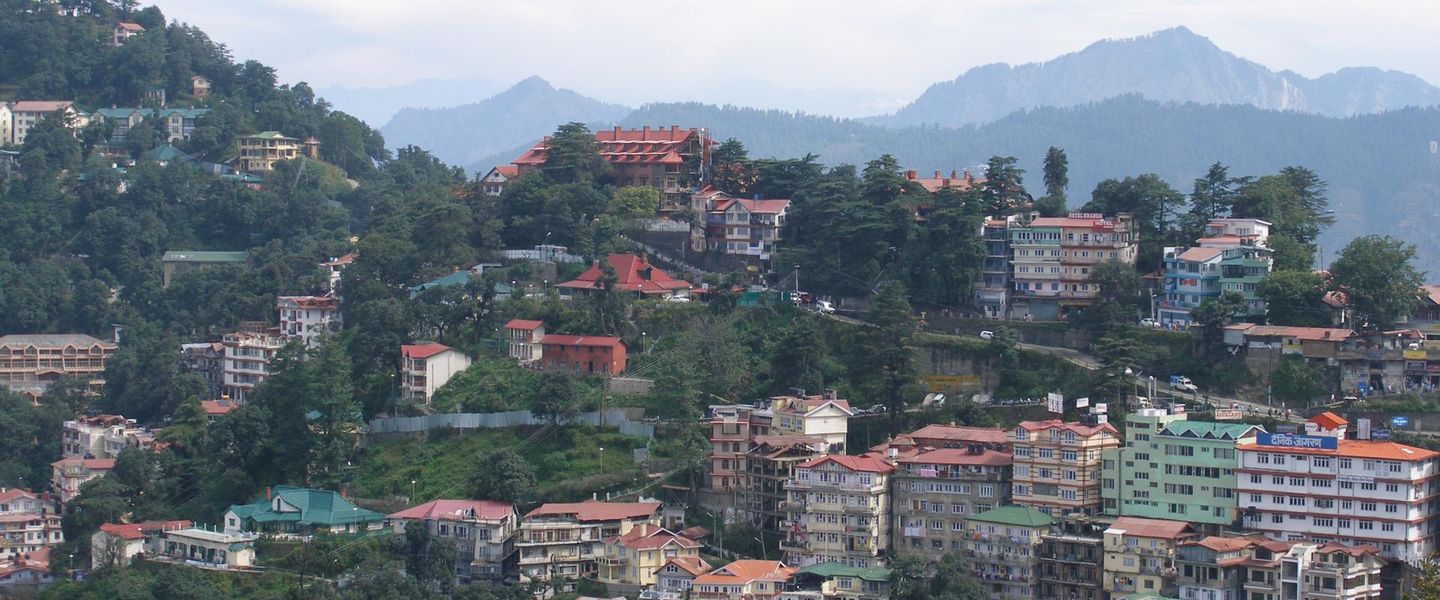
Nestled in the northern part of India, Himachal Pradesh is a paradise for nature lovers and adventure enthusiasts alike. Known for its breathtaking landscapes, this state offers a perfect blend of splendid mountains, lush valleys, and pristine lakes. The diverse terrain of Himachal Pradesh is a canvas painted with vibrant hues of green, white, and blue, making it a visual treat for travelers. Shimla, the capital city, is famous for its colonial architecture and bustling Mall Road. It provides a mix of historical charm and modern amenities. In contrast, Manali is a haven for adventure sports such as skiing, paragliding, and trekking. The serene town of Dharamshala, home to the Dalai Lama, offers a tranquil escape with its Buddhist monasteries and scenic views of the Dhauladhar range. For those seeking a more offbeat experience, the Spiti Valley offers rugged beauty and an insight into Tibetan culture. The valley's stark landscapes and ancient monasteries make it a unique destination. Kullu and Kasol are also must-visit spots, known for their vibrant culture and picturesque surroundings. Whether you are looking for peace, adventure, or cultural immersion, Himachal Pradesh has something to offer for every traveler.

Know before you go
Hi, I'm Eve. Here are a few practical things to know before exploring Himachal Pradesh.
- Carry warm clothing, even in summer, as temperatures can drop suddenly in the hills.
- Book accommodations in advance during peak tourist seasons to avoid last-minute hassles.
- Try local Himachali cuisine, including dishes like Chana Madra and Siddu.
- Respect local customs and traditions, especially in remote and culturally sensitive areas.
- Keep an eye on weather updates, as landslides and road closures can occur during the monsoon season.
Top City Travel Guides in Himachal Pradesh
The cities of Himachal Pradesh, and the easiest places to base yourself.


Destinations in Himachal Pradesh
Resorts, valleys and scenic spots worth a trip of their own.


Explore Himachal Pradesh: Things to Do, Places to Eat, Hotels & More
Handpicked recommendations for top attractions, local dining, accommodations, and more

Top Attractions & Sightseeing in Himachal Pradesh
Top-rated picks
Best Attractions

Yadavindra Gardens, Pinjore
Explore the serene beauty and historical charm of Yadavindra Gardens in Pinjore - a perfect escape for nature lovers and cultural enthusiasts.

Aghanjar Mahadev
Discover spiritual serenity at Aghanjar Mahadev, a stunning Hindu temple nestled in the mountains of Dharamshala, Himachal Pradesh.

Kunal Pathri Mata Mandir
Explore the spiritual haven of Kunal Pathri Mata Mandir, a serene Hindu temple set against the breathtaking backdrop of Himachal Pradesh's hills.

Kalatop Wildlife Sanctuary
Explore the stunning Kalatop Wildlife Sanctuary, a natural paradise in Himachal Pradesh, ideal for wildlife enthusiasts and adventure seekers alike.

Best landmarks in Himachal Pradesh
Top-rated picks
Best Landmarks

Hadimba Devi Temple
Explore the serene beauty and spiritual richness of Hadimba Devi Temple, a hidden gem nestled in the cedar forests of Manali, Himachal Pradesh.

Christ Church, Shimla
Discover the breathtaking beauty and spiritual serenity of Christ Church, a historic landmark in the heart of Shimla, Himachal Pradesh.

Naggar Castle
Discover the enchanting Naggar Castle, a historical marvel in Himachal Pradesh, rich in culture and breathtaking views, perfect for every traveler.

Kangra Fort
Explore Kangra Fort: An ancient fortress steeped in history, offering breathtaking views and a glimpse into India's architectural heritage.

Best restaurants in Himachal Pradesh
Top-rated picks
Best Restaurants

Cafe 1947
Experience authentic Italian cuisine at Cafe 1947 in Manali with stunning views and live music for an unforgettable dining experience.

The Lazy Dog Lounge
Experience culinary excellence and vibrant nightlife at The Lazy Dog Lounge in Old Manali - where great food meets unforgettable entertainment.

The Evergreen
Discover delightful Israeli and Italian flavors at The Evergreen in Kasol - a perfect dining escape surrounded by nature's beauty.

Hills Edge Restaurant
Experience authentic Indian cuisine at Hills Edge Restaurant in Shimla, where every meal is paired with stunning mountain views.

Best bars in Himachal Pradesh
Top-rated picks
Best Bars

The Lazy Dog Lounge
Experience the best of dining and nightlife at The Lazy Dog Lounge, a culinary gem in Old Manali, Himachal Pradesh.

Explosion NightClub
Discover the heartbeat of Manali's nightlife at Explosion NightClub, where electrifying music and vibrant atmosphere create unforgettable moments.

Devicos Restaurant & D Lounge Bar
Experience the flavors of Himachal Pradesh at Devicos Restaurant & D Lounge Bar, where local cuisine meets global tastes in a stunning setting.

The Brew Estate
Discover the vibrant flavors of craft beer and delicious cuisine at The Brew Estate, Shimla's premier brewpub nestled in the scenic hills of Himachal Pradesh.

Best nightclubs in Himachal Pradesh
Top-rated picks
Best Nightclubs

Explosion NightClub
Dive into an unforgettable night at Explosion NightClub, where vibrant music and a lively atmosphere come alive in the heart of Manali.

Night eye club
Night Eye Club: Experience Manali's vibrant nightlife with electrifying music and chic ambiance, perfect for unforgettable evenings in the Himalayas.

The Cliff - Rooftop Bar & Lounge
Experience breathtaking views and exquisite dining at The Cliff - Rooftop Bar & Lounge in Sidhpur, Himachal Pradesh.

The Bliss Grand Lounge Bar & Discotheque
Experience the vibrant nightlife at The Bliss Grand Lounge Bar & Discotheque in Shimla, where music and energy come alive for an unforgettable evening.

Best shops in Himachal Pradesh
Top-rated picks
Best Shops

Shingar Store
Discover the essence of Himachal Pradesh at Shingar Store, where vibrant clothing meets local craftsmanship in Sundar Nagar.

Himachal Emporium
Explore the rich crafts of Himachal Pradesh at Himachal Emporium, a vibrant store in Shimla showcasing authentic local artistry.

Happy Brothers Gift Emporium
Uncover unique gifts and local crafts at Happy Brothers Gift Emporium in Shimla, where every item tells a story of Himachal Pradesh.

Unique Assents
Explore Unique Assents in Shimla, the ultimate outlet mall for shopping enthusiasts seeking local and branded treasures in a beautiful setting.

Explore Himachal Pradesh on the Map
A handpicked selection of must-see spots in Himachal Pradesh, mapped for you.
Himachal Pradesh Essentials
-
Himachal Pradesh is well-connected to major cities in India by air, rail, and road. The nearest international airport is Indira Gandhi International Airport in New Delhi. For domestic flights, you can choose from Bhuntar Airport near Kullu, Gaggal Airport near Dharamshala, or Jubbarhatti Airport near Shimla. Major railway stations include Kalka, Pathankot, and Una, from where you can take buses or taxis to various destinations in Himachal Pradesh. State-run and private buses operate regular services from cities like Delhi, Chandigarh, and Manali.
-
Within Himachal Pradesh, local buses, taxis, and auto-rickshaws are the primary modes of transportation. Himachal Road Transport Corporation (HRTC) operates a reliable network of buses that connect even the remote parts of the state. For a more personalized travel experience, you can hire taxis or rent self-drive cars. In hilly areas, it is advisable to hire experienced drivers familiar with the terrain. For short distances, especially in towns like Shimla and Manali, auto-rickshaws are a convenient option.
-
The official currency in Himachal Pradesh, like the rest of India, is the Indian Rupee (INR). While credit and debit cards are widely accepted in urban areas, it's advisable to carry cash, especially when traveling to rural regions. ATMs are available in most towns, but it is prudent to carry sufficient cash when venturing into remote areas. Mobile payment platforms like Paytm, Google Pay, and BHIM UPI are also widely used, so having a local SIM card with internet access can be beneficial.
-
Himachal Pradesh is generally a safe destination for tourists. However, it is wise to take standard precautions such as avoiding isolated areas after dark and keeping an eye on your belongings in crowded places. Areas like Kasol and Malana are known for their drug culture, and it's best to avoid such activities. Always consult with locals or your accommodation regarding any recent safety concerns in specific areas. Petty crimes like pickpocketing can occur in crowded tourist spots, so remain vigilant.
-
In case of emergency, dial 112 for immediate assistance, which covers police, fire, and medical emergencies. Major towns have hospitals and clinics, but for serious medical issues, it is advisable to head to larger cities like Shimla or Dharamshala. Carry a basic first-aid kit and essential medications as healthcare facilities in remote areas may be limited. Always have your travel insurance details handy, and ensure it covers medical emergencies. Local police stations are generally helpful, and it's a good idea to note down the contact information of your country's embassy or consulate.
-
Fashion: Do dress modestly, especially when visiting religious sites. Avoid wearing revealing clothing. Religion: Do respect local customs and traditions. Remove your shoes when entering temples and cover your head as required. Public Transport: Do be respectful and give up your seat to elderly passengers. Don't play loud music or create disturbances. Greetings: Do greet people with a 'Namaste' or a handshake. A slight bow of the head is also a sign of respect. Eating & Drinking: Do try local delicacies and accept food offerings graciously. Don't waste food, as it is considered disrespectful.
-
To experience Himachal Pradesh like a local, visit the local markets in towns like Shimla and Manali, where you can buy fresh produce and traditional Himachali goods. Engage with locals who are often friendly and willing to share stories about their culture and history. Don't miss the opportunity to attend local festivals such as Dussehra in Kullu or the Winter Carnival in Manali. For a unique experience, try staying in a homestay to get a closer look at the local lifestyle. Hiking and trekking with local guides can also offer an authentic experience of the region's natural beauty.
When is the best time to visit Himachal Pradesh?
Useful Local Phrases for Himachal Pradesh
You don't need to speak the language perfectly. Even learning a few simple words can make conversations warmer—and locals usually appreciate the effort.
— Eve

Here are the phrases I use most often in Himachal Pradesh. Try a few—you'll be surprised how far they go! 😊
❤️
-
- Helloनमस्ते
[Namaste] - Goodbyeअलविदा
[Alvida] - Yesहाँ
[Haan] - Noनहीं
[Nahin] - Please/You're welcomeकृपया/स्वागत है
[Kripya/Swagat hai] - Thank youधन्यवाद
[Dhanyavaad] - Excuse me/Sorryमाफ कीजिए/सॉरी
[Maaf kijiye/Sorry] - How are you?आप कैसे हैं?
[Aap kaise hain?] - Fine. And you?ठीक है। और आप?
[Theek hai. Aur aap?] - Do you speak English?क्या आप अंग्रेज़ी बोलते हैं?
[Kya aap Angrezi bolte hain?] - I don't understandमैं नहीं समझता
[Main nahin samajhta]
- Helloनमस्ते
-
- I'd like to see the menu, pleaseकृपया मुझे मेनू दिखाइए
[Kripya mujhe menu dikhaiye] - I don't eat meatमैं मांस नहीं खाता
[Main maans nahin khata] - Cheers!भले रहो!
[Bhale raho!] - I would like to pay, pleaseकृपया मुझे बिल देना है
[Kripya mujhe bill dena hai]
- I'd like to see the menu, pleaseकृपया मुझे मेनू दिखाइए
-
- Help!मदद करें!
[Madad karein!] - Go away!जाओ यहाँ से!
[Jaao yahaan se!] - Call the Police!पुलिस को बुलाओ!
[Police ko bulaao!] - Call a doctor!डॉक्टर को बुलाओ!
[Doctor ko bulaao!] - I'm lostमैं खो गया हूँ
[Main kho gaya hoon] - I'm illमैं बीमार हूँ
[Main beemar hoon]
- Help!मदद करें!
-
- I'd like to buy...मैं खरीदना चाहता हूँ...
[Main kharidna chahta hoon...] - I'm just lookingमैं बस देख रहा हूँ
[Main bas dekh raha hoon] - How much is it?यह कितने का है?
[Yah kitne ka hai?] - That's too expensiveयह बहुत महंगा है
[Yah bahut mehnga hai] - Can you lower the price?क्या आप कीमत कम कर सकते हैं?
[Kya aap keemat kam kar sakte hain?]
- I'd like to buy...मैं खरीदना चाहता हूँ...
-
- What time is it?कितने बजे हैं?
[Kitne baje hain?] - It's one o'clockयह एक बजे है
[Yah ek baje hai] - Half past (10)साढ़े (10)
[Saade (10)] - Morningसुबह
[Subah] - Afternoonदोपहर
[Dopahar] - Eveningशाम
[Shaam] - Yesterdayकल
[Kal] - Todayआज
[Aaj] - Tomorrowकल
[Kal] - 11
[1] - 22
[2] - 33
[3] - 44
[4] - 55
[5] - 66
[6] - 77
[7] - 88
[8] - 99
[9] - 1010
[10]
- What time is it?कितने बजे हैं?
-
- Where's a/the...?कहाँ है ...?
[Kahan hai ...?] - What's the address?पता क्या है?
[Pata kya hai?] - Can you show me (on the map)?क्या आप मुझे (नक्शे पर) दिखा सकते हैं?
[Kya aap mujhe (nakshae par) dikha sakte hain?] - When's the next (bus)?अगली (बस) कब है?
[Agli (bus) kab hai?] - A ticket (to ....)एक टिकट (.... के लिए)
[Ek ticket (.... ke liye)]
- Where's a/the...?कहाँ है ...?
History of Himachal Pradesh
-
The history of Himachal Pradesh dates back to the prehistoric era, with evidence of human habitation in the region as early as 2 million years ago. Archaeological findings, including tools and cave paintings, have been discovered in various parts of the state, indicating the presence of early human settlements.
-
During the Vedic period, Himachal Pradesh was known as 'Deva Bhumi' or the 'Land of the Gods.' The region is frequently mentioned in ancient Hindu scriptures, including the Vedas and the Mahabharata. It is believed that many sages and rishis, including Vashishta and Vyasa, meditated in the serene valleys of Himachal.
-
Himachal Pradesh became a part of the Mauryan Empire under the rule of Emperor Ashoka in the 3rd century BCE. The region saw the spread of Buddhism during this time, and numerous stupas and monasteries were established. Ashoka's influence led to the region becoming a significant center for Buddhist learning and culture.
-
The Gupta period, often referred to as the 'Golden Age' of India, also left its mark on Himachal Pradesh. The region experienced prosperity and cultural development, with the construction of several temples and the promotion of arts and literature. The Gupta rulers fostered a period of relative peace and stability in the region.
-
Between the 7th and 14th centuries, Himachal Pradesh was divided into several small Rajput kingdoms. These kingdoms, including Chamba, Kangra, and Kullu, were known for their distinct cultural heritage and architectural marvels. The Rajputs built magnificent forts, palaces, and temples that still stand as a testament to their glorious past.
-
In the 16th century, the Mughal Empire extended its influence over parts of Himachal Pradesh. Although the rugged terrain prevented full control, Mughal rulers, including Akbar and Jahangir, established diplomatic relations with local chieftains. The Mughals contributed to the region's art and architecture, evident in the Mughal-style gardens and buildings.
-
The British colonial period brought significant changes to Himachal Pradesh. The British established hill stations like Shimla, Dalhousie, and Dharamshala as summer retreats. Shimla became the summer capital of British India, and its colonial architecture reflects this era. The British also introduced modern education, infrastructure, and administration.
-
After India gained independence in 1947, Himachal Pradesh underwent political reorganization. Initially, it was a union territory, but in 1971, it became the 18th state of India. The post-independence era saw rapid development in terms of infrastructure, education, and tourism, transforming Himachal Pradesh into a popular tourist destination.
-
Himachal Pradesh is renowned for its rich cultural heritage, which includes traditional music, dance, and festivals. The region is famous for its folk dances like Nati, Kullu Nati, and Chamba Rumal. Festivals such as Dussehra in Kullu and the Minjar fair in Chamba attract visitors from all over the country, showcasing the vibrant cultural tapestry of the state.
-
The Tibetan influence in Himachal Pradesh is significant, especially in areas like Dharamshala and McLeod Ganj, which serve as the residence of the Dalai Lama and the Tibetan government-in-exile. Tibetan culture and Buddhism have flourished in these regions, adding a unique dimension to the cultural diversity of Himachal Pradesh.
Neighbouring Regions of Himachal Pradesh
The closest regions to Himachal Pradesh, if you have time for more than one.




Your all‑in‑one travel companion app
Explore expert travel guides, compare and book tours, experiences, hotels, and more—all from the palm of your hand. Download now for seamless trip planning wherever your wanderlust takes you.


Explore More of India

Looking beyond Himachal Pradesh? Discover India for broader travel guides, local hot-spots, and regional highlights.
Explore IndiaHimachal Pradesh in Photos
Browse through our photo collection highlighting the charm and character of the destination.




The Enchanting Hills of Himachal Pradesh
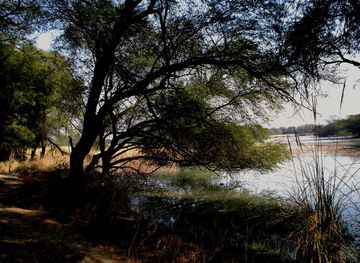
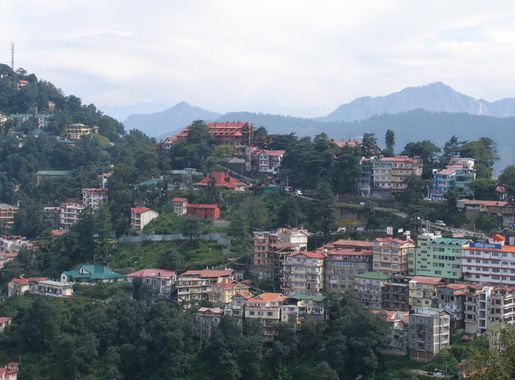
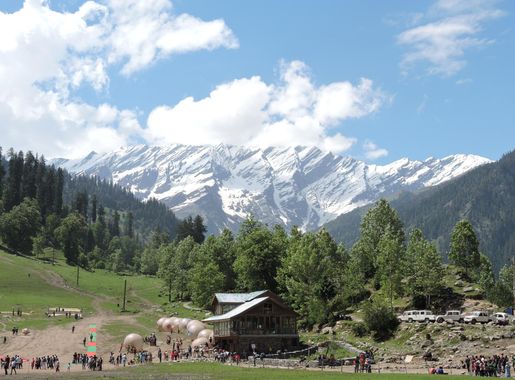
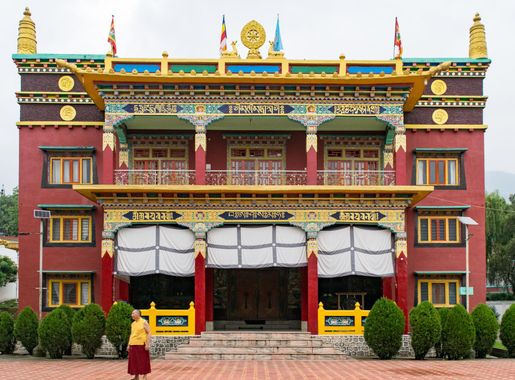
Nestled in the northern part of India, Himachal Pradesh is a paradise for nature lovers and adventure enthusiasts alike. Known for its breathtaking landscapes, this state offers a perfect blend of splendid mountains, lush valleys, and pristine lakes. The diverse terrain of Himachal Pradesh is a canvas painted with vibrant hues of green, white, and blue, making it a visual treat for travelers. Shimla, the capital city, is famous for its colonial architecture and bustling Mall Road. It provides a mix of historical charm and modern amenities. In contrast, Manali is a haven for adventure sports such as skiing, paragliding, and trekking. The serene town of Dharamshala, home to the Dalai Lama, offers a tranquil escape with its Buddhist monasteries and scenic views of the Dhauladhar range. For those seeking a more offbeat experience, the Spiti Valley offers rugged beauty and an insight into Tibetan culture. The valley's stark landscapes and ancient monasteries make it a unique destination. Kullu and Kasol are also must-visit spots, known for their vibrant culture and picturesque surroundings. Whether you are looking for peace, adventure, or cultural immersion, Himachal Pradesh has something to offer for every traveler.