

Free Uttarakhand Travel Guide & Mobile App
Explore Uttarakhand with free travel guides. Discover regional history, expert tips, proposed trips, and audio guides on web or mobile app.


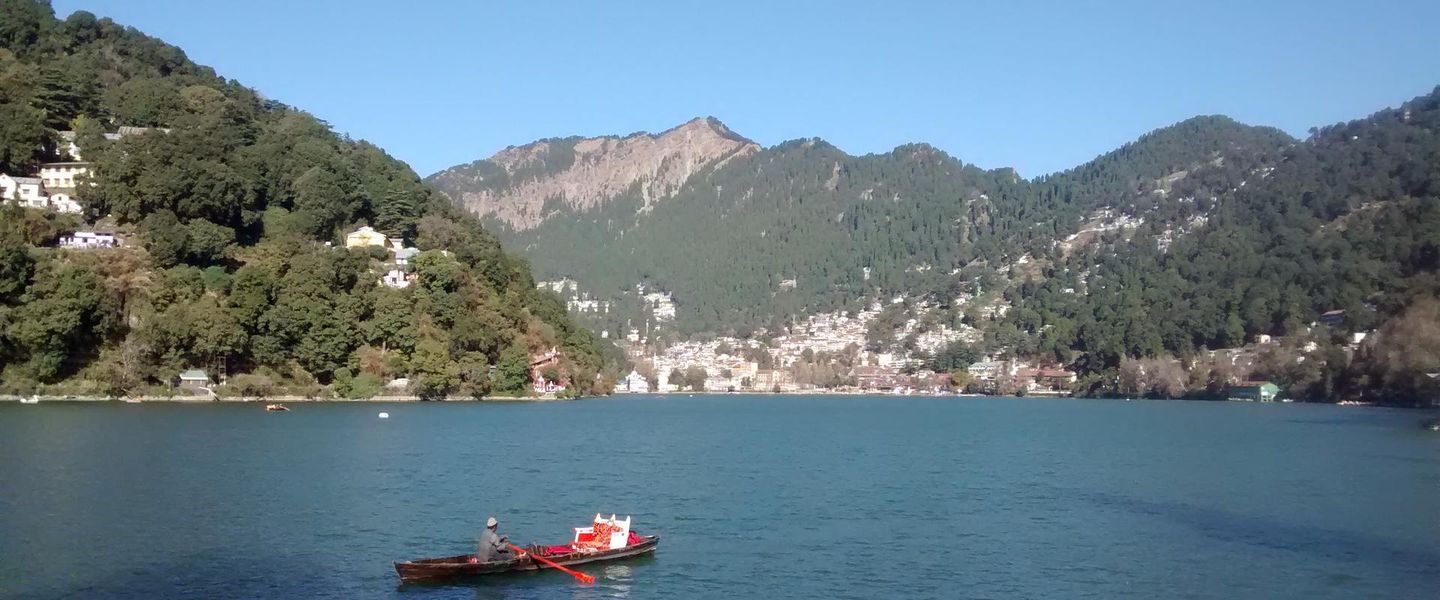


Explore Uttarakhand's Himalayan pilgrimages, hill towns, wildlife reserves, alpine valleys, river adventures and Garhwali and Kumaoni food traditions.
Read more about Uttarakhand
When is the best time to visit Uttarakhand?
Best: March–April, October · 23–28°C| Month | High (°C) | Rainfall (mm) |
|---|---|---|
| January | 14 | 50 |
| February | 17 | 55 |
| March (best) | 23 | 60 |
| April (best) | 28 | 65 |
| May | 32 | 70 |
| June | 35 | 75 |
| July | 32 | 80 |
| August | 31 | 85 |
| September | 29 | 90 |
| October (best) | 26 | 95 |
| November | 20 | 100 |
| December | 15 | 105 |
Getting to and around Uttarakhand
How to get there
Transportation
Top city travel guides in Uttarakhand
The cities of Uttarakhand, and the easiest places to base yourself.
-

-

-


Swipe for more cities
Destinations in Uttarakhand
Resorts, valleys and scenic spots worth a trip of their own.
-

-

-

-


Swipe for more destinations
Best attractions in Uttarakhand
Uttarakhand's attractions range from major pilgrimage cities to protected wilderness and high Himalayan trekking country. Haridwar centres on the Ganges ghats and evening ritual ceremonies, while Rishikesh combines ashrams and yoga traditions with rafting and other river activities on suitable stretches of the Ganges. Dehradun and Mussoorie provide accessible urban and hill settings, whereas Nainital, Almora, Ranikhet and Binsar introduce the forested ridges and historic culture of Kumaon. The Char Dham pilgrimage sites of Yamunotri, Gangotri, Kedarnath and Badrinath draw visitors to remote mountain valleys during the open season. Nanda Devi and Valley of Flowers national parks are known for alpine landscapes and trekking, while Auli offers high-altitude views and winter sports when conditions permit. Jim Corbett and Rajaji national parks provide opportunities for guided wildlife excursions through foothill forests, with elephants, deer and the possibility of seeing tigers. Across the state, temples, village trails, botanical landscapes, birdwatching locations and river valleys create a travel experience shaped as much by terrain and season as by individual attractions.
-
Hindu temple
Shree Neelkanth Mahadev Temple
Discover the serene beauty and spiritual essence of Shree Neelkanth Mahadev Temple in Uttarakhand, a must-visit destination for peace and cultural immersion.
-
Tourist attraction
Kempty Falls
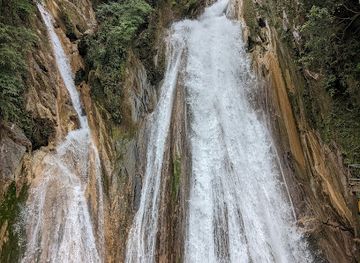
Discover the breathtaking beauty of Kempty Falls, a serene cascade in Mussoorie, perfect for nature lovers and adventure seekers alike.
-
 Tourist attraction
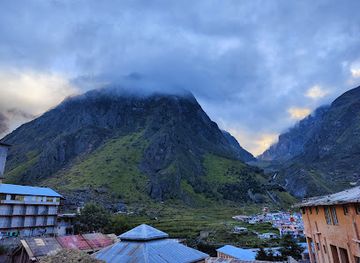
Shree Badrinath Temple
Explore the divine allure of Shree Badrinath Temple, a spiritual haven nestled in the majestic Himalayas, offering tranquility and breathtaking scenery.
-
Tourist attraction
Ram jhula
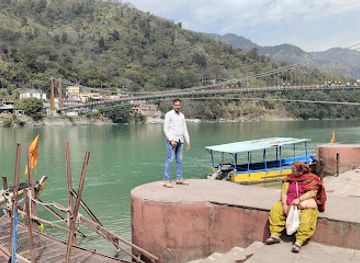
Experience the serene beauty and spiritual significance of Ram Jhula, the iconic suspension bridge in Rishikesh, India.
Best landmarks in Uttarakhand
The Ganges ghats at Haridwar are among Uttarakhand's most recognisable landmarks, with Har Ki Pauri forming the focal point for ritual bathing and prayers beside the river. Rishikesh is identified by its suspension bridges, including Lakshman Jhula and Ram Jhula, although access arrangements can change and visitors should follow current local guidance. In the highlands, Kedarnath Temple and Badrinath Temple are powerful religious and architectural symbols set within demanding mountain landscapes, while Gangotri and Yamunotri mark important pilgrimage destinations associated with the sources of sacred rivers. Nainital's lake, surrounded by steep wooded hills and the town's historic urban bowl, is a defining Kumaoni landmark. The hill ridges of Mussoorie and the forested heights around Ranikhet and Almora express the region's colonial and Himalayan townscape. Natural landmarks are equally important: the Valley of Flowers, the high approaches to Nanda Devi and the broad forest corridors of Corbett and Rajaji show how geology, rivers, wildlife and human movement have shaped Uttarakhand's visual identity.
-
National park
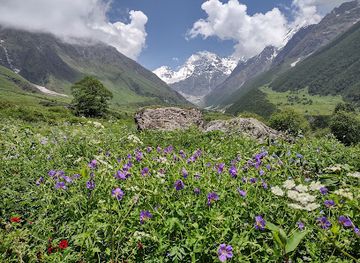
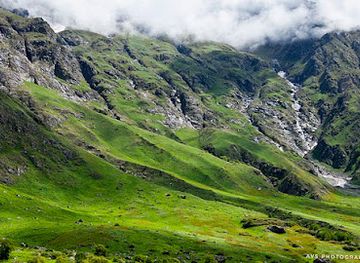
Valley of Flowers National Park
Discover the enchanting beauty of the Valley of Flowers National Park, a UNESCO World Heritage site filled with vibrant flora and breathtaking landscapes.
-
National park
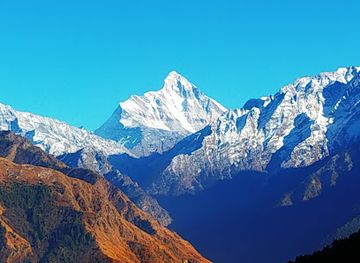
Nanda Devi National Park
Explore the breathtaking landscapes and rich biodiversity of Nanda Devi National Park, a UNESCO World Heritage Site in the heart of Uttarakhand, India.
-
Hotel
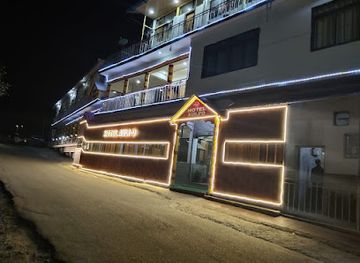
Hotel Auli D - Hotel In Joshimath
Discover comfort and serenity at Hotel Auli D in Joshimath, your perfect base for exploring the Himalayan wonders and sacred sites.
-
Tourist attraction
Gorson Bugyal
Discover the breathtaking beauty of Gorson Bugyal, a high-altitude meadow in Uttarakhand, perfect for hiking and experiencing nature's tranquility.
Explore Uttarakhand on the map
Plan your trip on one map. See where the top cities, national parks and sights are, and book hotels and experiences in a few clicks.
Best hotels in Uttarakhand
Best restaurants in Uttarakhand
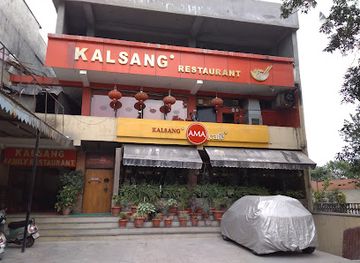
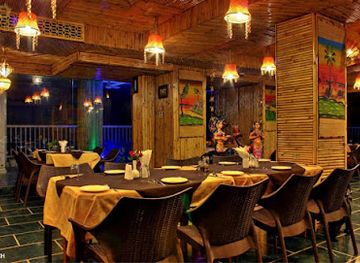
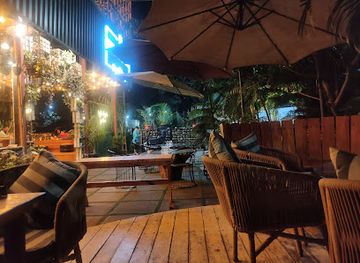
Uttarakhand's food reflects mountain agriculture, frugal cooking and the distinct traditions of Garhwal and Kumaon. In hill homes and local eateries, look for mandua, a finger-millet flour used in breads and other dishes, along with red rice, pulses, leafy greens, potatoes and seasonal vegetables. Kumaoni specialities include bhatt-based preparations, aloo ke gutke and tangy bhang ki chutney, while Garhwali cooking is associated with dishes such as kafuli and chainsoo; recipes vary between households and districts. Haridwar and Rishikesh have extensive vegetarian dining, including north Indian, Gujarati and sattvic food in areas connected with pilgrimage and yoga. Dehradun, Mussoorie, Nainital and Almora offer cafés, bakeries, regional restaurants and broader Indian menus. Markets and village shops are useful for local honey, pickles, spices, fruit and traditional sweets, while roadside dhabas and small hill restaurants provide straightforward meals rather than elaborate dining. Alcohol availability and restaurant styles differ between towns, so check local arrangements rather than assuming metropolitan opening patterns.
-
Restaurant
Kalsang Cafe and Restaurant
Experience the best of Asian cuisine at Kalsang Cafe & Restaurant in Dehradun - a culinary journey through Tibetan, Chinese, Korean & Thai flavors.
-
Indian
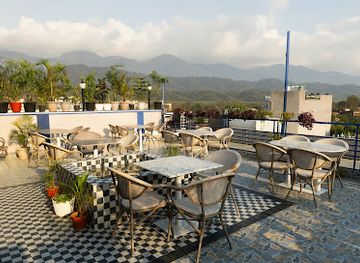
The Sitting Elephant - A Rooftop Restaurant Overlooking River Ganga
Experience fine dining at The Sitting Elephant Rooftop Restaurant with stunning views of River Ganga in Rishikesh – A must-visit culinary destination.
-
Indian
Village Vatika Restaurant
Experience the rich flavors of Indian and Chinese cuisine at Village Vatika Restaurant in Uttarakhand, where every meal is a celebration.
-
Indian
The FoodLoft
Experience diverse flavors at The FoodLoft in Rishikesh—where Indian spices meet international cuisines amidst breathtaking views.
Best bars in Uttarakhand
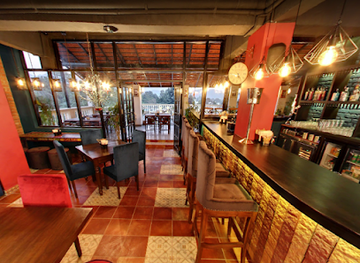
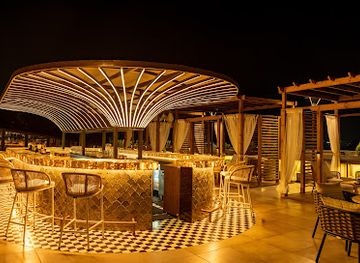
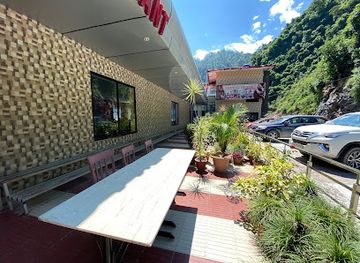
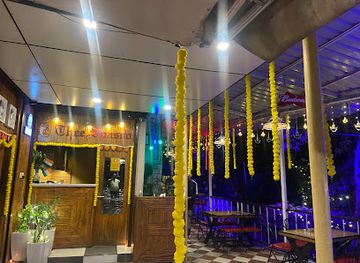
Nightlife in Uttarakhand is concentrated in Dehradun, Rishikesh, Mussoorie, Nainital and a few other larger tourist centres rather than spread evenly across the state. Dehradun has the broadest urban choice, including casual bars, cafés, restaurants and occasional live-music settings. Rishikesh's evening culture is shaped more by riverside cafés, ashram routines and early-closing establishments than by conventional clubbing, and alcohol restrictions or dry areas apply in some religious settings. Mussoorie and Nainital offer hotel bars, restaurants and seasonal evening activity, while hill towns elsewhere generally rely on local pubs, cafés and guesthouse dining. In remote pilgrimage and trekking areas, evenings are quiet and often begin and end early because of altitude, weather and early departures. Check local rules and hotel policies, particularly in sacred towns, and do not treat drinking as a necessary part of the regional experience.
-
Gastropub
House of TGIP
Discover the vibrant House of TGIP in Dehradun, where exquisite dining meets a lively atmosphere, perfect for food lovers and socialites alike.
-
Bar
Farzi Café | Awarded - Best Rooftop Restro & Bar
Experience the fusion of modern Indian cuisine and vibrant nightlife at Farzi Café, Dehradun's premier rooftop restaurant and bar.
-
Restaurant
Samrat Resort
Discover the flavors of India at Samrat Resort, a culinary gem in the heart of Uttarakhand, offering an inviting ambiance and delicious local dishes.
-
Grill
Thee Spasso Bar and Restaurant
Discover the flavors of Uttarakhand at Thee Spasso Bar and Restaurant, where delicious grilled dishes meet breathtaking views.
Best nightclubs in Uttarakhand
Nightlife in Uttarakhand is concentrated in Dehradun, Rishikesh, Mussoorie, Nainital and a few other larger tourist centres rather than spread evenly across the state. Dehradun has the broadest urban choice, including casual bars, cafés, restaurants and occasional live-music settings. Rishikesh's evening culture is shaped more by riverside cafés, ashram routines and early-closing establishments than by conventional clubbing, and alcohol restrictions or dry areas apply in some religious settings. Mussoorie and Nainital offer hotel bars, restaurants and seasonal evening activity, while hill towns elsewhere generally rely on local pubs, cafés and guesthouse dining. In remote pilgrimage and trekking areas, evenings are quiet and often begin and end early because of altitude, weather and early departures. Check local rules and hotel policies, particularly in sacred towns, and do not treat drinking as a necessary part of the regional experience.
-
Hotel
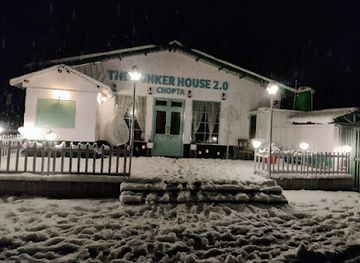
The Bunker House cafe & stay
Discover the perfect blend of comfort and nature at The Bunker House in Chopta, Uttarakhand - a unique café and stay experience.
-
Club
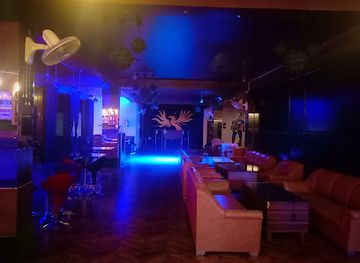
Phoenix Club & Bar
Experience Dehradun's nightlife at Phoenix Club & Bar, where music, drinks, and vibrant energy create unforgettable memories.
-
Bar
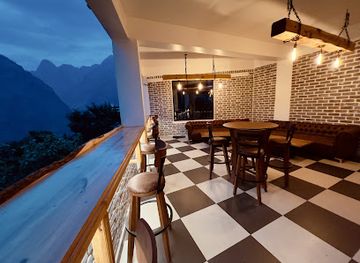
The Bourbon Club N Lounge
Experience exquisite cocktails and vibrant nightlife at The Bourbon Club N Lounge in Joshimath, the perfect retreat for tourists in the Himalayas.
-
Night club
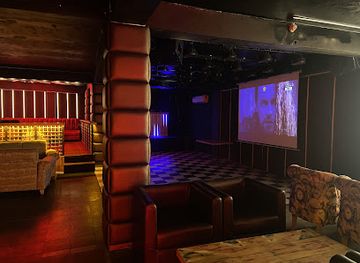
Teddy Boy Night Club - Best Disco Club in Dehradun, Best Night Club in Dehradun, Party Club in Dehradun
Discover the electrifying energy of Teddy Boy Night Club, Dehradun's premier nightlife destination, offering an unforgettable party experience with top DJs.
Best shops in Uttarakhand
Shopping in Uttarakhand is centred on market streets, small bazaars and town high streets rather than large luxury districts. Dehradun offers the widest urban selection, including books, clothing, food shops and contemporary retail, while Haridwar and Rishikesh are known for religious items, prayer beads, incense, yoga goods and locally produced foods. Mussoorie's Mall Road and Landour area have long attracted visitors for woollens, handicrafts, books and cafés, though individual shop offerings change. Nainital, Almora, Ranikhet and other Kumaoni towns provide shawls, handwoven textiles, carved wooden objects, candles, copperware and locally packaged produce. Look for regional honey, jams, spices, pickles, herbal products and millet-based foods, checking labelling and provenance where possible. Rural and seasonal markets can be more useful for everyday goods than souvenirs, and bargaining is not appropriate in every shop. Choose crafts from traceable local producers and avoid products made from protected wildlife or plants.
-
Shopping mall
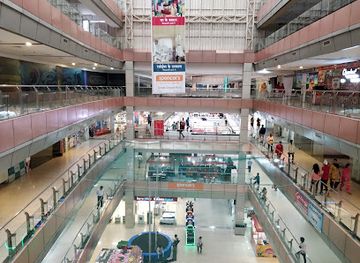
Pacific Mall Dehradun
Explore a world of shopping, dining, and entertainment at Pacific Mall Dehradun, the ultimate destination for tourists in Uttarakhand.
-
Shopping mall
The Pentagon Mall
Discover a world of shopping and entertainment at The Pentagon Mall in Haridwar, where modern retail meets local charm.
-
Gift shop
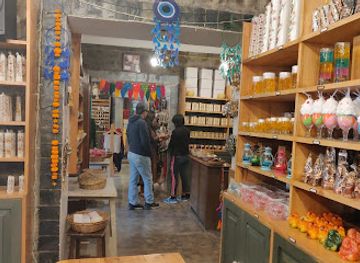
The Pahari Store I Treasures from the Himalayas
Explore The Pahari Store – your gateway to unique Himalayan handicrafts, gourmet delights, and unforgettable souvenirs.
-
National park
Valley of Flowers National Park
Explore the breathtaking beauty of Valley of Flowers National Park, a UNESCO World Heritage Site in Uttarakhand, India, known for its vibrant alpine flora and stunning landscapes.

Get your free copy of our complete guide to Uttarakhand, delivered straight to you.
Everything on this page, from attractions and restaurants to essentials and local phrases, in one PDF you can read offline, print or share.
Already have an account? Sign in
Your Uttarakhand guide is ready.
We'll send it to · Not you? Sign out

Getting your guide ready…
We are putting together a fresh copy of the Uttarakhand guide. This can take up to a minute.
This can take a few moments. If your browser asks, choose Allow so the download can start. You'll find the guide in your Downloads folder.
Nothing happened? Download it again
Sorry, the guide is taking longer than usual. Please try again in a minute, or get it by email instead.
Uttarakhand essentials
Currency and Payment
Safety
Emergency Situations
Do's and Don'ts
Local Tips
From Eve
Local phrases worth knowing
You don't need to get them perfect. A few words go a long way, and locals appreciate the effort.
Basics
| English | Local | Say it |
|---|---|---|
| Hello | नमस्ते | [Namaste] |
| Goodbye | अलविदा | [Alvida] |
| Yes | हाँ | [Haan] |
| No | नहीं | [Nahi] |
| Please/You're welcome | कृपया/स्वागत है | [Kripya/Svaagat hai] |
| Thank you | धन्यवाद | [Dhanyavaad] |
| Excuse me/Sorry | माफ कीजिए/सॉरी | [Maaf kijiye/Sori] |
| How are you? | आप कैसे हैं? | [Aap kaise hain?] |
| Fine. And you? | ठीक हूँ। और आप? | [Theek hoon. Aur aap?] |
| Do you speak English? | क्या आप अंग्रेजी बोलते हैं? | [Kya aap Angrezi bolte hain?] |
| I don't understand | मुझे समझ नहीं आता | [Mujhe samajh nahi aata] |
Eating & Drinking
| English | Local | Say it |
|---|---|---|
| I'd like to see the menu, please | कृपया, मेनू दिखाइए | [Kripya, menu dikhaiye] |
| I don't eat meat | मैं मांस नहीं खाता/खाती | [Main maans nahi khata/khati] |
| Cheers! | चियर्स! | [Cheers!] |
| I would like to pay, please | कृपया, मैं बिल चुकाना चाहता/चाहती हूँ | [Kripya, main bill chukana chahta/chahati hoon] |
Emergencies
| English | Local | Say it |
|---|---|---|
| Help! | मदद करो! | [Madad karo!] |
| Go away! | जाओ यहाँ से! | [Jao yahaan se!] |
| Call the Police! | पुलिस को बुलाओ! | [Police ko bulao!] |
| Call a doctor! | डॉक्टर को बुलाओ! | [Doctor ko bulao!] |
| I'm lost | मैं खो गया हूँ | [Main kho gaya hoon] |
| I'm ill | मैं बीमार हूँ | [Main beemar hoon] |
Shopping
| English | Local | Say it |
|---|---|---|
| I'd like to buy... | मैं खरीदना चाहता/चाहती हूँ... | [Main kharidna chahta/chahati hoon...] |
| I'm just looking | मैं बस देख रहा/रही हूँ | [Main bas dekh raha/rahi hoon] |
| How much is it? | यह कितना है? | [Yah kitna hai?] |
| That's too expensive | यह बहुत महंगा है | [Yah bahut mehnga hai] |
| Can you lower the price? | क्या आप कीमत कम कर सकते हैं? | [Kya aap keemat kam kar sakte hain?] |
Time & Numbers
| English | Local | Say it |
|---|---|---|
| What time is it? | कितने बजे हैं? | [Kitne baje hain?] |
| It's one o'clock | यह एक बजे हैं | [Yah ek baje hain] |
| Half past (10) | साढ़े दस | [Saade das] |
| Morning | सुबह | [Subah] |
| Afternoon | दोपहर | [Dopahar] |
| Evening | शाम | [Shaam] |
| Yesterday | कल | [Kal] |
| Today | आज | [Aaj] |
| Tomorrow | कल | [Kal] |
| 1 | एक | [Ek] |
| 2 | दो | [Do] |
| 3 | तीन | [Teen] |
| 4 | चार | [Chaar] |
| 5 | पाँच | [Paanch] |
| 6 | छह | [Chhah] |
| 7 | सात | [Saat] |
| 8 | आठ | [Aath] |
| 9 | नौ | [Nau] |
| 10 | दस | [Das] |
Transport & Directions
| English | Local | Say it |
|---|---|---|
| Where's a/the...? | कहाँ है ...? | [Kahan hai...?] |
| What's the address? | पता क्या है? | [Pata kya hai?] |
| Can you show me (on the map)? | क्या आप मुझे (मानचित्र पर) दिखा सकते हैं? | [Kya aap mujhe (maanchitra par) dikha sakte hain?] |
| When's the next (bus)? | अगली (बस) कब है? | [Agli (bus) kab hai?] |
| A ticket (to ....) | एक टिकट (के लिए ...) | [Ek ticket (ke liye...)] |
History of Uttarakhand
Early Himalayan Kingdoms and Sacred Landscapes
Archaeological remains, temple traditions and early textual references show that the central Himalaya was connected to wider networks of pilgrimage, pastoral movement and trade long before the modern state existed. The upper valleys of Garhwal and Kumaon developed around rivers, seasonal routes and sacred sites associated with Hindu traditions. Communities adapted farming and herding to steep terrain, while small political centres controlled valleys and passes. The landscape's religious importance grew alongside the movement of pilgrims towards sources of the Ganges and other rivers, creating patterns of settlement and pilgrimage that remain visible across Uttarakhand.
The Katyuri and Chand Traditions
The Katyuris were an influential early dynasty in the Kumaon region, with their power traditionally associated with the area around Baijnath and the former centre of Kartikeyapura. From the later medieval period, the Chand rulers became prominent in Kumaon and established Almora as an important political centre in the sixteenth century. Temples, sculpture and historic settlements linked to these traditions demonstrate the region's connections with wider North Indian artistic and religious currents. Their legacies are particularly apparent in Kumaoni architecture and in the distribution of older shrines across the eastern part of the state.
Garhwal Kingdoms and Mountain Forts
Garhwal developed as a collection of hill territories before the Panwar rulers consolidated much of the region and established a kingdom whose capital was later moved to Srinagar Garhwal. Political authority depended on controlling valleys, routes and fortified settlements rather than on large urban centres. Temple patronage and pilgrimage helped link remote communities, while agriculture and pastoralism supported the mountain economy. The historic Garhwal kingdom was disrupted by the Gorkha invasion in the early nineteenth century, an upheaval that brought the Himalayan region into the strategic calculations of expanding powers in northern India.
Gorkha Rule and British Expansion
Gorkha forces from Nepal occupied large parts of Kumaon and Garhwal in the late eighteenth and early nineteenth centuries. Their defeat by the British in the Anglo-Nepalese War led to major political changes under the Treaty of Sugauli in 1816. The British administered Kumaon and the eastern part of Garhwal directly, while the Tehri Garhwal kingdom survived as a princely state until after Indian independence. British influence encouraged new roads, administrative towns, military cantonments and hill stations, including Mussoorie and Ranikhet, while also reshaping forests and land management.
Pilgrimage, Forests and Colonial Infrastructure
During the nineteenth and twentieth centuries, improved roads and administrative routes made parts of the Himalaya more accessible to pilgrims, officials and traders. Haridwar and Rishikesh grew in importance as gateways to the mountains, while railways reached the foothills and supported the movement of people and goods. Colonial forest policies transformed the management of sal, oak and pine landscapes, often restricting customary access for local communities. These changes helped create the modern tourism economy but also generated long-running debates about conservation, livelihoods and control of mountain resources.
Environmental Movements and the Chipko Legacy
Uttarakhand became internationally associated with the Chipko movement, which gained prominence in the 1970s when village residents, including many women, opposed commercial tree felling by embracing or standing around trees. The movement connected forest protection with fuel, fodder, water and local livelihoods rather than treating conservation as separate from community welfare. Although its campaigns varied by place and period, Chipko influenced environmental thinking across India and beyond. Its legacy remains visible in discussions about forests, dams, roads, tourism and the vulnerability of Himalayan settlements.
Statehood and Contemporary Uttarakhand
Uttarakhand became a separate Indian state on 9 November 2000, initially named Uttaranchal before the official name was changed to Uttarakhand in 2007. The statehood movement drew support from demands for administration more responsive to difficult mountain geography, regional employment and local development. Dehradun became the capital, while the plains and hill districts continued to have distinct economic and political priorities. Since statehood, pilgrimage, tourism, education, defence services, hydropower and migration have shaped the economy, alongside continuing concern over earthquakes, floods, landslides and sustainable development.
Uttarakhand in Photos
Browse through our photo collection highlighting the charm and character of the destination.
Neighbouring regions of Uttarakhand
The closest regions to Uttarakhand, if you have time for more than one.
-

-

-
-

-


Swipe for more regions
Explore more

Explore more of India
Discover the magic of India, where diverse landscapes, rich heritage, and vibrant culture come together to create an unforgettable travel experience.
Explore India