

Free Eastern Ghats Travel Guide & Mobile App
Explore Eastern Ghats with free travel guides. Discover regional history, expert tips, proposed trips, and audio guides on web or mobile app.


Explore India’s Eastern Ghats through forested hills, tribal cultures, historic temples, wildlife, coffee country and winding scenic roads.
Read more about Eastern Ghats
When is the best time to visit Eastern Ghats?
Best: December–February · 28–30°C| Month | High (°C) | Rainfall (mm) |
|---|---|---|
| January (best) | 28 | 10 |
| February (best) | 30 | 15 |
| March | 33 | 20 |
| April | 36 | 25 |
| May | 38 | 30 |
| June | 37 | 60 |
| July | 36 | 110 |
| August | 36 | 110 |
| September | 35 | 60 |
| October | 33 | 30 |
| November | 30 | 20 |
| December (best) | 28 | 15 |
Getting to and around Eastern Ghats
How to get there
Transportation
Top city travel guides in Eastern Ghats
The cities of Eastern Ghats, and the easiest places to base yourself.

Swipe for more cities
Best attractions in Eastern Ghats
-
Monument
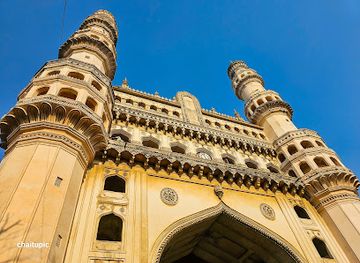
Charminar
Explore the iconic Charminar, a historical monument in Hyderabad showcasing stunning architecture and the vibrant culture of the city.
-
Fortress
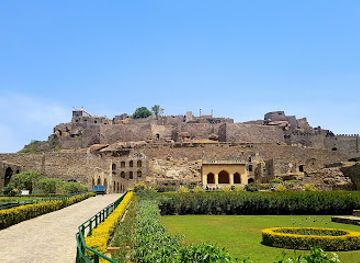
Golconda Fort
Discover the grandeur of Golconda Fort in Hyderabad, a historical landmark reflecting India's rich heritage and architectural prowess.
-
Handicraft
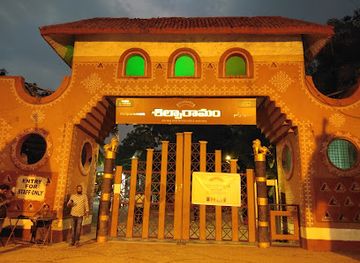
Shilparamam
Explore Shilparamam in Hyderabad, an arts and crafts village showcasing India's rich cultural heritage through handicrafts, performances, and local cuisine.
-
Park
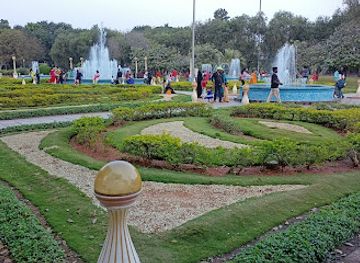
NTR Gardens
Escape to Hyderabad's NTR Gardens: A lush urban oasis with serene landscapes, recreational activities, and a tribute to N.T. Rama Rao.
Best landmarks in Eastern Ghats
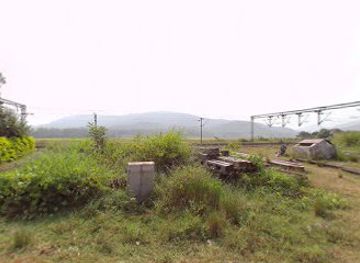
The Eastern Ghats’ most recognisable landmarks reflect both geology and religious history. Borra Caves near Araku Valley are notable for their limestone chambers and formations, while the winding railway and road approaches through the surrounding hills emphasise the region’s rugged terrain. The Udayagiri and Khandagiri caves near Bhubaneswar preserve rock-cut chambers associated with ancient Jain traditions and remain among Odisha’s most important early historic monuments. The Tirumala hills form a major sacred landscape crowned by the Venkateswara temple complex, whose religious importance draws pilgrims from across India. In the southern ranges, the flat-topped Shevaroy, Kolli and Javadi hills create distinctive horizons above the plains, while the red and forested uplands around Koraput and Mahendragiri provide important natural reference points. The Seshachalam Hills are significant for both their dry deciduous forests and their association with the Tirupati pilgrimage region.
-
Tourist attraction
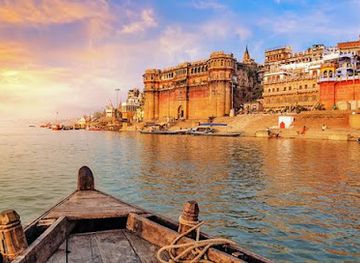
Assi Ghat Varanasi
Experience the spiritual heart of Varanasi at Assi Ghat, where tradition, culture, and breathtaking views converge along the sacred Ganges River.
-
Tourist attraction
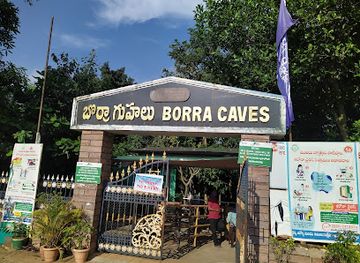
Borra Caves
Explore the mesmerizing Borra Caves in Andhra Pradesh, where stunning limestone formations and rich cultural heritage await adventurers and nature lovers alike.
-
Mountain range
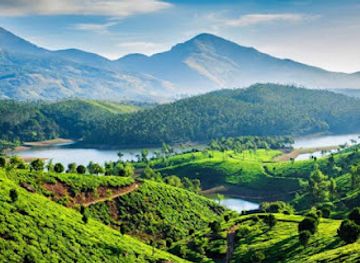
Western Ghats
Discover the breathtaking beauty of the Western Ghats, a UNESCO World Heritage Site, where adventure and nature intertwine in perfect harmony.
-
Vista
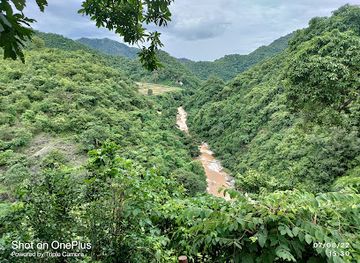
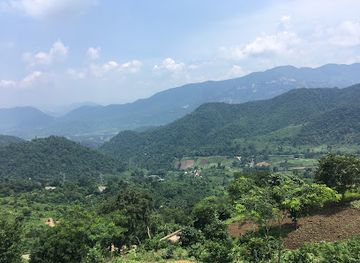
Eastern Ghats Areal View
Discover the stunning vistas and rich biodiversity of the Eastern Ghats, a natural wonder in Andhra Pradesh that promises adventure and tranquility.
Explore Eastern Ghats on the map
Plan your trip on one map. See where the top cities, national parks and sights are, and book hotels and experiences in a few clicks.
Best hotels in Eastern Ghats
Best restaurants in Eastern Ghats
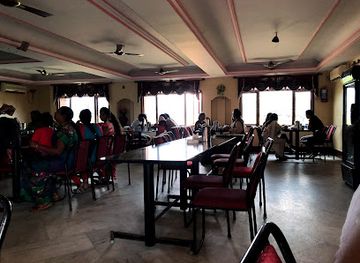
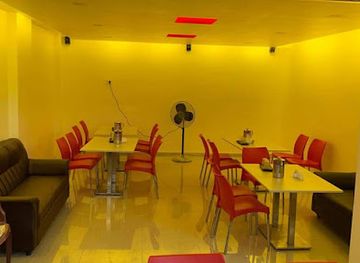
Food in the Eastern Ghats changes with language, altitude, community and agricultural tradition. Andhra hill destinations commonly serve rice, lentils, spicy vegetable preparations, chicken and regional pickles, while Odisha’s uplands have their own rice-based meals, leafy greens, millets and forest-derived ingredients. In Tamil Nadu’s hill towns, visitors encounter South Indian staples alongside produce grown in cooler conditions, including vegetables, fruit and coffee. Araku is particularly associated with coffee cultivation, although quality and sourcing vary between producers. Small eateries, vegetarian restaurants, roadside stalls and market vendors generally provide the most practical way to eat locally, while hotels in established hill stations offer broader menus for visitors. Ask about ingredients and preparation in remote areas, especially where seasonal forest produce or meat is involved. Drinking water from sealed bottles or reliable filtered supplies is advisable, and food availability can be limited outside larger towns.
-
Biryani
Vasundhara Restaurant
Discover authentic South Indian flavors at Vasundhara Restaurant in Padmapuram – your destination for delicious biryani and vegetarian delights.
-
Chicken
Sri Anjaneya Bamboo Chicken
Experience authentic Andhra cuisine at Sri Anjaneya Bamboo Chicken, where traditional flavors meet stunning natural beauty.
-
Restaurant
AHA restaurant A/C
Experience authentic Indian cuisine at AHA Restaurant A/C in Salur - where tradition meets taste.
-
Indian
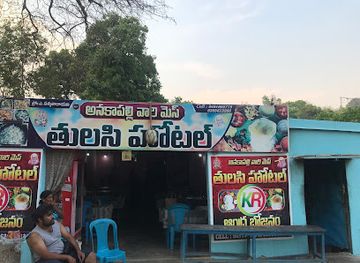
Anakapalle vari mess
Discover the rich flavors of Indian cuisine at Anakapalle Vari Mess in Borra – a must-visit for food lovers seeking authentic experiences.
Best bars in Eastern Ghats
Nightlife in the Eastern Ghats is generally quiet and centred on family restaurants, hotel dining rooms, traditional tea and coffee stalls, and the evening activity of hill towns rather than dedicated clubs. Araku Valley, Yercaud, Kolli Hills and larger gateway towns have the widest choice of licensed restaurants and hotel bars, while rural districts may offer little after dark beyond local eateries. Some towns have small venues with music during holiday periods, but schedules and opening arrangements change frequently. Alcohol regulations differ by state, and visitors should use licensed establishments rather than assuming that drinks are available everywhere. The region’s evening appeal lies more in cool air, village markets, temple surroundings, stargazing and early-morning access to forests or viewpoints than in a substantial club scene.
-
Cocktail bar
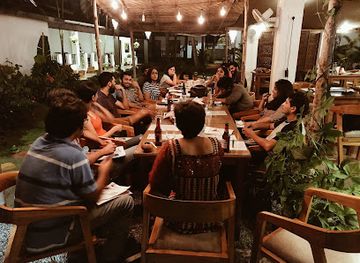
Hideaway Café and Bar
Experience the vibrant atmosphere and delightful flavors at Hideaway Café and Bar, Vagator's premier cocktail destination.
-
Grill
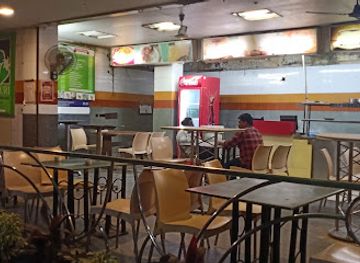
Gravity
Experience the vibrant flavors and lively atmosphere at Gravity, Vizianagaram's premier grill destination offering unforgettable culinary delights.
-
Grill
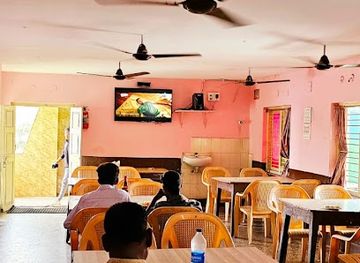
Janapriya Restaurant & Bar
Discover the essence of Andhra Pradesh's cuisine at Janapriya Restaurant & Bar, offering grilled delights and a vibrant atmosphere in Vizianagaram.
-
Cocktail bar
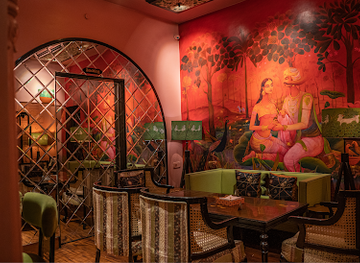
Native Cocktail Room
Experience Jaipur's nightlife at Native Cocktail Room, where innovative cocktails and a lively atmosphere meet in the heart of Rajasthan.
Best nightclubs in Eastern Ghats
Nightlife in the Eastern Ghats is generally quiet and centred on family restaurants, hotel dining rooms, traditional tea and coffee stalls, and the evening activity of hill towns rather than dedicated clubs. Araku Valley, Yercaud, Kolli Hills and larger gateway towns have the widest choice of licensed restaurants and hotel bars, while rural districts may offer little after dark beyond local eateries. Some towns have small venues with music during holiday periods, but schedules and opening arrangements change frequently. Alcohol regulations differ by state, and visitors should use licensed establishments rather than assuming that drinks are available everywhere. The region’s evening appeal lies more in cool air, village markets, temple surroundings, stargazing and early-morning access to forests or viewpoints than in a substantial club scene.
-
Night club
AREE HILLS
Discover Aree Hills, the vibrant night club in Araku Valley, offering an enchanting blend of nightlife and natural beauty for unforgettable experiences.
Best shops in Eastern Ghats
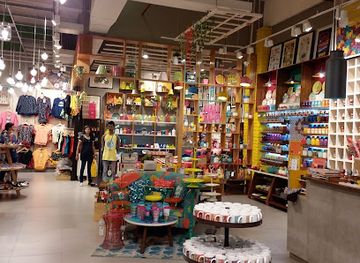
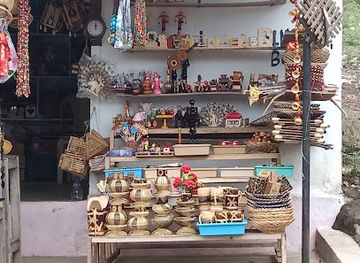
Shopping in the Eastern Ghats is strongest in market towns, hill-station bazaars and cooperative outlets rather than in large retail districts. Visitors may find coffee from the Araku area, millets, spices, honey, fruit preserves, forest produce and locally made snacks, although provenance and labelling should be checked. Odisha’s upland communities are known in different areas for textiles, bamboo work, wrought metal objects and other crafts, while Tamil Nadu hill towns sell produce such as coffee, spices, fruit and handmade goods alongside ordinary high-street merchandise. Tribal museums and government-supported emporia can provide a more reliable route to authenticated crafts, but displays and stock vary. Bargaining is common in some informal markets but not appropriate everywhere. Avoid buying antiquities, unverified wildlife products or plants collected from protected forests, and choose transportable goods that support local makers without encouraging exploitation.
-
Shopping mall
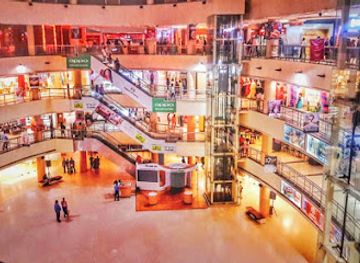
LuLu International Shopping Mall
Experience the ultimate shopping and entertainment destination at LuLu International Shopping Mall in Kochi, where culture meets modernity.
-
Shopping mall
Express Avenue
Explore Express Avenue, Chennai's premier shopping mall, where retail therapy meets entertainment in a vibrant setting.
-
Tourist attraction
Borra Caves
Explore the enchanting Borra Caves, a natural marvel in Andhra Pradesh, showcasing stunning limestone formations and rich cultural history.
-
Tourist attraction
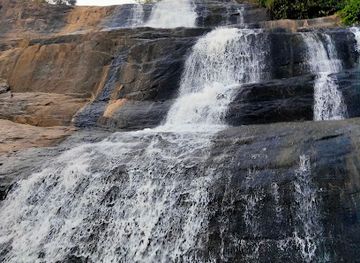
Ananthagiri Water Falls
Experience the breathtaking beauty of Ananthagiri Water Falls, a serene escape in Andhra Pradesh's Anantagiri Mountain Range.
Get your free copy of our complete guide to Eastern Ghats, delivered straight to you.
Everything on this page, from attractions and restaurants to essentials and local phrases, in one PDF you can read offline, print or share.
Already have an account? Sign in
Your Eastern Ghats guide is ready.
We'll send it to · Not you? Sign out

Getting your guide ready…
We are putting together a fresh copy of the Eastern Ghats guide. This can take up to a minute.
This can take a few moments. If your browser asks, choose Allow so the download can start. You'll find the guide in your Downloads folder.
Nothing happened? Download it again
Sorry, the guide is taking longer than usual. Please try again in a minute, or get it by email instead.
Eastern Ghats essentials
Currency and Payment
Safety
Emergency Situations
Do's and Don'ts
Local Tips
From Eve
Local phrases worth knowing
You don't need to get them perfect. A few words go a long way, and locals appreciate the effort.
Basics
| English | Local | Say it |
|---|---|---|
| Hello | నమస్కారం | [Namaskāraṁ] |
| Goodbye | వీడ్కోలు | [Vīḍkōlu] |
| Yes | అవును | [Avunu] |
| No | కాదు | [Kādu] |
| Please/You’re welcome | దయచేసి | [Dayacēsi] |
| Thank you | ధన్యవాదాలు | [Dhan'yavādālu] |
| Excuse me/Sorry | క్షమించండి | [Kṣamiñcaṇḍi] |
| How are you? | మీరు ఎలా ఉన్నారు? | [Mīru ēlā unnāru?] |
| Fine. And you? | బాగున్నాను. మీరు ఎలా? | [Bāgunnānu. Mīru ēlā?] |
| Do you speak English? | మీరు ఇంగ్లీష్ మాట్లాడుతారా? | [Mīru iṅglīṣ māṭlāḍutārā?] |
| I don't understand | నాకు అర్థం కావడం లేదు | [Nāku arthaṁ kāvaḍaṁ lēdu] |
Eating & Drinking
| English | Local | Say it |
|---|---|---|
| I’d like to see the menu, please | దయచేసి, మెనూ చూడాలనుకుంటున్నాను | [Dayacēsi, menū cūḍālanukuṇṭunnānu] |
| I don't eat meat | నేను మాంసం తినను | [Nēnu māṁsaṁ tinanu] |
| Cheers! | జై! | [Jai!] |
| I would like to pay, please | దయచేసి నేను చెల్లించాలనుకుంటున్నాను | [Dayacēsi nēnu celliñcālanukuṇṭunnānu] |
Emergencies
| English | Local | Say it |
|---|---|---|
| Help! | ఉదவி! | [Udavi!] |
| Go away! | వెళ్ళిపో! | [Veḷḷipō!] |
| Call the Police! | పోలీసులను పిలవండి! | [Pōlīsulanu pilavaṇḍi!] |
| Call a doctor! | ఒక డాక్టర్ను పిలవండి! | [Oka ḍākṭar nu pilavaṇḍi!] |
| I’m lost | నేను కోల్పోయాను | [Nēnu kōlpōyānu] |
| I’m ill | నేను అనారోగ్యంగా ఉన్నాను | [Nēnu anārōgyāṅgā unnānu] |
Shopping
| English | Local | Say it |
|---|---|---|
| I’d like to buy... | నేను కొనాలనుకుంటున్నాను... | [Nēnu konālanukuṇṭunnānu...] |
| I’m just looking | నేను చూస్తున్నాను | [Nēnu cūstunnānu] |
| How much is it? | ఇది ఎంత? | [Idi enta?] |
| That’s too expensive | అది చాలా ఖరీదే | [Adi chālā kharīde] |
| Can you lower the price? | మీరు ధర తగ్గించగలరా? | [Mīru dhara taggiñcagalārā?] |
Time & Numbers
| English | Local | Say it |
|---|---|---|
| What time is it? | ఇది ఎంత సమయం? | [Idi enta samayaṁ?] |
| It’s one o’clock | ఇది ఒక్క గంట | [Idi okka gaṇṭa] |
| Half past (10) | పది లేదా | [Padi lēdā] |
| Morning | ఉదయం | [Udayaṁ] |
| Afternoon | మధ్యాహ్నం | [Madhyāhnaṁ] |
| Evening | సాయంత్రం | [Sāyantraṁ] |
| Yesterday | నిన్న | [Ninna] |
| Today | ఈ రోజు | [Ī rōju] |
| Tomorrow | రేపు | [Rēpu] |
| 1 | ఒకటి | [Okaṭi] |
| 2 | రెండు | [Reṇḍu] |
| 3 | మూడు | [Mūḍu] |
| 4 | నాలుగు | [Nālugu] |
| 5 | ఐదు | [Aidu] |
| 6 | ఆరు | [Āru] |
| 7 | ఏడు | [Ēḍu] |
| 8 | ఎనిమిది | [Enimidi] |
| 9 | తొమ్మిది | [Tommidi] |
| 10 | దస | [Dasa] |
Transport & Directions
| English | Local | Say it |
|---|---|---|
| Where's a/the...? | ఒక/ది ... ఎక్కడ? | [Oka/di ... ekkaḍa?] |
| What's the address? | చిరునామా ఏమిటి? | [Cirunāmā ēmiṭi?] |
| Can you show me (on the map)? | మీరు నాకు చూపించగలరా (నక్షత్రం మీద)? | [Mīru nāku cūpiñcagalārā (nakaṣṭraṁ mēda)?] |
| When's the next (bus)? | తర్వాతి (బస్సు) ఎప్పుడు? | [Taravāṭi (bussu) eppuḍu?] |
| A ticket (to ....) | ఒక టికెట్ (.... కు) | [Oka ṭikeṭ (.... ku)] |
History of Eastern Ghats
Early Settlement and Archaeological Landscapes
The Eastern Ghats have supported human settlement for many thousands of years, with prehistoric tools, rock shelters, burial monuments and later agrarian communities recorded in different hill districts. Archaeological evidence is uneven because the range is extensive and many sites remain rural or lightly interpreted for visitors. In parts of Odisha, Andhra Pradesh and Tamil Nadu, megalithic burials and early iron-working traditions reveal long-standing connections between upland communities, farming and mineral resources. The archaeological record is best approached region by region rather than as evidence of one uniform Eastern Ghats culture.
Buddhist and Early Historic Networks
The hills and valleys of eastern India formed part of wider networks linking inland settlements with the coast and the Deccan. In Odisha, Buddhist establishments and rock-cut sites developed under ancient dynasties, while trade routes crossed the uplands towards ports and river corridors. The Udayagiri and Khandagiri caves near Bhubaneswar, although close to the coastal plain, illustrate the importance of the eastern hill country in the early historic period. Elsewhere, ancient religious and commercial routes left more fragmentary remains, often absorbed into later sacred landscapes.
Medieval Kingdoms and Sacred Hills
During the medieval period, the Eastern Ghats lay across the territories and contested frontiers of several regional powers, including dynasties based in Odisha, Andhra and Tamil country. Fortified settlements controlled passes and routes through the hills, while temples and pilgrimage centres became important landholders and cultural institutions. The Tirumala hills developed into one of southern India’s most significant Vaishnavite pilgrimage landscapes, and numerous smaller hilltop shrines acquired local importance. Political authority was often layered, combining royal power, temple institutions and the autonomy of upland communities.
Colonial Rule, Forest Administration and Transport
British expansion brought new systems of revenue collection, forest administration and transport to the Eastern Ghats, although control remained uneven in remote uplands. Roads and railways connected selected valleys and mining areas with coastal towns, while forests were increasingly classified and regulated for timber, revenue and strategic purposes. Colonial ethnographic and administrative categories also reshaped official descriptions of Adivasi communities. Some hill stations and plantation economies developed during this period, but much of the region remained dependent on subsistence agriculture, forest resources and local exchange.
Adivasi Rights and Regional Movements
Resistance to land alienation, forest restrictions, taxation and outside control has been a recurring feature of Eastern Ghats history. Movements associated with tribal communities emerged in several areas, including the Rampa rebellion in the hill tracts of present-day Andhra Pradesh during the early twentieth century. These histories are not confined to military confrontation: they also concern customary land use, access to forests, dignity and political representation. After independence, constitutional protections and state welfare programmes altered administration, but displacement and competing claims over land and resources have remained important issues.
Dams, Mining and Industrial Change
Since independence, roads, irrigation schemes, hydroelectric projects, mining and industrial development have transformed parts of the Eastern Ghats. Bauxite, iron ore, chromite and other mineral resources have attracted investment, while dams and reservoirs have changed river valleys and sometimes displaced communities. The Visakhapatnam hinterland, Koraput region and parts of Odisha and Telangana show different versions of this transition. Development has brought employment and infrastructure in some places, but also environmental disputes, forest loss and debates over consent, rehabilitation and the protection of vulnerable landscapes.
Conservation and Contemporary Tourism
The Eastern Ghats now contain national parks, wildlife sanctuaries, reserved forests and community-led conservation initiatives, though protection is uneven across the range. Similipal, Seshachalam, Sri Venkateswara and other protected landscapes conserve important forests and wildlife, while hill destinations such as Araku Valley, Yercaud and Kolli Hills attract domestic visitors. Tourism is increasingly linked to trekking, birdwatching, heritage and local produce, but its future depends on limiting waste, respecting forest regulations and ensuring that local communities benefit from visitor economies.
Eastern Ghats in Photos
Browse through our photo collection highlighting the charm and character of the destination.
Neighbouring regions of Eastern Ghats
The closest regions to Eastern Ghats, if you have time for more than one.
-

-

-

-

-


Swipe for more regions
Explore more

Explore more of India
Discover the magic of India, where diverse landscapes, rich heritage, and vibrant culture come together to create an unforgettable travel experience.
Explore India