

Free Northeast Indiana Travel Guide & Mobile App
Explore Northeast Indiana with free travel guides. Discover regional history, expert tips, proposed trips, and audio guides on web or mobile app.


Explore Northeast Indiana for Fort Wayne culture, glacial lakes, automobile heritage, Amish country, outdoor recreation and welcoming small towns.
Read more about Northeast Indiana
When is the best time to visit Northeast Indiana?
Best: June, August–September · 22–27°C| Month | High (°C) | Rainfall (mm) |
|---|---|---|
| January | 1 | 50 |
| February | 3 | 45 |
| March | 8 | 55 |
| April | 15 | 70 |
| May | 21 | 80 |
| June (best) | 26 | 85 |
| July | 28 | 90 |
| August (best) | 27 | 85 |
| September (best) | 22 | 80 |
| October | 16 | 70 |
| November | 9 | 60 |
| December | 3 | 55 |
Getting to and around Northeast Indiana
How to get there
Transportation
Top city travel guides in Northeast Indiana
The cities of Northeast Indiana, and the easiest places to base yourself.
-

-

-

-

-

-


Swipe for more cities
Destinations in Northeast Indiana
Resorts, valleys and scenic spots worth a trip of their own.

Swipe for more destinations
Best attractions in Northeast Indiana
Northeast Indiana's attractions range from urban museums and family institutions in Fort Wayne to wooded state parks, lake recreation and heritage towns. Fort Wayne's History Center explores regional development, while the Fort Wayne Museum of Art provides a focus for visual culture; the city also has major family-oriented attractions and a river-centred network of parks and trails. Near Angola, Pokagon State Park combines Lake James scenery with woodland walking, beaches and seasonal outdoor pursuits. Chain O'Lakes State Park near Albion offers boating, fishing, paddling and trails around a distinctive linked-lake landscape. Auburn is the region's principal destination for automotive history, with the Auburn Cord Duesenberg Automobile Museum and related heritage sites. Shipshewana and surrounding LaGrange County appeal for rural scenery, Amish-related craft traditions, auctions, produce and furniture. Smaller historic centres, county museums, nature preserves, golf courses and the Wabash River corridor add variety, although many rural attractions are best reached by car and may operate seasonally.
-
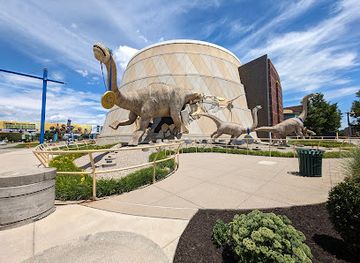
Children's museum
The Children's Museum of Indianapolis
Discover, learn, and play at The Children's Museum of Indianapolis, where curiosity meets creativity in a fun-filled environment for all ages.
-
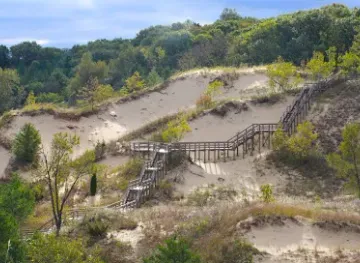
National park
Indiana Dunes National Park
Explore the breathtaking landscapes of Indiana Dunes National Park, a natural wonder along Lake Michigan's southern shore, perfect for outdoor adventures and relaxation.
-
State park
Warren Dunes State Park
Discover the breathtaking landscapes and recreational activities at Warren Dunes State Park along Lake Michigan's shores.
-
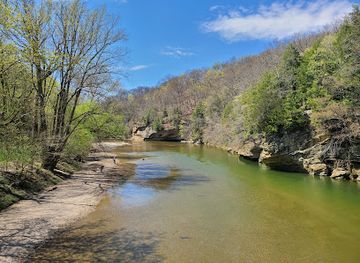
State park
Turkey Run State Park
Immerse yourself in the natural beauty of Turkey Run State Park, Indiana's premier destination for outdoor adventure and scenic landscapes.

Best landmarks in Northeast Indiana
The region's most recognisable landmarks include the historic fort site in central Fort Wayne, which recalls the strategic portage linking the St Joseph and Wabash river systems, and the city's rivers themselves, whose convergence helped determine its long-term importance. The former Auburn Automobile Company headquarters, now home to the Auburn Cord Duesenberg Automobile Museum, is a major architectural and industrial landmark as well as a museum. Pokagon State Park's rolling wooded shores and Lake James provide Northeast Indiana with one of its clearest natural signatures, while Chain O'Lakes is distinguished by its connected glacial water bodies near Albion. In rural LaGrange County, the landscape of farms, lanes, workshops and small settlements is a cultural landmark shaped by Amish presence, though it should be experienced with discretion. Historic courthouse squares, commercial blocks, churches and railway-era buildings in towns such as Huntington, Wabash and Angola complete the region's architectural record.
-
National park
Indiana Dunes National Park
Experience the breathtaking landscapes and diverse ecosystems of Indiana Dunes National Park, a natural paradise on the shores of Lake Michigan.
-
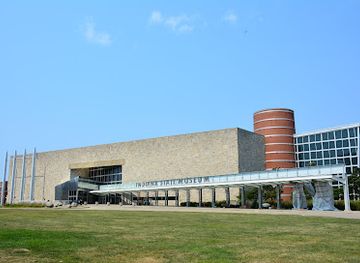
Museum
Indiana State Museum
Explore Indiana's history, culture, and nature at the Indiana State Museum, a captivating experience in the heart of Indianapolis.
-
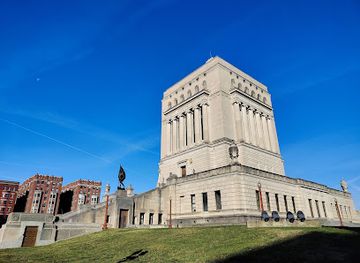
Historical landmark
Indiana War Memorial & Museum
Explore the Indiana War Memorial & Museum in Indianapolis, a poignant tribute to military valor, rich history, and remembrance of Indiana's veterans.
-
Park
George Rogers Clark National Historical Park
Experience the rich history and scenic beauty of George Rogers Clark National Historical Park, a key site in America's Revolutionary War journey.

Explore Northeast Indiana on the map
Plan your trip on one map. See where the top cities, national parks and sights are, and book hotels and experiences in a few clicks.
Best hotels in Northeast Indiana
Best restaurants in Northeast Indiana
Dining in Northeast Indiana reflects Midwestern agriculture, immigrant settlement and a strong culture of independent local businesses. Fort Wayne offers the widest choice, from cafés, bakeries and breweries to contemporary restaurants, international cooking, steakhouses and established diners. In rural areas, traditional American restaurants, family-run cafés, tenderloins, fried chicken, barbecue and hearty breakfasts remain common. LaGrange County and the Shipshewana area are known for restaurants and bakeries associated with Amish Country, although visitors should distinguish commercial establishments open to the public from private Amish life. Farm shops and seasonal markets provide produce, preserves, baked goods and other regional purchases, while lake communities add casual summer dining. Indiana-grown corn, soy, pork and other farm products underpin the wider food economy, but not every dish served locally is exclusive to Northeast Indiana. Reservations are useful for popular restaurants and weekend dining in the smaller tourism centres.
-
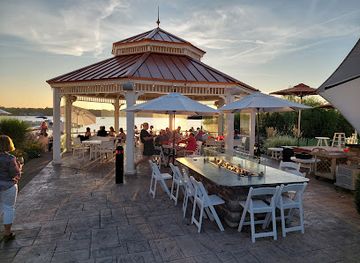
Restaurant
Lighthouse Restaurant
Discover exquisite dining with stunning lakeside views at Cedar Lake's renowned Lighthouse Restaurant.
-
American
Harry & Izzy's
Indulge in exceptional American cuisine at Harry & Izzy's, where every meal promises quality and flavor in an inviting atmosphere.
-
Family-friendly
Sara’s Family Restaurant
Experience family-friendly dining at Sara's Family Restaurant in Fort Wayne with delicious breakfasts and a warm atmosphere perfect for all ages.
-
British
Payne's Restaurant
Discover Payne's Restaurant: A delightful blend of British cuisine and cozy coffee shop vibes in Gas City.


Best bars in Northeast Indiana
Northeast Indiana's evening scene is concentrated in Fort Wayne, where downtown and nearby districts offer breweries, cocktail bars, restaurants, live music, comedy, performing arts and occasional late-night venues. The city has the region's broadest choice, but it remains more compact and locally oriented than the nightlife of a major metropolitan area. Auburn, Angola, Huntington and other county seats provide traditional pubs, taverns, brewery-style venues and restaurant bars, with activity often shaped by university calendars, festivals and summer tourism. Around the lakes, evenings tend to centre on relaxed dining, accommodation and seasonal outdoor gatherings rather than large nightclubs. In rural areas, historic inns and community events may be more significant than late-night entertainment. Check current arrangements locally, as small venues and seasonal businesses can change schedules.
-
Restaurant
Jed’s BBQ & Brew of Angola
Savor the authentic flavors of Indiana at Jed's BBQ & Brew, a top-notch restaurant offering delicious barbecue and a variety of craft brews.
-
Steak
Timbers Steakhouse & Seafood
Discover the exquisite flavors of prime steaks and fresh seafood at Timbers Steakhouse & Seafood in Angola, Indiana.
-
Mexican
Casa Azteca
Experience authentic Mexican cuisine at Casa Azteca in Angola, Indiana, where vibrant flavors meet a warm and inviting atmosphere.
-
Restaurant
Applebee's Grill + Bar
Discover the perfect blend of American cuisine and a friendly atmosphere at Applebee's Grill + Bar in Angola, Indiana.


Best nightclubs in Northeast Indiana
Northeast Indiana's evening scene is concentrated in Fort Wayne, where downtown and nearby districts offer breweries, cocktail bars, restaurants, live music, comedy, performing arts and occasional late-night venues. The city has the region's broadest choice, but it remains more compact and locally oriented than the nightlife of a major metropolitan area. Auburn, Angola, Huntington and other county seats provide traditional pubs, taverns, brewery-style venues and restaurant bars, with activity often shaped by university calendars, festivals and summer tourism. Around the lakes, evenings tend to centre on relaxed dining, accommodation and seasonal outdoor gatherings rather than large nightclubs. In rural areas, historic inns and community events may be more significant than late-night entertainment. Check current arrangements locally, as small venues and seasonal businesses can change schedules.
-
Night club
Break & Run
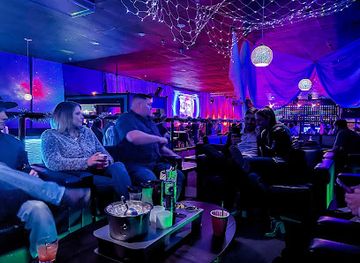
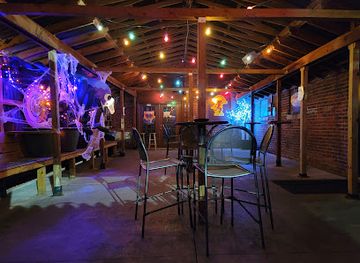
Experience the vibrant nightlife at Break & Run, Fort Wayne's premier night club with dance, darts, and delicious food at affordable prices.
-
Grill
Wings Etc.
Experience the ultimate flavor adventure at Wings Etc. in Angola, Indiana, featuring delicious chicken wings, burgers, and a lively sports bar atmosphere.
-
Night club
The Kokomo Country Palace
Discover the vibrant nightlife of Kokomo at The Kokomo Country Palace, a lively night club and bar that promises unforgettable experiences.
-
Night club
After Dark
Discover the vibrant nightlife of After Dark, Fort Wayne's premier nightclub offering an inclusive atmosphere, great music, and unforgettable experiences.


Best shops in Northeast Indiana
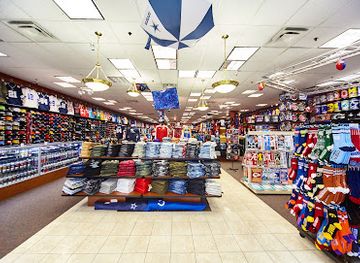
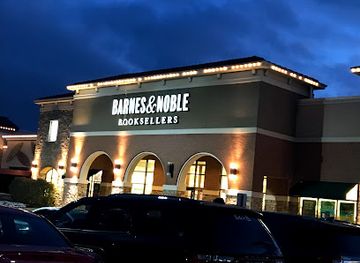
Shopping varies from Fort Wayne's broad selection of national retailers, independent boutiques, galleries and specialist food shops to the distinctive rural retail of LaGrange County and DeKalb County. Shipshewana and the surrounding Amish Country are associated with furniture, quilts, woodwork, craft goods, home furnishings, baked products and farm-market shopping, while auctions and seasonal markets contribute to the area's commercial character. Auburn is a natural place to look for motoring books, model cars and heritage-themed gifts connected with its automotive history. Fort Wayne provides the region's strongest choice of books, art, clothing, antiques and local food products, with markets and independent businesses complementing larger shopping areas. In smaller towns, historic downtowns often contain antiques, gifts, cafés and locally owned shops rather than extensive department-store retail. Check market days and seasonal opening arrangements before making a special journey, and ask about provenance when buying handmade or farm-produced goods.
-
Shopping mall
Glenbrook Square
Discover a diverse range of shopping, dining, and entertainment at Glenbrook Square, Fort Wayne's premier shopping destination.
-
Shopping mall
Jefferson Pointe Shopping Center
Experience shopping, dining, and entertainment all in one vibrant location at Jefferson Pointe Shopping Center in Fort Wayne, Indiana.
-
Department store
Walmart Supercenter
Explore Walmart Supercenter in Angola, a versatile shopping destination offering groceries, clothing, electronics, and more—all under one roof.
-
Department store
Kohl's
Discover the ultimate shopping experience at Kohl's in Angola, Indiana, where affordability meets variety in a welcoming department store.


Get your free copy of our complete guide to Northeast Indiana, delivered straight to you.
Everything on this page, from attractions and restaurants to essentials and local phrases, in one PDF you can read offline, print or share.
Already have an account? Sign in
Your Northeast Indiana guide is ready.
We'll send it to · Not you? Sign out

Getting your guide ready…
We are putting together a fresh copy of the Northeast Indiana guide. This can take up to a minute.
This can take a few moments. If your browser asks, choose Allow so the download can start. You'll find the guide in your Downloads folder.
Nothing happened? Download it again
Sorry, the guide is taking longer than usual. Please try again in a minute, or get it by email instead.
Northeast Indiana essentials
Currency and Payment
Safety
Emergency Situations
Do's and Don'ts
Local Tips
From Eve
Local phrases worth knowing
You don't need to get them perfect. A few words go a long way, and locals appreciate the effort.
Basics
| English | Local | Say it |
|---|---|---|
| Hello | Howdy | [Hau-dee] |
| Goodbye | See ya | [See yah] |
| Yes | Yep | [Yep] |
| No | Nope | [Nope] |
| Please/You’re welcome | Sure thing | [Shur thing] |
| Thank you | Thanks a lot | [Thanks a lot] |
| Excuse me/Sorry | Pardon me | [Par-don me] |
| How are you? | How ya doin'? | [How yah doin'?] |
| Fine. And you? | Good. And you? | [Good. And you?] |
| Do you speak English? | Do ya speak English? | [Do yah speak English?] |
| I don't understand | I ain't gettin' it | [I ain't gettin' it] |
Eating & Drinking
| English | Local | Say it |
|---|---|---|
| I'd like to see the menu, please | Can I see the menu, please? | [Can I see the menu, please?] |
| I don't eat meat | I don’t do meat | [I don’t do meat] |
| Cheers! | Cheers! | [Cheers!] |
| I would like to pay, please | Can I get the check, please? | [Can I get the check, please?] |
Emergencies
| English | Local | Say it |
|---|---|---|
| Help! | Help! | [Help!] |
| Go away! | Leave me alone! | [Leave me alone!] |
| Call the Police! | Call the cops! | [Call the cops!] |
| Call a doctor! | Get a doc! | [Get a doc!] |
| I'm lost | I'm all turned around | [I'm all turned around] |
| I'm ill | I'm not feelin' well | [I'm not feelin' well] |
Shopping
| English | Local | Say it |
|---|---|---|
| I'd like to buy... | I wanna buy... | [I wanna buy...] |
| I'm just looking | Just browsin' | [Just browsin'] |
| How much is it? | What’s the price? | [What’s the price?] |
| That's too expensive | That’s a bit pricey | [That’s a bit pricey] |
| Can you lower the price? | Can ya make it cheaper? | [Can yah make it cheaper?] |
Time & Numbers
| English | Local | Say it |
|---|---|---|
| What time is it? | What time ya got? | [What time yah got?] |
| It's one o'clock | It's one o'clock | [It's one o'clock] |
| Half past (10) | Half past ten | [Half past ten] |
| Morning | Mornin' | [Mornin'] |
| Afternoon | Afternoon | [Afternoon] |
| Evening | Evenin' | [Evenin'] |
| Yesterday | Yesterd'y | [Yesterd'y] |
| Today | Today | [Today] |
| Tomorrow | Tomorrah | [Tomorrah] |
| 1 | One | [One] |
| 2 | Two | [Two] |
| 3 | Three | [Three] |
| 4 | Four | [Four] |
| 5 | Five | [Five] |
| 6 | Six | [Six] |
| 7 | Seven | [Seven] |
| 8 | Eight | [Eight] |
| 9 | Nine | [Nine] |
| 10 | Ten | [Ten] |
Transport & Directions
| English | Local | Say it |
|---|---|---|
| Where's a/the...? | Where’s the nearest...? | [Where’s the nearest...?] |
| What's the address? | What’s the address? | [What’s the address?] |
| Can you show me (on the map)? | Can ya point it out on the map? | [Can yah point it out on the map?] |
| When's the next (bus)? | When’s the next bus? | [When’s the next bus?] |
| A ticket (to ....) | A ticket to ... | [A ticket to ...] |
History of Northeast Indiana
Indigenous Homelands and River Corridors
Long before European-American settlement, the region was inhabited and travelled by Indigenous peoples including Miami, Potawatomi and other Native communities. Rivers, wetlands and portage routes connected the Great Lakes with the Wabash system, making the area important for movement, trade and diplomacy. Fort Wayne developed near the historic portage between the St Joseph and Little Wabash rivers, a strategic connection between the Great Lakes and the interior. Treaties and forced removals in the nineteenth century transferred Indigenous lands to the United States, with enduring consequences for Native communities and the region's settlement pattern.
Fort Wayne and the Frontier Era
A succession of military posts occupied the important portage site that became Fort Wayne, including a United States fort established in 1794 after the Battle of Fallen Timbers. The settlement was named for General Anthony Wayne and grew as Indiana became organised as a territory and then a state. The fort's strategic importance declined as political control and transportation networks expanded, but its location helped establish Fort Wayne as the region's principal town. The city's historic centre and rivers remain closely connected to this early geographical advantage.
Canals, Roads and the Railways
Northeast Indiana's communities expanded rapidly during the nineteenth century as canals, turnpikes and railways connected farms and towns with markets beyond the region. The Wabash and Erie Canal reached the Fort Wayne area in the 1830s, although railways later became the more influential form of transport. Rail links encouraged grain handling, milling, commerce and manufacturing, while new towns developed along routes through the countryside. The surviving street plans, depots, industrial buildings and commercial blocks of several communities reflect this transition from frontier settlement to an integrated regional economy.
Agriculture, Immigration and Rural Communities
Fertile soils and extensive land drainage supported grain, livestock and specialised farming across the region. European-American migration created a patchwork of communities with German, Irish and other cultural influences, while later religious migrations shaped parts of LaGrange and neighbouring counties. Amish communities became particularly associated with the Shipshewana and Middlebury area, where farming, craft production and traditional forms of transport remain visible. Rural life has changed through mechanisation and consolidation, but agricultural markets, farm shops, fairs and country roads continue to form an important part of Northeast Indiana's identity.
The Auburn Automobile Story
Auburn became internationally associated with automobile manufacturing during the early twentieth century. The Auburn Automobile Company, alongside the Cord and Duesenberg marques, produced technically ambitious and highly styled cars before the economic pressures of the Great Depression contributed to the industry's collapse. The Auburn Cord Duesenberg Automobile Museum, housed in the former company headquarters, preserves this history through vehicles, design and corporate records. The legacy extends beyond the museum: automotive engineering, specialist manufacturing and annual heritage events have helped keep DeKalb County's motoring past central to its public identity.
Manufacturing and Modern Regional Development
During the twentieth century, Fort Wayne and surrounding counties developed a diverse manufacturing base involving machinery, vehicles, electrical equipment, defence-related production and agricultural industries. The region's position between the Great Lakes and the Midwest, combined with rail and highway connections, supported this industrial growth. Manufacturing brought prosperity but also exposed communities to national changes in production and employment. Contemporary Northeast Indiana combines established factories with logistics, health care, education, technology and small enterprise, while museums and preserved industrial sites provide a tangible link to its working past.
Northeast Indiana in Photos
Browse through our photo collection highlighting the charm and character of the destination.
Neighbouring regions of Northeast Indiana
The closest regions to Northeast Indiana, if you have time for more than one.
-

-

-

-

-


Swipe for more regions
Explore more

Explore more of Indiana
Explore Indiana: From the bustling streets of Indianapolis to the serene beauty of Indiana Dunes, discover the diverse experiences that make Indiana the Crossroads of America.
Explore Indiana