

Free The Great Lakes Plain Travel Guide & Mobile App
Explore The Great Lakes Plain with free travel guides. Discover regional history, expert tips, proposed trips, and audio guides on web or mobile app.


Explore Indiana’s Great Lakes Plain for Lake Michigan beaches, shifting dunes, wetlands, industrial heritage, trails and lakefront towns.
Read more about The Great Lakes Plain
When is the best time to visit The Great Lakes Plain?
Best: May–June, September · 22–27°C| Month | High (°C) | Rainfall (mm) |
|---|---|---|
| January | 3 | 48 |
| February | 4 | 46 |
| March | 11 | 57 |
| April | 17 | 81 |
| May (best) | 22 | 97 |
| June (best) | 27 | 102 |
| July | 29 | 91 |
| August | 29 | 91 |
| September (best) | 24 | 86 |
| October | 17 | 76 |
| November | 11 | 74 |
| December | 5 | 58 |
Getting to and around The Great Lakes Plain
How to get there
Transportation
Top city travel guides in The Great Lakes Plain
The cities of The Great Lakes Plain, and the easiest places to base yourself.
-
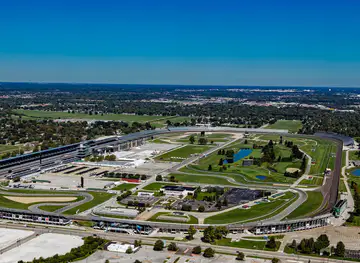
-

-

-

-

-


Swipe for more cities
Destinations in The Great Lakes Plain
Resorts, valleys and scenic spots worth a trip of their own.
-
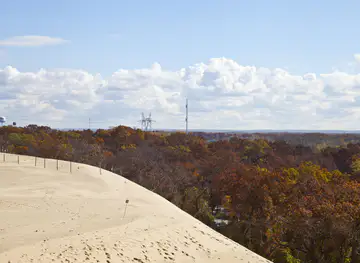
-

-

-


Swipe for more destinations
Best attractions in The Great Lakes Plain
-
Park
Falls Park on the Reedy
Explore the natural beauty and tranquility of Falls Park on the Reedy, a picturesque urban park in Greenville, South Carolina, featuring stunning waterfalls and scenic views.
-
Zoo
Indianapolis Zoo
Explore the Indianapolis Zoo, where wildlife meets adventure in a breathtaking setting filled with fun and educational experiences for everyone.
-
Children's museum
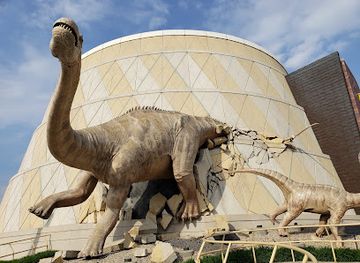
The Children's Museum of Indianapolis
Discover a world of adventure and learning at the Children's Museum of Indianapolis, where imagination comes to life through interactive exhibits and exploration.
-
Stadium
Lucas Oil Stadium
Discover Lucas Oil Stadium, a premier sports and entertainment venue in Indianapolis, home to unforgettable events and a vibrant atmosphere.


Best landmarks in The Great Lakes Plain
-
Children's museum
The Children's Museum of Indianapolis
Explore endless fun and learning at The Children's Museum of Indianapolis, the world's largest children's museum, perfect for families and young explorers.
-
Monument
Soldiers & Sailors Monument
Discover the Soldiers & Sailors Monument in Indianapolis, a historical landmark celebrating valor and offering stunning views of the downtown skyline.
-
State park
Indiana Dunes State Park
Explore Indiana Dunes State Park: A serene escape with sandy beaches, towering dunes, and diverse ecosystems on the shores of Lake Michigan.
-
Outlet mall
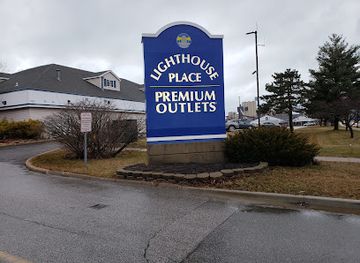
Lighthouse Place Premium Outlets
Explore incredible savings at Lighthouse Place Premium Outlets, where top brands meet unbeatable prices in Michigan City, Indiana.


Explore The Great Lakes Plain on the map
Plan your trip on one map. See where the top cities, national parks and sights are, and book hotels and experiences in a few clicks.
Best hotels in The Great Lakes Plain
Best restaurants in The Great Lakes Plain
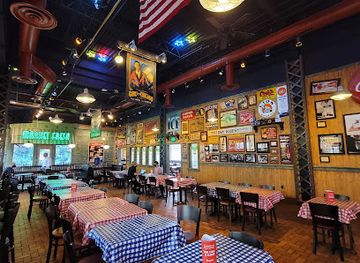
Dining across the Great Lakes Plain reflects northern Indiana’s industrial cities, lakefront communities and agricultural hinterland rather than a single defining cuisine. Gary, Hammond, East Chicago and Michigan City offer a broad mix of American, Mexican, Central and Eastern European, African American and other immigrant-influenced cooking, alongside diners, bakeries and family-run restaurants. Around Chesterton, Porter and the dune communities, cafés, breweries, farm-oriented venues and casual restaurants serve visitors heading to the parks. Farmers’ markets and independent food shops are useful for Indiana produce, baked goods and seasonal provisions, while lakefront restaurants may emphasise the setting more than a distinct local seafood tradition. Classic Midwestern comfort food, locally made beer and regional sweet treats are easy to find, but menus change considerably between neighbourhoods and towns. Reservations are sensible for popular venues at busy summer weekends, and tipping for table service follows customary US practice.
-
Fast Food
Portillo's Fishers
Discover Portillo's Fishers: Where Delicious Hot Dogs Meet Fun Dining Atmosphere in Indiana!
-
American
Cracker Barrel Old Country Store
Discover hearty Southern cuisine and unique gifts at Cracker Barrel Old Country Store in Greenfield - where comfort meets nostalgia.
-
Fast Food
Portillo's Avon
Discover the taste of America at Portillo's Avon – where every meal feels like home.
-
Seafood
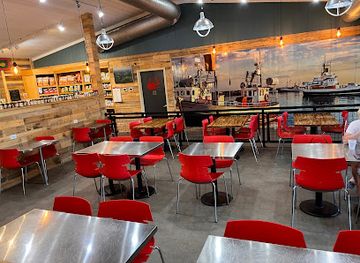
Slapfish
Discover fresh seafood delights at Slapfish in Noblesville—where ocean flavors meet local charm in a vibrant dining atmosphere.


Best bars in The Great Lakes Plain
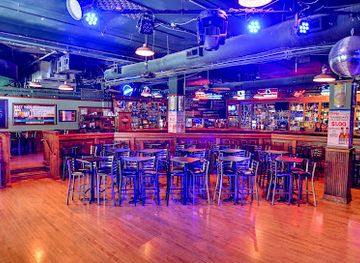
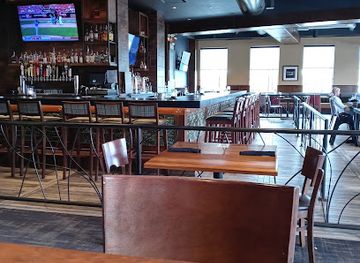
Evening life on the Great Lakes Plain is concentrated in its cities and larger towns rather than spread across the dune landscape. Gary, Hammond, East Chicago and Michigan City provide neighbourhood bars, casual restaurants, breweries, live music and occasional cultural programming, while Chesterton and Valparaiso-area communities offer a smaller-town pub and dining scene near the eastern dunes. Michigan City’s waterfront and central districts can be livelier in summer, although the area is not a continuous resort strip and many venues operate on their own seasonal or weekly schedules. Traditional bars and locally produced beer are more characteristic than a large nightclub circuit. Visitors staying near the national or state park should expect quiet evenings and should arrange transport before drinking, since trailheads, accommodation and nightlife are often separated by busy roads. Theatre, galleries and community events can provide alternatives to alcohol-centred evenings.
-
New American
Yard House
Discover the best of New American cuisine at Yard House in Indianapolis, where great food meets a lively atmosphere and an extensive beer selection.
-
Bar
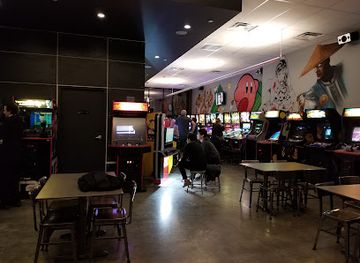
Tappers Arcade Bar
Experience the ultimate fusion of craft drinks and retro gaming at Tappers Arcade Bar in Indianapolis – a must-visit for fun lovers.
-
Bar
Howl at the Moon Indianapolis
Unleash your night at Howl at the Moon Indianapolis - a lively cocktail bar with live music, dancing, and unforgettable memories.
-
Restaurant
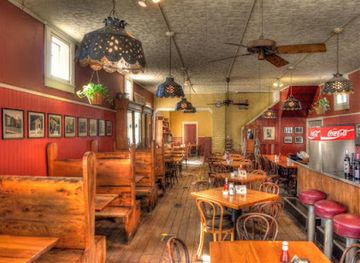
BRU Burger Bar Noblesville
Discover the delicious world of gourmet burgers at BRU Burger Bar Noblesville, where flavor meets fun in a lively atmosphere.
Best nightclubs in The Great Lakes Plain
Evening life on the Great Lakes Plain is concentrated in its cities and larger towns rather than spread across the dune landscape. Gary, Hammond, East Chicago and Michigan City provide neighbourhood bars, casual restaurants, breweries, live music and occasional cultural programming, while Chesterton and Valparaiso-area communities offer a smaller-town pub and dining scene near the eastern dunes. Michigan City’s waterfront and central districts can be livelier in summer, although the area is not a continuous resort strip and many venues operate on their own seasonal or weekly schedules. Traditional bars and locally produced beer are more characteristic than a large nightclub circuit. Visitors staying near the national or state park should expect quiet evenings and should arrange transport before drinking, since trailheads, accommodation and nightlife are often separated by busy roads. Theatre, galleries and community events can provide alternatives to alcohol-centred evenings.
-
Bar
Howl at the Moon Indianapolis
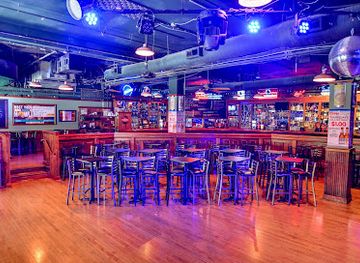
Howl at the Moon Indianapolis: Your ultimate destination for live music, handcrafted cocktails, and unforgettable nightlife in the heart of the city.
Best shops in The Great Lakes Plain
Shopping is generally local and practical rather than dominated by a single regional retail district. Michigan City has the broadest visitor-oriented mix, including central independent businesses, galleries, cafés and the Lighthouse Place Premium Outlets, while Chesterton and nearby communities provide small-town shops, antiques, books, art and locally produced food. Farmers’ markets are useful for seasonal fruit and vegetables, baked goods, preserves and other Indiana products, with dates varying through the year. In Gary, Hammond and East Chicago, neighbourhood shopping reflects the diversity and everyday life of long-established urban communities more than souvenir culture. Park-area visitors can look for books, maps, nature-themed goods and locally made crafts at visitor facilities, but stock and opening arrangements are seasonal. Good regional purchases include Indiana food products, work by local artists, brewery merchandise and practical outdoor goods rather than generic beach souvenirs.
-
Outlet mall
Lighthouse Place Premium Outlets
Explore Lighthouse Place Premium Outlets, your premier shopping destination in Michigan City with unbeatable deals on top brands.

Get your free copy of our complete guide to The Great Lakes Plain, delivered straight to you.
Everything on this page, from attractions and restaurants to essentials and local phrases, in one PDF you can read offline, print or share.
Already have an account? Sign in
Your The Great Lakes Plain guide is ready.
We'll send it to · Not you? Sign out

Getting your guide ready…
We are putting together a fresh copy of the The Great Lakes Plain guide. This can take up to a minute.
This can take a few moments. If your browser asks, choose Allow so the download can start. You'll find the guide in your Downloads folder.
Nothing happened? Download it again
Sorry, the guide is taking longer than usual. Please try again in a minute, or get it by email instead.
The Great Lakes Plain essentials
Currency and Payment
Safety
Emergency Situations
Do's and Don'ts
Local Tips
From Eve
Local phrases worth knowing
You don't need to get them perfect. A few words go a long way, and locals appreciate the effort.
Basics
| English | Local | Say it |
|---|---|---|
| Hello | Howdy | [haʊdi] |
| Goodbye | See ya | [siː jə] |
| Yes | Yep | [jɛp] |
| No | Nah | [nɑː] |
| Please/You're welcome | Sure thing | [ʃʊr θɪŋ] |
| Thank you | Thanks a lot | [θæŋks ə lɑt] |
| Excuse me/Sorry | Pardon me | [ˈpɑrdən mi] |
| How are you? | How's it going? | [haʊz ɪt ˈgoʊɪŋ] |
| Fine. And you? | Good. And you? | [ɡʊd. ənd ju] |
| Do you speak English? | You speakin' English? | [ju ˈspikɪn ˈɪŋɡlɪʃ] |
| I don't understand | I ain't gettin' it | [aɪ eɪnt ˈɡɛtɪn ɪt] |
Eating & Drinking
| English | Local | Say it |
|---|---|---|
| I'd like to see the menu, please | Can I see the menu, please? | [kæn aɪ si ðə ˈmɛnju pliz] |
| I don't eat meat | I ain't eatin' meat | [aɪ eɪnt ˈitɪn mit] |
| Cheers! | Cheers! | [ʧɪrz] |
| I would like to pay, please | Can I pay, please? | [kæn aɪ peɪ pliz] |
Emergencies
| English | Local | Say it |
|---|---|---|
| Help! | Help! | [hɛlp] |
| Go away! | Get lost! | [ɡɛt lɔst] |
| Call the Police! | Call the cops! | [kɔl ðə kɑps] |
| Call a doctor! | Get a doctor! | [ɡɛt ə ˈdɑktər] |
| I'm lost | I'm turned around | [aɪm tɜrnd əˈraʊnd] |
| I'm ill | I'm not feelin' well | [aɪm nɑt ˈfilɪn wɛl] |
Shopping
| English | Local | Say it |
|---|---|---|
| I'd like to buy... | I wanna buy... | [aɪ ˈwɑnə baɪ] |
| I'm just looking | I'm just browsin' | [aɪm dʒʌst ˈbraʊzɪn] |
| How much is it? | What's the price? | [wɑts ðə praɪs] |
| That's too expensive | That's too pricey | [ðæts tu ˈpraɪsi] |
| Can you lower the price? | Can you bring down the price? | [kæn ju brɪŋ daʊn ðə praɪs] |
Time & Numbers
| English | Local | Say it |
|---|---|---|
| What time is it? | What time is it? | [wɑt taɪm ɪz ɪt] |
| It's one o'clock | It's one o'clock | [ɪts wʌn əˈklɑk] |
| Half past (10) | Half past ten | [hæf pæst tɛn] |
| Morning | Mornin' | [ˈmɔrnɪn] |
| Afternoon | Afternoon | [ˌæftərˈnun] |
| Evening | Evenin' | [ˈivnɪn] |
| Yesterday | Yesterday | [ˈjɛstərdeɪ] |
| Today | Today | [təˈdeɪ] |
| Tomorrow | Tomorrow | [təˈmɔroʊ] |
| 1 | One | [wʌn] |
| 2 | Two | [tu] |
| 3 | Three | [θri] |
| 4 | Four | [fɔr] |
| 5 | Five | [faɪv] |
| 6 | Six | [sɪks] |
| 7 | Seven | [ˈsɛvən] |
| 8 | Eight | [eɪt] |
| 9 | Nine | [naɪn] |
| 10 | Ten | [tɛn] |
Transport & Directions
| English | Local | Say it |
|---|---|---|
| Where's a/the...? | Where's the...? | [wɛrz ðə] |
| What's the address? | What’s the address? | [wɑts ði əˈdrɛs] |
| Can you show me (on the map)? | Can you show me on the map? | [kæn ju ʃoʊ mi ɑn ðə mæp] |
| When's the next (bus)? | When's the next bus? | [wɛn z ðə nɛkst bʌs] |
| A ticket (to ....) | A ticket to... | [ə ˈtɪkɪt tu] |
History of The Great Lakes Plain
Indigenous Landscapes and Lake Michigan Shorelines
Long before European settlement, Indigenous peoples used the southern Lake Michigan shore for travel, fishing, hunting and gathering. The dunes, wetlands and river mouths formed a changing network of habitats rather than an empty wilderness. Miami, Potawatomi and other Indigenous histories remain important to understanding northern Indiana, although later land loss and forced removals profoundly disrupted established communities. The shoreline’s natural resources, transport routes and seasonal abundance later attracted traders and settlers, while the lake itself continued to shape movement and commerce.
French Trade and Early European Influence
French traders and missionaries entered the southern Lake Michigan region during the seventeenth and eighteenth centuries, connecting the area to wider Great Lakes networks. Trade routes followed the lake and nearby waterways, linking Indigenous communities with posts and settlements farther east and west. European presence did not replace older Indigenous geography overnight, but it introduced new commercial and political pressures. The region’s later importance as a transport corridor partly grew from these earlier routes along the lake shore and across the low plain.
The Bailly Settlement and Nineteenth-Century Development
Joseph Bailly, a fur trader and businessman, established a settlement near the Little Calumet River in the 1820s. The Bailly Homestead, now preserved within Indiana Dunes National Park, represents one of the region’s earliest surviving European-American domestic landscapes. Nearby communities developed through farming, timber cutting, trade and small-scale industry as Indiana became more closely connected to national markets. The plain’s apparently difficult dunes and wetlands were gradually crossed, drained or cultivated, although sizeable remnants of the original landscape survived.
Railways, Ports and the Rise of Steel
Railway construction in the nineteenth century transformed the southern Lake Michigan shore. Lines connected Chicago, Indiana towns and eastern markets, while harbours supported the movement of raw materials and manufactured goods. From the early twentieth century, steel production became the defining industrial force in Gary, East Chicago, Burns Harbor and surrounding communities. Gary was established in 1906 by the United States Steel Corporation, whose integrated works and planned company city altered the region’s population, architecture and economy. Industrial expansion brought jobs and migration but also air, water and landscape pressures.
Conservation of the Indiana Dunes
Scientists, educators and local campaigners increasingly argued during the twentieth century that the dunes were nationally important for their ecological diversity. Industrial proposals threatened parts of the shoreline, prompting organised efforts to protect beaches, wetlands, prairies and rare plant communities. The Indiana Dunes National Lakeshore was created in 1966, later becoming Indiana Dunes National Park in 2019. Its protected areas, together with Indiana Dunes State Park and other conservation lands, preserve a representative portion of a landscape that has otherwise been heavily altered by cities, railways and industry.
A Diverse Industrial and Post-Industrial Region
The late twentieth and early twenty-first centuries brought restructuring across American manufacturing, including major changes in the steel industry. Industrial employment remains significant, but the region’s identity now also includes logistics, health services, conservation, recreation and cultural activity. Its communities were shaped by successive waves of migration, including African American migration from the American South and immigration from Europe, Latin America and elsewhere. Today, the Great Lakes Plain is defined by the coexistence of working ports and factories, established urban neighbourhoods, protected natural habitats and a growing appreciation of its lakefront heritage.
The Great Lakes Plain in Photos
Browse through our photo collection highlighting the charm and character of the destination.
Neighbouring regions of The Great Lakes Plain
The closest regions to The Great Lakes Plain, if you have time for more than one.
-

-

-

-

-


Swipe for more regions
Explore more

Explore more of Indiana
Explore Indiana: From the bustling streets of Indianapolis to the serene beauty of Indiana Dunes, discover the diverse experiences that make Indiana the Crossroads of America.
Explore Indiana