

Free Fort Wayne Travel Guide & Mobile App
Plan your Fort Wayne trip with Evendo. Get free guides to top attractions, restaurants, hotels, and bars. Web access or download the mobile app.


Discover Fort Wayne, Indiana: A perfect blend of history, culture, and nature, offering top attractions like the Fort Wayne Children's Zoo, scenic parks, and vibrant downtown.
Read more about Fort Wayne
When is the best time to visit Fort Wayne?
Best: June, August–September · 23–28°C| Month | High (°C) | Rainfall (mm) |
|---|---|---|
| January | 1 | 51 |
| February | 4 | 46 |
| March | 10 | 66 |
| April | 17 | 91 |
| May | 22 | 102 |
| June (best) | 27 | 107 |
| July | 29 | 104 |
| August (best) | 28 | 99 |
| September (best) | 23 | 89 |
| October | 17 | 79 |
| November | 10 | 74 |
| December | 3 | 58 |
Getting to and around Fort Wayne
How to get there
Transportation
Best attractions in Fort Wayne
Fort Wayne, Indiana offers a rich tapestry of attractions for visitors to explore, from the historic Fort Wayne Museum of Art and the immersive Fort Wayne Children's Zoo to the vibrant downtown district with its bustling shops and restaurants. Outdoor enthusiasts can enjoy the scenic Rivergreenway Trail or take a leisurely stroll through the beautiful Foster Park. History buffs will marvel at the grandeur of the Cathedral of the Immaculate Conception and the iconic Old Fort Wayne Historic Site. With a blend of culture, history, and natural beauty, Fort Wayne has something for everyone to enjoy.
-
Zoo
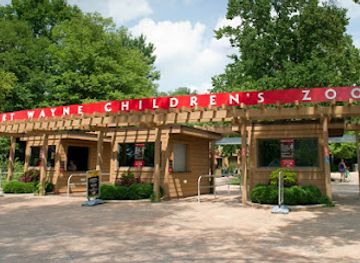
Fort Wayne Children's Zoo
Explore the enchanting Fort Wayne Children's Zoo, a family-friendly attraction offering unique animal encounters and educational experiences.
6 min drive · 2.1 km from city centre
-
Stadium
Parkview Field
Discover the excitement of minor league baseball at Parkview Field, where community spirit meets America's favorite pastime in Fort Wayne, Indiana.
5 min drive · 1.6 km from city centre
-
Tourist attraction
Headwaters Park
Explore the beauty of Headwaters Park, a serene urban park in Fort Wayne, Indiana, perfect for relaxation, recreation, and cultural events.
7 min walk · 0.6 km from city centre
-
Performing arts theater
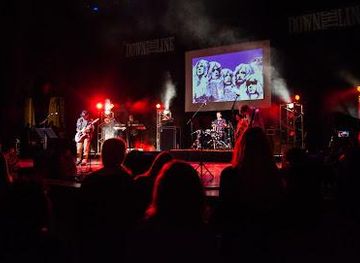
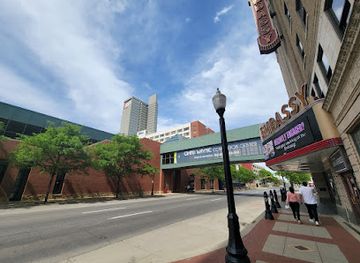
Embassy Theatre
Experience world-class performances in a beautifully restored 1920s movie palace in the heart of downtown Fort Wayne.
19 min walk · 1.5 km from city centre

Best landmarks in Fort Wayne
Fort Wayne offers visitors a rich historical experience with its diverse landmarks, including the iconic Fort Wayne Museum of Art showcasing American and regional works, the awe-inspiring Foellinger-Freimann Botanical Conservatory filled with exotic plants and gardens, and the fascinating History Center highlighting the city's past through interactive exhibits and artifacts. Visitors can also explore the beautiful Lakeside Park and Rose Garden, the historic Embassy Theatre for live performances, and the Fort Wayne Children's Zoo for a fun-filled family day out. With a blend of culture, nature, and entertainment, Fort Wayne's landmarks promise a memorable and enriching trip for tourists of all ages.
-
Park
Headwaters Park
Discover Headwaters Park: A tranquil urban oasis in Fort Wayne, Indiana, perfect for relaxation, recreation, and nature exploration.
7 min walk · 0.6 km from city centre
-
Performing arts theater
Embassy Theatre
Experience the grandeur of the Embassy Theatre, Fort Wayne's historic performing arts venue, showcasing captivating performances and exquisite architecture.
19 min walk · 1.5 km from city centre
-
Park
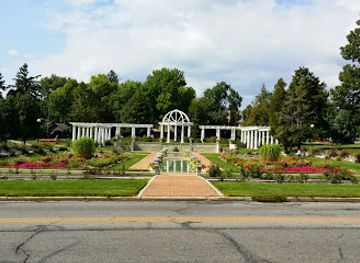
Lakeside Park
Discover the beauty of Lakeside Park in Fort Wayne, where stunning rose gardens and serene lake views create an unforgettable escape.
6 min drive · 2.0 km from city centre
-
City park
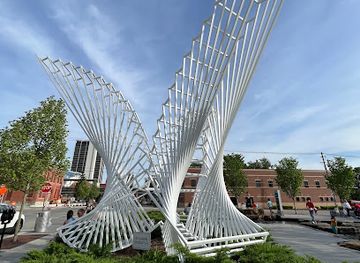
Promenade Park
Explore the beauty of Promenade Park in Fort Wayne, a serene city park with scenic river views, lush greenery, and recreational activities for all ages.
9 min walk · 0.7 km from city centre
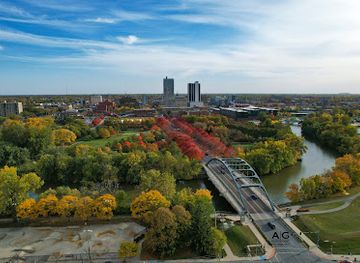
Explore Fort Wayne on the map
Plan your Fort Wayne trip on one map. See where the top attractions, landmarks, restaurants, bars and hotels are, find what's near where you're staying, and book hotels and experiences in a few clicks.
Best hotels in Fort Wayne
Best restaurants in Fort Wayne
Fort Wayne offers a diverse dining scene that caters to all tastes and preferences. From local diners serving up classic American comfort food to trendy cafes with artisanal dishes, visitors can experience a wide range of culinary delights. Whether you're craving a juicy steak, fresh seafood, international cuisine, or farm-to-table fare, Fort Wayne has it all. Don't miss the chance to indulge in the city's famous barbecue joints, craft breweries, and fine dining establishments that showcase the best of the Midwest's flavors and hospitality.
-
Hot Dog
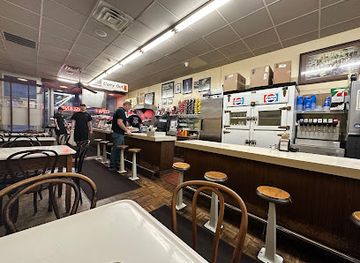
Fort Wayne's Famous Coney Island
Experience the iconic flavors of Fort Wayne at Fort Wayne's Famous Coney Island – home to legendary hot dogs and classic American comfort food.
12 min walk · 1.0 km from city centre
-
Italian
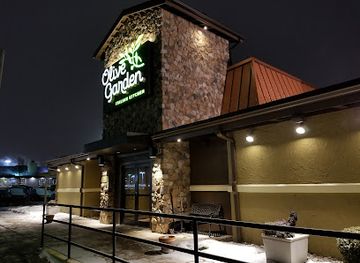
Olive Garden Italian Restaurant
Savor authentic Italian flavors at Olive Garden in Fort Wayne – where every meal feels like family.
10 min drive · 3.2 km from city centre
-
Family-friendly
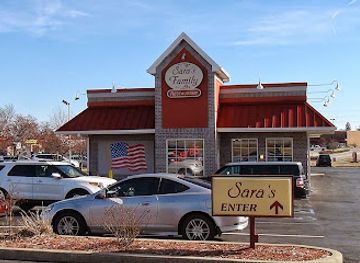
Sara’s Family Restaurant
Experience the warmth of family dining at Sara's Family Restaurant in Fort Wayne—where delicious breakfasts meet friendly service.
31 min drive · 11 km from city centre
-
American
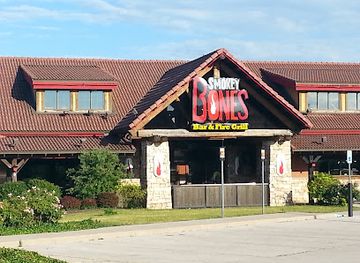
Smokey Bones Fort Wayne
Experience delicious American BBQ and steaks at Smokey Bones Fort Wayne - where flavor meets fun in every bite.
15 min drive · 5.1 km from city centre
Best bars in Fort Wayne
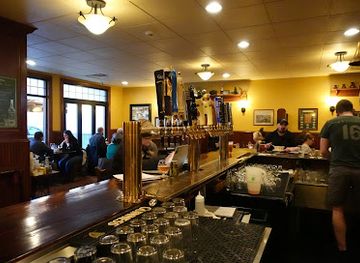
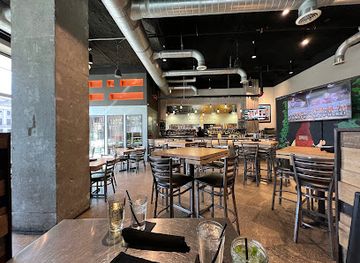
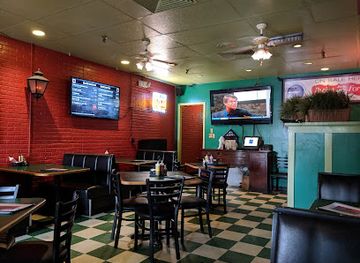
Fort Wayne's nightlife scene offers a mix of trendy bars, live music venues, and bustling nightclubs that cater to all tastes and preferences. From cozy speakeasies serving craft cocktails to lively dance floors with top DJs, visitors can expect a vibrant and diverse array of options to choose from. Whether you're looking for a laid-back evening with friends or a high-energy night out, Fort Wayne has something for everyone to enjoy after the sun goes down.
-
Irish pub
J K O'Donnell's
Discover the true essence of Irish hospitality at J K O'Donnell's, a charming pub in Fort Wayne offering delicious cuisine and live entertainment.
15 min walk · 1.2 km from city centre
-
Gastropub
The Hoppy Gnome
Experience the culinary delights of The Hoppy Gnome, a gastropub in Fort Wayne serving innovative American cuisine and craft beers in a lively atmosphere.
14 min walk · 1.1 km from city centre
-
Grill
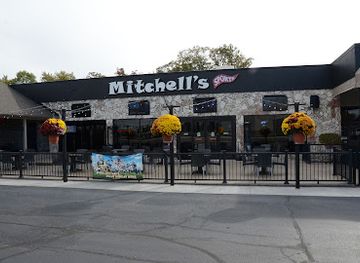
Mitchell's Venue The Best In Entertainment
Experience the ultimate grill and sports bar at Mitchell's Venue in Fort Wayne, Indiana, offering delicious food and a vibrant atmosphere.
22 min drive · 7.3 km from city centre
-
Pub
Black Dog Pub
Discover Black Dog Pub in Fort Wayne – a delightful blend of craft beers, hearty meals, and a vibrant atmosphere perfect for relaxation and fun.
22 min drive · 7.3 km from city centre
Best nightclubs in Fort Wayne
Fort Wayne's nightlife scene offers a mix of trendy bars, live music venues, and bustling nightclubs that cater to all tastes and preferences. From cozy speakeasies serving craft cocktails to lively dance floors with top DJs, visitors can expect a vibrant and diverse array of options to choose from. Whether you're looking for a laid-back evening with friends or a high-energy night out, Fort Wayne has something for everyone to enjoy after the sun goes down.
-
Night club
The Ruin
Discover Fort Wayne's nightlife at The Ruin, where live music and a vibrant atmosphere create unforgettable nights.
5 min drive · 1.6 km from city centre
-
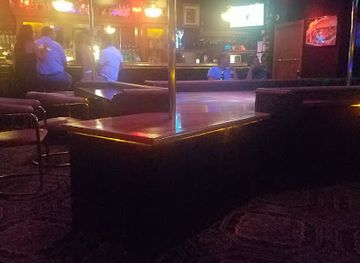
Night club
Brandy's Gentleman's Club
Dive into the thrilling atmosphere of Brandy's Gentleman's Club, Fort Wayne's premier adult entertainment destination with vibrant performances and a lively bar scene.
14 min drive · 4.6 km from city centre
-
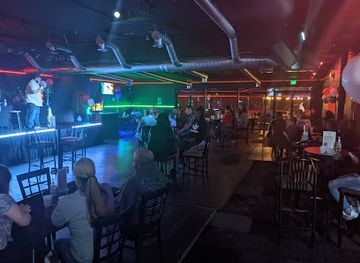
Night club
After Dark
Discover the electrifying atmosphere of After Dark, Fort Wayne's premier night club and inclusive gay bar, perfect for an unforgettable night out.
6 min drive · 2.0 km from city centre
-
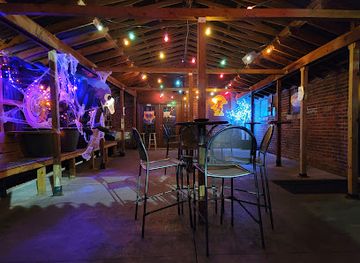
Grill
Mambo Room
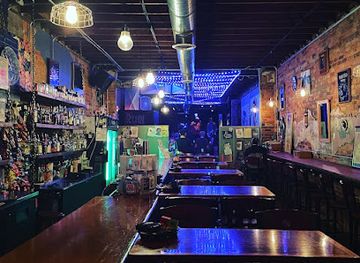
Discover the vibrant grill and lively nightlife at Mambo Room in Fort Wayne, Indiana—a perfect blend of flavor and fun.
9 min drive · 3.1 km from city centre
Best shops in Fort Wayne
Fort Wayne offers a diverse and vibrant shopping scene for visitors to explore. From unique boutiques and local artisan shops to large shopping malls and outlets, there is something for everyone. The city's downtown area is filled with trendy shops and quaint stores, while the suburbs boast a variety of shopping centers and markets. Visitors can expect to find everything from one-of-a-kind souvenirs and handmade goods to high-end fashion and big-name brands. With a mix of traditional and modern shopping options, Fort Wayne provides a memorable shopping experience for tourists looking to indulge in retail therapy.
-
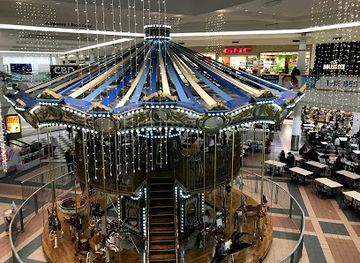
Shopping mall
Glenbrook Square
Discover Glenbrook Square, Fort Wayne's vibrant shopping mall offering a diverse range of stores, dining, and entertainment for an unforgettable experience.
9 min drive · 3.0 km from city centre
-
Shopping mall
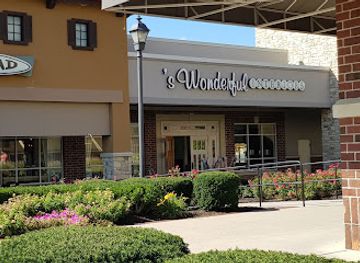
Jefferson Pointe Shopping Center
Explore Jefferson Pointe Shopping Center in Fort Wayne, Indiana – your go-to destination for shopping, dining, and entertainment.
15 min drive · 4.9 km from city centre
-
Shopping mall
Northcrest Shopping Center
Experience the perfect blend of shopping and dining at Northcrest Shopping Center, Fort Wayne's vibrant retail destination for all ages.
11 min drive · 3.7 km from city centre
-
Store
Vintage Treasures Antique Mall
Uncover hidden gems and nostalgic treasures at Vintage Treasures Antique Mall in Fort Wayne, Indiana – a paradise for collectors and vintage enthusiasts.
9 min drive · 3.1 km from city centre

Get your free copy of our complete guide to Fort Wayne, delivered straight to you.
Everything on this page, from attractions and restaurants to essentials and local phrases, in one PDF you can read offline, print or share.
Already have an account? Sign in
Your Fort Wayne guide is ready.
We'll send it to · Not you? Sign out

Getting your guide ready…
We are putting together a fresh copy of the Fort Wayne guide. This can take up to a minute.
This can take a few moments. If your browser asks, choose Allow so the download can start. You'll find the guide in your Downloads folder.
Nothing happened? Download it again
Sorry, the guide is taking longer than usual. Please try again in a minute, or get it by email instead.
Fort Wayne essentials
Currency and Payment
Safety
Emergency Situations
Do's and Don'ts
Local Tips
From Eve
Local phrases worth knowing
You don't need to get them perfect. A few words go a long way, and locals appreciate the effort.
Basics
| English | Local | Say it |
|---|---|---|
| Hello | Howdy | [haw-dee] |
| Goodbye | See ya | [see yuh] |
| Yes | Yep | [yep] |
| No | Nope | [nohp] |
| Please/You're welcome | Please/You're welcome | [pleez/yur welcome] |
| Thank you | Thanks | [thanks] |
| Excuse me/Sorry | Pardon me | [pahr-dun me] |
| How are you? | How ya doin'? | [how yuh doo-in] |
| Fine. And you? | Good. And you? | [good. and yuh] |
| Do you speak English? | Ya speak English? | [yah speak ing-glish] |
| I don't understand | I ain't gettin' it | [I aint get-tin it] |
Eating & Drinking
| English | Local | Say it |
|---|---|---|
| I'd like to see the menu, please | Can I see the menu? | [kan eye see the men-yoo] |
| I don't eat meat | I don't eat meat | [I dont eat meet] |
| Cheers! | Cheers! | [cheers] |
| I would like to pay, please | I'll take the check, please | [eye-ul take the chek pleez] |
Emergencies
| English | Local | Say it |
|---|---|---|
| Help! | Help! | [help] |
| Go away! | Get lost! | [get lost] |
| Call the Police! | Call the Cops! | [call the cops] |
| Call a doctor! | Get me a Doc! | [get me a doc] |
| I'm lost | I'm lost | [im lost] |
| I'm ill | I'm sick | [im sick] |
Shopping
| English | Local | Say it |
|---|---|---|
| I'd like to buy... | I wanna buy... | [I wanna buy] |
| I'm just looking | Just browsing | [just brows-ing] |
| How much is it? | How much does it cost? | [how much duz it cost] |
| That's too expensive | That's steep | [thats steep] |
| Can you lower the price? | Can you cut the price? | [kan yuh kut the price] |
Time & Numbers
| English | Local | Say it |
|---|---|---|
| What time is it? | What's the time? | [whats the time] |
| It's one o'clock | It's one o'clock | [its one o'clock] |
| Half past (10) | Half past ten | [half past ten] |
| Morning | Morning | [morning] |
| Afternoon | Afternoon | [afternoon] |
| Evening | Evening | [evening] |
| Yesterday | Yesterday | [yester-day] |
| Today | Today | [today] |
| Tomorrow | Tomorrow | [tomor-row] |
| 1 | One | [wun] |
| 2 | Two | [too] |
| 3 | Three | [three] |
| 4 | Four | [four] |
| 5 | Five | [five] |
| 6 | Six | [siks] |
| 7 | Seven | [sev-en] |
| 8 | Eight | [ate] |
| 9 | Nine | [nine] |
| 10 | Ten | [ten] |
Transport & Directions
| English | Local | Say it |
|---|---|---|
| Where's a/the...? | Where's the...? | [wheres the] |
| What's the address? | What's the address? | [whats the address] |
| Can you show me (on the map)? | Can you show me (on the map)? | [kan yuh show me on the map] |
| When's the next (bus)? | When's the next (bus)? | [whens the next bus] |
| A ticket (to ....) | A ticket (to ....) | [a ticket to] |
History of Fort Wayne
The Founding of Fort Wayne
Fort Wayne was established in 1794 by General 'Mad' Anthony Wayne after the Battle of Fallen Timbers. This military fort was strategically located at the confluence of the St. Joseph, St. Marys, and Maumee Rivers, an area previously inhabited by the Miami Native American tribe.
The Miami People and Kekionga
Long before European settlers arrived, the area now known as Fort Wayne was the central hub of the Miami people, called Kekionga. It served as a significant cultural and trading center. The Miami's influence remains a vital part of Fort Wayne's heritage.
The Wabash and Erie Canal
Constructed in the 1830s and completed in the 1850s, the Wabash and Erie Canal turned Fort Wayne into a bustling trade and transportation hub. The canal connected the Great Lakes to the Ohio River, facilitating the movement of goods and people.
The Arrival of the Railroads
In the mid-19th century, the advent of the railroad further boosted Fort Wayne's economy. The Pittsburgh, Fort Wayne, and Chicago Railway was a significant development, connecting the city to major markets and enhancing its status as a transportation nexus.
The Great Flood of 1913
In March 1913, a devastating flood struck Fort Wayne, causing widespread destruction and loss of life. The city's rivers overflowed, leading to significant changes in flood control policies and infrastructure to prevent future disasters.
Fort Wayne as an Industrial Powerhouse
Throughout the late 19th and early 20th centuries, Fort Wayne emerged as an industrial powerhouse. Companies like General Electric and International Harvester established significant operations, providing employment and shaping the city's economic landscape.
The Legacy of John Chapman (Johnny Appleseed)
John Chapman, better known as Johnny Appleseed, was a legendary figure who planted apple orchards across the Midwest, including the Fort Wayne area. His legacy is celebrated with the annual Johnny Appleseed Festival, held in the city every September.
The Fort Wayne Philharmonic
Established in 1944, the Fort Wayne Philharmonic is a testament to the city's cultural richness. It offers a diverse range of performances and educational programs, fostering an appreciation for classical music within the community.
The Allen County War Memorial Coliseum
Opened in 1952, the Allen County War Memorial Coliseum serves as a multi-purpose arena and memorial to veterans. It hosts a variety of events, including sports, concerts, and exhibitions, playing a central role in the city's social life.
The Revitalization of Downtown Fort Wayne
In recent years, Fort Wayne has undergone significant downtown revitalization. Projects like the construction of Parkview Field, the development of Promenade Park, and the renovation of historic buildings have transformed the area into a vibrant cultural and economic center.
Fort Wayne in Photos
Browse through our photo collection highlighting the charm and character of the destination.
Cities near Fort Wayne
The closest cities to Fort Wayne, if you have time for more than one stop.
-

-

-

-

-


Swipe for more cities
Explore more

Explore more of Indiana
Explore Indiana: From the bustling streets of Indianapolis to the serene beauty of Indiana Dunes, discover the diverse experiences that make Indiana the Crossroads of America.
Explore Indiana