

Free Java Travel Guide & Mobile App
Explore Java with free travel guides. Discover regional history, expert tips, proposed trips, and audio guides on web or mobile app.


Explore Java, Indonesia, for volcanic landscapes, ancient temples, royal cities, distinctive food and richly varied Javanese culture.
Read more about Java
When is the best time to visit Java?
Best: June–August · 29°C| Month | High (°C) | Rainfall (mm) |
|---|---|---|
| January | 29 | 300 |
| February | 29 | 280 |
| March | 30 | 250 |
| April | 30 | 200 |
| May | 30 | 150 |
| June (best) | 29 | 100 |
| July (best) | 29 | 80 |
| August (best) | 29 | 80 |
| September | 30 | 100 |
| October | 30 | 150 |
| November | 30 | 250 |
| December | 29 | 300 |
Getting to and around Java
How to get there
Transportation
Top city travel guides in Java
The cities of Java, and the easiest places to base yourself.
-

-

-
-

-


Swipe for more cities
Destinations in Java
Resorts, valleys and scenic spots worth a trip of their own.
-

-


Swipe for more destinations
Best attractions in Java
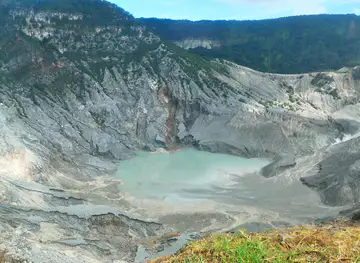
Java’s attractions range from major archaeological monuments to landscapes formed by active volcanoes. In Central Java, Borobudur offers a carefully composed Buddhist monument and surrounding rural scenery, while Prambanan presents a group of towering Hindu shrines near Yogyakarta. The courts, museums, batik workshops and performance traditions of Yogyakarta and Surakarta provide a cultural counterpoint to the temples. West Java brings cooler highlands, tea plantations, botanical landscapes and volcanic scenery around Bandung, alongside the forests and coastline of Ujung Kulon National Park. East Java is known for Mount Bromo’s volcanic basin, the highland routes around Mount Semeru and the historic sites of the former Majapahit heartland near Trowulan. Beaches and marine activities are available along parts of the southern coast, including Pangandaran and Pacitan, although conditions and facilities vary. Urban visitors can explore museums, colonial architecture, markets and contemporary arts in Jakarta, Bandung and Surabaya, while rural districts offer cycling, trekking, waterfalls and agricultural landscapes. Distances, traffic and changing mountain access mean that these experiences are best arranged as regional clusters rather than as day trips across the whole island.
-
Tourist attraction
Malioboro Yogyakarta
Explore the vibrant atmosphere of Malioboro, Yogyakarta's iconic shopping street, rich in culture and local delicacies.
-
Buddhist temple
Borobudur Temple
Explore Borobudur Temple, a UNESCO World Heritage Site, where ancient Buddhist architecture meets breathtaking beauty in Central Java, Indonesia.
-
Hindu temple
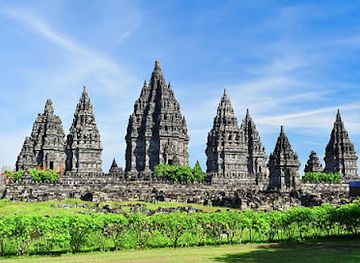
Prambanan Temple
Explore the breathtaking Prambanan Temple, an architectural masterpiece and UNESCO World Heritage Site, rich in history and cultural significance.
-
Tourist attraction
Tebing Breksi
Discover the breathtaking beauty and artistic allure of Tebing Breksi in Yogyakarta, where nature meets creativity in an unforgettable experience.


Best landmarks in Java
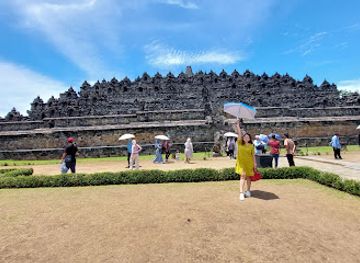
Borobudur in Central Java is Java’s most recognisable monument: a massive ninth-century Buddhist sanctuary arranged as a stone mandala and decorated with narrative reliefs. Nearby Prambanan is distinguished by its tall Hindu temples dedicated principally to Shiva, Vishnu and Brahma. In Yogyakarta, the Kraton remains the symbolic centre of the sultanate and an important reference point for Javanese court culture, while Surakarta’s Kasunanan Palace represents a parallel royal tradition. West Java’s Gedung Sate in Bandung is a notable early twentieth-century civic building whose architecture reflects the city’s colonial administrative history. In East Java, the volcanic landscapes of Mount Bromo and Mount Semeru are natural landmarks as well as active geological environments; access and viewpoints can change with conditions. The ruins around Trowulan, including temple remains and archaeological features, are associated with the former Majapahit capital region. Ujung Kulon’s forests, headlands and coastal scenery provide a contrasting natural landmark at Java’s western extremity. These places are significant not merely for their appearance but for the religious, political, geological and cultural histories they embody.
-
Monument
Monas
Explore Monas, the National Monument of Indonesia, where history and culture converge in the heart of Jakarta's vibrant landscape.
-
Buddhist temple
Borobudur Temple
Discover the breathtaking beauty and spiritual significance of Borobudur Temple, an iconic UNESCO World Heritage Site in Central Java, Indonesia.
-
Hindu temple
Prambanan Temple
Experience the awe-inspiring beauty of Prambanan Temple, a historical Hindu landmark in Yogyakarta, Indonesia, rich in culture and architectural splendor.
-
Scenic spot
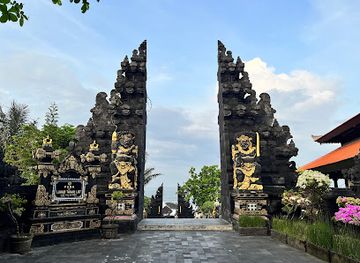
Tanah Lot
Explore the breathtaking Tanah Lot, a stunning sea temple in Bali, famous for its picturesque views and rich cultural heritage.
Explore Java on the map
Plan your trip on one map. See where the top cities, national parks and sights are, and book hotels and experiences in a few clicks.
Best hotels in Java
Best restaurants in Java
Java’s food culture changes noticeably between its western, central and eastern districts. West Java is associated with Sundanese cooking, including fresh vegetables, sambal, grilled fish, tofu, tempeh and dishes served with lalapan. Around Yogyakarta and Surakarta, visitors find rice meals, gudeg, satay and other Javanese preparations often balanced with sweet, savoury flavours. East Java contributes strongly seasoned dishes such as rawon, soto and nasi pecel, while coastal towns make use of seafood. Warungs remain the most characteristic places to eat, ranging from simple rice counters to specialised noodle, soup or satay stalls. Markets are useful for breakfast and snacks, with regional cakes, fried foods, fruit and drinks changing from town to town. In larger cities, cafés, modern Indonesian restaurants and international dining sit alongside traditional establishments. Tea is important in the highlands, while coffee-growing areas supply cafés across the island. Check spice levels when ordering and choose busy food stalls with good turnover if uncertain about unfamiliar dishes.
-
Cafe
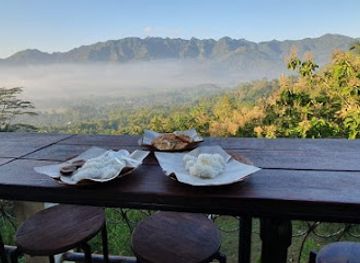
Kedai Bukit Rhema
Experience delicious Indonesian cuisine at Kedai Bukit Rhema while enjoying breathtaking views near Borobudur Temple.
-
Restaurant
Miss Bee Providore
Experience the exquisite fusion of Western and Indonesian flavors at Miss Bee Providore in Bandung.
-
Javanese restaurant
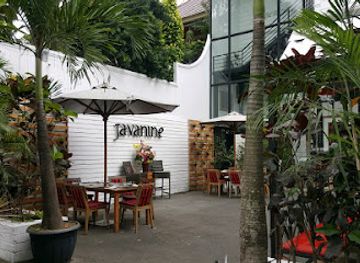
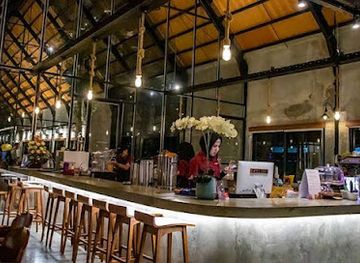
Javanine Resto
Experience authentic Javanese flavors at Javanine Resto in Malang - where tradition meets modern dining.
-
Restaurant
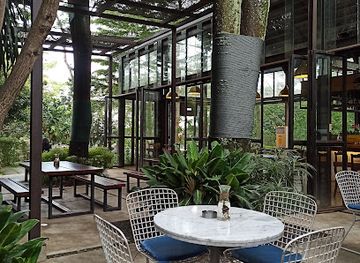
Grandis Barn
Experience the best of Indonesian and Western cuisine at Grandis Barn in Central Java – where every meal tells a story.
Best bars in Java
Java’s evening life is concentrated in its major cities and university centres rather than spread evenly across the island. Jakarta and Bandung offer the broadest range of cocktail bars, live music, hotel venues, cafés and nightclubs, while Surabaya has a substantial urban dining and entertainment scene. Yogyakarta and Surakarta are better known for late-opening food stalls, cafés, cultural performances, small music venues and relaxed social spaces, although parts of Yogyakarta also have a more developed bar scene. In smaller towns and rural districts, traditional warungs, coffee shops, family restaurants and local gatherings are more typical than clubs. Alcohol availability varies by venue and location, and nightlife should be approached with awareness of local religious and community norms. Evening markets and street-food areas can be rewarding alternatives to formal entertainment, particularly in places where venues close early or transport becomes limited at night.
-
Restaurant
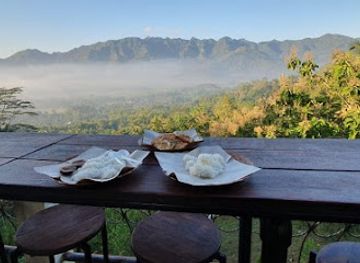
Kedai Bukit Rhema
Experience delightful dining at Kedai Bukit Rhema, where culinary art meets breathtaking views of Borobudur in Central Java.
-
Bar
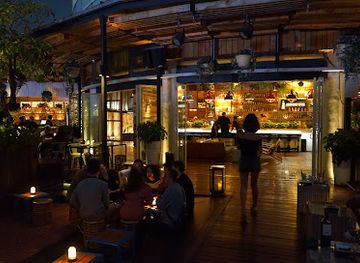
Skye
Experience Jakarta from the top at Skye, featuring stunning city views, modern cuisine, and a vibrant atmosphere perfect for any occasion.
-
Grill
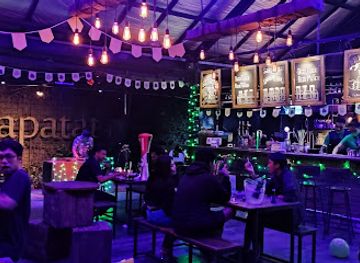
Sakapatat Beer Garden & Resto
Experience the vibrant flavors of Yogyakarta at Sakapatat Beer Garden & Resto, where great food and drinks meet a lively atmosphere.
-
Indian
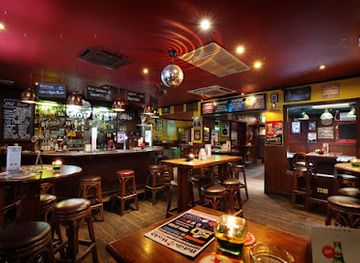
Eastern Promise
Discover Eastern Promise, Jakarta's vibrant Indian restaurant featuring live music, flavorful dishes, and a lively atmosphere for an unforgettable dining experience.
Best nightclubs in Java
Java’s evening life is concentrated in its major cities and university centres rather than spread evenly across the island. Jakarta and Bandung offer the broadest range of cocktail bars, live music, hotel venues, cafés and nightclubs, while Surabaya has a substantial urban dining and entertainment scene. Yogyakarta and Surakarta are better known for late-opening food stalls, cafés, cultural performances, small music venues and relaxed social spaces, although parts of Yogyakarta also have a more developed bar scene. In smaller towns and rural districts, traditional warungs, coffee shops, family restaurants and local gatherings are more typical than clubs. Alcohol availability varies by venue and location, and nightlife should be approached with awareness of local religious and community norms. Evening markets and street-food areas can be rewarding alternatives to formal entertainment, particularly in places where venues close early or transport becomes limited at night.
-
Club
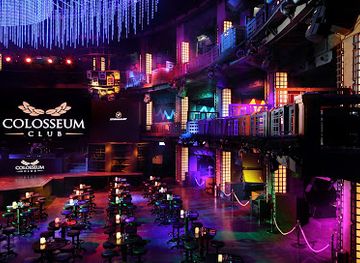
Colosseum Club
Dive into Jakarta's nightlife at Colosseum Club, where electrifying music and luxurious vibes create an unforgettable clubbing experience.
-
Night club
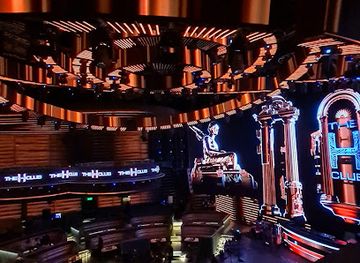
The H Club SCBD
Discover Jakarta's nightlife at The H Club SCBD - where electrifying music, exquisite cocktails, and vibrant energy meet.
-
Disco club
Top Ten Club Coyote Bar
Top Ten Club Coyote Bar: Surabaya's vibrant disco club offering lively music, exquisite drinks, and an unforgettable nightlife experience.
-
Night club
Dragonfly
Experience the vibrant nightlife at Dragonfly, Jakarta's premier night club and bar known for its electrifying atmosphere and exceptional entertainment.


Best shops in Java
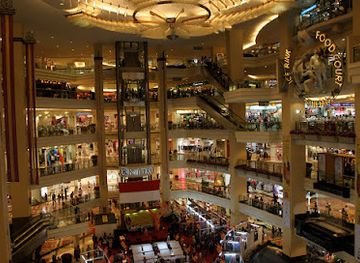
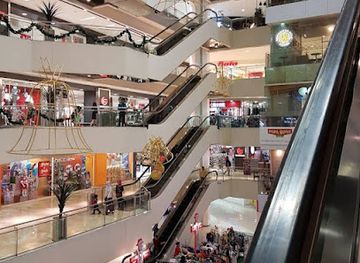
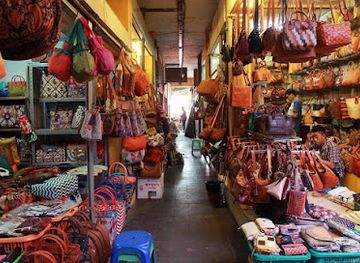
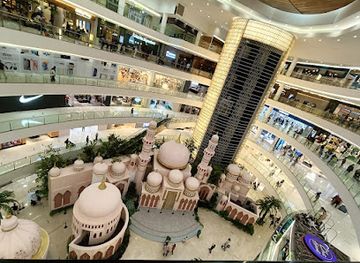
Shopping on Java ranges from dense city malls and department stores to market streets, craft workshops and village producers. Yogyakarta is particularly associated with batik, silverwork, leather goods, books and art, with shopping concentrated around established commercial streets and the area near Malioboro; buyers should distinguish hand-drawn or hand-stamped batik from factory prints and ask about care. Surakarta also has a strong batik tradition and a less hurried market culture. Bandung is known for fashion, independent design and factory-outlet shopping, while Jakarta and Surabaya provide the island’s broadest selection of international brands and modern retail centres. Across Java, markets sell snacks, coffee, tea, spices, baskets, textiles and household goods, with regional produce differing between highlands, cities and coastal districts. Useful souvenirs include properly labelled batik, carved or woven crafts, locally produced coffee and packaged food. Bargain politely where prices are not fixed, carry purchases securely in crowded markets and check customs rules before exporting antiques, protected materials or substantial quantities of food.
-
Shopping mall
Kota Kasablanka
Discover shopping and dining delights at Kota Kasablanka, Jakarta's vibrant shopping mall featuring diverse brands and entertainment options.
-
Shopping mall
Tunjungan Plaza
Explore Tunjungan Plaza, Surabaya's ultimate shopping destination with diverse stores, dining, and entertainment options for an unforgettable experience.
-
Shopping mall
Beringharjo Market
Explore the vibrant Beringharjo Market in Yogyakarta, where local crafts, delicious cuisine, and rich culture come together in a unique shopping experience.
-
Shopping mall
Senayan City
Explore Senayan City: Jakarta's premier shopping and dining destination, where luxury meets local flavor in a vibrant atmosphere.
Get your free copy of our complete guide to Java, delivered straight to you.
Everything on this page, from attractions and restaurants to essentials and local phrases, in one PDF you can read offline, print or share.
Already have an account? Sign in
Your Java guide is ready.
We'll send it to · Not you? Sign out

Getting your guide ready…
We are putting together a fresh copy of the Java guide. This can take up to a minute.
This can take a few moments. If your browser asks, choose Allow so the download can start. You'll find the guide in your Downloads folder.
Nothing happened? Download it again
Sorry, the guide is taking longer than usual. Please try again in a minute, or get it by email instead.
Java essentials
Currency and Payment
Safety
Emergency Situations
Do's and Don'ts
Local Tips
From Eve
Local phrases worth knowing
You don't need to get them perfect. A few words go a long way, and locals appreciate the effort.
Basics
| English | Local | Say it |
|---|---|---|
| Hello | Halo | [ha-lo] |
| Goodbye | Selamat tinggal | [se-la-mat ting-gal] |
| Yes | Ya | [ya] |
| No | Tidak | [ti-dak] |
| Please/You're welcome | Silakan/Sama-sama | [si-la-kan/sa-ma sa-ma] |
| Thank you | Terima kasih | [te-ri-ma ka-sih] |
| Excuse me/Sorry | Permisi/Maaf | [per-mi-si/ma-af] |
| How are you? | Apa kabar? | [a-pa ka-bar] |
| Fine. And you? | Baik. Dan Anda? | [ba-ik. dan an-da] |
| Do you speak English? | Apakah Anda berbicara bahasa Inggris? | [a-pa-kah an-da ber-bi-ca-ra ba-ha-sa in-gris] |
| I don't understand | Saya tidak mengerti | [sa-ya ti-dak meng-er-ti] |
Eating & Drinking
| English | Local | Say it |
|---|---|---|
| I'd like to see the menu, please | Saya ingin melihat menu, silakan | [sa-ya in-gin me-li-hat me-nu, si-la-kan] |
| I don't eat meat | Saya tidak makan daging | [sa-ya ti-dak ma-kan da-ging] |
| Cheers! | Selamat! | [se-la-mat] |
| I would like to pay, please | Saya ingin membayar, silakan | [sa-ya in-gin mem-ba-yar, si-la-kan] |
Emergencies
| English | Local | Say it |
|---|---|---|
| Help! | Tolong! | [to-long] |
| Go away! | Pergi! | [per-gi] |
| Call the Police! | Panggil Polisi! | [pang-gil po-li-si] |
| Call a doctor! | Panggil dokter! | [pang-gil dok-ter] |
| I'm lost | Saya tersesat | [sa-ya ter-se-sat] |
| I'm ill | Saya sakit | [sa-ya sa-kit] |
Shopping
| English | Local | Say it |
|---|---|---|
| I'd like to buy... | Saya ingin membeli... | [sa-ya in-gin mem-be-li] |
| I'm just looking | Saya hanya melihat | [sa-ya han-ya me-li-hat] |
| How much is it? | Berapa harganya? | [be-ra-pa har-ga-nya] |
| That's too expensive | Itu terlalu mahal | [i-tu ter-la-lu ma-hal] |
| Can you lower the price? | Bisakah Anda menurunkan harga? | [bi-sa-kah an-da me-nu-run-kan har-ga] |
Time & Numbers
| English | Local | Say it |
|---|---|---|
| What time is it? | Jam berapa? | [jam be-ra-pa] |
| It's one o'clock | Jam satu | [jam sa-tu] |
| Half past (10) | Setengah (10) | [se-ten-gah (10)] |
| Morning | Pagi | [pa-gi] |
| Afternoon | Siang | [si-ang] |
| Evening | Sore | [so-re] |
| Yesterday | Kemarin | [ke-ma-rin] |
| Today | Hari ini | [ha-ri i-ni] |
| Tomorrow | Besok | [be-sok] |
| 1 | Satu | [sa-tu] |
| 2 | Dua | [du-a] |
| 3 | Tiga | [ti-ga] |
| 4 | Empat | [em-pat] |
| 5 | Lima | [li-ma] |
| 6 | Enam | [e-nam] |
| 7 | Tujuh | [tu-juh] |
| 8 | Delapan | [de-la-pan] |
| 9 | Sembilan | [sem-bi-lan] |
| 10 | Sepuluh | [se-pu-luh] |
Transport & Directions
| English | Local | Say it |
|---|---|---|
| Where's a/the...? | Di mana ...? | [di ma-na] |
| What's the address? | Apa alamatnya? | [a-pa a-la-mat-nya] |
| Can you show me (on the map)? | Bisakah Anda menunjukkan saya (di peta)? | [bi-sa-kah an-da me-nun-juk-an sa-ya (di pe-ta)] |
| When's the next (bus)? | Kapan bus berikutnya? | [ka-pan bus be-ri-kut-nya] |
| A ticket (to ....) | Sebuah tiket (ke ....) | [se-buah ti-ket (ke)] |
History of Java
Early kingdoms and the Hindu-Buddhist era
Java’s early states developed through agriculture, river-valley settlement and maritime exchange with South and Southeast Asia. The Tarumanagara kingdom arose in West Java by the fifth century, while Central Java later became a centre of the Sailendra and Sanjaya dynasties. Their religious and political cultures produced sophisticated irrigation systems, inscriptions and monumental architecture. Borobudur and Prambanan, built between the eighth and tenth centuries, remain the clearest architectural expressions of this period, although their landscapes also reflect long-term local traditions.
Majapahit and the shaping of Javanese political culture
The Majapahit kingdom, centred in East Java from the late thirteenth to early sixteenth centuries, became one of the most influential states in the Indonesian archipelago. Its power depended on court administration, agriculture, trade and relationships with other islands rather than a modern territorial empire. Literary works, temple remains and later historical memory gave Majapahit a lasting place in Indonesian political culture. Sites around Trowulan preserve the most important archaeological evidence of its capital region.
Islamic sultanates and coastal trade
From the fifteenth century onwards, Muslim trading communities and new port polities expanded along Java’s northern coast. Islam spread through commerce, scholarship, marriage and local political alliances, while older Hindu-Buddhist and indigenous practices continued to influence Javanese culture. The sultanates of Demak, Banten, Mataram and later Yogyakarta and Surakarta shaped different parts of the island. Mosques, royal compounds, court traditions and pilgrimage sites record the gradual transformation rather than a single moment of religious change.
Dutch colonial rule and the Cultivation System
The Dutch East India Company and, after 1800, the Dutch colonial state progressively extended control over Java. The Java War of 1825–1830, led by Prince Diponegoro, was a major anti-colonial conflict in Central Java. Afterward, the Cultivation System compelled villages to devote land and labour to export crops such as coffee, sugar and indigo. It generated substantial colonial revenue while placing heavy burdens on rural communities. Railways, plantations, ports and administrative towns expanded during the nineteenth century.
Plantations, industry and urban growth
Java’s colonial economy developed around sugar estates, tea plantations, coffee, rubber and manufacturing, supported by roads and railways linking agricultural districts to ports. Bandung grew as a highland administrative and educational centre; Surabaya became a major commercial and naval port; and Batavia, now Jakarta, developed into the principal colonial capital. These changes created new urban classes, labour movements and educational networks. They also intensified population pressure on Java’s fertile but densely settled countryside.
Independence and the modern island
Following Japanese occupation during the Second World War, Indonesian nationalists proclaimed independence in 1945. Java became the central arena of the Indonesian Revolution, with fighting, diplomacy and political administration concentrated in its cities. Jakarta became the national capital, while Yogyakarta temporarily served as the republican capital from 1946 to 1949. Post-independence Java experienced rapid population growth, industrialisation and urban expansion. Today its historic courts, colonial districts, religious monuments and agricultural landscapes coexist with major universities, manufacturing belts and megacities.
Java in Photos
Browse through our photo collection highlighting the charm and character of the destination.
Neighbouring regions of Java
The closest regions to Java, if you have time for more than one.
-

-

-

-

-


Swipe for more regions
Explore more

Explore more of Indonesia
Explore Indonesia: An archipelago of diverse cultures, stunning landscapes, and endless adventures from bustling cities to serene beaches.
Explore Indonesia