

Central Java, Indonesia Travel Guide
Discover Central Java: A land of ancient temples, lush landscapes, and vibrant cultural heritage in the heart of Indonesia.
Central Java is a region in Indonesia that offers a rich tapestry of culture, history, and natural beauty. Known for its ancient temples, lush landscapes, and vibrant cities, Central Java is a treasure trove for travelers seeking to explore Indonesia's heritage. One of the most iconic sites in Central Java is Borobudur, the world's largest Buddhist temple. This magnificent structure, built in the 9th century, is adorned with intricate carvings and offers stunning panoramic views of the surrounding countryside. Nearby, you'll find Prambanan, a grand Hindu temple complex that is equally impressive with its towering spires and detailed stonework. The city of Yogyakarta, often considered the cultural heart of Java, is a must-visit destination. Here, you can explore the Sultan's Palace, wander through bustling markets, and experience traditional Javanese arts and crafts. The nearby village of Kotagede is famous for its silverwork and offers a glimpse into the region's artisanal heritage. Nature lovers will enjoy the scenic beauty of Dieng Plateau, a highland area known for its cool climate, ancient temples, and colorful volcanic lakes. For those seeking adventure, Mount Merapi, one of Indonesia's most active volcanoes, offers challenging hikes and breathtaking views. Central Java's cuisine is another highlight, with dishes like Gudeg, a sweet and savory jackfruit stew, and Nasi Liwet, a fragrant rice dish cooked in coconut milk. Street food enthusiasts will delight in the variety of snacks and treats available at local markets and food stalls. Whether you're a history buff, a nature enthusiast, or a culture seeker, Central Java offers a diverse array of experiences that will leave you enchanted and inspired.

Know before you go
Hi, I'm Eve. Here are a few practical things to know before exploring Central Java.
- Visit Borobudur early in the morning to catch the sunrise and avoid the crowds.
- Wear comfortable footwear for exploring temple complexes, as there is a lot of walking involved.
- Hire a local guide in Yogyakarta to fully appreciate the history and significance of the Sultan's Palace.
- Try local dishes like Gudeg and Nasi Liwet at traditional markets for an authentic culinary experience.
- If hiking Mount Merapi, ensure you are well-prepared and check for any volcanic activity alerts.
- Carry a light jacket when visiting Dieng Plateau, as temperatures can be cooler than in other parts of Java.
Top City Travel Guides in Central Java
The cities of Central Java, and the easiest places to base yourself.


Destinations in Central Java
Resorts, valleys and scenic spots worth a trip of their own.


Best landmarks in Central Java
Top-rated picks
Best Landmarks

Borobudur Temple
Explore the breathtaking Borobudur Temple, a UNESCO World Heritage Site showcasing intricate carvings and stunning architecture in Central Java, Indonesia.
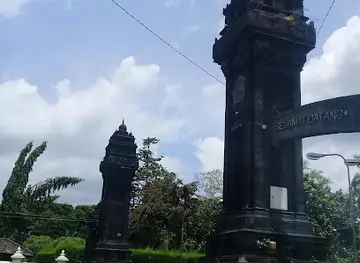
Prambanan Temple
Discover the grandeur of Prambanan Temple, a UNESCO World Heritage Site, showcasing stunning Hindu architecture and rich cultural history in Indonesia.

Taman Sari
Explore Taman Sari, the enchanting Water Castle of Yogyakarta, where history and beauty intertwine in a serene garden oasis.

The Lost World Castle
Explore the enchanting Lost World Castle in Sleman, Yogyakarta—where whimsical architecture meets breathtaking natural beauty.

Best restaurants in Central Java
Top-rated picks
Best Restaurants
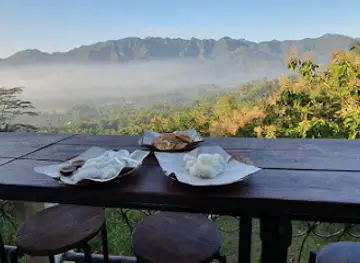
Kedai Bukit Rhema
Discover Kedai Bukit Rhema: A scenic cafe offering exquisite breakfast and stunning views near Borobudur Temple.

Seribu Rasa Menteng
Experience authentic Indonesian cuisine at Seribu Rasa Menteng—where tradition meets modern elegance in Jakarta's culinary scene.

Plataran Menteng
Experience authentic Indonesian cuisine in an elegant setting at Plataran Menteng - where tradition meets modern dining.

Kaum Jakarta
Discover the essence of Indonesia through exquisite dishes and live music at Kaum Jakarta, where tradition meets contemporary flair.

Best bars in Central Java
Top-rated picks
Best Bars

Melly's Garden
Discover the ambiance of Melly's Garden, a lively pub in Central Jakarta, perfect for drinks, live music, and unforgettable nights.

Camden Bar
Experience the lively ambiance of Camden Bar in Central Jakarta, where strong drinks and vibrant social interactions await.

Sakapatat Beer Garden & Resto
Discover Sakapatat Beer Garden & Resto, a lively grill and bar in Yogyakarta, serving delicious food and a wide selection of beers in a vibrant atmosphere.

Beer Hall
Discover the lively atmosphere of Beer Hall, a premier live music bar in South Jakarta, offering craft beers and unforgettable entertainment.

Best nightclubs in Central Java
Top-rated picks
Best Nightclubs

Liquid Bar And Kitchen
Discover the best of Yogyakarta's nightlife at Liquid Bar And Kitchen, where great food meets vibrant entertainment in a lively atmosphere.

Orbit KTV & Space Club Semarang
Discover Semarang's nightlife at Orbit KTV & Space Club, the ultimate destination for karaoke and dancing in a vibrant atmosphere.

HW Tiger Club Semarang
Discover the heartbeat of Semarang's nightlife at HW Tiger Club - where great music, vibrant crowds, and unforgettable memories come together.
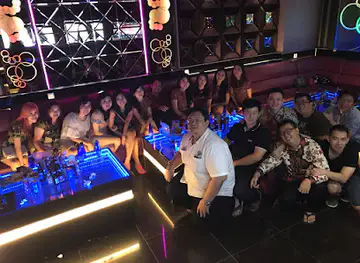
Babyface Karaoke
Discover Semarang's vibrant nightlife at Babyface Karaoke, the ultimate karaoke bar for singing, laughter, and unforgettable experiences.

Best shops in Central Java
Top-rated picks
Best Shops

Kota Kasablanka
Explore Kota Kasablanka, Jakarta's ultimate shopping mall, offering a diverse range of shops, delectable dining, and vibrant entertainment.

Tunjungan Plaza
Explore Tunjungan Plaza, Surabaya's premier shopping destination, offering a vibrant mix of retail, dining, and entertainment experiences.

Beringharjo Market
Explore the colorful Beringharjo Market in Yogyakarta, where local crafts, delicious food, and vibrant culture come together in a unique shopping experience.

Pacific Place Mall
Pacific Place Mall: A premier shopping and dining destination in Jakarta, blending luxury with local culture for an unforgettable experience.

Explore Central Java on the Map
A handpicked selection of must-see spots in Central Java, mapped for you.
Central Java Essentials
-
Central Java is well-connected by air, land, and sea. The main entry point is the Adisumarmo International Airport (SOC) in Solo, which offers several domestic and limited international flights. Another option is Achmad Yani International Airport (SRG) in Semarang, which serves more international routes. Both airports are accessible by taxi, ride-hailing services, and shuttle buses. For those coming from Jakarta or Surabaya, train services offered by Kereta Api Indonesia provide a scenic and comfortable journey. Several bus companies also operate routes to Central Java from major Indonesian cities.
-
Central Java boasts a variety of transportation options. Local buses and minibuses (angkot) are the most common and economical means of getting around within cities. For more comfort, you can use ride-hailing services like Grab and Gojek. Taxis are also available and reasonably priced. For intercity travel, trains are highly recommended for their comfort and reliability. Renting a car or a motorbike is another option if you prefer flexibility, but be prepared for local driving conditions. Bicycle rentals are available in tourist areas like Borobudur.
-
The official currency in Indonesia is the Indonesian Rupiah (IDR). Credit cards are widely accepted in urban areas, hotels, and larger restaurants, but it's advisable to carry cash for small purchases and in rural areas. ATMs are plentiful in cities and towns, but always ensure you have enough cash when travelling to remote locations. Currency exchange services are available at airports, major hotels, and authorized money changers.
-
Central Java is generally safe for tourists, but petty crime such as pickpocketing and bag snatching can occur, particularly in crowded areas and tourist spots. Areas like Semarang's old town and Solo's markets require extra vigilance. Avoid isolated areas at night and always keep an eye on your belongings. Scams targeting tourists can occur, so be cautious when approached by strangers offering unsolicited help or deals that seem too good to be true.
-
In case of emergency, the general emergency number in Indonesia is 112. For medical emergencies, most cities have well-equipped hospitals and clinics. It is advisable to have travel insurance that covers medical emergencies. Pharmacies are widely available for minor health issues. For police assistance, dial 110. Always have a list of emergency contacts, including your country's embassy or consulate, readily available.
-
Fashion: Do dress modestly, especially when visiting religious sites. Avoid wearing revealing clothing. Religion: Do respect local customs and traditions. Always remove your shoes and cover your head when entering mosques and temples. Public Transport: Do be respectful and give up your seat to elderly passengers. Don’t eat or drink on public transport. Greetings: Do greet people with a smile and a slight bow. A handshake is also common. Eating & Drinking: Do try local delicacies and accept food offerings graciously. Don't refuse hospitality, as it is considered impolite.
-
To experience Central Java like a local, visit traditional markets such as Pasar Klewer in Solo for batik and other local crafts. Engage with locals, who are often friendly and eager to share their culture and history. Don't miss exploring the lesser-known temples and villages off the beaten path. Participate in local festivals and events to get a deeper understanding of Javanese culture. Try using public transport or renting a bicycle to explore smaller towns like Magelang and Wonosobo.
When is the best time to visit Central Java?
Useful Local Phrases for Central Java
You don't need to speak the language perfectly. Even learning a few simple words can make conversations warmer—and locals usually appreciate the effort.
— Eve

Here are the phrases I use most often in Central Java. Try a few—you'll be surprised how far they go! 😊
❤️
-
- HelloHalo
[ha-lo] - GoodbyeSelamat tinggal
[se-la-mat tin-gal] - YesYa
[ya] - NoTidak
[ti-dak] - Please/You're welcomeSilakan/ Sama-sama
[si-la-kan/ sa-ma sa-ma] - Thank youTerima kasih
[te-ri-ma ka-sih] - Excuse me/SorryPermisi/ Maaf
[per-mi-si/ ma-af] - How are you?Apa kabar?
[a-pa ka-bar] - Fine. And you?Baik. Dan kamu?
[ba-ik. dan ka-mu] - Do you speak English?Apakah kamu bisa berbahasa Inggris?
[a-pa-kah ka-mu bi-sa ber-ba-ha-sa in-gris] - I don't understandSaya tidak mengerti
[sa-ya ti-dak men-ger-ti]
- HelloHalo
-
- I'd like to see the menu, pleaseSaya ingin melihat menu, silakan
[sa-ya in-gin me-li-hat me-nu, si-la-kan] - I don't eat meatSaya tidak makan daging
[sa-ya ti-dak ma-kan da-ging] - Cheers!Selamat makan!
[se-la-mat ma-kan] - I would like to pay, pleaseSaya ingin membayar, silakan
[sa-ya in-gin mem-ba-yar, si-la-kan]
- I'd like to see the menu, pleaseSaya ingin melihat menu, silakan
-
- Help!Tolong!
[to-long] - Go away!Pergi sana!
[per-gi sa-na] - Call the Police!Panggil polisi!
[pang-gil po-li-si] - Call a doctor!Panggil dokter!
[pang-gil dok-ter] - I'm lostSaya tersesat
[sa-ya ter-se-sat] - I'm illSaya sakit
[sa-ya sa-kit]
- Help!Tolong!
-
- I'd like to buy...Saya ingin membeli...
[sa-ya in-gin mem-be-li] - I'm just lookingSaya hanya melihat
[sa-ya han-ya me-li-hat] - How much is it?Berapa harganya?
[be-ra-pa har-ga-nya] - That's too expensiveItu terlalu mahal
[i-tu ter-la-lu ma-hal] - Can you lower the price?Bisakah kamu menurunkan harga?
[bi-sa-kah ka-mu me-nu-run-kan har-ga]
- I'd like to buy...Saya ingin membeli...
-
- What time is it?Jam berapa?
[jam be-ra-pa] - It's one o'clockJam satu
[jam sa-tu] - Half past (10)Setengah (10)
[se-ten-gah] - MorningPagi
[pa-gi] - AfternoonSore
[so-re] - EveningMalam
[ma-lam] - YesterdayKemarin
[ke-ma-rin] - TodayHari ini
[ha-ri i-ni] - TomorrowBesok
[be-sok] - 1Satu
[sa-tu] - 2Dua
[du-a] - 3Tiga
[ti-ga] - 4Empat
[em-pat] - 5Lima
[li-ma] - 6Enam
[e-nam] - 7Tujuh
[tu-juh] - 8Delapan
[de-la-pan] - 9Sembilan
[sem-bi-lan] - 10Sepuluh
[se-pu-luh]
- What time is it?Jam berapa?
-
- Where's a/the...?Di mana ...?
[di ma-na] - What's the address?Apa alamatnya?
[a-pa a-la-mat-nya] - Can you show me (on the map)?Bisakah kamu tunjukkan (di peta)?
[bi-sa-kah ka-mu tun-juk-kan di pe-ta] - When's the next (bus)?Kapan bus berikutnya?
[ka-pan bus be-ri-kut-nya] - A ticket (to ....)Sebuah tiket (ke ....)
[se-buah ti-ket ke]
- Where's a/the...?Di mana ...?
History of Central Java
-
The Mataram Kingdom was a dominant power in Central Java between the 8th and 10th centuries. Its most notable ruler, King Sanjaya, established a strong Hindu presence, which was later transformed into a Buddhist kingdom under the Sailendra dynasty. During this period, the region saw the construction of monumental Buddhist temples, including the world-renowned Borobudur.
-
Built during the 9th century under the Sailendra dynasty, Borobudur is the largest and most significant Buddhist temple in the world. The temple consists of nine stacked platforms, six square and three circular, topped by a central dome. Its walls and balustrades are decorated with elaborate reliefs, and it is a key pilgrimage site for Buddhists around the globe.
-
Prambanan, a UNESCO World Heritage Site, is the largest Hindu temple complex in Indonesia. Constructed in the 9th century, it features towering spires dedicated to the Trimurti—the three highest gods in Hinduism: Brahma the Creator, Vishnu the Preserver, and Shiva the Destroyer. The temple complex illustrates the peak of Hindu cultural influence in Central Java.
-
The Majapahit Empire, which rose to prominence in the late 13th century, had significant influence over Central Java. While its core was in East Java, the empire's reach extended to Central Java and beyond, promoting the spread of Hinduism and Buddhism and facilitating extensive trade throughout Southeast Asia.
-
During the 17th and 18th centuries, Central Java became a focal point of Dutch colonial ambitions. The establishment of the Sultanate of Yogyakarta and the Sunanate of Surakarta in the mid-18th century marked a period of significant political and cultural development. These sultanates played crucial roles in resisting Dutch control while fostering rich Javanese cultural traditions.
-
Central Java was a significant battleground during Indonesia's struggle for independence from Dutch colonial rule (1945-1949). The region witnessed key battles and was a stronghold for nationalist forces. The city of Yogyakarta even served as the temporary capital of Indonesia from 1946 to 1949, underscoring its importance in the fight for independence.
-
Central Java is renowned for its traditional batik art, with cities like Solo (Surakarta) and Yogyakarta being major centers for batik production. The intricate designs and dyeing techniques have been passed down through generations, and batik from Central Java is considered some of the finest in the world. This cultural heritage was recognized by UNESCO as an Intangible Cultural Heritage of Humanity in 2009.
-
Today, Central Java is a bustling region that seamlessly blends ancient traditions with modernity. It is a hub of Javanese culture, with vibrant arts, music, and dance. The region continues to attract millions of visitors annually, drawn by its historical sites, cultural richness, and the warm hospitality of its people.
Neighbouring Regions of Central Java
The closest regions to Central Java, if you have time for more than one.


Your all‑in‑one travel companion app
Explore expert travel guides, compare and book tours, experiences, hotels, and more—all from the palm of your hand. Download now for seamless trip planning wherever your wanderlust takes you.


Explore More of Indonesia

Looking beyond Central Java? Discover Indonesia for broader travel guides, local hot-spots, and regional highlights.
Explore IndonesiaCentral Java in Photos
Browse through our photo collection highlighting the charm and character of the destination.


Central Java: The Heart of Indonesian Culture and History
Central Java is a region in Indonesia that offers a rich tapestry of culture, history, and natural beauty. Known for its ancient temples, lush landscapes, and vibrant cities, Central Java is a treasure trove for travelers seeking to explore Indonesia's heritage. One of the most iconic sites in Central Java is Borobudur, the world's largest Buddhist temple. This magnificent structure, built in the 9th century, is adorned with intricate carvings and offers stunning panoramic views of the surrounding countryside. Nearby, you'll find Prambanan, a grand Hindu temple complex that is equally impressive with its towering spires and detailed stonework. The city of Yogyakarta, often considered the cultural heart of Java, is a must-visit destination. Here, you can explore the Sultan's Palace, wander through bustling markets, and experience traditional Javanese arts and crafts. The nearby village of Kotagede is famous for its silverwork and offers a glimpse into the region's artisanal heritage. Nature lovers will enjoy the scenic beauty of Dieng Plateau, a highland area known for its cool climate, ancient temples, and colorful volcanic lakes. For those seeking adventure, Mount Merapi, one of Indonesia's most active volcanoes, offers challenging hikes and breathtaking views. Central Java's cuisine is another highlight, with dishes like Gudeg, a sweet and savory jackfruit stew, and Nasi Liwet, a fragrant rice dish cooked in coconut milk. Street food enthusiasts will delight in the variety of snacks and treats available at local markets and food stalls. Whether you're a history buff, a nature enthusiast, or a culture seeker, Central Java offers a diverse array of experiences that will leave you enchanted and inspired.