

Free North Maluku Travel Guide & Mobile App
Explore North Maluku with free travel guides. Discover regional history, expert tips, proposed trips, and audio guides on web or mobile app.


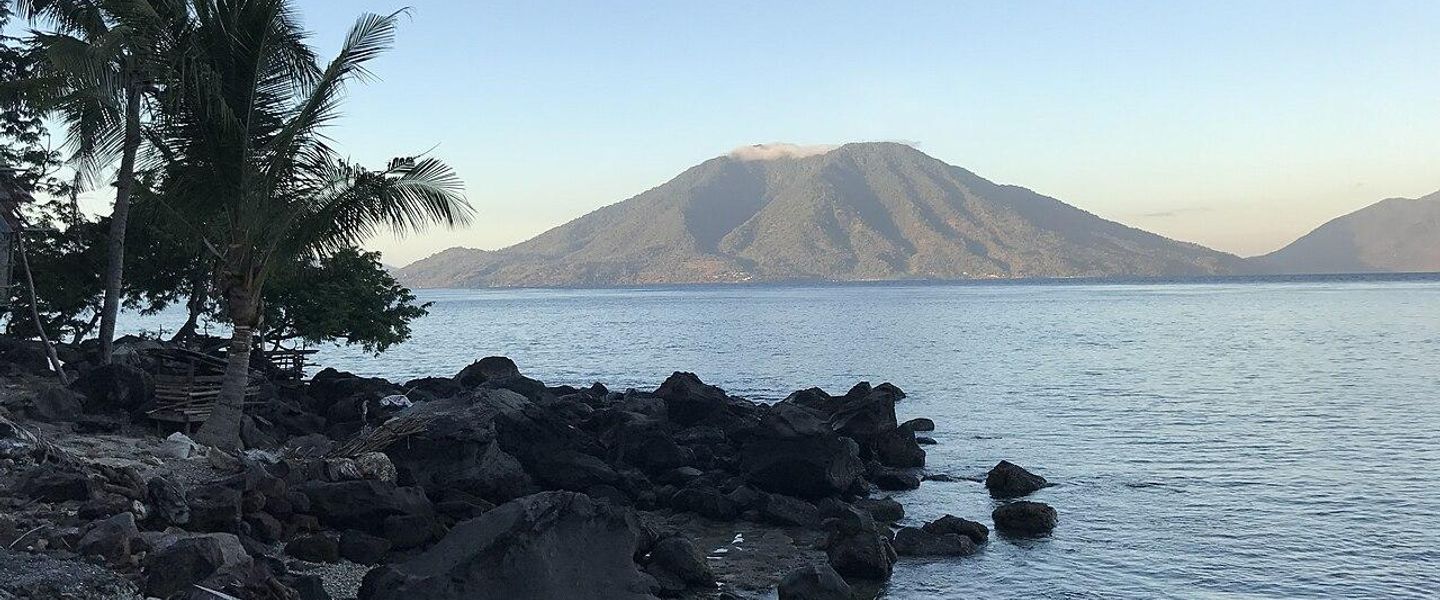


Explore North Maluku's volcanic islands, spice history, sultanates, reefs and wartime heritage across Indonesia's eastern archipelago.
Read more about North Maluku
When is the best time to visit North Maluku?
Best: January–March · 32°C| Month | High (°C) | Rainfall (mm) |
|---|---|---|
| January (best) | 32 | 250 |
| February (best) | 32 | 260 |
| March (best) | 32 | 270 |
| April | 32 | 280 |
| May | 32 | 290 |
| June | 32 | 300 |
| July | 32 | 310 |
| August | 32 | 320 |
| September | 32 | 330 |
| October | 32 | 340 |
| November | 32 | 350 |
| December | 32 | 360 |
Getting to and around North Maluku
How to get there
Transportation
Best attractions in North Maluku
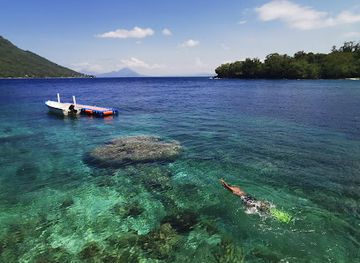
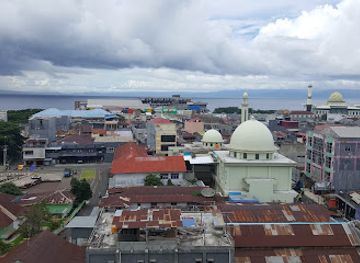
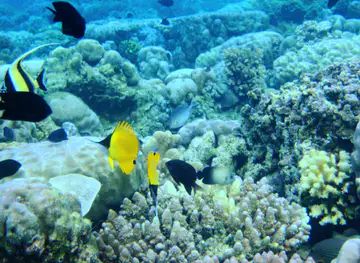
North Maluku's attractions are spread across volcanic islands, historic ports and forested mainland landscapes. Ternate offers Mount Gamalama, crater lakes, black-sand beaches, coral bays and a concentration of forts connected with the spice trade, including Fort Oranje, Fort Tolukko and Fort Kalamata. Across the water, Tidore combines royal history with steep volcanic scenery and coastal villages. Halmahera is less urban and better suited to travellers interested in long road journeys, rainforest, birdlife, beaches and marine exploration, with conditions varying widely between districts. Morotai brings together clear-water recreation and Second World War heritage, while Bacan and the Obi and Sula island groups offer more remote settings where logistics require careful planning. Snorkelling, diving, fishing and boat trips are important experiences, but operators, equipment and weather margins should be checked before departure. Museums and sultanate sites provide cultural context, while local markets and villages reveal everyday life beyond the province's famous spice history.
-
Island
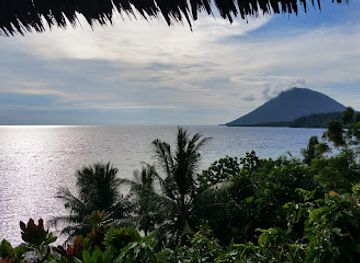
Bunaken
Discover the underwater marvels and serene beaches of Bunaken, a vibrant island paradise in North Sulawesi, Indonesia.
-
Tourist attraction
Istana Mini
Explore the historical beauty of Istana Mini, a cultural treasure in Banda offering insights into the Maluku Islands' rich heritage and stunning landscapes.
-
Tourist attraction
Maluku Pavilion
Explore the Maluku Pavilion: A Cultural Treasure in Taman Mini Indonesia Indah Celebrating Indonesian Art and Heritage.
-
Indoor lodging
Tanjung BONGO - Raja Ampat Mini
Explore the stunning beauty of Tanjung BONGO - Raja Ampat Mini, a tropical paradise in North Maluku with vibrant marine life and breathtaking views.
Best landmarks in North Maluku
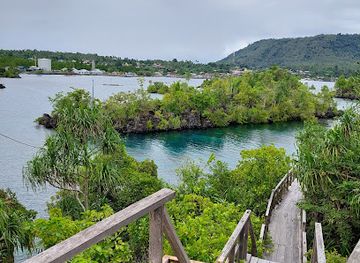
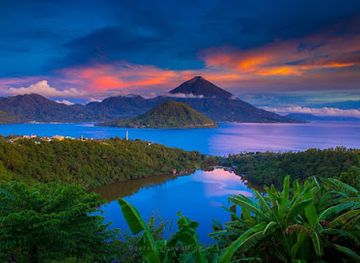
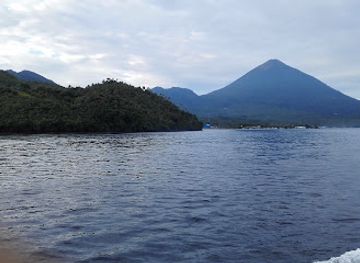
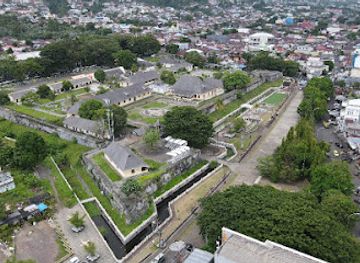
The most recognisable landmarks of North Maluku reflect volcanic geography and the political history of the spice islands. Mount Gamalama dominates Ternate, rising above the island's settlements and gardens; viewpoints towards Tidore place the volcanic island of Kie Matubu at the centre of a celebrated seascape. Fort Oranje in Ternate recalls the Dutch East India Company's attempt to control the clove trade, while Fort Tolukko and Fort Kalamata occupy strategic coastal positions linked to the island's contested past. The Sultan's Palace of Ternate and the Kedaton Sultan Tidore represent the continuing cultural presence of the two historic sultanates, although visitors should observe local arrangements and etiquette. On Morotai, wartime airfield remains and military relics provide a more recent layer of heritage. Around the province, black-sand shores, steep volcanic slopes, forested headlands and reef-fringed bays are landmarks in their own right, conveying why control of these islands mattered to traders, rulers and colonial powers.
-
Tourist attraction
Pantai Jikomalamo - Kota Ternate, Maluku Utara
Experience the tranquil beauty of Pantai Jikomalamo, where azure waters and vibrant marine life create the perfect getaway in Ternate, North Maluku.
-
Tourist attraction
Lubang Buaya Morella
Explore the serene landscapes and profound history at Lubang Buaya Morella, a must-visit destination in Central Maluku.
-
Tourist attraction
Ngurbloat Beach
Discover the pristine beauty of Ngurbloat Beach in Maluku, where soft sands meet turquoise waters, creating a perfect paradise for relaxation and exploration.
-
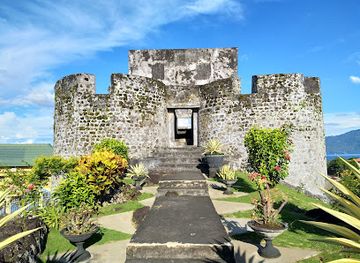
Fortress
Benteng Portugis Tolukko
Explore Benteng Portugis Tolukko, a historical fortress in Ternate City, where colonial history meets breathtaking views of North Maluku's landscape.
Explore North Maluku on the map
Plan your trip on one map. See where the top cities, national parks and sights are, and book hotels and experiences in a few clicks.
Best hotels in North Maluku
Best restaurants in North Maluku
Eating in North Maluku is closely tied to the sea, local starches and assertive chilli-based seasoning. Gohu ikan, often made with raw or lightly prepared fish and a sharp mixture of citrus, chilli and aromatics, is associated particularly with the Ternate area, although preparation varies. Papeda, a soft sago dish, is commonly paired with fish and a richly flavoured broth, while grilled and smoked fish reflect the province's coastal livelihoods. Rice dishes, vegetable preparations, bananas and cassava also appear widely, and local sambal can be notably hot. Ternate has the broadest choice of warungs, cafés and modest restaurants; elsewhere, food is more likely to be found in family-run eateries, markets or accommodation kitchens. Seafood can be excellent but availability depends on weather and landing catches. Visitors should ask about raw ingredients, cooking methods and spice levels, and should not expect international dining options on smaller islands.
-
Chinese
Royal's Resto & Function Hall
Experience delectable Chinese and seafood cuisine at Royal's Resto & Function Hall, a must-visit dining destination in Ternate.
-
Bakso restaurant
Bakso Lapangan Tembak
Experience authentic Indonesian cuisine at Bakso Lapangan Tembak – where every bite tells a story of tradition and flavor.
-
Ikan bakar restaurant
Ikan Bakar Terminal
Experience authentic Indonesian grilled seafood at Ikan Bakar Terminal in Ternate – where every bite is a taste of tradition.
-
Seafood
Pondok Katu Ternate.
Discover North Maluku's culinary gems at Pondok Katu Ternate – where fresh seafood meets traditional flavors in a vibrant setting.

Best bars in North Maluku
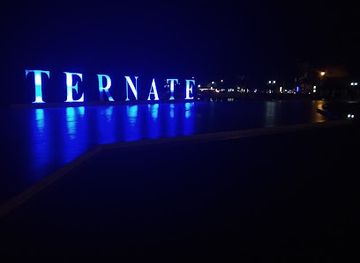
North Maluku is not primarily a clubbing destination. In Ternate, evening life centres on cafés, hotel lounges, food stalls, waterfront gathering places and restaurants, with occasional live music rather than a large late-night circuit. Traditional community spaces and family visits are more important to everyday evening life in smaller towns and villages. Tidore, Halmahera and Morotai generally offer a quieter scene, with evenings shaped by local eateries, sea views and conversation. Alcohol availability varies by establishment and locality, and visitors should respect the predominantly Muslim character of many communities. Some hotels and urban venues serve beer or other drinks, while coffee, tea, juices and local snacks are widely available. Night-time travel outside towns requires additional care because roads may be poorly lit and boat services do not operate as a casual extension of nightlife.
-
Island
Tidore
Explore the captivating landscapes and rich cultural heritage of Tidore Island in North Maluku, Indonesia, a perfect getaway for adventurers and culture lovers.
-
Family-friendly
SS Lounge Resto
Experience a delightful culinary adventure at SS Lounge Resto, Ternate's premier family-friendly dining destination, blending local flavors with international cuisine.
-
Bar
qbeat club
Discover Ternate's vibrant nightlife at Qbeat Club, a lively bar serving exquisite drinks in an electrifying atmosphere.
-
Bed & breakfast
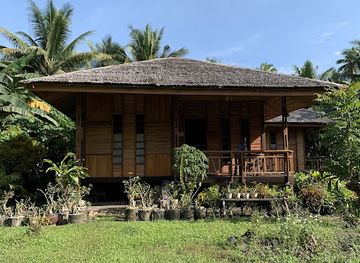
Kupa Kupa Beach
Experience the tranquility of Kupa Kupa Beach, a hidden paradise in North Maluku, Indonesia, perfect for relaxation and cultural immersion.

Best nightclubs in North Maluku
North Maluku is not primarily a clubbing destination. In Ternate, evening life centres on cafés, hotel lounges, food stalls, waterfront gathering places and restaurants, with occasional live music rather than a large late-night circuit. Traditional community spaces and family visits are more important to everyday evening life in smaller towns and villages. Tidore, Halmahera and Morotai generally offer a quieter scene, with evenings shaped by local eateries, sea views and conversation. Alcohol availability varies by establishment and locality, and visitors should respect the predominantly Muslim character of many communities. Some hotels and urban venues serve beer or other drinks, while coffee, tea, juices and local snacks are widely available. Night-time travel outside towns requires additional care because roads may be poorly lit and boat services do not operate as a casual extension of nightlife.
-
Karaoke bar
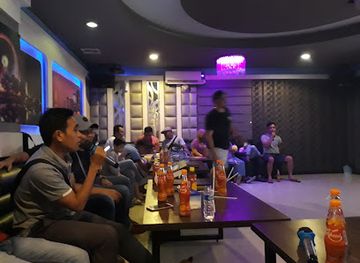
Karaoke Inul Vista
Experience the vibrant nightlife of Ternate at Karaoke Inul Vista, where every song brings people together in laughter and joy.
-
Bar
qbeat club
Dive into the vibrant nightlife of Ternate City at Qbeat Club, where great drinks and lively music await every visitor.
-
Live music bar
X9 Club & KTV
Dive into the vibrant nightlife of Ambon at X9 Club & KTV, where music, fun, and unforgettable memories await.
-
Karaoke bar
D'Primer
Discover the vibrant nightlife of Ternate at D'Primer, the ultimate karaoke destination for tourists seeking fun and entertainment.


Best shops in North Maluku
Shopping in North Maluku is practical and local rather than centred on large retail districts. Ternate has the widest selection of markets, food shops, clothing stores and small independent businesses, with markets useful for observing produce, dried fish, spices and everyday island commerce. Cloves, nutmeg and other Moluccan spices are natural purchases when sourced responsibly and packed for travel, while locally made food products provide more practical souvenirs than fragile marine materials. Handicrafts, woven items and small decorative objects may be found through markets, cultural centres or direct community sales, though availability differs between islands. Tidore and Halmahera offer a more limited retail experience, often concentrated around town markets and roadside stalls. Ask about provenance and avoid coral, shells, feathers or products made from protected wildlife. Larger hotels and urban shops may accept cards, but market purchases normally require rupiah and small notes.
-
Tourist attraction
Pantai Jikomalamo - Kota Ternate, Maluku Utara
Experience the breathtaking beauty and tranquility of Pantai Jikomalamo, a hidden gem in Kota Ternate, Maluku Utara, perfect for relaxation and adventure.
-
Shopping mall
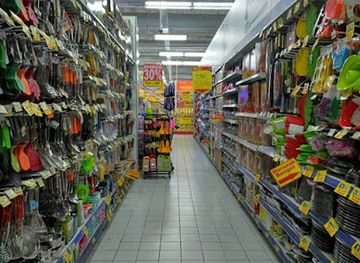
Hypermart - Ternate
Discover Hypermart in Ternate: A vibrant shopping mall offering a vast selection of local and international products for an unforgettable shopping experience.
-
Coffee shop
Fort Oranje
Discover the historic Fort Oranje in Ternate City, a unique coffee shop offering rich brews and stunning views amidst colonial architecture.
-
Shopping mall
Muara Mall
Experience the best of shopping and dining at Muara Mall in Ternate, where culture and modernity meet.
Get your free copy of our complete guide to North Maluku, delivered straight to you.
Everything on this page, from attractions and restaurants to essentials and local phrases, in one PDF you can read offline, print or share.
Already have an account? Sign in
Your North Maluku guide is ready.
We'll send it to · Not you? Sign out

Getting your guide ready…
We are putting together a fresh copy of the North Maluku guide. This can take up to a minute.
This can take a few moments. If your browser asks, choose Allow so the download can start. You'll find the guide in your Downloads folder.
Nothing happened? Download it again
Sorry, the guide is taking longer than usual. Please try again in a minute, or get it by email instead.
North Maluku essentials
Currency and Payment
Safety
Emergency Situations
Do's and Don'ts
Local Tips
From Eve
Local phrases worth knowing
You don't need to get them perfect. A few words go a long way, and locals appreciate the effort.
Basics
| English | Local | Say it |
|---|---|---|
| Hello | Halo | [ha-lo] |
| Goodbye | Selamat tinggal | [se-la-mat ting-gal] |
| Yes | Iya | [ee-ya] |
| No | Tidak | [ti-dak] |
| Please/You're welcome | Silakan/ Sama-sama | [si-la-kan/ sa-ma sa-ma] |
| Thank you | Terima kasih | [te-ri-ma ka-sih] |
| Excuse me/Sorry | Permisi/Maaf | [per-mi-si/ ma-af] |
| How are you? | Apa kabar? | [a-pa ka-bar] |
| Fine. And you? | Baik. Dan kamu? | [ba-ik. dan ka-mu] |
| Do you speak English? | Apakah kamu bisa berbahasa Inggris? | [a-pa-kah ka-mu bi-sa ber-ba-ha-sa ing-gris] |
| I don't understand | Saya tidak mengerti | [sa-ya ti-dak meng-er-ti] |
Eating & Drinking
| English | Local | Say it |
|---|---|---|
| I'd like to see the menu, please | Saya ingin melihat menu, silakan | [sa-ya in-gin me-li-hat me-nu, si-la-kan] |
| I don't eat meat | Saya tidak makan daging | [sa-ya ti-dak ma-kan da-ging] |
| Cheers! | Selamat! | [se-la-mat] |
| I would like to pay, please | Saya ingin membayar, silakan | [sa-ya in-gin mem-ba-yar, si-la-kan] |
Emergencies
| English | Local | Say it |
|---|---|---|
| Help! | Tolong! | [to-long] |
| Go away! | Pergi pergi! | [per-gi per-gi] |
| Call the Police! | Panggil Polisi! | [pang-gil po-li-si] |
| Call a doctor! | Panggil dokter! | [pang-gil dok-ter] |
| I'm lost | Saya tersesat | [sa-ya ter-se-sat] |
| I'm ill | Saya sakit | [sa-ya sa-kit] |
Shopping
| English | Local | Say it |
|---|---|---|
| I'd like to buy... | Saya ingin membeli... | [sa-ya in-gin mem-be-li] |
| I'm just looking | Saya hanya melihat | [sa-ya han-ya me-li-hat] |
| How much is it? | Berapa harganya? | [be-ra-pa har-ga-nya] |
| That's too expensive | Itu terlalu mahal | [i-tu ter-la-lu ma-hal] |
| Can you lower the price? | Bisakah kamu menurunkan harga? | [bi-sa-kah ka-mu me-nu-run-kan har-ga] |
Time & Numbers
| English | Local | Say it |
|---|---|---|
| What time is it? | Jam berapa? | [jam be-ra-pa] |
| It's one o'clock | Jam satu | [jam sa-tu] |
| Half past (10) | Setengah sebelas | [se-teng-ah se-be-las] |
| Morning | Pagi | [pa-gi] |
| Afternoon | Siang | [si-ang] |
| Evening | Malam | [ma-lam] |
| Yesterday | Kemarin | [ke-ma-rin] |
| Today | Hari ini | [ha-ri i-ni] |
| Tomorrow | Besok | [be-sok] |
| 1 | 1 | [satu] |
| 2 | 2 | [dua] |
| 3 | 3 | [tiga] |
| 4 | 4 | [empat] |
| 5 | 5 | [lima] |
| 6 | 6 | [enam] |
| 7 | 7 | [tujuh] |
| 8 | 8 | [delapan] |
| 9 | 9 | [sembilan] |
| 10 | 10 | [sepuluh] |
Transport & Directions
| English | Local | Say it |
|---|---|---|
| Where's a/the...? | Di mana...? | [di ma-na] |
| What's the address? | Apa alamatnya? | [a-pa a-la-mat-nya] |
| Can you show me (on the map)? | Bisakah kamu tunjukkan (di peta)? | [bi-sa-kah ka-mu tun-juk-kan (di pe-ta)] |
| When's the next (bus)? | Kapan bus berikutnya? | [ka-pan bus be-ri-kut-nya] |
| A ticket (to ....) | Tiket (ke ....) | [ti-ket (ke ....)] |
History of North Maluku
Early Austronesian Settlement and Island Trade
The islands of North Maluku were settled through successive Austronesian movements and became part of a wider maritime world linking eastern Indonesia, New Guinea and Southeast Asia. Communities developed around fishing, cultivation and seaborne exchange, while the islands' distinctive volcanic soils supported valuable crops. Archaeological evidence and continuing cultural traditions show that the region's history was never isolated: boats, kinship networks and trade connected its islands long before European ships arrived.
The Rise of Ternate and Tidore
By the late medieval period, the sultanates of Ternate and Tidore had become major political powers in the northern Moluccas. Their influence extended through alliances, tribute and trade across neighbouring islands, while Islam became an important element of court and community life. Ternate and Tidore competed with one another but also shared a regional world shaped by maritime commerce, royal diplomacy and control of the clove-producing islands.
European Competition for the Spice Trade
Portuguese visitors reached the Moluccas in the early sixteenth century, followed by Spanish and Dutch expansion. European powers sought to control the clove trade and intervene in the rivalries of Ternate and Tidore. Forts, treaties, military campaigns and missionary activity altered local politics, but indigenous rulers and communities remained decisive actors. The surviving forts around Ternate and nearby islands are physical reminders of this contested period.
Dutch Monopoly and the Clove Economy
The Dutch East India Company and, later, the colonial government attempted to regulate clove production through monopolies, contracts and restrictions on cultivation. These policies brought coercion and economic disruption to island communities, while also tying North Maluku more tightly to the colonial administration of the Netherlands East Indies. Cloves remain a strong symbol of the province, visible in gardens, trade and local memory even though the modern economy is more diverse.
Islamic Courts, Colonial Rule and Indonesian Independence
The sultanates retained religious and cultural importance after colonial authority expanded, even as their political autonomy narrowed. Ternate became an administrative centre, and colonial roads, ports and buildings reshaped parts of the islands. During Indonesia's struggle for independence, the Moluccas were drawn into the unsettled transition from colonial rule to the republic. The sultanates survive today as cultural institutions whose ceremonies, titles and historic compounds remain part of regional identity.
Morotai and the Second World War
Morotai became a significant Allied base during the Pacific War after Allied forces landed there in 1944. Its strategic position made the island an air and naval staging point for operations towards the Philippines and other parts of the region. Airfield remains, military relics and wartime stories continue to shape Morotai's heritage, although much of the island's appeal now lies equally in its reefs, beaches and coastal communities.
Provincial Formation and Contemporary Change
North Maluku became a separate Indonesian province in 1999, following its earlier administration within Maluku. Ternate initially served as the provincial capital before Sofifi on Halmahera was designated the capital. The province now balances a dispersed island geography with urban growth, nickel and other resource development, fisheries, agriculture and tourism. Improving connections have brought new opportunities, while the scale of infrastructure and environmental change continues to influence the future of its islands.
North Maluku in Photos
Browse through our photo collection highlighting the charm and character of the destination.
Neighbouring regions of North Maluku
The closest regions to North Maluku, if you have time for more than one.
-
-

-

-

-


Swipe for more regions
Explore more

Explore more of Indonesia
Explore Indonesia: An archipelago of diverse cultures, stunning landscapes, and endless adventures from bustling cities to serene beaches.
Explore Indonesia