
North Sulawesi, Indonesia Travel Guide
Discover North Sulawesi: Dive into pristine waters, explore lush landscapes, and immerse yourself in a rich cultural heritage in Indonesia's tropical paradise.
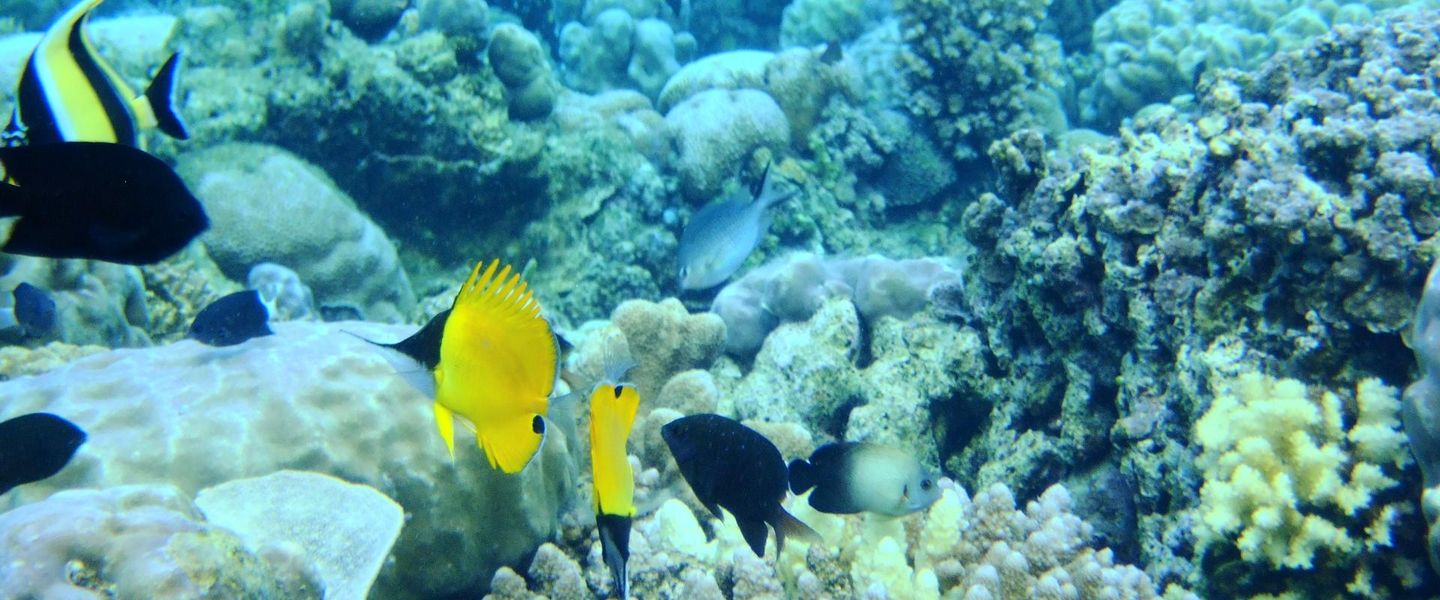
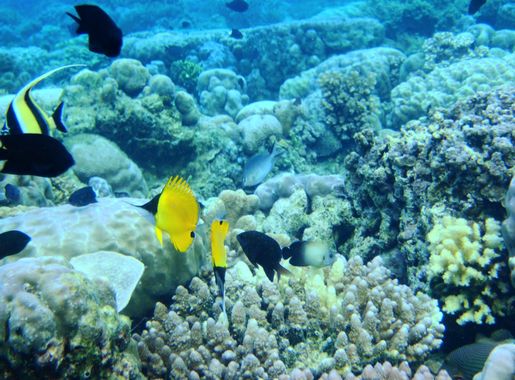
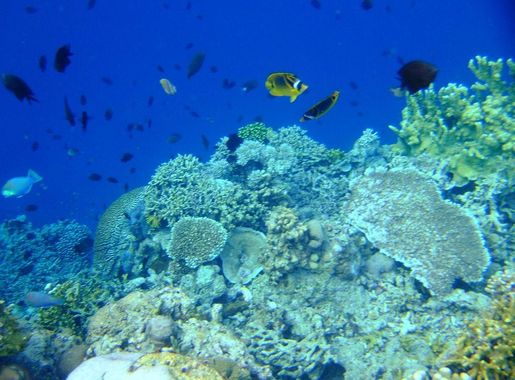
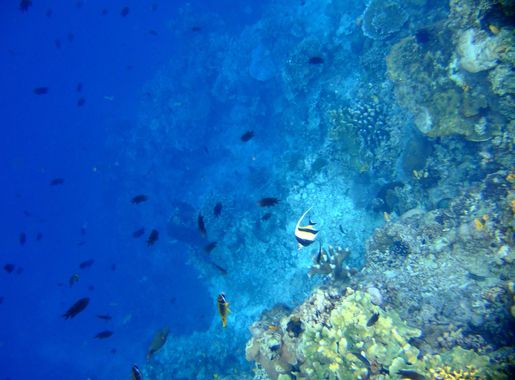
North Sulawesi, located in the northern part of Indonesia's Sulawesi island, is a hidden gem waiting to be discovered by adventurous tourists. This region is renowned for its stunning marine biodiversity, making it a dream destination for divers and snorkelers. The crystal-clear waters of Bunaken National Park offer some of the best underwater experiences in the world, with vibrant coral reefs and a plethora of marine life including turtles, dolphins, and a multitude of colorful fish species. Beyond its underwater treasures, North Sulawesi boasts lush landscapes, volcanic mountains, and serene lakes. The Tangkoko Nature Reserve is a haven for wildlife enthusiasts, home to the rare tarsier, black macaques, and a variety of exotic bird species. The majestic Mount Lokon and Mount Mahawu provide excellent opportunities for hiking and offer breathtaking views from their summits. The cultural tapestry of North Sulawesi is equally captivating. The capital city, Manado, is a melting pot of diverse cultures and offers a unique culinary scene. Don't miss trying the local delicacies such as Tinutuan (Manado porridge) and fresh seafood dishes. The Minahasa highlands nearby are dotted with traditional villages where visitors can experience the rich local traditions and warm hospitality. Whether you're seeking underwater adventures, nature exploration, or cultural immersion, North Sulawesi promises an unforgettable travel experience.

Know before you go
Hi, I'm Eve. Here are a few practical things to know before exploring North Sulawesi.
- Best Time to Visit: The dry season from May to October is ideal for diving and outdoor activities.
- Local Currency: The Indonesian Rupiah (IDR) is the local currency. Make sure to carry cash as ATMs can be scarce in remote areas.
- Travel Adapter: Indonesia uses Type C and F electrical outlets. Bring a suitable travel adapter.
- Respect Local Customs: Dress modestly and respect local traditions, especially when visiting villages and religious sites.
- Language: Bahasa Indonesia is the official language. Learning a few basic phrases can be helpful and appreciated by locals.
- Marine Conservation: Practice responsible diving and snorkeling by not touching corals or marine life to help preserve the delicate ecosystem.
Explore North Sulawesi: Things to Do, Places to Eat, Hotels & More
Handpicked recommendations for top attractions, local dining, accommodations, and more

Top Attractions & Sightseeing in North Sulawesi
Top-rated picks
Best Attractions

Zero Point
Discover the vibrant heart of Manado at Zero Point, a stunning monument symbolizing the culture and spirit of North Sulawesi.

Paal Beach
Explore the pristine sands and crystal-clear waters of Paal Beach, a hidden tropical paradise in North Sulawesi, perfect for relaxation and adventure.

Benteng Otanaha
Discover the historical charm and breathtaking views at Benteng Otanaha, a must-visit fortress in Gorontalo, Indonesia.

God Bless Park
Discover tranquility in the heart of Manado at God Bless Park, where nature meets culture in a serene setting.

Best landmarks in North Sulawesi
Top-rated picks
Best Landmarks

Sulawesi
Explore the breathtaking landscapes, rich culture, and vibrant marine life of Sulawesi, the Indonesian island paradise that promises adventure and relaxation.

Yesus Memberkati Statue
Explore the Yesus Memberkati Statue in Manado, a breathtaking monument of faith that offers stunning views and a serene atmosphere for all visitors.

Bunaken National Marine Park
Discover the vibrant underwater world at Bunaken National Marine Park, a paradise for snorkeling and diving enthusiasts in North Sulawesi, Indonesia.

Bukit Kasih Kanonang
Experience the breathtaking beauty and spiritual serenity of Bukit Kasih Kanonang, a top tourist attraction in North Sulawesi.

Best restaurants in North Sulawesi
Top-rated picks
Best Restaurants
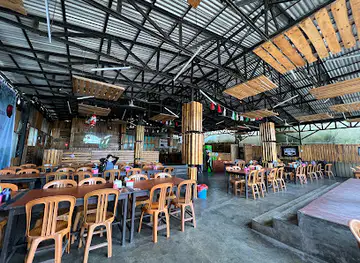
Dabu Dabu Lemong | Ikan Bakar Khas Manado
Discover authentic Manado cuisine at Dabu Dabu Lemong - home of delicious Ikan Bakar and vibrant local flavors.

Pondok Hijau
Experience authentic Manado cuisine at Pondok Hijau, where grilled fish meets scenic beauty in North Sulawesi.

Tuna House Mega Mas
Discover exquisite seafood at Tuna House Mega Mas in North Sulawesi - where fresh flavors meet stunning seaside views.

Tuna House Bitung Karangria
Experience authentic Indonesian seafood cuisine at Tuna House Bitung Karangria in Manado City - where fresh flavors meet local tradition.

Best bars in North Sulawesi
Top-rated picks
Best Bars

Broadway Karaoke & Lounge
Experience the vibrant nightlife of Manado at Broadway Karaoke & Lounge, where music and fun come together for an unforgettable evening.
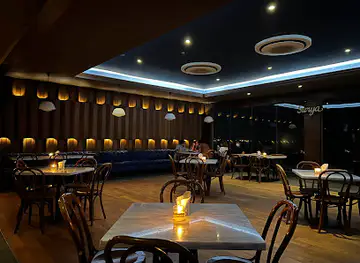
SE7EN Lounge & Bar Mantos
Discover the vibrant nightlife at SE7EN Lounge & Bar Mantos, where exquisite drinks and stunning views create an unforgettable experience in North Sulawesi.

Pirates Cafe
Experience the best seafood dining in North Sulawesi at Pirates Cafe, where local flavors and a nautical ambiance await.

Bacarita
Discover Bacarita in Manado: A vibrant café and seafood haven offering delightful dishes and a welcoming atmosphere.

Best nightclubs in North Sulawesi
Top-rated picks
Best Nightclubs

Diva Family Karaoke Sam Ratulangi
Experience the vibrant atmosphere of Diva Family Karaoke, where singing and fun come together for an unforgettable night in Manado.

Broadway Karaoke & Lounge
Experience the vibrant nightlife at Broadway Karaoke & Lounge in Manado, where singing and fun come together in a lively setting perfect for all ages.

Atlantis Party Club
Explore the electrifying nightlife at Atlantis Party Club in Manado, where unforgettable experiences and thrilling music await every night.

BLUE CASTLE (Bar & Lounge)
Experience the vibrant nightlife at Blue Castle Bar & Lounge in Manado City, where great cocktails and lively ambiance await.

Best shops in North Sulawesi
Top-rated picks
Best Shops

Manado Town Square
Discover the heart of shopping and dining at Manado Town Square, where vibrant culture meets modern convenience in North Sulawesi.

Megamall
Explore Megamall Manado - A Premier Shopping and Dining Destination in North Sulawesi with Entertainment for the Whole Family.

Gramedia Book Store
Explore an extensive selection of books at Gramedia Book Store in Manado, a cultural hub for literature lovers and a must-visit destination.

Transmart Carrefour & Trans Studio Mini Manado
Experience the ultimate shopping and entertainment destination at Transmart Carrefour & Trans Studio Mini Manado, where local culture meets modern retail.

Explore North Sulawesi on the Map
A handpicked selection of must-see spots in North Sulawesi, mapped for you.
North Sulawesi Essentials
-
North Sulawesi is accessible via Sam Ratulangi International Airport (MDC) located in Manado, the provincial capital. The airport serves both domestic flights from major Indonesian cities like Jakarta, Surabaya, and Bali, as well as international flights from cities such as Singapore and Kuala Lumpur. From the airport, you can take a taxi or arrange for a hotel shuttle to your accommodation.
-
Public transportation options in North Sulawesi include buses, mikrolets (shared minivans), and ojeks (motorcycle taxis). Buses and mikrolets are the most affordable but can be crowded and less comfortable. Ojeks offer more flexibility for short distances. For greater convenience, taxis are widely available in Manado, and car rentals can be arranged for exploring more remote areas. Be prepared for varying road conditions when driving.
-
The official currency is the Indonesian Rupiah (IDR). Credit cards are accepted in most hotels, restaurants, and larger shops in Manado, but cash is preferred in smaller towns and rural areas. ATMs are available in Manado and other major towns, so it's advisable to withdraw sufficient cash before traveling to remote locations.
-
North Sulawesi is generally a safe destination for tourists. However, like any other place, it is important to stay vigilant. Avoid walking alone at night in unfamiliar areas and keep an eye on your belongings in crowded places. The city of Manado is relatively safe, but it is advisable to avoid less well-lit neighborhoods at night. Always use registered taxis for transportation.
-
In case of emergency, dial 112 for immediate assistance. Manado has several hospitals and clinics, including Prof. Dr. R. D. Kandou General Hospital, which provides comprehensive medical services. Pharmacies are widespread, and many have English-speaking staff. It is recommended to have travel insurance that covers medical emergencies.
-
Fashion: Do dress modestly, especially when visiting religious sites or rural areas. Avoid wearing revealing clothing. Religion: Do respect local customs and traditions. Remove your shoes when entering homes and places of worship. Public Transport: Do be respectful and give up your seat to elderly passengers. Don’t eat or drink on public transport. Greetings: Do greet people with a smile and a handshake. Using your right hand for giving and receiving items is considered polite. Eating & Drinking: Do try local delicacies and accept food offerings graciously. Don’t refuse hospitality, as it is considered impolite.
-
To experience North Sulawesi like a local, visit the traditional markets such as Pasar Bersehati in Manado where you can buy fresh produce and local goods. Engage with locals, who are often friendly and willing to share stories about their culture and traditions. Don’t miss visiting Bunaken National Park for world-class diving, and explore the Tangkoko Nature Reserve to see the unique wildlife, including the tarsier. For a unique culinary experience, try the local dish 'Tinutuan' (Manado porridge) at one of the many warungs (small eateries).
When is the best time to visit North Sulawesi?
Useful Local Phrases for North Sulawesi
You don't need to speak the language perfectly. Even learning a few simple words can make conversations warmer—and locals usually appreciate the effort.
— Eve

Here are the phrases I use most often in North Sulawesi. Try a few—you'll be surprised how far they go! 😊
❤️
-
- HelloHalo
[ha-lo] - GoodbyeSelamat tinggal
[se-la-mat ting-gal] - YesIya
[ee-ya] - NoTidak
[tee-dak] - Please/You're welcomeSilakan/Sama-sama
[see-la-kan/sa-ma sa-ma] - Thank youTerima kasih
[te-ri-ma ka-sih] - Excuse me/SorryPermisi/Maaf
[per-mi-si/ma-af] - How are you?Apa kabar?
[a-pa ka-bar] - Fine. And you?Baik. Dan kamu?
[ba-ik/dan ka-mu] - Do you speak English?Apakah kamu bisa bahasa Inggris?
[a-pa-kah ka-mu bi-sa ba-ha-sa ing-gris] - I don't understandSaya tidak mengerti
[sa-ya ti-dak meng-er-ti]
- HelloHalo
-
- I'd like to see the menu, pleaseSaya mau lihat menu, tolong
[sa-ya mau li-hat me-nu, to-long] - I don't eat meatSaya tidak makan daging
[sa-ya ti-dak ma-kan da-ging] - Cheers!Selamat!
[se-la-mat] - I would like to pay, pleaseSaya mau bayar, tolong
[sa-ya mau ba-yar, to-long]
- I'd like to see the menu, pleaseSaya mau lihat menu, tolong
-
- Help!Tolong!
[to-long] - Go away!Pergi!
[per-gi] - Call the Police!Panggil Polisi!
[pang-gil po-li-si] - Call a doctor!Panggil dokter!
[pang-gil dok-ter] - I'm lostSaya tersesat
[sa-ya ter-se-sat] - I'm illSaya sakit
[sa-ya sa-kit]
- Help!Tolong!
-
- I'd like to buy...Saya mau beli...
[sa-ya mau be-li] - I'm just lookingSaya hanya melihat
[sa-ya han-ya me-li-hat] - How much is it?Berapa harganya?
[be-ra-pa har-ga-nya] - That's too expensiveItu terlalu mahal
[i-tu ter-la-lu ma-hal] - Can you lower the price?Bisakah kamu menurunkan harga?
[bi-sa-kah ka-mu me-nu-run-kan har-ga]
- I'd like to buy...Saya mau beli...
-
- What time is it?Jam berapa?
[jam be-ra-pa] - It's one o'clockJam satu
[jam sa-tu] - Half past (10)Setengah (10)
[se-ten-gah] - MorningPagi
[pa-gi] - AfternoonSore
[so-re] - EveningMalam
[ma-lam] - YesterdayKemarin
[ke-ma-rin] - TodayHari ini
[ha-ri i-ni] - TomorrowBesok
[be-sok] - 1Satu
[sa-tu] - 2Dua
[du-a] - 3Tiga
[ti-ga] - 4Empat
[em-pat] - 5Lima
[li-ma] - 6Enam
[e-nam] - 7Tujuh
[tu-juh] - 8Delapan
[de-la-pan] - 9Sembilan
[sem-bi-lan] - 10Sepuluh
[se-pu-luh]
- What time is it?Jam berapa?
-
- Where's a/the...?Di mana ...?
[di ma-na] - What's the address?Apa alamatnya?
[a-pa a-la-mat-nya] - Can you show me (on the map)?Bisakah kamu tunjukkan (di peta)?
[bi-sa-kah ka-mu tun-juk-kan di pe-ta] - When's the next (bus)?Kapan (bus) berikutnya?
[ka-pan bus be-ri-kut-nya] - A ticket (to ....)Tiket (ke ...)
[ti-ket ke]
- Where's a/the...?Di mana ...?
History of North Sulawesi
-
The earliest inhabitants of North Sulawesi were the Minahasa people, who are part of the larger Austronesian ethnic group that migrated from Taiwan around 2000 BCE. The Minahasa developed distinct cultural traditions, including unique architectural styles and communal practices. Evidence of these early settlements can be found in the archaeological sites scattered throughout the region.
-
During the 16th century, the Kingdom of Manado emerged as a significant political and economic power in North Sulawesi. Established by the Minahasa people, the kingdom was known for its strategic coastal location, which facilitated trade with neighboring regions and foreign traders, including the Spanish and Portuguese. The kingdom played a crucial role in the regional spice trade, dealing primarily in nutmeg and cloves.
-
In the early 16th century, Portuguese and Spanish explorers arrived in North Sulawesi. They established fortifications and introduced Christianity to the region. The Spanish, in particular, left a lasting impact on the local culture through their missionary activities, which led to the construction of churches and the spread of Roman Catholicism among the Minahasa people.
-
By the mid-17th century, the Dutch East India Company (VOC) had established dominance over North Sulawesi. They constructed Fort Amsterdam in Manado, which became a center for trade and administration. The Dutch introduced new agricultural practices and expanded the spice trade. Their colonial rule, which lasted until Indonesian independence in 1945, significantly shaped the region's economic and social landscape.
-
During World War II, North Sulawesi was occupied by Japanese forces from 1942 to 1945. The Japanese occupation brought significant hardship to the local population, including forced labor and military conscription. Resistance movements, such as the Minahasa guerrilla fighters, played a crucial role in opposing Japanese rule and aiding the Allied forces.
-
Following Indonesian independence in 1945, North Sulawesi underwent substantial development. The region's rich natural resources, including its fertile agricultural land and abundant marine life, have driven economic growth. Infrastructure improvements, such as the expansion of the port in Bitung and the construction of Sam Ratulangi International Airport, have enhanced connectivity and boosted tourism.
-
North Sulawesi is renowned for its vibrant cultural heritage. Traditional Minahasa celebrations, such as the Tulude festival, showcase the region's rich customs and communal spirit. Local crafts, including wood carving and weaving, reflect the artistic talents of the Minahasa people. The region is also famous for its traditional cuisine, featuring dishes like 'tinutuan' (Manado porridge) and 'rica-rica' (spicy meat dish).
Neighbouring Regions of North Sulawesi
The closest regions to North Sulawesi, if you have time for more than one.


Your all‑in‑one travel companion app
Explore expert travel guides, compare and book tours, experiences, hotels, and more—all from the palm of your hand. Download now for seamless trip planning wherever your wanderlust takes you.


Explore More of Indonesia

Looking beyond North Sulawesi? Discover Indonesia for broader travel guides, local hot-spots, and regional highlights.
Explore IndonesiaNorth Sulawesi in Photos
Browse through our photo collection highlighting the charm and character of the destination.


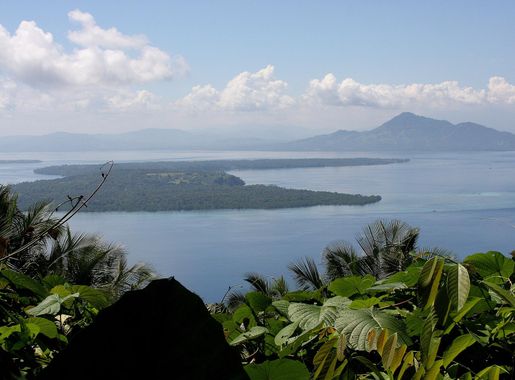

North Sulawesi: A Tropical Paradise with Rich Marine Wonders and Cultural Heritage
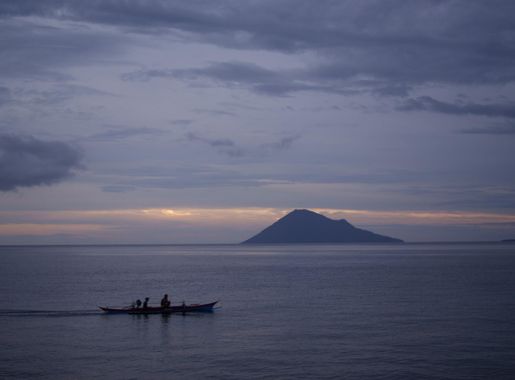
North Sulawesi, located in the northern part of Indonesia's Sulawesi island, is a hidden gem waiting to be discovered by adventurous tourists. This region is renowned for its stunning marine biodiversity, making it a dream destination for divers and snorkelers. The crystal-clear waters of Bunaken National Park offer some of the best underwater experiences in the world, with vibrant coral reefs and a plethora of marine life including turtles, dolphins, and a multitude of colorful fish species. Beyond its underwater treasures, North Sulawesi boasts lush landscapes, volcanic mountains, and serene lakes. The Tangkoko Nature Reserve is a haven for wildlife enthusiasts, home to the rare tarsier, black macaques, and a variety of exotic bird species. The majestic Mount Lokon and Mount Mahawu provide excellent opportunities for hiking and offer breathtaking views from their summits. The cultural tapestry of North Sulawesi is equally captivating. The capital city, Manado, is a melting pot of diverse cultures and offers a unique culinary scene. Don't miss trying the local delicacies such as Tinutuan (Manado porridge) and fresh seafood dishes. The Minahasa highlands nearby are dotted with traditional villages where visitors can experience the rich local traditions and warm hospitality. Whether you're seeking underwater adventures, nature exploration, or cultural immersion, North Sulawesi promises an unforgettable travel experience.