

Free Riau Travel Guide & Mobile App
Explore Riau with free travel guides. Discover regional history, expert tips, proposed trips, and audio guides on web or mobile app.


Explore Riau for Malay royal heritage, river landscapes, Buddhist archaeology, forest reserves and distinctive Sumatran food from Pekanbaru outward.
Read more about Riau
When is the best time to visit Riau?
Best: January–March · 30°C| Month | High (°C) | Rainfall (mm) |
|---|---|---|
| January (best) | 30 | 250 |
| February (best) | 30 | 230 |
| March (best) | 30 | 240 |
| April | 31 | 250 |
| May | 31 | 260 |
| June | 31 | 270 |
| July | 30 | 280 |
| August | 30 | 290 |
| September | 30 | 300 |
| October | 30 | 310 |
| November | 30 | 320 |
| December | 30 | 330 |
Getting to and around Riau
How to get there
Transportation
Best attractions in Riau
Riau's attractions are spread across a large province and range from river heritage to lowland ecology. In Pekanbaru, museums, Malay cultural displays, mosques and the riverfront provide a manageable introduction to the region's history and present-day urban life. Siak Sri Indrapura offers the strongest concentration of royal heritage, centred on the former palace of the Siak Sultanate and the historic river setting around it. Kampar combines village landscapes with Muara Takus, an important Buddhist archaeological complex built largely of brick. The Kampar River is also associated with the Bono tidal bore, a dramatic natural phenomenon best experienced with specialist local arrangements and suitable conditions. Conservation destinations include Tesso Nilo, Rimbang Baling and Zamrud, where forests, peatlands, lakes and wetlands support distinctive wildlife, although access can be seasonal, regulated and relatively basic. Coastal and island districts add fishing settlements, mangrove environments and river mouths rather than conventional resort infrastructure. Riau is therefore best suited to visitors interested in cultural landscapes, archaeology, waterways and nature-based travel, with realistic expectations about distances and logistics.
-
Historical place
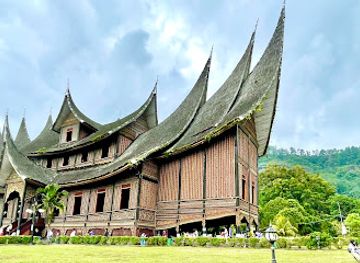
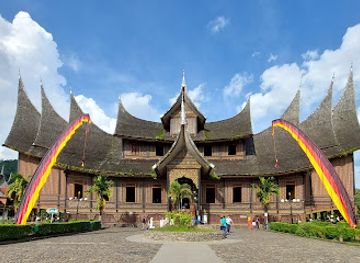
Istano Basa Pagaruyung
Explore the grandeur and cultural richness of Istano Basa Pagaruyung, a historical palace showcasing the Minangkabau heritage in West Sumatra.
-
Mosque
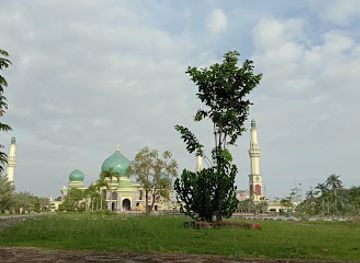
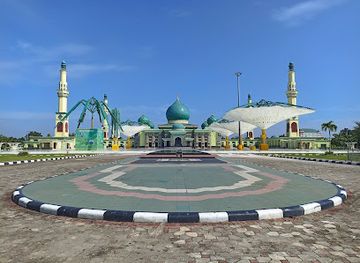
Masjid Raya An Nur Riau Province
Discover the architectural splendor and spiritual serenity of Masjid Raya An Nur, a must-see destination in Pekanbaru, Riau Province.
-
History museum
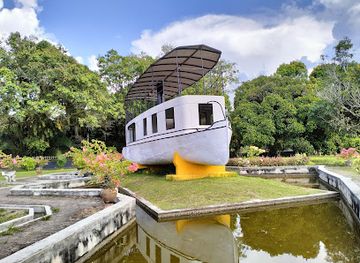
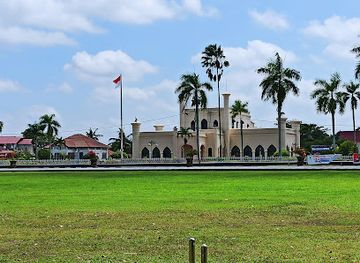
Siak Sri Indrapura Palace
Experience the grandeur of Siak Sri Indrapura Palace, a historical jewel in Riau showcasing the rich heritage of the Malay Sultanate.
-
Tourist attraction
Welcome to Batam Sign
Discover the vibrant culture and stunning scenery of Batam City at the iconic Welcome to Batam Sign, a must-visit tourist attraction.

Best landmarks in Riau
Istana Siak Sri Indrapura is Riau's most recognisable historic landmark. Built for the Siak Sultanate, the palace combines Malay court planning with European and Middle Eastern decorative influences and preserves the memory of a polity that once controlled important river and coastal routes. In Kampar, the brick stupas and enclosures of Candi Muara Takus form a remarkable archaeological landmark whose importance lies in its evidence of early Buddhist networks in Sumatra. Pekanbaru's An-Nur Great Mosque, with its prominent domes and minarets, is a major urban reference point and reflects the city's public architectural identity. The Siak River itself is a defining geographical landmark, shaping settlement, trade and the location of the sultanate's capital. Further afield, the wetlands and lakes of Zamrud and the forested landscapes of Rimbang Baling are natural landmarks rather than monumental buildings, valued for their ecological significance and their connection to Riau's remaining lowland environments.
-
Historical place
Istano Basa Pagaruyung
Explore Istano Basa Pagaruyung, a historical palace in West Sumatra, showcasing the unique Minangkabau culture and architectural beauty.
-
 Hotel
HotelGrand Zuri Dumai
Discover the elegance and comfort of Grand Zuri Dumai, your home away from home in the heart of Riau.
-
Mosque
Masjid Raya An Nur Riau Province
Discover the architectural splendor of Masjid Raya An Nur, a serene mosque in Pekanbaru, Riau, blending tradition and modernity in perfect harmony.
-
History museum
Siak Sri Indrapura Palace
Explore Siak Sri Indrapura Palace, a historical gem showcasing the rich heritage and architectural beauty of Indonesia's royal past.
Explore Riau on the map
Plan your trip on one map. See where the top cities, national parks and sights are, and book hotels and experiences in a few clicks.
Best hotels in Riau
Best restaurants in Riau
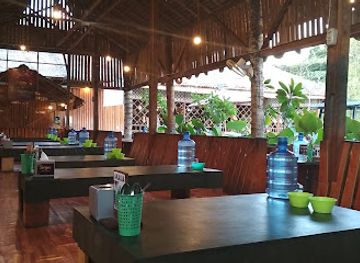
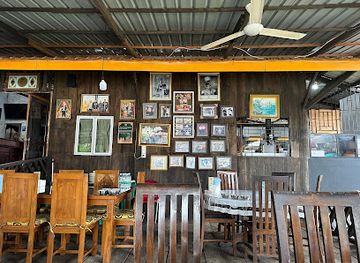
Riau's food reflects Malay court traditions, river fisheries, coastal trade and influences from neighbouring Sumatran communities. Freshwater patin is a local staple, served grilled, in soups or in richly seasoned preparations, while asam pedas and gulai provide characteristic sour, hot and coconut-based flavours. Smoked fish, often known as ikan salai, is widely associated with inland and riverine cooking. Pekanbaru has the province's broadest choice of Malay, Indonesian and regional restaurants, whereas smaller towns offer food stalls, family eateries and roadside establishments where menus follow local supply. Sweet specialities include bolu kemojo, a fragrant pandan cake, and lempuk durian, a dense durian confection. In the Meranti Islands, sago features prominently in local foods and noodles. Markets are useful places to observe the range of produce, but visitors should choose busy, well-maintained stalls and take normal care with food and water hygiene.
-
Seafood
Teras Kayu Resto
Discover the best seafood delights at Teras Kayu Resto in Pekanbaru—where freshness meets flavor in every dish.
-
Restaurant
Pondok Patin H. M. Yunus
Discover authentic Malaysian flavors at Pondok Patin H. M. Yunus in Pekanbaru - where every meal tells a story.
-
Restaurant
Koki Sunda
Experience authentic Sundanese cuisine at Koki Sunda in Pekanbaru—where every dish tells a story of Indonesia's rich culinary heritage.
-
Restaurant
PETERSELI KITCHEN
Experience the fusion of Western and Indonesian flavors at Peterseli Kitchen in Pekanbaru - where every meal is a celebration of taste.
Best bars in Riau
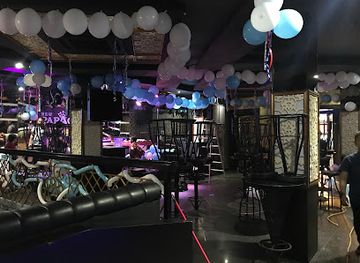
Riau's evening culture is concentrated in Pekanbaru and larger district towns rather than spread across a major club circuit. In the provincial capital, hotel lounges, cafés, karaoke venues, restaurants and a limited selection of bars provide most late-evening options, while shopping and dining complexes tend to be busier than dedicated nightlife districts. Outside Pekanbaru, evenings generally centre on coffee shops, food stalls, family restaurants and traditional gatherings, with occasional live music or entertainment at hotels. Alcohol availability varies by venue and local regulations, and visitors should respect the predominantly Muslim social setting. In Siak, Kampar and rural areas, the attraction is usually an early meal, riverside atmosphere or cultural programme rather than late-night entertainment. Check current local arrangements before travelling, as commercial venues and operating practices can change.
-
Restaurant
PETERSELI KITCHEN
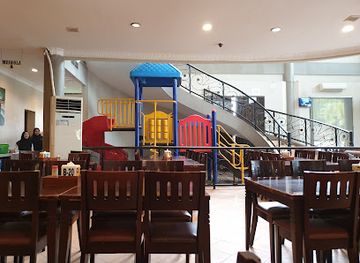
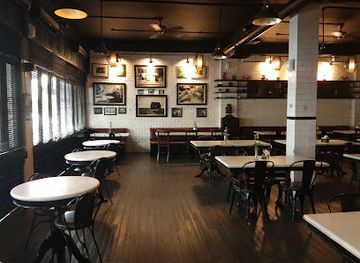
Discover Peterseli Kitchen in Pekanbaru: a family-friendly restaurant offering a delightful fusion of Western cuisine in a chic, industrial atmosphere.
-
Restaurant
Mr.Brewok Cafe & Resto
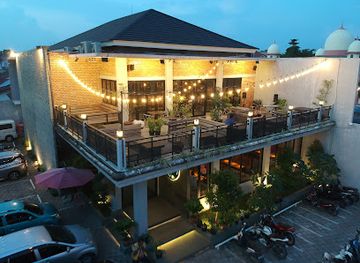
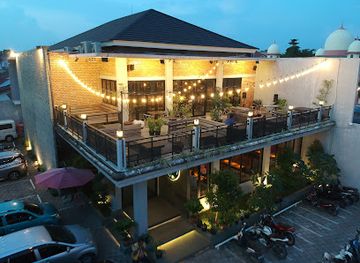
Discover the flavors of Asia at Mr.Brewok Cafe & Resto, Pekanbaru's charming spot for delicious meals and cozy coffee breaks.
-
Karaoke bar
NEW PARAGON KTV POOL & CAFE
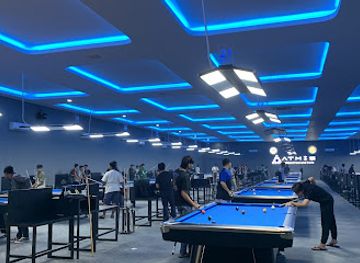
Discover the vibrant nightlife of Pekanbaru at New Paragon KTV Pool & Cafe, where karaoke, delicious food, and dancing await!
-
Restaurant
Local Pantry
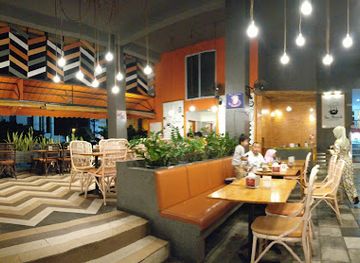
Savor the essence of Pekanbaru at Local Pantry, a cozy restaurant and café offering delightful meals and an inviting atmosphere for all.
Best nightclubs in Riau
Riau's evening culture is concentrated in Pekanbaru and larger district towns rather than spread across a major club circuit. In the provincial capital, hotel lounges, cafés, karaoke venues, restaurants and a limited selection of bars provide most late-evening options, while shopping and dining complexes tend to be busier than dedicated nightlife districts. Outside Pekanbaru, evenings generally centre on coffee shops, food stalls, family restaurants and traditional gatherings, with occasional live music or entertainment at hotels. Alcohol availability varies by venue and local regulations, and visitors should respect the predominantly Muslim social setting. In Siak, Kampar and rural areas, the attraction is usually an early meal, riverside atmosphere or cultural programme rather than late-night entertainment. Check current local arrangements before travelling, as commercial venues and operating practices can change.
-
Pub
Grand Dragon Pub & Ktv
Experience the vibrant nightlife of Pekanbaru at Grand Dragon Pub & KTV, where entertainment meets exquisite drinks for an unforgettable night.
-
Night club
MP Club
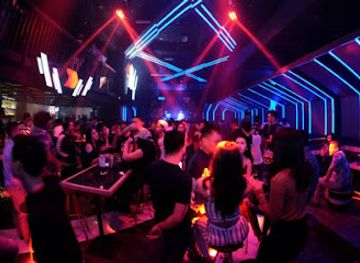
Discover the vibrant nightlife of Pekanbaru at MP Club, where music, dancing, and unforgettable experiences await.
-
Night club
ATMOS CLUB BATAM
Discover the vibrant nightlife at ATMOS CLUB BATAM, a premier night club in Batam City with electrifying music and dazzling light shows.
-
Night club
Embassy Pekanbaru
Experience the electrifying nightlife at Embassy Pekanbaru, where live music meets a vibrant atmosphere in the heart of Riau.


Best shops in Riau
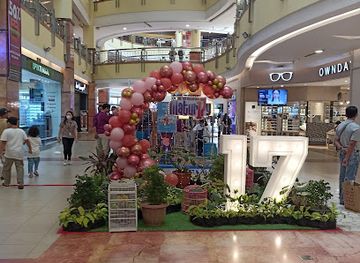
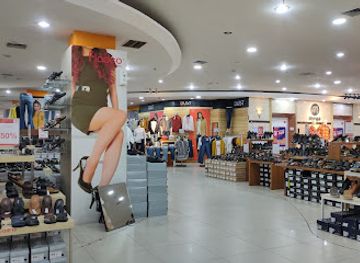
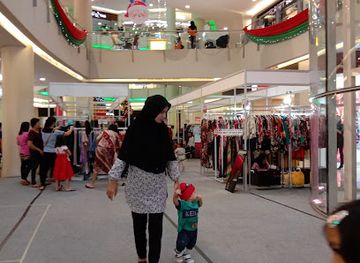
Pekanbaru provides Riau's widest shopping choice, from modern malls and department stores to traditional markets and small specialist retailers. For visitors, the most distinctive purchases are usually regional foods and crafts rather than luxury goods: bolu kemojo, lempuk durian, dried fish, spice mixtures and sago products travel more easily when properly packaged. Malay-influenced textiles, woven items, songket-style fabrics and decorative handicrafts can be found through cultural shops and craft sellers, though quality and provenance vary. Siak is a useful place to look for items connected with Malay court traditions and local motifs, while markets in district towns reflect the everyday economies of river and plantation communities. Ask sellers how food products should be stored and check airline or customs restrictions before carrying plant, animal or liquid goods. Bargaining may be appropriate in informal markets, but a courteous approach is preferable to aggressive negotiation.
-
Shopping mall
Mal SKA
Explore Mal SKA, Pekanbaru's top shopping mall, for a delightful mix of retail, dining, and family entertainment in a vibrant atmosphere.
-
Shopping mall
Pekanbaru Mall
Explore Pekanbaru Mall, a vibrant shopping hub in Pekanbaru featuring diverse retail, dining, and entertainment options for an unforgettable experience.
-
Shopping mall
Mal Ciputra Seraya
Discover Mal Ciputra Seraya, Pekanbaru's premier shopping mall, offering a diverse range of stores, dining, and entertainment for an unforgettable experience.
-
Store
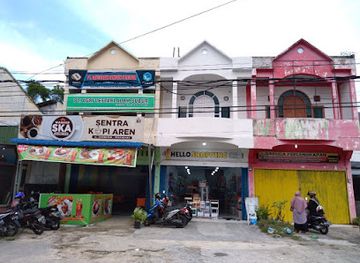
Hello Shopping Rambutan
Discover unique home goods and delightful shopping experiences at Hello Shopping Rambutan in Pekanbaru, where quality meets creativity.
Get your free copy of our complete guide to Riau, delivered straight to you.
Everything on this page, from attractions and restaurants to essentials and local phrases, in one PDF you can read offline, print or share.
Already have an account? Sign in
Your Riau guide is ready.
We'll send it to · Not you? Sign out

Getting your guide ready…
We are putting together a fresh copy of the Riau guide. This can take up to a minute.
This can take a few moments. If your browser asks, choose Allow so the download can start. You'll find the guide in your Downloads folder.
Nothing happened? Download it again
Sorry, the guide is taking longer than usual. Please try again in a minute, or get it by email instead.
Riau essentials
Currency and Payment
Safety
Emergency Situations
Do's and Don'ts
Local Tips
From Eve
Local phrases worth knowing
You don't need to get them perfect. A few words go a long way, and locals appreciate the effort.
Basics
| English | Local | Say it |
|---|---|---|
| Hello | Halo | [ha-lo] |
| Goodbye | Selamat tinggal | [se-la-mat ting-gal] |
| Yes | Iya | [ee-ya] |
| No | Tidak | [ti-dak] |
| Please/You're welcome | Silakan/Sama-sama | [si-la-kan/sa-ma sa-ma] |
| Thank you | Terima kasih | [te-ri-ma ka-si] |
| Excuse me/Sorry | Permisi/Maaf | [per-mi-si/ma-af] |
| How are you? | Apa kabar? | [a-pa ka-bar] |
| Fine. And you? | Baik. Dan kamu? | [ba-ik/dan ka-mu] |
| Do you speak English? | Apakah kamu bisa berbahasa Inggris? | [a-pa-ka kamu bi-sa ber-ba-ha-sa in-gris] |
| I don't understand | Saya tidak mengerti | [sa-ya ti-dak meng-er-ti] |
Eating & Drinking
| English | Local | Say it |
|---|---|---|
| I'd like to see the menu, please | Saya ingin melihat menu, silakan | [sa-ya in-gin me-li-hat me-nu, si-la-kan] |
| I don't eat meat | Saya tidak makan daging | [sa-ya ti-dak ma-kan da-ging] |
| Cheers! | Selamat makan! | [se-la-mat ma-kan] |
| I would like to pay, please | Saya ingin membayar, silakan | [sa-ya in-gin mem-ba-yar, si-la-kan] |
Emergencies
| English | Local | Say it |
|---|---|---|
| Help! | Tolong! | [to-long] |
| Go away! | Pergi jauh! | [per-gi ja-uh] |
| Call the Police! | Panggil Polisi! | [pan-gil po-li-si] |
| Call a doctor! | Panggil dokter! | [pan-gil dok-ter] |
| I'm lost | Saya tersesat | [sa-ya ter-se-sat] |
| I'm ill | Saya sakit | [sa-ya sa-kit] |
Shopping
| English | Local | Say it |
|---|---|---|
| I'd like to buy... | Saya ingin membeli... | [sa-ya in-gin mem-be-li] |
| I'm just looking | Saya hanya melihat | [sa-ya han-ya me-li-hat] |
| How much is it? | Berapa harganya? | [be-ra-pa har-ga-nya] |
| That's too expensive | Itu terlalu mahal | [i-tu ter-la-lu ma-hal] |
| Can you lower the price? | Bisakah kamu menurunkan harga? | [bi-sa-ka kamu me-nu-run-kan har-ga] |
Time & Numbers
| English | Local | Say it |
|---|---|---|
| What time is it? | Jam berapa? | [jam be-ra-pa] |
| It's one o'clock | Jam satu | [jam sa-tu] |
| Half past (10) | Setengah (10) | [se-ten-gah] |
| Morning | Pagi | [pa-gi] |
| Afternoon | Siang | [si-ang] |
| Evening | Sore | [so-re] |
| Yesterday | Kemarin | [ke-ma-rin] |
| Today | Hari ini | [ha-ri i-ni] |
| Tomorrow | Besok | [be-sok] |
| 1 | Satu | [sa-tu] |
| 2 | Dua | [du-a] |
| 3 | Tiga | [ti-ga] |
| 4 | Empat | [em-pat] |
| 5 | Lima | [li-ma] |
| 6 | Enam | [e-nam] |
| 7 | Tujuh | [tu-juh] |
| 8 | Delapan | [de-la-pan] |
| 9 | Sembilan | [sem-bi-lan] |
| 10 | Sepuluh | [se-pu-luh] |
Transport & Directions
| English | Local | Say it |
|---|---|---|
| Where's a/the...? | Di mana ...? | [di ma-na] |
| What's the address? | Apa alamatnya? | [a-pa a-la-mat-nya] |
| Can you show me (on the map)? | Bisakah kamu tunjukkan (di peta)? | [bi-sa-ka ka-mu tun-juk-kan (di pe-ta)] |
| When's the next (bus)? | Kapan bus berikutnya? | [ka-pan bus be-ri-kut-nya] |
| A ticket (to ....) | Sebuah tiket (ke ....) | [se-buah ti-ket (ke)] |
History of Riau
Early Buddhist and Hindu-Buddhist Networks
The Muara Takus complex in Kampar provides the clearest surviving evidence of early Buddhist activity in the region. Its brick stupas and associated remains are generally dated to the first millennium and are often discussed in connection with the wider trading and religious networks of Sumatra, including the sphere of Srivijaya. The site demonstrates that inland Riau was connected to routes carrying people, ideas and goods between river basins and the broader maritime world. Its precise origins remain debated, but its architecture confirms the long historical importance of the Kampar region.
The Siak Sultanate, Eighteenth to Twentieth Centuries
The Siak Sultanate emerged in the eighteenth century and established its royal centre at Siak Sri Indrapura on the Siak River. The sultanate controlled or influenced important riverine and coastal routes and maintained diplomatic and commercial connections across the Malay world. Its court culture combined Islamic learning, Malay political traditions and international influences. Istana Siak, with its formal rooms and royal collections, remains the most visible reminder of this period, while surviving customs and artistic traditions continue to shape Riau's regional identity.
Malay Trade and River Settlements
Before modern highways and airports, Riau's rivers were its principal corridors. The Siak, Kampar, Indragiri and Rokan systems connected inland settlements with ports leading towards the Malacca Strait. Traders moved forest products, rice, fish and other commodities through a chain of river communities, while coastal exchanges brought goods and cultural influences from the Malay Peninsula, Sumatra and beyond. This geography encouraged a dispersed settlement pattern and explains why many of Riau's historic centres developed beside navigable waterways rather than at inland road junctions.
Colonial Intervention and the End of Court Autonomy
Dutch influence expanded across eastern Sumatra during the nineteenth and early twentieth centuries, gradually restricting the autonomy of Malay courts and reshaping administration and trade. The Siak Sultanate entered a political relationship with the Dutch that reduced its independent authority, while colonial officials sought greater control over river routes, taxation and natural resources. The period also brought new infrastructure and commercial connections, although benefits were uneven and established local power structures were transformed. These changes laid foundations for the administrative geography inherited by modern Riau.
Oil, Roads and Post-Independence Growth
Indonesia's independence brought Riau into the new republic and accelerated the province's integration with national institutions and markets. Petroleum became especially important around Minas and Duri, where large-scale production helped turn Pekanbaru into a major commercial centre. Road building, plantation expansion and migration altered the lowland economy and connected previously separate districts more closely to the city. Oil wealth contributed to urban growth, while dependence on extractive industries also created environmental and economic challenges that remain part of contemporary debates about Riau's future.
Plantations, Pulp and Environmental Change
From the late twentieth century, palm oil, timber processing and pulp production expanded across parts of Riau. These industries generated employment, exports and new transport links, but the conversion of forests and peatlands has also caused habitat loss, drainage, land disputes and recurring smoke haze during fires. Conservation areas such as Tesso Nilo, Rimbang Baling and Zamrud represent efforts to protect important ecosystems, including habitat for endangered wildlife. Riau's modern history is therefore closely tied to the difficult balance between economic development, indigenous and local interests, and environmental stewardship.
Riau in Photos
Browse through our photo collection highlighting the charm and character of the destination.
Neighbouring regions of Riau
The closest regions to Riau, if you have time for more than one.
-

-

-

-

-


Swipe for more regions
Explore more

Explore more of Indonesia
Explore Indonesia: An archipelago of diverse cultures, stunning landscapes, and endless adventures from bustling cities to serene beaches.
Explore Indonesia