

Free Kalimantan Travel Guide & Mobile App
Explore Kalimantan with free travel guides. Discover regional history, expert tips, proposed trips, and audio guides on web or mobile app.


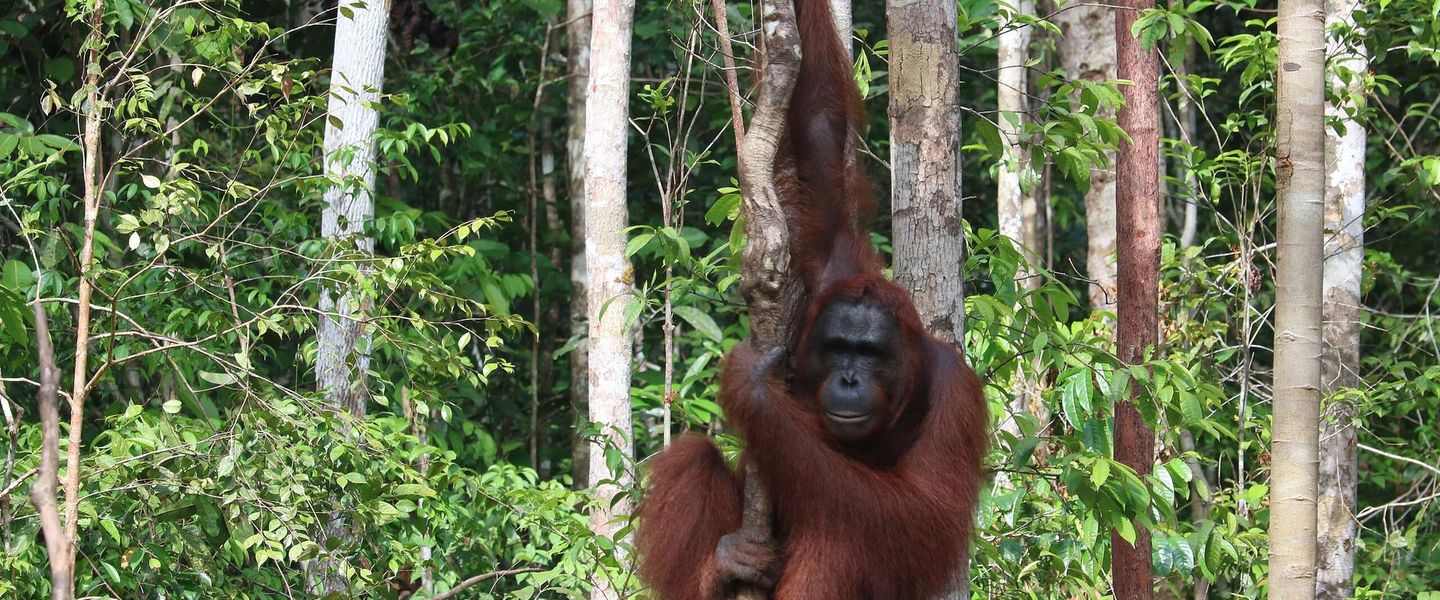


Explore Indonesian Borneo through Kalimantan's rainforests, river towns, Dayak cultures, equatorial cities and reef-fringed islands.
Read more about Kalimantan
When is the best time to visit Kalimantan?
Best: June–August · 30–31°C| Month | High (°C) | Rainfall (mm) |
|---|---|---|
| January | 30 | 250 |
| February | 30 | 230 |
| March | 30 | 240 |
| April | 31 | 220 |
| May | 31 | 210 |
| June (best) | 31 | 200 |
| July (best) | 30 | 190 |
| August (best) | 31 | 200 |
| September | 31 | 210 |
| October | 31 | 220 |
| November | 30 | 230 |
| December | 30 | 240 |
Getting to and around Kalimantan
How to get there
Transportation
Top city travel guides in Kalimantan
The cities of Kalimantan, and the easiest places to base yourself.

Swipe for more cities
Destinations in Kalimantan
Resorts, valleys and scenic spots worth a trip of their own.
-

-

-


Swipe for more destinations
Best attractions in Kalimantan
Kalimantan's attractions are shaped less by one famous monument than by the scale and variety of its living landscapes. River journeys offer access to floating markets around Banjarmasin, the Kapuas basin near Pontianak and remote settlements where boats remain part of daily transport. In Central Kalimantan, Tanjung Puting National Park is known for wetland forest, orangutans and boat-based travel, while Sebangau National Park protects an important peat-swamp environment. West Kalimantan adds Gunung Palung National Park and the wetland scenery of Danau Sentarum. East Kalimantan combines the forest of Kutai National Park with the marine attractions of the Derawan archipelago, including diving and snorkelling around Derawan, Maratua and Kakaban. North Kalimantan is the gateway to the remote Kayan Mentarang landscape, where access is demanding and should be arranged locally. Urban attractions include museums, markets, mosques, civic buildings and cultural centres, while selected longhouse visits and craft workshops can provide insight into Indigenous traditions when organised respectfully. Travel times, permits and weather are part of the experience, so these destinations are better approached as carefully planned journeys than as quick excursions.
-
Tourist attraction
Menara Pandang Banjarmasin
Discover the breathtaking views and rich culture at Menara Pandang Banjarmasin, an iconic city park and tourist attraction in South Kalimantan.
-
National reserve
KIRAM PARK
Explore Kiram Park: A National Reserve in South Kalimantan, Indonesia, Offering Lush Landscapes and Diverse Wildlife for Nature Lovers.
-
Tourist attraction
Kum Kum Taman Wisata Palangka Raya
Discover tranquility and adventure at Kum Kum Taman Wisata Palangka Raya, a natural oasis in Central Kalimantan, perfect for families and nature enthusiasts.
-
Tourist attraction
PINE ISLAND ARANIO
Experience the serene beauty of Pine Island Aranio in South Kalimantan, a perfect escape for nature lovers and tranquility seekers.


Best landmarks in Kalimantan
The Equator Monument in Pontianak is Kalimantan's most recognisable geographical landmark, marking the equatorial line within the city and commemorating early surveying of the location. Banjarmasin's Sultan Suriansyah Mosque, one of the region's historic mosques, reflects the city's Banjar Islamic heritage and the long importance of the Kuin river district. In East Kalimantan, the Mahakam River is both a major natural landmark and a defining cultural corridor, linking Samarinda with settlements and landscapes upstream. The limestone country and waterways of the Sangkulirang-Mangkalihat area form a significant natural and archaeological landscape, although access is not straightforward. The Derawan islands provide a different kind of landmark: low coral islands, lagoons and reef environments rather than monumental architecture. In North Kalimantan, the forested valleys associated with the Kayan and Mentarang rivers convey the scale of the interior. Longhouses and traditional houses in several parts of Kalimantan are also important cultural landmarks, but they should be visited with local permission and without assuming that every historic-looking building is a public attraction.
-
Tourist attraction
Taman Mini Indonesia Indah
Experience the rich cultural diversity of Indonesia at Taman Mini Indonesia Indah, a captivating park featuring museums, gardens, and traditional performances.
-
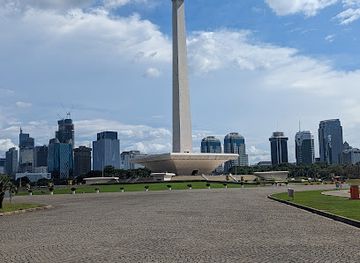
Monument
Monas
Experience the breathtaking views and rich history at Monas, Jakarta's iconic national monument and a symbol of independence.
-
Hindu temple
Prambanan Temple
Explore the stunning Prambanan Temple, a UNESCO World Heritage Site showcasing the beauty of Hindu architecture and rich cultural heritage in Yogyakarta, Indonesia.
-
Scenic spot
Tanah Lot
Discover the breathtaking beauty and cultural significance of Tanah Lot, Bali's iconic sea temple, where stunning sunsets meet spiritual heritage.



Explore Kalimantan on the map
Plan your trip on one map. See where the top cities, national parks and sights are, and book hotels and experiences in a few clicks.
Best hotels in Kalimantan
Best restaurants in Kalimantan
Kalimantan's food reflects river fisheries, forest produce, coastal trade and the culinary traditions of Banjar, Malay, Chinese Indonesian, Dayak and migrant communities. South Kalimantan is particularly associated with soto Banjar, a fragrant chicken soup, and ketupat kandangan, rice cakes served with fish in a coconut-based sauce. Pontianak is known for a broad Chinese Indonesian and Malay food culture, while East Kalimantan offers dishes such as nasi bekepor and the savoury fish cracker amplang. Freshwater fish, grilled seafood, fermented preparations, sambal and tropical fruit appear widely, though recipes vary between towns and families. Warungs, market stalls and modest riverfront eateries are often the best places to encounter everyday cooking; larger cities also have cafés, hotel restaurants and contemporary Indonesian dining. Bingka and other sweet cakes are common regional treats. Visitors with dietary restrictions should ask about shrimp paste, fish stock, peanuts and fermented ingredients, and should remember that menus and opening arrangements can be limited outside the main urban centres.
-
Seafood
Ocean's Resto Balikpapan
Discover fresh and delicious seafood at Ocean's Resto Balikpapan - where flavor meets sustainability in East Kalimantan.
-
Seafood
Bondy Bakery & Restaurant
Discover the rich flavors at Bondy Bakery & Restaurant - where seafood meets pastry perfection in Balikpapan.
-
Restaurant
Semua Senang (Pak Siyo)
Experience authentic Indonesian flavors at Semua Senang (Pak Siyo), where every dish tells a story of tradition and taste.
-
Restaurant
Effronte
Discover the exquisite flavors of Banjarmasin at Effronte - where culinary excellence meets elegant ambiance.


Best bars in Kalimantan
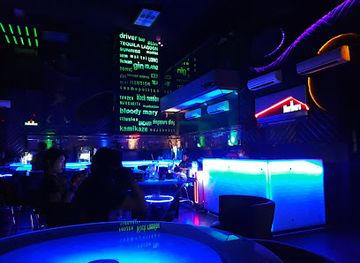
Evening life in Kalimantan is centred more on food, coffee, conversation and live entertainment than on a large club circuit. Pontianak, Banjarmasin, Balikpapan and Samarinda have the widest choice of cafés, hotel lounges, karaoke venues, restaurants and occasional live-music settings, with Balikpapan and Samarinda offering the most developed urban nightlife in East Kalimantan. In smaller towns, traditional coffee shops, food courts and family-run eateries remain more typical than late-night bars. Alcohol is available in licensed hotels and some restaurants, but availability and licensing vary, particularly in predominantly Muslim communities, and public drunkenness is inappropriate. In forest, river and island destinations, evenings usually mean an early meal, quiet time at a lodge or a guided night walk rather than clubbing. Check local arrangements discreetly and follow venue rules, especially during religious holidays and in conservative neighbourhoods.
-
Bar
Celcius Club.Lounge & KTV
Discover the energetic nightlife of Samarinda at Celcius Club.Lounge & KTV, where great drinks and karaoke await you.
-
Bar
Heart Of Borneo (HOB)
Experience the vibrant nightlife at Heart of Borneo, a unique bar and restaurant in Balikpapan offering delicious cuisine and refreshing cocktails.
-
Karaoke bar
Nasa Luxury Club Karaoke
Sing your heart out at Nasa Luxury Club Karaoke, the ultimate destination for music lovers in Banjarmasin, South Kalimantan.
-
Pub
Nashville HBI boec
Experience the vibrant nightlife and delicious dining at Nashville HBI Boec, the premier pub and cafe in Banjarmasin.


Best nightclubs in Kalimantan
Evening life in Kalimantan is centred more on food, coffee, conversation and live entertainment than on a large club circuit. Pontianak, Banjarmasin, Balikpapan and Samarinda have the widest choice of cafés, hotel lounges, karaoke venues, restaurants and occasional live-music settings, with Balikpapan and Samarinda offering the most developed urban nightlife in East Kalimantan. In smaller towns, traditional coffee shops, food courts and family-run eateries remain more typical than late-night bars. Alcohol is available in licensed hotels and some restaurants, but availability and licensing vary, particularly in predominantly Muslim communities, and public drunkenness is inappropriate. In forest, river and island destinations, evenings usually mean an early meal, quiet time at a lodge or a guided night walk rather than clubbing. Check local arrangements discreetly and follow venue rules, especially during religious holidays and in conservative neighbourhoods.
-
Night club
Celcius Club.Lounge & KTV
Experience the ultimate nightlife at Celcius Club.Lounge & KTV in Samarinda, where great music, delicious drinks, and karaoke fun await.
-
Night club
TOWN CLUB BALIKPAPAN
Discover the vibrant nightlife of Balikpapan at Town Club, where live music, karaoke, and a lively bar atmosphere await you.
-
Night club
Dejavu Kitchen, Bar & Ktv Samarinda
Discover the ultimate nightlife experience at Dejavu Kitchen, Bar & KTV Samarinda, where delicious food meets live entertainment and karaoke fun.
-
Night club
Armani Executive Club
Discover the luxury nightlife experience at Armani Executive Club in Banjarmasin, where music, drinks, and vibrant energy unite for unforgettable nights.



Best shops in Kalimantan
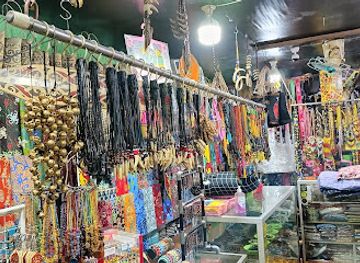
Shopping in Kalimantan is strongest in its provincial capitals and market towns, where traditional markets sell fruit, spices, fish, clothing and household goods alongside modern malls and supermarkets. Pontianak has a particularly noticeable Malay and Chinese Indonesian retail and food culture, while Banjarmasin is known for busy markets and Banjar textiles and craft goods. In East Kalimantan, Balikpapan and Samarinda provide the broadest choice of mainstream retail, with local snacks and regional foods useful as practical souvenirs. Look for amplang, packaged coffee, sweets such as bingka, woven items, beadwork and responsibly sourced wood or fibre crafts. Dayak-inspired designs are widely sold, but buyers should ask about the maker, materials and cultural context rather than treating ceremonial objects as casual novelties. Markets and small shops usually require cash, and bargaining is customary in some settings but not everywhere. Avoid products made from protected wildlife, plants or undocumented timber, and confirm airline and customs rules before carrying food, craft materials or animal-derived items.
-
Shopping mall
Duta Mall Banjarmasin
Discover the vibrant shopping experience at Duta Mall Banjarmasin, featuring diverse stores, dining options, and entertainment for everyone.
-
Shopping mall
Ayani Megamal
Experience the vibrant shopping scene at Ayani Megamal, Pontianak’s premier destination for shopping, dining, and entertainment.
-
Shopping mall
Singkawang Grand Mall
Shop, dine, and unwind at Singkawang Grand Mall, the ultimate shopping destination in West Kalimantan, offering a blend of local culture and modern convenience.
-
Shopping mall
Toko Kalimantan Souvenir (Oleh - Oleh Tarakan)
Discover the essence of Kalimantan at Toko Kalimantan Souvenir, where local crafts and culture come alive in a vibrant shopping experience.


Get your free copy of our complete guide to Kalimantan, delivered straight to you.
Everything on this page, from attractions and restaurants to essentials and local phrases, in one PDF you can read offline, print or share.
Already have an account? Sign in
Your Kalimantan guide is ready.
We'll send it to · Not you? Sign out

Getting your guide ready…
We are putting together a fresh copy of the Kalimantan guide. This can take up to a minute.
This can take a few moments. If your browser asks, choose Allow so the download can start. You'll find the guide in your Downloads folder.
Nothing happened? Download it again
Sorry, the guide is taking longer than usual. Please try again in a minute, or get it by email instead.
Kalimantan essentials
Currency and Payment
Safety
Emergency Situations
Do's and Don'ts
Local Tips
From Eve
Local phrases worth knowing
You don't need to get them perfect. A few words go a long way, and locals appreciate the effort.
Basics
| English | Local | Say it |
|---|---|---|
| Hello | Halo | [ha-lo] |
| Goodbye | Selamat tinggal | [se-la-mat tin-gal] |
| Yes | Ya | [ya] |
| No | Tidak | [ti-dak] |
| Please/You're welcome | Silakan/Sama-sama | [si-la-kan/sa-ma sa-ma] |
| Thank you | Terima kasih | [te-ri-ma ka-sih] |
| Excuse me/Sorry | Maaf | [ma-af] |
| How are you? | Apa kabar? | [a-pa ka-bar] |
| Fine. And you? | Baik. Dan kamu? | [ba-ik. dan ka-mu] |
| Do you speak English? | Apakah kamu bisa berbahasa Inggris? | [a-pa-kah ka-mu bi-sa ber-ba-ha-sa in-gris] |
| I don't understand | Saya tidak mengerti | [sa-ya ti-dak meng-er-ti] |
Eating & Drinking
| English | Local | Say it |
|---|---|---|
| I'd like to see the menu, please | Saya ingin melihat menu, silakan | [sa-ya in-gin me-li-hat me-nu, si-la-kan] |
| I don't eat meat | Saya tidak makan daging | [sa-ya ti-dak ma-kan da-ging] |
| Cheers! | Selamat minum! | [se-la-mat mi-num] |
| I would like to pay, please | Saya ingin membayar, silakan | [sa-ya in-gin mem-ba-yar, si-la-kan] |
Emergencies
| English | Local | Say it |
|---|---|---|
| Help! | Tolong! | [to-long] |
| Go away! | Pergi jauh! | [per-gi ja-uh] |
| Call the Police! | Panggil polisi! | [pang-gil po-li-si] |
| Call a doctor! | Panggil dokter! | [pang-gil dok-ter] |
| I'm lost | Saya tersesat | [sa-ya ter-se-sat] |
| I'm ill | Saya sakit | [sa-ya sa-kit] |
Shopping
| English | Local | Say it |
|---|---|---|
| I'd like to buy... | Saya ingin membeli... | [sa-ya in-gin mem-be-li] |
| I'm just looking | Saya hanya melihat | [sa-ya han-ya me-li-hat] |
| How much is it? | Berapa harganya? | [be-ra-pa har-ga-nya] |
| That's too expensive | Itu terlalu mahal | [i-tu ter-la-lu ma-hal] |
| Can you lower the price? | Bisakah kamu menurunkan harga? | [bi-sa-kah ka-mu me-nu-run-kan har-ga] |
Time & Numbers
| English | Local | Say it |
|---|---|---|
| What time is it? | Pukul berapa? | [pu-kul be-ra-pa] |
| It's one o'clock | Ini pukul satu | [i-ni pu-kul sa-tu] |
| Half past (10) | Setengah (10) | [se-teng-ah (10)] |
| Morning | Pagi | [pa-gi] |
| Afternoon | Siang | [si-ang] |
| Evening | Sore | [so-re] |
| Yesterday | Kemarin | [ke-ma-rin] |
| Today | Hari ini | [ha-ri i-ni] |
| Tomorrow | Besok | [be-sok] |
| 1 | Satu | [sa-tu] |
| 2 | Dua | [du-a] |
| 3 | Tiga | [ti-ga] |
| 4 | Empat | [em-pat] |
| 5 | Lima | [li-ma] |
| 6 | Enam | [e-nam] |
| 7 | Tujuh | [tu-juh] |
| 8 | Delapan | [de-la-pan] |
| 9 | Sembilan | [sem-bi-lan] |
| 10 | Sepuluh | [se-pu-luh] |
Transport & Directions
| English | Local | Say it |
|---|---|---|
| Where's a/the...? | Dimana ...? | [di-ma-na] |
| What's the address? | Apa alamatnya? | [a-pa a-la-mat-nya] |
| Can you show me (on the map)? | Bisakah kamu menunjukkan (di peta)? | [bi-sa-kah ka-mu me-nun-juk-an (di pe-ta)] |
| When's the next (bus)? | Kapan bus selanjutnya? | [ka-pan bus se-lan-jut-nya] |
| A ticket (to ....) | Tiket (ke ...) | [ti-ket (ke ...)] |
History of Kalimantan
Early riverine societies and the Kutai kingdom
Kalimantan's rivers supported settled communities and trading networks long before modern provincial borders existed. In East Kalimantan, the Kutai kingdom is remembered through Sanskrit inscriptions on stone pillars, generally dated to around the fourth or fifth century and among the earliest substantial written records from Indonesia. The inscriptions indicate the presence of Hindu political culture and links to wider maritime exchange. Later communities developed along the Mahakam and other rivers, where waterways remained the principal routes for people, goods and ideas.
Malay and Banjar Islamic sultanates
From the medieval period, Islam expanded through coastal trade, court diplomacy and connections with Malay maritime networks. The Banjar sultanate centred on the lower Barito region and influenced the political and commercial life of South Kalimantan, while Malay sultanates and coastal rulers shaped communities elsewhere. Islam did not erase older social customs or Indigenous belief systems; instead, religious practice developed alongside local law, kinship and river-based economies. Historic mosques, court traditions and food culture still reflect this layered past.
Dayak societies and the interior
The term Dayak covers numerous Indigenous peoples with distinct languages, histories and customs rather than one uniform community. Interior societies traditionally organised life around forests, rivers, shifting cultivation, hunting, craft production and regional exchange, with social structures varying widely between groups. Longhouses and customary territories remain important cultural reference points in parts of Kalimantan, although modern settlement, education, Christianity, Islam, state administration and commercial development have transformed many communities. Responsible travel requires recognising this diversity and avoiding generalisations.
European commercial expansion and colonial rule
European powers became increasingly involved in Kalimantan's trade from the early modern period, seeking forest products, minerals and control of strategic waterways. The Dutch expanded administrative authority over much of the island during the nineteenth and early twentieth centuries, while British influence developed in northern Borneo outside present-day Indonesian Kalimantan. Colonial rule altered taxation, labour, shipping and political relationships with local rulers. Ports, roads and administrative centres expanded, but the interior remained difficult to control and was never culturally or economically uniform.
Japanese occupation and the Indonesian Revolution
During the Second World War, Japanese forces occupied Dutch Borneo, disrupting colonial administration and imposing severe conditions on local populations. After Japan's surrender in 1945, the struggle over Indonesian independence affected Kalimantan through political organising, armed conflict and negotiations surrounding the end of Dutch rule. The transfer of sovereignty to Indonesia in 1949 brought the region into the new republic, although state institutions and transport links remained limited across its enormous territory.
Transmigration, timber and resource-led development
From the later twentieth century, government-supported transmigration brought large numbers of settlers, particularly from Java and Bali, to parts of Kalimantan. This changed the demographic and agricultural pattern of several districts and sometimes generated tension over land and customary rights. Logging, mining, plantations, oil, gas and coal also expanded, linking the region more closely to national and international markets. These industries produced infrastructure and employment while contributing to forest loss, pollution and continuing debates about Indigenous land, conservation and sustainable development.
Conservation and the new capital project
Kalimantan has become central to Indonesia's debates about rainforest protection, biodiversity and economic transition. National parks and protected landscapes conserve orangutan habitat, peatlands, mangroves and mountain ecosystems, but enforcement and land-use pressures vary. In East Kalimantan, Nusantara is being developed as Indonesia's planned national capital, bringing major infrastructure and demographic expectations to an area already shaped by mining, forestry and coastal industry. Its long-term effects remain a contemporary development question rather than a settled historical outcome.
Kalimantan in Photos
Browse through our photo collection highlighting the charm and character of the destination.
Neighbouring regions of Kalimantan
The closest regions to Kalimantan, if you have time for more than one.
-

-

-

-

-


Swipe for more regions
Explore more

Explore more of Indonesia
Explore Indonesia: An archipelago of diverse cultures, stunning landscapes, and endless adventures from bustling cities to serene beaches.
Explore Indonesia