

Free Southeast Papua Travel Guide & Mobile App
Explore Southeast Papua with free travel guides. Discover regional history, expert tips, proposed trips, and audio guides on web or mobile app.


Explore Southeast Papua for Wasur’s wetlands, Merauke’s frontier history, Asmat river culture and remote landscapes shaped by water and forest.
Read more about Southeast Papua
When is the best time to visit Southeast Papua?
Best: June–August · 29°C| Month | High (°C) | Rainfall (mm) |
|---|---|---|
| January | 29 | 300 |
| February | 29 | 250 |
| March | 30 | 300 |
| April | 30 | 250 |
| May | 29 | 200 |
| June (best) | 29 | 150 |
| July (best) | 29 | 150 |
| August (best) | 29 | 150 |
| September | 29 | 200 |
| October | 30 | 250 |
| November | 30 | 300 |
| December | 29 | 300 |
Getting to and around Southeast Papua
How to get there
Transportation
Best attractions in Southeast Papua
Southeast Papua’s attractions are defined by scale, waterways and living cultures rather than by a dense collection of conventional sightseeing sites. Around Merauke, Wasur National Park offers open savannah, monsoon forest, wetlands and bird-rich habitats across a landscape that is both ecologically important and closely connected to local use. The journey towards Sota adds border-country scenery and opportunities to understand the region’s southern frontier. In and around Merauke, visitors can also explore local markets, riverside areas and cultural institutions, subject to current opening arrangements. Agats provides access to Asmat cultural collections, river journeys and villages where carved art remains part of community identity. Mappi and Boven Digoel are suited to travellers interested in forest, river and administrative-town landscapes rather than a conventional attraction circuit. Throughout the region, access may involve small aircraft, long boat journeys or rough roads, and community permission is essential for many experiences. Wildlife watching, cultural interpretation, photography and landscape observation are more appropriate here than rushed sightseeing, while a local guide can explain seasonal flooding, sago cultivation, customary territory and the meaning of particular artworks or places.
-
Tourist attraction
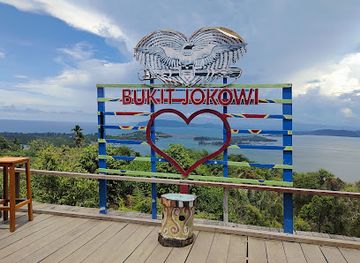
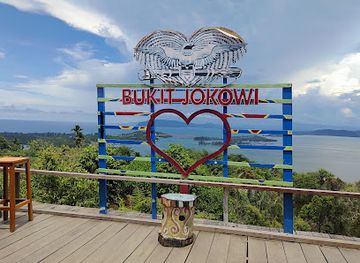
Bukit Jokowi
Explore the breathtaking views and rich culture at Bukit Jokowi, a stunning tourist attraction in Jayapura, Papua, perfect for every traveler.
-
National park
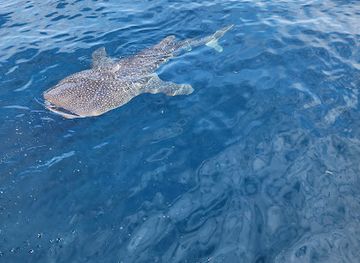
Taman Nasional Teluk Cenderawasih
Explore the stunning landscapes and vibrant marine life of Taman Nasional Teluk Cenderawasih, a national park in West Papua, Indonesia.
-
Tourist attraction
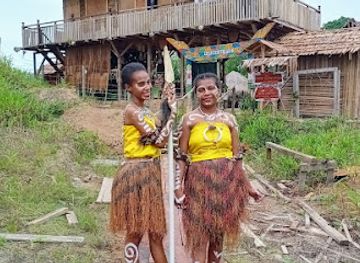
Traditional Papuan Houses and Museum
Immerse yourself in the rich cultural tapestry of Papua at the Traditional Papuan Houses and Museum, where history meets artistry.
-
Tourist attraction
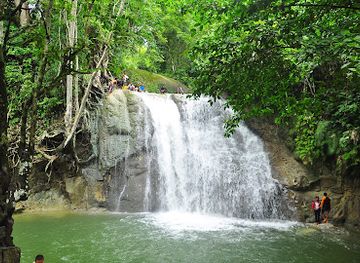
Wafsarak Waterfall
Discover the enchanting beauty of Wafsarak Waterfall in Papua, a serene escape surrounded by lush greenery and tranquil sounds of nature.
Best landmarks in Southeast Papua
The most recognisable landmarks of Southeast Papua are closely tied to landscape and frontier history. Wasur National Park is the region’s defining natural landmark, with broad grasslands, wetlands and forest creating a visual contrast with the denser highlands found elsewhere on Papua island. The Sota border area near Papua New Guinea is marked by official frontier installations and carries symbolic importance as Indonesia’s southern overland edge. In Merauke, the Maro River and the town’s historic religious and civic buildings reflect the settlement’s role as a colonial, mission and administrative centre, although access to individual buildings depends on local arrangements. Agats is distinctive for its stilted urban form, bridges and waterways, which express the practical relationship between the town and a tidal wetland environment. The Digoel River around Tanah Merah is both a geographical landmark and a reminder of the colonial exile system. These places are best understood with local interpretation, since their significance lies not only in visual appearance but also in Indigenous history, political memory and changing patterns of settlement.
-
Tourist attraction
Bukit Jokowi
Explore the breathtaking views and serene atmosphere of Bukit Jokowi, a premier tourist attraction in Jayapura, Papua, for nature enthusiasts and peace seekers.
-
Island
New Guinea
Explore New Guinea: A breathtaking island of rich cultures, stunning landscapes, and unparalleled biodiversity that awaits every adventurous traveler.
-
Tourist attraction
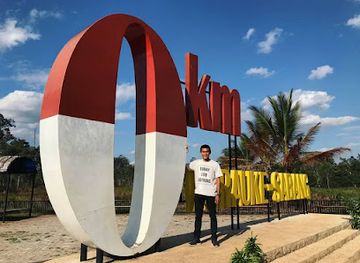
Tugu 0 KM Merauke - Sabang
Explore Tugu 0 KM Merauke, the easternmost point of Indonesia, and discover the rich culture and stunning landscapes of Papua.
-
Island
West Papua
Explore the breathtaking landscapes and rich cultures of West Papua, Indonesia's hidden gem for adventure and relaxation.
Explore Southeast Papua on the map
Plan your trip on one map. See where the top cities, national parks and sights are, and book hotels and experiences in a few clicks.
Best hotels in Southeast Papua
Best restaurants in Southeast Papua
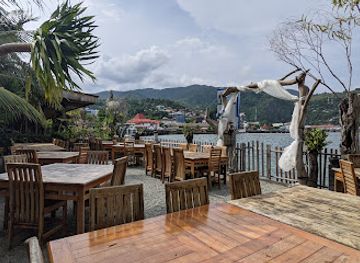
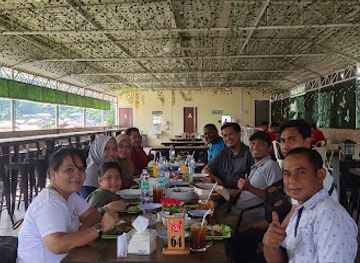
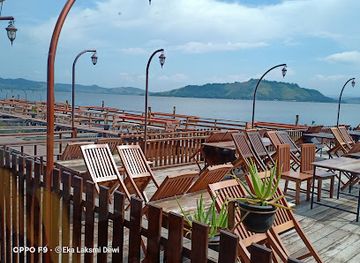
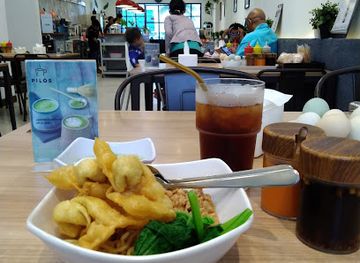
Dining in Southeast Papua is concentrated in Merauke and the larger district towns, with fewer formal choices once travellers move into riverine or village areas. Local meals draw on the resources of the lowlands and coast, including sago, freshwater and marine fish, prawns, shellfish, rice, leafy vegetables and tropical fruit. Papeda, the soft sago staple associated with eastern Indonesian cooking, and fish served with a turmeric-based kuah kuning are widely encountered regional styles, although recipes vary between households and communities. Merauke also has Indonesian restaurants, simple food stalls, bakeries and eateries serving dishes introduced by migrants from Java, Sulawesi and other parts of the archipelago. Halal food is widely available, but visitors with specific dietary needs should explain them clearly and carry backup provisions for remote journeys. Markets are useful for fruit, snacks and basic supplies, while food in villages may be arranged through hosts rather than purchased from a menu. Ask about ingredients, drinking water and meal times before boat trips or visits to remote communities.
-
Seafood
Rumah Laut restaurant
Experience authentic seafood dining with breathtaking views at Rumah Laut Restaurant in Jayapura.
-
Seafood
Sendok Garpu Restaurant
Discover the essence of Papuan cuisine at Sendok Garpu Restaurant—where fresh seafood meets traditional flavors in an inviting atmosphere.
-
Family-friendly
Cristho Resto
Discover authentic Asian and Manado cuisine at Cristho Resto in Jayapura, where family-friendly dining meets cultural richness.
-
Porridge restaurant
Mandala Sentani
Experience authentic Papuan flavors at Mandala Sentani, where delicious porridge meets warm hospitality in the heart of Papua.
Best bars in Southeast Papua
Southeast Papua does not have a large, concentrated nightclub scene. Merauke offers the region’s broadest evening choices, including hotel restaurants, cafés, karaoke venues and informal places to eat and socialise, while entertainment in smaller towns is more likely to centre on family gatherings, local food stalls, church or community events and occasional live music. Traditional warung and restaurants are generally more useful than late-night bars for visitors who want to experience local food and conversation. Alcohol availability and licensing vary, and visitors should be particularly discreet and respectful in smaller communities and around religious or customary events. In Agats, Mappi and Boven Digoel, evenings are shaped by the river environment, limited transport and early starts rather than by late-night entertainment. Confirm arrangements locally, avoid travelling on unfamiliar waterways after dark and do not assume that advertised venues operate on a fixed schedule.
-
Hotel
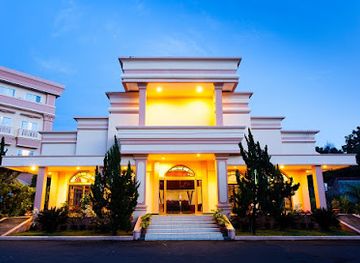
ASTON Niu Manokwari Hotel and Conference Center
Discover the elegance of ASTON Niu Manokwari Hotel, offering luxury accommodations, superb dining, and business facilities in West Papua's beautiful landscape.
-
Seafood
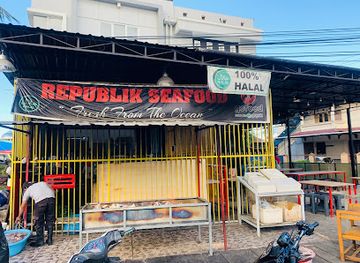
REPUBLIC SEAFOOD
Discover the freshest seafood delights at Republic Seafood in Sorong City, West Papua, where culinary traditions meet tropical flavors.
-
Restaurant
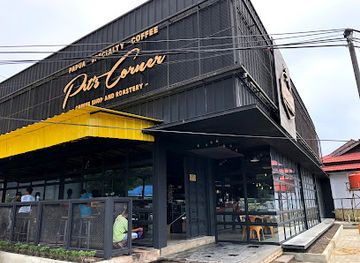
Pit's Corner ( Papua Specialty Coffee )
Discover the rich flavors of Papua at Pit's Corner, where locally sourced coffee meets a warm, inviting atmosphere in Jayapura.
-
Restaurant
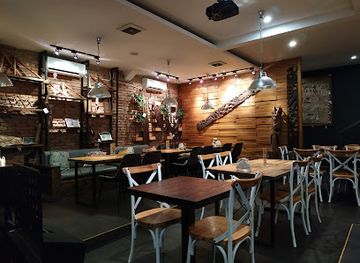
Alenia Papua Coffee & Kitchen
Discover authentic Indonesian flavors and premium coffee at Alenia Papua Coffee & Kitchen in the heart of South Jakarta.
Best nightclubs in Southeast Papua
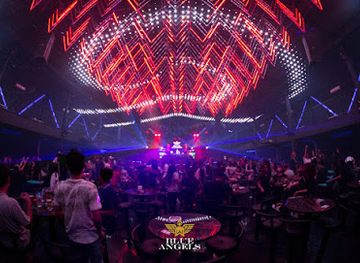
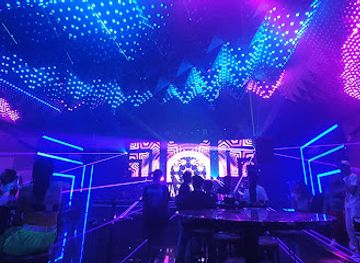
Southeast Papua does not have a large, concentrated nightclub scene. Merauke offers the region’s broadest evening choices, including hotel restaurants, cafés, karaoke venues and informal places to eat and socialise, while entertainment in smaller towns is more likely to centre on family gatherings, local food stalls, church or community events and occasional live music. Traditional warung and restaurants are generally more useful than late-night bars for visitors who want to experience local food and conversation. Alcohol availability and licensing vary, and visitors should be particularly discreet and respectful in smaller communities and around religious or customary events. In Agats, Mappi and Boven Digoel, evenings are shaped by the river environment, limited transport and early starts rather than by late-night entertainment. Confirm arrangements locally, avoid travelling on unfamiliar waterways after dark and do not assume that advertised venues operate on a fixed schedule.
-
Night club
BLUE ANGELS CLUB
Discover the enchanting nightlife at Blue Angels Club, Jayapura's go-to destination for dancing, karaoke, and unforgettable memories.
-
Night club
SCARLET CLUB
Join the vibrant nightlife at Scarlet Club in Jayapura, where music, dance, and unforgettable experiences await you.
-
Night club
CLOUD9 CLUB JAYAPURA
Discover the electric nightlife at Cloud9 Club Jayapura, where vibrant music and a lively atmosphere create unforgettable nights.
-
Night club
RJP Waena - Jalan Proyek Karsatama
Discover the vibrant nightlife at RJP Waena, a premier night club in Jayapura City, Papua, where music, dance, and unforgettable memories await.

Best shops in Southeast Papua
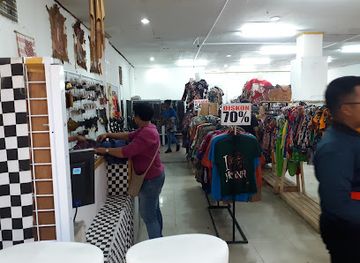
Shopping in Southeast Papua is primarily local and practical rather than centred on large retail districts. Merauke has the widest selection of supermarkets, pharmacies, clothing shops, mobile-phone retailers, markets and small independent stores, while district towns provide more limited supplies. Look for sago products, dried or packaged local foods, woven items and small handicrafts, but check provenance carefully when buying objects described as Indigenous art. Asmat carving is internationally recognised, and purchasing directly through reputable galleries, cooperatives or community-linked sellers offers a better chance that the artist and cultural context are properly acknowledged. Wood, feathers and other natural materials may be subject to Indonesian conservation or transport restrictions, so avoid buying anything whose legality is unclear. Local markets are useful for tropical fruit, snacks and household goods, but bargaining should remain good-natured and proportionate. In remote settlements, shopping opportunities can be minimal; obtain fuel, medicines, cash and essential provisions in Merauke before travelling into the river districts.
-
Shopping mall
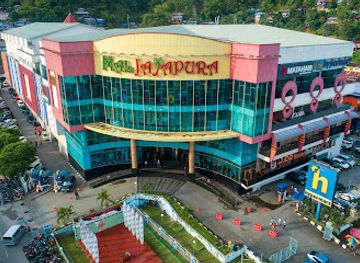
Mall Jayapura
Explore Mall Jayapura, the ultimate shopping and dining destination in Papua, blending local culture with modern retail experiences.
-
Shopping mall
SAGA MALL
Discover the vibrant shopping scene at SAGA MALL in Jayapura, featuring diverse stores, dining options, and entertainment for every traveler.
-
Shopping mall
RAMAYANA Mall Sorong
Discover the vibrant shopping experiences at RAMAYANA Mall Sorong, where modern retail meets local culture in West Papua.
-
Shopping mall
Diana Supermarket
Explore the vibrant shopping experience at Diana Supermarket, where local culture meets diverse retail in Papua.


Get your free copy of our complete guide to Southeast Papua, delivered straight to you.
Everything on this page, from attractions and restaurants to essentials and local phrases, in one PDF you can read offline, print or share.
Already have an account? Sign in
Your Southeast Papua guide is ready.
We'll send it to · Not you? Sign out

Getting your guide ready…
We are putting together a fresh copy of the Southeast Papua guide. This can take up to a minute.
This can take a few moments. If your browser asks, choose Allow so the download can start. You'll find the guide in your Downloads folder.
Nothing happened? Download it again
Sorry, the guide is taking longer than usual. Please try again in a minute, or get it by email instead.
Southeast Papua essentials
Currency and Payment
Safety
Emergency Situations
Do's and Don'ts
Local Tips
From Eve
Local phrases worth knowing
You don't need to get them perfect. A few words go a long way, and locals appreciate the effort.
Basics
| English | Local | Say it |
|---|---|---|
| Hello | Salam | [sah-lahm] |
| Goodbye | Selamat tinggal | [seh-lah-maht ting-gahl] |
| Yes | Iya | [ee-yah] |
| No | Tidak | [tee-dahk] |
| Please/You're welcome | Silakan | [see-lah-kahn] |
| Thank you | Terima kasih | [teh-ree-mah kah-see] |
| Excuse me/Sorry | Maaf | [mah-ahf] |
| How are you? | Apa kabar? | [ah-pah kah-bar] |
| Fine. And you? | Baik. Dan kamu? | [bah-eek. dahn kah-moo] |
| Do you speak English? | Apakah kamu bisa bahasa Inggris? | [ah-pah-kah kah-moo bee-sah bah-sah Ing-gris] |
| I don't understand | Saya tidak mengerti | [sah-yah tee-dahk men-ger-tee] |
Eating & Drinking
| English | Local | Say it |
|---|---|---|
| I'd like to see the menu, please | Saya ingin melihat menu, silakan | [sah-yah in-gin meh-lihat meh-noo, see-lah-kahn] |
| I don't eat meat | Saya tidak makan daging | [sah-yah tee-dahk mah-kahn dah-ging] |
| Cheers! | Selamat! (atau 'Chin chin!') | [seh-lah-maht! (ah-tau 'chin chin!')] |
| I would like to pay, please | Saya ingin membayar, silakan | [sah-yah in-gin mem-bah-yar, see-lah-kahn] |
Emergencies
| English | Local | Say it |
|---|---|---|
| Help! | Tolong! | [toh-long] |
| Go away! | Pergi jauh! | [per-gee jah-oo] |
| Call the Police! | Panggil Polisi! | [pahn-gil poh-lee-see] |
| Call a doctor! | Panggil dokter! | [pahn-gil dok-ter] |
| I'm lost | Saya tersesat | [sah-yah ter-seh-sat] |
| I'm ill | Saya sakit | [sah-yah sah-kit] |
Shopping
| English | Local | Say it |
|---|---|---|
| I'd like to buy... | Saya ingin membeli... | [sah-yah in-gin mem-beh-li...] |
| I'm just looking | Saya hanya melihat | [sah-yah han-yah meh-lihat] |
| How much is it? | Berapa harganya? | [beh-rah-pah har-gah-nya] |
| That's too expensive | Itu terlalu mahal | [ee-too ter-lah-lu mah-hal] |
| Can you lower the price? | Bisakah kamu menurunkan harga? | [bee-sah-kah kah-moo me-noo-roon-kahn har-gah] |
Time & Numbers
| English | Local | Say it |
|---|---|---|
| What time is it? | Jam berapa sekarang? | [jahm beh-rah-pah seh-kah-rang] |
| It's one o'clock | Jam satu | [jahm sah-too] |
| Half past (10) | Setengah (10) | [seh-teng-ah (sepuluh)] |
| Morning | Pagi | [pah-gee] |
| Afternoon | Sore | [so-reh] |
| Evening | Malam | [mah-lahm] |
| Yesterday | Kemarin | [keh-mah-rin] |
| Today | Hari ini | [hah-ree ee-nee] |
| Tomorrow | Besok | [beh-sok] |
| 1 | Satu | [sah-too] |
| 2 | Dua | [doo-ah] |
| 3 | Tiga | [tee-gah] |
| 4 | Empat | [em-paht] |
| 5 | Lima | [lee-mah] |
| 6 | Enam | [eh-nahm] |
| 7 | Tujuh | [too-joo] |
| 8 | Delapan | [deh-lah-pahn] |
| 9 | Sembilan | [sem-bee-lahn] |
| 10 | Sepuluh | [seh-poo-looh] |
Transport & Directions
| English | Local | Say it |
|---|---|---|
| Where's a/the...? | Di mana ...? | [dee mah-nah ...?] |
| What's the address? | Apa alamatnya? | [ah-pah ah-lah-maht-nya] |
| Can you show me (on the map)? | Bisakah kamu tunjukkan (di peta)? | [bee-sah-kah kah-moo toon-jook-kahn (dee puh-tah)?] |
| When's the next (bus)? | Kapan bus berikutnya? | [kah-pahn boos beh-ree-kut-nya] |
| A ticket (to ....) | Sebuah tiket (ke ....) | [seh-buah tee-ket (keh ....)] |
History of Southeast Papua
Indigenous river and wetland societies
Long before colonial administration, the lowlands of Southeast Papua were inhabited by diverse Indigenous peoples, including the Marind around Merauke and the Asmat, Mappi and related communities farther west and inland. Rivers, tidal channels, sago groves, forest and seasonal wetlands shaped settlement, food production, travel and exchange. In Asmat society, carving, ceremonial houses, oral history and relationships with ancestors formed an important cultural system. These traditions continue to influence community life and artistic practice, although they have also been changed by mission activity, schooling, state administration and economic pressures.
Dutch administration and mission expansion
European influence grew during the late nineteenth and early twentieth centuries as Dutch authorities extended administration across parts of western New Guinea. Merauke became a significant centre for colonial government and Catholic mission activity, while inland districts remained difficult for outsiders to reach. Mission stations introduced Christianity, formal schooling and new political relationships, but colonial contact also disrupted Indigenous authority, movement and social systems. The administrative geography established during this period helped shape the later importance of Merauke and the river settlements of the south.
Merauke and the Second World War
During the Second World War, Merauke became an Allied military base because of its position near the Arafura Sea and the approaches to northern Australia. Airfields, defensive works and supply activities brought a sharp increase in military movement and connected the town to the wider Pacific war. The surrounding region did not become a battlefield on the scale of some other parts of New Guinea, but wartime infrastructure and memories remain part of Merauke’s modern historical landscape. The period also strengthened the town’s role as the principal southern gateway.
Boven Digoel and colonial exile
The Boven Digoel area became notorious during the Dutch colonial period as a place of political exile. Indonesian nationalists and other opponents of colonial rule were sent to remote settlements along the Digoel River, where isolation, difficult climate and distance from Java were used as instruments of control. The exile camps formed part of the wider history of Indonesian anti-colonial politics and the struggle for independence. Their legacy gives Tanah Merah and the Boven Digoel landscape a significance that extends well beyond local administration.
Integration into Indonesia and social change
After the transfer of administration from the Netherlands to Indonesia, the southern districts became part of the Indonesian-governed territory of Papua. The 1969 Act of Free Choice remains a deeply significant and contested subject in Papua’s modern political history, and visitors should approach it with care rather than reducing it to a simple tourism narrative. Indonesian administration brought new roads, schools, public services and migration from other parts of the country. Catholic and Protestant institutions, local customary authorities and state structures now coexist across the region.
The creation of South Papua province
For much of the modern Indonesian period, Merauke, Asmat, Mappi and Boven Digoel were districts within Papua province. In 2022 they became the core districts of the new South Papua province, created as part of Indonesia’s reorganisation of Papua’s provincial administration. The change aims to bring government services closer to the southern lowlands and reflects the region’s distinct geography and administrative needs. It also means that official names, government offices and transport arrangements may still be evolving, so current local information is important when planning travel.
Southeast Papua in Photos
Browse through our photo collection highlighting the charm and character of the destination.
Neighbouring regions of Southeast Papua
The closest regions to Southeast Papua, if you have time for more than one.
-

-

-

-

-


Swipe for more regions
Explore more

Explore more of Indonesia
Explore Indonesia: An archipelago of diverse cultures, stunning landscapes, and endless adventures from bustling cities to serene beaches.
Explore Indonesia