

Free Cedar Valley Travel Guide & Mobile App
Explore Cedar Valley with free travel guides. Discover regional history, expert tips, proposed trips, and audio guides on web or mobile app.


Explore Cedar Valley in Iowa for river trails, agricultural history, museums, historic downtowns and the industrial story of Waterloo and Cedar Falls.
Read more about Cedar Valley
Getting to and around Cedar Valley
How to get there
Transportation
Top city travel guides in Cedar Valley
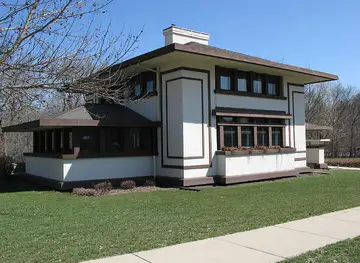
The cities of Cedar Valley, and the easiest places to base yourself.
-

-

-


Swipe for more cities
Destinations in Cedar Valley
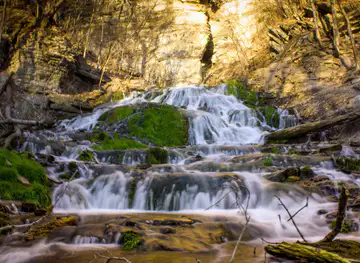
Resorts, valleys and scenic spots worth a trip of their own.
-

-

-


Swipe for more destinations
Best attractions in Cedar Valley
Cedar Valley’s attractions combine urban museums, river recreation and the working heritage of north-eastern Iowa. In Waterloo, the Grout Museum District brings together collections on local history, science, technology and natural history, making it a useful introduction to the region’s industrial and environmental story. Cedar Falls offers a more collegiate and historic experience, with the University of Northern Iowa, the restored Main Street area and cultural venues close to the Cedar River. Outdoor visitors can follow the Cedar Valley Nature Trail, explore riverfront parks, cycle along multi-use paths or seek quieter scenery at the Cedar Valley Arboretum and Botanic Gardens. The region’s agricultural identity is best understood through its surrounding farms, rural communities and connections to the Silos & Smokestacks National Heritage Area. Seasonal fairs, markets, school and university events add local character, while nearby communities such as Waverly and Hudson provide smaller-scale museums, parks and historic streets. The attraction landscape is less about a single headline sight than about linking industrial history, Midwestern agriculture and accessible outdoor spaces within a manageable regional itinerary.
-
Heritage museum
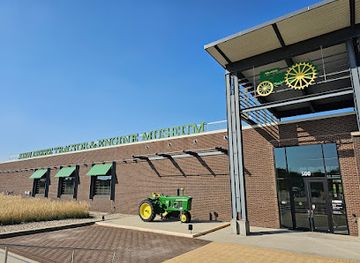
John Deere Tractor & Engine Museum
Explore the innovative world of agricultural machinery at the John Deere Tractor & Engine Museum in Waterloo, Iowa, where history and technology meet.
-
State park
George Wyth State Park
Experience the beauty of George Wyth State Park in Iowa, a perfect destination for nature lovers and outdoor enthusiasts.
-
Amusement center
Sky Zone Trampoline Park
Discover the ultimate indoor entertainment at Sky Zone Trampoline Park in Cedar Rapids, where bouncing fun meets thrilling attractions for all ages.
-
Escape room center
Escapology Escape Rooms Cedar Falls
Discover thrilling adventures at Escapology Cedar Falls, the ultimate escape room experience combining teamwork and excitement for all ages.


Best landmarks in Cedar Valley
The Cedar River is Cedar Valley’s principal natural landmark, forming the geographical and historical corridor around which Waterloo and Cedar Falls developed. Its wooded banks, bridges, floodplain parks and changing water levels reveal both the region’s scenic character and its long relationship with commerce, transport and flooding. In Cedar Falls, the Main Street historic district preserves a strong concentration of nineteenth- and early twentieth-century commercial architecture, while the river and former mill sites recall the city’s early industrial economy. Waterloo’s industrial heritage is represented by the continuing presence of major agricultural-machinery production and by civic and museum buildings that interpret the city’s manufacturing past. The University of Northern Iowa campus contributes another defining architectural and cultural presence in Cedar Falls, reflecting the city’s role as a centre of education. Beyond the built environment, restored prairie, mature river woodland and the long Cedar Valley Nature Trail provide recognisable landscape features. These landmarks matter because they show the region as a connected system of river, town, campus, factory and farmland rather than as a collection of unrelated sights.
-
Market
The District: Czech Village & New Bohemia
Experience the rich cultural heritage and vibrant atmosphere of The District: Czech Village & New Bohemia in Cedar Rapids, Iowa.
-
Visitor center
Amana Colonies
Explore the historic Amana Colonies in Iowa, where charming villages, artisan shops, and delicious cuisine await your discovery.
-
State park
Lake Macbride State Park
Explore Lake Macbride State Park: A top outdoor destination in Iowa, perfect for hiking, fishing, picnicking, and immersing yourself in nature's beauty.
-
Museum
Iowa 80 Trucking Museum
Explore the Iowa 80 Trucking Museum, where the history of American trucking comes to life through an extensive collection of vintage trucks and memorabilia.
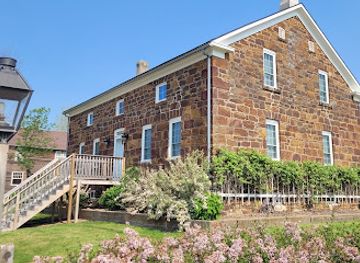


Explore Cedar Valley on the map
Plan your trip on one map. See where the top cities, national parks and sights are, and book hotels and experiences in a few clicks.
Best hotels in Cedar Valley
Best restaurants in Cedar Valley
Dining in Cedar Valley reflects the broad Midwestern food culture of Iowa, with independent cafés, bakeries, family restaurants, traditional pubs, supper-club-style dining and contemporary venues concentrated in Waterloo and Cedar Falls. Menus commonly draw on regional farm production, including beef, pork, seasonal vegetables, sweet corn and baked goods, while burgers, sandwiches and comfort food remain familiar choices. Cedar Falls’s historic Main Street and the Waterloo urban area offer the greatest variety, including international restaurants shaped by the region’s changing communities. Farmers’ markets and local food events are useful places to find produce, preserves, baked items and prepared foods when operating seasonally. Craft beer and other locally produced drinks may appear alongside national brands, but the dining identity is primarily grounded in approachable community restaurants rather than a narrowly defined regional cuisine. Visitors exploring the countryside should plan around limited evening options and check seasonal opening arrangements before travelling far from the cities.
-
American
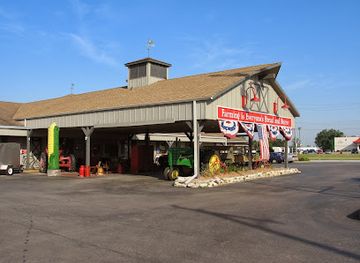
Machine Shed Restaurant Davenport
Discover the heartwarming flavors of American cuisine at Machine Shed Restaurant in Davenport—perfect for family gatherings and special occasions.
-
Steak
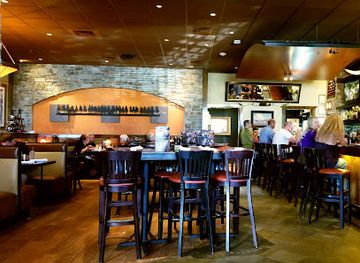
Texas Roadhouse
Experience the taste of America at Texas Roadhouse in Cedar Falls – where hand-cut steaks meet vibrant atmosphere.
-
Family-friendly
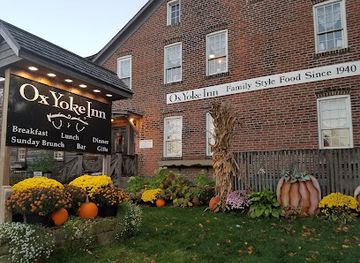
Ox Yoke Inn
Discover the delightful blend of American and German cuisine at Ox Yoke Inn in historic Amana Colonies.
-
Steak
LongHorn Steakhouse
Discover the ultimate steak experience at LongHorn Steakhouse in Waterloo – where flavor meets family-friendly dining.

Best bars in Cedar Valley
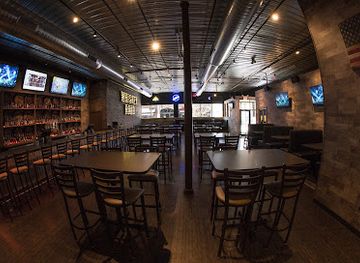
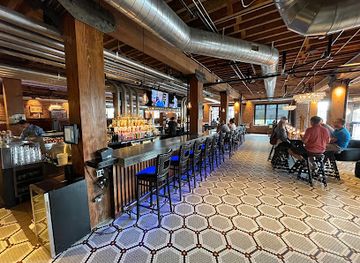
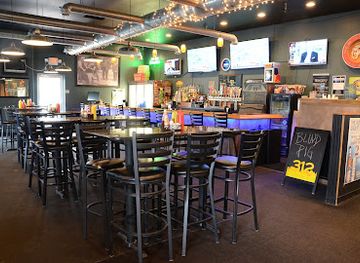
Evening life in Cedar Valley is centred on pubs, breweries, restaurants, live music and university-related activity rather than a large nightclub district. Cedar Falls’s Main Street and adjacent central areas provide the most concentrated choice of bars, casual drinking places and late-evening food, with the University of Northern Iowa contributing a younger seasonal audience during the academic year. Waterloo offers neighbourhood bars, restaurants, entertainment venues and community events, while rural communities generally have a quieter pub-based evening culture. Local breweries and taprooms can provide a relaxed setting for sampling regional beer, but availability and opening arrangements change, particularly outside the main cities. Concerts, theatre, festivals and university performances may be more significant to the region’s cultural nightlife than clubbing. Visitors should arrange transport when staying outside the urban centres and remember that United States alcohol laws require proof of age and prohibit drinking and driving.
-
American
Whiskey Road Tavern & Grill
Discover the vibrant American dining scene at Whiskey Road Tavern & Grill in Cedar Falls, where great food and friendly faces await you.
-
Bar
Black Sheep Social Club
Discover the vibrant atmosphere and unique culinary offerings at Black Sheep Social Club, a must-visit bar and restaurant in Cedar Rapids.
-
Bar
The Blind Pig
Experience the vibrant atmosphere and delicious cuisine at The Blind Pig, Cedar Rapids' go-to bar and restaurant for food lovers and nightlife seekers.
-
Grill
Pub 217
Discover the vibrant culinary scene of Cedar Rapids at Pub 217, where grill favorites and local brews come together in a lively atmosphere.

Best nightclubs in Cedar Valley
Evening life in Cedar Valley is centred on pubs, breweries, restaurants, live music and university-related activity rather than a large nightclub district. Cedar Falls’s Main Street and adjacent central areas provide the most concentrated choice of bars, casual drinking places and late-evening food, with the University of Northern Iowa contributing a younger seasonal audience during the academic year. Waterloo offers neighbourhood bars, restaurants, entertainment venues and community events, while rural communities generally have a quieter pub-based evening culture. Local breweries and taprooms can provide a relaxed setting for sampling regional beer, but availability and opening arrangements change, particularly outside the main cities. Concerts, theatre, festivals and university performances may be more significant to the region’s cultural nightlife than clubbing. Visitors should arrange transport when staying outside the urban centres and remember that United States alcohol laws require proof of age and prohibit drinking and driving.
-
Night club
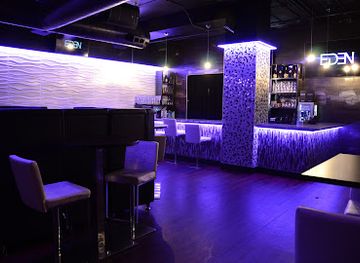
EDEN Lounge Nightclub
Discover the vibrant nightlife at EDEN Lounge Nightclub in Iowa City, where music, dancing, and unforgettable experiences await every visitor.
-
Night club
El Señor Tequila Night Club
Experience the vibrant nightlife at El Señor Tequila Night Club in Waterloo, Iowa, where drinks flow and the music keeps you dancing all night long.

Best shops in Cedar Valley
Shopping in Cedar Valley is focused on practical urban retail, independent businesses, antiques, food and locally made goods rather than destination luxury shopping. Cedar Falls’s historic Main Street is the most appealing area for browsing small shops, galleries, cafés, books, gifts and seasonal merchandise within an older commercial streetscape. Waterloo provides broader everyday retail and services, along with opportunities to find locally themed products connected with agriculture, machinery and the region’s community history. Farmers’ markets, when in season, are good places to look for fresh produce, baked goods, preserves, crafts and other Iowa-made products; locations and days vary, so check current local arrangements. Antique and second-hand shops may be found in the larger towns and along regional roads, while university-related shops offer clothing and memorabilia associated with the University of Northern Iowa. For distinctive souvenirs, consider locally produced food, craft items or books about Cedar Valley history rather than generic state-branded merchandise.
-
Shopping mall
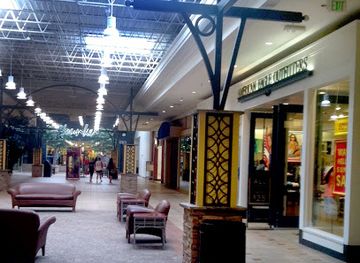
Lindale Mall
Experience shopping bliss at Lindale Mall in Cedar Rapids, Iowa, where diverse stores and delightful dining await every visitor.
-
Shopping mall
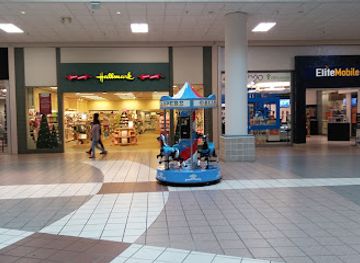
Crossroads Mall
Discover a shopper's paradise at Crossroads Mall in Waterloo, Iowa, offering diverse stores, eateries, and entertainment for all ages.
-
Shopping mall
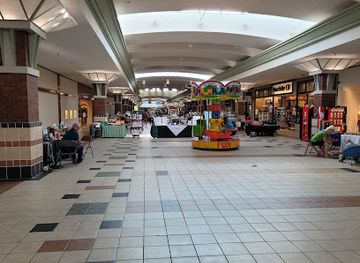
College Square Mall
Discover the vibrant shopping and dining experiences at College Square Mall in Cedar Falls, Iowa, a perfect destination for every tourist.
-
Shopping mall
Westdale Town Center
Explore Westdale Town Center: A vibrant shopping mall in Cedar Rapids, featuring diverse shops, delightful dining, and fun entertainment for all.
Get your free copy of our complete guide to Cedar Valley, delivered straight to you.
Everything on this page, from attractions and restaurants to essentials and local phrases, in one PDF you can read offline, print or share.
Already have an account? Sign in
Your Cedar Valley guide is ready.
We'll send it to · Not you? Sign out

Getting your guide ready…
We are putting together a fresh copy of the Cedar Valley guide. This can take up to a minute.
This can take a few moments. If your browser asks, choose Allow so the download can start. You'll find the guide in your Downloads folder.
Nothing happened? Download it again
Sorry, the guide is taking longer than usual. Please try again in a minute, or get it by email instead.
Cedar Valley essentials
Currency and Payment
Safety
Emergency Situations
Do's and Don'ts
Local Tips
From Eve
Local phrases worth knowing
You don't need to get them perfect. A few words go a long way, and locals appreciate the effort.
Basics
| English | Local | Say it |
|---|---|---|
| Hello | Hey | [hay] |
| Goodbye | See ya | [see yah] |
| Yes | Yep | [yehp] |
| No | Nah | [nah] |
| Please/You're welcome | Sure thing | [shur thing] |
| Thank you | Thanks | [thanks] |
| Excuse me/Sorry | Sorry about that | [sor-ree uh-bout that] |
| How are you? | How's it going? | [how's it goin'?] |
| Fine. And you? | Good. You? | [good. you?] |
| Do you speak English? | You speak English? | [you speak ing-glish?] |
| I don't understand | I don't get it | [I don't get it] |
Eating & Drinking
| English | Local | Say it |
|---|---|---|
| I'd like to see the menu, please | Can I see the menu? | [can I see the men-yoo?] |
| I don't eat meat | I'm a vegetarian | [I'm a vege-tair-ee-an] |
| Cheers! | Cheers! | [cheers] |
| I would like to pay, please | Can I get the check? | [can I get the chek?] |
Emergencies
| English | Local | Say it |
|---|---|---|
| Help! | Help! | [help] |
| Go away! | Leave me alone! | [leave me a-lone!] |
| Call the Police! | Call 911! | [call nine-one-one] |
| Call a doctor! | Get a doctor! | [get a doctor] |
| I'm lost | I can't find my way | [I can't find my way] |
| I'm ill | I'm not feeling well | [I'm not feeling well] |
Shopping
| English | Local | Say it |
|---|---|---|
| I'd like to buy... | I want to buy... | [I want to buy...] |
| I'm just looking | Just browsing | [just browsing] |
| How much is it? | What’s the price? | [what's the price?] |
| That's too expensive | That's pricey | [that's pry-see] |
| Can you lower the price? | Can you give me a better price? | [can you give me a bet-ter price?] |
Time & Numbers
| English | Local | Say it |
|---|---|---|
| What time is it? | What’s the time? | [what's the time?] |
| It's one o'clock | It's one | [it's one] |
| Half past (10) | Half past ten | [half past ten] |
| Morning | Morning | [morning] |
| Afternoon | Afternoon | [afternoon] |
| Evening | Evening | [evening] |
| Yesterday | Yesterday | [yester-day] |
| Today | Today | [to-day] |
| Tomorrow | Tomorrow | [to-morrow] |
| 1 | One | [one] |
| 2 | Two | [two] |
| 3 | Three | [three] |
| 4 | Four | [four] |
| 5 | Five | [five] |
| 6 | Six | [six] |
| 7 | Seven | [seven] |
| 8 | Eight | [eight] |
| 9 | Nine | [nine] |
| 10 | Ten | [ten] |
Transport & Directions
| English | Local | Say it |
|---|---|---|
| Where's a/the...? | Where’s the...? | [where's the...?] |
| What's the address? | What’s the address? | [what's the ad-dress?] |
| Can you show me (on the map)? | Can you point it out? | [can you point it out?] |
| When's the next (bus)? | When's the next bus? | [when's the next bus?] |
| A ticket (to ....) | A ticket to... | [a ticket to...] |
History of Cedar Valley
Indigenous Homelands and the Black Hawk War Era
The Cedar Valley lies within a landscape long used by Indigenous peoples, including communities associated with the Meskwaki and other nations of the Upper Mississippi and Cedar River region. The 1832 Black Hawk War accelerated the United States government’s expansion into parts of what became Iowa, followed by treaties, surveying and land sales that transformed Indigenous access to the land. The Meskwaki later purchased land in central Iowa and established the Meskwaki Settlement, which remains a significant Indigenous community in the state. Understanding this earlier history provides essential context for the nineteenth-century towns and farms that followed.
Settlement of Waterloo and Cedar Falls in the 1840s
American settlement grew along the Cedar River during the 1840s. Cedar Falls developed around the river’s water power and commercial potential, while Waterloo, first known as Prairie Rapids, was formally established during the same decade and later adopted its present name. Mills, small farms, shops and river crossings supported the early communities. The river was both an economic asset and a recurring source of flooding, shaping settlement patterns and later public investment in parks, levees and flood management.
Railways and the Rise of a Regional Trade Centre
Railway connections in the second half of the nineteenth century changed the Cedar Valley’s economic scale. Waterloo became a significant point for moving grain, livestock, manufactured goods and passengers, linking the Cedar River communities with wider markets across Iowa and the Midwest. Cedar Falls also benefited from improved transport and established manufacturing associated with its mills and commercial district. Rail access encouraged urban growth, immigration and the development of banks, warehouses, hotels and retail businesses, many of which helped shape the historic streetscapes still visible today.
Manufacturing, Agricultural Machinery and John Deere
The region’s industrial identity strengthened in the late nineteenth and early twentieth centuries through farm equipment, foundries, machinery and related manufacturing. The Waterloo Gasoline Engine Company began producing tractors in the early twentieth century, and John Deere acquired the Waterloo Tractor Company in 1918. John Deere’s continuing presence made Waterloo an important centre of tractor production and agricultural technology. The industry provided generations of employment while tying the city directly to the mechanisation of Midwestern farming, a story interpreted through local museums and the surviving industrial landscape.
Immigration, Labour and Changing Urban Communities
Industrial growth drew workers from many parts of the United States and from overseas, creating neighbourhoods, churches, associations and businesses that broadened the Cedar Valley’s cultural life. Waterloo and Cedar Falls also became part of the Great Migration and the wider history of African American life in the Midwest. Labour organisation, workplace safety and industrial disputes formed part of the region’s modern social history, as did changing patterns of manufacturing employment. These developments are reflected in local museums, historic buildings, family histories and the varied communities of the contemporary Cedar Valley.
Higher Education, Heritage Conservation and Regional Renewal
The University of Northern Iowa, founded in Cedar Falls in 1876 as a teachers’ college, has played a major role in the region’s educational, cultural and economic life. During the twentieth and twenty-first centuries, Cedar Valley communities invested in museums, historic downtown conservation, riverfront parks, trails and cultural venues as manufacturing employment changed. The area’s agricultural and industrial stories are also connected to the Silos & Smokestacks National Heritage Area. Together, these efforts have broadened the region’s identity beyond heavy industry while retaining its links to farming, engineering and the Cedar River.
Cedar Valley in Photos
Browse through our photo collection highlighting the charm and character of the destination.
Neighbouring regions of Cedar Valley
The closest regions to Cedar Valley, if you have time for more than one.
-

-

-
-

-


Swipe for more regions
Explore more

Explore more of Iowa
Explore Iowa: The American Heartland with its blend of rural charm, vibrant cities, rich cultural experiences, and natural beauty, perfect for nature lovers and cultural enthusiasts.
Explore Iowa