

Free Northeast Iowa Travel Guide & Mobile App
Explore Northeast Iowa with free travel guides. Discover regional history, expert tips, proposed trips, and audio guides on web or mobile app.


Explore Northeast Iowa for Mississippi River bluffs, Driftless Area scenery, Indigenous heritage, historic towns, trout streams and farmhouse flavours.
Read more about Northeast Iowa
When is the best time to visit Northeast Iowa?
Best: June, August–September · 22–27°C| Month | High (°C) | Rainfall (mm) |
|---|---|---|
| January | -2 | 30 |
| February | 0 | 35 |
| March | 8 | 50 |
| April | 16 | 70 |
| May | 21 | 90 |
| June (best) | 26 | 100 |
| July | 28 | 110 |
| August (best) | 27 | 100 |
| September (best) | 22 | 90 |
| October | 15 | 70 |
| November | 8 | 50 |
| December | 1 | 40 |
Getting to and around Northeast Iowa
How to get there
Transportation
Top city travel guides in Northeast Iowa
The cities of Northeast Iowa, and the easiest places to base yourself.
-

-
-

-

-


Swipe for more cities
Destinations in Northeast Iowa
Resorts, valleys and scenic spots worth a trip of their own.
-

-

-

-

-

-


Swipe for more destinations
Best attractions in Northeast Iowa
Northeast Iowa’s attractions are shaped by the meeting of river, bluff, farm and forest landscapes. Effigy Mounds National Monument near Harpers Ferry is the region’s most important archaeological destination, protecting ancient Indigenous earthworks in a wooded Mississippi setting. Pikes Peak State Park, across the river valley from McGregor, is known for elevated views, hiking and access to the dramatic scenery of the Upper Mississippi. Yellow River State Forest provides campsites, trails and outdoor recreation among steep wooded valleys, while Backbone State Park in Delaware County combines rugged rock formations, forest and water-based activities. Decorah offers a different kind of visit, with Vesterheim’s extensive Norwegian-American collections, local museums, galleries and a town centre connected to nearby streams and trails. In Dubuque, the National Mississippi River Museum and Aquarium provides a broad interpretation of river ecology, navigation and work. Heritage mills, historic courthouses, riverfronts and small-town main streets add cultural depth, while trout streams, cycling roads, canoe routes and wildlife areas make the countryside an active part of the visitor experience rather than scenery viewed only from a car.
-
 Sculpture museum
Pappajohn Sculpture Park
Explore over 30 stunning sculptures in Des Moines' Pappajohn Sculpture Park, where art meets nature in a vibrant outdoor setting.
-
State park
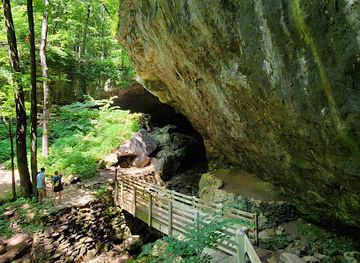
Maquoketa Caves State Park
Uncover the natural wonders of Maquoketa Caves State Park, a captivating destination with stunning caves and scenic hiking trails in Iowa.
-
Tourist attraction
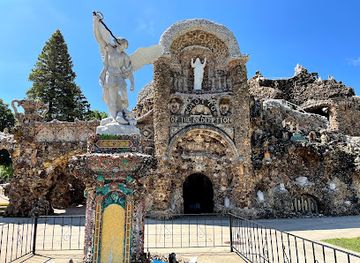
Shrine of the Grotto of the Redemption
Explore the Shrine of the Grotto of the Redemption in West Bend, Iowa – a stunning blend of faith, art, and nature that enchants every visitor.
-
State park
Pikes Peak State Park
Explore the stunning views, diverse wildlife, and outdoor adventures waiting for you at Pikes Peak State Park in Iowa.
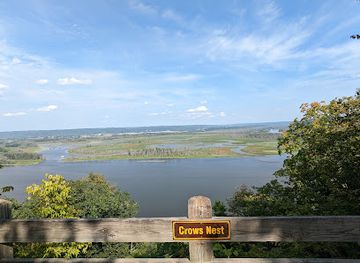
Best landmarks in Northeast Iowa
The most recognisable landmarks of Northeast Iowa combine natural elevations, river architecture and cultural memory. The Julien Dubuque Monument, on a bluff above the Mississippi near the site associated with Julien Dubuque, commemorates the early lead-mining history that helped establish the city. Dubuque’s historic downtown, with its nineteenth-century commercial buildings and steeply rising streets, reflects the wealth generated by river trade, industry and mining. The Fenelon Place Elevator is a distinctive short funicular linking lower and upper parts of Dubuque and is closely associated with the city’s bluff-top geography. Farther north, the limestone streetscapes and riverfront buildings of Guttenberg reveal the architectural influence of German settlement and Mississippi commerce. Effigy Mounds National Monument is both a natural and cultural landmark, where carefully shaped earthworks occupy ridges above the river. Pikes Peak’s overlooks and the wooded bluffs around McGregor express the geological character of the Driftless Area, while Decorah’s historic townscape and Vesterheim’s campus represent the region’s enduring Norwegian-American cultural identity.
-
Sculpture museum
Pappajohn Sculpture Park
Discover world-class art in an accessible downtown Des Moines park, featuring sculptures by renowned international artists.
-
State park
Maquoketa Caves State Park
Discover Iowa's geological wonders: Explore caves, hike scenic trails, and experience the natural beauty of Maquoketa Caves State Park.
-
Market
The District: Czech Village & New Bohemia
Explore Czech and Slovak heritage blended with modern art, dining, and shopping in Cedar Rapids' vibrant Czech Village & New Bohemia.
-
Visitor center
Amana Colonies
Discover the Amana Colonies: A unique blend of German heritage, craftsmanship, and communal history in the heart of Iowa.
Explore Northeast Iowa on the map
Plan your trip on one map. See where the top cities, national parks and sights are, and book hotels and experiences in a few clicks.
Best hotels in Northeast Iowa
Best restaurants in Northeast Iowa
Dining in Northeast Iowa combines Midwestern farm produce with the culinary traditions brought by immigrant communities and sustained by small-town businesses. Decorah has a particularly visible Norwegian-American food heritage, including Scandinavian-style baking and seasonal specialities, alongside cafés, breweries and contemporary restaurants supplied by regional farms. Across the countryside, menus commonly draw on pork, beef, dairy products, sweet corn, apples, berries and other seasonal produce, while river towns add their own collection of pubs, casual restaurants and supper-club traditions. Dubuque provides the broadest range of dining, from historic downtown establishments to modern kitchens, while communities such as Guttenberg, Elkader and McGregor offer locally focused cafés, bakeries and rural dining options. Farmers' markets and farm stands are useful for discovering honey, preserves, vegetables, baked goods and regional cheeses. Visitors should distinguish established local traditions from generic American cuisine: the most characteristic food experiences often come from a market purchase, a bakery, a brewery or a modest restaurant serving seasonal ingredients rather than from a formal dining room.
-
Barbecue
Hickory Park
Experience the best hickory-smoked barbecue in Ames at Hickory Park—where flavor meets tradition.
-
American
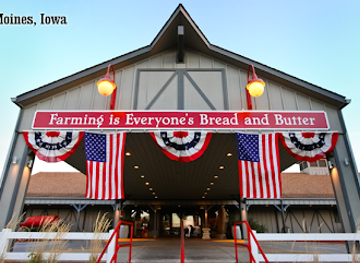
Machine Shed Restaurant Urbandale
Experience authentic Midwestern hospitality at Machine Shed Restaurant Urbandale - where hearty American meals meet charming rustic decor.
-
Restaurant
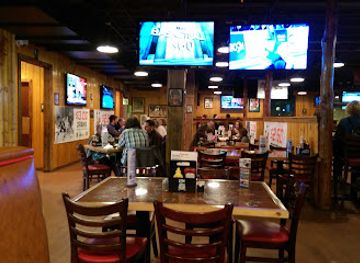
Buzzard Billy’s
Discover Buzzard Billy's in Downtown Des Moines - where delicious American cuisine meets vibrant local culture for an unforgettable dining experience.
-
Family-friendly
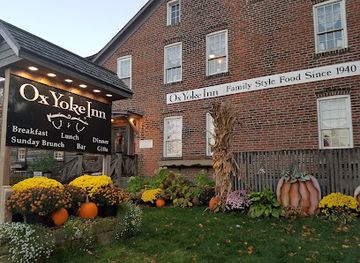
Ox Yoke Inn
Experience authentic American and German cuisine at Ox Yoke Inn in Amana - a family-friendly dining destination steeped in history.

Best bars in Northeast Iowa
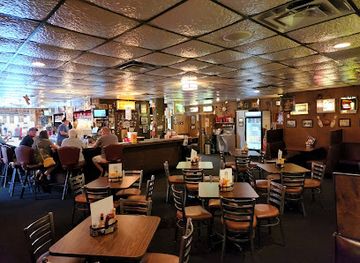
Evening life in Northeast Iowa is centred on pubs, breweries, restaurants, live music and community events rather than a large nightclub circuit. Dubuque has the region’s widest choice of bars and late-opening venues, particularly around its historic downtown and river-oriented entertainment areas, while Decorah supports a compact scene of student-friendly bars, breweries, cafés and live-music settings. In McGregor, Guttenberg, Elkader and other smaller towns, historic taverns and locally oriented bars provide a relaxed evening option, often alongside restaurants rather than dedicated clubs. Rural nightlife is frequently seasonal and linked to festivals, concerts or outdoor events, so schedules can change. Local breweries and taprooms offer a way to sample Iowa-made beer without making alcohol the focus of a visit. Anyone travelling between towns at night should plan transport in advance, since distances are long, taxis are limited outside the larger communities and rural roads can be dark or affected by weather.
-
Bar
Up-Down DSM
Discover the ultimate blend of arcade fun and craft cocktails at Up-Down DSM, Des Moines' premier bar and gaming experience.
-
Bar
The High Life Lounge
Experience the vibrant atmosphere and delicious American cuisine at The High Life Lounge, a must-visit bar in Downtown Des Moines.
-
Restaurant
Vue Rooftop
Discover Vue Rooftop, Iowa City's premier destination for gourmet dining, live music, and stunning city views, all in a chic rooftop setting.
-
Pizza
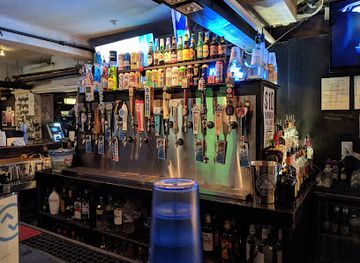
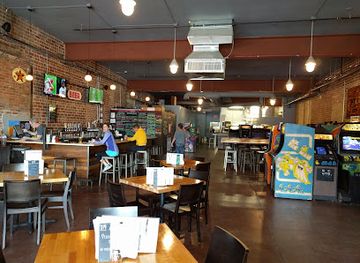
The Quarter Barrel Arcade & Brewery
Experience the ultimate blend of pizza, craft beer, and arcade fun at The Quarter Barrel Arcade & Brewery in Cedar Rapids, Iowa.
Best nightclubs in Northeast Iowa
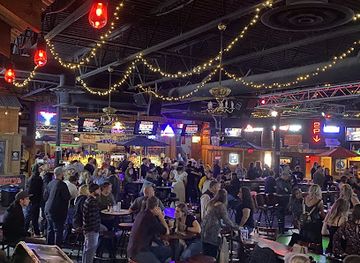
Evening life in Northeast Iowa is centred on pubs, breweries, restaurants, live music and community events rather than a large nightclub circuit. Dubuque has the region’s widest choice of bars and late-opening venues, particularly around its historic downtown and river-oriented entertainment areas, while Decorah supports a compact scene of student-friendly bars, breweries, cafés and live-music settings. In McGregor, Guttenberg, Elkader and other smaller towns, historic taverns and locally oriented bars provide a relaxed evening option, often alongside restaurants rather than dedicated clubs. Rural nightlife is frequently seasonal and linked to festivals, concerts or outdoor events, so schedules can change. Local breweries and taprooms offer a way to sample Iowa-made beer without making alcohol the focus of a visit. Anyone travelling between towns at night should plan transport in advance, since distances are long, taxis are limited outside the larger communities and rural roads can be dark or affected by weather.
-
Bar
Miss Kitty’s Country Bar Dance Nightclub and Honky Tonk
Join the fun at Miss Kitty’s Country Bar, where country music, dancing, and a welcoming atmosphere come together for an unforgettable night.
-
Gay bar
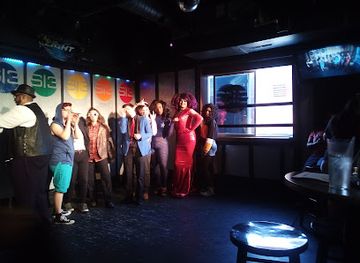
Studio 13
Discover Studio 13, a vibrant gay bar and nightclub in Iowa City, offering inclusive entertainment and a lively atmosphere for all.
-
Night club
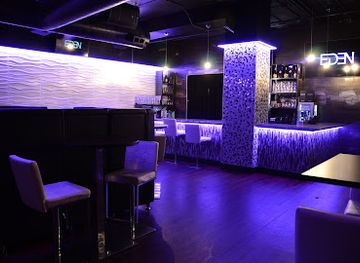
EDEN Lounge Nightclub
Experience the vibrant nightlife at EDEN Lounge Nightclub, where music and dance come together in Iowa City's lively atmosphere.
-
Night club
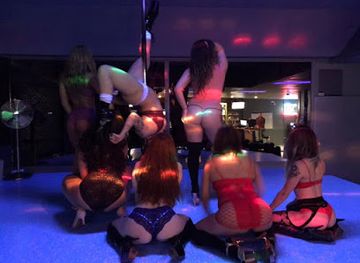
Dangerous Curves
Experience the vibrant nightlife of Ames, Iowa at Dangerous Curves, the ultimate night club and bar for unforgettable evenings filled with music and fun.
Best shops in Northeast Iowa
Shopping in Northeast Iowa is concentrated in the historic centres of Dubuque and Decorah, the main streets of Mississippi river towns and seasonal markets across the countryside. Dubuque offers the broadest selection of independent retailers, galleries, antiques, books and locally made goods, while Decorah is well suited to browsing craft shops, food stores, galleries and businesses connected with its Norwegian-American identity. Smaller communities including McGregor, Guttenberg and Elkader have compact shopping areas where historic buildings house antiques, gifts, art, clothing and practical local services rather than extensive chain retail. Farmers' markets and farm stands are the best places to find honey, jams, baked goods, produce, flowers and other seasonal products, with availability varying through the year. Suitable regional souvenirs include Scandinavian-inspired crafts, locally made pottery, artwork, books about the Mississippi or Driftless Area, and Iowa-produced food and drink. Rural shopping often follows limited hours, particularly outside summer, so checking local arrangements before making a special journey is sensible.
-
Shopping mall
Coral Ridge Mall
Discover Coral Ridge Mall, a diverse shopping haven in Coralville, Iowa, featuring a wide range of stores and delightful dining experiences.
-
Gift shop
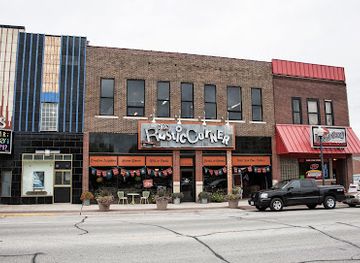
The Rustic Corner
Explore The Rustic Corner, a charming gift shop in Charles City, Iowa, offering unique items and local artisan treasures for all your souvenir needs.
-
Gift shop
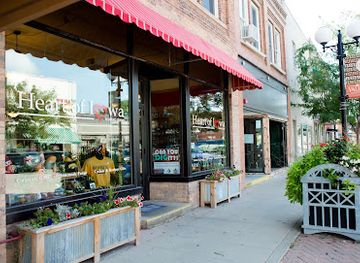
Heart of Iowa Market Place
Explore Iowa's charm at the Heart of Iowa Market Place, your destination for unique gifts, gourmet treats, and local treasures.
-
Gift shop
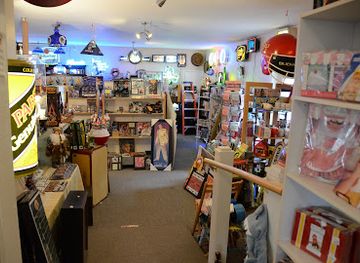
Aunt Hattie's Fanciful Emporium Unique Gift Shop
Explore Aunt Hattie's Fanciful Emporium in Le Claire for unique gifts, charming souvenirs, and nostalgic toys in a delightful atmosphere.
Get your free copy of our complete guide to Northeast Iowa, delivered straight to you.
Everything on this page, from attractions and restaurants to essentials and local phrases, in one PDF you can read offline, print or share.
Already have an account? Sign in
Your Northeast Iowa guide is ready.
We'll send it to · Not you? Sign out

Getting your guide ready…
We are putting together a fresh copy of the Northeast Iowa guide. This can take up to a minute.
This can take a few moments. If your browser asks, choose Allow so the download can start. You'll find the guide in your Downloads folder.
Nothing happened? Download it again
Sorry, the guide is taking longer than usual. Please try again in a minute, or get it by email instead.
Northeast Iowa essentials
Currency and Payment
Safety
Emergency Situations
Do's and Don'ts
Local Tips
From Eve
Local phrases worth knowing
You don't need to get them perfect. A few words go a long way, and locals appreciate the effort.
Basics
| English | Local | Say it |
|---|---|---|
| Hello | Howdy | [haʊdi] |
| Goodbye | See ya later | [si jə leɪtər] |
| Yes | Yep | [jɛp] |
| No | Nope | [noʊp] |
| Please/You're welcome | Please/You bet | [pliz/ju bɛt] |
| Thank you | Thanks a lot | [θæŋks ə lɑt] |
| Excuse me/Sorry | Excuse me/Sorry about that | [ɪkˈskjuːz mi/ˈsɔri əˌbaʊt ðæt] |
| How are you? | How ya doin’? | [haʊ jə ˈduːɪn] |
| Fine. And you? | I’m good. How about you? | [aɪm ɡʊd. haʊ əˈbaʊt jə?] |
| Do you speak English? | Do ya speak English? | [du jə spiːk ˈɪŋɡlɪʃ?] |
| I don't understand | I don’t get it | [aɪ doʊnt ɡɛt ɪt] |
Eating & Drinking
| English | Local | Say it |
|---|---|---|
| I'd like to see the menu, please | Can I see the menu, please? | [kæn aɪ si ðə ˈmɛnjuː, pliz?] |
| I don't eat meat | I don’t eat meat | [aɪ doʊnt it miːt] |
| Cheers! | Cheers! | [tʃɪrz] |
| I would like to pay, please | Can I get the check, please? | [kæn aɪ ɡɛt ðə tʃɛk, pliz?] |
Emergencies
| English | Local | Say it |
|---|---|---|
| Help! | Help! | [hɛlp] |
| Go away! | Get lost! | [ɡɛt lɔst] |
| Call the Police! | Call the cops! | [kɔl ðə kɑps] |
| Call a doctor! | Get a doctor! | [ɡɛt ə ˈdɑktər] |
| I'm lost | I’m lost | [aɪm lɔst] |
| I'm ill | I’m not feeling well | [aɪm nɑt ˈfiːlɪŋ wɛl] |
Shopping
| English | Local | Say it |
|---|---|---|
| I'd like to buy... | I want to buy... | [aɪ wɑnt tə baɪ...] |
| I'm just looking | Just browsing | [dʒʌst ˈbraʊzɪŋ] |
| How much is it? | What’s the price? | [wʌts ðə praɪs?] |
| That's too expensive | That’s way too high | [ðæts weɪ tu haɪ] |
| Can you lower the price? | Can ya lower the price? | [kæn jə ˈloʊər ðə praɪs?] |
Time & Numbers
| English | Local | Say it |
|---|---|---|
| What time is it? | What time is it? | [wʌt taɪm ɪz ɪt?] |
| It's one o'clock | It’s one o’clock | [ɪts wʌn əˈklɑk] |
| Half past (10) | Half past ten | [hæf pæst tɛn] |
| Morning | Morning | [ˈmɔrnɪŋ] |
| Afternoon | Afternoon | [ˈæftərˌnun] |
| Evening | Evening | [ˈivnɪŋ] |
| Yesterday | Yesterday | [ˈjɛstərˌdeɪ] |
| Today | Today | [təˈdeɪ] |
| Tomorrow | Tomorrow | [təˈmɔroʊ] |
| 1 | One | [wʌn] |
| 2 | Two | [tu] |
| 3 | Three | [θri] |
| 4 | Four | [fɔr] |
| 5 | Five | [faɪv] |
| 6 | Six | [sɪks] |
| 7 | Seven | [ˈsɛvən] |
| 8 | Eight | [eɪt] |
| 9 | Nine | [naɪn] |
| 10 | Ten | [tɛn] |
Transport & Directions
| English | Local | Say it |
|---|---|---|
| Where's a/the...? | Where’s a...? | [wɛrz ə...?] |
| What's the address? | What’s the address? | [wʌts ðə əˈdrɛs?] |
| Can you show me (on the map)? | Can ya show me on the map? | [kæn jə ʃoʊ mi ɑn ðə mæp?] |
| When's the next (bus)? | When’s the next bus? | [wɛnəz ðə nɛkst bʌs?] |
| A ticket (to ....) | A ticket to... | [ə ˈtɪkɪt tə...] |
History of Northeast Iowa
Indigenous Landscapes and Effigy Mounds
Northeast Iowa contains one of the most important concentrations of Indigenous earthworks in the Upper Mississippi region. Effigy Mounds National Monument, along the Mississippi bluffs near Harpers Ferry, protects conical, linear and animal-shaped mounds built by Indigenous peoples over many centuries. The earthworks formed part of ceremonial and burial landscapes, not merely isolated monuments. Ho-Chunk and other Indigenous communities remain connected to the wider region, and the mounds should be approached as sacred cultural places. Their setting also demonstrates how Indigenous societies understood and used river valleys, ridges and forests long before the arrival of European-American settlers.
French Trade and the Dubuque Lead District
European interest in the region grew through the Mississippi fur trade and lead deposits around present-day Dubuque. Julien Dubuque, a French-Canadian entrepreneur, obtained permission from Spanish authorities in the late eighteenth century to work lead deposits with Meskwaki partners. Mining and smelting developed unevenly, but the district became a foundation for Dubuque’s later growth. The legacy is visible in the city’s name, historic streets and museums, although the early mining economy depended on Indigenous diplomacy, labour and land relationships that are more complex than older pioneer narratives suggested.
American Settlement and River Commerce
Following the United States’ acquisition of the region and the opening of Iowa to organised settlement, river towns expanded during the nineteenth century. Dubuque became a significant commercial and manufacturing centre, while smaller ports such as McGregor, Lansing and Guttenberg connected farms and inland communities with Mississippi shipping. Steamboats, warehouses, mills and later railways shaped the movement of grain, timber, livestock and manufactured goods. Many surviving brick commercial buildings and limestone structures date from this period, when river access and transport links were central to Northeast Iowa’s economy.
Immigration, Farming and Norwegian-American Culture
During the nineteenth century, immigrants from Norway and other parts of Europe settled across the region, transforming upland farms and small towns. Decorah became an important centre of Norwegian-American life and is home to Vesterheim, the National Norwegian-American Museum and Heritage Center, which documents migration, furniture, clothing, domestic life and community institutions. Churches, farms, food traditions and family histories preserve aspects of this legacy, while the region’s culture also reflects German, Czech, Irish, Indigenous and other influences. Immigration reshaped both the landscape and the social networks that sustained rural communities.
Railways, Mills and Industrial Change
Rail connections, flour mills, creameries and small factories altered the balance between river transport and inland settlement from the late nineteenth century into the twentieth. Towns including Decorah, Elkader and Dubuque developed specialised businesses serving surrounding farms, while water power and limestone resources supported milling and construction. As rail services declined and agriculture became more mechanised, some communities lost population and commercial activity. Historic depots, mill buildings, courthouse squares and industrial remnants remain evidence of this transition, even where their original economic functions have disappeared.
Conservation and the Driftless Area
The region’s steep valleys, cold-water streams and Mississippi bluffs encouraged a growing conservation movement during the twentieth century. State parks, forests, river refuges and national monument status protected important habitats and cultural sites, while trout restoration demonstrated the value of careful watershed management. Modern Northeast Iowa therefore combines working farms and towns with public landscapes shaped by conservation. Recreation, heritage tourism and environmental stewardship now contribute to the regional economy, but the underlying landscape remains a lived agricultural and river environment rather than a preserved historical tableau.
Northeast Iowa in Photos
Browse through our photo collection highlighting the charm and character of the destination.
Neighbouring regions of Northeast Iowa
The closest regions to Northeast Iowa, if you have time for more than one.
-

-

-

-
-


Swipe for more regions
Explore more

Explore more of Iowa
Explore Iowa: The American Heartland with its blend of rural charm, vibrant cities, rich cultural experiences, and natural beauty, perfect for nature lovers and cultural enthusiasts.
Explore Iowa