

Free Little Switzerland Travel Guide & Mobile App
Explore Little Switzerland with free travel guides. Discover regional history, expert tips, proposed trips, and audio guides on web or mobile app.


Explore Little Switzerland in north-east Iowa for Driftless Area scenery, Mississippi River towns, trout streams, heritage sites and rural culture.
Read more about Little Switzerland
Getting to and around Little Switzerland
How to get there
Transportation
Destinations in Little Switzerland
Resorts, valleys and scenic spots worth a trip of their own.
-

-

-

-

-


Swipe for more destinations
Best attractions in Little Switzerland
Little Switzerland’s attractions combine Driftless Area scenery with a dense record of human settlement. Around Decorah, Vesterheim offers one of the country’s important collections of Norwegian-American material, while the town’s trout streams, museums and wooded surroundings provide a strong base for outdoor exploration. Fort Atkinson State Preserve interprets a short but consequential period of military and Indigenous history. Along the Mississippi, Effigy Mounds National Monument protects prehistoric earthworks in a setting of forested bluffs, while Pikes Peak State Park is valued for trails and elevated river views. McGregor, Guttenberg and Lansing contribute historic streets, river landscapes and access to boating, fishing and birdwatching. State forests, wildlife areas, limestone valleys and rural roads broaden the region’s appeal for hiking, cycling and scenic touring. Activities vary by season, and the attraction landscape is less about a single headline sight than about the relationship between small communities, working farmland, protected natural areas and the river. Visitors should allow time for changing weather, seasonal flooding and the distances between valley destinations.
-
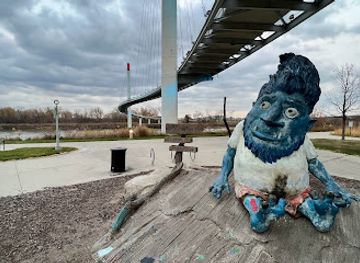
Bridge
Bob Kerrey Pedestrian Bridge.
Discover the breathtaking views and vibrant atmosphere of the Bob Kerrey Pedestrian Bridge, a must-see attraction connecting Omaha and Council Bluffs.
-
Tourist attraction
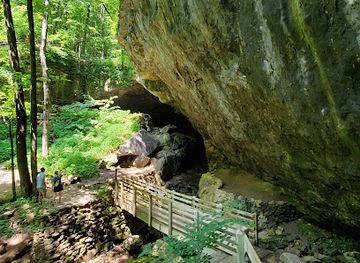
Maquoketa Caves State Park
Explore the captivating limestone caves and scenic trails of Maquoketa Caves State Park, a natural wonder in the heart of Iowa.
-
Tourist attraction
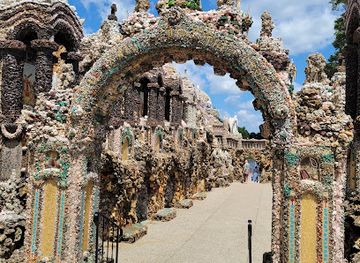
Shrine of the Grotto of the Redemption
Explore the Shrine of the Grotto of the Redemption in West Bend, Iowa, where artistry and spirituality intertwine in a breathtaking display of faith.
-
State park
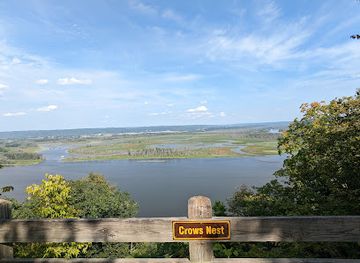
Pikes Peak State Park
Discover dramatic Mississippi River views, hidden waterfalls, and Native American burial mounds at Iowa's scenic Pikes Peak State Park.
Best landmarks in Little Switzerland
The landscape itself is Little Switzerland’s defining landmark, particularly where wooded limestone bluffs rise above the Mississippi and its tributary valleys. Effigy Mounds National Monument is the region’s most significant archaeological landmark, preserving carefully shaped earthworks that testify to the achievements and continuing cultural importance of Indigenous peoples. Pikes Peak State Park is recognised for its high overlook above the Mississippi near the Wisconsin border, offering one of the region’s clearest views of river, islands and bluff country. In Decorah, Vesterheim’s historic buildings and collections give the town a strong architectural and cultural focus, while nearby Decorah Ice Cave State Preserve illustrates the unusual geology of the Driftless landscape. Fort Atkinson’s preserved military site marks a difficult period of United States expansion and Ho-Chunk displacement. The historic commercial streets of McGregor and Guttenberg, built during the era of river commerce, are important examples of nineteenth-century town development. Together these landmarks show how geology, Indigenous history, immigration, trade and conservation have shaped the region.
-
Visitor center
Amana Colonies
Discover the enchanting Amana Colonies: a historic gem in Iowa, filled with rich culture, delicious food, and picturesque landscapes.
-
Historical place
Herbert Hoover National Historic Site
Explore Herbert Hoover National Historic Site: A tribute to the 31st President of the United States in West Branch, Iowa, where history comes alive.
-
Tourist attraction
Dunning's Spring Park
Explore Dunning's Spring Park in Decorah, Iowa, a scenic oasis featuring stunning waterfalls, diverse trails, and rich natural beauty, perfect for outdoor adventures.
-
Elevator service
Fenelon Place Elevator Company
Discover stunning views and rich history at the Fenelon Place Elevator, one of the world's steepest funicular railways in Dubuque, Iowa.
Explore Little Switzerland on the map
Plan your trip on one map. See where the top cities, national parks and sights are, and book hotels and experiences in a few clicks.
Best hotels in Little Switzerland
Best restaurants in Little Switzerland
Dining in Little Switzerland is rooted in Iowa agriculture and the region’s immigrant history rather than a single formal cuisine. Decorah and the larger river towns have cafés, bakeries, brewpubs, family restaurants and contemporary kitchens, while rural communities are more likely to centre on traditional diners, taverns and country restaurants. Norwegian-American influence is most visible in baked goods and heritage recipes, including lefse and other Scandinavian-style treats, although these sit alongside broadly Midwestern food such as pork, beef, dairy products, sweet corn and seasonal vegetables. Mississippi River communities add locally caught fish and a strong tradition of casual dining, while farmers’ markets and farm shops provide opportunities to buy produce, cheese, honey and baked goods. Craft beer and other locally made drinks are common features of the modern food scene. Menus and business hours can be seasonal, especially in smaller communities, so visitors travelling through rural districts should plan meals rather than rely on late-night options.
-
Grill
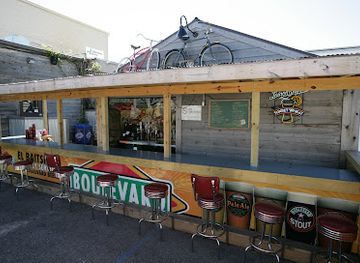
El Bait Shop
Discover El Bait Shop in Downtown Des Moines – where craft beer meets comfort food in a vibrant atmosphere.
-
Family-friendly
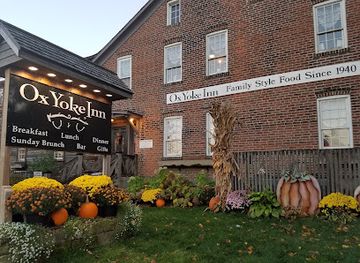
Ox Yoke Inn
Experience the best of American and German cuisine at Ox Yoke Inn in Amana—where every meal is a family celebration!
-
American
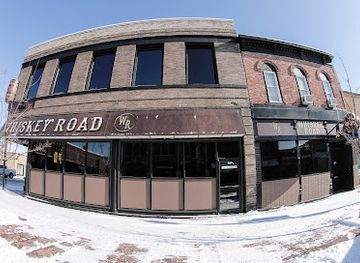
Whiskey Road Tavern & Grill
Experience the vibrant flavors of America at Whiskey Road Tavern & Grill, where hearty meals meet lively sports bar atmosphere.
-
Restaurant
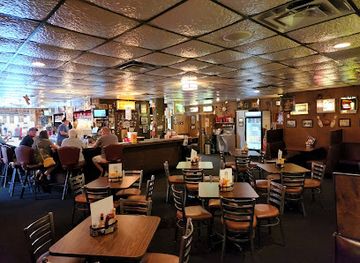
The High Life Lounge
Experience delicious American cuisine in a retro 70s lounge atmosphere at The High Life Lounge in Downtown Des Moines.
Best bars in Little Switzerland
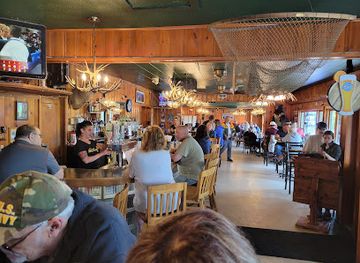
Evening life in Little Switzerland is centred on historic taverns, neighbourhood bars, brewpubs, cafés and restaurants rather than a large nightclub scene. Decorah has the broadest choice of places for an evening out, with a youthful presence linked to Luther College as well as local pubs, live music and craft beer venues. McGregor, Guttenberg, Lansing and other Mississippi communities offer a more relaxed mix of river-town bars, seasonal patios and restaurants, with activity often increasing during summer weekends. Rural nightlife is dispersed and may end earlier than visitors expect, while winter evenings are generally quieter. Local breweries and taprooms can provide a social setting without requiring a conventional club environment. Check current arrangements before travelling, particularly for live music, because performances, seasonal service and opening patterns can change. Responsible drinking and a planned designated driver are especially important when accommodation lies outside town centres.
-
Pizza
Great River Roadhouse
Discover the culinary delights of Great River Roadhouse, where delicious pizza meets stunning riverside views in De Soto, Wisconsin.
-
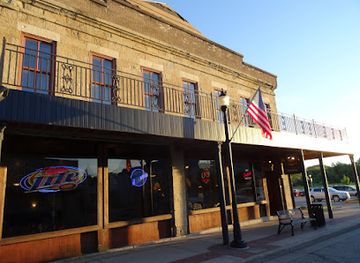
Grill
Fort Mulligan's Grillpub
Discover Fort Mulligan's Grillpub in Prairie du Chien - a local favorite for delicious grilled dishes and a warm, inviting atmosphere.
-
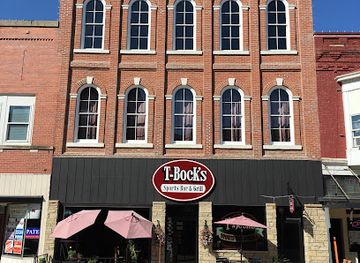
Grill
T Bock's
Discover T Bock's in Decorah, Iowa - a vibrant grill serving delicious American cuisine and local brews in a casual setting.
-
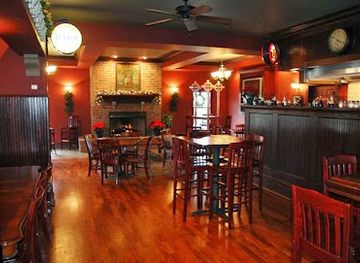
Irish pub
Eddie's Irish Pub
Experience the warmth of Irish hospitality at Eddie's Irish Pub, where delicious food and a vibrant atmosphere come together in Prairie du Chien.
Best nightclubs in Little Switzerland
Evening life in Little Switzerland is centred on historic taverns, neighbourhood bars, brewpubs, cafés and restaurants rather than a large nightclub scene. Decorah has the broadest choice of places for an evening out, with a youthful presence linked to Luther College as well as local pubs, live music and craft beer venues. McGregor, Guttenberg, Lansing and other Mississippi communities offer a more relaxed mix of river-town bars, seasonal patios and restaurants, with activity often increasing during summer weekends. Rural nightlife is dispersed and may end earlier than visitors expect, while winter evenings are generally quieter. Local breweries and taprooms can provide a social setting without requiring a conventional club environment. Check current arrangements before travelling, particularly for live music, because performances, seasonal service and opening patterns can change. Responsible drinking and a planned designated driver are especially important when accommodation lies outside town centres.
-
Lounge
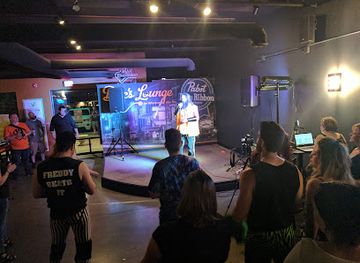
Doc's Lounge
Experience the warmth and charm of Doc's Lounge in Johnston, where delicious food and drinks meet a welcoming atmosphere for every traveler.
-
Night club
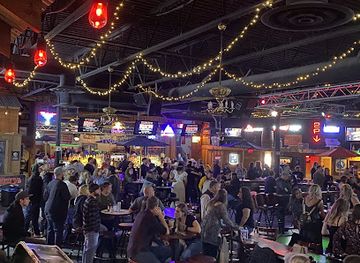
Miss Kitty’s Country Bar Dance Nightclub and Honky Tonk
Discover the lively charm of Miss Kitty’s Country Bar Dance Nightclub, where dancing, live music, and great drinks create unforgettable nights in Clive, Iowa.
-
Night club
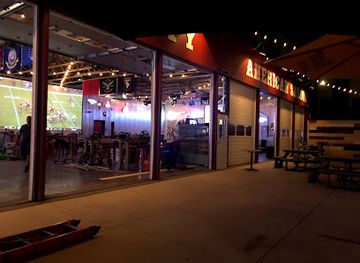
Hazzard County American Saloon
Discover the lively atmosphere and vibrant nightlife of Hazzard County American Saloon in Cedar Rapids, where great drinks and music come together.
-
Bar
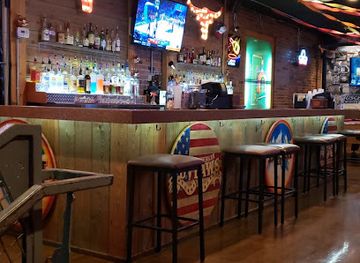
American Outlaws Bar
Experience the vibrant nightlife at American Outlaws Bar in Downtown Des Moines, where great music and friendly faces await you!
Best shops in Little Switzerland
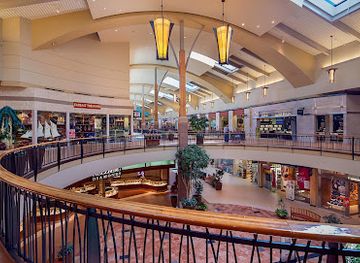
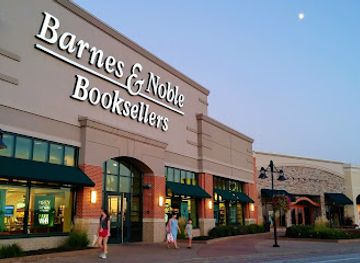
Shopping in Little Switzerland is concentrated in independent town centres rather than large retail districts. Decorah has the region’s broadest selection of bookshops, galleries, clothing and gift shops, food retailers and businesses connected with its Norwegian-American heritage. Historic river towns such as McGregor, Guttenberg and Lansing offer smaller collections of antiques, art, homewares, local gifts and seasonal shops, often in nineteenth-century commercial buildings. Farmers’ markets and farm shops are useful for Iowa-grown produce, honey, preserves, cheese, baked goods and other regional foods, although market days vary by community and season. Visitors looking for distinctive presents should consider locally made pottery, textiles, woodwork, prints and food products rather than generic souvenirs. Vesterheim’s shop in Decorah is a particularly relevant place to browse Scandinavian-inspired books, crafts and heritage goods. Retail hours can be limited in small towns, especially outside the main travel season, so plan shopping during daylight and check local arrangements before making a special journey.
-
Shopping mall
Jordan Creek Town Center
Discover unparalleled shopping and dining at Jordan Creek Town Center, West Des Moines' premier shopping destination for all tastes.
-
Shopping mall
Coral Ridge Mall
Discover Coral Ridge Mall: Coralville's ultimate shopping, dining, and entertainment destination with something for everyone!
-
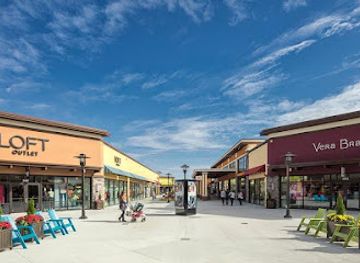
Outlet mall
Outlets of Des Moines
Explore unbeatable deals at the Outlets of Des Moines, where fashion meets savings in a vibrant shopping environment.
-
Shopping mall
Metro Crossing Shopping Center
Discover the best shopping, dining, and entertainment at Metro Crossing Shopping Center in Council Bluffs, Iowa, your ultimate retail destination.
Get your free copy of our complete guide to Little Switzerland, delivered straight to you.
Everything on this page, from attractions and restaurants to essentials and local phrases, in one PDF you can read offline, print or share.
Already have an account? Sign in
Your Little Switzerland guide is ready.
We'll send it to · Not you? Sign out

Getting your guide ready…
We are putting together a fresh copy of the Little Switzerland guide. This can take up to a minute.
This can take a few moments. If your browser asks, choose Allow so the download can start. You'll find the guide in your Downloads folder.
Nothing happened? Download it again
Sorry, the guide is taking longer than usual. Please try again in a minute, or get it by email instead.
Little Switzerland essentials
Currency and Payment
Safety
Emergency Situations
Do's and Don'ts
Local Tips
From Eve
Local phrases worth knowing
You don't need to get them perfect. A few words go a long way, and locals appreciate the effort.
Basics
| English | Local | Say it |
|---|---|---|
| Hello | Howdy | [haʊdi] |
| Goodbye | See ya | [si jə] |
| Yes | Yep | [jɛp] |
| No | Nah | [nɑ] |
| Please/You're welcome | Please/No problem | [pliz/noʊ ˈprɑbləm] |
| Thank you | Thanks | [θæŋks] |
| Excuse me/Sorry | Pardon me/Sorry | [ˈpɑrdən mi/ˈsɔri] |
| How are you? | How's it going? | [haʊz ɪt ˈgoʊɪŋ] |
| Fine. And you? | Good. And you? | [ɡʊd. ənd ju] |
| Do you speak English? | Can you speak English? | [kæn ju spiːk ˈɪŋɡlɪʃ] |
| I don't understand | I don't get it | [aɪ doʊnt ɡɛt ɪt] |
Eating & Drinking
| English | Local | Say it |
|---|---|---|
| I'd like to see the menu, please | Can I see the menu, please? | [kæn aɪ si ðə ˈmɛnju, pliz] |
| I don't eat meat | I'm a vegetarian | [aɪm ə ˌvɛdʒəˈtɛriən] |
| Cheers! | Cheers! | [tʃɪrz] |
| I would like to pay, please | Can I get the check, please? | [kæn aɪ ɡɛt ðə tʃɛk, pliz] |
Emergencies
| English | Local | Say it |
|---|---|---|
| Help! | Help! | [hɛlp] |
| Go away! | Leave me alone! | [liv mi əˈloʊn] |
| Call the Police! | Call the cops! | [kɔl ðə kɑps] |
| Call a doctor! | Get a doctor! | [ɡɛt ə ˈdɑktər] |
| I'm lost | I'm lost | [aɪm lɔst] |
| I'm ill | I'm not feeling well | [aɪm nɑt ˈfiːlɪŋ wɛl] |
Shopping
| English | Local | Say it |
|---|---|---|
| I'd like to buy... | I want to buy... | [aɪ wɑnt tu baɪ] |
| I'm just looking | Just browsing | [dʒʌst ˈbraʊzɪŋ] |
| How much is it? | What's the price? | [wɑts ðə praɪs] |
| That's too expensive | That's a bit pricey | [ðæts ə bɪt ˈpraɪsi] |
| Can you lower the price? | Can you give me a better price? | [kæn ju ɡɪv mi ə ˈbɛtər praɪs] |
Time & Numbers
| English | Local | Say it |
|---|---|---|
| What time is it? | What time is it? | [wɑt taɪm ɪz ɪt] |
| It's one o'clock | It's one o'clock | [ɪts wʌn əˈklɑk] |
| Half past (10) | Half past ten | [hæf pæst tɛn] |
| Morning | Morning | [ˈmɔrnɪŋ] |
| Afternoon | Afternoon | [ˌæftərˈnun] |
| Evening | Evening | [ˈivnɪŋ] |
| Yesterday | Yesterday | [ˈjɛstərdeɪ] |
| Today | Today | [təˈdeɪ] |
| Tomorrow | Tomorrow | [təˈmɔroʊ] |
| 1 | One | [wʌn] |
| 2 | Two | [tu] |
| 3 | Three | [θri] |
| 4 | Four | [fɔr] |
| 5 | Five | [faɪv] |
| 6 | Six | [sɪks] |
| 7 | Seven | [ˈsɛvən] |
| 8 | Eight | [eɪt] |
| 9 | Nine | [naɪn] |
| 10 | Ten | [tɛn] |
Transport & Directions
| English | Local | Say it |
|---|---|---|
| Where's a/the...? | Where's the...? | [wɛrz ðə] |
| What's the address? | What's the address? | [wɑts ði əˈdrɛs] |
| Can you show me (on the map)? | Can you point it out on the map? | [kæn ju pɔɪnt ɪt aʊt ɑn ðə mæp] |
| When's the next (bus)? | When's the next bus? | [wɛn's ðə nɛkst bʌs] |
| A ticket (to ....) | A ticket to... | [ə ˈtɪkɪt tu] |
History of Little Switzerland
Indigenous Earthworks and Upper Mississippi Cultures
The valleys and bluffs of north-eastern Iowa have been inhabited and used by Indigenous peoples for thousands of years. The region is especially known for prehistoric and early historic earthen mounds, including animal-shaped and conical forms preserved at Effigy Mounds National Monument. These places are not merely archaeological curiosities: they form part of enduring Indigenous cultural landscapes. Ho-Chunk, Meskwaki and other Native nations have longstanding connections with the Upper Mississippi, although nineteenth-century United States policies displaced many communities from their homelands.
French and American River Frontiers
The Mississippi River made the eastern edge of Iowa a zone of travel, trade and territorial competition before Iowa became a state. French and later American traders used the river and its tributaries, while military and administrative posts reinforced United States control during the nineteenth century. Fort Atkinson, established in 1840 near present-day Fort Atkinson, was built during a period of conflict and forced removal involving the Ho-Chunk. Its surviving structures and reconstructed buildings illustrate the military presence that accompanied settlement in the region.
Norwegian, Swiss and German Settlement
European immigration transformed the valleys and uplands during the nineteenth century. Norwegian settlers established farms, churches and communities around Decorah and elsewhere in north-eastern Iowa, while Swiss and German immigrants contributed to the region’s agricultural, commercial and architectural character. The nickname Little Switzerland reflects the hill country and the presence of Swiss settlers, although the region’s heritage is broader than any single immigrant tradition. Vesterheim in Decorah preserves and interprets important parts of Norwegian-American history through its collections, buildings and exhibitions.
River Towns and Nineteenth-Century Commerce
Communities along the Mississippi grew through steamboat traffic, timber, grain, lead and general commerce. McGregor, Guttenberg and Lansing developed in constrained spaces between the river and steep bluffs, producing distinctive town plans and surviving historic buildings. River transport connected local producers with larger markets before railways and improved roads altered the pattern of trade. Flooding, changing industries and modern transport reduced the river’s commercial dominance, but the historic streets and waterfront landscapes remain visible reminders of its earlier importance.
Railways, Roads and Agricultural Change
Railway construction in the nineteenth century connected inland communities with Mississippi River ports and Midwestern markets, encouraging the growth of grain handling, livestock production and local manufacturing. Later, paved highways and automobile travel reshaped settlement patterns and made the region more accessible to visitors. Agriculture remains central, but farm consolidation and economic change have reduced the population of some rural districts. Many communities now combine farming with heritage tourism, outdoor recreation, education, healthcare and small-scale food production.
Conservation of the Driftless Landscape
During the twentieth century, public interest increasingly focused on protecting the region’s bluffs, woodland valleys, trout streams and archaeological sites. State parks, wildlife areas and Effigy Mounds National Monument helped conserve landscapes that had both ecological and cultural significance. Pikes Peak State Park, established on the Mississippi bluffs, became known for its overlooks and forested trails, while stream restoration and careful fisheries management supported the reputation of Decorah-area waters. Conservation continues to shape how visitors access and understand Little Switzerland.
Little Switzerland in Photos
Browse through our photo collection highlighting the charm and character of the destination.
Neighbouring regions of Little Switzerland
The closest regions to Little Switzerland, if you have time for more than one.
-

-

-

-

-


Swipe for more regions
Explore more

Explore more of Iowa
Explore Iowa: The American Heartland with its blend of rural charm, vibrant cities, rich cultural experiences, and natural beauty, perfect for nature lovers and cultural enthusiasts.
Explore Iowa