

Free Driftless Area Travel Guide & Mobile App
Explore Driftless Area with free travel guides. Discover regional history, expert tips, proposed trips, and audio guides on web or mobile app.


Explore Iowa’s Driftless Area for limestone bluffs, Mississippi River towns, ancient mounds, scenic trails, trout streams and distinctive local food.
Read more about Driftless Area
Getting to and around Driftless Area
How to get there
Transportation
Top city travel guides in Driftless Area
The cities of Driftless Area, and the easiest places to base yourself.

Swipe for more cities
Destinations in Driftless Area
Resorts, valleys and scenic spots worth a trip of their own.
-

-

-

-


Swipe for more destinations
Best attractions in Driftless Area
Iowa’s Driftless attractions are defined by the relationship between geology, water and human history. Effigy Mounds National Monument is the region’s most significant archaeological destination, protecting ancient earthen monuments and wooded Mississippi bluffs alongside interpretive trails. Pikes Peak State Park provides elevated river views and hiking above the confluence of the Mississippi and Wisconsin rivers, while Yellow River State Forest offers ravines, ridges, woodland trails and opportunities for camping and wildlife observation. Around Decorah, visitors can explore trout streams, natural springs, the Decorah Ice Cave State Preserve and local cultural venues. The river towns of McGregor, Marquette, Lansing and Guttenberg combine historic streets with boating, fishing, birdwatching and access to backwaters. Further inland, Elkader and other valley communities provide scenic drives, local museums and small-town architecture. The area suits visitors who prefer linked day trips, walking and paddling to a concentrated resort environment; distances, weather and seasonal access should be considered when planning.
-
Tourist attraction
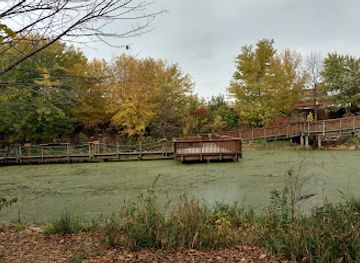
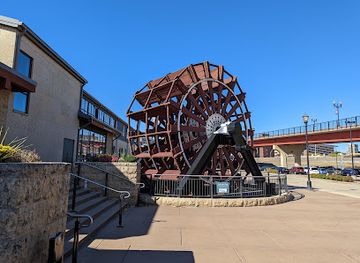
National Mississippi River Museum & Aquarium
Discover the National Mississippi River Museum & Aquarium: A captivating journey through the history and ecology of the mighty Mississippi River.
-
Tourist attraction
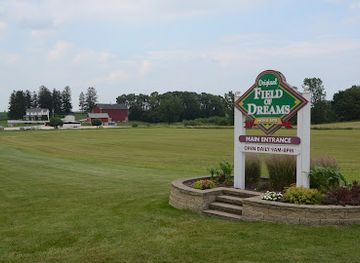
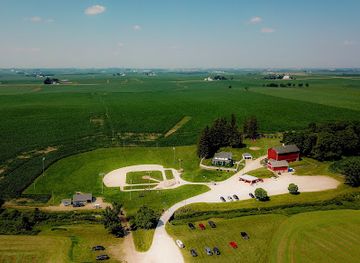
Field of Dreams Movie Site
Explore the iconic Field of Dreams Movie Site in Dyersville, Iowa—where dreams and baseball come alive amidst picturesque cornfields.
-
Tourist attraction
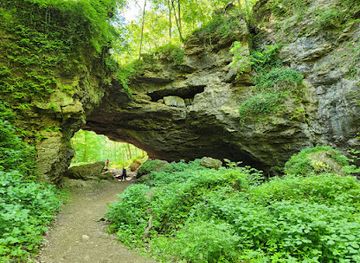
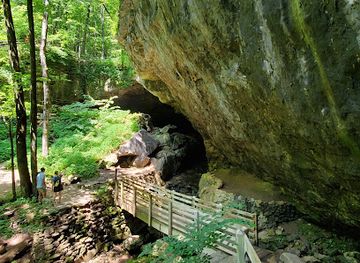
Maquoketa Caves State Park
Discover the natural beauty and unique limestone formations of Maquoketa Caves State Park, Iowa's gem for outdoor adventures and scenic hikes.
-
Tourist attraction
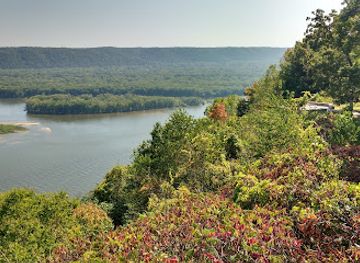
Pikes Peak State Park
Explore the breathtaking beauty of Pikes Peak State Park, where stunning river views and outdoor adventures await in Iowa's natural paradise.
Best landmarks in Driftless Area
Effigy Mounds National Monument is the defining cultural landmark of Iowa’s Driftless landscape, where carefully preserved earthworks occupy wooded bluffs above the Mississippi. Its significance lies in the skill, age and continuing Indigenous meaning of the mounds, not simply in their shape or scenic setting. Pikes Peak State Park is a major natural landmark, with high viewpoints overlooking the Mississippi and Wisconsin river valleys. In Decorah, the Ice Cave State Preserve and Dunning’s Spring express the region’s limestone geology through cool caverns, springs and steep valley walls. The historic river towns of McGregor, Marquette, Lansing and Guttenberg form another group of landmarks: their compact streets, churches, commercial buildings and waterfront settings record the importance of nineteenth-century river transport. Dubuque’s Julien Dubuque Monument, located in the city at the southern edge of the wider Iowa Driftless landscape, commemorates the early lead-mining history associated with the Mississippi valley. Together these places show how Indigenous heritage, geology, commerce and settlement have shaped the region’s visual identity.
-
Tourist attraction
National Mississippi River Museum & Aquarium
Discover the National Mississippi River Museum & Aquarium - a captivating blend of history, science, and aquatic life in Dubuque, Iowa.
-
Tourist attraction
Field of Dreams Movie Site
Explore the Field of Dreams Movie Site, an iconic baseball field in Dyersville, Iowa, steeped in movie magic and American nostalgia.
-
State park
Maquoketa Caves State Park
Discover the stunning beauty and adventure of Maquoketa Caves State Park, Iowa's premier destination for outdoor exploration and cave adventures.
-
Visitor center
Amana Colonies
Experience the rich history, artisan crafts, and delightful cuisine of the Amana Colonies—an authentic Iowa destination for all travelers.
Explore Driftless Area on the map
Plan your trip on one map. See where the top cities, national parks and sights are, and book hotels and experiences in a few clicks.
Best hotels in Driftless Area
Best restaurants in Driftless Area
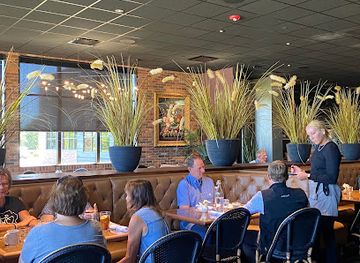
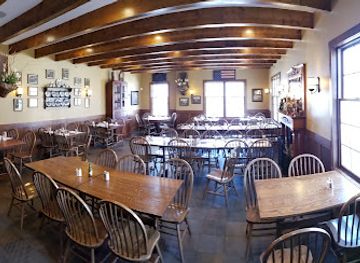
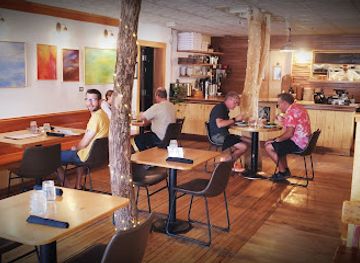
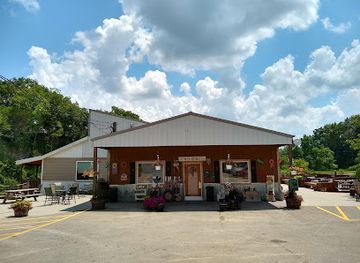
Dining in the Driftless Area is rooted in Midwestern produce and the region’s network of small towns rather than a single formal cuisine. Decorah offers the broadest choice of cafés, bakeries, breweries and independent restaurants, while the Mississippi communities are known for casual dining, historic taverns and places oriented towards river visitors. Menus commonly feature beef, pork, chicken, freshwater fish, seasonal vegetables, apples, berries, breads and pies, with local farms supplying some restaurants and markets. German and Nordic settlement has influenced baking, church suppers and home-style cooking, although these traditions sit within the wider food culture of Iowa rather than forming a separate regional cuisine. Farmers’ markets and farm stands are useful for fruit, vegetables, preserves and baked goods when in season. In rural districts, dinner services and grocery choices can be limited, so checking arrangements in advance is sensible, particularly outside larger communities and on quieter weekdays.
-
American
Provisions Lot F
Experience the best of American cuisine at Provisions Lot F in Ames, Iowa - where classic dishes meet innovative flavors.
-
American
Breitbach's Country Dining
Discover authentic American flavors at Breitbach's Country Dining - a historic dining experience nestled in the heart of Iowa's countryside.
-
American
The Driftless Cafe
Discover authentic American cuisine at The Driftless Cafe in Viroqua, where fresh ingredients meet local flavor for an unforgettable dining experience.
-
Seafood
Bluff Lake Catfish Farm
Discover the delightful flavors of Bluff Lake Catfish Farm – where fresh seafood meets breathtaking lakeside views.
Best bars in Driftless Area
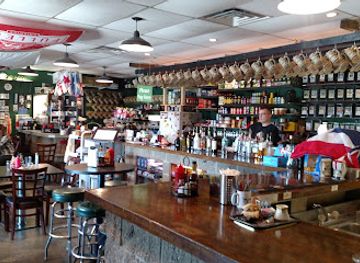
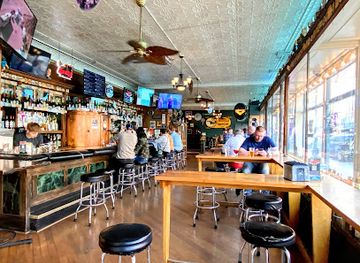
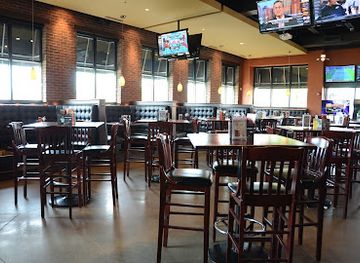
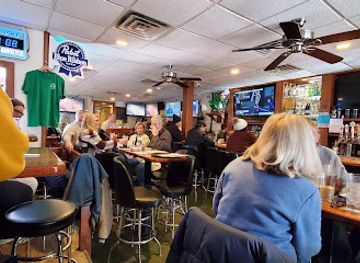
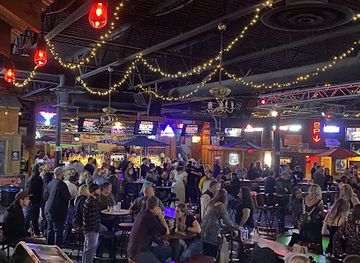
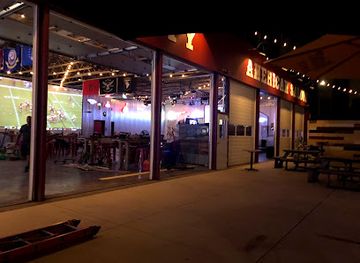
Evening life is modest and community-centred rather than dominated by nightclubs. Decorah has the region’s broadest choice of breweries, pubs, cafés and restaurants, with a student and local population supporting occasional live music and cultural events. McGregor, Marquette, Lansing, Guttenberg and Elkader offer traditional bars, taverns and restaurants where visitors may find a relaxed evening atmosphere, especially during warmer months. River communities can become busier during boating and festival seasons, but schedules and opening arrangements vary. In smaller settlements, nightlife often means a meal, conversation, local beer or live music rather than late-night dancing. Visitors should plan transport carefully because distances between towns are considerable, taxis are limited in rural areas and driving after drinking is unsafe and illegal.
-
Restaurant
The Mucky Duck Pub
Discover the warmth of The Mucky Duck Pub in Ames, Iowa, where British flavors meet a lively atmosphere.
-
Grill
Bodega Brew Pub, Inc.
Discover Bodega Brew Pub in La Crosse, WI: where great food, craft beer, and vibrant nightlife come together for an unforgettable experience.
-
Grill
Wellman's Pub & Rooftop
Discover Wellman's Pub & Rooftop, a lively grill and pub in West Des Moines, offering delicious food, stunning rooftop views, and vibrant nightlife.
-
Bar
G Mig's 5th Street Pub
Discover the vibrant atmosphere and local flavors at G Mig's 5th Street Pub, a must-visit bar and restaurant in West Des Moines.
Best nightclubs in Driftless Area
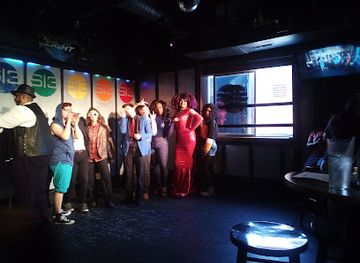
Evening life is modest and community-centred rather than dominated by nightclubs. Decorah has the region’s broadest choice of breweries, pubs, cafés and restaurants, with a student and local population supporting occasional live music and cultural events. McGregor, Marquette, Lansing, Guttenberg and Elkader offer traditional bars, taverns and restaurants where visitors may find a relaxed evening atmosphere, especially during warmer months. River communities can become busier during boating and festival seasons, but schedules and opening arrangements vary. In smaller settlements, nightlife often means a meal, conversation, local beer or live music rather than late-night dancing. Visitors should plan transport carefully because distances between towns are considerable, taxis are limited in rural areas and driving after drinking is unsafe and illegal.
-
Night club
Miss Kitty’s Country Bar Dance Nightclub and Honky Tonk
Discover the electric nightlife at Miss Kitty’s Country Bar, where live music, dancing, and delicious drinks await every visitor.
-
Night club
Hazzard County American Saloon
Immerse yourself in the lively nightlife of Cedar Rapids at Hazzard County American Saloon, where great drinks and good times await.
-
Night club
Studio 13
Dive into the vibrant nightlife at Studio 13, Iowa City's premier gay bar and night club, where fun, music, and acceptance unite.
-
Night club
Dangerous Curves
Discover a lively nightlife experience at Dangerous Curves in Ames, Iowa, where great music and affordable drinks create unforgettable memories.

Best shops in Driftless Area
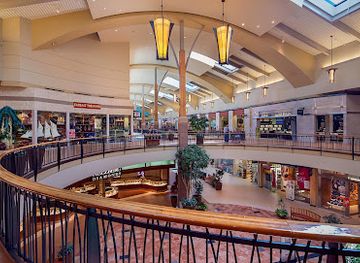
Shopping is concentrated in Decorah and the historic river towns, with independent high-street shops, galleries, bookshops, cafés and craft retailers more common than large commercial centres. Decorah is a useful place to look for locally made art, pottery, textiles, jewellery, books and food products, while McGregor, Marquette, Lansing, Guttenberg and Elkader have smaller collections of antiques, gifts and independent businesses in or near historic commercial streets. Farmers’ markets and seasonal farm stands may offer apples, vegetables, preserves, honey, baked goods and other regional produce, although availability depends on the time of year. Galleries and craft shops often reflect the wider Upper Midwest rather than a single formal Driftless style, so ask about the maker and place of production when buying souvenirs. Rural retail hours can be limited, and some businesses close outside peak visitor periods; plan shopping around town visits rather than expecting continuous trading along scenic routes.
-
Shopping mall
Jordan Creek Town Center
Explore the ultimate shopping and dining experience at Jordan Creek Town Center in West Des Moines, Iowa, perfect for every traveler.
-
Shopping mall
Coral Ridge Mall
Explore Coral Ridge Mall, a vibrant shopping haven in Coralville, Iowa, featuring diverse stores, dining options, and family-friendly entertainment.
-
Gift shop
National Mississippi River Museum & Aquarium
Explore the National Mississippi River Museum & Aquarium: a captivating blend of history, science, and aquatic wonders in Dubuque, Iowa.
-
Outlet mall
Outlets of Des Moines
Discover unbeatable savings on top brands at the Outlets of Des Moines, Iowa's premier shopping destination for fashion and lifestyle enthusiasts.

Get your free copy of our complete guide to Driftless Area, delivered straight to you.
Everything on this page, from attractions and restaurants to essentials and local phrases, in one PDF you can read offline, print or share.
Already have an account? Sign in
Your Driftless Area guide is ready.
We'll send it to · Not you? Sign out

Getting your guide ready…
We are putting together a fresh copy of the Driftless Area guide. This can take up to a minute.
This can take a few moments. If your browser asks, choose Allow so the download can start. You'll find the guide in your Downloads folder.
Nothing happened? Download it again
Sorry, the guide is taking longer than usual. Please try again in a minute, or get it by email instead.
Driftless Area essentials
Currency and Payment
Safety
Emergency Situations
Do's and Don'ts
Local Tips
From Eve
Local phrases worth knowing
You don't need to get them perfect. A few words go a long way, and locals appreciate the effort.
Basics
| English | Local | Say it |
|---|---|---|
| Hello | Howdy | [Hau-dee] |
| Goodbye | See ya later | [See ya lay-ter] |
| Yes | Yep | [Yep] |
| No | Nope | [Nope] |
| Please/You're welcome | Sure thing | [Shur thing] |
| Thank you | Thanks a bunch | [Thanks a bunch] |
| Excuse me/Sorry | Pardon me | [Par-don me] |
| How are you? | How's it goin'? | [How's it goin'?] |
| Fine. And you? | Good. And you? | [Good. And you?] |
| Do you speak English? | Do ya speak English? | [Do ya speak English?] |
| I don't understand | I don’t get it | [I don’t get it] |
Eating & Drinking
| English | Local | Say it |
|---|---|---|
| I'd like to see the menu, please | Can I see the menu, please? | [Can I see the menu, please?] |
| I don't eat meat | I’m a vegetarian | [I’m a vege-tair-ian] |
| Cheers! | Cheers! | [Cheers!] |
| I would like to pay, please | Can I get the check, please? | [Can I get the check, please?] |
Emergencies
| English | Local | Say it |
|---|---|---|
| Help! | Help! | [Help!] |
| Go away! | Leave me alone! | [Leave me alone!] |
| Call the Police! | Call the cops! | [Call the cops!] |
| Call a doctor! | Get a doctor! | [Get a doctor!] |
| I'm lost | I’m turned around | [I’m turned around] |
| I'm ill | I’m not feeling well | [I’m not feeling well] |
Shopping
| English | Local | Say it |
|---|---|---|
| I'd like to buy... | I wanna buy... | [I wanna buy...] |
| I'm just looking | Just browsing, thanks | [Just browsing, thanks] |
| How much is it? | What’s the price? | [What’s the price?] |
| That's too expensive | That costs too much | [That costs too much] |
| Can you lower the price? | Can you do any better on the price? | [Can you do any better on the price?] |
Time & Numbers
| English | Local | Say it |
|---|---|---|
| What time is it? | What time ya got? | [What time ya got?] |
| It's one o'clock | It's one | [It's one] |
| Half past (10) | Half past ten | [Half past ten] |
| Morning | Mornin' | [Mornin'] |
| Afternoon | Afternoon | [Afternoon] |
| Evening | Evenin' | [Evenin'] |
| Yesterday | Yesterday | [Yesterday] |
| Today | Today | [Today] |
| Tomorrow | Tomorrow | [Tomorrow] |
| 1 | One | [One] |
| 2 | Two | [Two] |
| 3 | Three | [Three] |
| 4 | Four | [Four] |
| 5 | Five | [Five] |
| 6 | Six | [Six] |
| 7 | Seven | [Seven] |
| 8 | Eight | [Eight] |
| 9 | Nine | [Nine] |
| 10 | Ten | [Ten] |
Transport & Directions
| English | Local | Say it |
|---|---|---|
| Where's a/the...? | Where's a...? | [Where's a...?] |
| What's the address? | What’s the address? | [What’s the address?] |
| Can you show me (on the map)? | Can you point it out on the map? | [Can you point it out on the map?] |
| When's the next (bus)? | When's the next bus? | [When's the next bus?] |
| A ticket (to ....) | A ticket to... | [A ticket to...] |
History of Driftless Area
Ancient Woodland and Effigy Mound Traditions
People have lived in the Upper Mississippi region for thousands of years, using its rivers, forests, prairies and sheltered valleys for travel, hunting, fishing and gathering. Later Indigenous communities created earthen monuments, including animal-shaped and geometric mounds, between roughly 1,000 and 2,500 years ago. Effigy Mounds National Monument preserves an exceptional concentration of these works along the Mississippi bluffs. The mounds are not simply archaeological curiosities: they are sacred and culturally significant places connected to Indigenous history and continuing relationships with the landscape.
Ho-Chunk Homeland and Indigenous Continuity
The Driftless region has long been associated with the Ho-Chunk and other Indigenous peoples whose territories and movements followed the Upper Mississippi and its tributaries. European-American settlement and United States policies disrupted these relationships through land cessions, warfare, removal and the reorganisation of homelands. The Ho-Chunk Nation continues to exist today, including communities in Wisconsin and elsewhere. Visitors should understand that the region’s Indigenous history did not end with the construction of nineteenth-century towns, and should approach archaeological and sacred places with care.
French Exploration, Lead and Julien Dubuque
French traders and explorers entered the Upper Mississippi valley during the colonial period, building relationships and commercial networks that linked the river to the wider interior. Julien Dubuque, a French-born entrepreneur, received permission from Spanish authorities in the 1780s to work lead deposits near present-day Dubuque. Lead mining attracted labour and investment and helped establish the importance of the river corridor, although Indigenous land rights and political authority were repeatedly overridden. Dubuque’s mining legacy remains visible in the city’s historic landscapes and in the region’s early connection to international markets.
River Towns and Nineteenth-Century Settlement
Following United States acquisition and settlement, communities grew along the Mississippi and its tributaries. Towns such as McGregor, Marquette, Lansing and Guttenberg depended on river transport, milling, commerce and links to inland farms. German, Norwegian and other European immigrants contributed to local agriculture, church life, architecture and civic institutions, while American settlement expanded through valleys and onto the ridges. Brick commercial buildings, historic churches, river warehouses and compact town centres preserve aspects of this period, even though railways and later highways changed the region’s patterns of trade.
Agriculture, Timber and Industrial Change
The Driftless terrain shaped the type of farming and industry that developed. Valley bottoms offered fertile ground, while steep wooded slopes limited large-scale cultivation and encouraged pasture, timber use and small farms. Sawmills, gristmills, limestone quarrying, breweries, dairying and river commerce complemented agriculture in different communities. As rail transport, mechanisation and modern highways altered the economy, some river and rural settlements lost population or industrial importance. The surviving landscape of barns, fields, wooded ravines and old commercial streets reflects both adaptation and the limits imposed by the region’s geology.
Conservation and the Modern Regional Identity
Twentieth-century conservation efforts helped protect portions of the Driftless landscape from intensive development. Pikes Peak State Park, Yellow River State Forest, state wildlife areas and Effigy Mounds National Monument preserve bluffs, forests, prairies, archaeological sites and river habitats. Trout-stream restoration, wetland protection and locally focused tourism have reinforced appreciation of the region’s ecological character. Today the Driftless Area is understood less as a formal political unit than as a shared geological and cultural landscape extending across parts of Iowa, Wisconsin, Minnesota and Illinois.
Driftless Area in Photos
Browse through our photo collection highlighting the charm and character of the destination.
Neighbouring regions of Driftless Area
The closest regions to Driftless Area, if you have time for more than one.
-

-

-

-

-


Swipe for more regions
Explore more

Explore more of Iowa
Explore Iowa: The American Heartland with its blend of rural charm, vibrant cities, rich cultural experiences, and natural beauty, perfect for nature lovers and cultural enthusiasts.
Explore Iowa