

Free Mississippi River Valley Travel Guide & Mobile App
Explore Mississippi River Valley with free travel guides. Discover regional history, expert tips, proposed trips, and audio guides on web or mobile app.


Explore Iowa’s Mississippi River Valley for bluff-top views, historic river towns, wildlife refuges, museums and scenic Great River Road journeys.
Read more about Mississippi River Valley
When is the best time to visit Mississippi River Valley?
Best: May–June, September · 23–28°C| Month | High (°C) | Rainfall (mm) |
|---|---|---|
| January | 1 | 40 |
| February | 4 | 35 |
| March | 10 | 50 |
| April | 17 | 70 |
| May (best) | 23 | 90 |
| June (best) | 28 | 100 |
| July | 30 | 100 |
| August | 29 | 90 |
| September (best) | 24 | 80 |
| October | 16 | 60 |
| November | 7 | 50 |
| December | 3 | 40 |
Getting to and around Mississippi River Valley
How to get there
Transportation
Top city travel guides in Mississippi River Valley
The cities of Mississippi River Valley, and the easiest places to base yourself.
-

-
-


Swipe for more cities
Destinations in Mississippi River Valley
Resorts, valleys and scenic spots worth a trip of their own.
-

-


Swipe for more destinations
Best attractions in Mississippi River Valley
Iowa’s Mississippi River Valley offers a varied mix of riverfront heritage, public nature and outdoor recreation. Dubuque combines historic streets, river views and the National Mississippi River Museum & Aquarium, whose exhibits explain the ecology and working life of the Mississippi. Around McGregor and Harpers Ferry, Pikes Peak State Park and Effigy Mounds National Monument provide bluff scenery, woodland trails and important archaeological context. The Upper Mississippi River National Wildlife and Fish Refuge extends through the river corridor, with opportunities for birdwatching, fishing, boating and photography among islands, marshes and backwaters. Further south, Bellevue, Clinton, Davenport, Bettendorf, Muscatine, Burlington and Keokuk offer parks, local museums, historic districts and access to the river’s industrial and commercial story. The Great River Road makes a useful framework for a scenic drive, while cyclists and walkers can use selected local trails and riverfront paths. Conditions vary by season and water level, so outdoor activities require attention to weather, flood advisories and site-specific regulations.
-
Tourist attraction
Wildcat Den State Park
Explore the enchanting landscapes and historical wonders of Wildcat Den State Park in Iowa, a perfect escape for nature lovers and adventure seekers.
-
Tourist attraction
The Voyage Home Museum
Explore the rich history of Riverside, Iowa at The Voyage Home Museum, where stories of the past come to life through engaging exhibits and artifacts.
-
Tourist attraction
Pine Creek Grist Mill
Explore the historic Pine Creek Grist Mill in Muscatine, Iowa - a captivating attraction blending history, nature, and scenic beauty.
-
Grill
Roxxy - Iowa City
Discover the vibrant atmosphere of Roxxy in Iowa City, where delicious food and drinks meet live entertainment for an unforgettable night out.


Best landmarks in Mississippi River Valley
The valley’s most recognisable landmarks are often shaped by the meeting of high land and moving water. Effigy Mounds National Monument near Harpers Ferry is both a striking bluff-top landscape and a protected record of Indigenous mound-building traditions. Pikes Peak State Park, across the river from Wisconsin’s confluence area, is known for elevated views over the Mississippi and the Wisconsin River, with the Iowa bluff country rising sharply behind the floodplain. Dubuque’s historic downtown and riverfront preserve the architectural evidence of a major nineteenth-century port and mining centre, while the Fenelon Place Elevator provides a distinctive view over the city’s steep topography. In the central valley, the Government Bridge between Davenport and Rock Island is a notable historic crossing, though its Illinois connection lies outside Iowa. Further south, Burlington’s river-facing bluff and historic civic core illustrate how early communities adapted streets and buildings to the river’s edge. Locks, dams, rail infrastructure and grain-handling facilities complete the modern working landscape.
-
Historical place museum
Herbert Hoover National Historic Site
Explore the Herbert Hoover National Historic Site, a tribute to the 31st President of the United States, showcasing his life, legacy, and Iowa's beautiful landscapes.
-
State park
Wildcat Den State Park
Discover the serene beauty and outdoor adventures awaiting at Wildcat Den State Park in Muscatine, Iowa, a perfect retreat for nature lovers.
-
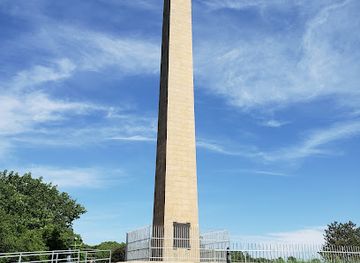
Monument
Sergeant Floyd Monument
Explore the Sergeant Floyd Monument in Sioux City, Iowa, honoring American exploration and offering stunning views of the Missouri River.
-
Historical landmark
Pine Creek Grist Mill
Experience the charm and history of Pine Creek Grist Mill, a captivating landmark in Iowa's stunning landscape, perfect for family outings and scenic exploration.



Explore Mississippi River Valley on the map
Plan your trip on one map. See where the top cities, national parks and sights are, and book hotels and experiences in a few clicks.
Best hotels in Mississippi River Valley
Best restaurants in Mississippi River Valley
Dining in the Iowa Mississippi River Valley is shaped by Midwestern agriculture, river-town traditions and the varied populations that settled along the waterway. Dubuque and the Quad Cities provide the widest choice, from cafés and bakeries to contemporary American restaurants, breweries and established family dining rooms. Smaller communities tend to concentrate on diners, traditional restaurants, taverns and seasonal food businesses rather than a dense restaurant scene. Menus commonly draw on Iowa meat, sweet corn, seasonal vegetables and baked goods, while German, Czech and other European influences form part of the wider regional food history. The Quad Cities are particularly associated with their own style of thin-crust pizza, served across the metropolitan area on both sides of the river. Farmers’ markets are useful for local produce and prepared foods, and riverfront dining may offer views of barges and islands, although the landscape is more working waterway than resort waterfront.
-
American
Granite City Food & Brewery
Discover the best of American cuisine and craft beer at Granite City Food & Brewery in Davenport, Iowa - perfect for families and friends!
-
Sushi
Blue Sushi Sake Grill
Experience fresh sushi and innovative Japanese cuisine at Blue Sushi Sake Grill in Downtown Des Moines.
-
Restaurant
Go Fish Marina Bar & Grill
Discover riverside dining at Go Fish Marina Bar & Grill – where fresh seafood meets stunning views in Princeton, Iowa.
-
Restaurant
Maxwell's On The River
Experience exceptional dining with river views at Maxwell's On The River in Muscatine - where culinary delight meets scenic beauty.


Best bars in Mississippi River Valley
Evening life is concentrated in Dubuque, the Quad Cities and the larger county-seat communities, while smaller river towns generally rely on neighbourhood bars, traditional taverns, restaurants and seasonal civic events. Dubuque has the broadest mix of breweries, pubs, live music and dining in the Iowa portion of the valley, and Davenport and Bettendorf add a larger selection of bars, performance venues and late-evening restaurants. Across the river, Illinois communities form part of the same metropolitan nightlife area but are outside Iowa. In rural districts, evenings are quieter and often centre on a local pub, supper venue or community gathering rather than nightclubs. Brewery taprooms and live music provide alternatives to alcohol-focused nightlife, but opening arrangements vary, especially outside the larger towns, so visitors should check current information before making late plans.
-
American
Granite City Food & Brewery
Experience the best of American cuisine and craft beer at Granite City Food & Brewery, a vibrant culinary hub in Davenport, Iowa.
-
Distillery
Mississippi River Distilling Company
Discover the art of distilling at Mississippi River Distilling Company, where local spirits meet scenic views in Le Claire, Iowa.
-
Grill
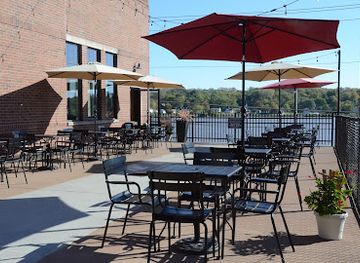
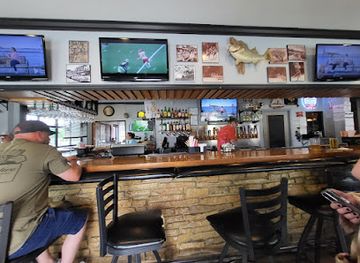
The River Tap
Discover delicious grill cuisine and a friendly atmosphere at The River Tap, a must-visit eatery in Iowa Falls.
Best nightclubs in Mississippi River Valley
Evening life is concentrated in Dubuque, the Quad Cities and the larger county-seat communities, while smaller river towns generally rely on neighbourhood bars, traditional taverns, restaurants and seasonal civic events. Dubuque has the broadest mix of breweries, pubs, live music and dining in the Iowa portion of the valley, and Davenport and Bettendorf add a larger selection of bars, performance venues and late-evening restaurants. Across the river, Illinois communities form part of the same metropolitan nightlife area but are outside Iowa. In rural districts, evenings are quieter and often centre on a local pub, supper venue or community gathering rather than nightclubs. Brewery taprooms and live music provide alternatives to alcohol-focused nightlife, but opening arrangements vary, especially outside the larger towns, so visitors should check current information before making late plans.
-
Bar
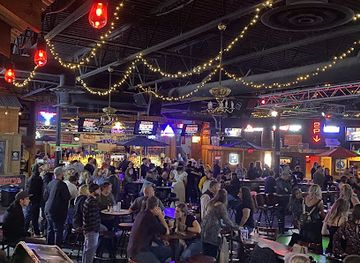
Miss Kitty’s Country Bar Dance Nightclub and Honky Tonk
Dive into the vibrant nightlife of Clive, IA, at Miss Kitty's Country Bar, where live music and dancing come together for an unforgettable experience.
Best shops in Mississippi River Valley
Shopping in the Iowa Mississippi River Valley is centred on historic downtowns, independent retailers, practical local commerce and community markets rather than one continuous shopping district. Dubuque has the widest concentration of specialist shops, galleries, booksellers, cafés and locally oriented retailers in the northern part of the corridor, while Davenport and Bettendorf provide larger urban and suburban shopping choices. Smaller river towns such as Bellevue, Clinton, Muscatine and Burlington are useful for antiques, gifts, independent boutiques and seasonal produce when shops are open. Farmers’ markets offer Iowa fruit, vegetables, baked goods, preserves and other locally made products, with schedules varying by town and season. Regional purchases can include locally produced food, artwork, books about the Mississippi, handmade goods and practical outdoor equipment. Visitors should not expect every small community to trade daily; market days, historic downtown events and summer festivals often provide the best opportunity to browse local products.
-
Thrift store
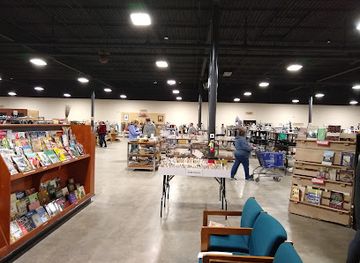
Crowded Closet Thrift Shop
Uncover hidden gems and sustainable finds at Crowded Closet Thrift Shop in Iowa City, where every purchase supports the community.
Get your free copy of our complete guide to Mississippi River Valley, delivered straight to you.
Everything on this page, from attractions and restaurants to essentials and local phrases, in one PDF you can read offline, print or share.
Already have an account? Sign in
Your Mississippi River Valley guide is ready.
We'll send it to · Not you? Sign out

Getting your guide ready…
We are putting together a fresh copy of the Mississippi River Valley guide. This can take up to a minute.
This can take a few moments. If your browser asks, choose Allow so the download can start. You'll find the guide in your Downloads folder.
Nothing happened? Download it again
Sorry, the guide is taking longer than usual. Please try again in a minute, or get it by email instead.
Mississippi River Valley essentials
Currency and Payment
Safety
Emergency Situations
Do's and Don'ts
Local Tips
From Eve
Local phrases worth knowing
You don't need to get them perfect. A few words go a long way, and locals appreciate the effort.
Basics
| English | Local | Say it |
|---|---|---|
| Hello | Howdy | [How-dee] |
| Goodbye | See ya | [See yah] |
| Yes | Yep | [Yep] |
| No | Nope | [Nope] |
| Please/You’re welcome | Sure thing | [Shur thing] |
| Thank you | Thanks a bunch | [Thangs a bunch] |
| Excuse me/Sorry | Pardon me | [Pardon me] |
| How are you? | How ya doin'? | [How yah doin'?] |
| Fine. And you? | Good. And you? | [Good. An' you?] |
| Do you speak English? | Do ya speak English? | [Do yah speak English?] |
| I don't understand | I ain't followin' | [I ain't followin'] |
Eating & Drinking
| English | Local | Say it |
|---|---|---|
| I’d like to see the menu, please | Can I see the menu, please? | [Can I see thuh menu, please?] |
| I don't eat meat | I don't eat meat | [I don't eat meat] |
| Cheers! | Cheers! | [Cheers!] |
| I would like to pay, please | Can I pay, please? | [Can I pay, please?] |
Emergencies
| English | Local | Say it |
|---|---|---|
| Help! | Help! | [Help!] |
| Go away! | Leave me be! | [Leave me be!] |
| Call the Police! | Call the cops! | [Call thuh cops!] |
| Call a doctor! | Get a doctor! | [Get a doctor!] |
| I’m lost | I’m turned around | [I’m turned around] |
| I’m ill | I ain’t feelin' good | [I ain't feelin' good] |
Shopping
| English | Local | Say it |
|---|---|---|
| I’d like to buy... | I wanna buy... | [I wanna buy...] |
| I’m just looking | Just lookin' | [Just lookin'] |
| How much is it? | What’s the damage? | [What’s thuh damage?] |
| That’s too expensive | That’s a bit pricey | [That’s a bit pricey] |
| Can you lower the price? | Can ya bring down the price? | [Can yah bring down thuh price?] |
Time & Numbers
| English | Local | Say it |
|---|---|---|
| What time is it? | What time's it? | [What time's it?] |
| It’s one o’clock | It’s one o'clock | [It’s one o'clock] |
| Half past (10) | Half past ten | [Half past ten] |
| Morning | Mornin' | [Mornin'] |
| Afternoon | Afternoon | [Afternoon] |
| Evening | Evenin' | [Evenin'] |
| Yesterday | Yesterday | [Yesterday] |
| Today | Today | [Today] |
| Tomorrow | Tomorrow | [Tomorrow] |
| 1 | One | [One] |
| 2 | Two | [Two] |
| 3 | Three | [Three] |
| 4 | Four | [Four] |
| 5 | Five | [Five] |
| 6 | Six | [Six] |
| 7 | Seven | [Seven] |
| 8 | Eight | [Eight] |
| 9 | Nine | [Nine] |
| 10 | Ten | [Ten] |
Transport & Directions
| English | Local | Say it |
|---|---|---|
| Where's a/the...? | Where’s the...? | [Where’s thuh...?] |
| What’s the address? | What’s the address? | [What’s thuh address?] |
| Can you show me (on the map)? | Can ya show me on the map? | [Can yah show me on thuh map?] |
| When’s the next (bus)? | When’s the next bus? | [When’s thuh next bus?] |
| A ticket (to ....) | A ticket to... | [A ticket to...] |
History of Mississippi River Valley
Indigenous Earthworks and Mississippi River Cultures
The Mississippi Valley has been inhabited by Indigenous peoples for thousands of years. Its river terraces, wooded bluffs and wetlands provided routes for travel, fishing, hunting and exchange. Effigy Mounds National Monument near Harpers Ferry preserves more than 200 prehistoric mounds, including animal-shaped and conical forms associated with Indigenous mound-building traditions. The monuments are not simply scenic curiosities: they are archaeological places connected to enduring cultural histories, and visitors should remain on designated paths and treat the landscape with respect.
French Exploration and the Colonial Frontier
French explorers and traders entered the upper Mississippi region during the seventeenth and eighteenth centuries, joining an existing world of Indigenous trade networks. Although permanent European settlement developed gradually, the river became an important corridor linking the interior of North America with settlements farther downstream. French influence remains visible in some regional place names and in the broader history of the Mississippi as a route of imperial competition involving France, Spain, Britain and, later, the United States.
United States Settlement and the Creation of Iowa
After the United States acquired the region, non-Indigenous settlement expanded rapidly along the Iowa side of the river during the nineteenth century. Iowa became a state in 1846, and river communities such as Dubuque, Davenport, Burlington and Keokuk developed as commercial gateways. The river supported land speculation, warehousing, ferry crossings and the movement of agricultural goods, while Indigenous communities faced forced removal and the loss of territory. Much of the historic architecture in the valley dates from this period of rapid settlement and trade.
Lead Mining and Dubuque’s Early Growth
Lead mining around Dubuque was one of the earliest major industries in the region. Julien Dubuque, a French-Canadian trader, received permission from Spanish authorities in the late eighteenth century to work lead deposits with Meskwaki partners, though the colonial and Indigenous history is more complex than accounts focused solely on his name suggest. Mining attracted workers, merchants and transport businesses, helping Dubuque become a substantial river port. The industry declined in importance, but its legacy survives in local museums, historic buildings and the city’s nineteenth-century urban form.
Steamboats, Railways and River Commerce
Steamboats transformed movement on the upper Mississippi during the nineteenth century, carrying passengers, timber, grain and manufactured goods between river towns. Railways later changed the balance of transport, connecting the valley to inland markets while preserving the importance of river ports and warehouses. Locks and dams constructed during the twentieth century improved navigation and created a more controlled pool system, although they also altered habitats and shorelines. Present-day towboats and barges continue this long tradition of commercial navigation.
Industry, Flood Control and Environmental Stewardship
The river towns grew through manufacturing, food processing, farm trade and transport, but periodic floods repeatedly tested their infrastructure. The flood of 1993 and later high-water events reinforced the need for floodplain planning, levees and resilient riverfront design. At the same time, conservation initiatives protected wetlands, islands and backwaters through the Upper Mississippi River National Wildlife and Fish Refuge and other public lands. Today the valley’s identity reflects both its working-waterway economy and a stronger public interest in habitat, recreation and cultural preservation.
Mississippi River Valley in Photos
Browse through our photo collection highlighting the charm and character of the destination.
Neighbouring regions of Mississippi River Valley
The closest regions to Mississippi River Valley, if you have time for more than one.
-

-
-

-

-


Swipe for more regions
Explore more

Explore more of Iowa
Explore Iowa: The American Heartland with its blend of rural charm, vibrant cities, rich cultural experiences, and natural beauty, perfect for nature lovers and cultural enthusiasts.
Explore Iowa