Sergeant Floyd Monument, Sioux City Travel Guide
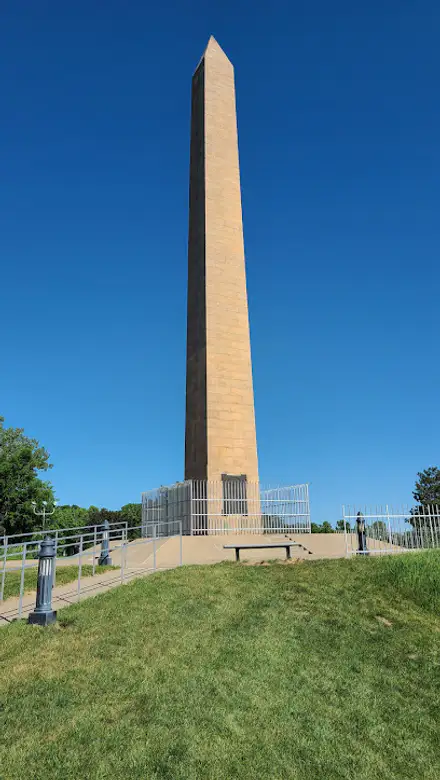
Honoring Sergeant Charles Floyd, the only casualty of the Lewis & Clark Expedition, with a towering monument overlooking the Missouri River.
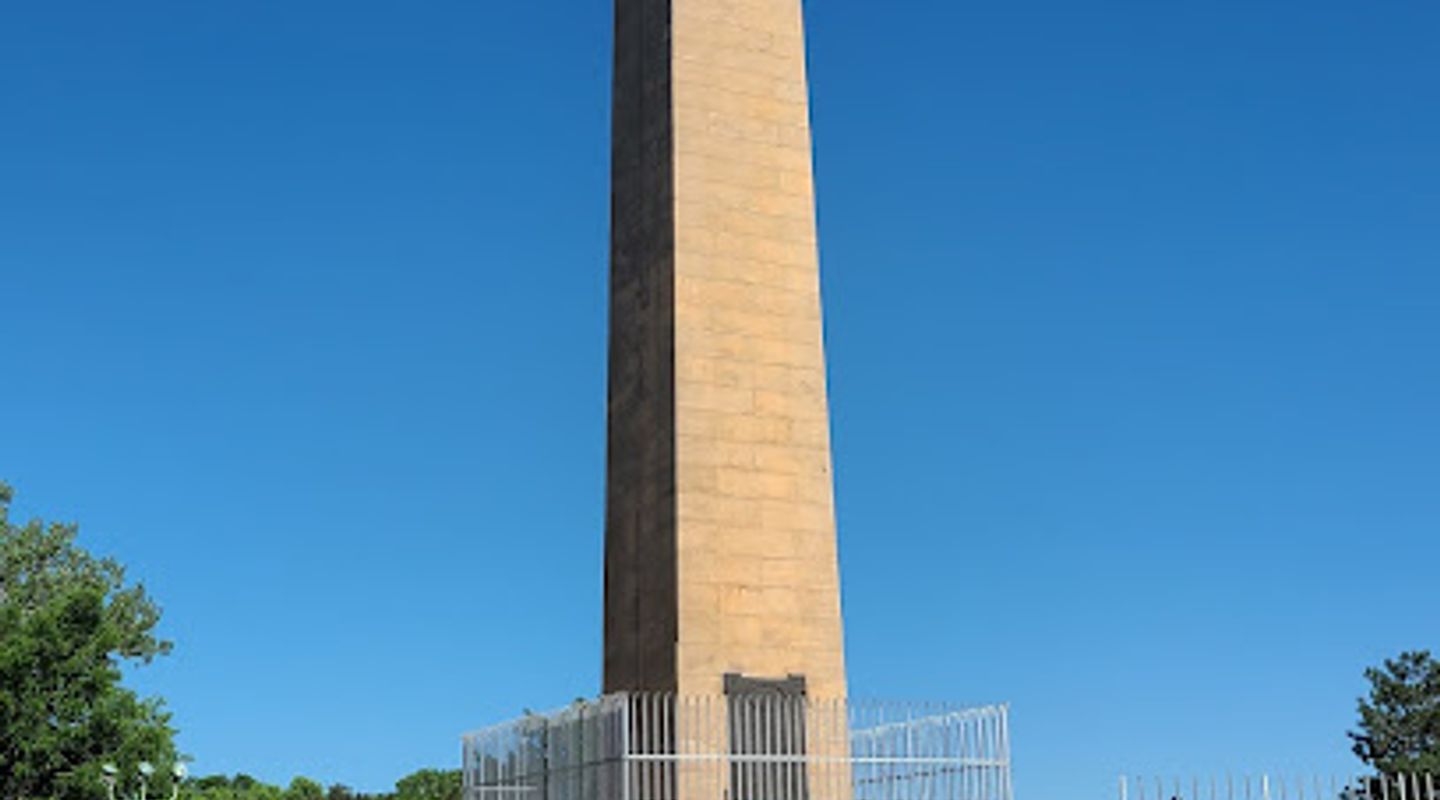
The Sergeant Floyd Monument, a 100-foot sandstone obelisk in Sioux City, Iowa, honors Sergeant Charles Floyd, the only member of the Lewis and Clark Expedition to die during their historic journey. Overlooking the Missouri River, the monument stands as a tribute to his service and the westward expansion of the United States.
A brief summary to Sergeant Floyd Monument
- 2601 S Lewis Blvd, Sioux City, Iowa, 51103, US
- Click to display
- Click to display

Know before you go
Hi, I'm Eve. Here are a few practical things to know before exploring Sergeant Floyd Monument.
- Visit the Lewis & Clark Interpretive Center in Sioux City to learn more about the expedition and Sergeant Floyd's role.
- Take advantage of the scenic views of the Missouri River Valley from the monument grounds.
- Explore the monument grounds to find interpretive signs detailing the history of the site and the Lewis and Clark Expedition.
Do you manage this location?
Take control to get all the benefits, like improved information, better appearance, and stronger visibility across AI-powered discovery. Learn more about listing your business on Evendo
Activate your presenceOther nearby places you may find interesting
The closest places of the same kind, if this one is not quite what you had in mind.

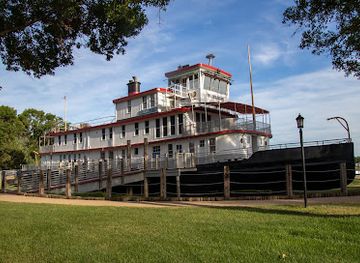
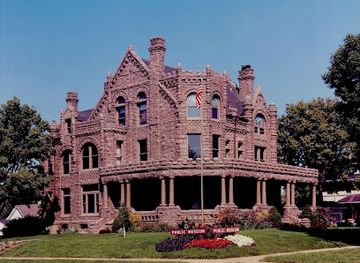
Explore Sergeant Floyd Monument on the Map
A handpicked selection of must-see spots near Sergeant Floyd Monument, mapped for you.
Getting There
-
Driving
The Sergeant Floyd Monument is located at 2601 S Lewis Blvd, Sioux City, IA 51103. It's easily accessible from US-75. From I-29, take the US-75 exit and follow the signs to the monument. Ample free parking is available on-site. There are no tolls on the final approach.
-
Public Transport
Siouxland Regional Transit (SRTS) provides public transportation services in the Sioux City area. Contact SRTS for route and schedule information to reach the monument. SRTS offers a service with direct pick-up and specific-destination delivery. A one-way fare is typically around $2-$3.
Discover more about Sergeant Floyd Monument
More to explore near Sergeant Floyd Monument













Your all‑in‑one travel companion app
Explore expert travel guides, compare and book tours, experiences, hotels, and more—all from the palm of your hand. Download now for seamless trip planning wherever your wanderlust takes you.


Explore More of Sioux City
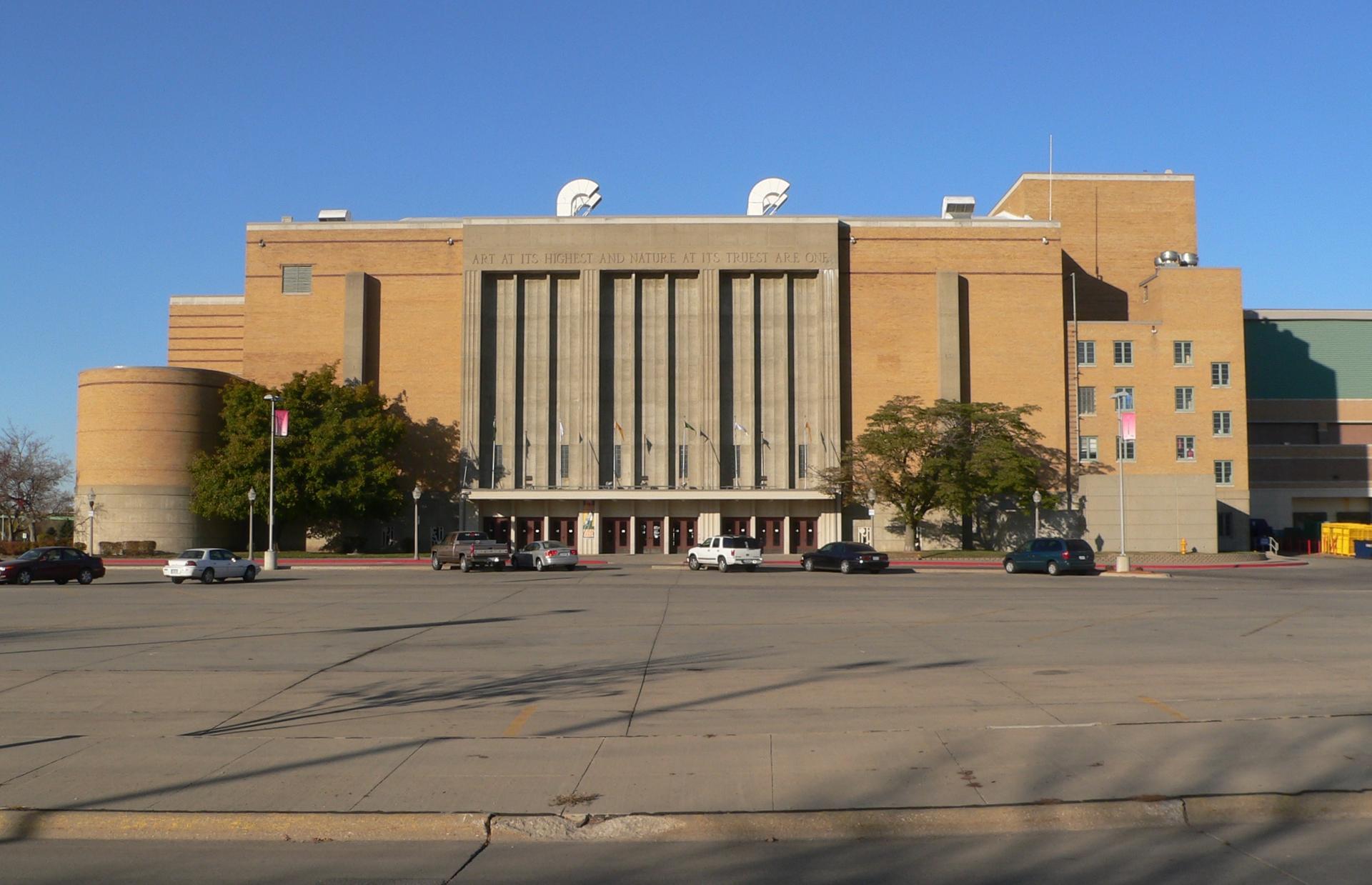
Looking beyond Sergeant Floyd Monument? Discover Sioux City for broader travel guides, local hot-spots, and regional highlights.
Explore Sioux City
Explore Sioux City's vibrant past through interactive exhibits and historical artifacts at the heart of downtown.

Experience the magic of Christmas at Where is Santa? in Sioux City, IA. Meet Santa, take photos, and create lasting holiday memories with your family.