

Free Sioux City Travel Guide & Mobile App
Plan your Sioux City trip with Evendo. Get free guides to top attractions, restaurants, hotels, and bars. Web access or download the mobile app.


Sioux City, Iowa, pairs Missouri River scenery with Dakota history, museums, historic landmarks, arts and outdoor adventures across the tri-state region.
Missouri River Setting
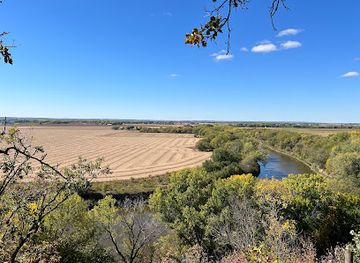
Sioux City stands on the eastern bank of the Missouri River in western Iowa, close to the meeting point of Iowa, Nebraska and South Dakota. Its position has shaped almost every aspect of its identity: Indigenous trade routes, frontier settlement, steamboat commerce, railways, meatpacking and modern interstate travel all converged here. The riverfront offers broad views across the water, while the city’s streets rise towards older residential districts and the wooded bluffs of Stone State Park.Read more about Sioux City
History in the Urban Landscape
Arts, Nature and Local Life
When is the best time to visit Sioux City?
Best: April–May, September · 18–25°C| Month | High (°C) | Rainfall (mm) |
|---|---|---|
| January | 0 | 15 |
| February | 3 | 18 |
| March | 10 | 26 |
| April (best) | 18 | 40 |
| May (best) | 24 | 60 |
| June | 30 | 70 |
| July | 31 | 80 |
| August | 30 | 70 |
| September (best) | 25 | 60 |
| October | 17 | 50 |
| November | 7 | 30 |
| December | 2 | 15 |
Getting to and around Sioux City
How to get there
Transportation
Best attractions in Sioux City
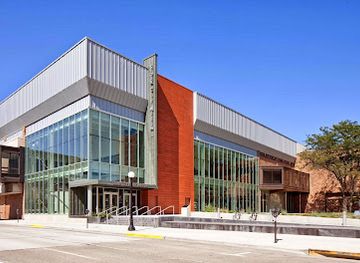
Sioux City’s principal attractions reflect its position beside the Missouri River and at the edge of the Great Plains. The Sioux City Public Museum traces local history through Indigenous heritage, river commerce, industry and everyday life, while the Lewis and Clark Interpretive Center examines the 1804 expedition and the landscape it encountered. At the riverfront, the Sergeant Floyd Monument rises above the site associated with the expedition member’s burial and provides an expansive view over the water. The Sioux City Art Center brings changing exhibitions and regional artistic perspectives to the cultural scene, and the Orpheum Theater presents performances in a restored historic setting. For open-air exploration, Stone State Park extends into wooded Loess Hills terrain with trails and overlooks, while the Dorothy Pecaut Nature Center interprets local habitats and wildlife. Downtown streets, public spaces and older commercial buildings add further interest between museum visits.
-
Tourist attraction
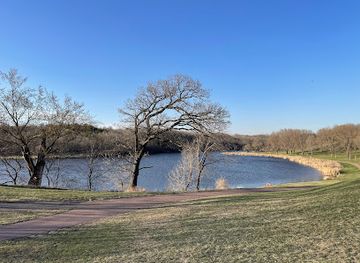
Bacon Creek Park
Escape to nature in Sioux City! Trails, lake activities, dog park, and family fun await at Bacon Creek Park.
13 min drive · 4.5 km from city centre
-
State park
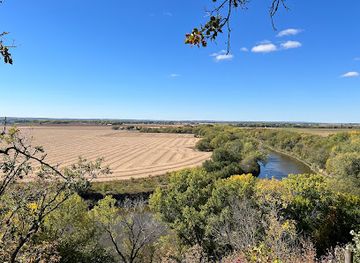
Stone State Park
Explore the Loess Hills at Stone State Park: hiking, camping, and natural beauty near Sioux City, Iowa.
28 min drive · 9.2 km from city centre
-
State park
Stone State Park
Explore the rugged beauty of Iowa's Loess Hills at Stone State Park, offering hiking, camping, and scenic views near Sioux City.
28 min drive · 9.2 km from city centre
-
Museum
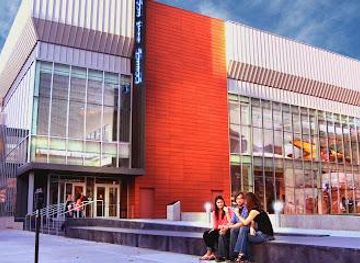
Sioux City Public Museum
Discover the fascinating history of Sioux City, Iowa, at the Sioux City Public Museum – a treasure trove of local heritage and culture.
13 min walk · 1.1 km from city centre

Best landmarks in Sioux City
The Sergeant Floyd Monument is Sioux City’s most distinctive historic landmark: its pale, obelisk-like form stands on a bluff overlooking the Missouri River and commemorates the Lewis and Clark Expedition member who died in 1804. The Woodbury County Courthouse is another important civic building, representing the confidence and public investment of the city’s late nineteenth- and early twentieth-century growth. Cathedral of the Epiphany, a prominent Roman Catholic church downtown, reflects the religious institutions established as the city expanded. The Orpheum Theater contributes a cultural landmark in a historic performance setting, while older commercial buildings along Fourth Street evoke the era of river trade, railways and stockyards. Together these places show how exploration, religion, government, entertainment and commerce shaped Sioux City’s built environment rather than presenting its history through a single architectural style.
-
Park
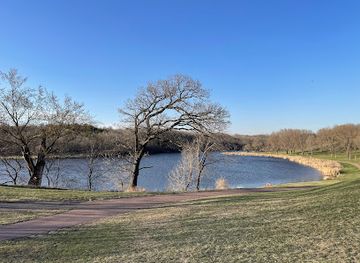
Bacon Creek Park
Escape to Bacon Creek Park in Sioux City: trails, lake, dog park, and play areas await in this 239-acre natural haven for outdoor fun and relaxation.
13 min drive · 4.5 km from city centre
-
State park
Stone State Park
Explore scenic trails, camp under the stars, and discover the unique beauty of Iowa's Loess Hills at Stone State Park in Sioux City.
28 min drive · 9.2 km from city centre
-
Museum
Sioux City Public Museum
Explore Sioux City's vibrant past through interactive exhibits and historical artifacts at the heart of downtown.
13 min walk · 1.1 km from city centre
-
Museum
Lewis & Clark Interpretive Center
Explore the Lewis & Clark expedition in Sioux City: Discover interactive exhibits and the story of Sergeant Floyd at this Missouri River historical landmark.
7 min drive · 2.2 km from city centre
Explore Sioux City on the map
Plan your Sioux City trip on one map. See where the top attractions, landmarks, restaurants, bars and hotels are, find what's near where you're staying, and book hotels and experiences in a few clicks.
Best hotels in Sioux City
Best restaurants in Sioux City
Sioux City’s dining identity is rooted in Midwestern comfort food, agricultural abundance and the practical traditions of a river and railway market town. Loose-meat sandwiches, in which seasoned ground beef is served without a formed burger patty, are associated with Iowa and can be found alongside burgers, steaks, fried foods and generous diner-style breakfasts. The city’s long connection with livestock and farming is reflected in menus that favour beef, pork, potatoes and seasonal produce, while immigrant and contemporary influences broaden the choice beyond traditional fare. Downtown and the city’s commercial districts contain independent restaurants, cafés, bakeries, bars and casual eateries, and local breweries contribute to the social food scene. The Sioux City Farmers Market, when operating seasonally, offers a way to encounter regional produce and prepared foods. Dining is generally informal, with regional specialities more prominent than a single formal culinary style.
-
Mexican
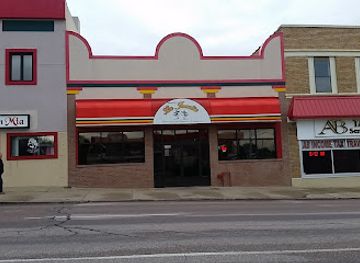
La Juanita
Discover authentic Mexican fast food at La Juanita in Sioux City – where vibrant flavors meet affordable prices.
5 min drive · 1.6 km from city centre
-
Steak
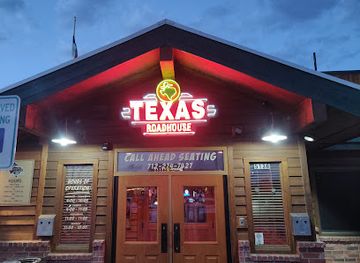
Texas Roadhouse
Discover the vibrant flavors of America at Texas Roadhouse in Sioux City—where every bite tells a delicious story.
21 min drive · 6.9 km from city centre
-
Italian
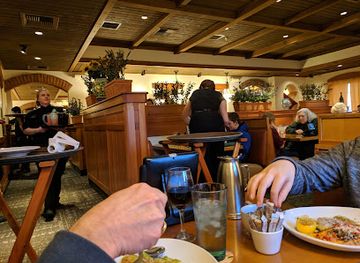
Olive Garden Italian Restaurant
Savor the essence of Italy at Olive Garden in Sioux City - where family-friendly dining meets delicious Italian cuisine.
21 min drive · 6.9 km from city centre
-
Barbecue
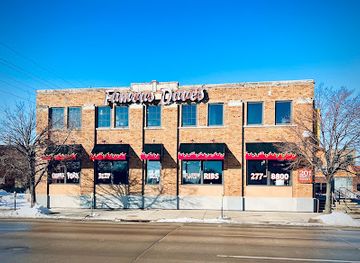
Famous Dave's Bar-B-Que
Discover mouthwatering smoked meats at Famous Dave's Bar-B-Que in Sioux City - where authentic flavors meet warm hospitality.
16 min walk · 1.3 km from city centre
Best bars in Sioux City
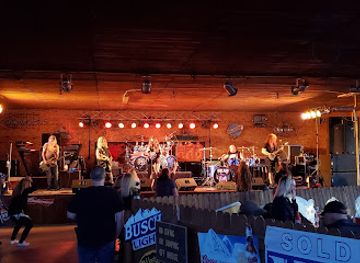
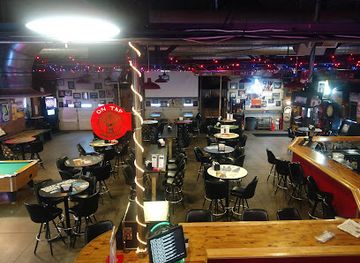
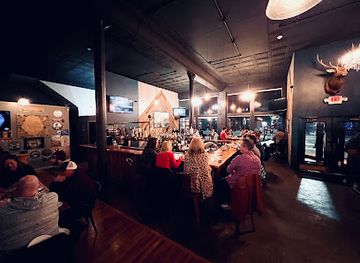
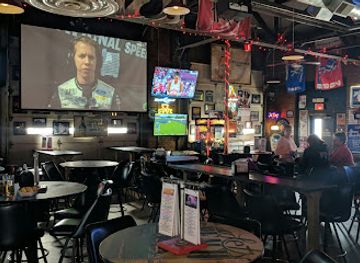
Sioux City’s evening scene is concentrated rather than sprawling, with downtown providing the clearest cluster of bars, live music and late-day social activity. Historic Fourth Street and nearby commercial blocks offer relaxed pubs, neighbourhood bars and venues where conversation is as important as dancing. The Orpheum Theater adds a cultural dimension through concerts, touring performances and other scheduled events, while seasonal festivals and community programmes can bring outdoor entertainment to public spaces. Evening dining and locally produced beer form an important part of the city’s nightlife, but Sioux City does not operate on the scale of a major club capital. Venues and schedules change, so current event information is useful when planning a night out. Visitors should arrange a safe journey back to accommodation, particularly when travelling beyond the central districts.
-
Grill
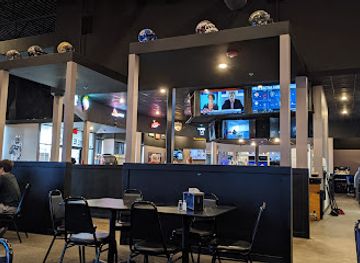
The Wheelhouse Bar & Grill
Experience the vibrant flavors of Sioux City at The Wheelhouse Bar & Grill, where delicious food meets a lively atmosphere for all to enjoy.
20 min drive · 6.7 km from city centre
-
Grill
The Ickey Nickel Bar & Grill
Discover the vibrant flavors and friendly atmosphere at The Ickey Nickel Bar & Grill in Sioux City, where every meal is a celebration of good food and great company.
18 min drive · 5.9 km from city centre
-
Bar
Firehouse Bar
Discover the lively ambiance and affordable drinks at Firehouse Bar, a must-visit for tourists in Sioux City looking for a fun night out.
4 min walk · 0.3 km from city centre
-
Gastropub
The Diving Elk
Experience the best of Sioux City dining at The Diving Elk, where gourmet cuisine meets a lively cocktail bar atmosphere.
7 min walk · 0.5 km from city centre
Best nightclubs in Sioux City
Sioux City’s evening scene is concentrated rather than sprawling, with downtown providing the clearest cluster of bars, live music and late-day social activity. Historic Fourth Street and nearby commercial blocks offer relaxed pubs, neighbourhood bars and venues where conversation is as important as dancing. The Orpheum Theater adds a cultural dimension through concerts, touring performances and other scheduled events, while seasonal festivals and community programmes can bring outdoor entertainment to public spaces. Evening dining and locally produced beer form an important part of the city’s nightlife, but Sioux City does not operate on the scale of a major club capital. Venues and schedules change, so current event information is useful when planning a night out. Visitors should arrange a safe journey back to accommodation, particularly when travelling beyond the central districts.
-
Bar
Firehouse Bar
Experience the vibrant nightlife at Firehouse Bar in Sioux City, where affordable drinks and a friendly atmosphere set the stage for unforgettable evenings.
4 min walk · 0.3 km from city centre
-
Night club
Doxx Bar
Discover Doxx Bar: Sioux City's vibrant night club offering live music, signature cocktails, and an unforgettable nightlife experience.
4 min walk · 0.3 km from city centre
-
Bar
The Marquee
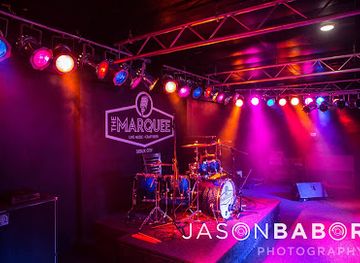
Experience vibrant nightlife at The Marquee in Sioux City, a bar offering entertainment, themed events, and a lively atmosphere for all.
4 min walk · 0.3 km from city centre
-
Lounge
Jim's Lounge
Discover the vibrant nightlife at Jim's Lounge in Sioux City, where good drinks and great company await you.
11 min drive · 3.8 km from city centre


Best shops in Sioux City
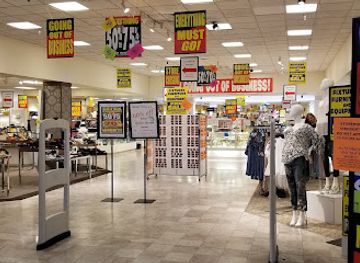
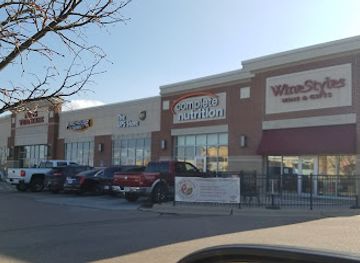
Shopping in Sioux City combines practical regional retail with smaller downtown businesses and seasonal local trade. Southern Hills Mall and surrounding commercial areas provide the broadest concentration of mainstream shops, services and dining, while downtown and Historic Fourth Street offer more independent premises, gifts, antiques, specialist goods and locally oriented businesses. The Sioux City Farmers Market, held seasonally when scheduled, is a useful place to look for produce, baked goods, preserves, prepared food and work by regional makers. Visitors may also find Iowa-themed gifts, locally produced beer, prairie and river imagery, and crafts associated with the wider Great Plains rather than a single Sioux City speciality. Retail areas are spread across the city, so a car is often convenient, and opening patterns for independent shops and markets may differ from those of larger commercial centres.
-
Shopping mall
Southern Hills Mall
Explore the vibrant Southern Hills Mall in Sioux City, where shopping, dining, and entertainment come together for an unforgettable experience.
19 min drive · 6.3 km from city centre
-
Shopping mall
Lakeport Commons Shopping Center
Experience shopping, dining, and entertainment at Lakeport Commons Shopping Center in Sioux City, Iowa – a must-visit destination for all travelers.
20 min drive · 6.7 km from city centre
-
Department store
Kohl's
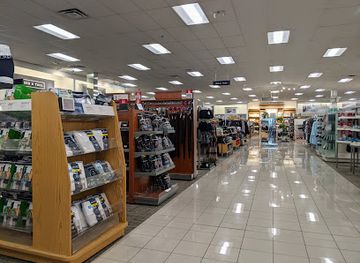
Explore Kohl's in Sioux City for a unique shopping experience with a wide range of affordable fashion and home essentials.
20 min drive · 6.6 km from city centre
-
Department store
JCPenney
Explore JCPenney in Sioux City for a diverse range of clothing, furniture, jewelry, and shoes at affordable prices in a convenient location.
18 min drive · 6.1 km from city centre

Get your free copy of our complete guide to Sioux City, delivered straight to you.
Everything on this page, from attractions and restaurants to essentials and local phrases, in one PDF you can read offline, print or share.
Already have an account? Sign in
Your Sioux City guide is ready.
We'll send it to · Not you? Sign out

Getting your guide ready…
We are putting together a fresh copy of the Sioux City guide. This can take up to a minute.
This can take a few moments. If your browser asks, choose Allow so the download can start. You'll find the guide in your Downloads folder.
Nothing happened? Download it again
Sorry, the guide is taking longer than usual. Please try again in a minute, or get it by email instead.
Sioux City essentials
Currency and Payment
Safety
Emergency Situations
Do's and Don'ts
Local Tips
From Eve
Local phrases worth knowing
You don't need to get them perfect. A few words go a long way, and locals appreciate the effort.
Basics
| English | Local | Say it |
|---|---|---|
| Hello | Hau | [haw] |
| Goodbye | Wopila | [woh-pee-lah] |
| Yes | Hehan | [heh-hahn] |
| No | Hena | [heh-nah] |
| Please/You're welcome | Niyaha | [nee-yah-hah] |
| Thank you | Pilamaya | [pee-lah-mah-yah] |
| Excuse me/Sorry | Anpetu waste | [ahn-pay-doo wah-shday] |
| How are you? | Hehanyelo? | [heh-hahn-yay-loh] |
| Fine. And you? | Iyokiksuya. Yelo? | [ee-yoh-keek-soo-yah. yay-loh] |
| Do you speak English? | Iyapi ksto? | [ee-yah-pee ksh-toh] |
| I don't understand | Woyute | [woh-yue-day] |
Eating & Drinking
| English | Local | Say it |
|---|---|---|
| I'd like to see the menu, please | Menu ksto kiksuya, ya | [meh-noo ksh-toh keek-soo-yah, yah] |
| I don't eat meat | Wahca mazaska en | [wah-shah mah-zah-skah ehn] |
| Cheers! | Olowan | [oh-loh-wahn] |
| I would like to pay, please | Olowan ksto kiksuya, ya | [oh-loh-wahn ksh-toh keek-soo-yah, yah] |
Emergencies
| English | Local | Say it |
|---|---|---|
| Help! | Ate | [ah-day] |
| Go away! | Wahica | [wah-hee-chah] |
| Call the Police! | Wica wakan yuha | [wee-chah wah-kahn yue-hah] |
| Call a doctor! | Wica sapa yuha | [wee-chah shah-pah yue-hah] |
| I'm lost | Iyohin | [ee-yoh-heen] |
| I'm ill | Iyuskinyan | [ee-yush-keen-yahn] |
Shopping
| English | Local | Say it |
|---|---|---|
| I'd like to buy... | Wicayapi ksto... | [wee-chah-yah-pee ksh-toh] |
| I'm just looking | Iyopta | [ee-yoh-pdah] |
| How much is it? | Hena tawapi ksto? | [heh-nah tah-wah-pee ksh-toh] |
| That's too expensive | Hena hena woyute | [heh-nah heh-nah woh-yue-day] |
| Can you lower the price? | Hena ki ksto ksto? | [heh-nah kee ksh-toh ksh-toh] |
Time & Numbers
| English | Local | Say it |
|---|---|---|
| What time is it? | Hehan iyuha? | [heh-hahn ee-yue-hah] |
| It's one o'clock | Numpa iyuha | [nuhm-pah ee-yue-hah] |
| Half past (10) | Numpa okolakiciyapi | [nuhm-pah oh-koh-lah-kee-chee-yah-pee] |
| Morning | Iyomaksa | [ee-yoh-mah-ksah] |
| Afternoon | Iyomni | [ee-yoh-mnee] |
| Evening | Iyotanka | [ee-yoh-tahn-kah] |
| Yesterday | Anpetu kin | [ahn-pay-doo keen] |
| Today | Anpetu | [ahn-pay-doo] |
| Tomorrow | Anpetu ksto | [ahn-pay-doo ksh-toh] |
| 1 | Numpa | [nuhm-pah] |
| 2 | Numpa cekiyapi | [nuhm-pah chay-kee-yah-pee] |
| 3 | Numpa yamni | [nuhm-pah yah-mnee] |
| 4 | Numpa topa | [nuhm-pah doh-pah] |
| 5 | Numpa zaptan | [nuhm-pah zah-pdahn] |
| 6 | Numpa sice | [nuhm-pah shee-chay] |
| 7 | Numpa sapa | [nuhm-pah shah-pah] |
| 8 | Numpa kice | [nuhm-pah kee-chay] |
| 9 | Numpa wakpa | [nuhm-pah wah-kpah] |
| 10 | Numpa yamni | [nuhm-pah yah-mnee] |
Transport & Directions
| English | Local | Say it |
|---|---|---|
| Where's a/the...? | Hehan... | [heh-hahn] |
| What's the address? | Hehan tawapi ksto? | [heh-hahn tah-wah-pee ksh-toh] |
| Can you show me (on the map)? | Hehan ki ksto (wicayustan wo)? | [heh-hahn kee ksh-toh (wee-chah-yue-shdahn woh)] |
| When's the next (bus)? | Hehan tawapi ki yuha (tokata)? | [heh-hahn tah-wah-pee kee yue-hah (toh-kah-dah)] |
| A ticket (to ....) | Kiksuya (ki ....) | [keek-soo-yah (kee)] |
History of Sioux City
Indigenous River Country
Long before the arrival of American settlers, the Missouri River valley around present-day Sioux City was home to Indigenous peoples and a corridor for travel, exchange and seasonal activity. The area is associated particularly with Dakota peoples, whose presence influenced the naming of the city and the wider region. The river provided transport, fertile ground and access to the interior plains, while the nearby bluffs offered a distinct geographical landmark. European and American mapping, trading and military expeditions later altered these established networks. Understanding this Indigenous history is essential to interpreting Sioux City not as an isolated frontier creation, but as one settlement within a much older cultural landscape.
Lewis and Clark and Sergeant Floyd
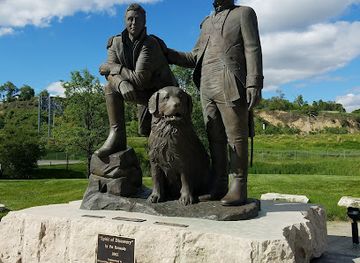
In August 1804, the Lewis and Clark Expedition travelled along the Missouri River near present-day Sioux City. Sergeant Charles Floyd, the expedition’s only member to die during the journey, was buried on a bluff overlooking the river. The site became known as Floyd’s Bluff, and the Sergeant Floyd Monument now marks his grave area. Completed in 1901, the monument is recognised as a significant memorial to the expedition and an enduring symbol of the city’s place in the history of western exploration. The nearby interpretive centre presents the expedition within its broader context, including the geography, peoples and political ambitions that shaped the journey.
Settlement and City Foundation
Sioux City was incorporated in 1854 during a period of rapid American settlement along the upper Missouri River. Its location made it a natural point for river trade and communication with the developing communities of the Great Plains. Growth was uneven, and early ambitions were affected by changing transport patterns, financial instability and competition from neighbouring settlements. Nevertheless, the town established a durable commercial role. Streets, warehouses and civic institutions gradually replaced the more temporary character of frontier settlement, while the river continued to influence the city’s economy and physical layout.
Railways, Stockyards and Industry
Railway connections in the late nineteenth century strengthened Sioux City’s position as a regional market and distribution centre. Livestock, agricultural goods and manufactured products moved through the city, and the stockyards and meatpacking industries became central to employment and commerce. Rail transport also encouraged population growth and linked Sioux City more closely with Chicago, Omaha, the northern plains and the wider national economy. The commercial prosperity of this era left traces in downtown buildings, civic architecture and older neighbourhoods. It also produced the industrial patterns and social changes associated with many Midwestern railway cities, including migration, labour organisation and expanding municipal services.
Modern Transformation and Memory
During the twentieth century, Sioux City adapted to changing transport, industry and retail patterns. River commerce became less dominant, while roads, aviation, manufacturing, education and services assumed greater importance. The city also became nationally known in 1989 after United Airlines Flight 232 made an emergency landing at Sioux Gateway Airport; the crash caused many deaths, but the survival of 185 people and the response of local emergency services became the subject of lasting public remembrance. Contemporary Sioux City presents this history through museums, memorials, restored civic buildings and cultural institutions, while its riverfront and surrounding bluffs continue to shape the city’s identity.
Sioux City in Photos
Browse through our photo collection highlighting the charm and character of the destination.
Cities near Sioux City
The closest cities to Sioux City, if you have time for more than one stop.
-

-

-

-

-


Swipe for more cities
Explore more

Explore more of Iowa
Explore Iowa: The American Heartland with its blend of rural charm, vibrant cities, rich cultural experiences, and natural beauty, perfect for nature lovers and cultural enthusiasts.
Explore Iowa