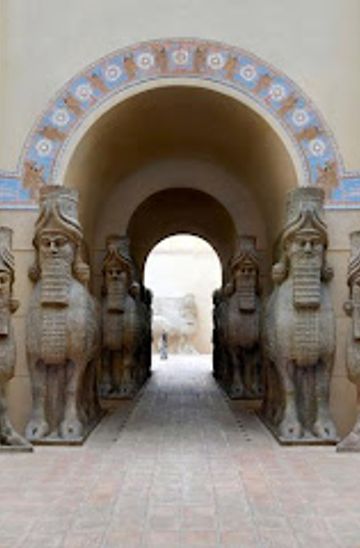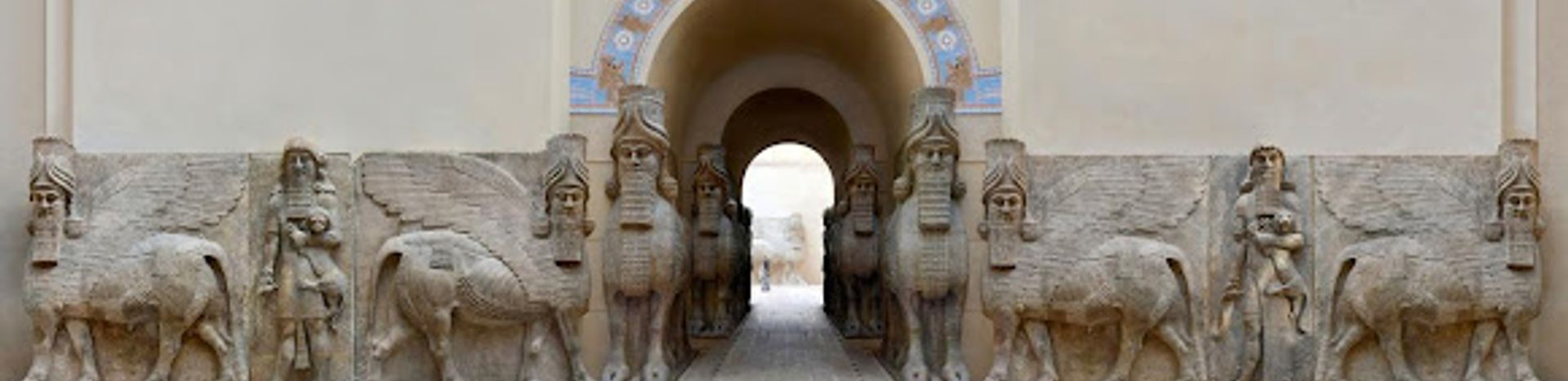
Dur-Sharrukin: The Fortress of Sargon
Discover Dur-Sharrukin, the ambitious but short-lived capital of Assyrian King Sargon II, near Khorsabad, Iraq. Explore its ruins and ancient history.
Explore the ruins of Dur-Sharrukin, the ambitious capital city built by Assyrian King Sargon II in the 8th century BC. Though short-lived, this site offers a glimpse into Assyrian art, architecture, and royal aspirations. Located near modern-day Khorsabad, it features remnants of a once-grand palace, city walls, and monumental gates.
A brief summary to Dur-Sharrukin
- G65H+J93, Khorsabad, Nineveh Governorate, IQ

Know before you go
Hi, I'm Eve. Here are a few practical things to know before exploring Dur-Sharrukin.
- Wear comfortable walking shoes as the terrain is uneven.
- Visit early in the morning or late afternoon to avoid the heat.
- Check with local authorities regarding site accessibility due to ongoing excavations and potential security concerns.
Do you manage this location?
Take control to get all the benefits, like improved information, better appearance, and stronger visibility across AI-powered discovery. Learn more
Activate your presenceOther nearby places you may find interesting
Getting There
-
Driving
From Mosul, Dur-Sharrukin is approximately 15 km northeast. Take the most direct route towards Khorsabad. Roads in this area may vary in quality; exercise caution. Consider hiring a local driver familiar with the area. Due to the fluctuating political situation, confirm accessibility with local authorities or guides before traveling. There are no tolls on the direct route. Parking is available near the site; negotiate the rate with local attendants.
-
Taxi
Taxis can be hired from Mosul to reach Dur-Sharrukin. Agree on a fare before starting your journey. The ride should take approximately 30-45 minutes, depending on traffic and road conditions. Expect to pay around IQD 15,000 - 25,000 for a one-way trip. Confirm the driver is willing to wait or arrange for a return trip, as taxi availability in Khorsabad may be limited.
Discover more about Dur-Sharrukin
Explore the best of what Dur-Sharrukin has to offer













More about Nineveh Plains
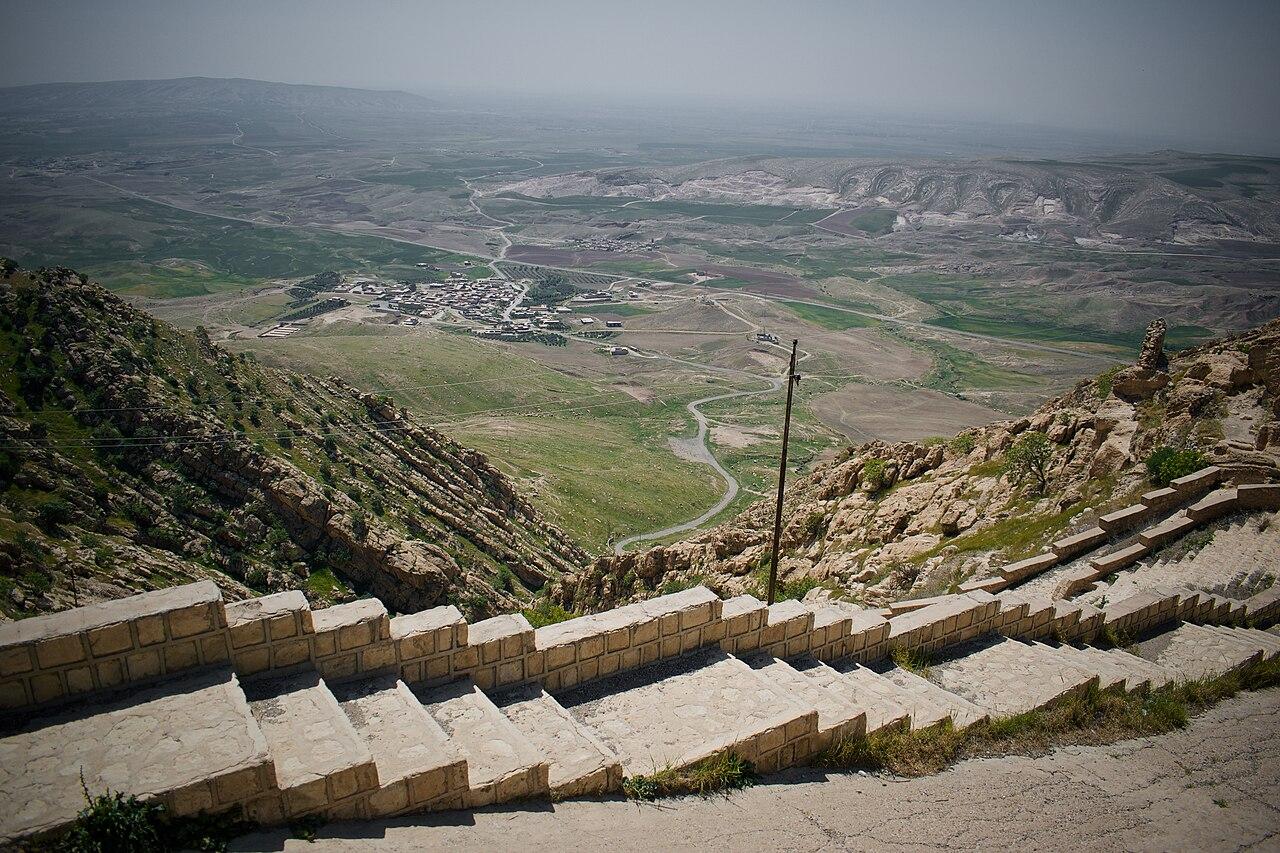
Explore the ancient ruins and rich cultural heritage of the Nineveh Plains in Iraq, a region steeped in history and natural beauty.
Tell me more about Nineveh Plains
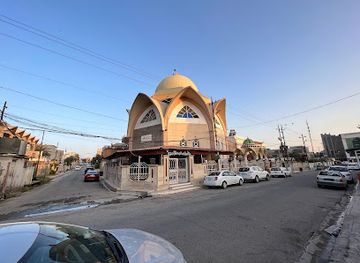
Experience the rebuilt Al-Nouri Mosque in Mosul, a symbol of resilience and a testament to the city's rich history and cultural heritage.

Discover the Diab Al-Iraqi Mosque in Mosul, a landmark of stunning Islamic architecture and a testament to the city's enduring cultural heritage.