Sennacherib's Palace: Echoes of Assyrian Majesty in Nineveh
Explore the ruins of Sennacherib's Palace in Nineveh, a window into the glorious and powerful Assyrian Empire, and a testament to ancient Mesopotamian history.
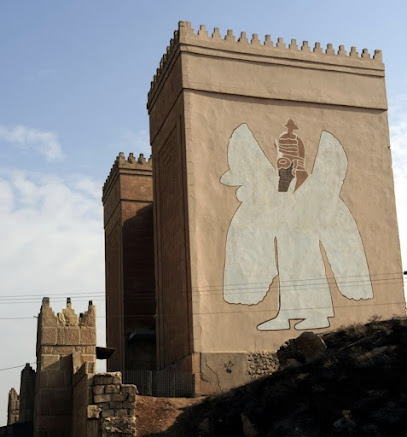
Sennacherib's Palace in Nineveh, now part of Mosul, Iraq, stands as a testament to the grandeur of the Assyrian Empire. Built by King Sennacherib in the 7th century BC, this 'Palace Without Rival' once boasted elaborate stone carvings and served as the empire's capital. Today, it offers a glimpse into the region's rich history, despite the damage it has sustained.
A brief summary to Sennacherib Palace Nineveh
- 9552+2V8, Mosul, The Left Coast, Nineveh Governorate, IQ
Local tips
- Visit early in the morning or late afternoon to avoid the heat and enjoy a more serene experience.
- Wear comfortable shoes, as exploring the site involves walking on uneven terrain.
- Consider hiring a local guide for deeper insights into the history of the palace.

Getting There
-
Taxi
From anywhere in Mosul, a taxi is the most direct way to reach Sennacherib's Palace. Taxis are readily available throughout the city. A short trip to the palace should cost approximately 3,000-5,000 IQD. Confirm the fare with the driver before starting your journey.
-
Public Transport
Local mini-buses and shared taxis operate in Mosul, but require some Arabic language skills to navigate. These can be found at central bus stops and offer an affordable way to reach the vicinity of the palace. Fares typically range from 500 to 1,000 IQD. From the drop-off point, a short walk or a brief taxi ride may be needed to reach the palace entrance.
Discover more about Sennacherib Palace Nineveh
Iconic landmarks you can’t miss

Sennacherib Palace Nineveh
0.0 km
Explore the ruins of Sennacherib's Palace in Nineveh, a window into the glorious and powerful Assyrian Empire, and a testament to ancient Mesopotamian history.
Sultan Palace Hotel
0.9 km
Experience comfort and convenience at Sultan Palace Hotel, your gateway to exploring the historic city of Mosul.
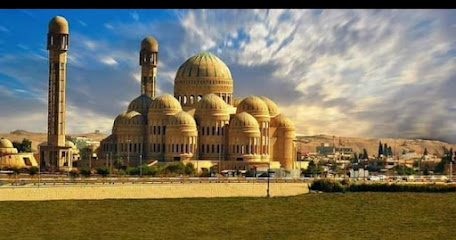
جامع المواصل الكبير (جامع صدام الكبيرسابق)
1.1 km
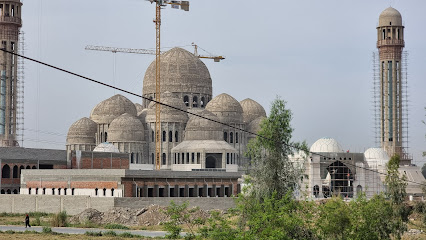
An uncompleted modern mosque on the Tigris River's east bank, showcasing Mosul's architectural ambition and cultural heritage.
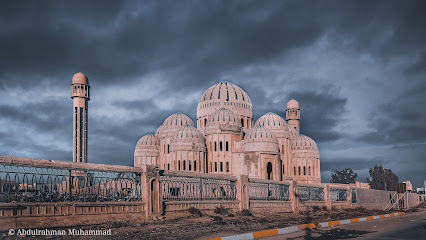
Tell al-Rimah
1.1 km
Explore Tell al-Rimah, an ancient Mesopotamian settlement mound with Babylonian and Assyrian ruins, located near Mosul, Iraq.
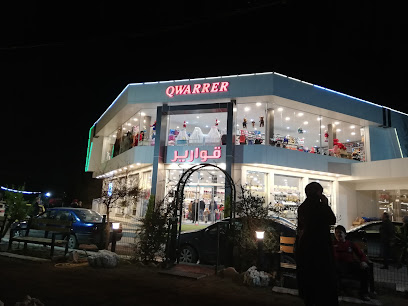
قوارير للتسوق المنزلي
1.4 km
Explore Qwarrer, Mosul's vibrant shopping mall offering a unique mix of local and international brands, dining options, and a lively cultural experience.
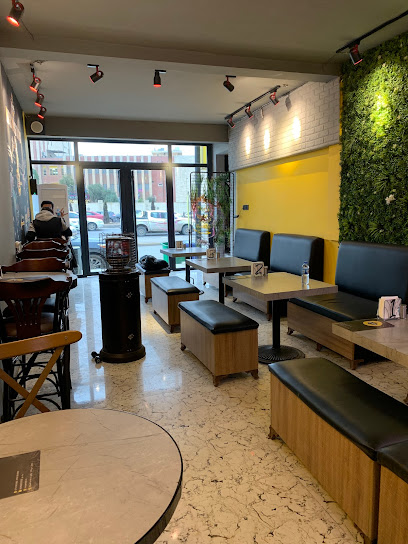
بركر دوز burger dose
1.9 km
Enjoy gourmet burgers and a vibrant atmosphere at بركر دوز Burger Dose in Mosul, a local favorite for delicious food and friendly service.
Mosul Space
1.9 km
Empowering Mosul's youth through innovation, technology, and entrepreneurship, fostering a vibrant private sector and community.
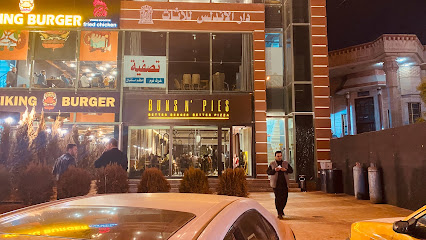
BUNS N' PIES better burger better pizza
2.0 km
Gourmet burgers and artisanal pizzas meet Middle Eastern flavors in a modern, family-friendly Mosul restaurant.
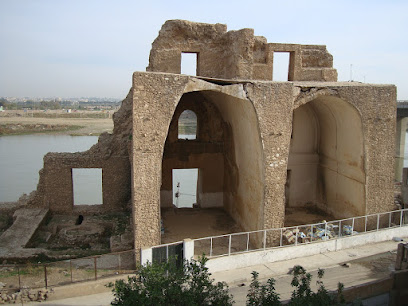
Qara Serai castle (The Black Palace)
2.4 km
Explore Qara Serai Castle in Mosul: A historical landmark with stunning architecture and a rich cultural heritage on the banks of the Tigris River.
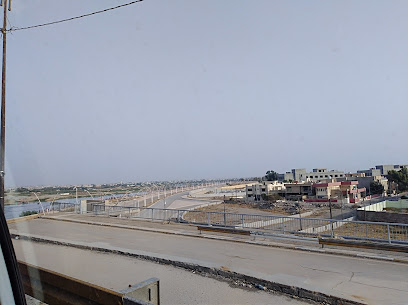
(4th Bridge)
2.8 km
A vital bridge in Mosul, reconnecting the city across the Tigris River, symbolizing resilience and recovery after years of conflict.
Al-Hadbaa Tower
2.8 km
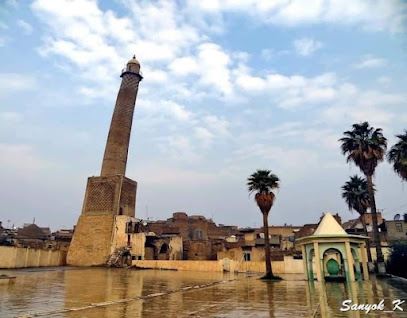
A historical landmark in Mosul, the Al-Hadbaa Tower, with its distinctive lean, symbolizes the city's rich heritage and resilience after conflict.
Al Noree Al Kaber Mosque
2.8 km
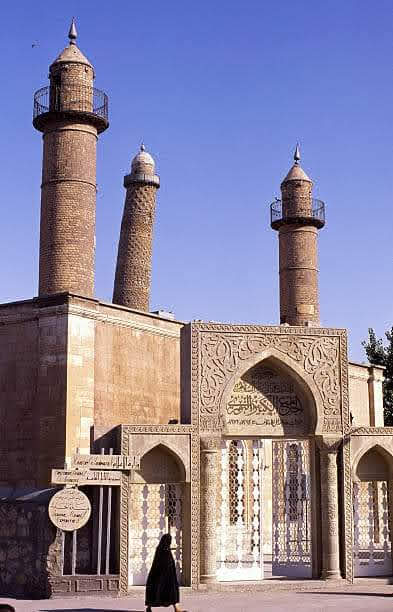
Discover the Al Noree Al Kaber Mosque in Mosul, a resilient symbol of history and hope rising from the ruins of war.
مؤسسة بيتنا للثقافة والتراث
2.9 km
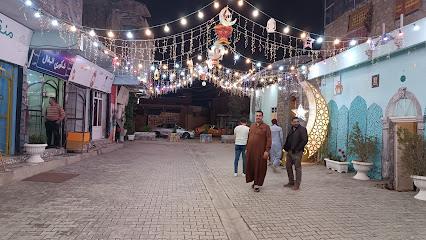
مؤسسة بيتنا للثقافة والتراث: استكشف فن وتراث الموصل في مكان واحد. معارض فنية، ورش عمل، أمسيات ثقافية وتراث محلي.
Our Lady of the Hour Church
2.9 km
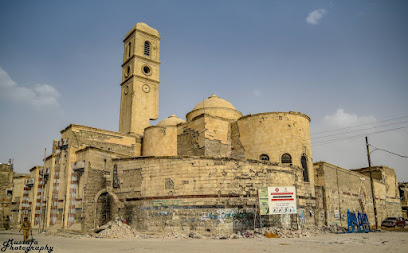
A historic Catholic church in Mosul, famed for its iconic clock tower and its role as a symbol of peace and resilience.
Mosul, Iraq
3.0 km
Discover Mosul: A historic city rising from the ashes, blending ancient heritage with a resilient spirit.
Unmissable attractions to see

موضع مَعْبَر آشوري مندثر
0.6 km
Unveil the ancient treasures of Muzeh Ma'ibra Ashuri Mandhar in Mosul, where history and culture converge for an unforgettable journey.

تل الورد بواسطة زيد البياتي
1.1 km
Discover the historical wonders of Tal Al-Ward in Nineveh, where ancient ruins meet stunning landscapes, offering a unique insight into Iraq's rich heritage.
غابات الموصل
1.1 km
Escape to nature in the heart of Mosul at غابات الموصل, a revitalizing green space on the banks of the Tigris River.
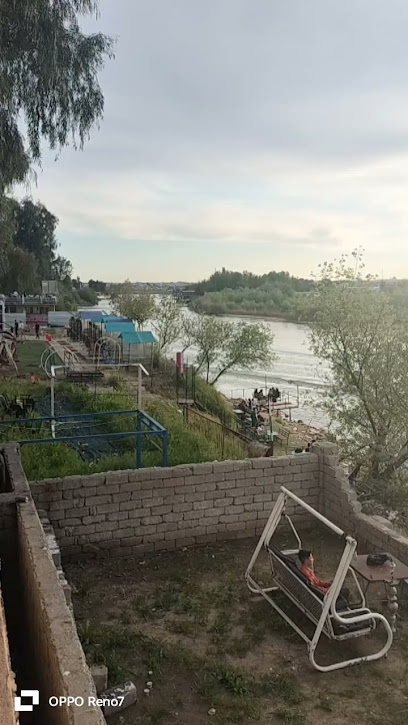
منطقة الكوازين
1.1 km
استكشف منطقة الكوازين في الموصل القديمة: مركز الفخار والتراث العريق، حيث يلتقي التاريخ بالحاضر.
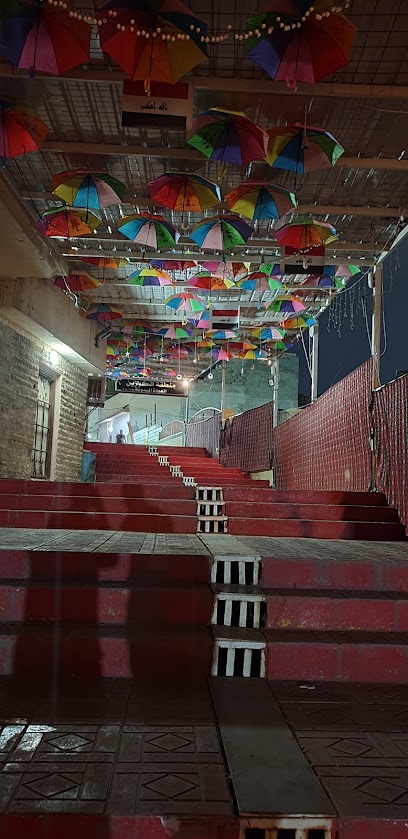
Nergal Gate - Nineveh
1.6 km
Explore the ruins of Nergal Gate in Mosul, a testament to the ancient Assyrian city of Nineveh and its rich history.
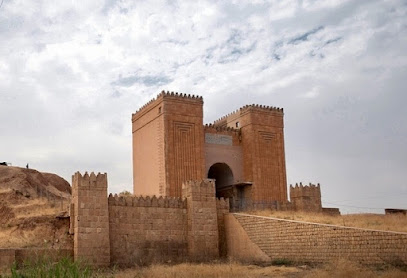
Mosul Amusement park
1.6 km
Experience thrilling rides and joyful moments at Mosul Amusement Park, a symbol of entertainment and resilience in the heart of Mosul.
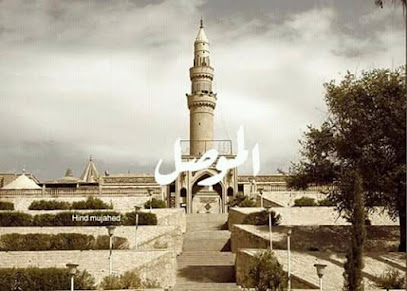
بحيرة مدينة الالعاب
1.6 km
Escape to Mosul's بحيرة مدينة الالعاب: Enjoy water activities and green spaces in a family-friendly park, a refreshing break in Nineveh Governorate.
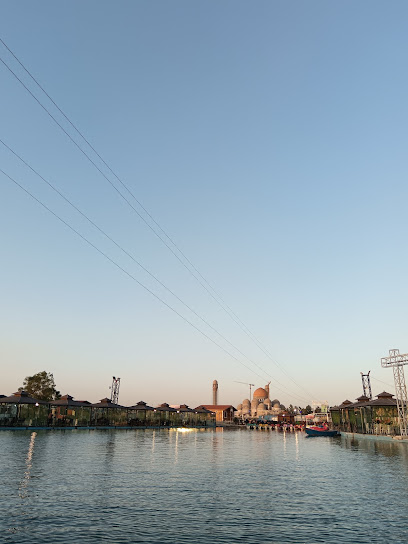
كورنيش الموصل الايمن Right Mosul Corniche
2.0 km
Escape to tranquility at Mosul's Right Corniche: a scenic riverside garden offering respite and beautiful views of the Tigris.
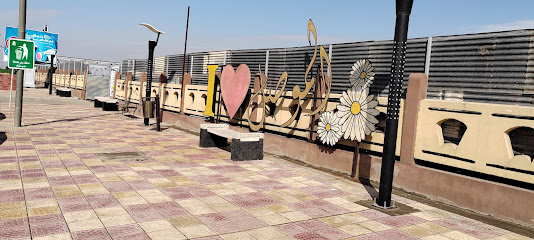
دورة راس الجسر
2.0 km
Experience the local atmosphere at دورة راس الجسر in Mosul, a popular spot offering a glimpse into the city's modern life and resilient spirit.
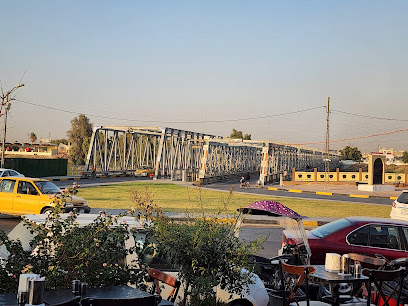
متنفس للعوائل
2.0 km
Experience the beauty and tranquility of المتنفس للعوائل, a family-oriented park in Mosul offering lush landscapes and serene spots for relaxation.
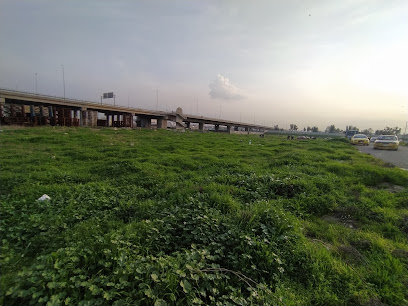
الواجهة النهرية للمدينة القديمة / كورنيش الحدباء
2.0 km
استكشف الواجهة النهرية للمدينة القديمة في الموصل، حيث التاريخ يلتقي بجمال الطبيعة على ضفاف نهر دجلة.
Al-Khuder Shrine
2.2 km
Explore Al-Khuder Shrine in Mosul, a historical and spiritual landmark reflecting the city's rich cultural heritage.
منصة الاحتفالات
2.2 km
Discover the tranquil beauty of Manzat al-Ihtifalat Park in Mosul, a perfect escape into nature amidst the vibrant culture of Iraq.
Park Al-muthana
2.3 km
Escape to Park Al-Muthana in Mosul: A green oasis offering tranquility, nature, and cultural experiences for all visitors.
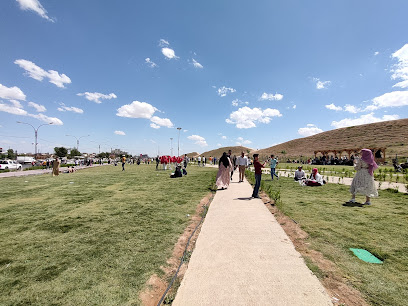
جدارية ساحة الصقور
2.4 km
Discover Mosul's vibrant history at the Falcon Square Mural, a captivating landmark in the heart of the city's historic Bab Al-Tob Square.
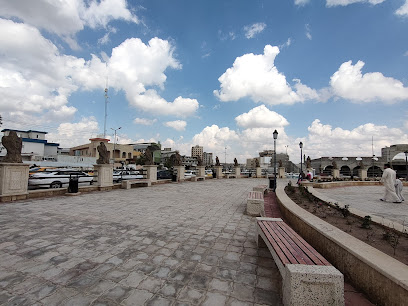
Essential places to dine

مطعم لفي - laffe restaurant
0.6 km
Discover exquisite flavors at Laffe Restaurant in Mosul - where tradition meets modern dining in an inviting atmosphere.
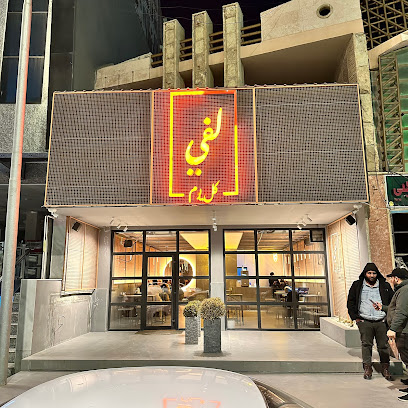
Lamassu Restaurant
0.7 km
Discover the essence of Middle Eastern cuisine at Lamassu Restaurant in Mosul - where tradition meets flavor in every bite.
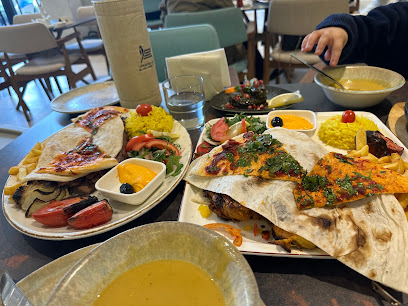
Rizzo for fast food
0.8 km
Savor mouthwatering chicken dishes at Rizzo in Mosul—where fast food meets local flavor.

فرع المطاعم والمقاهي
1.1 km
Experience authentic Iraqi cuisine at its finest in Mosul's renowned dining destination.
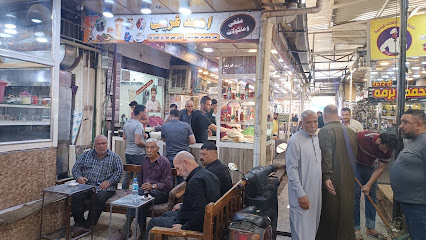
A restaurant and a coffee shop Return
1.1 km
Experience authentic flavors at Return Restaurant and Coffee Shop in Mosul – where tradition meets modernity in every bite.
Golder Grill
1.1 km
Experience authentic Mosuli cuisine at Golder Grill – where every dish tells a story.
منزل الحجي ابراهيم
1.1 km
Discover the rich flavors of Hunan cuisine at منزل الحجي ابراهيم in الشوره – a must-visit culinary gem for every traveler.
Restaurant Alnafora
1.1 km
Discover authentic Iraqi cuisine at Restaurant Alnafora in Mosul - a culinary gem offering delicious traditional dishes in a vibrant setting.
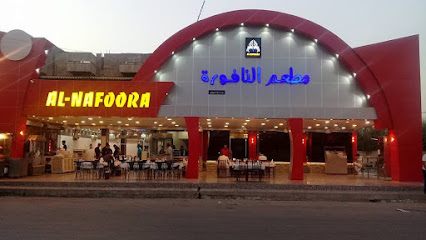
مطعم مشويات فضل الرحمن
1.1 km
Savor authentic Iraqi grilled cuisine at مطعم مشويات فضل الرحمن in Mosul - where every bite tells a story.
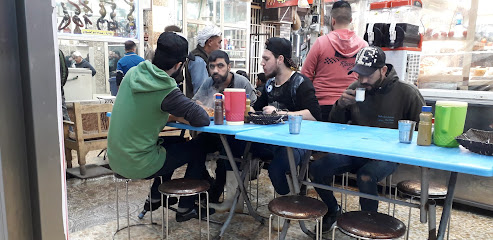
مطعم التحرير - Altahreer restaurant
1.4 km
Experience authentic Iraqi cuisine at Altahreer Restaurant in Mosul – where tradition meets taste in every dish.
مطعم السور _alsoor restaurant
1.5 km
Experience authentic Iraqi flavors at مطعم السور (Alsoor Restaurant) in Mosul - where tradition meets culinary excellence.
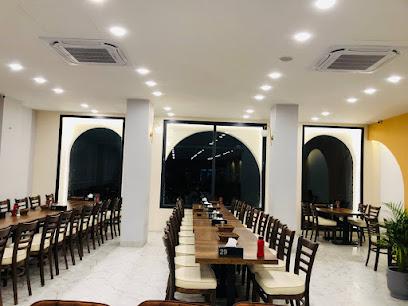
مشويات الاسماك
1.5 km
Experience authentic Iraqi seafood at مشويات الاسماك in Mosul, where fresh flavors and warm hospitality meet.
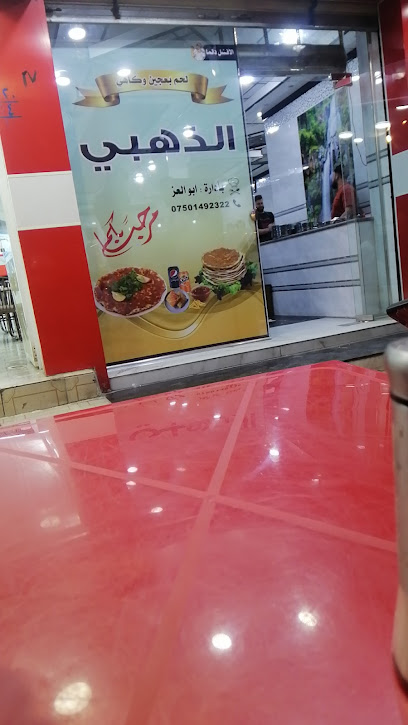
لحم بعجين الذهبي
1.7 km
Discover the unique taste of Middle Eastern pizza at لحم بعجين الذهبي in Mosul - where tradition meets flavor!
شيف كص
1.7 km
Experience authentic Middle Eastern flavors at شيف كص, Mosul's premier shawarma restaurant known for its deliciously prepared dishes.
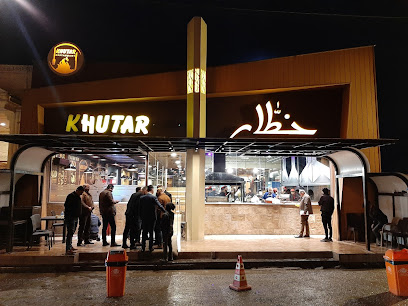
Khattar Restaurant
1.9 km
Discover authentic Iraqi flavors at Khattar Restaurant in Mosul – where every dish tells a story.
Markets, malls and hidden boutiques

زيد لوازم
0.8 km
Explore Zaid Lwazem in Mosul for a blend of traditional and modern women's fashion in a vibrant local shopping experience.
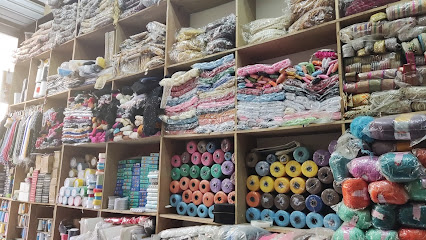
بيت العطر
0.8 km
Discover the essence of Mosul through unique gifts and handcrafted treasures at بيت العطر, a charming gift shop filled with local artistry.
سوق البالة
1.0 km
Discover the vibrant Souk Al-Bala in Mosul, where local fashion and cultural experiences await every traveler.
Antika maker
1.1 km
Explore Antika Maker in Mosul: your go-to gift shop for unique souvenirs reflecting the rich culture and craftsmanship of the region.
الاندلس
1.1 km
Explore Al-Andalus in Mosul: Where traditional craftsmanship meets modern fashion in a vibrant clothing store.
ماركة الجوال
1.1 km
Discover the convenience of ماركة الجوال in Mosul, your essential stop for snacks, drinks, and local specialties during your travels.
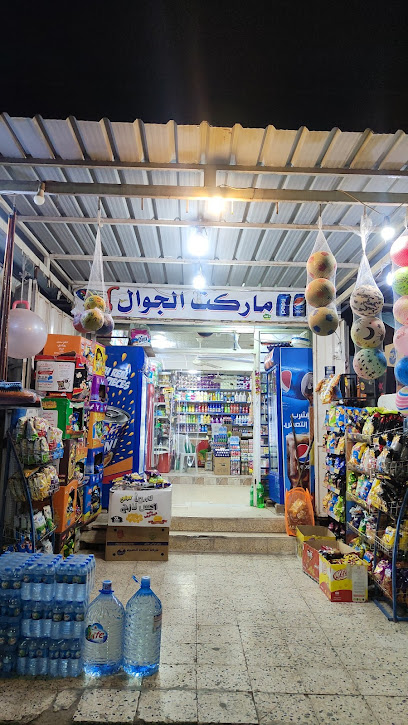
ماجد العبيدي
1.1 km
Explore ماجد العبيدي for a unique shopping experience in نهروان, where traditional craftsmanship meets modern fashion in a vibrant setting.
سدره ماركت
1.1 km
Explore Sidr Market in Mosul for unique home goods reflecting the rich cultural heritage of the region, perfect for souvenirs or gifts.
كماليات بنت الاكابر
1.1 km
Explore Kamaliyat Bint Al-Akaber, a charming boutique in Mosul offering exquisite local crafts and unique souvenirs reflecting Iraqi culture.
محل مفروشات جهاز العروسه
1.1 km
Explore the heart of Mosul's wedding culture at محل مفروشات جهاز العروسه, a store filled with exquisite bridal furnishings and local traditions.
معرض الاقصى
1.1 km
Explore the vibrant store of معرض الاقصى in Mosul for unique local crafts and cultural souvenirs that embody the spirit of Nineveh.
مكتبة الثقافة
1.1 km
Discover unique gifts and local crafts at مكتبة الثقافة, a charming gift shop in the heart of Mosul, celebrating the rich culture of Nineveh.
اسواق احمد
1.1 km
Discover اسواق احمد, the leading auto parts store in Mosul, offering a wide variety of automotive components and expert assistance for all your vehicle needs.
راشي سما نينوى
1.1 km
Experience the unique blend of tradition and modernity at راشي سما نينوى - a must-visit store in the heart of Mosul.
اسواق حامد ابار
1.1 km
Discover the vibrant culinary culture of Mosul at اسواق حامد ابار, where fresh ingredients and local flavors await.
Essential bars & hidden hideouts

مطعم ومشرب شهرزاد
0.9 km
Experience the vibrant nightlife at Chahrazad Restaurant and Bar in Mosul, where delicious food meets a lively atmosphere.
قاعه صالح
1.1 km
Experience the vibrant nightlife of Mosul at قاعه صالح, a lively bar offering a diverse selection of drinks and a taste of local culture.
عطاريه ابو يوسف
1.1 km
Discover the charm of Mosul at عطاريه ابو يوسف, a bar offering a blend of local culture, warm hospitality, and refreshing drinks.
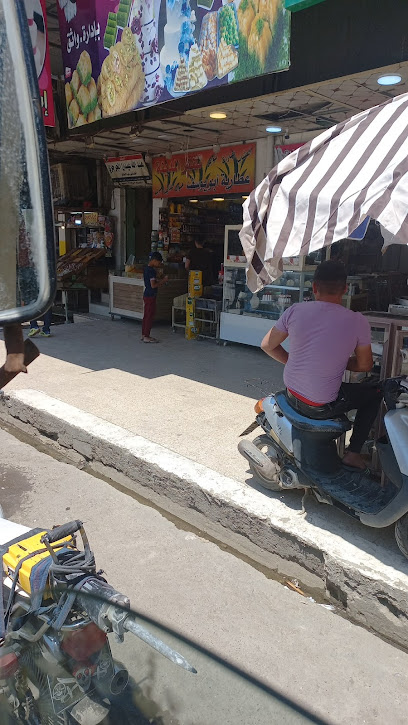
مقبلات فراس سريشكي
1.8 km
Explore the vibrant flavors of Iraq at Maqablat Firas Sreshki, a bar in Mosul offering delicious appetizers and a lively atmosphere.
كفتريا كلاسكو
2.7 km
Experience the vibrant nightlife at كفتريا كلاسكو in Mosul, where tradition meets modernity for an unforgettable evening.
عرب جول
3.5 km
Experience the lively ambiance and local flavors at عرب جول, a must-visit pub in the heart of Mosul, perfect for unwinding after a day of exploration.
مخزن الكوخ
3.6 km
Experience the vibrant atmosphere and local culture at مخزن الكوخ, Mosul's hidden gem for relaxation and socializing.
دورة غابات الموصل
3.9 km
Discover the vibrant atmosphere and local flavors at دورة غابات الموصل, a unique bar in the heart of Mosul.
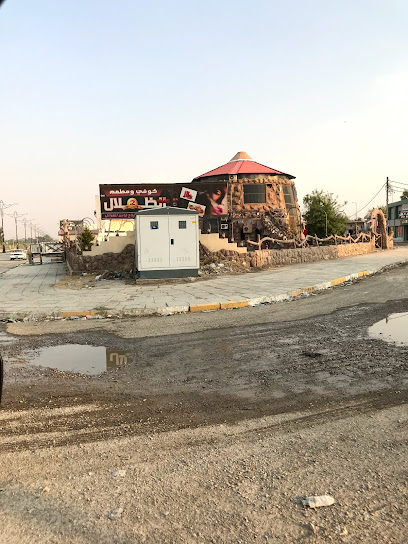
مرطبات ابو عبدالله
4.4 km
Discover the refreshing ambiance and local flavors at مرطبات ابو عبدالله, the perfect bar to unwind in Mosul.
عبدالله الخزرجي
4.5 km
Experience the vibrant nightlife of Mosul at Abdullah Al-Khazraji Bar, a perfect blend of local traditions and modern relaxation.
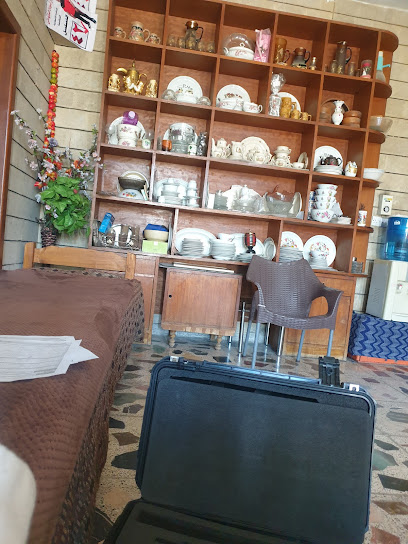
ياسر الفيتر
4.6 km
Discover the lively atmosphere and rich cultural experience at ياسر الفيتر, Mosul's vibrant bar perfect for relaxation and entertainment.
شربت زبيب الحاج علي
4.6 km
Discover the vibrant atmosphere and unique cocktails at شربت زبيب الحاج علي in Mosul, where tradition meets innovation.
سجاد للاراكيل
5.5 km
Experience the vibrant atmosphere and rich flavors at Sajjad Al-Arakil, a beloved bar in the heart of Mosul, perfect for relaxation and socializing.
محمود النافولي
6.3 km
Discover the lively ambiance of Mahmoud Al-Nafouli Bar in Mosul, where culture meets a vibrant nightlife experience.
يوسف
6.5 km
Unwind at يوسف, a lively bar in Mosul where local culture meets modern nightlife in a vibrant atmosphere.
Nightclubs & after hour spots

اوس الكلاوجي
1.1 km
Discover the electrifying nightlife at اوس الكلاوجي, Mosul's top destination for music, dance, and cultural experiences.
ديار ابو الساهي
1.1 km
Discover the electric ambiance of ديار ابو الساهي, a premier night club in Mosul, where unforgettable nights and vibrant social scenes await.
قاعة اوبرة للاعراس والمناسبات
2.3 km
Enjoy a vibrant nightlife experience at قاعة اوبرة للاعراس والمناسبات, Mosul's premier night club offering music, dance, and unforgettable celebrations.
حلاقة الشارقة
2.6 km
Dive into Mosul's vibrant nightlife at حلاقة الشارقة, where music, dance, and culture come alive in a captivating atmosphere.
حسيب بسام للغذائيه
3.4 km
Discover the vibrant nightlife at حسيب بسام للغذائيه in Mosul, where great food and electrifying music create unforgettable experiences.
زينب عبدالعزيز
4.3 km
Discover the electrifying nightlife at Zainab Abdulaziz, where music and dance create an unforgettable experience in Mosul.
دورة هدو اليسي
5.0 km
Dive into the vibrant nightlife of Mosul at دورة هدو اليسي, where music, dance, and culture come alive in an unforgettable club experience.
قاعة كرستال
6.5 km
Discover the pulse of Mosul's nightlife at قاعة كرستال, a vibrant night club that promises unforgettable experiences and cultural connections.
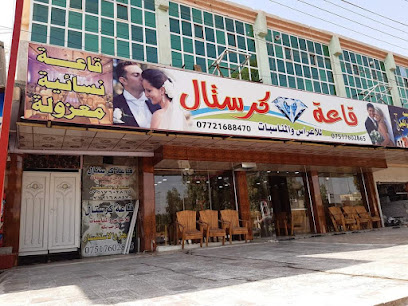
صالة التحدي خلف نوفل
8.3 km
Explore vibrant nightlife at صالة التحدي in Mosul, where local culture meets energetic music and unforgettable experiences.
نادي الادباء
56.6 km
Experience vibrant nightlife at نادي الادباء, Duhok's premier bar offering a lively atmosphere and diverse drink selections.
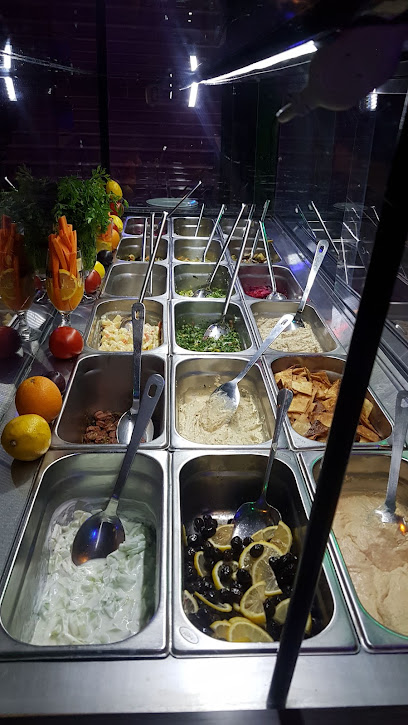
گلانفدیش بار
57.9 km
Discover the lively spirit of Duhok at گلانفدیش بار, where local culture meets an energetic nightlife scene.
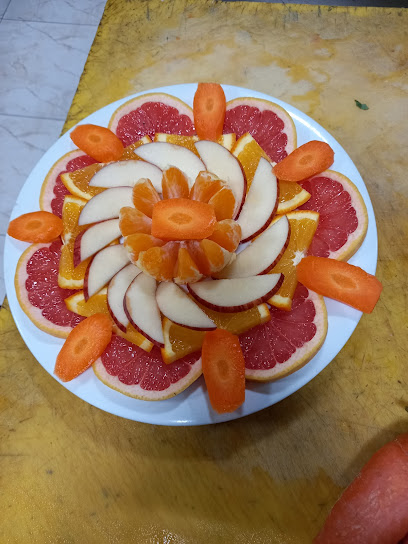
Duhok Construction Contractors Club
58.1 km
Discover the vibrant nightlife at Duhok Construction Contractors Club, a welcoming bar offering a perfect blend of local charm and lively entertainment.
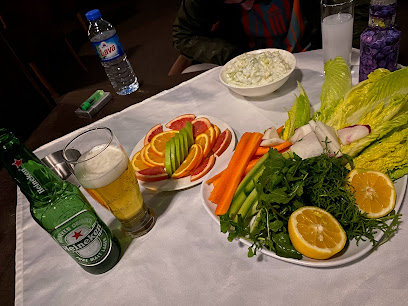
قاعة القلعة الملكية
58.2 km
Discover the electrifying nightlife at قاعة القلعة الملكية in Duhok, where music, dance, and local culture intertwine for an unforgettable experience.
Lamassu Club
58.6 km
Discover Lamassu Club in Duhok: A vibrant bar offering music, dance, and an unforgettable nightlife experience in the heart of the city.
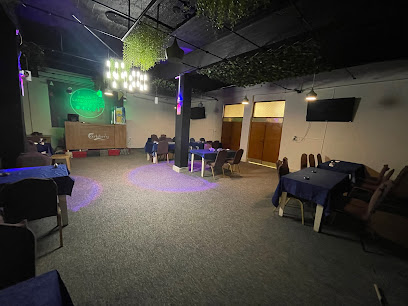
Cıwankariya OKAYDuhok
58.9 km
Experience the charm of Duhok at Cıwankariya OKAY, a lounge where comfort meets local flavors in a serene setting.