

Kurdistan Region, Iraq Travel Guide
Discover the captivating blend of ancient history, stunning landscapes, and warm hospitality in the Kurdistan Region of Iraq, a hidden gem in the heart of Mesopotamia.
Nestled in the heart of Mesopotamia, the Kurdistan Region in Iraq offers a captivating blend of ancient history and natural beauty. This semi-autonomous region is known for its rich cultural heritage, stunning landscapes, and warm hospitality. From the bustling cities of Erbil and Sulaymaniyah to the serene mountains and valleys, Kurdistan is a treasure trove waiting to be explored. Erbil, the capital of Kurdistan, boasts a history that dates back to 6000 BC. The Erbil Citadel, a UNESCO World Heritage site, is one of the oldest continuously inhabited cities in the world. Wander through its ancient alleyways and experience the vibrant markets, where you can find traditional Kurdish crafts and delicious local cuisine. Sulaymaniyah, often referred to as the cultural capital, is home to the renowned Slemani Museum and a thriving arts scene. The region's natural beauty is equally enchanting. The Zagros Mountains offer breathtaking views and are perfect for hiking and adventure. The Dukan and Darbandikhan lakes provide a serene escape for boating and picnicking. In spring, the landscape comes alive with colorful wildflowers, making it an ideal time for nature lovers to visit. Whether you're a history buff, an adventure seeker, or someone looking to relax and unwind, the Kurdistan Region in Iraq has something to offer everyone.

Know before you go
Hi, I'm Eve. Here are a few practical things to know before exploring Kurdistan Region.
- Check local travel advisories before you go, as the region can be politically sensitive.
- Learn a few basic Kurdish phrases; the locals appreciate the effort and it can enhance your experience.
- Dress modestly out of respect for local customs, especially when visiting religious or rural areas.
- Visit in spring or autumn for the best weather and to enjoy the region's natural beauty in full bloom.
- Hire a local guide for trekking in the Zagros Mountains to ensure safety and to get the most out of your adventure.
- Try the local cuisine, especially dishes like dolma, kebab, and biryani, at local restaurants for an authentic experience.
Destinations in Kurdistan Region
Resorts, valleys and scenic spots worth a trip of their own.

Explore Kurdistan Region: Things to Do, Places to Eat, Hotels & More
Handpicked recommendations for top attractions, local dining, accommodations, and more

Top Attractions & Sightseeing in Kurdistan Region
Top-rated picks
Best Attractions

Samî Abdulrahman Park
Escape to Erbil's largest park: a green oasis with walking trails, lakes, sports, and family fun. Open daily, free entry!

Bekhal Waterfalls
Experience the refreshing beauty of Bekhal Waterfalls in Iraqi Kurdistan: cascading waters, lush landscapes, and a tranquil escape into nature's embrace.

Chavi Land
Experience thrilling rides and family fun at Chavi Land, Sulaymaniyah's top amusement park, offering a vibrant escape for all ages.
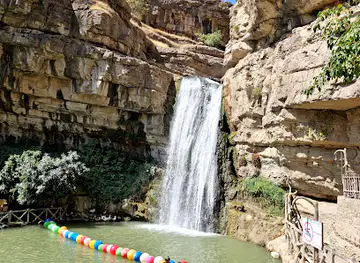
Geli Ali Bag Waterfall
Experience the majestic Geli Ali Bag Waterfall in Iraqi Kurdistan: a natural wonder with stunning views and rich history.

Best landmarks in Kurdistan Region
Top-rated picks
Best Landmarks

Erbil Citadel
Explore the Erbil Citadel, a UNESCO World Heritage Site and one of the world's oldest continuously inhabited settlements, in the heart of Erbil.

Bekhal Waterfalls
Experience the beauty of Kurdistan at Bekhal Waterfalls: cascading waters, scenic views, and local flavors await!

Azadî Park
Escape to Sulaymaniyah's Azadî Park: A green sanctuary with cultural richness and a poignant history, offering a peaceful retreat.

Dalal Bridge
Discover the ancient Dalal Bridge in Zakho, a picturesque landmark with stunning views and a rich history dating back to Roman times.

Best restaurants in Kurdistan Region
Top-rated picks
Best Restaurants

ABC Restaurant Erbil
Experience diverse flavors at ABC Restaurant Erbil – where American, Asian, and Middle Eastern cuisines come together in a vibrant atmosphere.

De Fermo Restaurant
Experience authentic Turkish flavors at De Fermo Restaurant in Erbil - where tradition meets taste in every dish.

Top Organic
Discover the flavors of Iraq at Top Organic in Erbil - where fresh ingredients meet authentic culinary traditions.

Samad Restaurant
Experience the rich flavors of Iraq at Samad Restaurant in Erbil – where tradition meets taste in every dish.

Best bars in Kurdistan Region
Top-rated picks
Best Bars

The Grill
Experience the best of Erbil's culinary scene at The Grill, where exquisite flavors and vibrant atmosphere meet.

German Bar
Discover authentic German cuisine and vibrant nightlife at the German Bar in Erbil, a must-visit destination for food and drink lovers.

نادي معلمين العائلي
Discover the heart of Erbil's culinary scene at نادي معلمين العائلي, a family-friendly restaurant serving delicious local and international dishes.

The Vinery Wine Bar
Discover The Vinery Wine Bar: A Culinary Delight in Erbil, Offering Exceptional Wines and Exquisite Local Dishes.

Best nightclubs in Kurdistan Region
Top-rated picks
Best Nightclubs

HERA Club
Experience the vibrant nightlife at HERA Club in Erbil, where music, dancing, and unforgettable memories come alive.

Inferno Erbil
Experience the dynamic nightlife of Erbil at Inferno Erbil, where every night is a celebration filled with music, dancing, and unforgettable memories.

LOTUS NIGHT CLUB
Discover the pulse of Erbil's nightlife at Lotus Night Club, where music and dance create unforgettable memories.

Teachers' Club
Dive into the exhilarating nightlife of Erbil at Teachers' Club, where music, dancing, and unforgettable experiences await you.

Best shops in Kurdistan Region
Top-rated picks
Best Shops

Family Mall Erbil
Discover the ultimate shopping and entertainment experience at Family Mall Erbil, where fashion, food, and fun await you!

Majidi Mall Erbil
Discover an extraordinary shopping experience at Majidi Mall in Erbil, featuring luxury brands, diverse dining, and entertainment options.

Majidi Mall Sulaimaniyah
Discover the vibrant Majidi Mall in Sulaymaniyah - your ultimate shopping destination with diverse stores, dining, and entertainment options.

Family Mall
Explore the dynamic Family Mall in Sulaymaniyah - a shopping and entertainment haven with diverse brands and delicious dining options.

Explore Kurdistan Region on the Map
A handpicked selection of must-see spots in Kurdistan Region, mapped for you.
Kurdistan Region Essentials
-
The Kurdistan Region in Iraq is accessible via its two international airports: Erbil International Airport (EBL) and Sulaimaniyah International Airport (ISU). Both airports receive flights from major cities in the Middle East, Europe, and Asia. Overland travel is also an option, with border crossings from Turkey, Iran, and Syria, though it is essential to check the latest travel advisories and visa requirements.
-
Within the Kurdistan Region, taxis are a popular mode of transportation and are relatively inexpensive. Ride-hailing apps like Careem are also available in larger cities like Erbil and Sulaimaniyah. For intercity travel, buses and shared taxis operate regularly. Renting a car can be a convenient option for exploring remote areas, but be aware that road conditions can vary.
-
The official currency is the Iraqi Dinar (IQD). Credit cards are accepted in most hotels, larger restaurants, and shopping malls, but it's advisable to carry cash for transactions in smaller establishments or rural areas. ATMs are available in major cities, but ensure you have enough cash if traveling to remote regions.
-
The Kurdistan Region is generally considered safer than other parts of Iraq. However, standard precautions should still be taken. Avoid traveling to border areas near Syria and Iran, as these can be volatile. Stay updated on local news and follow travel advisories. Petty crime such as pickpocketing can occur, particularly in crowded markets, so remain vigilant.
-
In case of emergency, dial 122 for police, 123 for an ambulance, and 115 for the fire department. Major cities have hospitals and clinics with English-speaking staff. It's recommended to have travel insurance that covers medical emergencies. For minor health issues, pharmacies are widely available.
-
Fashion: Do dress modestly; women should avoid wearing revealing clothing. Men should avoid wearing shorts in public. Religion: Do respect Islamic customs, especially during Ramadan. Don't openly eat, drink, or smoke in public during daylight hours in this period. Public Transport: Do be respectful and give up your seat to elderly passengers. Don't argue with drivers over fares; agree on a price beforehand. Greetings: Do greet people with a handshake. Men should wait for women to extend their hand first. Eating & Drinking: Do try local cuisines and accept food offerings graciously. Don't refuse hospitality, as it is considered impolite.
-
To experience Kurdistan like a local, visit the bustling markets (souks) in Erbil and Sulaimaniyah. Engage with locals, who are often hospitable and eager to share their culture. Don't miss out on traditional Kurdish tea houses, where you can enjoy local tea and sweets. Explore the ancient citadel of Erbil, a UNESCO World Heritage Site, and take a trek in the stunning mountainous regions like Rawanduz and the Choman district.
When is the best time to visit Kurdistan Region?
Useful Local Phrases for Kurdistan Region
You don't need to speak the language perfectly. Even learning a few simple words can make conversations warmer—and locals usually appreciate the effort.
— Eve

Here are the phrases I use most often in Kurdistan Region. Try a few—you'll be surprised how far they go! 😊
❤️
-
- Helloسڵاو
[Slaaw] - Goodbyeبەخێربێی
[Bakhêr bî] - Yesبەڵێ
[Balê] - Noنەخێر
[Nakhêr] - Please/You're welcomeتکایە/بەخێربێی
[Takayê/Bakhêr bî] - Thank youسوپاس
[Supas] - Excuse me/Sorryببخێرهوە
[Bibkherawa] - How are you?چۆنی؟
[Çûnî?] - Fine. And you?باشم. تۆ چۆنی؟
[Bashm. Tô çûnî?] - Do you speak English?ئایا تۆ ئینگلیزی قسە دەکەیت؟
[Aya tô Înglîzî qise dakat?] - I don't understandنەفهمم
[Nafhamm]
- Helloسڵاو
-
- I'd like to see the menu, pleaseتکایە منداڵەکە ببینم
[Takayê mandalekê bibînim] - I don't eat meatمن گوشتی نەنێم
[Min goştî nanêm] - Cheers!پیشاوی
[Pîshawî] - I would like to pay, pleaseتکایە دەمەزرێنم
[Takayê damazrênim]
- I'd like to see the menu, pleaseتکایە منداڵەکە ببینم
-
- Help!یارمەتیم!
[Yarmetîm!] - Go away!بەدور بەرە!
[Bedor berê!] - Call the Police!تلیفون بکە بۆ پۆلیس!
[Telîfon bka bo polis!] - Call a doctor!تلیفون بکە بۆ دکتور!
[Telîfon bka bo doktor!] - I'm lostمن لەوەی کەم
[Min lawey kêm] - I'm illمن نەخوشم
[Min nakhushm]
- Help!یارمەتیم!
-
- I'd like to buy...دەمەوێت بخرم...
[Damêwêt bıkhrem...] - I'm just lookingتەنها دەمەبینم
[Tanha damabînim] - How much is it?چەنە؟
[Çenê?] - That's too expensiveئەمە زۆر باهە
[Emê zor bahê] - Can you lower the price?دەتوانیت بەرزەکی کەم بکەیت؟
[Detwanît barzêkî kêm bkayt?]
- I'd like to buy...دەمەوێت بخرم...
-
- What time is it?کەیە؟
[Kêye?] - It's one o'clockسەعاتی یەکە
[Sa'ati yekê] - Half past (10)نیمەی (10)
[Nîmê (10)] - Morningبەیانی
[Beyânî] - Afternoonپیشەوە
[Pîşawê] - Eveningئیشکراو
[Îshkrâw] - Yesterdayدوو رۆژ پێش
[Du roj pêş] - Todayئەمڕۆ
[Emrô] - Tomorrowسبەی
[Sebê] - 1یک
[Yek] - 2دوو
[Du] - 3سێ
[Sê] - 4چوار
[Chwar] - 5پێنج
[Pênj] - 6شەش
[Shêsh] - 7هەفت
[Haft] - 8هەشت
[Hêşht] - 9نۆ
[Nô] - 10دە
[Dê]
- What time is it?کەیە؟
-
- Where's a/the...?کەیە ...؟
[Kêye ...?] - What's the address?ناونیشانی چیه؟
[Nawnîşanî çiyê?] - Can you show me (on the map)?دەتوانیت بەرزەکی بەرز بکەیت؟
[Detwanît barzêkî barz bkayt?] - When's the next (bus)?کەیە بەرزەکی داهاتوو؟
[Kêye barzêkî dahatû?] - A ticket (to ....)تیکەتی (بۆ ...)
[Tiketî (bo ...)]
- Where's a/the...?کەیە ...؟
History of Kurdistan Region
-
The Kurdistan Region in Iraq is part of the ancient Mesopotamian civilization, often referred to as the cradle of civilization. The region has been inhabited since the Neolithic period, with evidence of early human settlements such as those at Shanidar Cave. Here, archaeologists discovered the remains of Neanderthals, providing insight into early human life and burial practices.
-
The ancient kingdom of Corduene, which existed around 200 BC to 400 AD, is considered one of the earliest Kurdish states. Located in the region that now encompasses parts of modern Kurdistan, Corduene was an important ally of the Roman Empire and played a significant role in regional politics.
-
With the advent of Islam in the 7th century, the Kurdistan region came under the control of the Rashidun Caliphate, and later the Umayyad and Abbasid Caliphates. During the Abbasid era, the region saw significant cultural and scientific advancements, with cities like Erbil becoming notable centers of learning and commerce.
-
The 12th century marked the rise of the Ayyubid Dynasty, founded by the Kurdish military leader Salahaddin (Saladin). Renowned for his role in the Crusades and his chivalrous conduct, Salahaddin's legacy is a source of pride in the region. His efforts to unify the Muslim world and reclaim Jerusalem from the Crusaders are well remembered.
-
From the 16th to the early 20th century, the Kurdistan Region was a battleground between the Ottoman Empire and the Safavid Empire of Persia. This period was marked by numerous conflicts and shifting control, which significantly influenced the region's demography and cultural landscape.
-
In the 20th century, Kurdish aspirations for independence led to numerous uprisings and the establishment of short-lived autonomous entities. One notable example is the Republic of Mahabad, declared in 1946 in Iranian Kurdistan. Though the republic was short-lived, it had a lasting impact on Kurdish nationalist movements across the region.
-
During the late 1980s, the Kurdistan Region suffered immensely under Saddam Hussein's regime, particularly during the Anfal Campaign. This genocidal campaign led to the destruction of thousands of Kurdish villages and the massacre of tens of thousands of Kurds. The Anfal Campaign remains a dark chapter in the region's history, with lasting scars on its people.
-
Following the Gulf War in 1991 and the subsequent establishment of a no-fly zone by the United States and its allies, the Kurdistan Region gained a degree of autonomy. In 1992, the Kurdistan Regional Government (KRG) was established, providing the region with self-governance and a framework for political and economic development.
-
In recent decades, the Kurdistan Region has experienced a cultural renaissance and significant development. Cities like Erbil, Sulaymaniyah, and Duhok have become vibrant centers of culture, education, and commerce. The region's rich heritage is celebrated through festivals, museums, and the preservation of historical sites, attracting tourists from around the world.
Neighbouring Regions of Kurdistan Region
The closest regions to Kurdistan Region, if you have time for more than one.


Your all‑in‑one travel companion app
Explore expert travel guides, compare and book tours, experiences, hotels, and more—all from the palm of your hand. Download now for seamless trip planning wherever your wanderlust takes you.


Explore More of Iraq

Looking beyond Kurdistan Region? Discover Iraq for broader travel guides, local hot-spots, and regional highlights.
Explore IraqKurdistan Region in Photos
Browse through our photo collection highlighting the charm and character of the destination.


The Hidden Gem of Mesopotamia: Kurdistan Region in Iraq
Nestled in the heart of Mesopotamia, the Kurdistan Region in Iraq offers a captivating blend of ancient history and natural beauty. This semi-autonomous region is known for its rich cultural heritage, stunning landscapes, and warm hospitality. From the bustling cities of Erbil and Sulaymaniyah to the serene mountains and valleys, Kurdistan is a treasure trove waiting to be explored. Erbil, the capital of Kurdistan, boasts a history that dates back to 6000 BC. The Erbil Citadel, a UNESCO World Heritage site, is one of the oldest continuously inhabited cities in the world. Wander through its ancient alleyways and experience the vibrant markets, where you can find traditional Kurdish crafts and delicious local cuisine. Sulaymaniyah, often referred to as the cultural capital, is home to the renowned Slemani Museum and a thriving arts scene. The region's natural beauty is equally enchanting. The Zagros Mountains offer breathtaking views and are perfect for hiking and adventure. The Dukan and Darbandikhan lakes provide a serene escape for boating and picnicking. In spring, the landscape comes alive with colorful wildflowers, making it an ideal time for nature lovers to visit. Whether you're a history buff, an adventure seeker, or someone looking to relax and unwind, the Kurdistan Region in Iraq has something to offer everyone.