

Nineveh Plains, Iraq Travel Guide
Explore the ancient ruins and rich cultural heritage of the Nineveh Plains in Iraq, a region steeped in history and natural beauty.
The Nineveh Plains, located in northern Iraq, are a treasure trove of history and culture. This region is known for its ancient Assyrian heritage, with ruins and archaeological sites that date back thousands of years. Visitors can explore the remnants of ancient cities, temples, and palaces that once stood as the heart of one of the world's most powerful empires. The landscape of the Nineveh Plains is as captivating as its history. Rolling hills, fertile fields, and picturesque villages create a serene and beautiful backdrop for your travels. This area is also home to a diverse mix of communities, including Assyrians, Kurds, and Arabs, each contributing to the rich cultural tapestry of the region. While visiting the Nineveh Plains, you can immerse yourself in the local traditions and customs. The hospitality of the people is legendary, and you will have the opportunity to sample traditional cuisine, attend local festivals, and learn about the unique crafts and arts that have been passed down through generations. Whether you are a history buff, a nature lover, or simply seeking an off-the-beaten-path adventure, the Nineveh Plains offer a truly unforgettable experience.

Know before you go
Hi, I'm Eve. Here are a few practical things to know before exploring Nineveh Plains.
- Visit during spring and autumn for the best weather and to avoid the extreme heat of summer.
- Hire a local guide to gain deeper insights into the history and significance of the archaeological sites.
- Respect local customs and dress modestly, especially when visiting villages and religious sites.
- Try local dishes such as kibbeh and dolma to get a taste of traditional Assyrian cuisine.
- Stay updated on travel advisories and ensure your travel plans are safe and secure.
Top City Travel Guides in Nineveh Plains
The cities of Nineveh Plains, and the easiest places to base yourself.


Destinations in Nineveh Plains
Resorts, valleys and scenic spots worth a trip of their own.


Explore Nineveh Plains: Things to Do, Places to Eat, Hotels & More
Handpicked recommendations for top attractions, local dining, accommodations, and more

Top Attractions & Sightseeing in Nineveh Plains


Best landmarks in Nineveh Plains
Top-rated picks
Best Landmarks
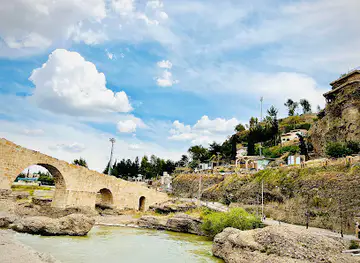
Dalal Bridge
Explore the ancient Dalal Bridge in Zakho, a historic stone marvel with stunning views and rich cultural significance. A must-see landmark in Iraqi Kurdistan.

Zawa Park
Escape to nature in Zawa Park, Duhok: a serene state park with green spaces, walking trails, and cultural experiences for all.

Mar Mattai Monastery
Discover Mar Mattai Monastery: An ancient Syriac Orthodox sanctuary atop Mount Maqlub, offering history, spirituality, and breathtaking views of Nineveh.

گەلی شێران - ئاڤا شین
Escape to the mountains at Geli Sheran - Ava Shin, a tranquil resort in Duhok Governorate offering scenic beauty and relaxation.

Best restaurants in Nineveh Plains
Top-rated picks
Best Restaurants

Mahabba Restaurant
Discover the rich flavors of Iraqi cuisine at Mahabba Restaurant in Telskuf - an affordable gem for every traveler.

Kazeno kursistan
Discover Kazeno Kurdistan: A premier offal barbecue restaurant in Beristek serving authentic Kurdish flavors and unforgettable culinary experiences.

Marco Restaurant
Experience authentic local cuisine at Marco Restaurant in Bakhdida, where every dish tells a story of tradition and flavor.

Al Qethara Hall & restaurant مطعم وقاعة القيثارة
Discover authentic Iraqi cuisine at Al Qethara Hall & Restaurant in Bakhdida – where tradition meets taste.

Best bars in Nineveh Plains
Top-rated picks
Best Bars

حدائق كنثا دبغديدا
Experience the best of grilled delicacies in a serene garden setting at حدائق كنثا دبغديدا, Bakhdida's culinary treasure.

دورة غابات الموصل
Discover the vibrant atmosphere and local flavors at دورة غابات الموصل, a unique bar in the heart of Mosul.

مجمع مهد كازينو كندالي
Experience the vibrant nightlife and unique flavors at مجمع مهد كازينو كندالي, a top bar in Mahad, Nineveh Governorate.

مطعم و گازينو مفرق دوغات
Discover the lively ambiance and authentic flavors at مطعم و گازينو مفرق دوغات in Dogat, perfect for tourists seeking a taste of local culture.

Best nightclubs in Nineveh Plains
Top-rated picks
Best Nightclubs

Babylon Club
Discover the vibrant nightlife of Duhok at Babylon Club, where great music, diverse drinks, and unforgettable experiences await.

مجمع مهد كازينو كندالي
Discover مجمع مهد كازينو كندالي, a vibrant bar in Mahad, offering a unique mix of local culture and modern nightlife.
كافيه ام سي بي
Experience the vibrant nightlife of Mosul at كافيه ام سي بي, where music and dance create unforgettable moments.
نادي اونيل
Experience the essence of Karemlesh at نادي اونيل, a cozy wine bar offering a curated selection of local and international wines.

Best shops in Nineveh Plains
Top-rated picks
Best Shops

Family Mall Duhok
Experience shopping, dining, and entertainment at Family Mall Duhok, the ultimate destination for families and tourists.

Duhok Mall
Discover the vibrant shopping and dining experience at Duhok Mall, the heart of Duhok's retail scene.

Kany shop
Explore Kany Shop in Bozan: a vibrant shopping mall offering a mix of local crafts, international brands, and delicious dining experiences.

Miniso
Explore Miniso in Mosul for a unique shopping experience filled with affordable trendy products and local delights.

Explore Nineveh Plains on the Map
A handpicked selection of must-see spots in Nineveh Plains, mapped for you.
Nineveh Plains Essentials
-
The Nineveh Plains are located in northern Iraq. The nearest major airport is Erbil International Airport (EBL), approximately 70 kilometers from the town of Alqosh, a key location in the Nineveh Plains. From Erbil, you can take a taxi or arrange for a private transfer to the Nineveh Plains. Another option is to fly into Baghdad International Airport (BGW) and take a domestic flight to Erbil. For those preferring land travel, private and shared taxis are available from major cities like Erbil and Mosul.
-
Within the Nineveh Plains, local transportation options include taxis and minibuses. Taxis can be hired for specific journeys or on a daily basis. Minibuses (known locally as 'coasters') are a common and inexpensive way to travel between towns and villages. Renting a car is also an option, allowing for more flexibility in exploring the region. However, be aware that road conditions can vary significantly.
-
The official currency in Iraq is the Iraqi Dinar (IQD). Credit cards are accepted in some hotels, restaurants, and shops, particularly in larger towns and cities. However, it is advisable to carry cash, especially when visiting smaller villages and rural areas. ATMs are available in larger towns, but it is wise to withdraw sufficient cash before traveling to more remote locations.
-
The Nineveh Plains are generally safe for tourists, but it is important to stay informed about the current security situation, as conditions can change rapidly. Avoid areas with high crime rates or those known for political unrest. Exercise standard precautions such as not walking alone at night, keeping an eye on your belongings, and avoiding large crowds. Consult local authorities or your hotel for up-to-date safety information.
-
In case of emergency, dial 104 for police assistance or 122 for medical emergencies. Medical facilities are available in larger towns, and it is recommended to have travel insurance that covers medical emergencies. Local pharmacies can provide over-the-counter medications for minor health issues. Always have a list of emergency contacts, including your embassy or consulate.
-
Fashion: Do dress modestly, especially when visiting religious sites. Avoid wearing revealing clothing. Religion: Do respect local customs and traditions. Remove your shoes when entering mosques and dress conservatively. Public Transport: Do be respectful and offer your seat to elderly passengers. Don’t eat or drink on public transport. Greetings: Do greet people with a handshake or a slight bow of the head. Eating & Drinking: Do try local delicacies and accept food offerings graciously. Don’t refuse hospitality, as it is considered impolite.
-
To experience the Nineveh Plains like a local, visit the bustling markets where you can buy fresh produce and traditional Iraqi goods. Engage with locals, as they are often friendly and willing to share stories about the region's history and culture. Don’t miss visiting historical sites such as the ancient city of Nineveh, the Mar Mattai Monastery, and the Lalish Temple. For a unique experience, attend local festivals and events, which offer a glimpse into the rich cultural tapestry of the region.
When is the best time to visit Nineveh Plains?
Useful Local Phrases for Nineveh Plains
You don't need to speak the language perfectly. Even learning a few simple words can make conversations warmer—and locals usually appreciate the effort.
— Eve

Here are the phrases I use most often in Nineveh Plains. Try a few—you'll be surprised how far they go! 😊
❤️
-
- Helloشلونك
[Shlonak] - Goodbyeمع السلامة
[Ma'a as-salama] - Yesنعم
[Na'am] - Noلا
[La] - Please/You're welcomeتفضل
[Tafaddal] - Thank youشكرا
[Shukran] - Excuse me/Sorryعفوا
[Afwan] - How are you?شلونك؟
[Shlonak?] - Fine. And you?بخير، وانت؟
[Bikhayr, w inta?] - Do you speak English?هل تتكلم الإنجليزية؟
[Hal tatakallam al-ingliziyya?] - I don't understandما أفهم
[Ma afham]
- Helloشلونك
-
- I'd like to see the menu, pleaseأريد رؤية القائمة، من فضلك
[Urid ru'yat al-qa'ima, min fadlik] - I don't eat meatلا آكل اللحم
[La akul al-lahm] - Cheers!في صحتك!
[Fi sihtak!] - I would like to pay, pleaseأريد الدفع، من فضلك
[Urid al-daf', min fadlik]
- I'd like to see the menu, pleaseأريد رؤية القائمة، من فضلك
-
- Help!نجدة!
[Najda!] - Go away!اذهب بعيدا!
[Idhab ba'idan!] - Call the Police!اتصل بالشرطة!
[Ittasil bil-shurta!] - Call a doctor!اتصل بالطبيب!
[Ittasil bil-tabeeb!] - I'm lostأنا ضائع
[Ana da'i'] - I'm illأنا مريض
[Ana marid]
- Help!نجدة!
-
- I'd like to buy...أريد أن أشتري...
[Urid an ashtari...] - I'm just lookingأنا فقط أبحث
[Ana faqat abhath] - How much is it?كم سعره؟
[Kam si'ru?] - That's too expensiveهذا غالي جدا
[Hatha ghali jiddan] - Can you lower the price?هل يمكنك تخفيض السعر؟
[Hal yumkinuk takhfid al-si'r?]
- I'd like to buy...أريد أن أشتري...
-
- What time is it?ما هو الوقت؟
[Ma huwa al-waqt?] - It's one o'clockالساعة واحدة
[Al-sa'ah wahida] - Half past (10)نصف بعد (10)
[Nisf ba'd (10)] - Morningصباح
[Sabah] - Afternoonبعد الظهر
[Ba'd al-zuhur] - Eveningمساء
[Masa'] - Yesterdayأمس
[Ams] - Todayاليوم
[Al-yawm] - Tomorrowغدا
[Ghadan] - 1١
[1] - 2٢
[2] - 3٣
[3] - 4٤
[4] - 5٥
[5] - 6٦
[6] - 7٧
[7] - 8٨
[8] - 9٩
[9] - 10١٠
[10]
- What time is it?ما هو الوقت؟
-
- Where's a/the...?أين هو/هي...؟
[Ayn huwa/hiya...?] - What's the address?ما هو العنوان؟
[Ma huwa al-'unwan?] - Can you show me (on the map)?هل يمكنك أن تريني (على الخريطة)؟
[Hal yumkinuk an turini (ala al-kharita)?] - When's the next (bus)?متى تكون الحافلة القادمة؟
[Mata takun al-hafila al-qadima?] - A ticket (to ....)تذكرة (إلى ...)
[Tadhkara (ila ...)]
- Where's a/the...?أين هو/هي...؟
History of Nineveh Plains
-
The Nineveh Plains are home to one of the most significant cities of ancient Assyria, Nineveh. Established around 6000 BCE, Nineveh became the capital of the Neo-Assyrian Empire under King Sennacherib in the early 7th century BCE. The city was renowned for its architectural marvels, including the grand palace of Sennacherib and the extensive library of Ashurbanipal, which housed thousands of clay tablets inscribed with cuneiform script. This era of prosperity made Nineveh a hub of administrative, commercial, and cultural activities.
-
In 612 BCE, the combined forces of the Medes, Babylonians, and Scythians besieged and destroyed Nineveh, marking the end of the Neo-Assyrian Empire. This cataclysmic event led to the dispersal of Assyrian culture and artifacts, many of which were buried under the ruins of the city. The dramatic fall of Nineveh has been memorialized in various historical and religious texts, contributing to its mystique and allure for archaeologists and historians alike.
-
The Nineveh Plains are also a significant region for early Christian history. By the 1st century CE, Christianity had begun to spread throughout the area, and by the 4th century, it had become a dominant religion. The region is dotted with ancient monasteries and churches, some of which date back to this era. Monasteries like Mar Mattai and churches such as the Church of Mar Behnam and Mart Sarah are notable examples of the region's rich Christian heritage.
-
During the Ottoman Empire's reign from the 16th to the early 20th century, the Nineveh Plains were an important administrative and military zone. The Ottomans left an indelible mark on the region's architecture, culture, and administrative systems. Various fortifications and administrative buildings from this period still stand, offering a glimpse into the Ottoman influence on the region.
-
In recent decades, the Nineveh Plains have been at the center of modern conflicts, particularly during the Iraq War and the rise of ISIS. The region suffered significant damage, with many historical sites being destroyed or looted. However, efforts are underway by local and international organizations to preserve and restore the cultural heritage of the Nineveh Plains. These efforts aim to revive the rich historical and cultural tapestry that has defined the region for millennia.
Neighbouring Regions of Nineveh Plains
The closest regions to Nineveh Plains, if you have time for more than one.



Your all‑in‑one travel companion app
Explore expert travel guides, compare and book tours, experiences, hotels, and more—all from the palm of your hand. Download now for seamless trip planning wherever your wanderlust takes you.


Explore More of Iraq

Looking beyond Nineveh Plains? Discover Iraq for broader travel guides, local hot-spots, and regional highlights.
Explore IraqNineveh Plains in Photos
Browse through our photo collection highlighting the charm and character of the destination.


Discover the Ancient Wonders of Nineveh Plains
The Nineveh Plains, located in northern Iraq, are a treasure trove of history and culture. This region is known for its ancient Assyrian heritage, with ruins and archaeological sites that date back thousands of years. Visitors can explore the remnants of ancient cities, temples, and palaces that once stood as the heart of one of the world's most powerful empires. The landscape of the Nineveh Plains is as captivating as its history. Rolling hills, fertile fields, and picturesque villages create a serene and beautiful backdrop for your travels. This area is also home to a diverse mix of communities, including Assyrians, Kurds, and Arabs, each contributing to the rich cultural tapestry of the region. While visiting the Nineveh Plains, you can immerse yourself in the local traditions and customs. The hospitality of the people is legendary, and you will have the opportunity to sample traditional cuisine, attend local festivals, and learn about the unique crafts and arts that have been passed down through generations. Whether you are a history buff, a nature lover, or simply seeking an off-the-beaten-path adventure, the Nineveh Plains offer a truly unforgettable experience.