

Kirkuk Region, Iraq Travel Guide
Explore Kirkuk: A historic gem in northern Iraq, where ancient ruins meet vibrant cultures and diverse cuisines in a city rich with history and natural beauty.
Kirkuk, located in northern Iraq, is a city of historical significance and cultural diversity. Known for its ancient history, Kirkuk is believed to be one of the oldest continuously inhabited cities in the world. Visitors to Kirkuk will find a tapestry of history woven into the very fabric of the city, from the ancient citadel that dominates the skyline to the traditional bazaars bustling with life. The Kirkuk Citadel, a must-visit landmark, stands as a testament to the city's storied past. Dating back to the Assyrian period, the citadel offers panoramic views of the city and serves as a gateway to understanding Kirkuk's historical importance. Walking through its ancient walls, visitors can explore remnants of civilizations that once thrived here. Kirkuk is also known for its vibrant cultural scene. The city's diverse population, including Kurds, Turkmen, Arabs, and Assyrians, brings a rich mix of traditions and cuisines. Food enthusiasts can savor local dishes such as kebabs, dolma, and biryani, each offering a unique taste of the region's culinary heritage. For those interested in natural beauty, the surrounding areas of Kirkuk offer scenic landscapes and outdoor activities. The Zab River, flowing near the city, provides opportunities for picnicking and relaxation. Additionally, the region's mild climate makes it a pleasant destination to visit year-round.

Know before you go
Hi, I'm Eve. Here are a few practical things to know before exploring Kirkuk Region.
- Visit the Kirkuk Citadel early in the morning to avoid crowds and enjoy the best views.
- Try the local cuisine at traditional restaurants for an authentic taste of Kirkuk.
- Respect local customs and dress modestly, especially when visiting religious sites.
- Hire a local guide to get the most out of your visit and learn about the rich history of the area.
- Stay hydrated and wear sunscreen, especially if exploring the city during the hotter months.
Top City Travel Guides in Kirkuk Region
The cities of Kirkuk Region, and the easiest places to base yourself.


Destinations in Kirkuk Region
Resorts, valleys and scenic spots worth a trip of their own.


Explore Kirkuk Region: Things to Do, Places to Eat, Hotels & More
Handpicked recommendations for top attractions, local dining, accommodations, and more

Top Attractions & Sightseeing in Kirkuk Region
Top-rated picks
Best Attractions

Azadî Park
Escape to Sulaymaniyah's Azadî Park: A vibrant green space with a poignant history, perfect for relaxation and cultural immersion.

بەردەرکی سەرا Sara Square
Experience the vibrant heart of Sulaymaniyah at Sara Square, a historical landmark offering culture, cuisine, and community in Iraqi Kurdistan.

Azadi Amusement Park
Experience fun and relaxation at Azadi Amusement Park in Sulaymaniyah, offering rides, green spaces, and cultural events for the whole family.

Aqua Tarin Water Park
Experience thrilling slides and refreshing pools at Aqua Tarin Water Park in Erbil, the perfect destination for family fun and aquatic adventures.

Best landmarks in Kirkuk Region
Top-rated picks
Best Landmarks

Erbil Citadel
Explore the ancient Erbil Citadel, a UNESCO World Heritage Site with over 7,000 years of history, in the heart of Iraqi Kurdistan.

Chavi Land
Experience thrilling rides, family fun, and unforgettable memories at Chavi Land, Sulaymaniyah's top amusement park.

Majidi Mall Sulaimaniyah
Experience world-class shopping, dining, and entertainment at Majidi Mall, Sulaimaniyah's leading retail destination.

Azadî Park
Escape to Sulaymaniyah's Azadî Park: a vibrant green space offering tranquility, recreation, and a touch of local culture.

Best restaurants in Kirkuk Region
Top-rated picks
Best Restaurants

TODAY Rest & Cafe
Experience the vibrant flavors of Iraq at TODAY Rest & Cafe, where tradition meets modern dining in Kirkuk.

SAMAD Restaurant
Experience the rich flavors of Iraq at SAMAD Restaurant in Kirkuk - where tradition meets taste in every dish.
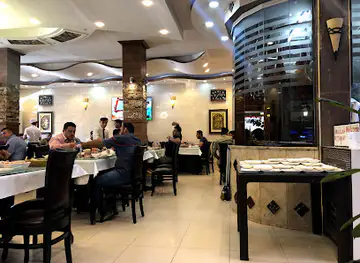
Abdullah Restaurant
Experience authentic Iraqi cuisine at Abdullah Restaurant in Kirkuk – where flavor meets tradition.

Spicy Restaurant
Discover culinary excellence at Spicy Restaurant in Kirkuk—where tradition meets modern fine dining.


Best nightclubs in Kirkuk Region
Top-rated picks
Best Nightclubs

Inferno Erbil
Experience the vibrant nightlife at Inferno Erbil, where modern clubbing meets Kurdish hospitality in an electrifying atmosphere.

LOTUS NIGHT CLUB
Discover the electrifying nightlife at Lotus Night Club in Erbil, where unforgettable nights of dancing and music await you.

Vogue Lounge
Discover Vogue Lounge in Sulaymaniyah: a stylish café and lounge offering exquisite drinks and a welcoming atmosphere to relax and socialize.

قاعة اسطنبول للمناسبات
Discover the elegance of قاعة اسطنبول للمناسبات in Kirkuk, a premier lounge for unforgettable events and gatherings.

Best shops in Kirkuk Region
Top-rated picks
Best Shops

L
Explore the vibrant L Clothing Store in Kirkuk for a unique blend of traditional and modern fashion styles.

Gazi Center for Shopping
Experience the vibrant shopping culture at Gazi Center for Shopping in Kirkuk, where retail therapy meets delightful dining and entertainment options.

Mall of Kirkuk
Explore the Mall of Kirkuk - a shopping paradise blending local culture, international brands, and delicious dining options in the heart of Kirkuk.

The modern market
Explore The Modern Market in Kirkuk for unique jewelry reflecting rich craftsmanship and local culture.

Explore Kirkuk Region on the Map
A handpicked selection of must-see spots in Kirkuk Region, mapped for you.
Kirkuk Region Essentials
-
Kirkuk Region is accessible via Kirkuk Airport, which mainly serves domestic flights. For international travelers, the nearest major airport is Erbil International Airport, approximately 90 kilometers away. From Erbil, you can take a taxi or a shared minibus to Kirkuk. The journey typically takes around 1.5 to 2 hours by road. Alternatively, you can rent a car for more flexibility.
-
Within Kirkuk, taxis are the most common form of transportation and are readily available. Negotiate the fare before starting your journey. Shared minibuses, known locally as 'Saraj', operate on fixed routes and are a cost-effective way to travel within the city and to nearby villages. Renting a car is also an option, but be prepared for varying road conditions and traffic patterns.
-
The official currency in Iraq is the Iraqi Dinar (IQD). While credit cards are becoming more accepted, especially in larger establishments, it is advisable to carry cash for smaller shops, restaurants, and local markets. ATMs are available in Kirkuk, but it is wise to withdraw sufficient cash in Erbil to ensure you have enough funds for your trip.
-
Kirkuk has areas with varying levels of safety. It is essential to stay updated on current travel advisories and avoid areas with high crime rates or ongoing conflict. The city center is generally safer, but tourists should remain vigilant, especially at night. Avoid isolated areas and always keep an eye on your belongings to minimize the risk of theft.
-
In case of emergency, dial 104 for police assistance and 122 for medical emergencies. Major hospitals in Kirkuk include Azadi Teaching Hospital and Kirkuk General Hospital. It is highly recommended to have travel insurance that covers medical emergencies. For minor health issues, there are numerous pharmacies throughout the city where you can purchase over-the-counter medications.
-
Fashion: Do dress modestly. Avoid wearing revealing clothing and opt for long sleeves and pants. Religion: Do respect local customs and traditions. Always remove your shoes before entering mosques. Public Transport: Do be respectful to fellow passengers. Don’t eat or drink on public transport. Greetings: Do greet people with a handshake. Men should wait for women to extend their hand first. Eating & Drinking: Do try local dishes and accept food offerings graciously. Don’t refuse hospitality, as it is considered impolite.
-
To experience Kirkuk Region like a local, visit the bustling Kirkuk Bazaar where you can purchase local crafts, spices, and fresh produce. Engage with locals, who are often friendly and eager to share their culture and history. Don’t miss visiting the historic Kirkuk Citadel and the Qishla of Kirkuk. For a unique experience, take a walk along the Khasa River during the evening to enjoy local street food and social gatherings.
When is the best time to visit Kirkuk Region?
Useful Local Phrases for Kirkuk Region
You don't need to speak the language perfectly. Even learning a few simple words can make conversations warmer—and locals usually appreciate the effort.
— Eve

Here are the phrases I use most often in Kirkuk Region. Try a few—you'll be surprised how far they go! 😊
❤️
-
- Helloمرحبا
[Marhaban] - Goodbyeوداعا
[Wada'an] - Yesنعم
[Na'am] - Noلا
[La] - Please/You're welcomeمن فضلك
[Min fadlik] - Thank youشكرا
[Shukran] - Excuse me/Sorryعفوا
[Afwan] - How are you?كيف حالك؟
[Kayfa halak?] - Fine. And you?بخير. وأنت؟
[Bikhayr. Wa anta?] - Do you speak English?هل تتحدث الإنجليزية؟
[Hal tatahadath al-Ingliziyya?] - I don't understandلا أفهم
[La afham]
- Helloمرحبا
-
- I'd like to see the menu, pleaseأود رؤية القائمة، من فضلك
[Awad ru'yat al-qa'ima, min fadlik] - I don't eat meatلا آكل اللحم
[La akul al-lahm] - Cheers!في صحتك!
[Fi sihtak!] - I would like to pay, pleaseأود الدفع، من فضلك
[Awad al-daf', min fadlik]
- I'd like to see the menu, pleaseأود رؤية القائمة، من فضلك
-
- Help!نجدة!
[Najda!] - Go away!ابتعد!
[Ibt'id!] - Call the Police!اتصل بالشرطة!
[Ittasil bil-shurta!] - Call a doctor!اتصل بالطبيب!
[Ittasil bil-tabeeb!] - I'm lostأنا ضائع
[Ana da'i'] - I'm illأنا مريض
[Ana marid]
- Help!نجدة!
-
- I'd like to buy...أود شراء...
[Awad shira'] - I'm just lookingأنا فقط أنظر
[Ana faqat anzur] - How much is it?كم ثمنه؟
[Kam thamanuh?] - That's too expensiveهذا غالي جدا
[Hatha ghali jidan] - Can you lower the price?هل يمكنك تخفيض السعر؟
[Hal yumkinuka takhfid al-si'r?]
- I'd like to buy...أود شراء...
-
- What time is it?كم الساعة؟
[Kam al-saa'a?] - It's one o'clockالساعه الواحدة
[Al-saa'a al-wahidah] - Half past (10)نصف الساعة (10)
[Nisf al-saa'a (10)] - Morningصباحا
[Sabahan] - Afternoonبعد الظهر
[Ba'd al-zuhur] - Eveningمساءا
[Masa'an] - Yesterdayأمس
[Ams] - Todayاليوم
[Al-yawm] - Tomorrowغدا
[Ghadan] - 1واحد
[Wahid] - 2اثنان
[Ithnan] - 3ثلاثة
[Thalatha] - 4أربعة
[Arba'a] - 5خمسة
[Khamsa] - 6ستة
[Sitta] - 7سبعة
[Sab'a] - 8ثمانية
[Thamaniya] - 9تسعة
[Tis'a] - 10عشرة
[Ashara]
- What time is it?كم الساعة؟
-
- Where's a/the...?أين...؟
[Ayna...?] - What's the address?ما هو العنوان؟
[Ma huwa al-unwan?] - Can you show me (on the map)?هل يمكنك أن تريني (على الخريطة)؟
[Hal yumkinuka an turini (ala al-kharita)?] - When's the next (bus)?متى يأتي (الباص) التالي؟
[Mata yati (al-bus) al-tali?] - A ticket (to ....)تذكرة (إلى ....)
[Tadhkara (ila ....)]
- Where's a/the...?أين...؟
History of Kirkuk Region
-
Kirkuk has a rich history dating back to the ancient city of Arrapha, which was established around 3000 BCE. This Mesopotamian city became a significant cultural and administrative center. Artifacts and cuneiform tablets discovered here provide insight into the daily lives and governance of its inhabitants, showcasing the region's early advancements in writing, law, and trade.
-
During the first millennium BCE, Kirkuk was part of the powerful Assyrian Empire. Known for their military prowess and architectural achievements, the Assyrians left their mark on the region through grand palaces and temples, such as those at the site of ancient Arrapha. These structures exemplify the empire's architectural ingenuity and its role in shaping the region's historical landscape.
-
Following the fall of the Assyrian Empire, Kirkuk came under the rule of the Parthian and later the Sassanian Empires. These periods saw the fusion of Greek, Persian, and local Mesopotamian cultures. The remnants of fortresses and urban centers from these eras highlight the strategic importance of Kirkuk in controlling trade routes and defending against invasions.
-
With the advent of Islam in the 7th century, Kirkuk became an important center in the Abbasid Caliphate. The city thrived as a hub of trade, drawing merchants from across the Islamic world. This period also saw significant advancements in science, literature, and architecture, with notable scholars and poets contributing to the rich tapestry of Islamic culture.
-
In the 16th century, Kirkuk came under Ottoman control, heralding a period of significant administrative and social transformation. Ottoman rule introduced new governance structures, land reforms, and architectural styles. The influence of this era is still visible in Kirkuk’s historic buildings, bazaars, and mosques, which blend Ottoman aesthetics with local traditions.
-
The 20th and 21st centuries have been a time of profound change for Kirkuk. From the discovery of oil in the early 20th century, which transformed its economy, to the political upheavals and conflicts that have shaped its modern history, Kirkuk stands as a testament to resilience. The city's diverse population, comprising Kurds, Turkmen, Arabs, and Assyrians, reflects its long history as a melting pot of cultures.
Neighbouring Regions of Kirkuk Region
The closest regions to Kirkuk Region, if you have time for more than one.



Your all‑in‑one travel companion app
Explore expert travel guides, compare and book tours, experiences, hotels, and more—all from the palm of your hand. Download now for seamless trip planning wherever your wanderlust takes you.


Explore More of Iraq

Looking beyond Kirkuk Region? Discover Iraq for broader travel guides, local hot-spots, and regional highlights.
Explore IraqKirkuk Region in Photos
Browse through our photo collection highlighting the charm and character of the destination.


Discover the Rich Heritage of Kirkuk Region
Kirkuk, located in northern Iraq, is a city of historical significance and cultural diversity. Known for its ancient history, Kirkuk is believed to be one of the oldest continuously inhabited cities in the world. Visitors to Kirkuk will find a tapestry of history woven into the very fabric of the city, from the ancient citadel that dominates the skyline to the traditional bazaars bustling with life. The Kirkuk Citadel, a must-visit landmark, stands as a testament to the city's storied past. Dating back to the Assyrian period, the citadel offers panoramic views of the city and serves as a gateway to understanding Kirkuk's historical importance. Walking through its ancient walls, visitors can explore remnants of civilizations that once thrived here. Kirkuk is also known for its vibrant cultural scene. The city's diverse population, including Kurds, Turkmen, Arabs, and Assyrians, brings a rich mix of traditions and cuisines. Food enthusiasts can savor local dishes such as kebabs, dolma, and biryani, each offering a unique taste of the region's culinary heritage. For those interested in natural beauty, the surrounding areas of Kirkuk offer scenic landscapes and outdoor activities. The Zab River, flowing near the city, provides opportunities for picnicking and relaxation. Additionally, the region's mild climate makes it a pleasant destination to visit year-round.