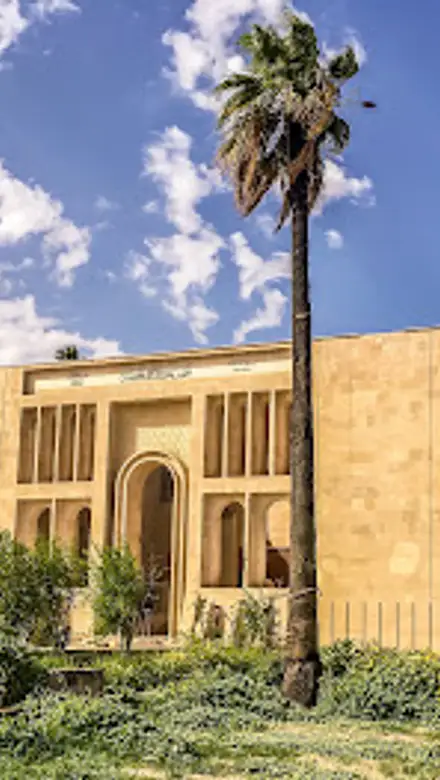
Mosul Museum, Mosul Travel Guide
Free Guide: Explore millennia of Mesopotamian history at the Mosul Museum, a symbol of resilience and cultural heritage in Nineveh Governorate.


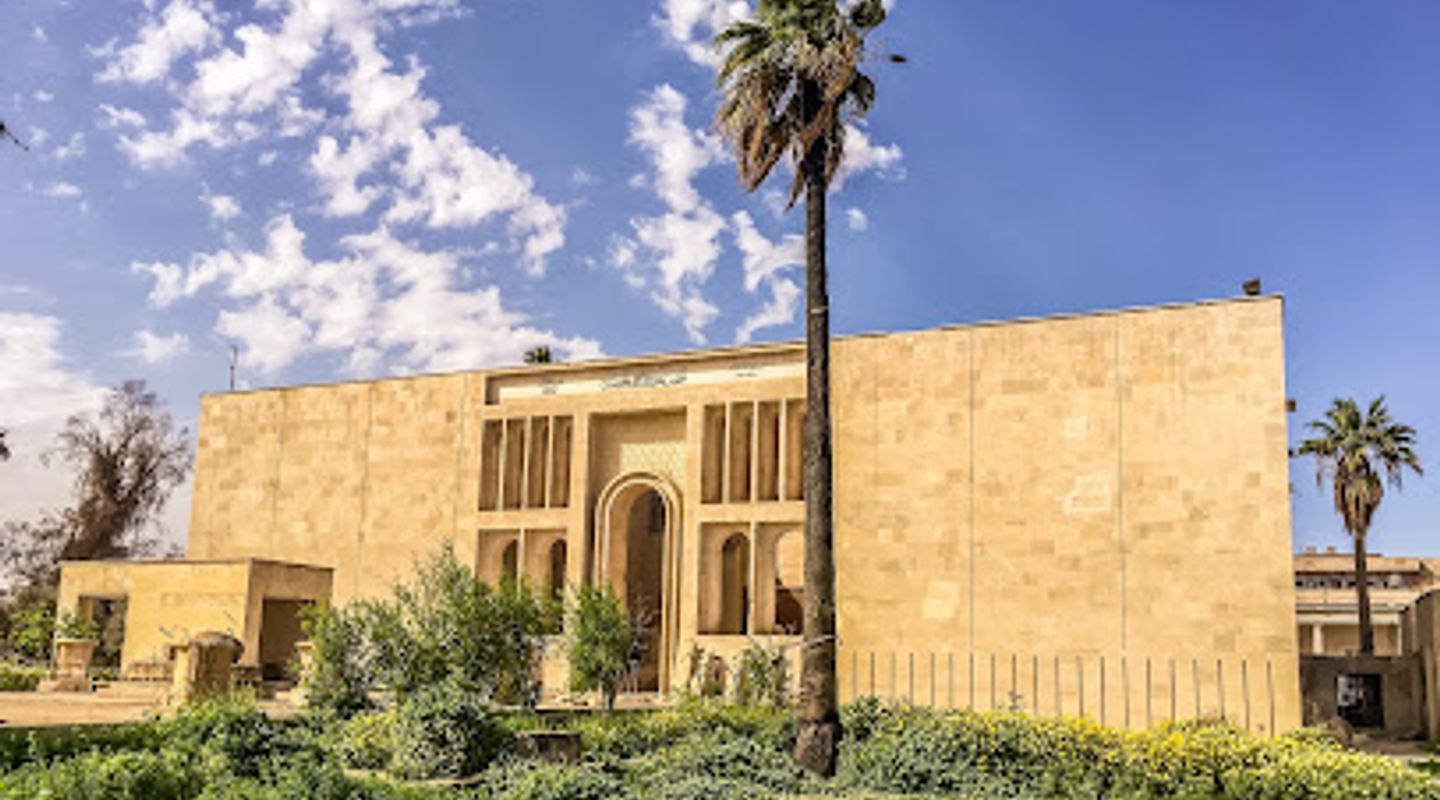
A brief summary of Mosul Museum
Explore millennia of Mesopotamian history at the Mosul Museum, a symbol of resilience and cultural heritage in Nineveh Governorate.
The Mosul Museum, the second largest in Iraq, stands as a vital cultural institution showcasing artifacts from Assyrian, Babylonian, and Islamic periods. Founded in 1952, it has faced periods of closure and destruction, most notably under ISIS occupation, but is now undergoing restoration, symbolizing Mosul's enduring spirit.
Opening hours
- Mon8 am–2 pm
- Tue8 am–2 pm
- Wed8 am–2 pm
- Thu8 am–2 pm
- FriClosed
- SatClosed
- Sun8 am–2 pm
Opening hours as listed on the venue’s Google Business Profile. Hours can change for services and special events, so check with the venue before you go.
- Address
- فوج طوارئ شرطة، جسر الحرية الموصل, تقاطع, Sîrîyê, Nineveh Governorate
- Phone
Getting there
Walking
Public Transport
Taxi
Discover more about Mosul Museum
Overview
The Mosul Museum, established in 1952, holds a significant place in Iraq's cultural landscape as the second largest museum in the country after the National Museum in Baghdad. Its history is deeply intertwined with that of Mosul, reflecting the city's rich heritage and turbulent past. The museum's original building, a small hall, was expanded in 1972 to accommodate a growing collection of ancient Assyrian artifacts and other historical treasures.Throughout its existence, the Mosul Museum has aimed to preserve and showcase the diverse history of the region, with collections spanning the Assyrian, Hellenistic, Islamic, and prehistoric periods. The museum has served as a repository of knowledge, displaying sculptures, pottery, inscriptions, and relics that narrate the stories of civilizations that have shaped northern Iraq. Its exhibits have provided insights into the daily lives, beliefs, and artistic achievements of these ancient societies.In 2003, to avoid looting during the Iraq War, a significant portion of the collection was moved to the Iraq Museum in Baghdad, leaving behind only the monumental pieces. In June 2014, just as the museum was preparing to reopen after a renovation, ISIS captured Mosul and, in February 2015, released a video showing the destruction of artifacts, claiming they promoted idolatry. This act was a deliberate attempt to erase the region's history and culture.Following the recapture of Mosul in 2017, the museum was found damaged, with many artifacts looted or destroyed. However, an international coalition of cultural heritage organizations launched the Mosul Cultural Museum Rehabilitation Project in 2018 to restore the building and its collection. The museum is gradually being brought back to life through the efforts of the Iraqi State Board of Antiquities and Heritage, the Musée du Louvre, the Smithsonian Institution, and the International Alliance for the Protection of Heritage in Conflict Areas (ALIPH). The scars of war will remain visible in some parts of the museum, serving as a reminder of the challenges faced and overcome. The museum is expected to fully reopen in 2026.
Evendo Review Centre
 Google
Guest reviews
Explore Mosul Museum on the map
A handpicked selection of must-see spots near Mosul Museum, mapped for you.
Get your free copy of our complete guide to Mosul Museum, delivered straight to you.
Everything on this page, from opening hours and how to get there to Eve’s tips and the best time to go, in one PDF you can read offline, print or share.
Already have an account? Sign in
Your Mosul Museum guide is ready.
We'll send it to · Not you? Sign out

Getting your guide ready…
We are putting together a fresh copy of the Mosul Museum guide. This can take up to a minute.
This can take a few moments. If your browser asks, choose Allow so the download can start. You'll find the guide in your Downloads folder.
Nothing happened? Download it again
Sorry, the guide is taking longer than usual. Please try again in a minute, or get it by email instead.
Other nearby places you may find interesting
The closest places of the same kind, if this one is not quite what you had in mind.
-
-

-
-
-


Swipe for more places
More to explore near Mosul Museum

 Best experiences near Mosul Museum
 Best hotels near Mosul Museum
 Best landmarks near Mosul Museum
 Best attractions near Mosul Museum
 Best shops near Mosul Museum
 Best restaurants near Mosul Museum
 Best bars near Mosul Museum
Do you manage this location?
Take control to get all the benefits, like improved information, better appearance, and stronger visibility across AI-powered discovery.
Explore more

Explore more of Mosul
Explore Mosul, Iraq's historic and cultural treasure, where ancient ruins meet vibrant markets, and diverse cultures blend seamlessly on the banks of the Tigris River.
Explore Mosul
Explore more of Iraq
Explore the cradle of civilization in Iraq, where ancient history, rich culture, and diverse landscapes create an unforgettable travel experience.
Explore Iraq