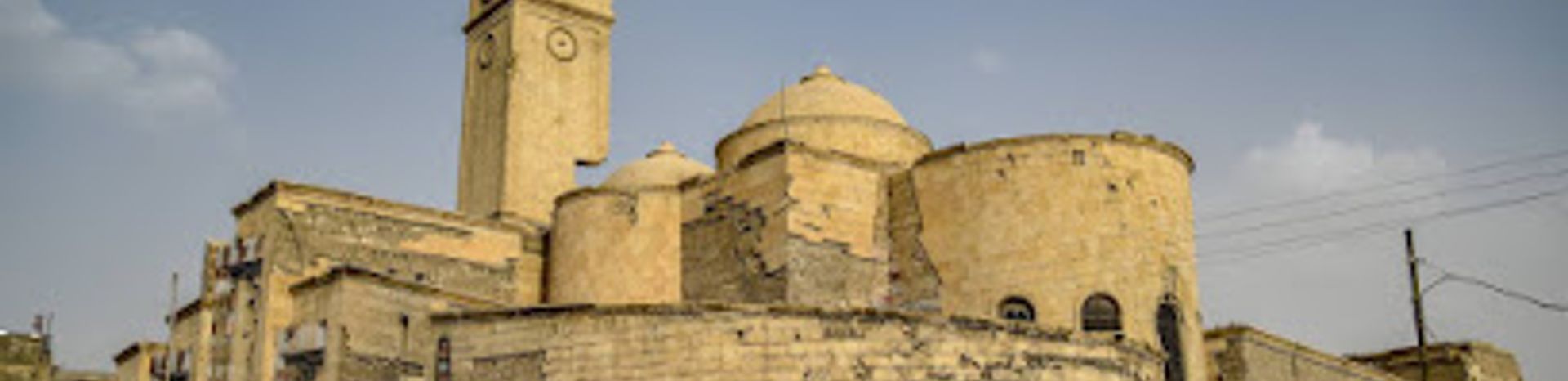
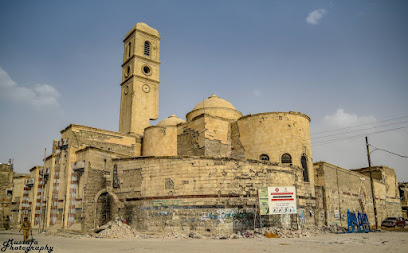
Our Lady of the Hour Church: A Symbol of Mosul's Resilience
A historic Catholic church in Mosul, famed for its iconic clock tower and its role as a symbol of peace and resilience.
Our Lady of the Hour Church, also known as the Latin Church, stands as a testament to Mosul's enduring spirit. Built in the 1870s by Dominican Fathers, the church is renowned for its clock tower, a gift from Empress Eugenie de Montijo, and its role as a cultural and religious hub.
A brief summary to Our Lady of the Hour Church
- 84RG+6VM, Mosul, Hayy An Nabijarjis, Nineveh Governorate, IQ
Local tips
- Visit the church to witness the ongoing efforts to rebuild and restore Mosul's cultural heritage.
- Take time to appreciate the architecture and learn about the church's history as a center for education and interfaith dialogue.
- Explore the Old City of Mosul, where the church is located, to see other historical landmarks and experience the city's rich culture.

Getting There
-
Walking
Our Lady of the Hour Church is located in the Old City of Mosul, near the intersection of Al-Farouq and Niniveh roads. From most points in the Old City, the church is easily accessible on foot. Look for the distinctive clock tower, which is visible from many locations.
-
Taxi
Taxis are readily available in Mosul. A short taxi ride to Our Lady of the Hour Church from anywhere in the city center should cost approximately 10 USD. Be sure to negotiate the fare with the driver before starting your journey.
Discover more about Our Lady of the Hour Church
Iconic landmarks you can’t miss

Our Lady of the Hour Church
0.0 km
A historic Catholic church in Mosul, famed for its iconic clock tower and its role as a symbol of peace and resilience.
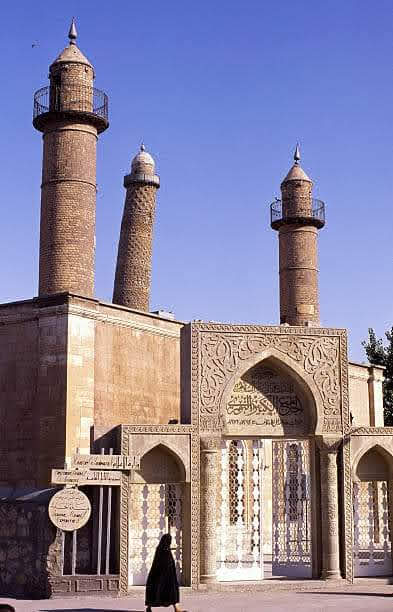
Al Noree Al Kaber Mosque
0.2 km
Discover the Al Noree Al Kaber Mosque in Mosul, a resilient symbol of history and hope rising from the ruins of war.
مؤسسة بيتنا للثقافة والتراث
0.3 km
مؤسسة بيتنا للثقافة والتراث: استكشف فن وتراث الموصل في مكان واحد. معارض فنية، ورش عمل، أمسيات ثقافية وتراث محلي.
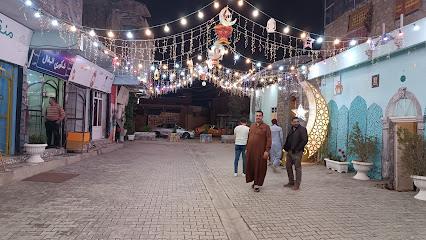
Al-Hadbaa Tower
0.3 km
A historical landmark in Mosul, the Al-Hadbaa Tower, with its distinctive lean, symbolizes the city's rich heritage and resilience after conflict.
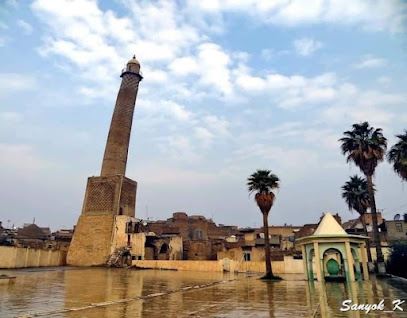
Al-Nouri Mosque
0.8 km
Experience the rebuilt Al-Nouri Mosque in Mosul, a symbol of resilience and a testament to the city's rich history and cultural heritage.

Qara Serai castle (The Black Palace)
1.4 km
Explore Qara Serai Castle in Mosul: A historical landmark with stunning architecture and a rich cultural heritage on the banks of the Tigris River.
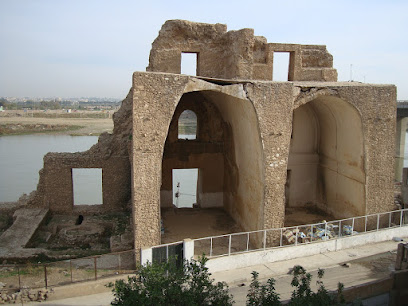
جامع المواصل الكبير (جامع صدام الكبيرسابق)
2.2 km
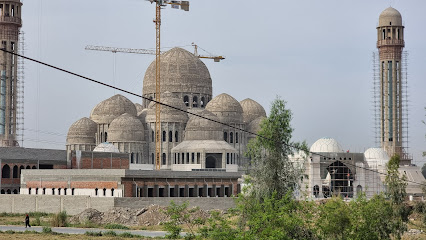
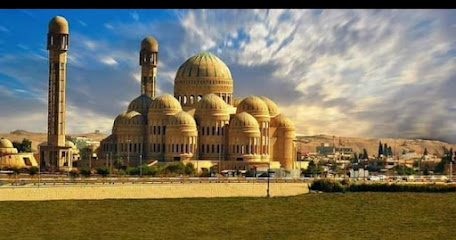
An uncompleted modern mosque on the Tigris River's east bank, showcasing Mosul's architectural ambition and cultural heritage.
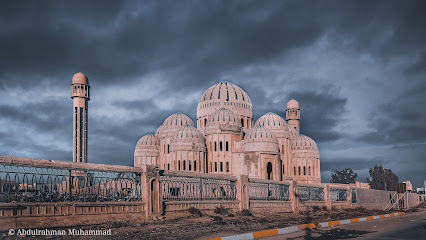
(4th Bridge)
2.4 km
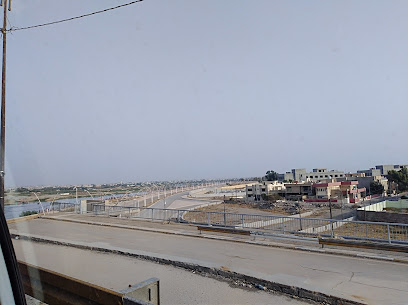
A vital bridge in Mosul, reconnecting the city across the Tigris River, symbolizing resilience and recovery after years of conflict.
Sultan Palace Hotel
2.6 km
Experience comfort and convenience at Sultan Palace Hotel, your gateway to exploring the historic city of Mosul.
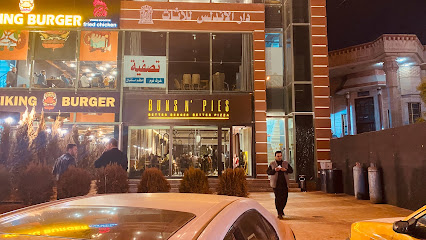
BUNS N' PIES better burger better pizza
2.8 km
Gourmet burgers and artisanal pizzas meet Middle Eastern flavors in a modern, family-friendly Mosul restaurant.
Tell al-Rimah
2.9 km
Explore Tell al-Rimah, an ancient Mesopotamian settlement mound with Babylonian and Assyrian ruins, located near Mosul, Iraq.
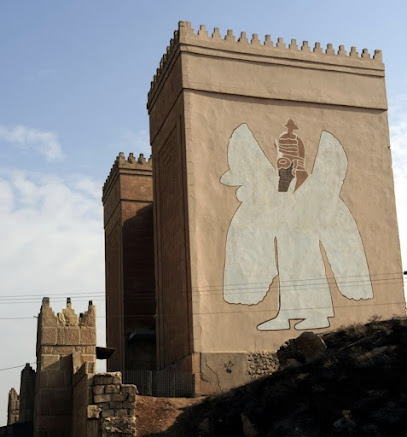
Sennacherib Palace Nineveh
2.9 km
Explore the ruins of Sennacherib's Palace in Nineveh, a window into the glorious and powerful Assyrian Empire, and a testament to ancient Mesopotamian history.
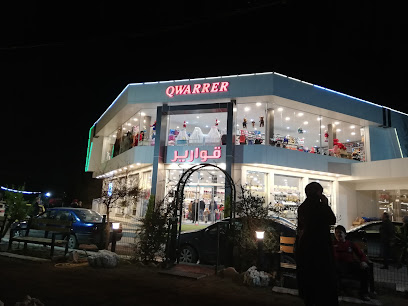
قوارير للتسوق المنزلي
3.1 km
Explore Qwarrer, Mosul's vibrant shopping mall offering a unique mix of local and international brands, dining options, and a lively cultural experience.
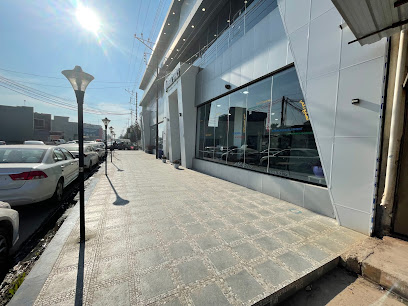
Mosul Space
3.6 km
Empowering Mosul's youth through innovation, technology, and entrepreneurship, fostering a vibrant private sector and community.
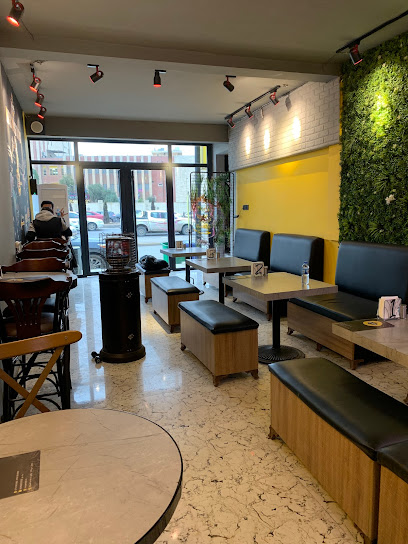
بركر دوز burger dose
4.0 km
Enjoy gourmet burgers and a vibrant atmosphere at بركر دوز Burger Dose in Mosul, a local favorite for delicious food and friendly service.
Unmissable attractions to see

قنطرة عبيد آغا الجليلي
0.3 km
Explore Qantara Abid Agha al-Jalili in Mosul, a historic landmark offering a glimpse into the city's rich cultural heritage and enduring spirit.
قصر مصطفى اغا التوتنجي
0.4 km
Explore the stunning Qasr Mustafa Agha Al-Tunji, an architectural marvel in Mosul reflecting Iraq's rich cultural heritage and history.
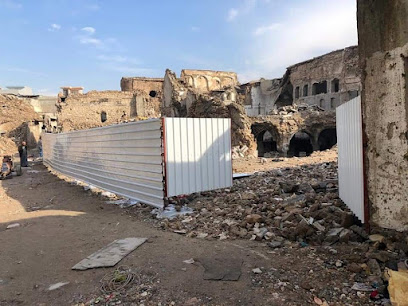
جدارية ساحة الصقور
0.7 km
Discover Mosul's vibrant history at the Falcon Square Mural, a captivating landmark in the heart of the city's historic Bab Al-Tob Square.
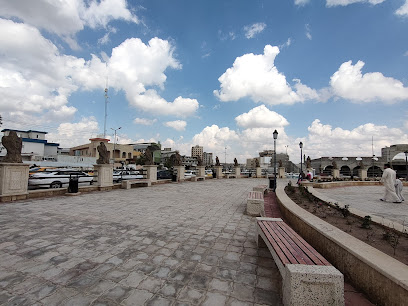
متنزه باب الطوب
0.7 km
Experience tranquility in the heart of Mosul at متنزه باب الطوب, a revitalized green space perfect for relaxation and community.
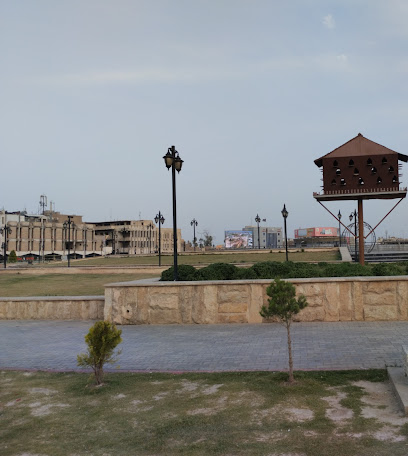
نافورة باب الطوب
0.7 km
Experience the revitalized spirit of Mosul at نافورة باب الطوب, a popular park and fountain symbolizing the city's ongoing recovery.
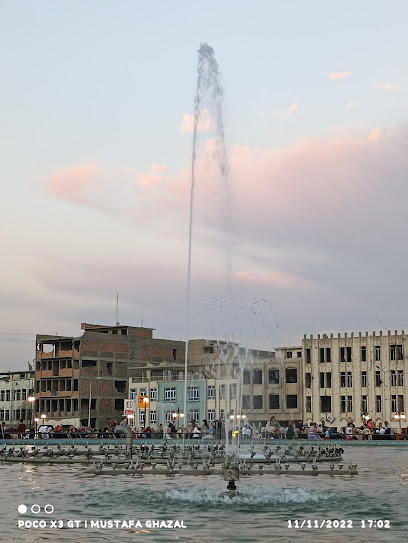
دورة راس الجسر
0.9 km
Experience the local atmosphere at دورة راس الجسر in Mosul, a popular spot offering a glimpse into the city's modern life and resilient spirit.
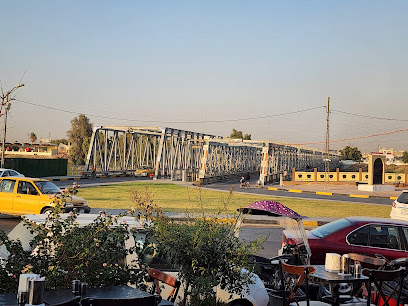
الواجهة النهرية للمدينة القديمة / كورنيش الحدباء
1.0 km
استكشف الواجهة النهرية للمدينة القديمة في الموصل، حيث التاريخ يلتقي بجمال الطبيعة على ضفاف نهر دجلة.
كورنيش الموصل الايمن Right Mosul Corniche
1.0 km
Escape to tranquility at Mosul's Right Corniche: a scenic riverside garden offering respite and beautiful views of the Tigris.
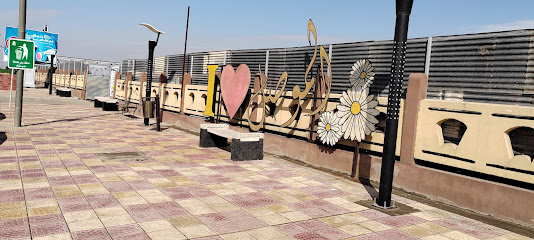
حديقة الشهداء
1.1 km
Reflect and remember in Mosul's serene حديقة الشهداء, a garden steeped in history and dedicated to the nation's heroes.
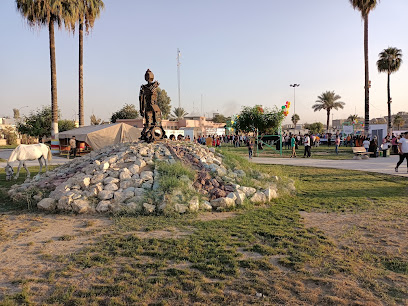
Mosul Museum
1.1 km
Explore millennia of Mesopotamian history at the Mosul Museum, a symbol of resilience and cultural heritage in Nineveh Governorate.
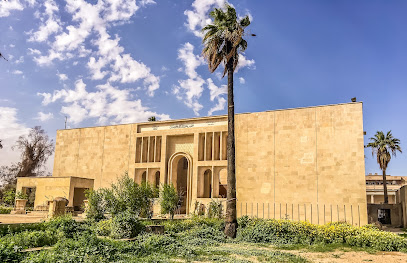
عسكري قصي
1.2 km
Explore the serene beauty of عسكري قصي Park in Mosul, a perfect retreat for relaxation and nature lovers amidst the city's rich history.
Al-Khuder Shrine
1.2 km
Explore Al-Khuder Shrine in Mosul, a historical and spiritual landmark reflecting the city's rich cultural heritage.
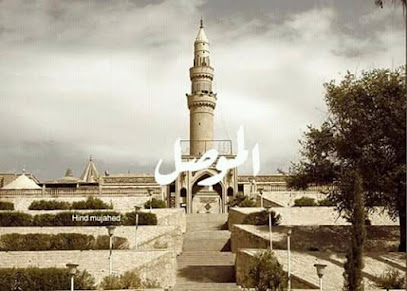
Mosul Amusement park
1.3 km
Experience thrilling rides and joyful moments at Mosul Amusement Park, a symbol of entertainment and resilience in the heart of Mosul.
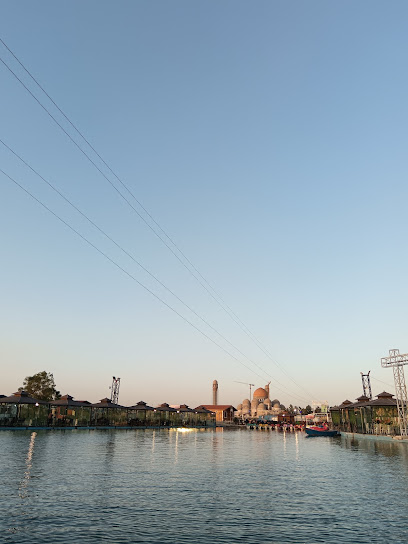
بحيرة مدينة الالعاب
1.6 km
Escape to Mosul's بحيرة مدينة الالعاب: Enjoy water activities and green spaces in a family-friendly park, a refreshing break in Nineveh Governorate.
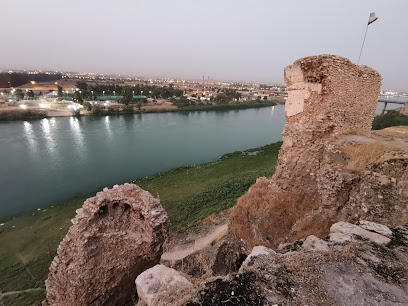
Bashtabya Castle
1.7 km
Explore the historic Bashtabya Castle in Mosul, a 12th-century fortress offering panoramic views and a glimpse into the city's resilient past.
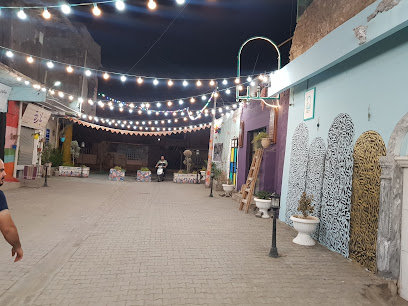
Essential places to dine

مطعم دلال
0.3 km
Experience authentic Iraqi flavors at مطعم دلال – the perfect family-friendly restaurant in Mosul offering diverse dishes for every palate.
باجة الميدان
0.9 km
Experience authentic Nineveh cuisine at Bajah Al-Midan, where every dish tells a story in Mosul's vibrant culinary landscape.
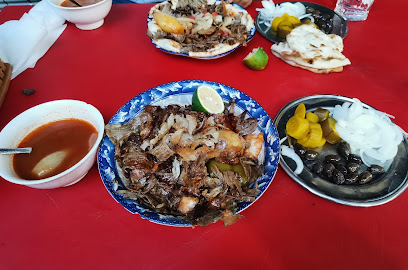
كص باب السراي
0.9 km
Experience authentic Iraqi cuisine at كص باب السراي in Mosul - where tradition meets flavor in every dish.
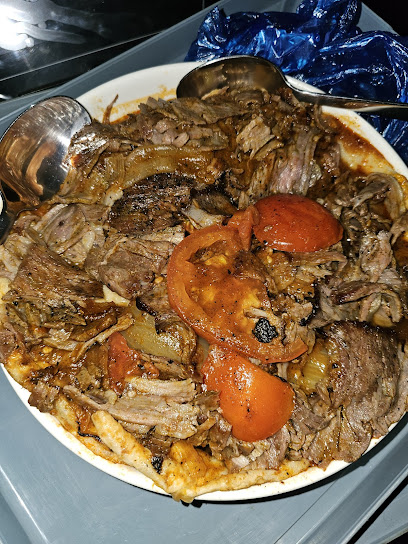
لحم بعجين ياسر
1.0 km
Discover the authentic taste of Mosul at Laham Bi Ajeen Yaser - home to delicious lahm bi ajeen and warm Iraqi hospitality.
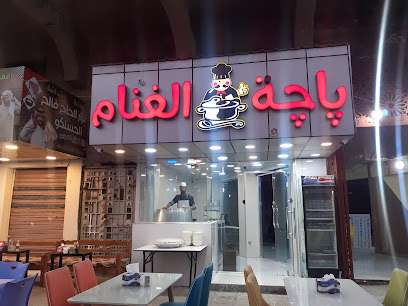
باجة الغنام
1.0 km
Discover the authentic taste of Iraq at Baja Al-Ghanam in Mosul - where every dish tells a story.
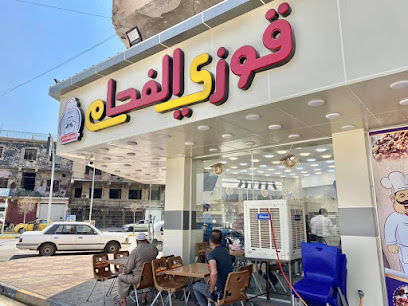
Quzi Alfaham
1.0 km
Experience authentic Iraqi cuisine at Quzi Alfaham in Mosul, where traditional flavors meet warm hospitality.
قوزي خالد الصقال
1.0 km
Discover authentic Iraqi flavors at قوزي خالد الصقال in Mosul - A culinary experience blending tradition and taste.
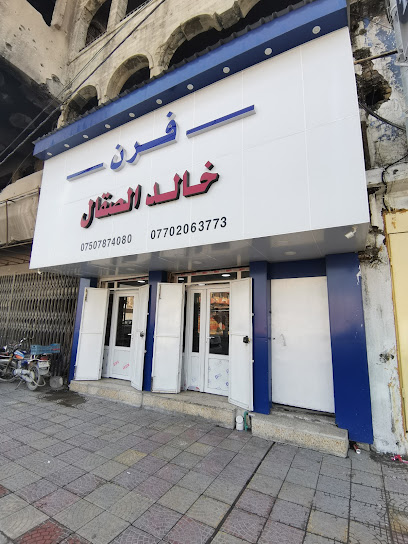
شيف كص
1.2 km
Experience authentic Middle Eastern flavors at شيف كص, Mosul's premier shawarma restaurant known for its deliciously prepared dishes.
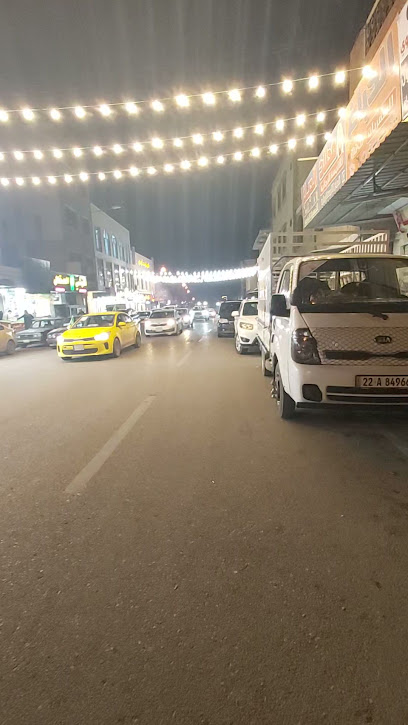
Abo Ahmad restaurant
1.2 km
Experience authentic Iraqi flavors at Abo Ahmad Restaurant in Mosul - a culinary haven for travelers seeking local delights.
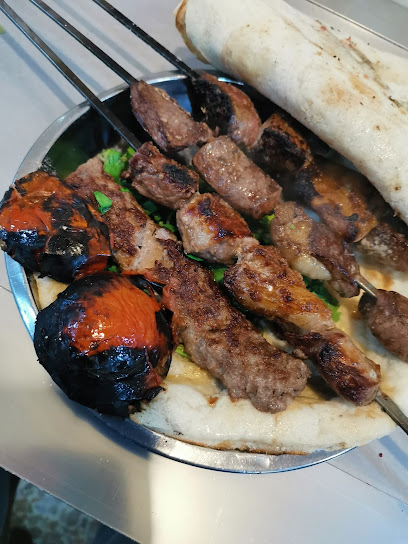
كاهي مكة المكرمة
1.3 km
Discover the rich flavors of Iraqi cuisine at كاهي مكة المكرمة in Mosul - where every dish tells a story.
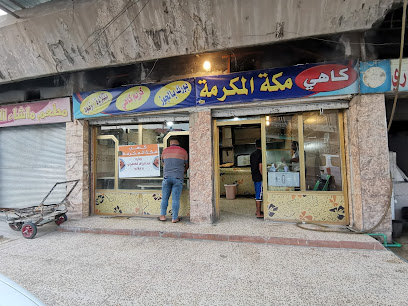
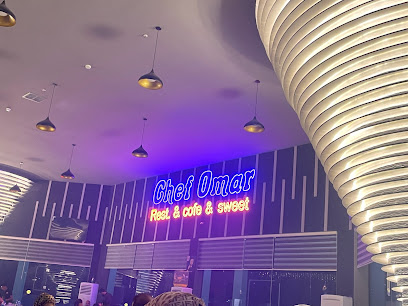
chef omar Restaurant
1.6 km
Experience the essence of Iraqi cuisine at Chef Omar Restaurant by the Tigris River in Mosul.
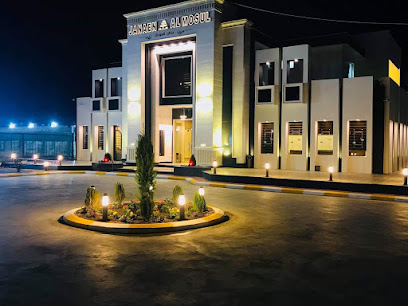
مطعم وقاعة جنائن الموصل
1.6 km
Discover authentic Iraqi cuisine amidst the serene gardens at مطعم وقاعة جنائن الموصل in Mosul.
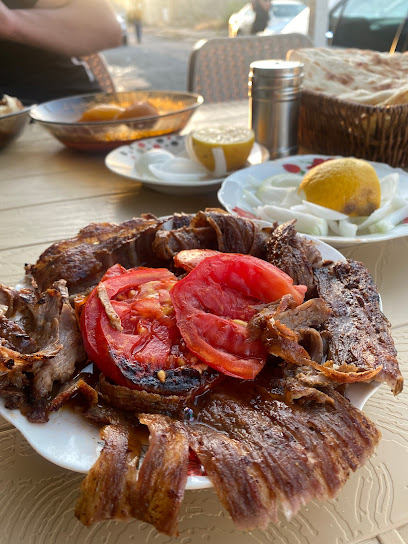
مطعم خالد ابو الكص
1.7 km
Discover the authentic taste of shawarma at Khaled Abu Al-Kass, where tradition meets flavor in Mosul's vibrant culinary scene.
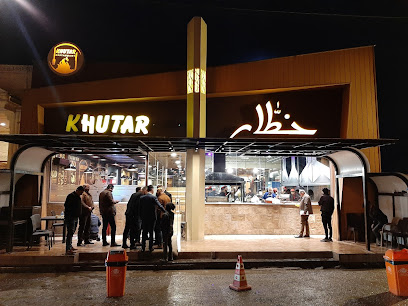
Khattar Restaurant
2.5 km
Discover authentic Iraqi flavors at Khattar Restaurant in Mosul – where every dish tells a story.
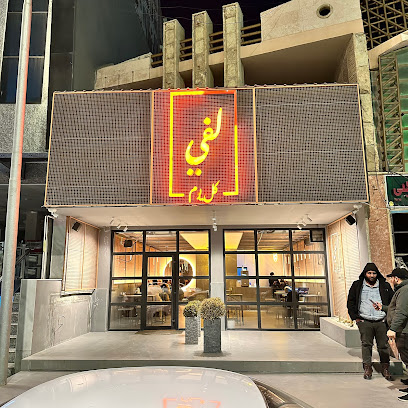
مطعم لفي - laffe restaurant
2.6 km
Discover exquisite flavors at Laffe Restaurant in Mosul - where tradition meets modern dining in an inviting atmosphere.
Markets, malls and hidden boutiques

بيت العطر
2.3 km
Discover the essence of Mosul through unique gifts and handcrafted treasures at بيت العطر, a charming gift shop filled with local artistry.
ديكورات الحضارة
2.8 km
Discover the rich cultural heritage of Mosul at ديكورات الحضارة, where history and tradition meet in stunning architectural beauty.
Antika maker
2.9 km
Explore Antika Maker in Mosul: your go-to gift shop for unique souvenirs reflecting the rich culture and craftsmanship of the region.
الاندلس
2.9 km
Explore Al-Andalus in Mosul: Where traditional craftsmanship meets modern fashion in a vibrant clothing store.
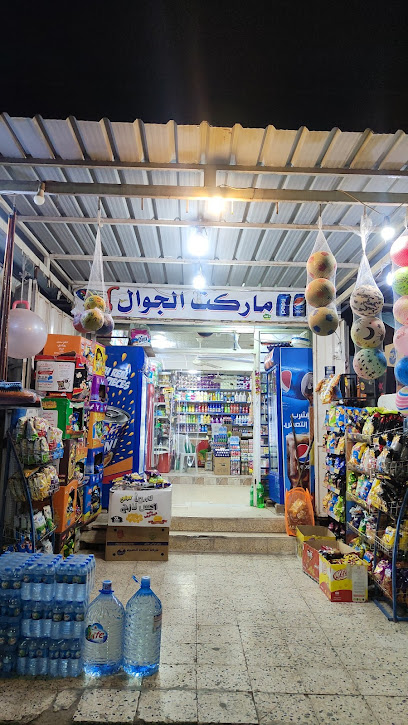
ماركة الجوال
2.9 km
Discover the convenience of ماركة الجوال in Mosul, your essential stop for snacks, drinks, and local specialties during your travels.
ماجد العبيدي
2.9 km
Explore ماجد العبيدي for a unique shopping experience in نهروان, where traditional craftsmanship meets modern fashion in a vibrant setting.
سدره ماركت
2.9 km
Explore Sidr Market in Mosul for unique home goods reflecting the rich cultural heritage of the region, perfect for souvenirs or gifts.
كماليات بنت الاكابر
2.9 km
Explore Kamaliyat Bint Al-Akaber, a charming boutique in Mosul offering exquisite local crafts and unique souvenirs reflecting Iraqi culture.
محل مفروشات جهاز العروسه
2.9 km
Explore the heart of Mosul's wedding culture at محل مفروشات جهاز العروسه, a store filled with exquisite bridal furnishings and local traditions.
معرض الاقصى
2.9 km
Explore the vibrant store of معرض الاقصى in Mosul for unique local crafts and cultural souvenirs that embody the spirit of Nineveh.
مكتبة الثقافة
2.9 km
Discover unique gifts and local crafts at مكتبة الثقافة, a charming gift shop in the heart of Mosul, celebrating the rich culture of Nineveh.
اسواق احمد
2.9 km
Discover اسواق احمد, the leading auto parts store in Mosul, offering a wide variety of automotive components and expert assistance for all your vehicle needs.
راشي سما نينوى
2.9 km
Experience the unique blend of tradition and modernity at راشي سما نينوى - a must-visit store in the heart of Mosul.
اسواق حامد ابار
2.9 km
Discover the vibrant culinary culture of Mosul at اسواق حامد ابار, where fresh ingredients and local flavors await.
محل الجامعة لبيع المواد الغدائية
2.9 km
Explore Mosul's culinary delights at the University Grocery, where local flavors and fresh produce await your discovery.
Essential bars & hidden hideouts

مرطبات ابو عبدالله
1.8 km
Discover the refreshing ambiance and local flavors at مرطبات ابو عبدالله, the perfect bar to unwind in Mosul.
شربت زبيب الحاج علي
2.1 km
Discover the vibrant atmosphere and unique cocktails at شربت زبيب الحاج علي in Mosul, where tradition meets innovation.
عبدالله الخزرجي
2.8 km
Experience the vibrant nightlife of Mosul at Abdullah Al-Khazraji Bar, a perfect blend of local traditions and modern relaxation.
قاعه صالح
2.9 km
Experience the vibrant nightlife of Mosul at قاعه صالح, a lively bar offering a diverse selection of drinks and a taste of local culture.
عطاريه ابو يوسف
3.2 km
Discover the charm of Mosul at عطاريه ابو يوسف, a bar offering a blend of local culture, warm hospitality, and refreshing drinks.
محمود النافولي
3.4 km
Discover the lively ambiance of Mahmoud Al-Nafouli Bar in Mosul, where culture meets a vibrant nightlife experience.
يوسف
3.5 km
Unwind at يوسف, a lively bar in Mosul where local culture meets modern nightlife in a vibrant atmosphere.
مطعم ومشرب شهرزاد
3.6 km
Experience the vibrant nightlife at Chahrazad Restaurant and Bar in Mosul, where delicious food meets a lively atmosphere.
دورة غابات الموصل
3.7 km
Discover the vibrant atmosphere and local flavors at دورة غابات الموصل, a unique bar in the heart of Mosul.
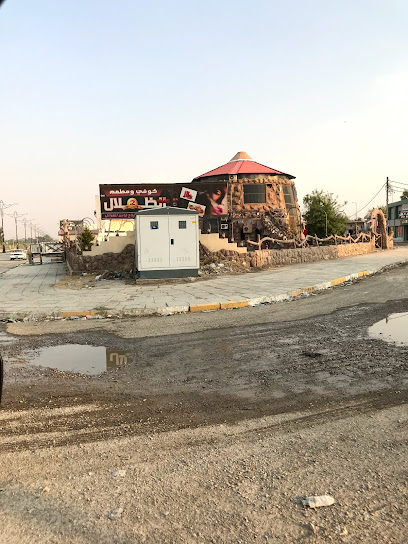
مقبلات فراس سريشكي
3.9 km
Explore the vibrant flavors of Iraq at Maqablat Firas Sreshki, a bar in Mosul offering delicious appetizers and a lively atmosphere.
بيتنا
4.1 km
Discover the relaxed ambiance of بيتنا, a bar in Mosul offering local drinks and a taste of vibrant culture in a cozy setting.
كفتريا كلاسكو
4.4 km
Experience the vibrant nightlife at كفتريا كلاسكو in Mosul, where tradition meets modernity for an unforgettable evening.
Ghost Games
5.3 km
Unwind at Ghost Games Lounge in Mosul, where comfort meets cultural charm for an unforgettable experience.
محمد فتحي حسن
5.4 km
Discover the pulse of Mosul's nightlife at محمد فتحي حسن, where exquisite cocktails and local culture blend seamlessly.
مخزن الكوخ
5.9 km
Experience the vibrant atmosphere and local culture at مخزن الكوخ, Mosul's hidden gem for relaxation and socializing.
Nightclubs & after hour spots

اوس الكلاوجي
2.9 km
Discover the electrifying nightlife at اوس الكلاوجي, Mosul's top destination for music, dance, and cultural experiences.
ديار ابو الساهي
2.9 km
Discover the electric ambiance of ديار ابو الساهي, a premier night club in Mosul, where unforgettable nights and vibrant social scenes await.
زينب عبدالعزيز
4.9 km
Discover the electrifying nightlife at Zainab Abdulaziz, where music and dance create an unforgettable experience in Mosul.
قاعة اوبرة للاعراس والمناسبات
5.2 km
Enjoy a vibrant nightlife experience at قاعة اوبرة للاعراس والمناسبات, Mosul's premier night club offering music, dance, and unforgettable celebrations.
حلاقة الشارقة
5.5 km
Dive into Mosul's vibrant nightlife at حلاقة الشارقة, where music, dance, and culture come alive in a captivating atmosphere.
صالة التحدي خلف نوفل
5.7 km
Explore vibrant nightlife at صالة التحدي in Mosul, where local culture meets energetic music and unforgettable experiences.
حسيب بسام للغذائيه
6.2 km
Discover the vibrant nightlife at حسيب بسام للغذائيه in Mosul, where great food and electrifying music create unforgettable experiences.
قاعة كرستال
7.1 km
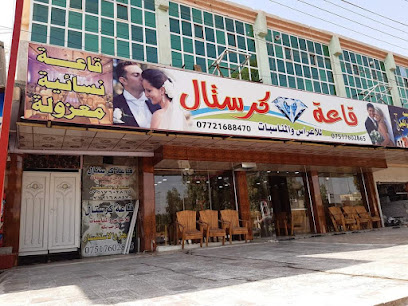
Discover the pulse of Mosul's nightlife at قاعة كرستال, a vibrant night club that promises unforgettable experiences and cultural connections.
دورة هدو اليسي
7.1 km
Dive into the vibrant nightlife of Mosul at دورة هدو اليسي, where music, dance, and culture come alive in an unforgettable club experience.
نادي الادباء
57.9 km
Experience vibrant nightlife at نادي الادباء, Duhok's premier bar offering a lively atmosphere and diverse drink selections.
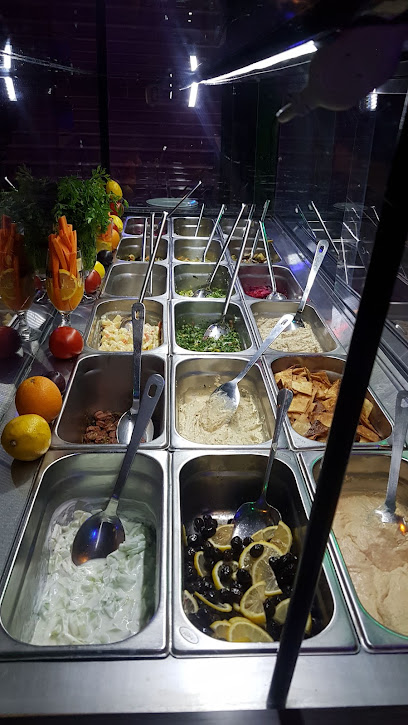
گلانفدیش بار
59.1 km
Discover the lively spirit of Duhok at گلانفدیش بار, where local culture meets an energetic nightlife scene.
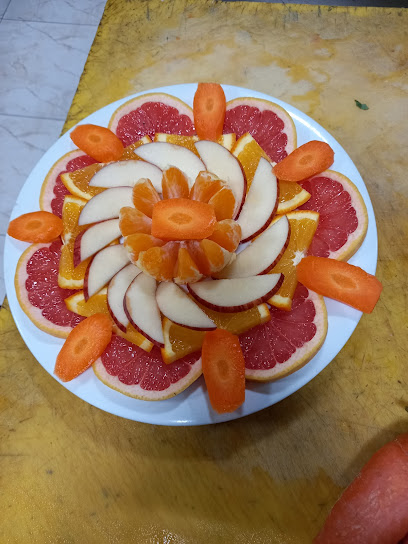
Duhok Construction Contractors Club
59.4 km
Discover the vibrant nightlife at Duhok Construction Contractors Club, a welcoming bar offering a perfect blend of local charm and lively entertainment.
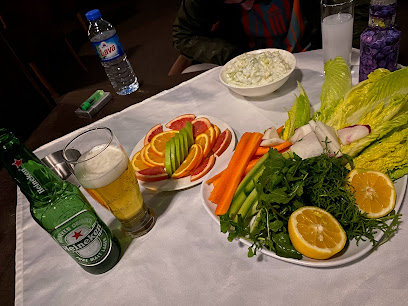
قاعة القلعة الملكية
59.5 km
Discover the electrifying nightlife at قاعة القلعة الملكية in Duhok, where music, dance, and local culture intertwine for an unforgettable experience.
Lamassu Club
59.9 km
Discover Lamassu Club in Duhok: A vibrant bar offering music, dance, and an unforgettable nightlife experience in the heart of the city.
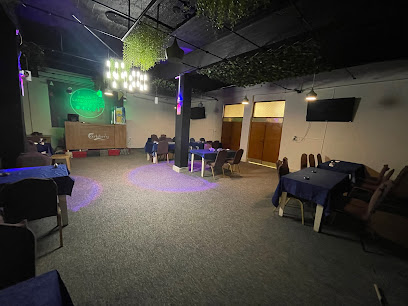
Cıwankariya OKAYDuhok
60.2 km
Experience the charm of Duhok at Cıwankariya OKAY, a lounge where comfort meets local flavors in a serene setting.