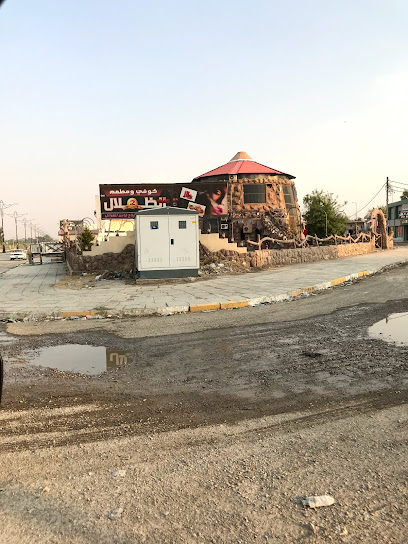
Southern Wall of Nineveh: Echoes of an Ancient Empire
Explore the ancient grandeur of Nineveh's Southern Wall, a testament to the Assyrian Empire's rich cultural heritage near Mosul.
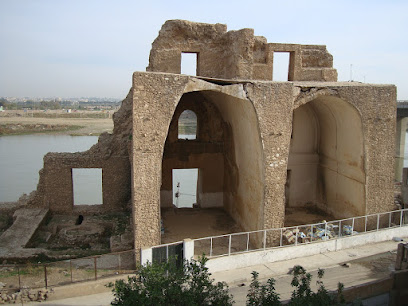
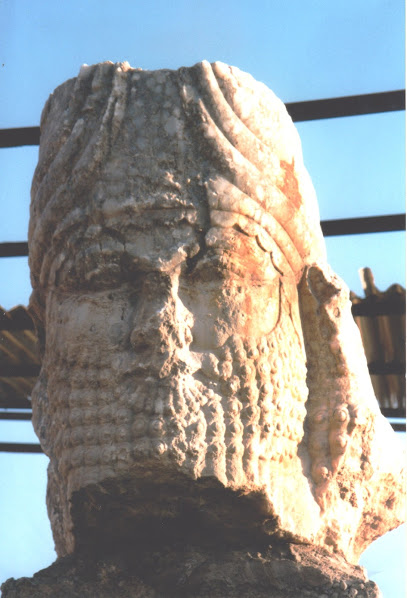
The Southern Wall of Nineveh stands as a remarkable testament to the ancient Assyrian Empire, offering visitors a glimpse into the architectural prowess and cultural significance of this once-great civilization. Located near modern-day Mosul, the wall's towering remnants evoke a sense of awe and connect visitors with stories of the past.
A brief summary to Southern Wall of Nineveh ancient city
- 85PF+P82, Mosul, The Left Coast, Nineveh Governorate, IQ
Local tips
- Visit early in the morning or late afternoon to avoid the heat and enjoy the best lighting for photographs.
- Wear comfortable shoes, as the terrain may be uneven and requires some walking.
- Bring a guidebook or hire a local guide to gain deeper insights into the historical significance of the wall and the city of Nineveh.
- Respect the local customs and traditions, especially when interacting with residents near the site.

Getting There
-
Taxi
For a direct route to the Southern Wall of Nineveh, consider taking a taxi from anywhere in Mosul. Taxis are readily available, and the fare should typically not exceed 5,000 IQD, though this may vary depending on your starting location. Provide the driver with the address: 85PF+P82, Mosul, Nineveh Governorate. The journey should take approximately 15-25 minutes, depending on traffic.
-
Public Transport
To reach the Southern Wall of Nineveh using public transport, take a local minibus from Mosul city center heading towards the Nineveh Governorate. Buses typically leave from the main bus station and cost around 1,000 IQD. Inform the driver that you are going to the Southern Wall of Nineveh. After approximately 20 minutes, you will be dropped off at the nearest stop. From there, it is a short 10-minute walk (1 km) to the wall, following the main road south until you see the signage for the site.
-
Car
If you are traveling by car from central Mosul, head south on Al-Mansour Street towards the Nineveh Governorate. After approximately 6 km, take the exit towards the Southern Wall of Nineveh, which is marked by local signage. Continue straight for another 3 km until you reach the coordinates 85PF+P82. Parking is available nearby. Note that parking availability may be limited.
Discover more about Southern Wall of Nineveh ancient city
Iconic landmarks you can’t miss

Southern Wall of Nineveh ancient city
0.0 km
Explore the ancient grandeur of Nineveh's Southern Wall, a testament to the Assyrian Empire's rich cultural heritage near Mosul.
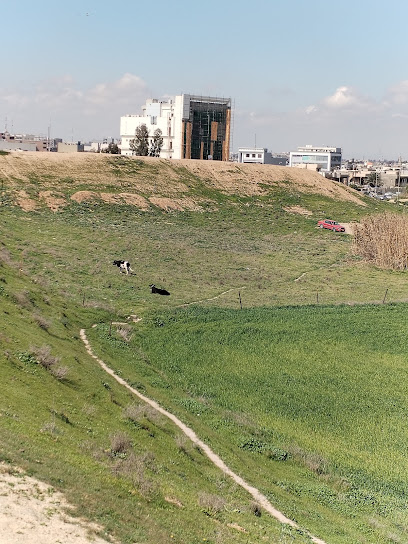
BUNS N' PIES better burger better pizza
1.4 km
Gourmet burgers and artisanal pizzas meet Middle Eastern flavors in a modern, family-friendly Mosul restaurant.
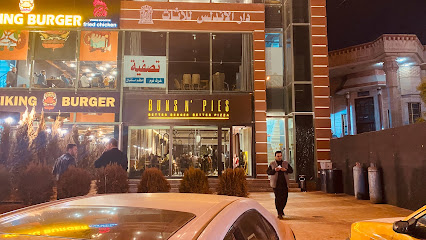
Tell al-Rimah
1.9 km
Explore Tell al-Rimah, an ancient Mesopotamian settlement mound with Babylonian and Assyrian ruins, located near Mosul, Iraq.
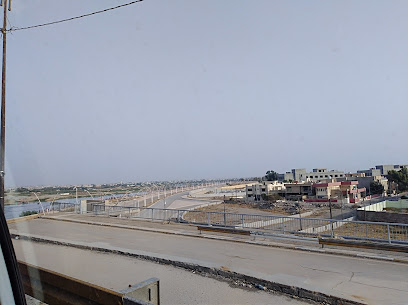
(4th Bridge)
2.0 km
A vital bridge in Mosul, reconnecting the city across the Tigris River, symbolizing resilience and recovery after years of conflict.
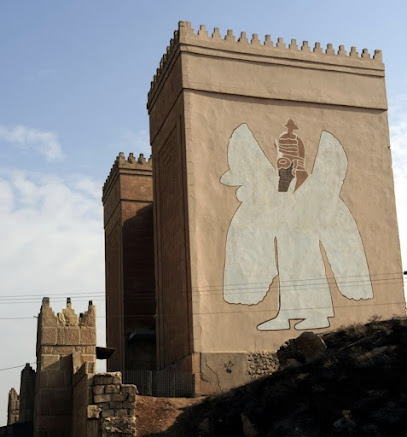
Sennacherib Palace Nineveh
3.0 km
Explore the ruins of Sennacherib's Palace in Nineveh, a window into the glorious and powerful Assyrian Empire, and a testament to ancient Mesopotamian history.
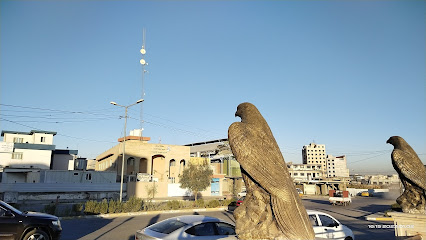
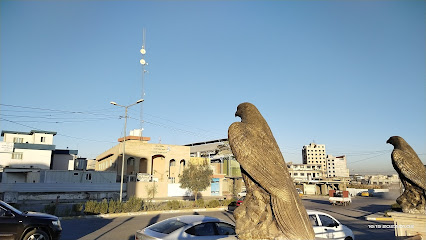
جدارية ساحة الصقور
3.5 km
Discover Mosul's history through the vibrant art of the Sahet Al-Suqur Mural, a landmark reflecting the city's resilience and cultural heritage.
جدارية ساحة الصقور
3.5 km
جدارية ساحة الصقور في الموصل: معلم فني يجسد تاريخ المدينة العريق ورمز للصمود والتجدد.
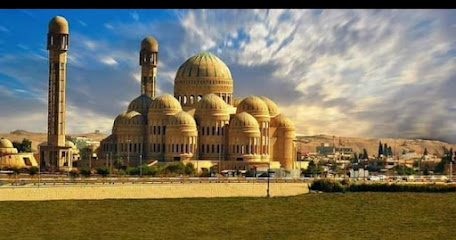
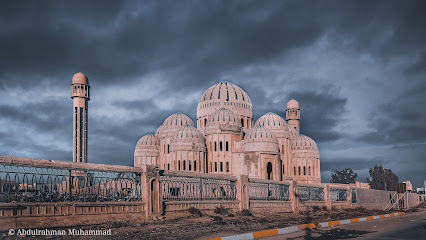
جامع المواصل الكبير (جامع صدام الكبيرسابق)
3.7 km
An uncompleted modern mosque on the Tigris River's east bank, showcasing Mosul's architectural ambition and cultural heritage.
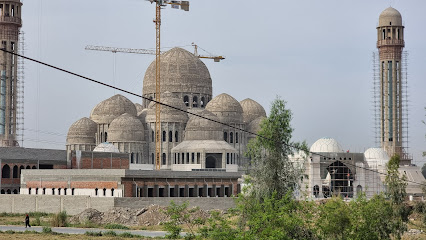
Sultan Palace Hotel
3.8 km
Experience comfort and convenience at Sultan Palace Hotel, your gateway to exploring the historic city of Mosul.
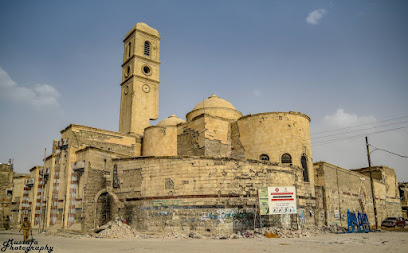
Our Lady of the Hour Church
4.1 km
A historic Catholic church in Mosul, famed for its iconic clock tower and its role as a symbol of peace and resilience.
Al Noree Al Kaber Mosque
4.2 km
Discover the Al Noree Al Kaber Mosque in Mosul, a resilient symbol of history and hope rising from the ruins of war.
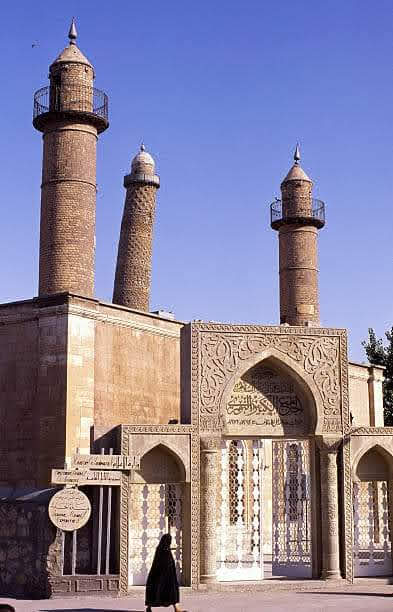
Al-Hadbaa Tower
4.3 km
A historical landmark in Mosul, the Al-Hadbaa Tower, with its distinctive lean, symbolizes the city's rich heritage and resilience after conflict.
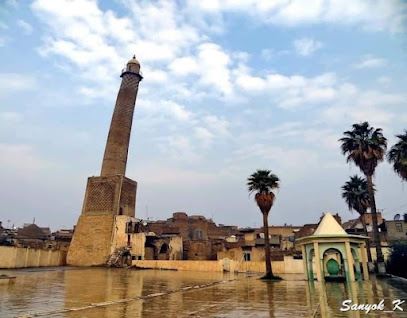
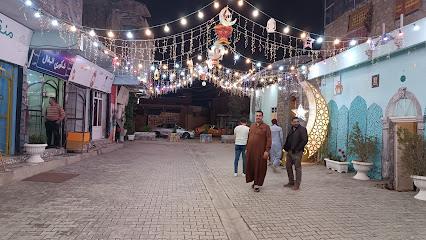
مؤسسة بيتنا للثقافة والتراث
4.3 km
مؤسسة بيتنا للثقافة والتراث: استكشف فن وتراث الموصل في مكان واحد. معارض فنية، ورش عمل، أمسيات ثقافية وتراث محلي.
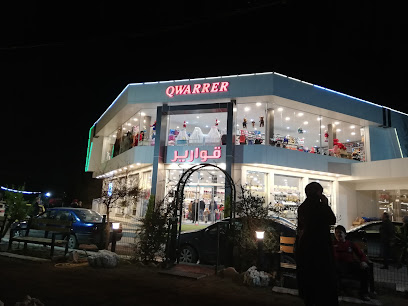
قوارير للتسوق المنزلي
4.4 km
Explore Qwarrer, Mosul's vibrant shopping mall offering a unique mix of local and international brands, dining options, and a lively cultural experience.
Qara Serai castle (The Black Palace)
4.6 km
Explore Qara Serai Castle in Mosul: A historical landmark with stunning architecture and a rich cultural heritage on the banks of the Tigris River.
Unmissable attractions to see

متنزه الوحدة
0.7 km
Find serenity in Mosul at متنزه الوحدة, a green haven for relaxation, family fun, and a peaceful escape from city life.
تل الورد بواسطة زيد البياتي
1.9 km
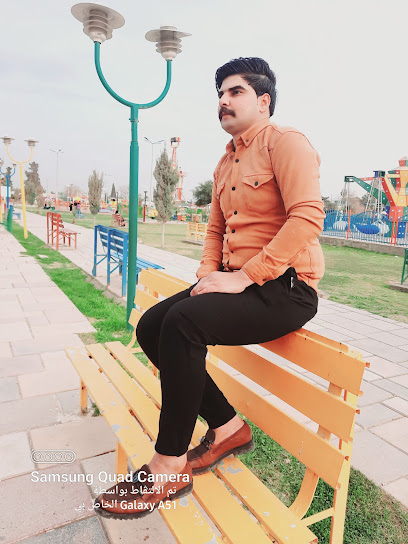
Discover the historical wonders of Tal Al-Ward in Nineveh, where ancient ruins meet stunning landscapes, offering a unique insight into Iraq's rich heritage.

غابات الموصل
1.9 km
Escape to nature in the heart of Mosul at غابات الموصل, a revitalizing green space on the banks of the Tigris River.
منطقة الكوازين
1.9 km
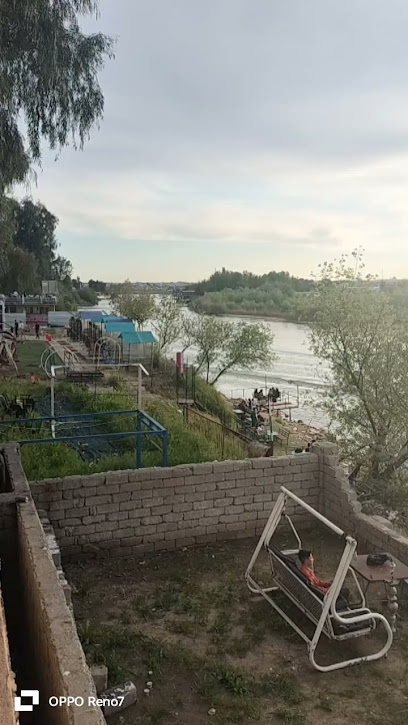
استكشف منطقة الكوازين في الموصل القديمة: مركز الفخار والتراث العريق، حيث يلتقي التاريخ بالحاضر.
کورنیش الجوسق - Al-Jusaq cornish
2.1 km
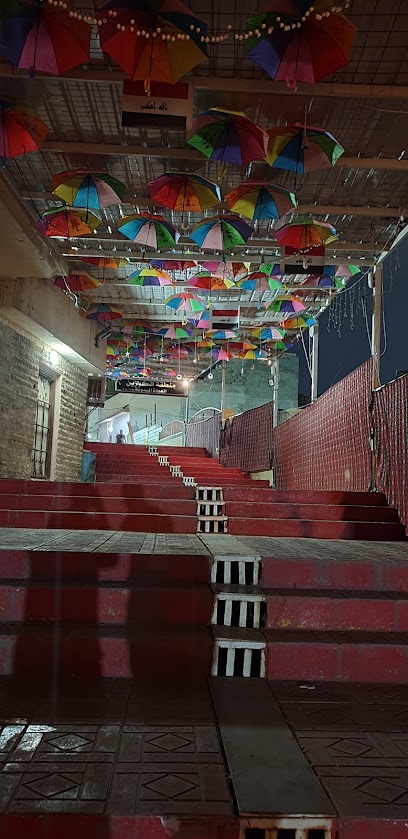
Relax and unwind at Al-Jusaq Cornish in Mosul, a scenic riverside park offering a peaceful escape and recreational activities for all.
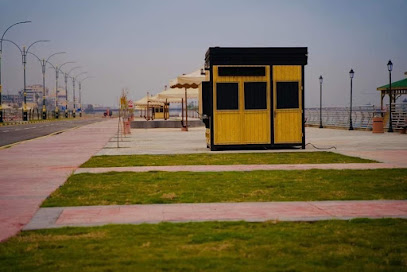
كورنيش الجوسق
2.4 km
Escape to كورنيش الجوسق in Mosul: a serene riverside park with beautiful gardens, perfect for relaxing walks and scenic views.
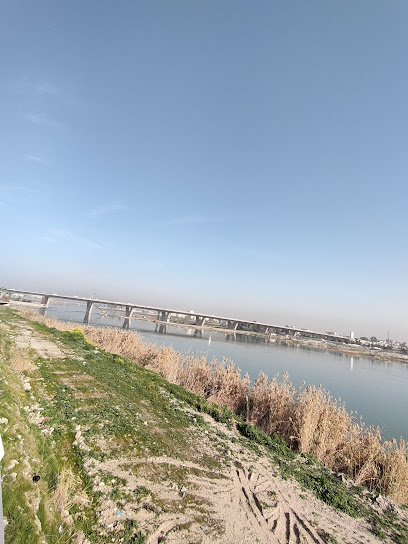
Al-Khuder Shrine
3.0 km
Explore Al-Khuder Shrine in Mosul, a historical and spiritual landmark reflecting the city's rich cultural heritage.
موضع مَعْبَر آشوري مندثر
3.0 km
Unveil the ancient treasures of Muzeh Ma'ibra Ashuri Mandhar in Mosul, where history and culture converge for an unforgettable journey.
Mosul Museum
3.0 km
Explore millennia of Mesopotamian history at the Mosul Museum, a symbol of resilience and cultural heritage in Nineveh Governorate.
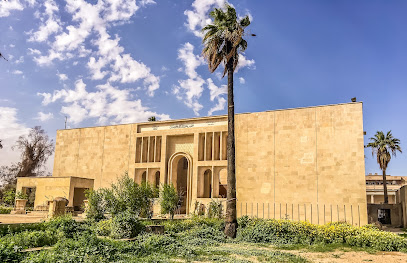
حديقة الشهداء
3.1 km
Reflect and remember in Mosul's serene حديقة الشهداء, a garden steeped in history and dedicated to the nation's heroes.
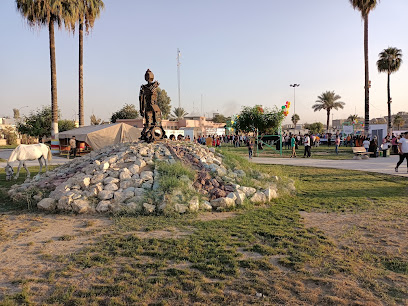
Nineveh Archaeological Park
3.1 km
Explore Nineveh Archaeological Park in Mosul, and discover the ruins of the Neo-Assyrian Empire's capital, featuring ancient walls and ongoing excavations.
عسكري قصي
3.2 km
Explore the serene beauty of عسكري قصي Park in Mosul, a perfect retreat for relaxation and nature lovers amidst the city's rich history.
Mosul Amusement park
3.3 km
Experience thrilling rides and joyful moments at Mosul Amusement Park, a symbol of entertainment and resilience in the heart of Mosul.
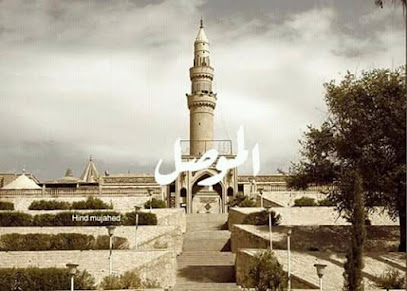
كورنيش الموصل الايمن Right Mosul Corniche
3.3 km
Escape to tranquility at Mosul's Right Corniche: a scenic riverside garden offering respite and beautiful views of the Tigris.
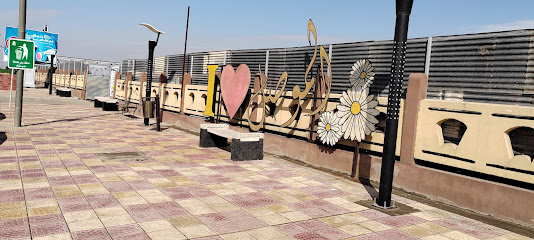
نافورة باب الطوب
3.4 km
Experience the revitalized spirit of Mosul at نافورة باب الطوب, a popular park and fountain symbolizing the city's ongoing recovery.
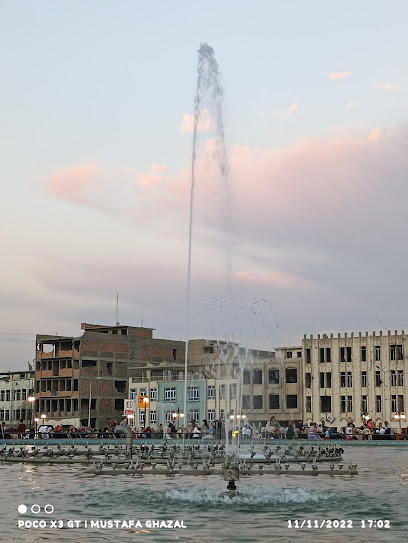
Essential places to dine

Happy Day
0.4 km
Experience authentic flavors at Happy Day Restaurant in Mosul - where tradition meets modern dining in a charming setting.
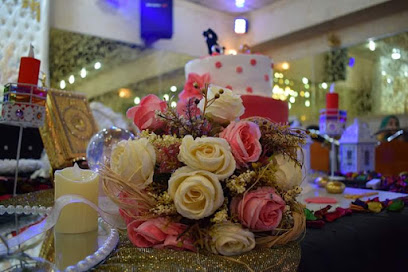
Al-Hatab Resturant
1.3 km
Experience the authentic flavors of Iraq at Al-Hatab Restaurant in Mosul - where tradition meets taste.
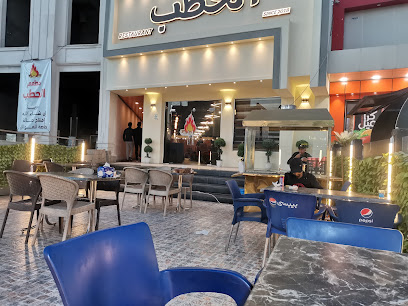
لحم بعجين الذهبي
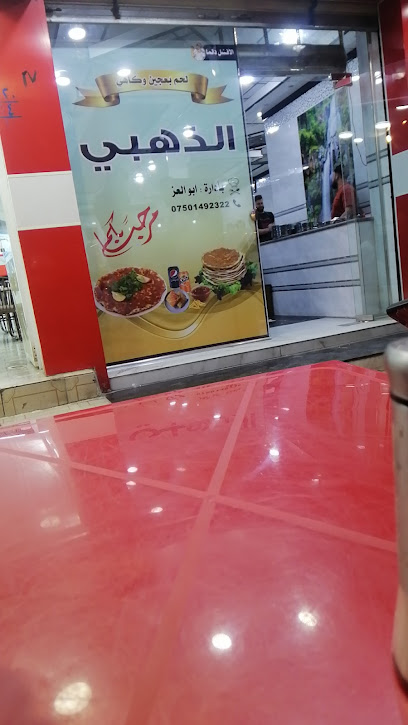
1.5 km
Discover the unique taste of Middle Eastern pizza at لحم بعجين الذهبي in Mosul - where tradition meets flavor!
مطعم التحرير - Altahreer restaurant
1.6 km
Experience authentic Iraqi cuisine at Altahreer Restaurant in Mosul – where tradition meets taste in every dish.
Khattar Restaurant
1.7 km
Discover authentic Iraqi flavors at Khattar Restaurant in Mosul – where every dish tells a story.
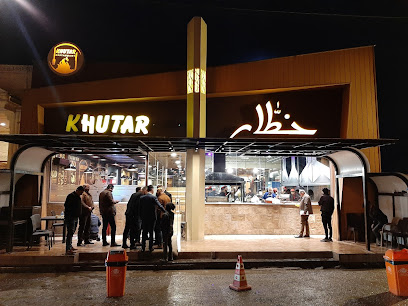
مشويات الاسماك
1.8 km
Experience authentic Iraqi seafood at مشويات الاسماك in Mosul, where fresh flavors and warm hospitality meet.
مطعم مشويات فضل الرحمن
1.9 km
Savor authentic Iraqi grilled cuisine at مطعم مشويات فضل الرحمن in Mosul - where every bite tells a story.
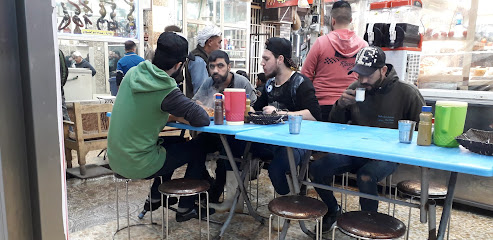
فرع المطاعم والمقاهي
1.9 km
Experience authentic Iraqi cuisine at its finest in Mosul's renowned dining destination.
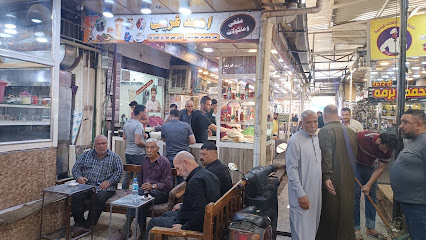
منزل الحجي ابراهيم
1.9 km
Discover the rich flavors of Hunan cuisine at منزل الحجي ابراهيم in الشوره – a must-visit culinary gem for every traveler.
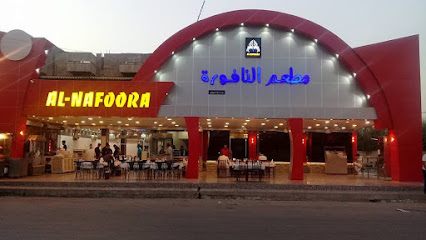
Restaurant Alnafora
2.0 km
Discover authentic Iraqi cuisine at Restaurant Alnafora in Mosul - a culinary gem offering delicious traditional dishes in a vibrant setting.
Rizzo for fast food
2.3 km
Savor mouthwatering chicken dishes at Rizzo in Mosul—where fast food meets local flavor.

A restaurant and a coffee shop Return
2.4 km
Experience authentic flavors at Return Restaurant and Coffee Shop in Mosul – where tradition meets modernity in every bite.
Golder Grill
2.4 km
Experience authentic Mosuli cuisine at Golder Grill – where every dish tells a story.
مطعم خالد ابو الكص
3.0 km
Discover the authentic taste of shawarma at Khaled Abu Al-Kass, where tradition meets flavor in Mosul's vibrant culinary scene.
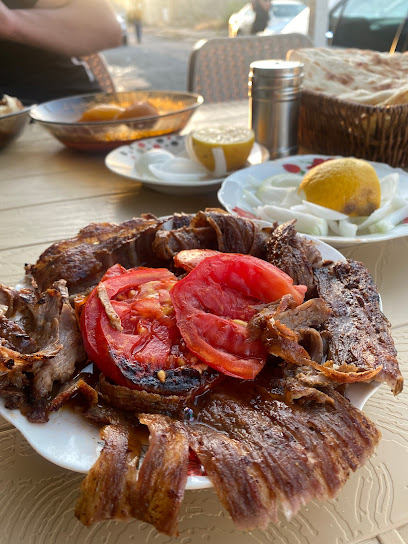
قوزي الصقال
3.0 km
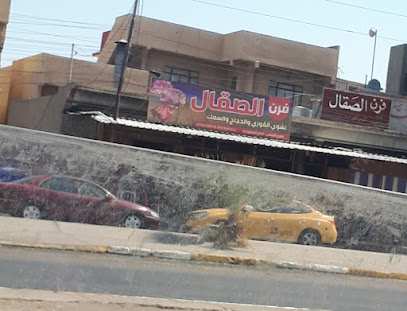
Experience authentic Iraqi cuisine at قوزي الصقال in Mosul—where tradition meets flavor in every dish.
Markets, malls and hidden boutiques

سنتر V.I.P للالبسة والاحذية الرجالية
1.9 km
Explore the stylish offerings of سنتر V.I.P للالبسة والاحذية الرجالية, Mosul's premier destination for men's fashion and footwear.
ديكورات الحضارة
1.9 km
Discover the rich cultural heritage of Mosul at ديكورات الحضارة, where history and tradition meet in stunning architectural beauty.
Antika maker
1.9 km
Explore Antika Maker in Mosul: your go-to gift shop for unique souvenirs reflecting the rich culture and craftsmanship of the region.
الاندلس
1.9 km
Explore Al-Andalus in Mosul: Where traditional craftsmanship meets modern fashion in a vibrant clothing store.
ماركة الجوال
1.9 km
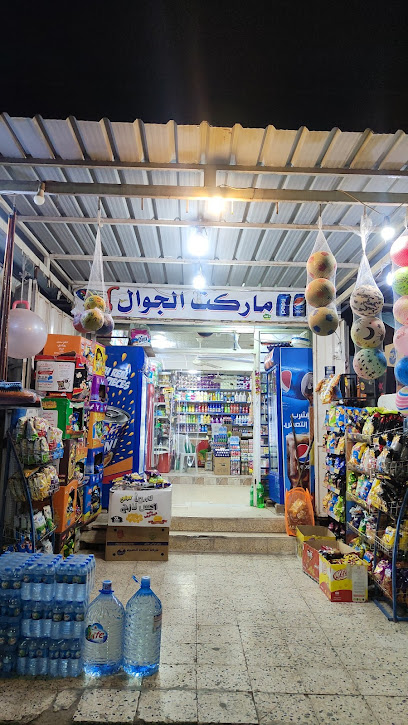
Discover the convenience of ماركة الجوال in Mosul, your essential stop for snacks, drinks, and local specialties during your travels.
ماجد العبيدي
1.9 km
Explore ماجد العبيدي for a unique shopping experience in نهروان, where traditional craftsmanship meets modern fashion in a vibrant setting.
سدره ماركت
1.9 km
Explore Sidr Market in Mosul for unique home goods reflecting the rich cultural heritage of the region, perfect for souvenirs or gifts.
كماليات بنت الاكابر
1.9 km
Explore Kamaliyat Bint Al-Akaber, a charming boutique in Mosul offering exquisite local crafts and unique souvenirs reflecting Iraqi culture.
محل مفروشات جهاز العروسه
1.9 km
Explore the heart of Mosul's wedding culture at محل مفروشات جهاز العروسه, a store filled with exquisite bridal furnishings and local traditions.
معرض الاقصى
1.9 km
Explore the vibrant store of معرض الاقصى in Mosul for unique local crafts and cultural souvenirs that embody the spirit of Nineveh.
مكتبة الثقافة
1.9 km
Discover unique gifts and local crafts at مكتبة الثقافة, a charming gift shop in the heart of Mosul, celebrating the rich culture of Nineveh.
اسواق احمد
1.9 km
Discover اسواق احمد, the leading auto parts store in Mosul, offering a wide variety of automotive components and expert assistance for all your vehicle needs.
راشي سما نينوى
1.9 km
Experience the unique blend of tradition and modernity at راشي سما نينوى - a must-visit store in the heart of Mosul.
اسواق حامد ابار
1.9 km
Discover the vibrant culinary culture of Mosul at اسواق حامد ابار, where fresh ingredients and local flavors await.
محل الجامعة لبيع المواد الغدائية
1.9 km
Explore Mosul's culinary delights at the University Grocery, where local flavors and fresh produce await your discovery.
Essential bars & hidden hideouts

عطاريه ابو يوسف
1.8 km
Discover the charm of Mosul at عطاريه ابو يوسف, a bar offering a blend of local culture, warm hospitality, and refreshing drinks.
قاعه صالح
1.9 km
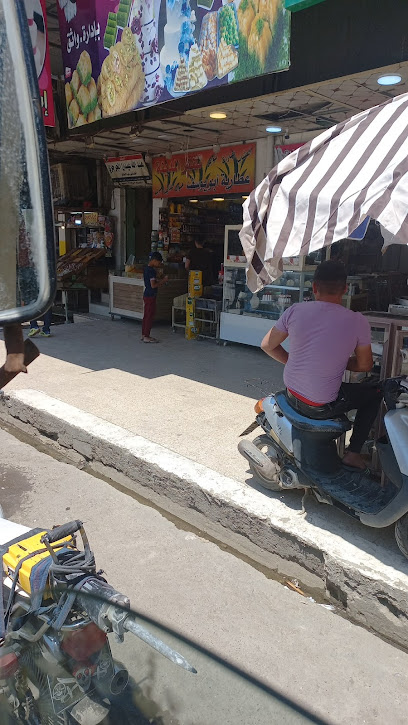
Experience the vibrant nightlife of Mosul at قاعه صالح, a lively bar offering a diverse selection of drinks and a taste of local culture.
ياسر الفيتر
2.2 km
Discover the lively atmosphere and rich cultural experience at ياسر الفيتر, Mosul's vibrant bar perfect for relaxation and entertainment.
مخزن الكوخ
2.3 km
Experience the vibrant atmosphere and local culture at مخزن الكوخ, Mosul's hidden gem for relaxation and socializing.
مطعم ومشرب شهرزاد
2.5 km
Experience the vibrant nightlife at Chahrazad Restaurant and Bar in Mosul, where delicious food meets a lively atmosphere.
عرب جول
3.7 km
Experience the lively ambiance and local flavors at عرب جول, a must-visit pub in the heart of Mosul, perfect for unwinding after a day of exploration.
سجاد للاراكيل
3.8 km
Experience the vibrant atmosphere and rich flavors at Sajjad Al-Arakil, a beloved bar in the heart of Mosul, perfect for relaxation and socializing.
شيخانه معد
4.2 km
Experience the spirited nightlife and local culture at شيخانه معد in Mosul, a vibrant bar that welcomes tourists and locals alike.
شربت زبيب الحاج علي
4.5 km
Discover the vibrant atmosphere and unique cocktails at شربت زبيب الحاج علي in Mosul, where tradition meets innovation.
مرطبات ابو عبدالله
4.6 km
Discover the refreshing ambiance and local flavors at مرطبات ابو عبدالله, the perfect bar to unwind in Mosul.
مقبلات فراس سريشكي
4.7 km
Explore the vibrant flavors of Iraq at Maqablat Firas Sreshki, a bar in Mosul offering delicious appetizers and a lively atmosphere.
علي باله
5.1 km
Discover the lively atmosphere of Ali Balh, a cocktail bar in Mosul, where craft cocktails and vibrant nightlife intertwine.
كفتريا كلاسكو
5.7 km
Experience the vibrant nightlife at كفتريا كلاسكو in Mosul, where tradition meets modernity for an unforgettable evening.
محمود النافولي
6.3 km
Discover the lively ambiance of Mahmoud Al-Nafouli Bar in Mosul, where culture meets a vibrant nightlife experience.
دورة غابات الموصل
6.7 km
Discover the vibrant atmosphere and local flavors at دورة غابات الموصل, a unique bar in the heart of Mosul.