Al Noree Al Kaber Mosque, Mosul Travel Guide
Discover the Al Noree Al Kaber Mosque in Mosul, a resilient symbol of history and hope rising from the ruins of war.
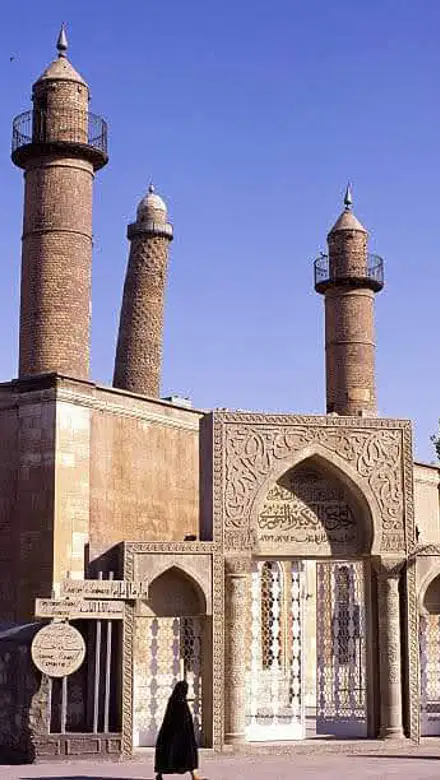
Once a prominent historical and religious site in Mosul, the Al Noree Al Kaber Mosque, also known as the Great Mosque of al-Nuri, is undergoing restoration after being severely damaged in 2017. The mosque is known for its iconic leaning minaret, Al-Hadba, which stood for over 850 years. The mosque is a symbol of Mosul's identity and is being rebuilt using traditional techniques and materials salvaged from the rubble.
A brief summary to Al Noree Al Kaber Mosque
- 84VG+3PF, Al Shaziani St, Mosul, Hayy An Nabijarjis, Nineveh Governorate, IQ

Know before you go
Hi, I'm Eve. Here are a few practical things to know before exploring Al Noree Al Kaber Mosque.
- Be respectful of the religious significance of the mosque.
- Check for any travel advisories or safety updates before visiting Mosul.
- Consider hiring a local guide to learn more about the history and culture of the area.
Do you manage this location?
Take control to get all the benefits, like improved information, better appearance, and stronger visibility across AI-powered discovery. Learn more about listing your business on Evendo
Activate your presenceOther nearby places you may find interesting
The closest places of the same kind, if this one is not quite what you had in mind.
Explore Al Noree Al Kaber Mosque on the Map
A handpicked selection of must-see spots near Al Noree Al Kaber Mosque, mapped for you.
Getting There
-
Walking
The Al Noree Al Kaber Mosque is located on Al Shaziani St in Mosul. If you are in the Old City area, walking is a viable option. Be aware of your surroundings and any ongoing construction.
-
Taxi
Taxis are readily available in Mosul. A short taxi ride to Al Noree Al Kaber Mosque from a central location in Mosul, such as a hotel, will cost approximately $10 USD. Be sure to agree on the fare before starting your journey. Ride-sharing apps like Careem are also increasingly popular.
Discover more about Al Noree Al Kaber Mosque
More to explore near Al Noree Al Kaber Mosque













Your all‑in‑one travel companion app
Explore expert travel guides, compare and book tours, experiences, hotels, and more—all from the palm of your hand. Download now for seamless trip planning wherever your wanderlust takes you.


Explore More of Mosul
Looking beyond Al Noree Al Kaber Mosque? Discover Mosul for broader travel guides, local hot-spots, and regional highlights.
Explore Mosul