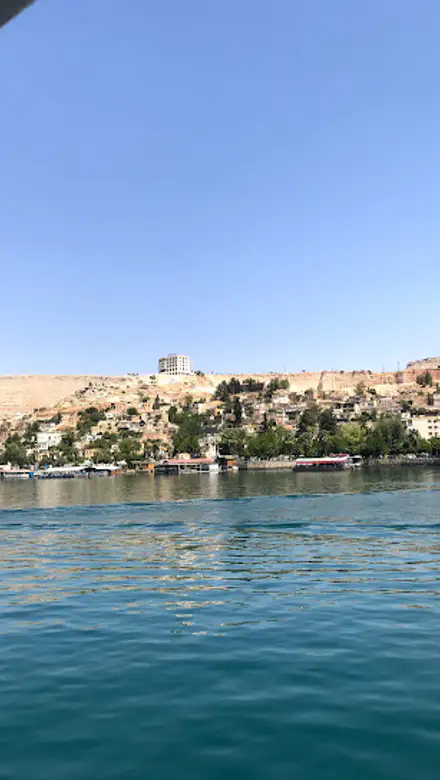
Euphrates River Travel Guide
Free Guide: Explore the Euphrates River: A journey through ancient civilizations, stunning landscapes, and the heart of Mesopotamia.


A brief summary of Euphrates River
Explore the Euphrates River: A journey through ancient civilizations, stunning landscapes, and the heart of Mesopotamia.
The Euphrates River, one of the longest rivers in Western Asia, flows through Turkey, Syria, and Iraq. As a key component of Mesopotamia, it has been a cradle of civilization, witnessing the rise and fall of empires like the Babylonians. Today, it offers a blend of historical intrigue and natural beauty.
- Address
- Babylon Governorate
Getting there
Bus
Car
Discover more about Euphrates River
Overview
The Euphrates River, winding through Turkey, Syria, and Iraq, stands as a testament to the history and culture of Western Asia. Originating in the Armenian Highlands, the river stretches approximately 2,800 kilometers (1,740 miles). It has been a vital source of life, agriculture, and inspiration for millennia.As one of the two defining rivers of Mesopotamia, the Euphrates has witnessed the rise and fall of numerous empires, including the Sumerians and Babylonians. The river's banks are dotted with archaeological sites, offering a glimpse into the past. Babylon, one of the most important cities of the ancient world, was built along the Euphrates.Visitors can explore the historical sites and immerse themselves in the landscapes that have inspired poets and historians alike. Boat tours provide a unique perspective of the river and its ecosystems, while the surrounding areas offer opportunities for birdwatching and engaging with local communities. The river also facilitates agriculture and sustains local communities.However, the Euphrates faces challenges such as water scarcity, pollution, and regional conflicts. Dam construction and irrigation projects have reduced water flow, impacting biodiversity and the livelihoods of those who depend on the river. Despite these challenges, the Euphrates remains a symbol of resilience and a must-visit destination for those seeking to uncover the depths of Mesopotamian heritage.
Evendo Review Centre
 Google
Guest reviews
Explore Euphrates River on the map
A handpicked selection of must-see spots near Euphrates River, mapped for you.
Get your free copy of our complete guide to Euphrates River, delivered straight to you.
Everything on this page, from opening hours and how to get there to Eve’s tips and the best time to go, in one PDF you can read offline, print or share.
Already have an account? Sign in
Your Euphrates River guide is ready.
We'll send it to · Not you? Sign out

Getting your guide ready…
We are putting together a fresh copy of the Euphrates River guide. This can take up to a minute.
This can take a few moments. If your browser asks, choose Allow so the download can start. You'll find the guide in your Downloads folder.
Nothing happened? Download it again
Sorry, the guide is taking longer than usual. Please try again in a minute, or get it by email instead.
Other nearby places you may find interesting
The closest places of the same kind, if this one is not quite what you had in mind.
-
-
-
-
-


Swipe for more places
More to explore near Euphrates River

 Best experiences near Euphrates River
 Best hotels near Euphrates River
 Best landmarks near Euphrates River
 Best attractions near Euphrates River
 Best shops near Euphrates River
 Best restaurants near Euphrates River
 Best bars near Euphrates River
Do you manage this location?
Take control to get all the benefits, like improved information, better appearance, and stronger visibility across AI-powered discovery.
Explore more

Explore more of Western Desert
Explore the uncharted beauty and ancient history of Iraq's Western Desert, a vast landscape of dunes, archaeological marvels, and serene solitude.
Explore Western Desert
Explore more of Iraq
Explore the cradle of civilization in Iraq, where ancient history, rich culture, and diverse landscapes create an unforgettable travel experience.
Explore Iraq