

Free County Longford Travel Guide & Mobile App
Explore County Longford with free travel guides. Discover regional history, expert tips, proposed trips, and audio guides on web or mobile app.


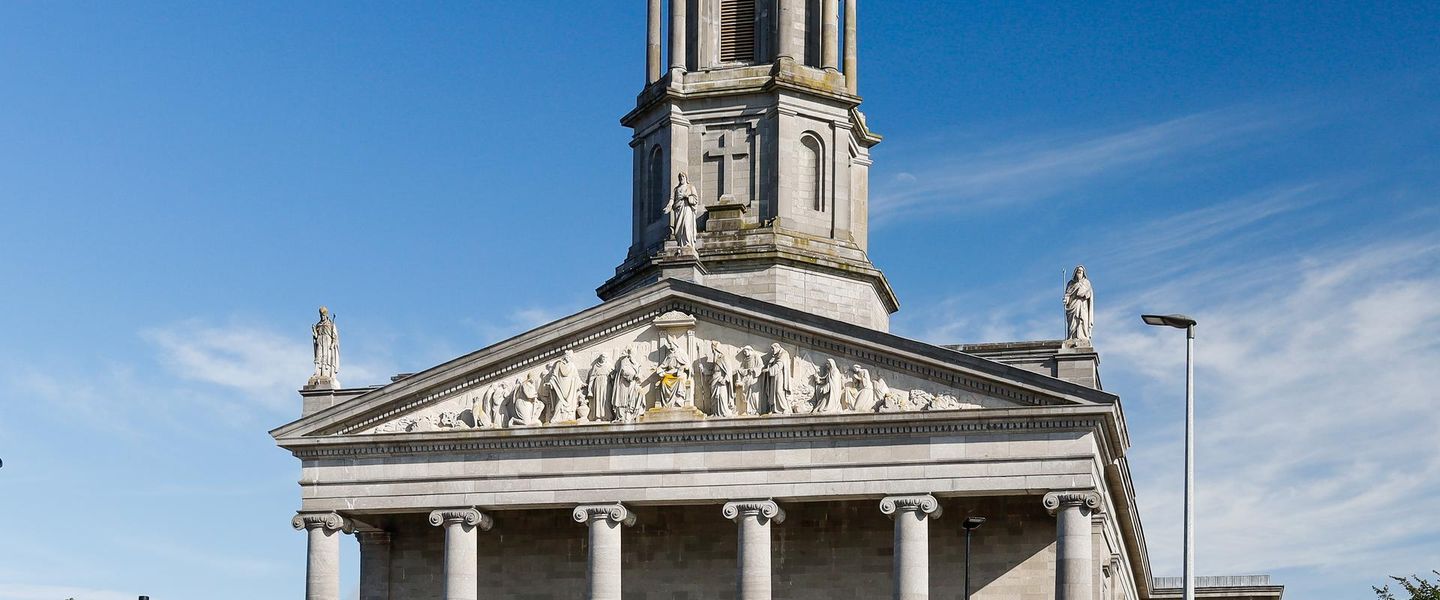


County Longford offers Irish inland waterways, ancient bogland archaeology, market towns, woodland walks and a relaxed Midlands travel experience.
Read more about County Longford
When is the best time to visit County Longford?
Best: June–August · 19–21°C| Month | High (°C) | Rainfall (mm) |
|---|---|---|
| January | 7 | 70 |
| February | 8 | 60 |
| March | 11 | 60 |
| April | 13 | 60 |
| May | 16 | 60 |
| June (best) | 19 | 60 |
| July (best) | 21 | 60 |
| August (best) | 20 | 70 |
| September | 18 | 70 |
| October | 14 | 80 |
| November | 10 | 80 |
| December | 8 | 80 |
Getting to and around County Longford
How to get there
Transportation
Top city travel guides in County Longford
The cities of County Longford, and the easiest places to base yourself.

Swipe for more cities
Best attractions in County Longford
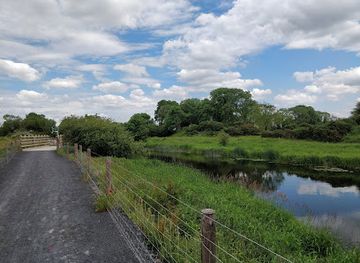
County Longford’s attractions are varied but generally low-key, combining archaeology, waterways, woodland and local history. Corlea Trackway Visitor Centre is the county’s leading prehistoric site, preserving and interpreting an Iron Age timber road found in the bog. Longford town offers St Mel’s Cathedral, County Longford’s museum and a range of civic and religious buildings, while Granard provides a medieval connection through its motte and historic town setting. Around Ballymahon, woodland walks and the River Inny create opportunities for gentle outdoor activity, and the Longford Forest area adds a substantial contemporary leisure attraction. The Royal Canal towpath, particularly around Richmond Harbour near Clondra, is suited to walking, cycling and boating. Lanesborough and Ballyleague offer access to the Shannon and Lough Ree, with angling, birdwatching and waterside recreation among the main interests. Ballinamuck is important for visitors interested in the 1798 rebellion, while Edgeworthstown introduces the literary history associated with Maria Edgeworth. The county’s smaller churches, graveyards, bog landscapes, estate remnants and market towns reward visitors who travel slowly rather than seeking a dense sequence of headline attractions.
-
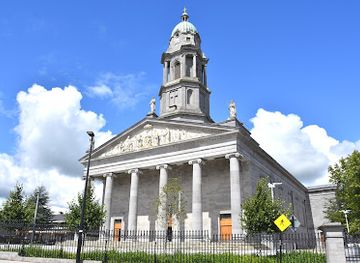
Catholic cathedral
St Mel's Cathedral
Explore the architectural beauty and spiritual significance of St Mel's Cathedral in Longford, Ireland - a must-visit tourist attraction.
-
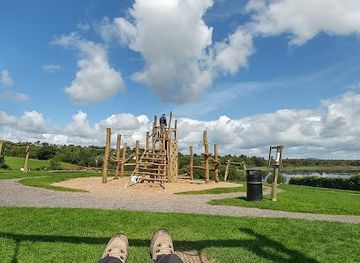
Park
Leebeen Park
Experience the tranquility of Leebeen Park in Co. Longford, a picturesque retreat perfect for nature lovers and outdoor enthusiasts.
-
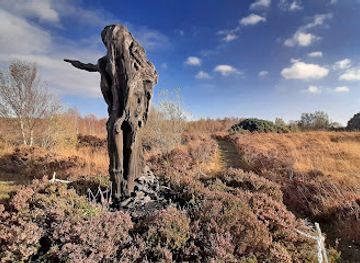
Visitor center
Corlea Trackway Visitor Centre
Explore the rich heritage of ancient Ireland at the Corlea Trackway Visitor Centre, where history and nature blend seamlessly.
-
National forest
Newcastle Wood Walk
Explore the breathtaking Newcastle Wood Walk in Co. Longford, a serene national forest perfect for nature walks, picnics, and wildlife spotting.

Best landmarks in County Longford
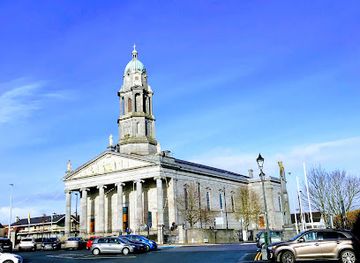
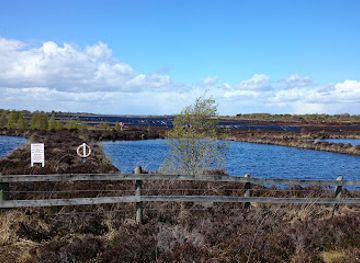
St Mel’s Cathedral in Longford town is County Longford’s most prominent architectural landmark. Built in the nineteenth century and substantially restored after a major fire in 2009, it forms a defining part of the townscape and reflects the importance of Catholic ecclesiastical architecture in modern Ireland. At Corlea, the preserved Iron Age trackway is a landmark of a different kind: an ancient timber construction whose survival in the bog makes the landscape itself part of the monument. Granard’s medieval motte rises above the town and represents the defensive and administrative changes introduced during the Anglo-Norman period. Richmond Harbour at Clondra marks the Royal Canal’s meeting with the Shannon system, bringing together engineering, navigation and rural landscape. The village of Ardagh is notable for its planned nineteenth-century character and estate-influenced streetscape, while Ballinamuck’s commemorative sites recall the decisive 1798 battle fought there. Around Lanesborough and Ballyleague, the broad Shannon and the edge of Lough Ree provide a natural landmark whose scale contrasts with Longford’s enclosed fields, bogs and small lakes. Together these places express the county’s principal themes: faith, archaeology, transport, conflict, planned settlement and inland water.
-
 Resort hotel
Center Parcs Longford Forest
Experience the ultimate getaway at Center Parcs Longford Forest, where adventure meets relaxation in the stunning Irish countryside.
-
Catholic cathedral
St Mel's Cathedral
Discover the architectural beauty and spiritual significance of St Mel's Cathedral in Longford, a must-visit for every traveler seeking history and tranquility.
-
Park
Leebeen Park
Explore the tranquil beauty of Leebeen Park in Co. Longford, a perfect escape into nature for tourists seeking relaxation and adventure.
-
Visitor center
Corlea Trackway Visitor Centre
Discover the ancient Corlea Trackway and immerse yourself in Ireland's rich archaeological heritage at the Visitor Centre in County Longford.
Explore County Longford on the map
Plan your trip on one map. See where the top cities, national parks and sights are, and book hotels and experiences in a few clicks.
Best hotels in County Longford
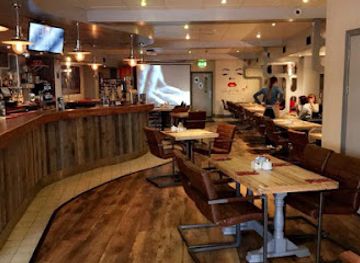
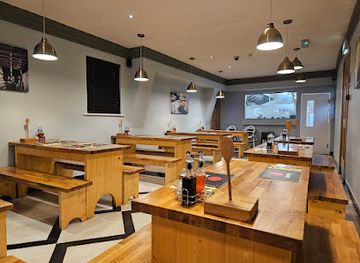
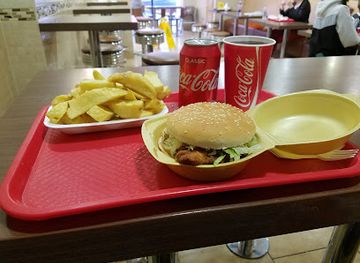
Best restaurants in County Longford
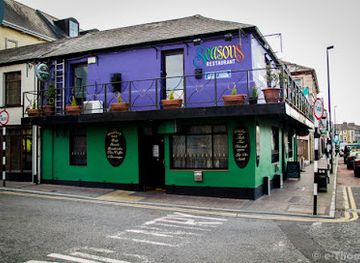
Dining in County Longford is centred on traditional pubs, cafés, bakeries, hotel restaurants and modest independent establishments in the larger towns. Menus commonly draw on the broader food culture of the Irish Midlands, with beef, lamb, poultry, potatoes, soups, stews, breads and seasonal vegetables appearing alongside familiar contemporary dishes. Freshwater fish may feature in waterside areas, although the county is not a coastal seafood destination. Ballymahon, Longford town, Edgeworthstown and Granard provide the broadest choice, while rural pubs and village cafés are useful for informal meals and refreshments. Local shops and occasional farmers’ markets offer opportunities to buy bread, cakes, cheeses, preserves and other Irish produce for picnics along the canal or at a forest trail. Visitors should distinguish between genuinely local specialities and national Irish staples: Longford’s culinary identity is expressed more through agricultural produce, hospitality and everyday cooking than through a single signature dish. Booking ahead is sensible for popular evening meals or larger groups, particularly outside the principal towns.
-
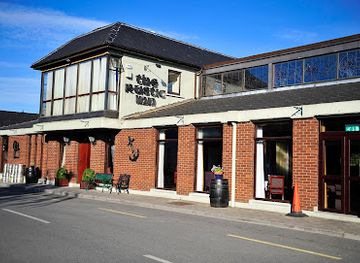
Irish pub
The Rustic Inn
Experience authentic Irish hospitality at The Rustic Inn in Abbeyshrule - where hearty meals meet local brews in a charming atmosphere.
-
Restaurant
Take 2 Restaurant & B&B
Discover authentic Irish cuisine at Take 2 Restaurant & B&B in Longford – where every meal tells a story.
-
Restaurant
Mekong Asian Street Food
Savor authentic Asian street food flavors at Mekong Asian Street Food in Longford – a culinary delight for all taste buds.
-
Fast Food
Luigis Longford Main Street
Discover the delightful flavors at Luigi's Longford - where fast food meets family-friendly dining in the heart of Ireland.
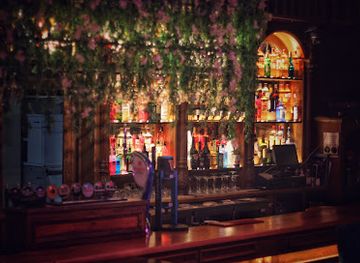
Best bars in County Longford
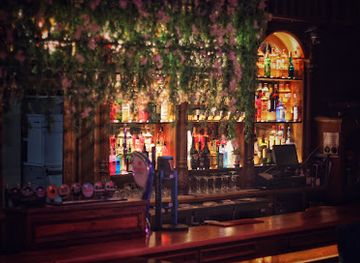
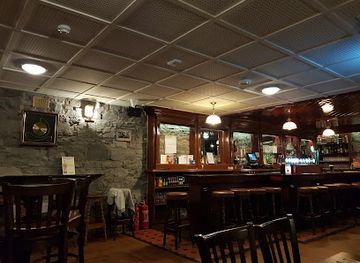
Evening life in County Longford is primarily based around traditional pubs, hotel bars, cafés and community venues rather than a large nightclub scene. Longford town has the widest concentration of places for a drink, conversation or occasional live music, while Ballymahon, Granard and Edgeworthstown provide smaller local choices. Pubs may host traditional music, quiz nights or televised sport, but schedules vary and should be checked locally. Around the Shannon and Royal Canal, evening activity is more likely to centre on dining, waterside hospitality and seasonal gatherings than late-night entertainment. Visitors can also find modern bars and restaurants alongside long-established premises, though the atmosphere is generally more relaxed than in Ireland’s larger cities. Alcohol is not essential to enjoying the county’s social life: cafés, cultural events and community performances can be equally relevant, especially during daytime and early evening.
-
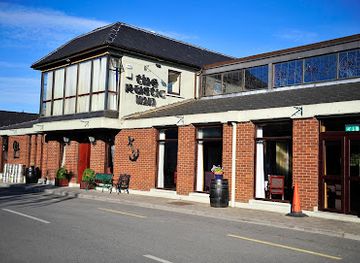
Irish pub
The Rustic Inn
Discover the warmth of Irish tradition at The Rustic Inn in Abbeyshrule, offering delicious food, local brews, and cozy accommodations.
-
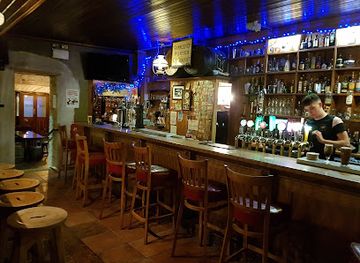
Bar
Skellys Bar & Guest House
Discover the vibrant atmosphere of Skellys Bar & Guest House in Ballymahon, where delicious food and friendly hospitality await.
-
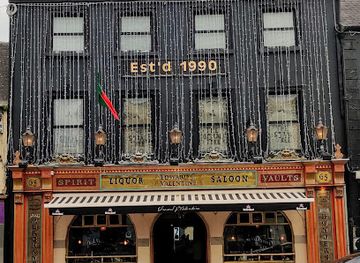
Bar
Edward J Valentines Bar
Experience authentic Irish hospitality at Edward J Valentine's Bar in Longford, where great drinks and a warm atmosphere await.
-
Hotel
PV's Hotel and Restaurant (Longford)
Discover the lively atmosphere of PV's Hotel and Restaurant in Longford, where great food meets vibrant entertainment and welcoming accommodations.
Best nightclubs in County Longford
Evening life in County Longford is primarily based around traditional pubs, hotel bars, cafés and community venues rather than a large nightclub scene. Longford town has the widest concentration of places for a drink, conversation or occasional live music, while Ballymahon, Granard and Edgeworthstown provide smaller local choices. Pubs may host traditional music, quiz nights or televised sport, but schedules vary and should be checked locally. Around the Shannon and Royal Canal, evening activity is more likely to centre on dining, waterside hospitality and seasonal gatherings than late-night entertainment. Visitors can also find modern bars and restaurants alongside long-established premises, though the atmosphere is generally more relaxed than in Ireland’s larger cities. Alcohol is not essential to enjoying the county’s social life: cafés, cultural events and community performances can be equally relevant, especially during daytime and early evening.
-
Bar
Edward J Valentines Bar
Discover the lively atmosphere of Edward J Valentine's Bar in Longford, where great drinks and local entertainment await every visitor.
-
Hotel
PV's Hotel and Restaurant (Longford)
Discover the perfect blend of comfort and entertainment at PV's Hotel and Restaurant in Longford, where cuisine meets vibrant nightlife.
-
Pub
Duignan's Tallyho
Discover the authentic Irish pub experience at Duignan's Tallyho in Longford, where great drinks and lively atmosphere await you.
-
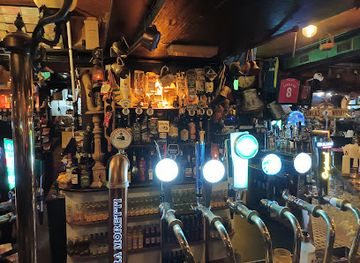
Bar
Market Bar
Discover the heart of Longford at Market Bar – a lively venue for great food, drinks, and live music in a welcoming atmosphere.
Best shops in County Longford
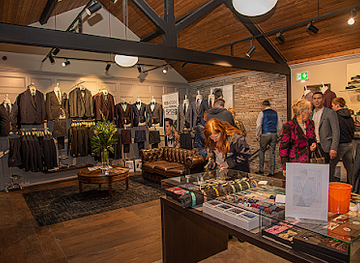
Shopping in County Longford is concentrated in the high streets and independent businesses of Longford town, Ballymahon, Granard and Edgeworthstown. Expect practical retail, cafés, bakeries, bookshops, pharmacies, galleries and small specialist shops rather than extensive designer or luxury shopping. Market-town centres are useful for everyday supplies and for observing the county’s continuing relationship with its rural hinterland. Food makes the most reliable regional purchase: look for Irish cheeses, breads, cakes, preserves, chocolates and other locally or nationally produced goods that travel well. Craft shops and galleries may offer ceramics, textiles, artwork, jewellery and handmade gifts, although selection and opening arrangements vary. Farm shops and seasonal markets can provide a stronger connection with local producers than permanent retail outlets, so ask locally about current market days. Longford town is the most practical place to combine shopping with heritage visits, while smaller towns offer a more limited but distinctly local experience. Visitors should not expect a single county-wide souvenir style; the best purchases tend to be useful food products, handmade work or items connected with Ireland’s broader craft traditions.
-
Men's clothing store
Spirit Clothing
Explore Spirit Clothing in Longford for stylish family apparel, offering a diverse selection for men, women, and children.
-
Home goods store
Home Store + More
Explore a unique selection of home goods and decor at Home Store + More in Longford, a shopper's paradise for quality and affordability.
-
Shopping mall
Longford Shopping Centre
Explore Longford Shopping Centre - a vibrant retail hub with diverse shops, delightful dining, and exciting events for a memorable shopping experience.
-
Clothing store
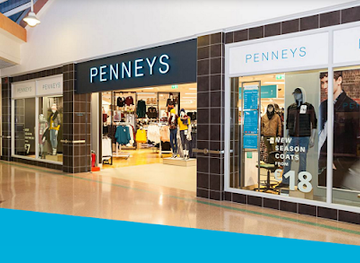
Penneys
Explore trendy fashion and unbeatable prices at Penneys in Longford, the ultimate shopping destination for style-savvy travelers.
Get your free copy of our complete guide to County Longford, delivered straight to you.
Everything on this page, from attractions and restaurants to essentials and local phrases, in one PDF you can read offline, print or share.
Already have an account? Sign in
Your County Longford guide is ready.
We'll send it to · Not you? Sign out

Getting your guide ready…
We are putting together a fresh copy of the County Longford guide. This can take up to a minute.
This can take a few moments. If your browser asks, choose Allow so the download can start. You'll find the guide in your Downloads folder.
Nothing happened? Download it again
Sorry, the guide is taking longer than usual. Please try again in a minute, or get it by email instead.
County Longford essentials
Currency and Payment
Safety
Emergency Situations
Do's and Don'ts
Local Tips
From Eve
Local phrases worth knowing
You don't need to get them perfect. A few words go a long way, and locals appreciate the effort.
Basics
| English | Local | Say it |
|---|---|---|
| Hello | Hello | [Hel-lo] |
| Goodbye | Goodbye | [Good-bye] |
| Yes | Yes | [Yes] |
| No | No | [No] |
| Please/You're welcome | Please/You're welcome | [Pleez/You're wel-kum] |
| Thank you | Thank you | [Thank you] |
| Excuse me/Sorry | Excuse me/Sorry | [Ex-cuse me/Sor-ry] |
| How are you? | How are ya? | [How are ya?] |
| Fine. And you? | Fine. And you? | [Fine. And you?] |
| Do you speak English? | Do ya speak English? | [Do ya speak Ing-lish?] |
| I don't understand | I don’t get it | [I don’t get it] |
Eating & Drinking
| English | Local | Say it |
|---|---|---|
| I'd like to see the menu, please | I'd like to see the menu, please | [I'd like to see the men-u, pleez] |
| I don't eat meat | I don’t eat meat | [I don’t eat meat] |
| Cheers! | Cheers! | [Cheers!] |
| I would like to pay, please | I’d like to pay, please | [I’d like to pay, pleez] |
Emergencies
| English | Local | Say it |
|---|---|---|
| Help! | Help! | [Help!] |
| Go away! | Go away! | [Go away!] |
| Call the Police! | Call the cops! | [Call the cops!] |
| Call a doctor! | Call a doc! | [Call a doc!] |
| I'm lost | I’m lost | [I’m lost] |
| I'm ill | I’m not well | [I’m not well] |
Shopping
| English | Local | Say it |
|---|---|---|
| I'd like to buy... | I'd like to buy... | [I'd like to buy...] |
| I'm just looking | I’m just looking | [I’m just look-ing] |
| How much is it? | How much is it? | [How much is it?] |
| That's too expensive | That's too dear | [That's too dear] |
| Can you lower the price? | Can ya lower the price? | [Can ya low-er the price?] |
Time & Numbers
| English | Local | Say it |
|---|---|---|
| What time is it? | What time is it? | [What time is it?] |
| It's one o'clock | It's one o'clock | [It's one o'clock] |
| Half past (10) | Half past ten | [Half past ten] |
| Morning | Morning | [Morn-ing] |
| Afternoon | Afternoon | [Af-ter-noon] |
| Evening | Evening | [Eve-ning] |
| Yesterday | Yesterday | [Yes-ter-day] |
| Today | Today | [To-day] |
| Tomorrow | Tomorrow | [To-mor-row] |
| 1 | One | [One] |
| 2 | Two | [Two] |
| 3 | Three | [Three] |
| 4 | Four | [Four] |
| 5 | Five | [Five] |
| 6 | Six | [Six] |
| 7 | Seven | [Seven] |
| 8 | Eight | [Eight] |
| 9 | Nine | [Nine] |
| 10 | Ten | [Ten] |
Transport & Directions
| English | Local | Say it |
|---|---|---|
| Where's a/the...? | Where's the...? | [Where's the...?] |
| What's the address? | What's the address? | [What's the ad-dress?] |
| Can you show me (on the map)? | Can ya show me (on the map)? | [Can ya show me (on the map)?] |
| When's the next (bus)? | When's the next (bus)? | [When's the next (bus)?] |
| A ticket (to ....) | A ticket (to ....) | [A ticket (to ....)] |
History of County Longford
Prehistoric Settlement and the Corlea Trackway
County Longford’s bogs preserve evidence of prehistoric activity, most famously at Corlea near Kenagh. The surviving sections of the Corlea Trackway date from the Iron Age, around the last centuries before the birth of Christ, and were constructed from substantial oak timbers laid across wet ground. Such a route required considerable organisation and knowledge of the bog environment. The trackway may have served practical, ceremonial or territorial purposes, and its preservation has made it one of Ireland’s most important archaeological discoveries. The Corlea visitor centre explains how pollen, timber and bog conditions have reconstructed aspects of the ancient landscape.
Early Medieval Monastic Landscapes
Before the formation of modern County Longford, the area formed part of the historic territory of Annaly, or Anghaile, associated with local Gaelic dynasties and a network of early Christian foundations. Monastic sites and ecclesiastical remains linked the region to the wider religious culture of medieval Ireland, when churches, burial grounds and dependent settlements shaped local communities. Much of the early fabric has disappeared or survives in fragmentary form, but church ruins, graveyards and place names provide reminders that the county’s present towns developed within a much older settled landscape.
Norman Influence and Medieval Castles
Anglo-Norman expansion into the Midlands from the late twelfth century brought new forms of landholding, fortification and religious patronage. The territory around modern Longford was contested between Gaelic powers and Norman interests for generations, and medieval settlement left traces in earthworks, church remains and fortified sites. Granard’s motte is the clearest surviving monumental reminder of this period in the county. The later town grew around a strategic position, illustrating how medieval administration and defence influenced the pattern of settlement still visible in Longford today.
Plantation, Estates and Market Towns
From the seventeenth century, political change and land redistribution altered the ownership and administration of Longford. Estate development introduced new houses, demesnes, roads and planned elements into a landscape that remained strongly agricultural. Market towns such as Longford, Granard and Edgeworthstown became places where surrounding farming communities traded livestock, grain and household goods. The county’s later social history was marked by unequal landholding, tenant farming and the gradual growth of local civic institutions, including churches, schools, courthouses and workhouses.
The Edgeworth Family and Literary Longford
Edgeworthstown is closely associated with the Edgeworth family, whose estate and intellectual interests gave the town an important place in Irish literary and educational history. Maria Edgeworth, born in England but raised largely at Edgeworthstown, became one of the most influential novelists of the late eighteenth and early nineteenth centuries. Her fiction examined education, class, property and the relationships between Irish and Anglo-Irish society. The family’s presence connected a Longford estate to broader debates about language, reform and identity during a period of profound political change.
The 1798 Rebellion and the Battle of Ballinamuck
The Battle of Ballinamuck, fought in County Longford on 8 September 1798, followed the arrival of a small French force under General Humbert during the Irish Rebellion. British forces defeated the French and their Irish allies, bringing the campaign in the region to an end. The battle had consequences beyond its military scale: it intensified government repression and contributed to the political climate that led to the Act of Union. Ballinamuck’s memorials and local historical interpretation preserve the memory of those involved on both sides.
Canals, Railways and the Modern Midlands
Transport infrastructure transformed County Longford during the nineteenth century. The Royal Canal eventually reached the Shannon at Richmond Harbour, linking the county to Dublin and the inland navigation system. Railways later connected Longford town and other centres with national routes, encouraging the movement of people, agricultural goods and manufactured products. These networks helped market towns develop while also changing the practical importance of older roads and river crossings. Today, canal towpaths, harbour structures and railway-related townscapes remain visible reminders of the county’s role in central Ireland’s transport history.
County Longford in Photos
Browse through our photo collection highlighting the charm and character of the destination.
Neighbouring regions of County Longford
The closest regions to County Longford, if you have time for more than one.
-

-

-

-

-


Swipe for more regions
Explore more
Explore more of Ireland
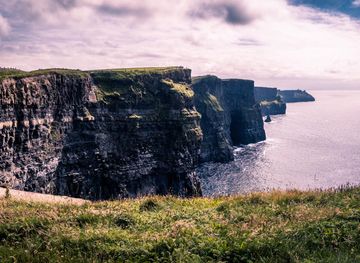
Discover Ireland: A land of enchanting landscapes, rich history, and vibrant culture, where every corner tells a story and every visit feels like coming home.
Explore Ireland