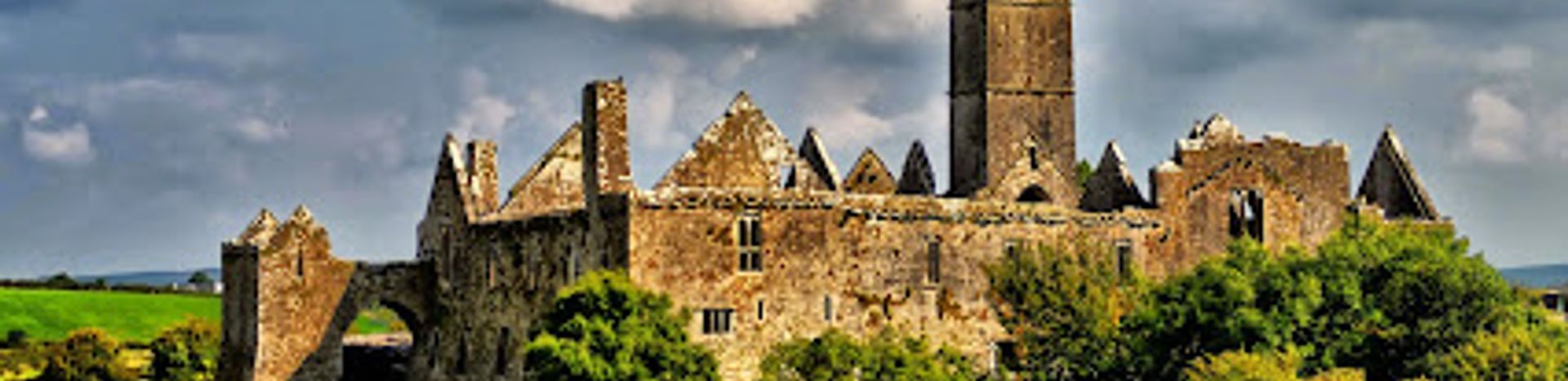
Quin Friary: A Franciscan Haven Amidst Castle Ruins
Explore Quin Friary: Where medieval abbey meets Norman castle ruins in County Clare's historic village of Quin.
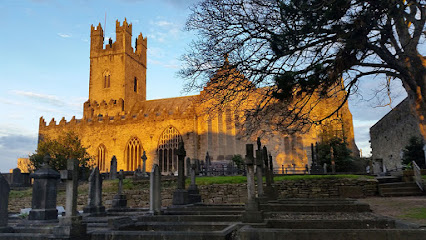
Quin Friary, nestled in the heart of County Clare, is a remarkable abbey founded in 1402 by the MacNamara clan, built upon the ruins of a 13th-century Anglo-Norman castle. This unique setting offers visitors a captivating blend of medieval ecclesiastical architecture and the remnants of a Norman fortress, creating a historical tapestry unlike any other.
A brief summary to Quin Friary
- Quin, Quin, Co. Clare, IE
Local tips
- Wear comfortable shoes, as exploring the grounds involves walking on uneven surfaces.
- Visit early in the morning or late afternoon for a quieter experience and better lighting for photos.
- Check the opening hours before visiting, as they may vary depending on the season.

Getting There
-
Public Transport
From Ennis, take Bus Éireann route 317 or 318 towards Quin. The journey takes approximately 15-20 minutes. Alight at the Quin stop, which is a short walk to the friary. A single fare costs around €4-€6.
-
Taxi
Taxis are available from Ennis to Quin Friary. The journey is approximately 10 km and takes about 10 minutes. Expect to pay around €17-€21 for the trip.
-
Walking
From the center of Quin village, Quin Friary is easily accessible on foot. Follow the signs towards the friary, which is located near the Rine River and the modern Catholic Church. The walk is short and straightforward.
Discover more about Quin Friary
Iconic landmarks you can’t miss

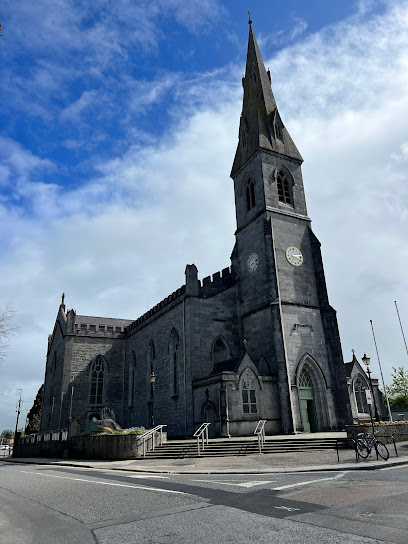
Cathedral of Saints Peter and Paul
8.5 km
Discover the architectural beauty and spiritual tranquility of the Cathedral of Saints Peter and Paul in Ennis, a captivating landmark steeped in history.
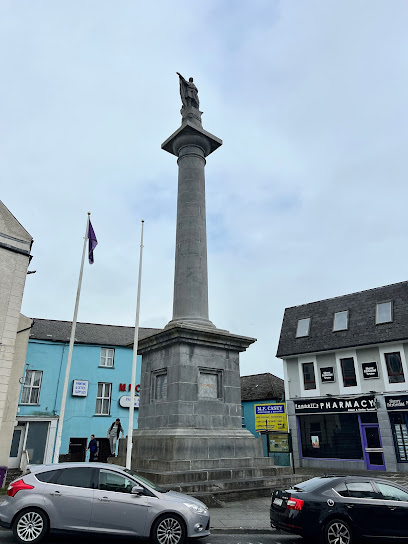
Daniel O'Connell Monument
8.5 km
Explore the Daniel O'Connell Monument in Ennis, County Clare - a beautiful tribute to Irish heritage and a must-see historical landmark.
Mill Water Wheel
9.0 km
Explore the Mill Water Wheel in Ennis, Co. Clare, a historical landmark where nature and history intertwine beautifully.
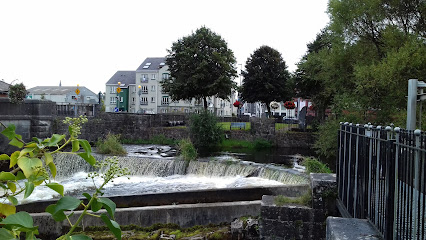
Cois na hAbhna
9.2 km
Experience the heart of Irish culture at Cois na hAbhna in Co. Clare, where music, dance, and community come alive in a vibrant atmosphere.
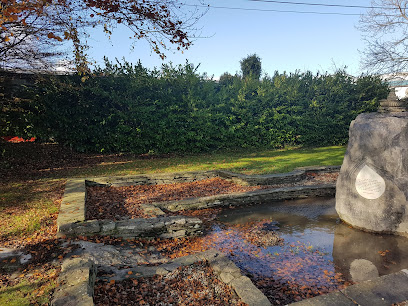
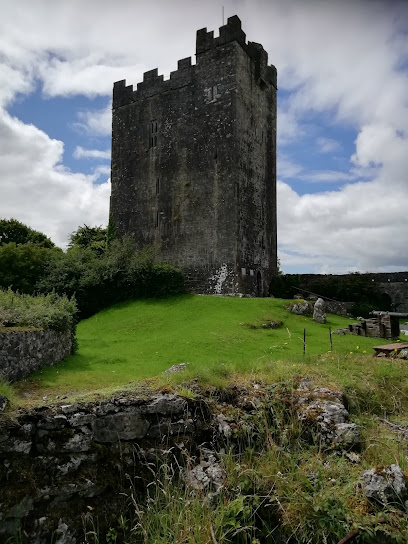
Dysert O'Dea Monastery
17.0 km
Discover the ancient charm and rich history of Dysert O'Dea Monastery in County Clare, Ireland, an unforgettable destination for history enthusiasts and nature lovers.
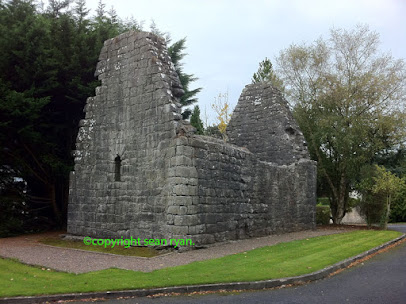
Kilrush Church
22.5 km
Discover the historical charm of Kilrush Church in Limerick, a serene landmark that reflects Ireland's rich architectural heritage and spiritual traditions.
Limerick Tourist Information Centre
23.0 km
Explore Limerick's rich history and vibrant culture at the Tourist Information Centre, your gateway to uncovering the best of this charming Irish city.
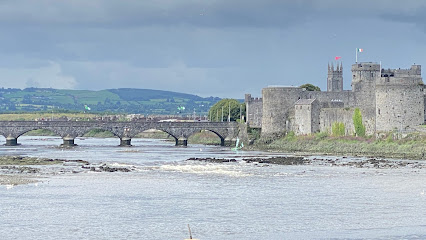
The Sally Ports Walls
23.1 km
Uncover the rich history of Limerick at the Sally Ports Walls, a captivating landmark that showcases medieval architecture and scenic views.
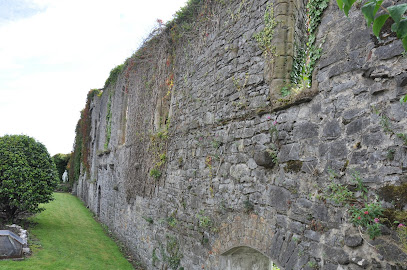
The Widows Alms Houses
23.1 km
Explore the Widows Alms Houses, a historic landmark in Limerick, where compassion and architecture meet to tell a story of community and care.
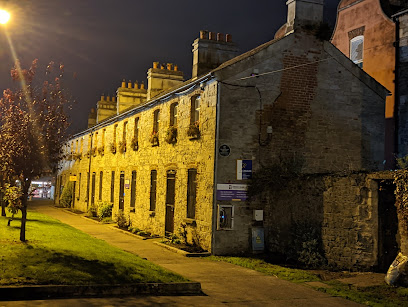
MedievalQuarterLimerick
23.1 km
Discover Limerick's Medieval Quarter, where history meets culture in the heart of Ireland's enchanting past, featuring stunning architecture and vibrant street life.
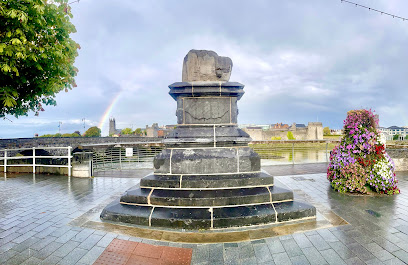
Limerick's 1916 Commemorative Garden
23.2 km
Discover Limerick's 1916 Commemorative Garden, a serene historical landmark honoring the heroes of the Easter Rising amidst lush greenery.
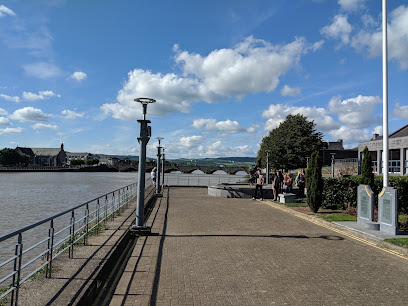
Limerick Medieval Garden
23.2 km
Discover the enchanting Limerick Medieval Garden, a serene city park blending historical charm and natural beauty in the heart of Englishtown.
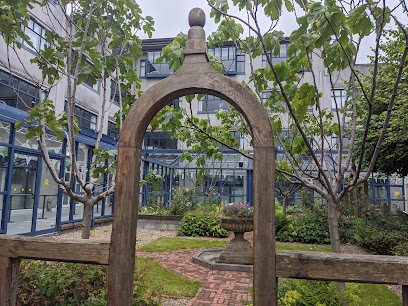
1916 Memorial
23.2 km
Discover the poignant history of Ireland at the 1916 Memorial in Limerick, a must-visit for history lovers and tourists alike.
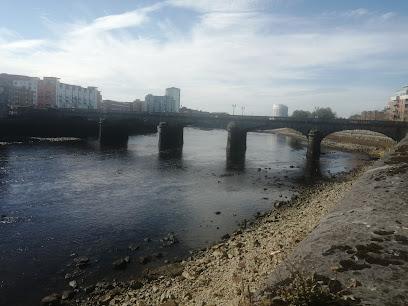
Sarsfield Bridge
23.2 km
Explore the historical Sarsfield Bridge in Limerick, a stunning landmark offering picturesque views and rich cultural experiences along the River Shannon.
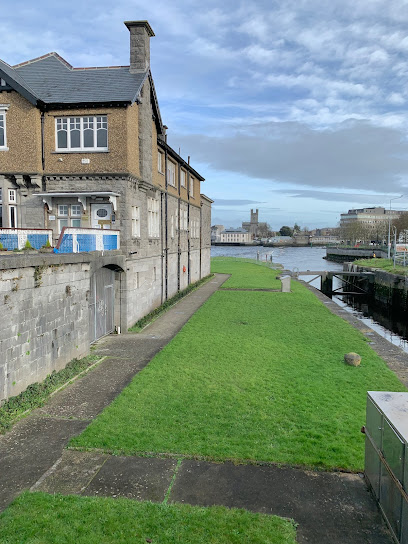
Saint Mary's Cathedral
23.3 km
Explore the stunning architectural beauty and rich history of Saint Mary's Cathedral in Limerick, a serene place of worship and a key tourist attraction.
Unmissable attractions to see

Knappogue Castle
3.5 km
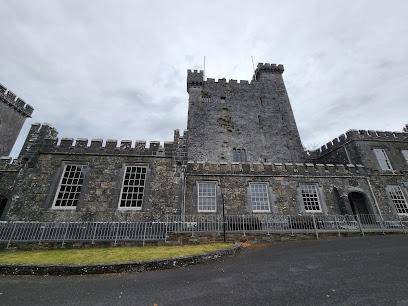
Explore the magic of Knappogue Castle: a historic 15th-century fortress in County Clare offering medieval banquets and stunning gardens.
Knappogue Castle & Walled Garden
3.6 km
Discover medieval Ireland at Knappogue Castle, a 15th-century tower house with a rich history, elegant interiors, and a beautiful walled garden.
Mooghaun Hill Fort
4.2 km
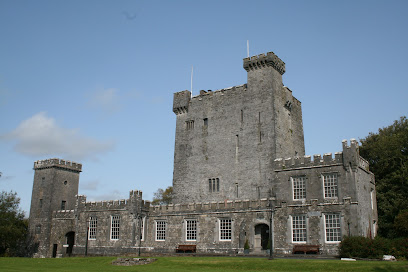
Discover the ancient wonders of Mooghaun Hill Fort in County Clare, a captivating historical landmark steeped in Ireland's rich heritage.
Craggaunowen Castle & Crannóg
5.0 km
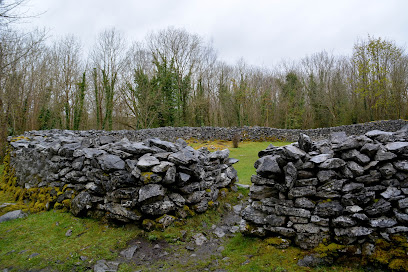
Discover Ireland's rich heritage at Craggaunowen Castle & Crannóg, where history comes alive through stunning landscapes and cultural experiences.
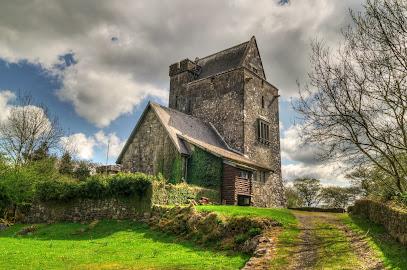
Fairy Bush
5.1 km
A legendary hawthorn in County Clare, where Irish folklore meets the modern world. Discover the magic and mystery of the Fairy Bush.
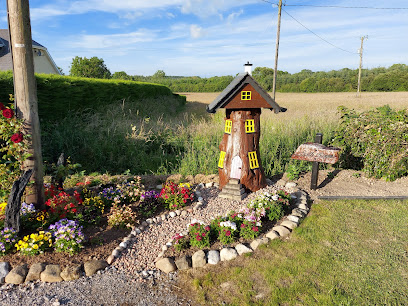
Cross of Spancil Hill
6.1 km
Discover the historic crossroads of Spancil Hill, County Clare, where Irish heritage and the famous ballad come to life.
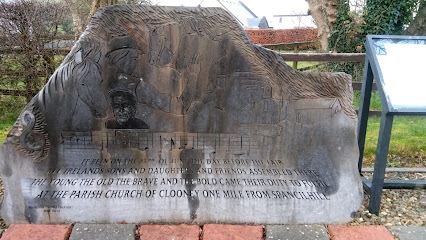
Port Of Clare
6.5 km
Explore the historic Port of Clare in Clarecastle, a charming village steeped in maritime history and scenic beauty on the River Fergus.
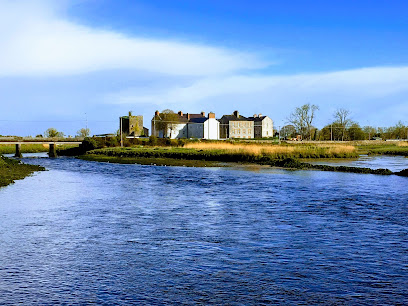
Clare Abbey
7.2 km
Explore the tranquil beauty and rich history of Clare Abbey, a captivating historical landmark nestled in County Clare, Ireland.
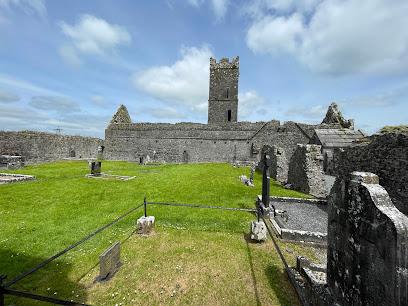
Old Quarry
7.9 km
Discover the unrivaled beauty and geological wonders of Old Quarry in Co. Clare, a hidden treasure for nature lovers and adventure seekers alike.
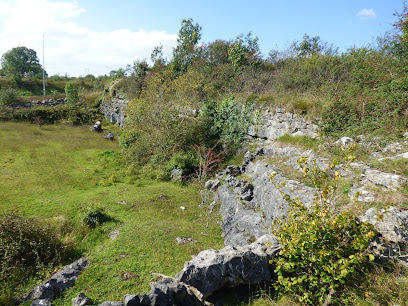
glór
8.2 km
Experience the cultural heartbeat of Ennis at glór, an event venue combining art, music, and community in the heart of Co. Clare.
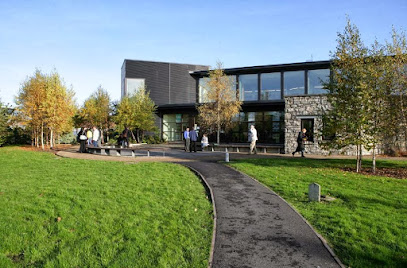
Monastery Park
8.2 km
Experience the tranquility of Monastery Park in Ennis, Co. Clare, where nature and relaxation come together in perfect harmony.
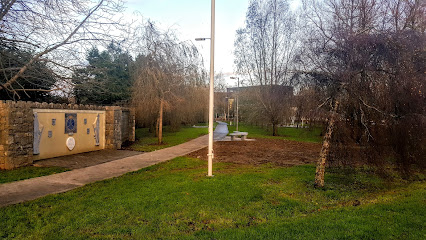
Kincora Park
8.4 km
Explore the serene beauty of Kincora Park in Ennis, Co. Clare, a peaceful retreat perfect for relaxation, family outings, and nature walks.
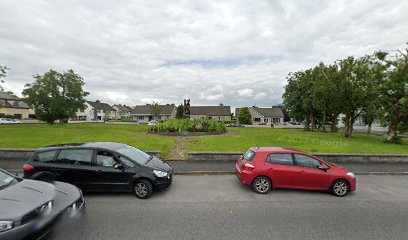
Clare Museum
8.4 km
Explore Clare Museum in Ennis for an engaging journey through County Clare's rich history and culture, featuring diverse exhibits and local artifacts.
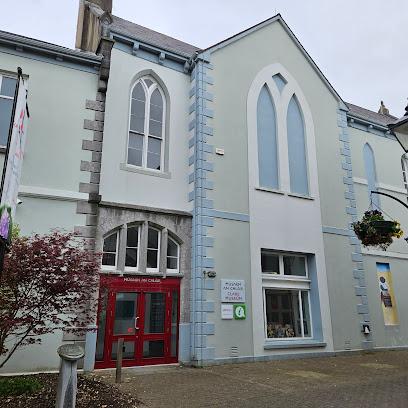
Ennis Walking Tours
8.5 km
Explore the enchanting streets of Ennis with guided walking tours that reveal the rich history and vibrant culture of Co. Clare's gem.
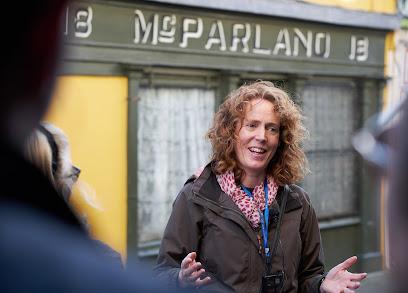
Ennis Friary
8.5 km
Explore Ennis Friary, an enchanting historical landmark in Co. Clare, showcasing Ireland's architectural heritage and captivating stories of the Franciscan monks.
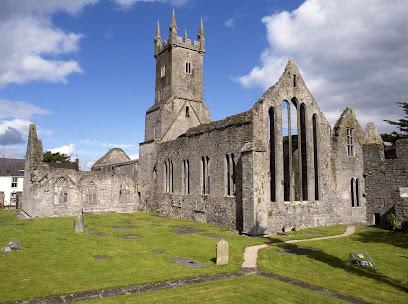
Essential places to dine

Shannigans Gastro Pub
4.8 km
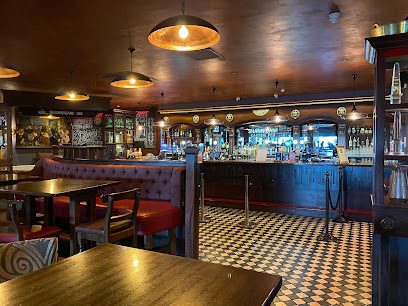
Experience delightful dining at Shannigans Gastro Pub in Co. Clare, where traditional Irish cuisine meets modern culinary creativity.
Deerfields Restaurant
4.8 km
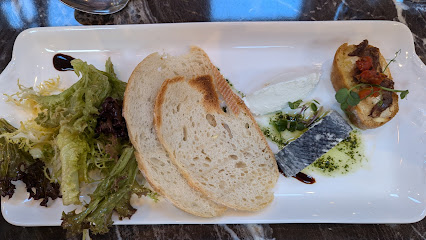
Experience exquisite local cuisine at Deerfields Restaurant in Co. Clare – where every meal tells a story of Ireland's rich culinary heritage.
Earl of Thomond Restaurant
5.0 km
Experience exquisite fine dining at Earl of Thomond Restaurant in Dromoland Castle, where local flavors meet elegant surroundings.
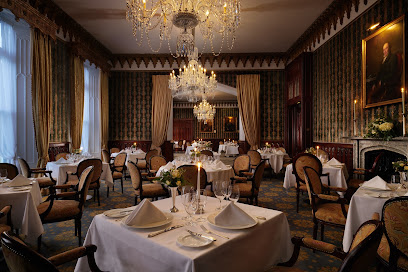
Fig Tree Restaurant at Dromoland Castle
5.1 km
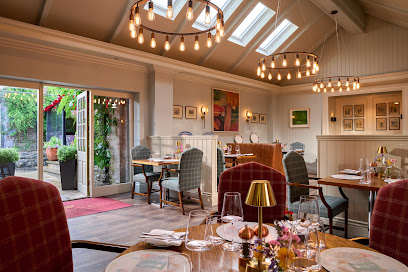
Experience exquisite Irish cuisine in the elegant setting of Fig Tree Restaurant at Dromoland Castle amidst breathtaking landscapes.
Peppermill
7.4 km
Discover the flavors of Ireland at Peppermill – where authentic cuisine meets warm hospitality in Bunnow.
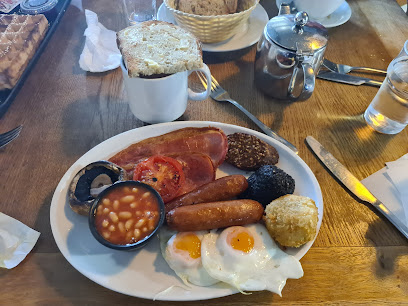
Warehouse Bistro Ennis
7.6 km
Experience the flavors of Co. Clare at Warehouse Bistro Ennis - where local ingredients meet exceptional culinary artistry.
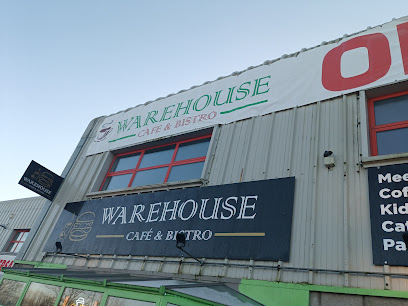
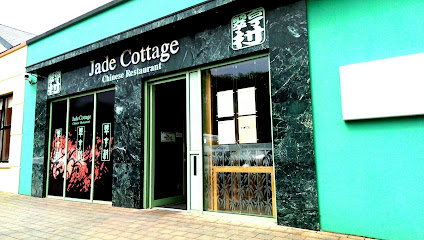
Jade Cottage Chinese Restaurant
7.7 km
Discover the vibrant flavors of authentic Chinese cuisine at Jade Cottage in Ennis - perfect for food lovers seeking delicious dining experiences.
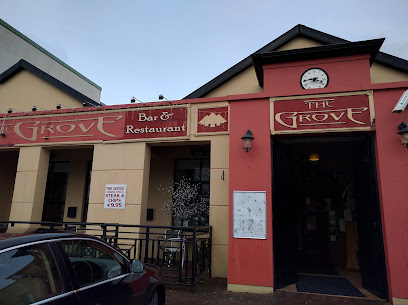
The Grove Restaurant, Ennis
7.7 km
Experience authentic Irish cuisine at The Grove Restaurant in Ennis – where local flavors meet contemporary dining.
Royal Court Chinese Restaurant
7.9 km
Experience authentic Chinese cuisine at Royal Court Chinese Restaurant in Ennis - where every meal is a celebration of flavor.
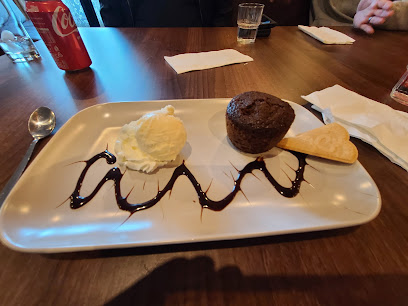
The T Room
8.0 km
Discover authentic Irish cuisine at The T Room in Ennis – where local flavors meet warm hospitality.
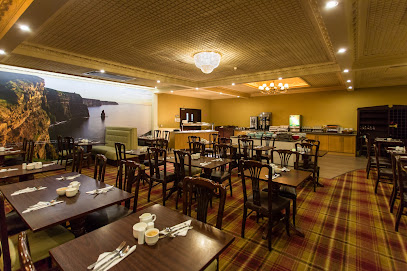
Bistro 41
8.1 km
Discover Bistro 41 in Ennis: A restaurant blending local flavors with modern dining experiences in Co. Clare.
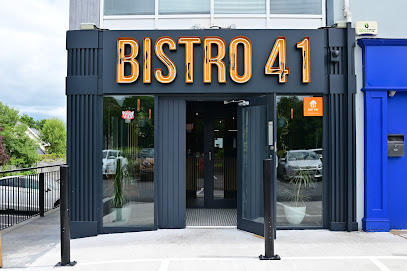
Sherwood Inn
8.1 km
Experience authentic Irish hospitality at Sherwood Inn in Ennis – where delicious meals meet warm smiles.
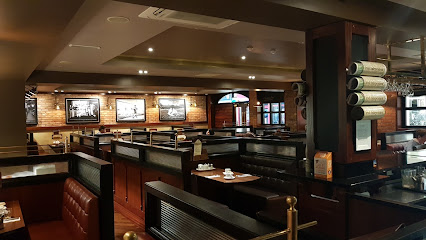
The Food Emporium
8.3 km
Experience the best of Irish breakfast at The Food Emporium in Ennis – where local flavors meet cozy ambiance.
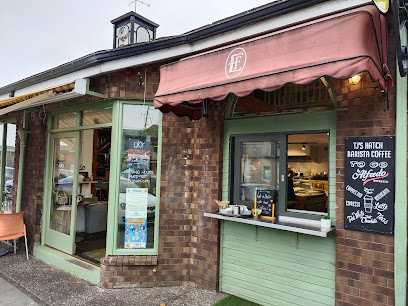
Legends Restaurant
8.4 km
Experience the essence of Irish cuisine at Legends Restaurant in Ennis – where local flavors meet culinary artistry.
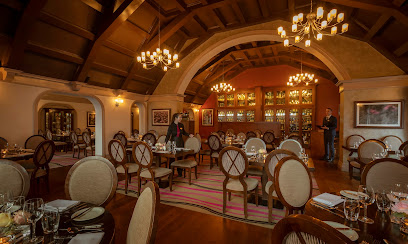
Temple Gate Restaurant
8.4 km
Experience the heart of Irish cuisine at Temple Gate Restaurant in Ennis—where local flavors meet warm hospitality.
Markets, malls and hidden boutiques

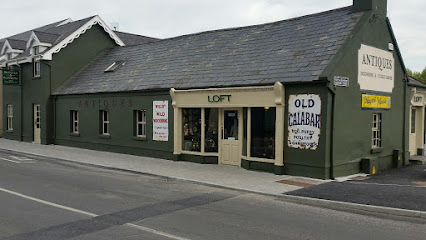
Loft antiques and Interiors Clarecastle
6.9 km
Explore a treasure trove of vintage elegance at Loft Antiques and Interiors in Clarecastle, where history meets modern decor.
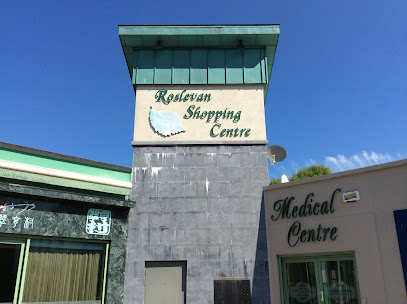
Roslevan Shopping Centre
7.7 km
Explore Roslevan Shopping Centre, a lively hub in Ennis offering diverse shopping, dining, and entertainment for visitors seeking a memorable experience.
Annettes Boutique
7.9 km
Discover unique fashion at Annettes Boutique in Ennis, Co. Clare – a charming clothing store showcasing local styles and personalized service.
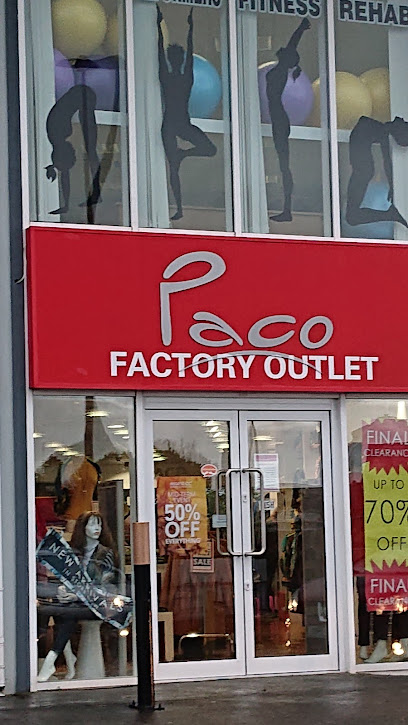
Paco Ennis
8.1 km
Explore the latest fashion trends at Paco Ennis, where style meets affordability in the heart of Clare Road Mall.
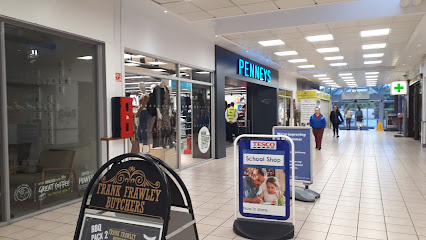
Penneys
8.1 km
Explore Penneys in Ennis for trendy clothing that won't break the bank, perfect for all ages and styles in the heart of Ireland.
Giftworks
8.1 km
Explore Giftworks in Ennis for unique gifts, home goods, and delightful finds that celebrate Irish culture.
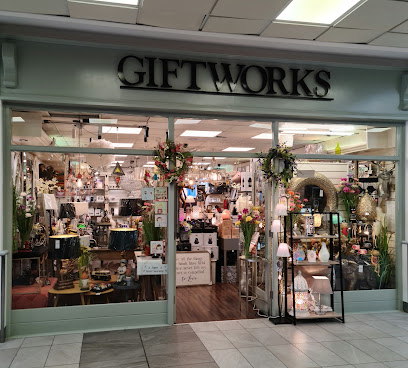
Tesco Superstore
8.2 km
Explore Tesco Superstore in Ennis for a diverse selection of fresh produce, local delicacies, and convenient shopping essentials.
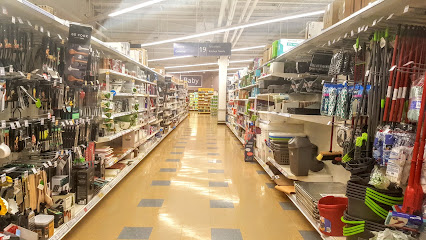
Ennis Shopping Centre
8.2 km
Explore the vibrant Ennis Shopping Centre, where a diverse array of shops and dining options await in the heart of Co. Clare.
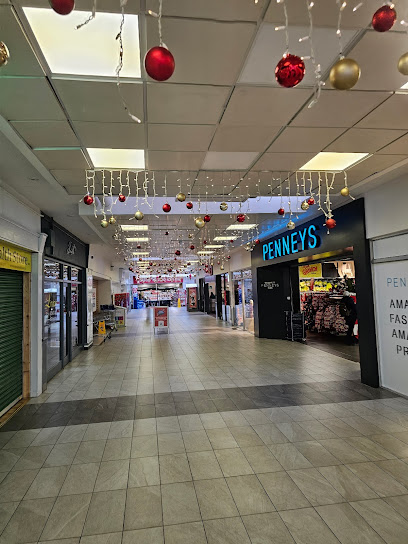
Dunnes Stores
8.3 km
Discover the vibrant shopping experience at Dunnes Stores in Ennis, where fashion meets food in the heart of Co. Clare.
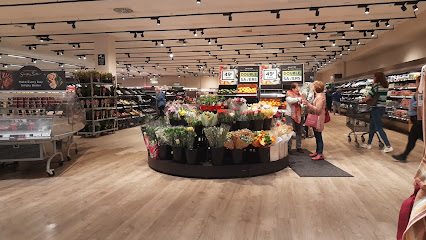
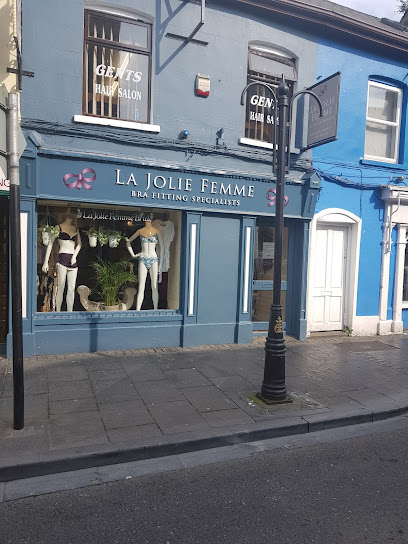
La Jolie Femme
8.5 km
Discover exquisite lingerie at La Jolie Femme in Ennis, where elegance meets comfort in a charming boutique setting.
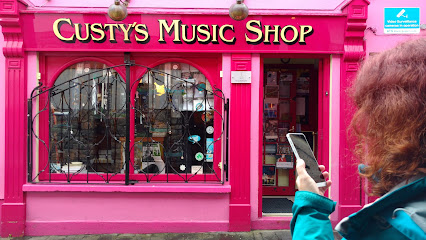
Custys Traditional Music Shop
8.5 km
Explore the heart of Irish music at Custys Traditional Music Shop in Ennis, where instruments, culture, and community come together.
Fable
8.5 km
Discover unique fashion finds at Fable, a stylish clothing store in Ennis, Co. Clare, where quality meets contemporary design.
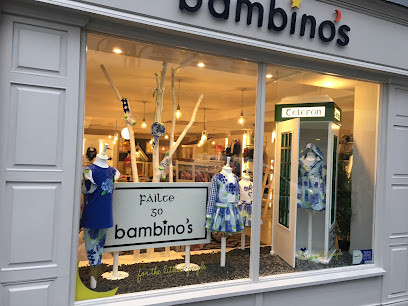
Bambino's
8.5 km
Discover Bambino's in Ennis, Co. Clare, the ultimate destination for stylish and comfortable children's clothing and accessories.
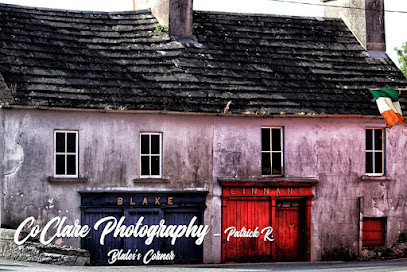
CoClare
8.5 km
Explore CoClare in Ennis, Co. Clare—a charming greeting card shop offering unique designs that capture the essence of Irish culture and spirit.
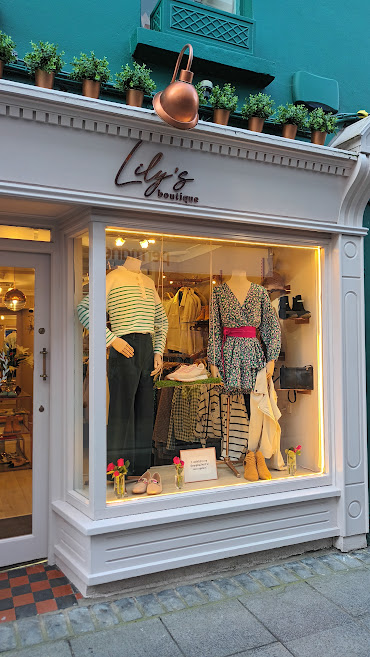
Lily's Boutique
8.5 km
Explore Lily's Boutique in Ennis for a unique shopping experience featuring stylish clothing and exceptional customer service in the heart of Co. Clare.
Essential bars & hidden hideouts

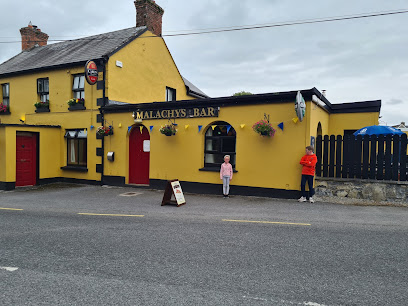
Malachys Bar
0.4 km
Experience the heart of Irish culture at Malachys Bar in Quin, Co. Clare, where friendly faces and local brews await.
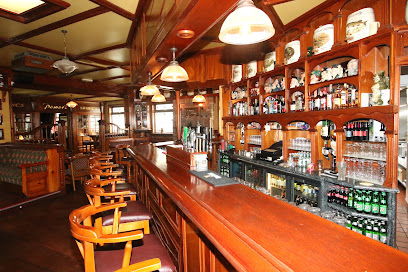
Power's Pub, Bar, Lounge & Beer Garden
6.8 km
Discover the authentic Irish experience at Power's Pub, a cozy bar and lounge in the heart of Clarecastle, offering local brews and delicious fare.
Hurst Botanicals
6.9 km
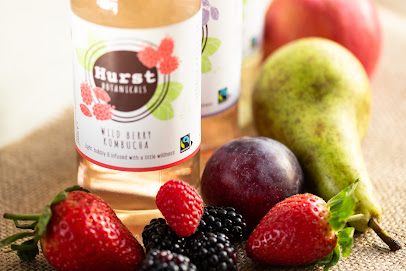
Experience the essence of County Clare at Hurst Botanicals, your go-to brewpub for exceptional kombucha and local beverages.
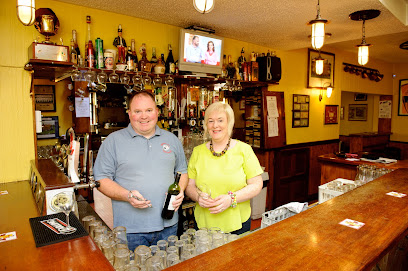
Gleeson's Bar
8.5 km
Experience the warmth of Irish hospitality at Gleeson's Bar in County Clare, a local favorite for drinks, music, and camaraderie.
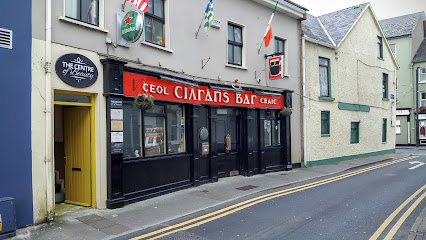
Ciaran's Bar
8.5 km
Discover the lively atmosphere and rich culture at Ciaran's Bar in Ennis, where every drink tells a story.
The Diamond Bar
8.5 km
Discover the vibrant atmosphere of The Diamond Bar in Ennis, where traditional Irish charm meets modern elegance and live music.
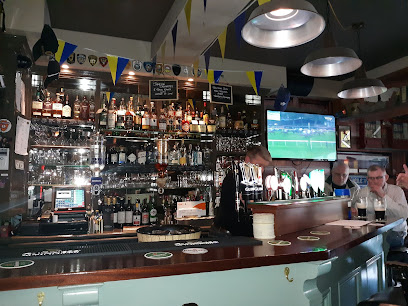
Fawls Bar
8.5 km
Discover the warm ambiance and local flavors at Fawls Bar, a beloved pub in Ennis, Co. Clare, perfect for unwinding and socializing.
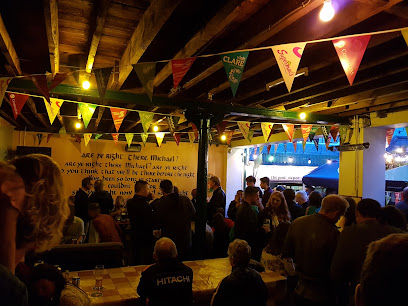
Nora Culligans
8.5 km
Discover the heart of Ennis at Nora Culligans, a vibrant bar offering traditional Irish hospitality and a lively atmosphere in County Clare.
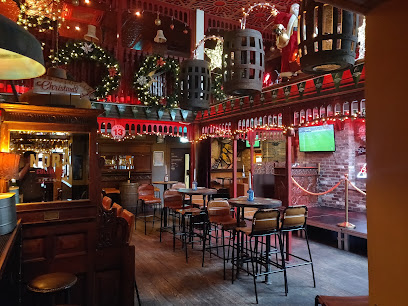
Dan O'Connells Bar
8.5 km
Discover the heart of Irish hospitality at Dan O'Connell's Bar, where locals and tourists gather for great drinks and live music in Ennis, Co. Clare.
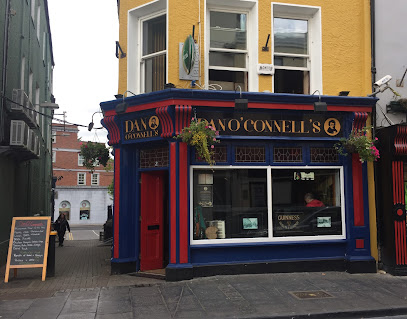
Paddy Quinn
8.5 km
Experience the heart of Irish culture at Paddy Quinn, a vibrant bar in Ennis offering great drinks, live music, and a warm atmosphere.
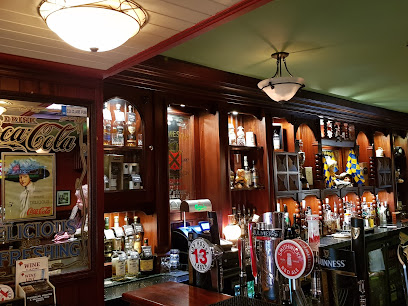
Moroney's Bar
8.6 km
Experience the heart of Irish culture at Moroney's Bar in Ennis, where friendly faces and local brews await.
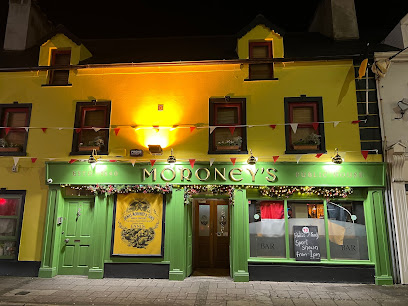
Brian Kelly's Bar
8.6 km
Discover the heart of Irish hospitality at Brian Kelly's Bar in Ennis, where great drinks and local culture come together.
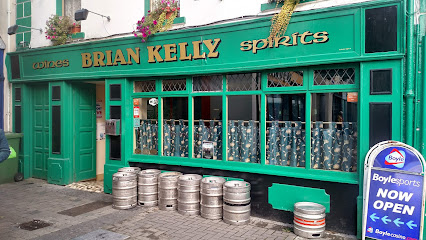
James O'Keefe's
8.6 km
Discover the charm of traditional Irish hospitality at James O'Keefe's in Ennis, Co. Clare, where great food and lively music await.
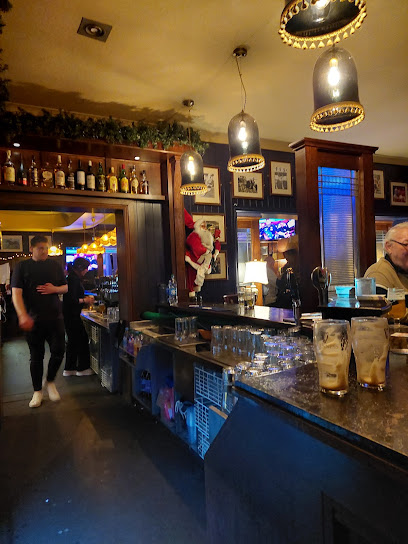
Copper Jug
8.6 km
Copper Jug in Lifford, Co. Clare: A cozy bar offering local brews, live music, and a warm atmosphere perfect for unwinding.
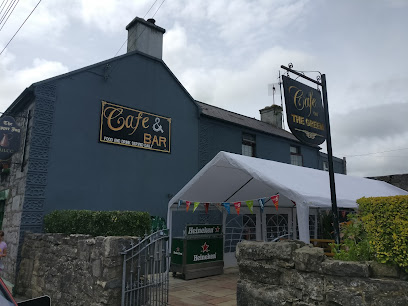
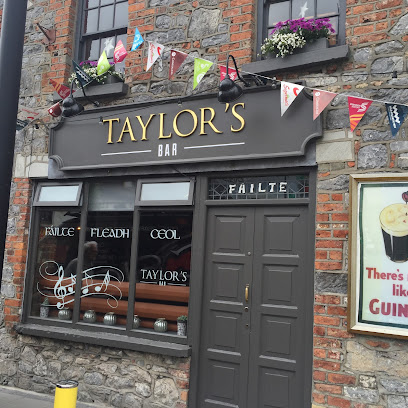
Taylor's Bar
8.6 km
Experience authentic Irish hospitality at Taylor's Bar in Ennis, where local culture and vibrant atmosphere come alive.
Nightclubs & after hour spots

Queens Teenage
8.5 km
Experience the lively nightlife at Queens Teenage, a popular night club in Ennis, Co. Clare, where vibrant music and great company await.
Club Red | Ennis' Newest Nightclub
8.6 km
Discover the electrifying nightlife of Ennis at Club Red, where music, dancing, and fun come together for an unforgettable experience.
Limerick Country Club AC
20.2 km
Discover Limerick Country Club AC, where athleticism meets community spirit in a picturesque setting in Clonconane.
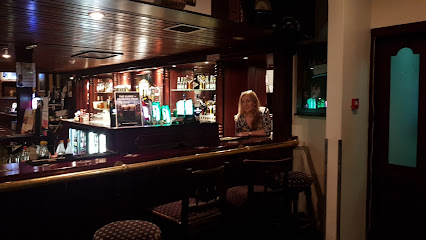
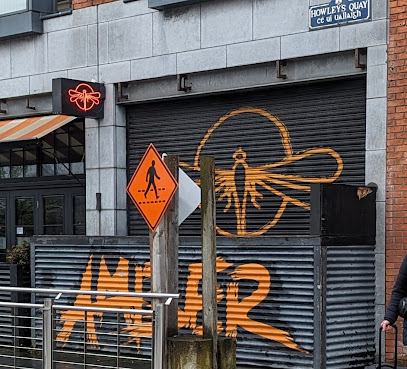
Amber
23.4 km
Experience the electrifying nightlife of Limerick at Amber, where vibrant music and an energetic atmosphere create unforgettable evenings.
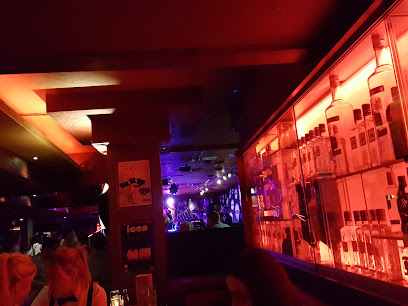
Smyths Bar & Club Icon
23.6 km
Discover the vibrant nightlife of Smyths Bar & Club Icon in Limerick, where exceptional cocktails meet an energetic atmosphere for unforgettable evenings.
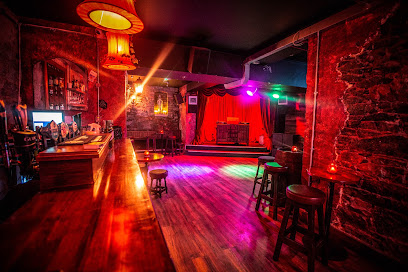
Record Room
23.7 km
Discover Limerick's vibrant nightlife at Record Room, the ultimate live music bar offering unforgettable performances and a welcoming atmosphere.
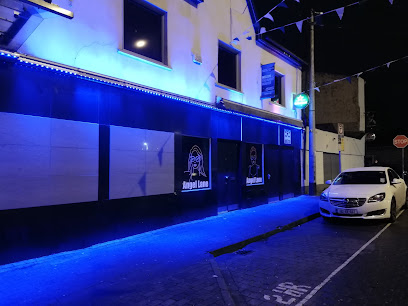
Angel Lane
23.7 km
Dive into the heart of Limerick's nightlife at Angel Lane, an exciting disco club where unforgettable memories are made.
KTV.IE
23.8 km
Discover the vibrant karaoke scene at KTV.IE in Limerick, where unforgettable nights and melodious memories await every visitor.
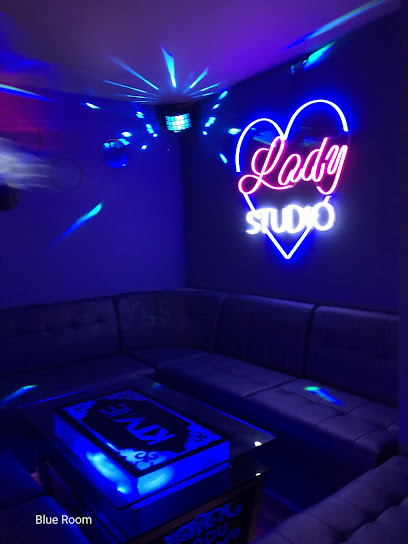
The Stables Club
25.5 km
Discover The Stables Club: A Gastropub in Limerick Serving Fresh, Local Cuisine with a Modern Twist.
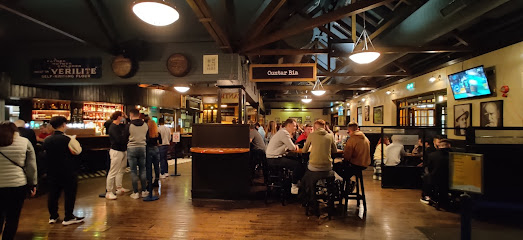
Lifestyle Date Club.com
26.4 km
Experience the vibrant social scene at Lifestyle Date Club, where singles connect and meaningful relationships blossom in Limerick.
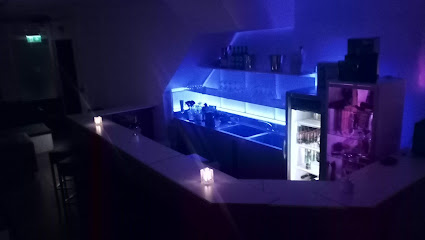
Eugene's Bar
31.9 km
Experience the charm of Irish hospitality at Eugene's Bar in Ennistimon, Co. Clare, where local culture meets delightful beverages.
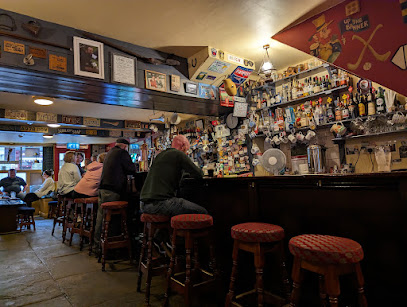
The Nineteenth Bar
34.8 km
Experience the vibrant atmosphere of The Nineteenth Bar in Lahinch, a premier destination for live music, sports, and delightful drinks.
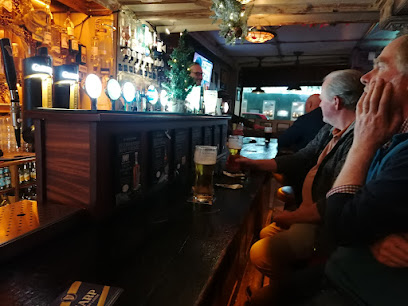
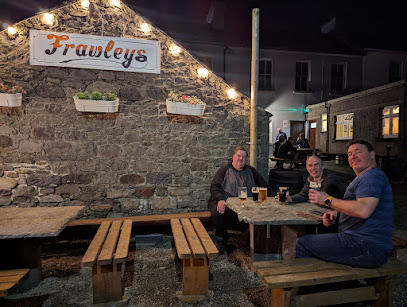
P Frawley's Bar
34.8 km
Discover the heart of Lahinch at P Frawley's Bar, where traditional Irish charm meets a vibrant atmosphere and a diverse drink selection.
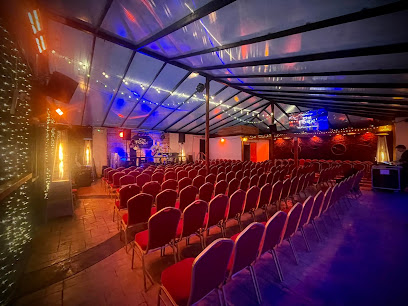
The Forge @ The Players Club Miltown Malbay
36.4 km
Discover the heart of Miltown Malbay at The Forge @ The Players Club, a bar and live music venue where local culture thrives.
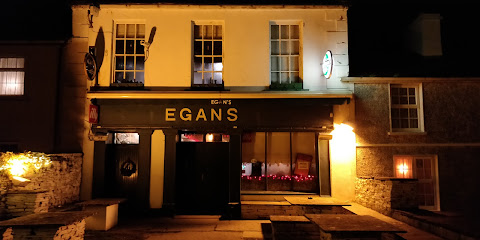
Egans Pub
37.9 km
Discover the heart of Irish culture at Egans Pub in Liscannor, where local brews and live music create an unforgettable experience.