
County Kilkenny, Ireland Travel Guide
Discover the medieval wonders, scenic landscapes, and vibrant culture of County Kilkenny, Ireland's hidden gem in the heart of the Emerald Isle.
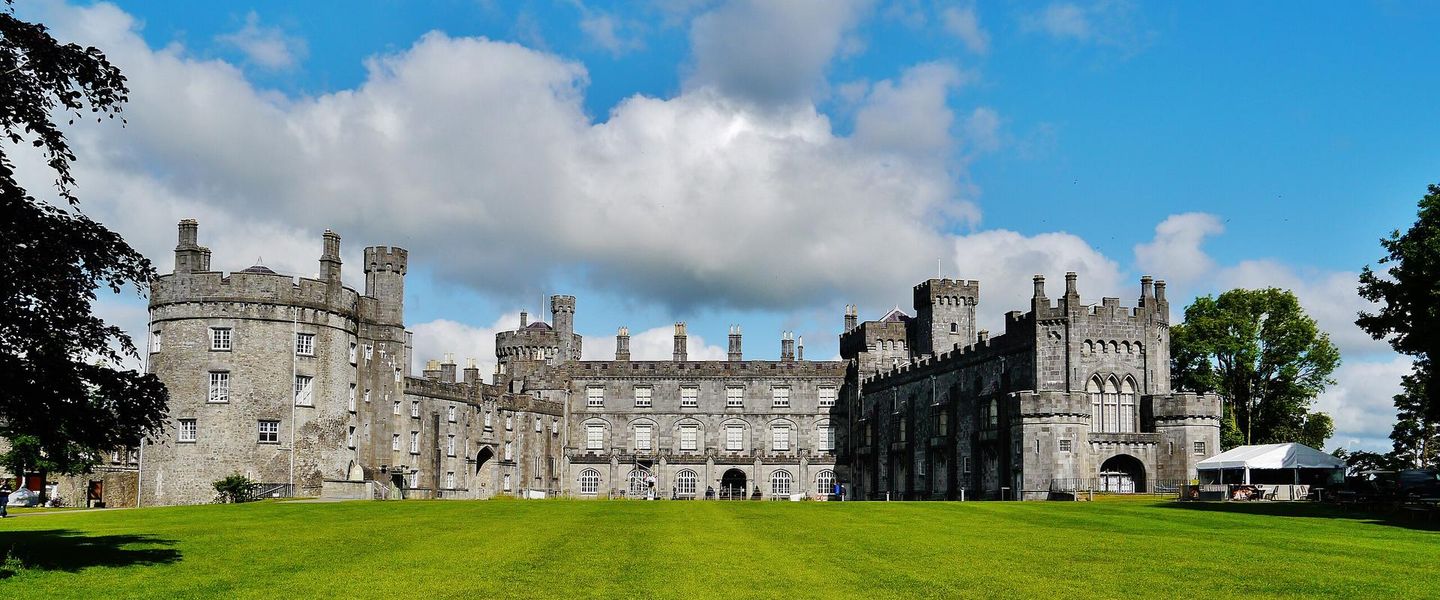
County Kilkenny, nestled in the heart of Ireland, is a treasure trove of history, culture, and natural beauty. Known for its medieval heritage, the county boasts stunning castles, ancient ruins, and charming villages. The picturesque Kilkenny Castle is a must-see, with its beautifully restored rooms and sprawling gardens that overlook the River Nore. As you stroll through the cobblestone streets of Kilkenny City, you'll find a mix of old-world charm and modern vibrancy, with an array of boutiques, pubs, and cafes. Just outside the city, the countryside offers lush landscapes perfect for hiking and exploring. The scenic trails of Brandon Hill and the peaceful River Barrow provide a serene escape from the hustle and bustle. History enthusiasts will appreciate the well-preserved ruins of Jerpoint Abbey, a Cistercian abbey dating back to the 12th century. The rich cultural scene in County Kilkenny includes festivals, traditional music sessions, and artisan crafts, ensuring that there's something for everyone to enjoy. No visit to County Kilkenny is complete without experiencing its warm hospitality and delicious cuisine. The local food scene features farm-to-table dining, with fresh produce and locally sourced ingredients. Whether you're enjoying a hearty meal in a traditional pub or savoring gourmet dishes in a fine dining restaurant, the flavors of Kilkenny are sure to delight your palate.

Know before you go
Hi, I'm Eve. Here are a few practical things to know before exploring County Kilkenny.
- Visit Kilkenny Castle early in the morning to avoid crowds and enjoy a peaceful tour.
- Wear comfortable walking shoes for exploring the cobblestone streets and countryside trails.
- Check the local calendar for festivals and events to make the most of your visit.
- Try local dishes like Kilkenny Red Ale and traditional Irish stew at a local pub.
- Bring a raincoat or umbrella as the weather can be unpredictable.
Top City Travel Guides in County Kilkenny
The cities of County Kilkenny, and the easiest places to base yourself.

Explore County Kilkenny: Things to Do, Places to Eat, Hotels & More
Handpicked recommendations for top attractions, local dining, accommodations, and more

Top Attractions & Sightseeing in County Kilkenny
Top-rated picks
Best Attractions

Kilkenny Castle
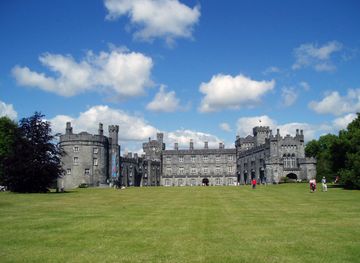
Explore Kilkenny Castle, an architectural marvel and historical treasure in Ireland, surrounded by enchanting gardens and rich heritage.

Kyteler's Inn
Explore Kyteler's Inn, Kilkenny's historic pub, where delicious food, local lore, and a lively atmosphere await every visitor.

Castlecomer Discovery Park
Discover the beauty and adventure at Castlecomer Discovery Park, a premier destination for outdoor activities and historical exploration in County Kilkenny, Ireland.

St Canice's Cathedral
Discover the architectural beauty and historical significance of St. Canice's Cathedral in Kilkenny - a must-visit for every tourist.

Best landmarks in County Kilkenny
Top-rated picks
Best Landmarks

Kilkenny Castle
Discover the majestic Kilkenny Castle, a historic gem in Ireland, surrounded by stunning gardens and rich in captivating stories.
Kilkenny Castle Park
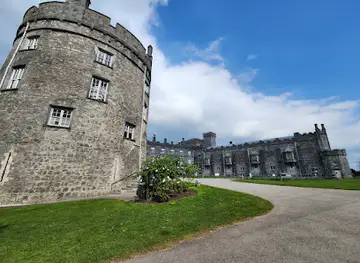
Explore the beauty and history of Kilkenny Castle Park, where lush gardens meet the stunning backdrop of Kilkenny Castle in Ireland.

Castlecomer Discovery Park
Discover adventure and heritage at Castlecomer Discovery Park, a stunning natural attraction in County Kilkenny, perfect for families and adventure seekers.

St Canice's Cathedral
Explore the historical marvel of St Canice's Cathedral in Kilkenny, a stunning blend of Gothic architecture and rich Irish heritage.

Best restaurants in County Kilkenny
Top-rated picks
Best Restaurants

Kyteler's Inn
Discover Kyteler's Inn in Kilkenny - where historic charm meets modern gastropub delights amidst vibrant local culture.

Matt The Millers Bar & Restaurant
Discover Kilkenny's vibrant culinary scene at Matt The Millers Bar & Restaurant - where great food meets live music in a welcoming atmosphere.

Paris Texas Bar and Restaurant
Discover culinary excellence at Paris Texas Bar and Restaurant in Kilkenny – where gourmet flavors meet vibrant atmosphere.

Left Bank
Discover the perfect blend of gourmet cuisine and lively entertainment at Left Bank, Kilkenny's premier gastropub.

Best bars in County Kilkenny
Top-rated picks
Best Bars

Kyteler's Inn
Discover the charm of Kyteler's Inn, a historic Irish pub in Kilkenny offering delicious cuisine and lively entertainment in a welcoming atmosphere.
Matt The Millers Bar & Restaurant
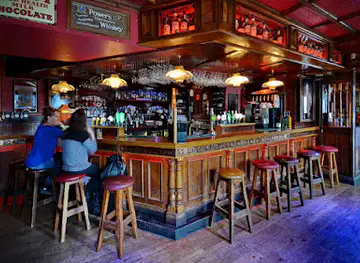
Discover the lively atmosphere and delicious cuisine at Matt The Millers, Kilkenny's premier gastropub with live music and local flavors.

Paris Texas Bar and Restaurant
Discover the vibrant atmosphere and delectable dishes of Paris Texas Bar and Restaurant in Kilkenny, a perfect blend of tradition and modernity.

Left Bank
Discover the culinary delights and lively atmosphere of Left Bank in Kilkenny, a must-visit gastropub that blends great food with live entertainment.

Best nightclubs in County Kilkenny
Top-rated picks
Best Nightclubs

Biddy Early's
Experience Kilkenny's nightlife at Biddy Early's, a vibrant cocktail bar with karaoke, perfect for a fun and memorable night out.

Kilkenny Home Rule Club
Discover Kilkenny Home Rule Club: A vibrant pub where local culture, friendly faces, and lively music come together for an unforgettable experience.

Pegasus Nightclub
Discover the vibrant nightlife of Pegasus Nightclub in Kilkenny, where music and dance create unforgettable experiences.

Langtons Nightclub
Discover Kilkenny's ultimate nightlife spot at Langtons Nightclub, where music, dance, and great vibes create an unforgettable evening.

Best shops in County Kilkenny
Top-rated picks
Best Shops

MacDonagh Junction Shopping Centre
Discover the diverse shopping experience at MacDonagh Junction Shopping Centre in Kilkenny, where style meets convenience in a vibrant atmosphere.

Market Cross Shopping Centre
Explore the Market Cross Shopping Centre in Kilkenny, a perfect blend of shopping and dining experiences in a vibrant atmosphere.

Loughboy Shopping Centre
Experience the vibrant Loughboy Shopping Centre in Kilkenny, a perfect blend of shopping, dining, and local culture, ideal for every tourist.

Folkster Kilkenny & Folkster Bridal
Explore Folkster Kilkenny for unique vintage clothing and exquisite bridal wear that celebrates timeless style in the heart of Kilkenny.

Explore County Kilkenny on the Map
A handpicked selection of must-see spots in County Kilkenny, mapped for you.
County Kilkenny Essentials
-
County Kilkenny is well-connected by various modes of transportation. The nearest international airport is Dublin Airport, approximately 130 kilometers away. From Dublin, you can take a direct train to Kilkenny City, which takes around 1.5 to 2 hours. Alternatively, you can drive via the M9 motorway, which takes around 1.5 hours. Bus services are also available from Dublin and other major cities in Ireland.
-
Kilkenny City is compact and walkable, making it easy to explore on foot. For travel to surrounding areas, local buses operate regularly. Taxis are available and can be booked through various apps or hailed on the street. Renting a car is a convenient option if you plan to explore the countryside and smaller villages. Biking is another popular way to get around, with bike rentals available in the city.
-
The official currency in Ireland is the Euro (EUR). Credit and debit cards are widely accepted in hotels, restaurants, and shops. However, it's advisable to carry some cash for small purchases, especially in rural areas. ATMs are readily available in Kilkenny City and other towns. Most establishments also accept contactless payments.
-
County Kilkenny is generally a safe destination for tourists. Standard precautions should be taken, such as avoiding poorly-lit areas at night and keeping valuables secure. Kilkenny City has a low crime rate, but petty theft can occur in crowded areas. Always be vigilant and aware of your surroundings.
-
In case of emergency, dial 112 or 999 for immediate assistance. Kilkenny City has a local police station and medical facilities, including St. Luke's General Hospital. It is advisable to have travel insurance that covers medical emergencies. Pharmacies are available throughout the county for minor health issues and over-the-counter medications.
-
Fashion: Do dress comfortably and appropriately for the weather. Smart-casual attire is suitable for most occasions. Religion: Do respect local customs, especially when visiting religious sites. Cover your shoulders and knees when entering churches. Public Transport: Do be courteous and offer your seat to elderly passengers. Don't play loud music or talk loudly on public transport. Greetings: Do greet people with a friendly 'hello' or 'hi.' A firm handshake is also common. Eating & Drinking: Do try local dishes and drinks, such as Kilkenny beer and traditional Irish stew. Don't leave a large tip; 10% is usually sufficient if service is not included.
-
To experience Kilkenny like a local, visit the Kilkenny Farmers Market for fresh produce and handmade crafts. Take a stroll along the River Nore and explore the scenic Nore Valley Walk. Engage with the locals, who are known for their friendliness and hospitality. Don't miss the chance to attend a traditional Irish music session at one of the local pubs. For a unique experience, explore the medieval history by visiting Kilkenny Castle and St. Canice's Cathedral.
When is the best time to visit County Kilkenny?
Useful Local Phrases for County Kilkenny
You don't need to speak the language perfectly. Even learning a few simple words can make conversations warmer—and locals usually appreciate the effort.
— Eve

Here are the phrases I use most often in County Kilkenny. Try a few—you'll be surprised how far they go! 😊
❤️
-
- HelloDia dhuit
[dee-ah gwit] - GoodbyeSlán
[slawn] - YesTá
[taw] - NoNíl
[neel] - Please/You're welcomeLe do thoil
[leh duh hull] - Thank youGo raibh maith agat
[guh rev mah agat] - Excuse me/SorryGabh mo leithscéal
[gav muh lesh-kayl] - How are you?Conas atá tú?
[kun-as ah-taw too] - Fine. And you?Go breá. Agus tú?
[guh bray. ah-gus too] - Do you speak English?An labhraíonn tú Béarla?
[an law-ree-in too bay-rla] - I don't understandNí thuigim
[nee hig-im]
- HelloDia dhuit
-
- I'd like to see the menu, pleaseBa bhreá liom an menu a fheiceáil, le do thoil
[ba vraw lyum an men-oo a yeh-kil, leh duh hull] - I don't eat meatNí ithim feoil
[nee ih-im fail] - Cheers!Sláinte!
[slawn-cha] - I would like to pay, pleaseBa mhaith liom íoc, le do thoil
[ba wah lyum eek, leh duh hull]
- I'd like to see the menu, pleaseBa bhreá liom an menu a fheiceáil, le do thoil
-
- Help!Cabhair!
[kaw-ir] - Go away!Imigh uaim!
[ee-mee oo-im] - Call the Police!Glaoigh ar na Póilíní!
[glwee ar na pole-een-ee] - Call a doctor!Glaoigh ar dochtúir!
[glwee ar dock-toor] - I'm lostTáim caillte
[taw-im kil-ta] - I'm illTáim tinn
[taw-im tin]
- Help!Cabhair!
-
- I'd like to buy...Ba bhreá liom a cheannach...
[ba vraw lyum a khan-ukh] - I'm just lookingTáim ag féachaint
[taw-im ag fay-khint] - How much is it?Cé mhéad atá sé?
[kay vayd ah-taw shay] - That's too expensiveTá sé ró-dhaor
[taw shay roh-hair] - Can you lower the price?An féidir leat an praghas a laghdú?
[an fay-dir lat an prah-gas a la-oo]
- I'd like to buy...Ba bhreá liom a cheannach...
-
- What time is it?Cén t-am é?
[kayn tam ay] - It's one o'clockIs a haon a chlog
[iss a hayn a khlog] - Half past (10)Leath tar éis (10)
[lah tar aysh (10)] - MorningMaidin
[maw-din] - AfternoonTráthnóna
[trawn-oh-na] - EveningTráthnóna
[trawn-oh-na] - YesterdayInné
[in-ye] - TodayInniu
[in-nyoo] - TomorrowAmárach
[ah-mah-rah] - 1A haon
[ah hayn] - 2A dó
[ah doh] - 3A trí
[ah tree] - 4A ceathair
[ah kyah-hir] - 5A cúig
[ah koo-ig] - 6A sé
[ah shay] - 7A seacht
[ah shockt] - 8A hocht
[ah hohkt] - 9A naoi
[ah nee] - 10A deich
[ah dey]
- What time is it?Cén t-am é?
-
- Where's a/the...?Cá bhfuil ...?
[kaw wil ...?] - What's the address?Cén seoladh é?
[kayn shol-adh ay] - Can you show me (on the map)?An féidir leat dom a thaispeáint (ar an mapa)?
[an fay-dir lat dum a hash-paynt (ar an mop-a)?] - When's the next (bus)?Cathain a bheidh an bus eile?
[ka-hin a vay an bus el-eh?] - A ticket (to ....)Ticéad (go ....)
[ti-kay-ad (guh ....)]
- Where's a/the...?Cá bhfuil ...?
History of County Kilkenny
-
Kilkenny's history dates back over 4000 years, with its name derived from 'Cill Chainnigh', meaning the Church of St. Canice. The Normans arrived in the 12th century, establishing Kilkenny as a significant medieval city. The city grew around a monastery founded by St. Canice in the 6th century, which later evolved into the impressive St. Canice's Cathedral and its Round Tower, a hallmark of Kilkenny's historical landscape.
-
Kilkenny Castle, a symbol of Norman power, was built in 1195 by William Marshal. It later became the seat of the powerful Butler family, who were Earls and Dukes of Ormonde. The Butler dynasty played a crucial role in the political and social life of Ireland for centuries, with Kilkenny Castle at the heart of their influence. The castle's restoration and its current use as a cultural hub highlight its enduring significance.
-
In 1366, the Statutes of Kilkenny were enacted under the reign of Lionel of Antwerp, Duke of Clarence. These laws aimed to curb the assimilation of the Anglo-Normans into Irish culture, enforcing the use of the English language and customs. The statutes provide a fascinating insight into the attempts to maintain colonial control and the complexities of medieval Irish society.
-
Kilkenny's Medieval Mile encompasses a fascinating array of historic buildings and sites, including St. Mary's Cathedral, Rothe House, and the Black Abbey. This stretch vividly illustrates the city's medieval heritage, offering visitors a chance to walk through history. The Medieval Mile Museum, housed in a 13th-century church, provides an immersive experience into the city's past.
-
In 1642, Kilkenny became the capital of Confederate Ireland, a self-governing Irish Catholic state during the Wars of the Three Kingdoms. The Kilkenny Confederation was formed to govern Irish affairs independently from English rule. The assembly met in the city's historic Rothe House, and its influence marked a significant period in Irish history, although it ultimately fell to Cromwellian forces in 1650.
-
Kilkenny is renowned for its craft and brewing heritage, with Smithwick's Brewery tracing its origins back to 1710. The city's history of craftsmanship is also evident in its rich tradition of ceramics, textiles, and woodworking. The annual Kilkenny Arts Festival celebrates this heritage, drawing artists and visitors from around the world to experience its vibrant cultural scene.
-
Today, Kilkenny is a thriving city that seamlessly blends its historical roots with modern innovation. The preservation of its medieval architecture, alongside contemporary amenities and cultural events, makes it a unique destination. The city continues to honor its rich history while embracing new developments, ensuring that its cultural legacy endures for future generations.
Neighbouring Regions of County Kilkenny
The closest regions to County Kilkenny, if you have time for more than one.


Your all‑in‑one travel companion app
Explore expert travel guides, compare and book tours, experiences, hotels, and more—all from the palm of your hand. Download now for seamless trip planning wherever your wanderlust takes you.


Explore More of Ireland
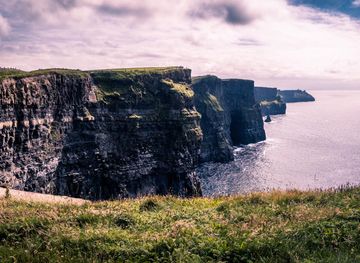
Looking beyond County Kilkenny? Discover Ireland for broader travel guides, local hot-spots, and regional highlights.
Explore IrelandCounty Kilkenny in Photos
Browse through our photo collection highlighting the charm and character of the destination.
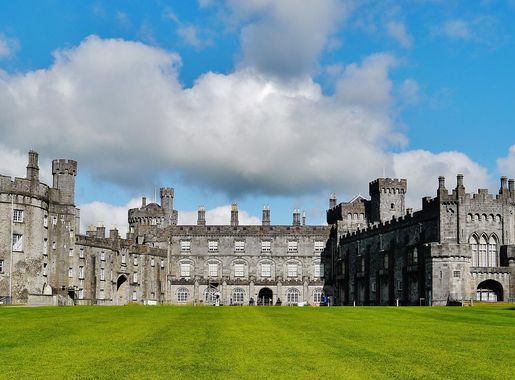


The Enchanting Charms of County Kilkenny
County Kilkenny, nestled in the heart of Ireland, is a treasure trove of history, culture, and natural beauty. Known for its medieval heritage, the county boasts stunning castles, ancient ruins, and charming villages. The picturesque Kilkenny Castle is a must-see, with its beautifully restored rooms and sprawling gardens that overlook the River Nore. As you stroll through the cobblestone streets of Kilkenny City, you'll find a mix of old-world charm and modern vibrancy, with an array of boutiques, pubs, and cafes. Just outside the city, the countryside offers lush landscapes perfect for hiking and exploring. The scenic trails of Brandon Hill and the peaceful River Barrow provide a serene escape from the hustle and bustle. History enthusiasts will appreciate the well-preserved ruins of Jerpoint Abbey, a Cistercian abbey dating back to the 12th century. The rich cultural scene in County Kilkenny includes festivals, traditional music sessions, and artisan crafts, ensuring that there's something for everyone to enjoy. No visit to County Kilkenny is complete without experiencing its warm hospitality and delicious cuisine. The local food scene features farm-to-table dining, with fresh produce and locally sourced ingredients. Whether you're enjoying a hearty meal in a traditional pub or savoring gourmet dishes in a fine dining restaurant, the flavors of Kilkenny are sure to delight your palate.