

Free County Laois Travel Guide & Mobile App
Explore County Laois with free travel guides. Discover regional history, expert tips, proposed trips, and audio guides on web or mobile app.


County Laois combines medieval ruins, country-house gardens, Slieve Bloom walks and historic market towns in the heart of Ireland.
Read more about County Laois
When is the best time to visit County Laois?
Best: June–August · 19–21°C| Month | High (°C) | Rainfall (mm) |
|---|---|---|
| January | 8 | 70 |
| February | 8 | 60 |
| March | 11 | 60 |
| April | 13 | 50 |
| May | 16 | 60 |
| June (best) | 19 | 70 |
| July (best) | 21 | 70 |
| August (best) | 21 | 80 |
| September | 18 | 70 |
| October | 15 | 80 |
| November | 10 | 80 |
| December | 9 | 80 |
Getting to and around County Laois
How to get there
Transportation
Top city travel guides in County Laois
The cities of County Laois, and the easiest places to base yourself.

Swipe for more cities
Best attractions in County Laois
County Laois offers a varied collection of heritage, landscape and outdoor attractions rather than one concentrated visitor district. The Rock of Dunamase is the county’s defining medieval site, with castle ruins on a high limestone outcrop and wide views over the central plain. Country-house landscapes provide a different experience: Emo Court combines a neoclassical mansion with formal gardens and woodland, while Heywood Gardens near Ballinakill is known for its designed landscape, walks and ornamental features. In Abbeyleix, heritage displays and the town’s planned streets introduce local history, while Mountmellick offers insight into Quaker life and manufacturing. Donaghmore Famine Workhouse Museum presents the social history of the nineteenth-century workhouse system. The Slieve Bloom Mountains bring walking, cycling, forests and upland viewpoints, with routes suited to different levels of ability. Stradbally’s railway heritage and demesne landscape add transport and estate history, while rivers, canals, farmland and wooded roads create opportunities for quieter exploration between the principal sites.
-
Tourist attraction
Tullamore D.E.W. Distillery Visitor Experience
Experience the legendary Tullamore D.E.W. Distillery, where you can uncover the secrets behind the walls and savor award-winning Irish whiskeys.
-
Tourist attraction
Castlecomer Discovery Park
Discover outdoor adventures, rich history, and serene nature at Castlecomer Discovery Park in County Kilkenny - a perfect family-friendly destination.
-
Historical landmark
Rock of Dunamase
Discover the historical marvel of the Rock of Dunamase, a stunning landmark in County Laois that offers breathtaking views and rich Irish heritage.
-
Historical landmark
Emo Court House
Explore the architectural grandeur and scenic beauty of Emo Court House, a must-visit historical landmark in County Laois, Ireland.


Best landmarks in County Laois
The Rock of Dunamase is County Laois’s most recognisable landmark: its broken medieval fortification occupies a steep limestone outcrop above the surrounding farmland, making the site legible from a distance and historically significant as a stronghold controlling routes through Leinster. Emo Court is a landmark of a different kind, an imposing neoclassical country house whose formal composition is complemented by its landscaped demesne. Heywood Gardens near Ballinakill is notable for the way architecture, sculpture, terraces and woodland are arranged as a single designed landscape. Abbeyleix’s planned streets and estate-era buildings form one of the county’s most coherent historic townscapes, while Portlaoise’s surviving civic and institutional architecture reflects its development as a plantation town and railway centre. In the uplands, the Slieve Bloom Mountains provide a natural landmark whose rounded ridges, forested slopes and open viewpoints contrast with Laois’s broad agricultural plain.
-
Historical landmark
Rock of Dunamase
Explore the historic Rock of Dunamase in County Laois, Ireland—an ancient fortress with breathtaking views and rich tales of Ireland's past.
-
Historical landmark
Emo Court House
Discover the architectural elegance and natural beauty of Emo Court House in Co. Laois, a perfect blend of history and scenic landscapes.
-
Garden
Heywood Gardens (Lutyens
Explore the enchanting Heywood Gardens in County Laois, where breathtaking landscapes and exquisite design create a tranquil retreat for all nature lovers.
-
Museum
Donaghmore Workhouse & Agricultural Museum
Explore the poignant history of the Donaghmore Workhouse & Agricultural Museum, a vital part of Ireland’s heritage in Co. Laois.


Explore County Laois on the map
Plan your trip on one map. See where the top cities, national parks and sights are, and book hotels and experiences in a few clicks.
Best hotels in County Laois
Best restaurants in County Laois
Dining in County Laois is centred on town cafés, bakeries, traditional pubs, rural inns and contemporary restaurants rather than a narrowly defined regional cuisine. Menus commonly draw on Irish produce, including beef, lamb, poultry, seasonal vegetables, breads and locally made cheeses, while hearty soups, stews and fish dishes remain familiar choices. Portlaoise provides the broadest range of everyday dining, from casual cafés to restaurants serving modern Irish and international food. Abbeyleix, Durrow and other smaller towns offer relaxed places to eat alongside independent shops and bakeries. Farmers’ markets and local food events, where operating, can be useful for finding bread, preserves, cakes and farm produce, but dates vary. Visitors exploring the Slieve Bloom area should plan meals around the limited distribution of rural establishments, particularly outside peak daytime and evening periods.
-
Steak
Treacy's Pub and Restaurant
Experience authentic Irish cuisine at Treacy's Pub and Restaurant in Co. Laois - home of exquisite steaks and warm hospitality.
-
Grill
Jeremiah Grant Bar & Eatery
Experience delicious grilled dishes and exquisite cocktails at Jeremiah Grant Bar & Eatery in Portlaoise—where flavor meets hospitality.
-
Restaurant
O'Gormans Bar & Restaurant
Discover O'Gormans Bar & Restaurant - A culinary haven in Portlaoise offering delicious dishes and exceptional service in a warm atmosphere.
-
Steak
Kelly's Steakhouse
Discover culinary excellence at Kelly's Steakhouse in Portlaoise, where premium steaks meet French-inspired gastronomy for an unforgettable dining experience.


Best bars in County Laois
County Laois has a predominantly town-and-country evening culture, with traditional pubs forming the mainstay of nightlife outside Portlaoise. In Portlaoise, visitors will find the widest choice of pubs, restaurants and occasional live-music venues, while Abbeyleix, Mountmellick, Stradbally, Mountrath and Durrow offer more intimate local scenes. Pubs may combine food, conversation, televised sport and music rather than operating solely as late-night venues. Some hotels and restaurants provide quieter evening drinks, and occasional cultural or music events add variety, particularly in larger towns. The county does not have a continuously active nightclub circuit comparable with Ireland’s largest cities, and rural venues may have limited or changing hours. Check arrangements locally, especially on weekdays and outside the summer season, and plan transport in advance when staying beyond the main towns.
-
Steak
Treacy's Pub and Restaurant
Discover the rich flavors of Ireland at Treacy's Pub and Restaurant, a gastropub in Co. Laois serving delicious steaks and traditional dishes.
-
Grill
Jeremiah Grant Bar & Eatery
Savor the flavors of Portlaoise at Jeremiah Grant Bar & Eatery, where grilled delights meet a vibrant atmosphere for an unforgettable dining experience.
-
Restaurant
O'Gormans Bar & Restaurant
Discover the unique Thai and European fusion cuisine at O'Gormans Bar & Restaurant in Portlaoise, a must-visit culinary destination for tourists.
-
Pub
Kavanaghs Bar & Venue
Experience the best of Irish nightlife at Kavanaghs Bar & Venue in Portlaoise—live music, comedy, and a welcoming atmosphere await.


Best nightclubs in County Laois
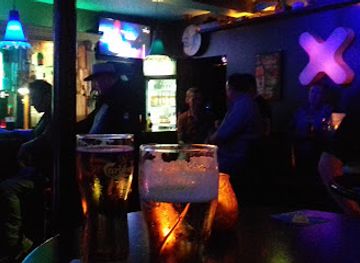
County Laois has a predominantly town-and-country evening culture, with traditional pubs forming the mainstay of nightlife outside Portlaoise. In Portlaoise, visitors will find the widest choice of pubs, restaurants and occasional live-music venues, while Abbeyleix, Mountmellick, Stradbally, Mountrath and Durrow offer more intimate local scenes. Pubs may combine food, conversation, televised sport and music rather than operating solely as late-night venues. Some hotels and restaurants provide quieter evening drinks, and occasional cultural or music events add variety, particularly in larger towns. The county does not have a continuously active nightclub circuit comparable with Ireland’s largest cities, and rural venues may have limited or changing hours. Check arrangements locally, especially on weekdays and outside the summer season, and plan transport in advance when staying beyond the main towns.
-
Night club
The C.I. Bar
Discover the pulse of Athy's nightlife at The C.I. Bar, a lively night club featuring live music and an electrifying atmosphere.
-
Night club
The Vault Nightclub
Unleash your night at The Vault Nightclub in Portlaoise - where vibrant music and electrifying dance floors create an unforgettable nightlife experience.
-
 Night club
GAA
Immerse yourself in the vibrant nightlife of Graigue at GAA, the ultimate night club experience in Co. Laois, Ireland.

Best shops in County Laois
Shopping in County Laois is concentrated in the market towns, with Portlaoise offering the widest selection of supermarkets, national retailers, services and everyday high-street shopping. Abbeyleix, Mountmellick, Stradbally and Durrow are better suited to browsing independent shops, antiques, books, cafés and small galleries, with their scale allowing shopping to be combined easily with architectural and heritage walks. Local food is a practical souvenir: look for Irish cheeses, breads, preserves, confectionery and other products from county producers or regional markets, subject to availability. Craft and gift shops may carry ceramics, textiles, jewellery and locally made goods, while estate and heritage attractions sometimes have specialist books and design-led gifts. Rural shopping is limited and dispersed, so visitors staying in the Slieve Bloom area should stock up in a larger town and check market dates rather than relying on a permanent farmers’ market.
-
Shopping mall
Laois Shopping Centre
Experience the best of shopping and dining at Laois Shopping Centre, your ultimate retail destination in Portlaoise, Ireland.
-
Home goods store
Home Store + More
Discover the best home goods in Portlaoise at Home Store + More, your ultimate destination for quality home essentials and unique gifts.
-
Department store
Shaws Department Stores Portlaoise
Explore a diverse range of products at Shaws Department Stores in Portlaoise, where local flair meets exceptional shopping.
-
Toy store
Ken Black - Portlaoise
Explore Ken Black in Portlaoise, a magical toy store filled with endless fun and treasures for children and adults alike.


Get your free copy of our complete guide to County Laois, delivered straight to you.
Everything on this page, from attractions and restaurants to essentials and local phrases, in one PDF you can read offline, print or share.
Already have an account? Sign in
Your County Laois guide is ready.
We'll send it to · Not you? Sign out

Getting your guide ready…
We are putting together a fresh copy of the County Laois guide. This can take up to a minute.
This can take a few moments. If your browser asks, choose Allow so the download can start. You'll find the guide in your Downloads folder.
Nothing happened? Download it again
Sorry, the guide is taking longer than usual. Please try again in a minute, or get it by email instead.
County Laois essentials
Currency and Payment
Safety
Emergency Situations
Do's and Don'ts
Local Tips
From Eve
Local phrases worth knowing
You don't need to get them perfect. A few words go a long way, and locals appreciate the effort.
Basics
| English | Local | Say it |
|---|---|---|
| Hello | Dia dhuit | [Dee-ah gwitch] |
| Goodbye | Slán | [Slawn] |
| Yes | Tá | [Taw] |
| No | Níl | [Neel] |
| Please/You're welcome | Le do thoil | [Leh duh hull] |
| Thank you | Go raibh maith agat | [Guh rev mah agat] |
| Excuse me/Sorry | Gabh mo leithscéal | [Gow mo lesh-kayl] |
| How are you? | Conas atá tú? | [Kown-us ah-taw too] |
| Fine. And you? | Go maith. Agus tusa? | [Guh mah. Agus toosa?] |
| Do you speak English? | An labhraíonn tú Béarla? | [An low-ree-awn too Bayr-la?] |
| I don't understand | Ní thuigim | [Nee hig-im] |
Eating & Drinking
| English | Local | Say it |
|---|---|---|
| I'd like to see the menu, please | Ba bhreá liom an miontas a fheiceáil, le do thoil | [Bah vraw lum an min-tas a feh-kil, leh duh hull] |
| I don't eat meat | Ní ithim feoil | [Nee ee-him fail] |
| Cheers! | Sláinte! | [Slawn-ta] |
| I would like to pay, please | Ba bhreá liom íoc, le do thoil | [Bah vraw lum eek, leh duh hull] |
Emergencies
| English | Local | Say it |
|---|---|---|
| Help! | Cabhair! | [Caw-hir] |
| Go away! | Imigh uaim! | [Ih-meg oom] |
| Call the Police! | Glaoigh ar na gardaí! | [Glee-ar na gar-dee] |
| Call a doctor! | Glaoigh ar dochtúir! | [Glee-ar dok-tur] |
| I'm lost | Táim caillte | [Taw-im kye-lta] |
| I'm ill | Táim tinn | [Taw-im tin] |
Shopping
| English | Local | Say it |
|---|---|---|
| I'd like to buy... | Ba bhreá liom a cheannach... | [Bah vraw lum a kyann-ukh...] |
| I'm just looking | Táim ag breathnú | [Taw-im egg brat-noo] |
| How much is it? | Conas atá an praghas? | [Kown-us ah-taw an prah-has?] |
| That's too expensive | Tá sé ró-chostasach | [Taw shay roh-kos-tah-h] |
| Can you lower the price? | An féidir leat an praghas a ísliú? | [An fay-dur lat an prah-has a ee-shloo?] |
Time & Numbers
| English | Local | Say it |
|---|---|---|
| What time is it? | Cén t-am é? | [Kayn tam ay?] |
| It's one o'clock | Tá sé a haon a chlog | [Taw shay a hain a khlog] |
| Half past (10) | Leath uair tar éis (10) | [Leh oor tar ay-sh (10)] |
| Morning | Maidin | [Maw-din] |
| Afternoon | Tráthnóna | [Trah-no-na] |
| Evening | Tráthnóna | [Trah-no-na] |
| Yesterday | Inné | [In-yeh] |
| Today | Inniu | [In-nyoo] |
| Tomorrow | Amárach | [Ah-mah-rah] |
| 1 | A haon | [A hain] |
| 2 | A dó | [A doe] |
| 3 | A trí | [A tree] |
| 4 | A ceathair | [A kyah-hir] |
| 5 | A cúig | [A coo-ig] |
| 6 | A sé | [A shay] |
| 7 | A seacht | [A shokht] |
| 8 | A hocht | [A hokht] |
| 9 | A naoi | [A nee] |
| 10 | A deich | [A deh] |
Transport & Directions
| English | Local | Say it |
|---|---|---|
| Where's a/the...? | Cá bhfuil an...? | [Caw will an...?] |
| What's the address? | Cad é an seoladh? | [Cad ay an shol-adh?] |
| Can you show me (on the map)? | An féidir leat a thaispeáint dom (ar an mapa)? | [An fay-dur lat a hash-paynt dum (ar an mah-pah)?] |
| When's the next (bus)? | Cathain a bheidh an chéad (bus)? | [Kah-hin a vay an chayd (bus)?] |
| A ticket (to ....) | Ticéid (go ....) | [Tick-aid (guh ....)] |
History of County Laois
Early Settlement and the Rock of Dunamase
Laois has a long record of settlement, from prehistoric activity across the central plain to early medieval religious and secular communities. The Rock of Dunamase became the county’s most powerful historic symbol: a naturally defensible limestone outcrop overlooking routes through Leinster. Its importance increased during the medieval period, when a substantial castle occupied the summit. The surviving ruins show how geography shaped political and military control, while the surrounding landscape retains traces of older territorial divisions and settlement patterns. Dunamase is less a complete castle than a dramatic fragment of the changing power structures that governed the region.
Norman Expansion and Medieval Leinster
Following the Anglo-Norman intervention in Ireland during the late twelfth century, Laois became part of a contested frontier around the expanding lordship of Leinster. Castles, religious foundations and fortified settlements were developed or adapted as English influence grew. Laois was not an isolated medieval territory: it lay among important routes linking Dublin, the Midlands and the south-east. The remains at Dunamase, together with surviving church sites and town plans, reflect the interaction of Gaelic lordships, Norman landholding and ecclesiastical institutions. Medieval control remained uneven, however, and Gaelic power continued to shape the county’s political history.
The Plantations of Laois and Offaly
In the sixteenth century, the Tudor government attempted to bring Laois and neighbouring Offaly under tighter English control. The territory was renamed Queen’s County, and an organised plantation followed in the seventeenth century, with land allocated to English settlers and new administrative arrangements imposed. Portlaoise, originally Maryborough, was established as a plantation town beside the older political landscape. The settlement process displaced communities and created long-lasting changes in land ownership, place names and local society. The county’s estate villages, demesnes and planned streetscapes still reflect, in part, the consequences of this period.
Estate Towns and Country Houses
From the seventeenth to the nineteenth centuries, large landed estates influenced Laois agriculture, architecture and town planning. Abbeyleix was developed as an estate town, with an ordered layout and buildings that remain visible around its centre. Emo Court represents the later architectural ambition of the landed class, while demesnes such as Heywood demonstrate how formal gardens, woodland and designed views transformed rural property. These estates employed local workers, shaped patterns of farming and frequently controlled housing and commerce. Their surviving houses, gates, gardens and planned villages provide some of the clearest visual evidence of nineteenth-century social hierarchy.
Quaker Industry and Rural Manufacture
Mountmellick became an important centre of Quaker settlement from the seventeenth century and later developed manufacturing enterprises that gave the town a distinctive industrial identity. Textile production, flour milling and other trades connected the community to wider Irish and British markets. Although much local industry declined during the twentieth century, Mountmellick’s heritage preserves evidence of nonconformist religious life, commercial enterprise and the importance of small inland towns. The town’s history complements Laois’s estate and agricultural narratives by showing how religious communities and local manufacturers contributed to economic development.
Coal Mining in the Castlecomer Plateau
Coal mining shaped parts of north-west Laois, particularly around the Castlecomer Plateau and the borderlands shared with County Kilkenny. From the eighteenth century onwards, mines supplied fuel to industry and households, although working conditions could be difficult and the industry fluctuated with changing energy demands. The mining story forms part of a wider industrial landscape that included railways, canals and local manufacturing. Mining is no longer the basis of the county economy, but the former coalfield remains important to the understanding of working communities, transport development and the environmental transformation of inland Ireland.
Railways and the Modern County
Railway construction in the nineteenth century altered Laois’s connections with Dublin, Cork, the south-east and the Midlands. Portlaoise grew in importance as a junction and remains the county’s principal rail gateway, while smaller towns benefited from links that moved agricultural produce, manufactured goods and passengers. Improved transport encouraged estate development, trade and commuting, but later closures reduced the reach of the local network. In the modern period, Laois changed from a predominantly agricultural county into a more connected residential and service region, while its central position continues to influence travel, business and settlement.
County Laois in Photos
Browse through our photo collection highlighting the charm and character of the destination.
Neighbouring regions of County Laois
The closest regions to County Laois, if you have time for more than one.
-

-
-

-

-


Swipe for more regions
Explore more
Explore more of Ireland
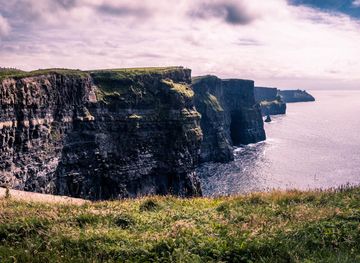
Discover Ireland: A land of enchanting landscapes, rich history, and vibrant culture, where every corner tells a story and every visit feels like coming home.
Explore Ireland