

Neve Tzedek (Tel Aviv) Travel Guide - Free
Explore Neve Tzedek in Tel Aviv with Evendo's free guide. Find the best shops, historic streets, restaurants, and gems on web or mobile.


Neve Tzedek, Tel Aviv’s historic first neighbourhood, combines restored houses, Shabazi Street boutiques, galleries, cafés, art and cultural venues.
Origins and Architectural Character
Neve Tzedek occupies a compact stretch between central Tel Aviv, the old railway area and the edge of Jaffa. Founded in 1887, it was the first Jewish neighbourhood established beyond Jaffa’s traditional walls and predates the formal founding of Tel Aviv. Its narrow lanes, low-rise houses and restored façades retain a scale that differs sharply from the city’s larger apartment districts. The neighbourhood’s name, commonly translated as “Oasis of Justice”, reflects the idealism of its early residents, while its streets preserve traces of late Ottoman and early modern urban life.Read more about Neve Tzedek
Shabazi Street and Cultural Life
Streets, Markets and Everyday Atmosphere
Best attractions in Neve Tzedek
Neve Tzedek’s attractions are concentrated within a walkable historic quarter rather than a large museum precinct. Shabazi Street provides the main promenade, lined with restored buildings, design shops, cafés and galleries, while the Suzanne Dellal Centre for Dance and Theatre anchors the neighbourhood’s cultural life in a carefully restored former school complex. The Nahum Gutman Museum presents the work of the Tel Aviv-born artist and offers insight into the early visual culture of Jaffa and Tel Aviv. Rokach House, associated with the neighbourhood’s founding family, adds another perspective on its nineteenth-century beginnings. Visitors can also explore the lanes around Chelouche Street, where low-rise houses, courtyards and renovated façades reveal the area’s unusual scale. The nearby former railway complex and Carmel Market are useful extensions to a walk, but they lie at the neighbourhood’s edges or outside it.
-
Tourist attraction
Park HaTachana
Explore the historic charm and modern vibrancy of Park HaTachana in Tel Aviv-Yafo, where culture, cuisine, and community converge beautifully.
5 min walk · 0.4 km from neighbourhood centre
-
Tourist attraction
נמל יפו
Discover the breathtaking beauty of Nemal Yafo, a captivating tourist attraction in Tel Aviv-Yafo with stunning sea views and rich history.
6 min drive · 1.9 km from neighbourhood centre
-
Tourist attraction
נווה צדק
Discover Neve Shalom, a vibrant neighborhood in Tel Aviv known for its unique charm, cultural richness, and artistic flair.
1 min walk · 0.1 km from neighbourhood centre
-
Tourist attraction
Old Jaffa town-Tel Aviv
Experience the timeless charm of Old Jaffa, where history meets vibrant arts, stunning sea views, and a rich culinary scene in Tel Aviv.
17 min walk · 1.4 km from neighbourhood centre


Best landmarks in Neve Tzedek
Neve Tzedek’s most important landmarks are closely tied to its origins and its unusual architectural scale. The Suzanne Dellal Centre occupies the restored Yechieli Girls’ School and Alliance School buildings, turning a former educational complex into one of Tel Aviv’s leading dance and theatre venues. Rokach House recalls the family of Shimon Rokach, one of the figures associated with the neighbourhood’s foundation, while Chelouche House represents the influence of the Chelouche family and the area’s early builders. The Nahum Gutman Museum, housed in a former school building, connects the neighbourhood to the artist’s childhood and to the formative imagery of Jaffa and Tel Aviv. Along Shabazi Street and the surrounding lanes, low-rise plastered façades, balconies and courtyard houses form a collective landmark: their survival conveys the neighbourhood’s pre-high-rise character more effectively than any single monument.
-
Historical landmark
Park HaTachana
Explore Park HaTachana, a historical landmark in Tel Aviv-Yafo, where history meets modern culture, dining, and shopping in a picturesque setting.
5 min walk · 0.4 km from neighbourhood centre
-
Performing arts theater
Suzanne Dellal Centre for Dance and Theatre
Discover the Suzanne Dellal Centre in Tel Aviv, a vibrant cultural hub showcasing the best of Israeli dance and theatre amidst stunning architecture.
1 min walk · 0.1 km from neighbourhood centre
-
Steak
Makom Shel Basar
Experience the ultimate steakhouse delight at Makom Shel Basar, Tel Aviv's go-to destination for premium cuts and a vibrant dining atmosphere.
5 min walk · 0.4 km from neighbourhood centre
-
Park
Park HaMesila
Explore the lush greenery and vibrant community of Park HaMesila, a tranquil urban oasis in the heart of Tel Aviv, perfect for relaxation and leisure.
3 min walk · 0.2 km from neighbourhood centre


Explore Neve Tzedek on the map
A handpicked selection of must-see spots in Neve Tzedek, mapped for you.
Best hotels in Neve Tzedek
Best restaurants in Neve Tzedek
Dining in Neve Tzedek centres on Shabazi Street and the adjoining lanes, where renovated houses accommodate cafés, bakeries, restaurants and small places focused on contemporary Israeli cooking. The area’s food scene reflects Tel Aviv’s broader mixture of Mediterranean ingredients, Levantine influences and modern design, with options ranging from relaxed coffee and pastries to sit-down meals and polished all-day dining. Dallal is one of the best-known established names in the neighbourhood, while the streets around the Suzanne Dellal Centre provide a natural setting for pre- and post-performance meals. The atmosphere is more boutique-oriented than market-driven: Carmel Market is close, but it is not inside Neve Tzedek. Visitors should distinguish the neighbourhood’s independent cafés and restaurants from the wider dining scenes of nearby Florentin and Jaffa, which begin beyond its compact historic streets.
-
Israeli
Suzana
Discover the essence of Israeli cuisine at Suzana in Tel Aviv – a Mediterranean culinary gem under ancient trees.
1 min walk · 0.1 km from neighbourhood centre
-
Restaurant
Dallal Restaurant
Experience exquisite Mediterranean cuisine at Dallal Restaurant in Tel Aviv-Yafo, where each dish tells a story of flavor and tradition.
2 min walk · 0.1 km from neighbourhood centre
-
Restaurant
Night Kitchen
Experience the vibrant flavors and lively atmosphere at Night Kitchen in Tel Aviv - where culinary delights meet nightlife excitement.
6 min walk · 0.5 km from neighbourhood centre
-
Restaurant
Vicky Cristina
Discover the authentic flavors of Spain at Vicky Cristina in Tel Aviv—where every meal is a celebration of taste and tradition.
5 min walk · 0.4 km from neighbourhood centre


Best bars in Neve Tzedek
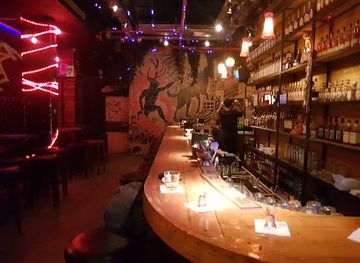
Neve Tzedek is not one of Tel Aviv’s main clubbing districts; its evenings are shaped more by dining, wine, cocktails and cultural performances than by large nightclubs. Shabazi Street and the streets near Suzanne Dellal offer places to continue an evening after dinner, while the centre’s dance and theatre programme can bring a distinctly cultural energy to the neighbourhood. Some cafés and restaurants become informal evening meeting places, but the atmosphere changes quickly once visitors leave the commercial strip and enter residential lanes. Late-night club options are more characteristic of other parts of Tel Aviv, including nearby areas outside Neve Tzedek, so the neighbourhood suits a measured evening of food, drinks and performance rather than a concentrated bar crawl.
-
Beer Garden
Teder.fm
Discover Teder.fm: Tel Aviv's vibrant beer garden offering art, live music, and delicious pizza in a lively atmosphere.
6 min walk · 0.5 km from neighbourhood centre
-
Bar
Herzl 16
Experience the vibrant nightlife of Tel Aviv at Herzl 16, where delicious food meets live music in a lively bar atmosphere.
6 min walk · 0.5 km from neighbourhood centre
-
Chophouse restaurant
Hatraklin Meat & Wine Bistro
Experience the best of meat and wine at Hatraklin Meat & Wine Bistro, where culinary excellence meets a vibrant atmosphere in Tel Aviv.
5 min walk · 0.4 km from neighbourhood centre
-
Wine bar
Par Derriere
Experience the vibrant atmosphere of Par Derriere, a must-visit wine bar in Tel Aviv-Yafo offering exquisite wines and delightful brunch dishes.
10 min walk · 0.8 km from neighbourhood centre


Best nightclubs in Neve Tzedek
Neve Tzedek is not one of Tel Aviv’s main clubbing districts; its evenings are shaped more by dining, wine, cocktails and cultural performances than by large nightclubs. Shabazi Street and the streets near Suzanne Dellal offer places to continue an evening after dinner, while the centre’s dance and theatre programme can bring a distinctly cultural energy to the neighbourhood. Some cafés and restaurants become informal evening meeting places, but the atmosphere changes quickly once visitors leave the commercial strip and enter residential lanes. Late-night club options are more characteristic of other parts of Tel Aviv, including nearby areas outside Neve Tzedek, so the neighbourhood suits a measured evening of food, drinks and performance rather than a concentrated bar crawl.
-
Night club
Haoman 17
Discover Haoman 17: Tel Aviv's premier night club offering an electrifying atmosphere, diverse entertainment, and unforgettable nightlife experiences.
10 min walk · 0.8 km from neighbourhood centre
-
Night club
Kuli Alma
Discover the heartbeat of Tel Aviv's nightlife at Kuli Alma, where art meets music in a vibrant atmosphere.
12 min walk · 1.0 km from neighbourhood centre
-
Bar
Lima Lima bar
Discover the vibrant nightlife at Lima Lima Bar in Tel Aviv, where creative cocktails and lively music meet in a stylish atmosphere.
9 min walk · 0.7 km from neighbourhood centre
-
Night club
Gagarin Club TLV
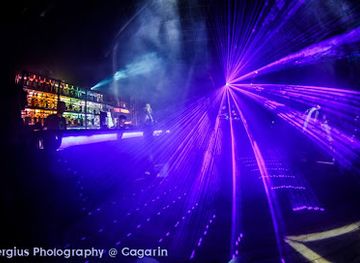
Gagarin Club TLV: Where the beats drop and the night comes alive in the heart of Tel Aviv's vibrant nightlife.
11 min walk · 0.9 km from neighbourhood centre


Best shops in Neve Tzedek
Shopping in Neve Tzedek is concentrated along Shabazi Street, whose restored façades shelter independent fashion, jewellery, homeware, design and lifestyle shops. The retail character is curated and small-scale, with an emphasis on contemporary Israeli designers and products rather than department stores or a traditional produce market. Galleries and craft-oriented businesses add a cultural dimension, while cafés make the street easy to explore at a leisurely pace. Stock and businesses change, so the enduring attraction is the combination of browsing and architecture rather than a guaranteed list of particular purchases. The Carmel Market, with its food, household goods and crowded market atmosphere, is nearby but outside Neve Tzedek; Florentin offers another distinct retail and creative scene beyond the neighbourhood’s southern and eastern edges.
-
Vintage clothing store
Essell Studio
Discover unique vintage clothing and accessories in Tel Aviv-Yafo at Essell Studio, where every piece has a story.
6 min walk · 0.5 km from neighbourhood centre
-
Clothing store
Queen Size
Explore Queen Size in Tel Aviv, where fashion meets inclusivity, offering stylish clothing for every body type and empowering self-expression.
1 min walk · 0.1 km from neighbourhood centre
-
Department store
Numero 13 - Numero 13
Explore the vibrant offerings at Numero 13, Tel Aviv's premier department store for fashion and local crafts, capturing the city's unique spirit.
2 min walk · 0.2 km from neighbourhood centre
-
Women's clothing store
MI MANERA
Explore MI MANERA in Tel Aviv for exclusive women's clothing that blends contemporary trends with local charm.
2 min walk · 0.2 km from neighbourhood centre


Neve Tzedek essentials
Getting There
Getting Around
Safety
Emergency Situations
Do's and Don'ts
Local Tips

From Eve
Local phrases worth knowing
You don't need to get them perfect. A few words go a long way, and locals appreciate the effort.
Basics
| English | Local | Say it |
|---|---|---|
| Hello | שָׁלוֹם | [Shalom] |
| Goodbye | לְהֵיפָּךְ | [Lehitra'ot] |
| Yes | כֵּן | [Ken] |
| No | לֹא | [Lo] |
| Please/You're welcome | בְּבַקָּשָׁה | [Bevakasha] |
| Thank you | תוֹדָה | [Toda] |
| Excuse me/Sorry | סְלִיחָה | [Sliḥa] |
| How are you? | אֵיך אַתָּה? | [Eich Atah?] |
| Fine. And you? | טוֹב. וָאַתָּה? | [Tov. Va'ata?] |
| Do you speak English? | הֲאַתָּה מְדַבֵּר אַנְגְלִית? | [Ha'atah medaber anglit?] |
| I don't understand | אני לא מבין | [Ani lo mevin] |
Eating & Drinking
| English | Local | Say it |
|---|---|---|
| I'd like to see the menu, please | אשמח לראות את התפריט, בבקשה | [Ashmach lir'ot et hataprit, bevakasha] |
| I don't eat meat | אני לא אוכל בשר | [Ani lo ochel basar] |
| Cheers! | לחיים! | [L'chaim!] |
| I would like to pay, please | אשמח לשלם, בבקשה | [Ashmach lishlem, bevakasha] |
Emergencies
| English | Local | Say it |
|---|---|---|
| Help! | עזרה! | [Ezra!] |
| Go away! | לך מכאן! | [Lech mekan!] |
| Call the Police! | קרא למשטרה! | [Kra lameshutrah!] |
| Call a doctor! | קרא לרופא! | [Kra larofe!] |
| I'm lost | אני לאבדתי | [Ani ibadeti] |
| I'm ill | אני חולה | [Ani choleh] |
Shopping
| English | Local | Say it |
|---|---|---|
| I'd like to buy... | אשמח לקנות... | [Ashmach liknot...] |
| I'm just looking | אני רק מסתכל | [Ani rak mistakel] |
| How much is it? | כמה זה עולה? | [Kama ze ole?] |
| That's too expensive | זה יקר מדי | [Ze yakar m'dai] |
| Can you lower the price? | אתה יכול להוריד את המחיר? | [Atah yachol lehored et hamachir?] |
Time & Numbers
| English | Local | Say it |
|---|---|---|
| What time is it? | כמה השעה? | [Kama hasha'a?] |
| It's one o'clock | השעה אחת | [Hasha'a achat] |
| Half past (10) | חצי (עשר) | [Chatzi (eser)] |
| Morning | בוקר | [Boker] |
| Afternoon | צהריים | [Tzohorayim] |
| Evening | עֶרֶב | [Erev] |
| Yesterday | אתמול | [Etmol] |
| Today | היום | [Hayom] |
| Tomorrow | מחר | [Mahar] |
| 1 | אחד | [Echad] |
| 2 | שנים | [Shnaim] |
| 3 | שלוש | [Shalosh] |
| 4 | ארבע | [Arba] |
| 5 | חמש | [Chamesh] |
| 6 | שש | [Shesh] |
| 7 | שבע | [Sheva] |
| 8 | שמונה | [Shmona] |
| 9 | תשע | [Tisha] |
| 10 | עשר | [Eser] |
Transport & Directions
| English | Local | Say it |
|---|---|---|
| Where's a/the...? | איפה נמצא... | [Eifo nimtza...] |
| What's the address? | מה הכתובת? | [Ma hakatavat?] |
| Can you show me (on the map)? | אתה יכול להראות לי (על המפה)? | [Atah yachol leharot li (al hamapa)?] |
| When's the next (bus)? | מתי האוטובוס הבא? | [Matai haotobus haba?] |
| A ticket (to ....) | כרטיס (ל...) | [Kartis (le...)] |
History of Neve Tzedek
The First Jewish Neighbourhood Beyond Jaffa
Neve Tzedek was founded in 1887 by Jewish families living in and around Jaffa, including the Chelouche and Rokach families. Its creation responded to overcrowding within Jaffa and reflected a desire for healthier, more independent housing. The early neighbourhood developed as a small settlement of private houses, narrow streets and courtyards outside the old city, while remaining economically and socially connected to Jaffa. Its location made it an important early step in the expansion of Jewish urban settlement along the coast.
A Literary and Artistic Community
During the late Ottoman period and the first decades of the twentieth century, Neve Tzedek became associated with Hebrew cultural life. The writer Yosef Haim Brenner lived and worked in the area, and the neighbourhood attracted writers, artists and teachers alongside merchants and craftsmen. Nahum Gutman spent part of his childhood there, later recording the early urban world of Jaffa and Tel Aviv in paintings, illustrations and books. The presence of schools and cultural figures gave the small neighbourhood an importance beyond its size.
From Independent Quarter to Tel Aviv
When Tel Aviv was established north of Jaffa in 1909, Neve Tzedek was already more than two decades old. The expanding city gradually surrounded it, drawing residents and businesses towards newer streets and larger buildings. The neighbourhood therefore became an early layer within Tel Aviv rather than the city’s original centre. Its low-rise houses and irregular street plan differed from the later planning traditions that shaped much of Tel Aviv, helping preserve a distinct local identity even as municipal boundaries and urban services changed.
Decline, Conservation and Renewal
Parts of Neve Tzedek deteriorated during the mid-to-late twentieth century, and some historic buildings faced neglect or demolition pressures as central Tel Aviv developed. Conservation gradually altered that trajectory. The restoration of historic structures, particularly around the former schools that became the Suzanne Dellal Centre, helped establish a cultural and visitor focus. Later investment brought renovated residences, design shops and restaurants, while also raising familiar questions about affordability, commercialisation and the balance between preserving architectural character and maintaining everyday residential life.
A Contemporary Cultural Quarter
Today Neve Tzedek is recognised as one of Tel Aviv’s most architecturally distinctive historic quarters. Its cultural institutions, galleries, cafés and design-led businesses draw visitors, while the neighbourhood’s houses and lanes continue to express its nineteenth-century origins. The renovated streetscape is part of a wider pattern of conservation in central Tel Aviv, but Neve Tzedek remains particularly significant because it links the pre-Tel Aviv Jewish settlement outside Jaffa with the modern city that grew around it.
Neve Tzedek in Photos
Browse through our photo collection highlighting the charm and character of the destination.
Neighbourhoods near Neve Tzedek
The closest neighbourhoods to Neve Tzedek, if you have time for more than one stop.
-

-

-

-

-


Swipe for more neighbourhoods
Explore more

Explore more of Tel Aviv
Tel Aviv combines Mediterranean beaches, Bauhaus architecture, Jaffa history, lively markets, contemporary art and an energetic culinary scene in Israel.
Explore Tel Aviv