

Servian Wall, Lazio Travel Guide
Explore the remnants of Rome's ancient defensive barrier, the Servian Wall, a testament to the city's early military and engineering might.
The Servian Wall, dating back to the 4th century BC, represents one of Rome's earliest and most significant defensive structures. Built from volcanic tuff, it once encircled the city's seven hills, protecting it from invaders and shaping its urban development. Today, remnants of the wall can be seen throughout Rome, offering a glimpse into the city's rich history.
A brief summary to Servian Wall
- Rome, Metropolitan City of Rome Capital, 00185, IT
- Click to display

Know before you go
Hi, I'm Eve. Here are a few practical things to know before exploring Servian Wall.
- The most accessible and largest section of the Servian Wall is located outside Termini Station.
- Combine your visit with a trip to the nearby National Roman Museum to learn more about the historical context of the wall.
- Look for the remains of the wall incorporated into modern structures, such as the McDonald's at Termini Station, for a unique blend of ancient and contemporary Rome.
Do you manage this location?
Take control to get all the benefits, like improved information, better appearance, and stronger visibility across AI-powered discovery. Learn more about listing your business on Evendo
Activate your presenceOther nearby places you may find interesting
The closest places of the same kind, if this one is not quite what you had in mind.
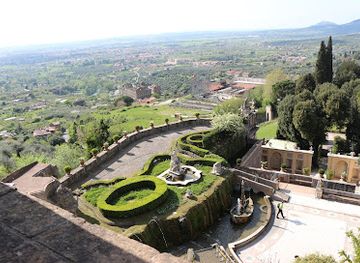
Explore Servian Wall on the Map
A handpicked selection of must-see spots near Servian Wall, mapped for you.
Getting There
-
Public Transport
The Servian Wall has several visible sections. A primary section is easily accessible from Termini Station, Rome's main transportation hub. From Termini, follow signs for the Via Giovanni Giolitti exit. Upon exiting, the wall is located on the left side of the station. Rome's public transport system includes metro, buses, and trams. A single ticket costs €1.50 and is valid for 100 minutes on all modes of transport. Alternatively, a 24-hour ticket costs €7. From Termini, you can also take the Metro Line A or B to other locations where the wall is visible. For example, taking Line A to Vittorio Emanuele will bring you close to the Arch of Gallienus, which incorporates a gate from the Servian Wall.
-
Walking
Many sections of the Servian Wall are within walking distance of major attractions and transport hubs. From Termini Station, the most prominent section of the wall is a short walk. Walking from the Colosseum or Roman Forum: Head north towards Termini Station. The walk is approximately 20-30 minutes. You'll find a significant portion of the wall on the left side as you face the front of Termini Station. Walking from Piazza della Repubblica: Walk east along Via Terme di Diocleziano. This route leads directly to the area outside Termini Station where the wall is visible.
-
Taxi
Taxis are readily available throughout Rome. From Termini Station, a short taxi ride to a specific section of the Servian Wall (e.g., near the Aventine Hill or Piazza Albania) will cost approximately €8-€15, plus a €2 surcharge from Termini Station. Taxi fares in Rome start at €3.50 during the day, with additional charges based on distance and time. A short trip within the city center should not exceed €12. Be sure the taxi is official and the meter is running.
-
Driving
Driving in Rome can be challenging due to traffic and limited parking. If driving, head towards Termini Station. Parking near Termini is available but can be expensive. Consider parking outside the city center and using public transport. Metro Line A has parking at Battistini station, costing around €0.50 per hour or €5-8 per day. From there, take the metro to Termini or another location near the Servian Wall. If parking near Termini, expect to pay €20-€40 daily at a garage. Be aware of ZTL (Limited Traffic Zone) restrictions in the city center.
Discover more about Servian Wall













Your all‑in‑one travel companion app
Explore expert travel guides, compare and book tours, experiences, hotels, and more—all from the palm of your hand. Download now for seamless trip planning wherever your wanderlust takes you.


Explore More of Lazio
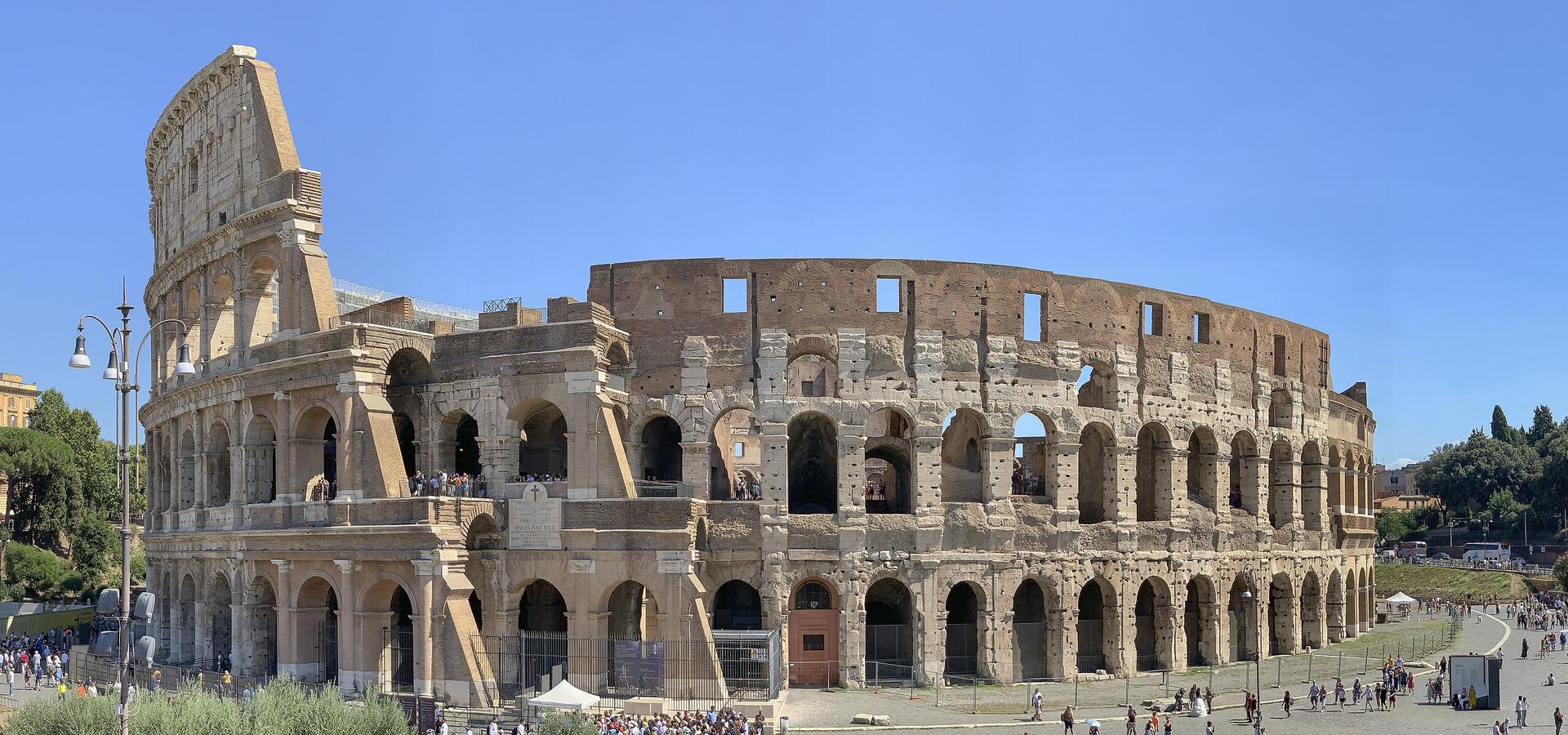
Looking beyond Servian Wall? Discover Lazio for broader travel guides, local hot-spots, and regional highlights.
Explore Lazio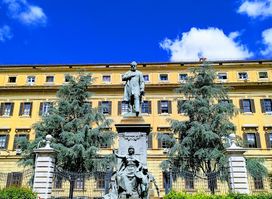
A historical monument in Rome honoring Quintino Sella, a key figure in Italy's unification and financial reform, located near Termini Station.
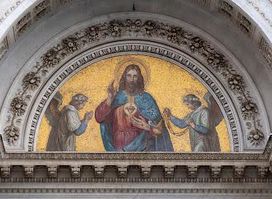
Explore the Basilica del Sacro Cuore di Gesù a Castro Pretorio, a stunning neo-Gothic masterpiece in Rome, blending history, architecture, and spirituality.
