

Free Marche Travel Guide & Mobile App
Explore Marche with free travel guides. Discover regional history, expert tips, proposed trips, and audio guides on web or mobile app.


Explore Marche for Adriatic beaches, Renaissance Urbino, hill towns, mountain landscapes, distinctive wines and memorable regional cuisine.
Read more about Marche
When is the best time to visit Marche?
Best: May–June, September · 22–27°C| Month | High (°C) | Rainfall (mm) |
|---|---|---|
| January | 8 | 51 |
| February | 10 | 48 |
| March | 13 | 53 |
| April | 18 | 55 |
| May (best) | 22 | 49 |
| June (best) | 27 | 41 |
| July | 30 | 32 |
| August | 29 | 43 |
| September (best) | 25 | 59 |
| October | 19 | 75 |
| November | 14 | 66 |
| December | 10 | 59 |
Getting to and around Marche
How to get there
Transportation
Top city travel guides in Marche
The cities of Marche, and the easiest places to base yourself.
-

-

-

-

-
-


Swipe for more cities
Destinations in Marche
Resorts, valleys and scenic spots worth a trip of their own.

Swipe for more destinations
Best attractions in Marche
Marche’s attractions range from Adriatic resort towns and working harbours to hilltop cities, mountain parks and underground landscapes. Urbino is the region’s major artistic destination, with the Ducal Palace and a Renaissance centre designed for exploration on foot. Along the coast, Ancona combines a historic harbour with Roman and medieval remains, while Pesaro and Fano offer museums, beaches and traces of ancient settlement. The Monte Conero area provides walking routes, viewpoints and coves south of Ancona. Inland, the Frasassi Caves near Genga are a major geological attraction, and the Monti Sibillini provide opportunities for walking and nature study. Macerata’s Sferisterio brings music and opera into a distinctive nineteenth-century arena, while Recanati is associated with the poet Giacomo Leopardi. Smaller towns such as Offida, Loreto, Jesi and Fermo add churches, civic architecture, craft traditions and food culture. The attraction landscape is strongest when these places are linked with the cultivated countryside between them rather than treated as isolated stops.
-
Tourist attraction
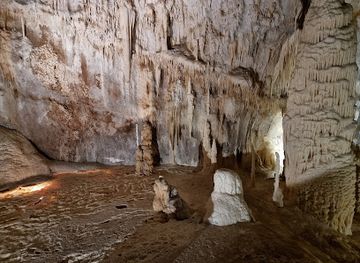
Frasassi Caves
Explore the mesmerizing Frasassi Caves in Italy: a subterranean world of stunning stalactites, vast chambers, and natural wonders formed over millions of years.
-
Fortress
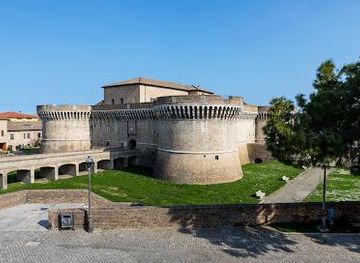
Rocca Roveresca
Experience the majestic Rocca Roveresca, a historical fortress in Senigallia, where medieval architecture meets breathtaking Adriatic views.
-
National park
Parco Naturale Regionale Gola della Rossa e di Frasassi
Experience the breathtaking landscapes, rich biodiversity, and fascinating geological wonders of Parco Naturale Regionale Gola della Rossa e di Frasassi in Italy.
-
 Hotel
HotelAl Foro Annonario
Discover Al Foro Annonario in Senigallia, where history meets vibrant market life, offering local delicacies and authentic Italian experiences.
Best landmarks in Marche
The Ducal Palace of Urbino is Marche’s defining architectural landmark, its courtyards, towers and disciplined brick façades expressing the ambitions of Federico da Montefeltro’s Renaissance court. Ascoli Piceno’s Piazza del Popolo is another exceptional civic setting, framed by travertine buildings including the Palazzo dei Capitani and the church of San Francesco. In Ancona, the Cathedral of San Ciriaco occupies a prominent position above the harbour, while the Arch of Trajan records the city’s Roman maritime importance. The Basilica della Santa Casa at Loreto is one of Italy’s major pilgrimage landmarks and dominates the town’s monumental centre. The Sferisterio in Macerata, built as a nineteenth-century arena, is notable for its scale and continuing cultural use. Beyond architecture, Monte Conero gives Marche one of its most recognisable natural profiles, with wooded slopes rising above the Adriatic. The Frasassi cave system near Genga provides a contrasting subterranean landmark shaped by limestone, water and geological time.
-
Historical landmark
Palazzo d'Arcevia
Explore Palazzo d'Arcevia, a historical landmark in the Province of Ancona, rich in culture, architecture, and breathtaking landscapes.
-
Monument
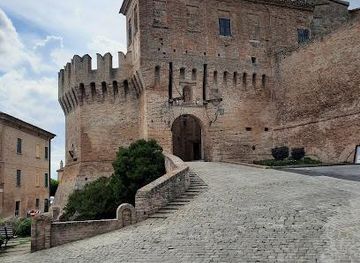
Walls
Explore the historic Walls of Corinaldo, a breathtaking monument offering stunning views and a journey through Italy's medieval past.
-
Vista point
Balcony of the Marches
Experience breathtaking panoramic views at the Balcony of the Marches, a must-visit scenic vista point in Italy's stunning Macerata region.
-
Castle
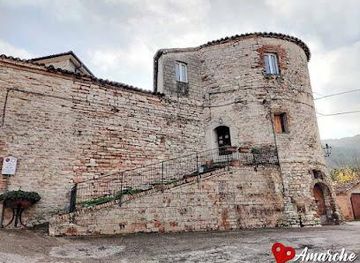
Castello di Gradara
Discover the enchanting beauty and rich history of Castello di Gradara, a captivating medieval fortress in the heart of Italy's Marche region.
Explore Marche on the map
Plan your trip on one map. See where the top cities, national parks and sights are, and book hotels and experiences in a few clicks.
Best hotels in Marche
Best restaurants in Marche
Marche’s food changes noticeably between the Adriatic and the Apennine interior. Coastal menus feature brodetto, a fish stew whose ingredients and preparation vary from port to port, alongside grilled or fried seafood and Adriatic shellfish. Inland, handmade pasta, legumes, pork, mushrooms, truffles and sheep’s cheeses are prominent; vincisgrassi, a rich baked pasta associated with Marche, is a classic regional dish. Ascoli Piceno is known for olive ascolane, olives stuffed and fried, while porchetta and seasonal produce appear in markets, casual eateries and country cooking. The region’s wines provide a useful guide to local geography: Verdicchio comes chiefly from the Castelli di Jesi and Matelica areas, while Rosso Piceno and Lacrima di Morro d’Alba offer different red styles. Dining ranges from beach restaurants and town cafés to traditional trattorie, rural agriturismi and contemporary kitchens using local ingredients.
-
Seafood
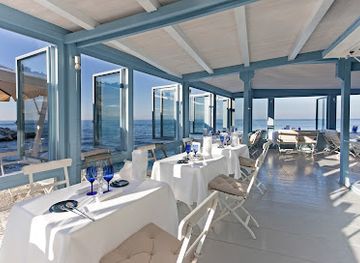
RISTORANTE La Torre
Experience exquisite seafood dining at Ristorante La Torre in Numana with stunning Adriatic views and exceptional Italian cuisine.
-
Restaurant
Clandestino Susci Bar
Experience exquisite sushi made from fresh local seafood at Clandestino Susci Bar in Portonovo, where culinary art meets stunning seaside views.
-
Fine Dining
Uliassi
Experience exceptional seafood dining at Uliassi in Senigallia, where culinary innovation meets stunning seaside views.
-
Seafood
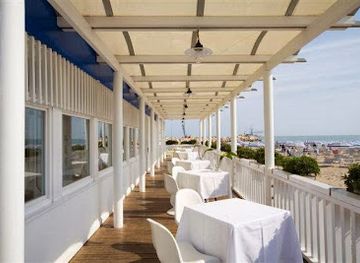
Ristorante da Giacchetti dal 1959
Experience exquisite seafood dining at Ristorante da Giacchetti in Ancona - where tradition meets breathtaking coastal views.

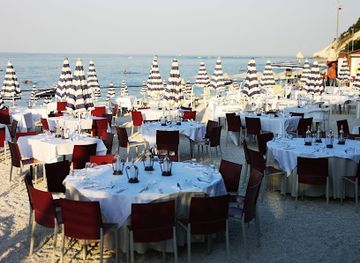
Best bars in Marche
Evening life in Marche is varied but generally more relaxed than in Italy’s largest metropolitan destinations. Coastal towns such as Pesaro, Fano, Senigallia, Ancona and San Benedetto del Tronto have bars, gelaterie, seafront restaurants and seasonal venues, with activity increasing during summer. In inland towns, the social centre is more often a piazza bar, wine shop, traditional osteria or restaurant than a large nightclub. Ancona and university-oriented Macerata offer a broader choice of live music, cultural events and late cafés, while the Sferisterio provides a major seasonal focus for opera and concerts. Craft breweries and wine bars appear in larger towns, and local producers are increasingly represented in tasting events. Check arrangements locally outside the summer season, when smaller destinations may close earlier and entertainment is concentrated around weekends or scheduled performances.
-
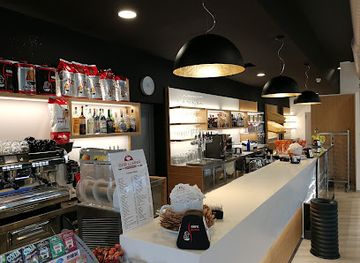
Bar
Bar Luana
Discover the heart of Ancona at Bar Luana, where authentic Italian flavors and warm hospitality create a memorable dining experience.
-
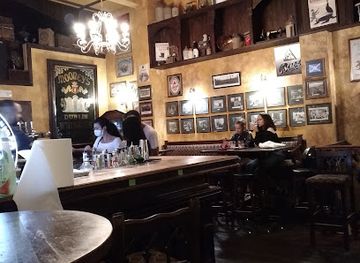
Irish pub
Donegal Irish Pub
Discover the authentic Irish pub experience at Donegal Irish Pub in Ancona, where tradition meets vibrant nightlife and hearty cuisine.
-
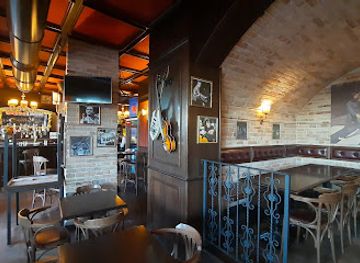
Pub
The Cavern Pub
Experience the vibrant nightlife and delicious American and Irish cuisine at The Cavern Pub in Civitanova Marche, a must-visit for every tourist.
-
Espresso bar
Bar Caffetteria La Ternana
Discover Bar Caffetteria La Ternana in Civitanova Marche, where authentic Italian coffee meets local charm in a cozy atmosphere.
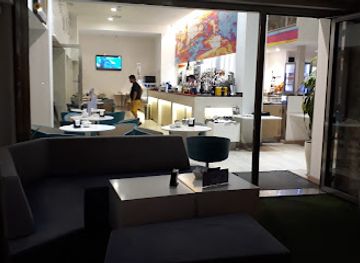
Best nightclubs in Marche
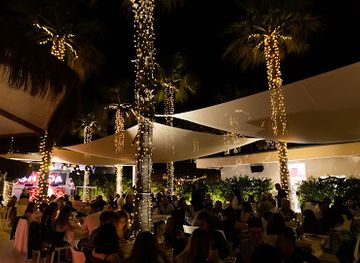
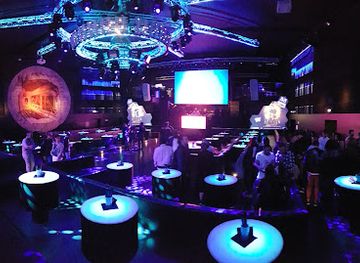
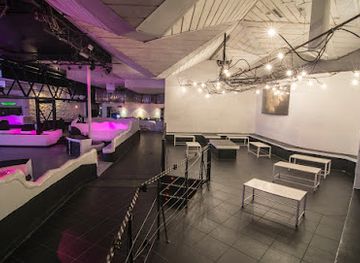
Evening life in Marche is varied but generally more relaxed than in Italy’s largest metropolitan destinations. Coastal towns such as Pesaro, Fano, Senigallia, Ancona and San Benedetto del Tronto have bars, gelaterie, seafront restaurants and seasonal venues, with activity increasing during summer. In inland towns, the social centre is more often a piazza bar, wine shop, traditional osteria or restaurant than a large nightclub. Ancona and university-oriented Macerata offer a broader choice of live music, cultural events and late cafés, while the Sferisterio provides a major seasonal focus for opera and concerts. Craft breweries and wine bars appear in larger towns, and local producers are increasingly represented in tasting events. Check arrangements locally outside the summer season, when smaller destinations may close earlier and entertainment is concentrated around weekends or scheduled performances.
-
Lido
Shada Beach Club Food
Experience the vibrant atmosphere of Shada Beach Club, where Mediterranean beauty meets lively entertainment and delicious cuisine in Civitanova Marche.
-
Disco club
Donoma
Discover the vibrant nightlife at Donoma, a unique disco club and restaurant in Civitanova Marche, Italy, perfect for dining and dancing.
-
Disco club
Miami Disco Club
Discover the energetic vibe of Miami Disco Club in Monsano, where vibrant music and unforgettable nights come together to create an exhilarating experience.
-
Entertainment agency
Miss Agency di Marco Marozzi
Discover the vibrant world of entertainment at Miss Agency di Marco Marozzi in Civitanova Marche, where unforgettable experiences await.

Best shops in Marche
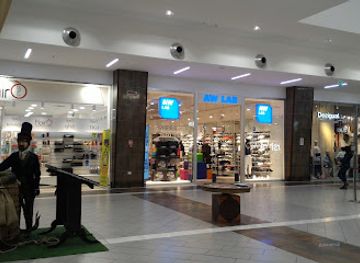
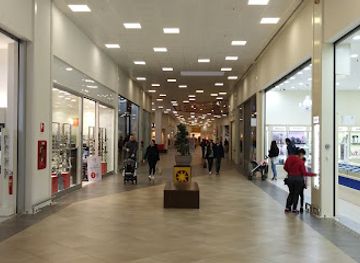
Shopping in Marche is centred on historic high streets, weekly markets, specialist food shops and independent businesses rather than one dominant retail district. Ancona, Pesaro, Macerata and Ascoli Piceno provide the broadest urban choice, while smaller towns are rewarding for pottery, paper goods, local art and traditional food products. Look for Verdicchio and other regional wines, olive oil, cured meats, pecorino, preserves and seasonal produce, especially in market towns and winery shops. The Fermo and Macerata area is associated with footwear and leather manufacturing, although factory outlets and individual businesses vary in location and opening arrangements. Urbino has art-focused shops, ceramics, books and crafts linked to its cultural identity, while Offida is known for local lace traditions and food products. Farmers’ markets and food halls can be more useful than souvenir shops for finding durable regional gifts; ask about packaging rules when carrying wine, oil or other liquids on flights.
-
Shopping mall
Il Cuore Adriatico
Explore the vibrant Il Cuore Adriatico shopping mall in Civitanova Marche, offering a blend of local culture, unique shops, and delightful dining options.
-
Shopping mall
Grotte Center
Discover the Grotte Center: Camerano's top shopping mall with a diverse range of stores, dining options, and family-friendly activities.
-
Shopping mall
Centro Commerciale Conero
Discover the ultimate shopping experience at Centro Commerciale Conero in Ancona, featuring diverse shops, dining, and family-friendly entertainment.
-
Boutique
Outlet Tod's & Hogan
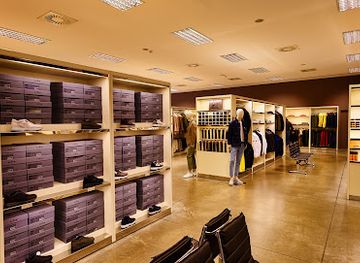
Discover luxury fashion at Outlet Tod's & Hogan in Sant'Elpidio a Mare, featuring a stunning selection of clothing, shoes, and leather goods.
Get your free copy of our complete guide to Marche, delivered straight to you.
Everything on this page, from attractions and restaurants to essentials and local phrases, in one PDF you can read offline, print or share.
Already have an account? Sign in
Your Marche guide is ready.
We'll send it to · Not you? Sign out

Getting your guide ready…
We are putting together a fresh copy of the Marche guide. This can take up to a minute.
This can take a few moments. If your browser asks, choose Allow so the download can start. You'll find the guide in your Downloads folder.
Nothing happened? Download it again
Sorry, the guide is taking longer than usual. Please try again in a minute, or get it by email instead.
Marche essentials
Currency and Payment
Safety
Emergency Situations
Do's and Don'ts
Local Tips
From Eve
Local phrases worth knowing
You don't need to get them perfect. A few words go a long way, and locals appreciate the effort.
Basics
| English | Local | Say it |
|---|---|---|
| Hello | Ciao | [chow] |
| Goodbye | Arrivederci | [ah-ree-veh-DER-chee] |
| Yes | Sì | [see] |
| No | No | [noh] |
| Please/You're welcome | Per favore/Prego | [per fah-VOR-eh/PRAY-go] |
| Thank you | Grazie | [GRAHT-see-eh] |
| Excuse me/Sorry | Scusami/Mi dispiace | [SKOO-zah-mee/Mee dis-PYAH-che] |
| How are you? | Come stai? | [KOH-meh stai] |
| Fine. And you? | Bene. E tu? | [BEH-neh. Eh too] |
| Do you speak English? | Parli inglese? | [PAR-lee een-GLEH-zeh] |
| I don't understand | Non capisco | [nohn kah-PEE-skoh] |
Eating & Drinking
| English | Local | Say it |
|---|---|---|
| I'd like to see the menu, please | Vorrei vedere il menu, per favore | [vor-RAY veh-DEH-reh eel meh-NOO, per fah-VOR-eh] |
| I don't eat meat | Non mangio carne | [nohn MAHN-joh KAR-neh] |
| Cheers! | Salute! | [sah-LOO-teh] |
| I would like to pay, please | Vorrei pagare, per favore | [vor-RAY pah-GAH-reh, per fah-VOR-eh] |
Emergencies
| English | Local | Say it |
|---|---|---|
| Help! | Aiuto! | [ah-YOO-toh] |
| Go away! | Vai via! | [vy VEE-ah] |
| Call the Police! | Chiama la polizia! | [KYAH-mah lah poh-lee-TSEE-ah] |
| Call a doctor! | Chiama un dottore! | [KYAH-mah oon doh-TOH-reh] |
| I'm lost | Mi sono perso | [mee SOH-noh PER-soh] |
| I'm ill | Sono malato | [SOH-noh mah-LAH-toh] |
Shopping
| English | Local | Say it |
|---|---|---|
| I'd like to buy... | Vorrei comprare... | [vor-RAY kom-PRAH-reh...] |
| I'm just looking | Sto solo guardando | [sto SOH-loh gwar-DAN-doh] |
| How much is it? | Quanto costa? | [KWAN-toh KOH-stah] |
| That's too expensive | È troppo costoso | [eh TROH-poh koh-STOH-zoh] |
| Can you lower the price? | Puoi abbassare il prezzo? | [pwoy ahb-BAH-sah-reh eel PRET-soh] |
Time & Numbers
| English | Local | Say it |
|---|---|---|
| What time is it? | Che ore sono? | [keh OH-reh SOH-noh] |
| It's one o'clock | È l'una | [eh LOO-nah] |
| Half past (10) | Dieci e mezzo | [DYEH-cheh eh MEH-tsoh] |
| Morning | Mattina | [maht-TEE-nah] |
| Afternoon | Pomeriggio | [poh-meh-REEJ-joh] |
| Evening | Sera | [SEH-rah] |
| Yesterday | Ieri | [YEH-ree] |
| Today | Oggi | [OH-gee] |
| Tomorrow | Domani | [doh-MAH-nee] |
| 1 | Uno | [OO-noh] |
| 2 | Due | [DOO-eh] |
| 3 | Tre | [TREH] |
| 4 | Quattro | [KWAHT-troh] |
| 5 | Cinque | [CHEEN-kweh] |
| 6 | Sei | [SAY] |
| 7 | Sette | [SEHT-teh] |
| 8 | Otto | [OHT-toh] |
| 9 | Nove | [NOH-veh] |
| 10 | Dieci | [DYEH-chee] |
Transport & Directions
| English | Local | Say it |
|---|---|---|
| Where's a/the...? | Dove si trova...? | [DOH-veh see TROH-vah...?] |
| What's the address? | Qual è l'indirizzo? | [kwahl eh leen-dee-REET-soh] |
| Can you show me (on the map)? | Puoi mostrarmi (sulla mappa)? | [pwoy mo-STRAHR-mee (SOOL-lah MAHP-pah)?] |
| When's the next (bus)? | Quando passa il prossimo (autobus)? | [KWAHN-doh PAH-sah eel PROHS-see-mo (OW-toh-boos)?] |
| A ticket (to ....) | Un biglietto (per ....) | [oon bee-LYEHT-toh (per ....)] |
History of Marche
Piceni, Greeks and Roman Conquest
Before Roman expansion, much of present-day Marche was inhabited by the Piceni, an Iron Age people whose settlements and burial sites have contributed important archaeological evidence. Greek influence reached the coast, notably through contacts and colonies around Ancona, traditionally founded by Syracusans. Rome gradually incorporated the area during the third century BC. Roman roads, towns and ports supported agriculture and trade, and the ancient settlement of Fanum Fortunae survives beneath modern Fano. Roman urban planning and infrastructure established patterns that continued to shape the region’s towns.
Medieval Communes and Coastal Trade
After the decline of Roman authority, Marche was divided among ecclesiastical territories, local lordships and emerging communes. Coastal ports such as Ancona developed commercial connections across the Adriatic, while inland communities fortified themselves on defensible ridges. Medieval churches, towers and town walls remain visible in settlements throughout the region. The influence of the Papal States grew over time, although local rulers and independent communes retained considerable importance. This period created the compact hill-town landscapes and civic piazzas that remain characteristic of Marche.
The Montefeltro Court and Renaissance Urbino
During the fifteenth century, Federico da Montefeltro transformed Urbino into one of Italy’s leading Renaissance courts. A military commander, ruler and patron of learning, he commissioned the Ducal Palace and attracted architects, scholars and artists, including Piero della Francesca and, later, figures associated with Raphael’s artistic world. Urbino’s court promoted humanist culture well beyond the town itself. The palace and historic centre still express the political and intellectual ambitions of Renaissance princely power in central Italy.
Papal Rule and Regional Lordships
From the late Middle Ages until Italian unification, much of Marche was governed within the Papal States, although authority varied and important families controlled individual territories. The Della Rovere dynasty succeeded the Montefeltro line in Urbino before the duchy was absorbed into the Papal States in the seventeenth century. Other towns developed under local nobles, bishops or papal administrators. Their competing institutions left a legacy of theatres, churches, noble palaces and carefully planned squares, especially in the provincial centres and historic hill towns.
Napoleonic Reform and Italian Unification
Napoleonic rule at the turn of the nineteenth century reorganised administration, reduced ecclesiastical privileges and introduced legal and institutional changes that affected towns across Marche. Restoration followed, but political opposition to papal government continued. The region joined the Kingdom of Italy in 1860 after the Piedmontese defeat of papal forces at Castelfidardo, near Ancona. Unification brought new administrative frameworks, roads and railways, gradually linking coastal ports with inland markets while altering the relationship between local economies and the national state.
Industry, Emigration and Contemporary Marche
During the twentieth century, Marche combined agricultural traditions with the growth of small and medium-sized manufacturing firms. Footwear around Fermo and the Macerata area, furniture and woodworking, engineering, food production and other specialised industries became important sources of employment. Like many Italian regions, Marche also experienced substantial emigration, followed later by urbanisation and tourism. The coast grew as a resort corridor, while inland towns invested in heritage and cultural tourism. Earthquakes, including those affecting the Apennine districts in recent decades, have also shaped restoration and local life.
Marche in Photos
Browse through our photo collection highlighting the charm and character of the destination.
Neighbouring regions of Marche
The closest regions to Marche, if you have time for more than one.
-

-

-

-

-


Swipe for more regions
Explore more

Explore more of Italy
Discover Italy: A land of ancient history, artistic marvels, and culinary delights; where every corner reveals a new story and every meal is a celebration.
Explore Italy